
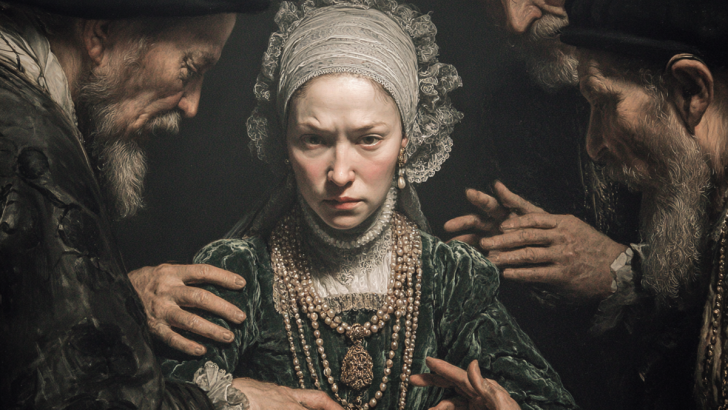
Let’s be honest: if you time-traveled back to the 1600s, you wouldn’t last a week without someone side-eyeing you and whispering, “Hmm… suspicious.” The early modern period was not exactly known for its chill, rational takes—especially when it came to unexplained behavior, independent thinking, or, frankly, women existing with opinions. Between paranoia, religious extremism, and a deep fear of anything unfamiliar, entire communities were ready to label everyday actions as proof of witchcraft.
So if you enjoy modern luxuries like logic, science, or simply minding your own business, congratulations—you would have absolutely been on thin ice. Here are ten completely normal things today that could’ve gotten you dramatically accused of being a witch back in the 1600s.
1. Owning a Cat (Especially a Black One)
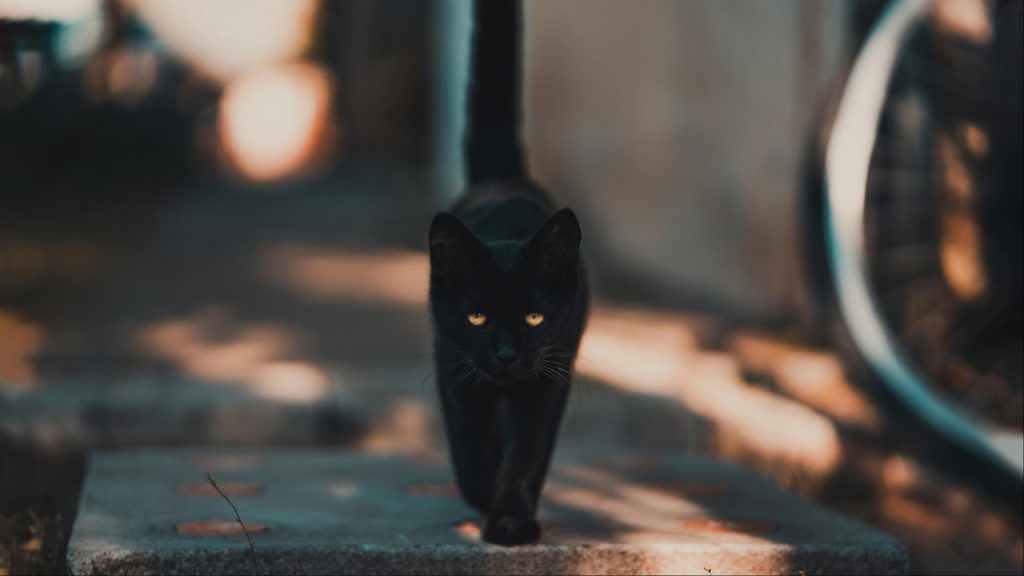
Ah yes, the ultimate red flag: having a pet. But not just any pet—a cat. Cats, particularly black ones, were believed to be “familiars,” aka supernatural sidekicks sent by the devil to help witches do their dark bidding. Meanwhile, you’re just trying to keep mice out of your house and maybe enjoy some emotional support from a creature that barely tolerates you.
If your cat happened to stare at people, wander at night, or exist independently (which is all cats), congratulations—you were now suspicious. Bonus points if your cat disliked someone in the village, because clearly it was detecting their soul or something equally dramatic. In reality, cats were just being cats. In the 1600s? Guilty by association.
2. Knowing Basic Herbal Remedies

Imagine helping someone with a headache using herbs and getting repaid with… accusations of dark magic. In the 1600s, having knowledge of plants—especially medicinal ones—was a fast track to suspicion. Healers, midwives, and anyone who knew how to make a decent herbal tea were often seen as dabbling in the supernatural.
The irony? These were the closest thing communities had to doctors. But if your remedy worked too well, people got suspicious. If it didn’t work, well, you were clearly cursed. There was no winning. Basically, being helpful and knowledgeable about nature was less “community asset” and more “potential witch—keep an eye on her.”
3. Talking to Yourself (a.k.a. Thinking Out Loud)

You’re pacing around your house, rehearsing a conversation or trying to remember what you walked into the room for. Totally normal, right? Not in the 1600s. Talking to yourself could easily be interpreted as communicating with spirits, demons, or some invisible entity you were definitely not supposed to be chatting with.
Even muttering under your breath could raise eyebrows. People might assume you were casting spells, reciting curses, or holding secret meetings with the supernatural. Meanwhile, you’re just trying to process your thoughts or complain about your chores. Unfortunately, introspection wasn’t exactly a widely understood concept back then.
4. Having a Strong Personality (Especially as a Woman)

Confident? Opinionated? Not afraid to speak your mind? Congratulations—you’re now deeply suspicious. In the 1600s, social norms were extremely rigid, especially for women. Stepping outside those expectations could quickly get you labeled as “unnatural” or, worse, “influenced by dark forces.”
Women who argued, refused to conform, or simply didn’t fit the mold of quiet obedience were often targeted. If you challenged authority or stood up for yourself, people might assume you had some kind of supernatural backing—because clearly, no one could just be negrita on their own. It’s less “strong personality” and more “trial pending.”
5. Being Left-Handed

Today, being left-handed is just a mildly inconvenient trait when using scissors or spiral notebooks. In the 1600s? It was suspiciously close to being “marked by the devil.” The word “sinister” literally comes from the Latin word for “left,” which tells you everything you need to know about how this was going to go.
Left-handed people were often viewed as unnatural or even cursed. Simple actions—like writing, eating, or working with your left hand—could make others uneasy. It didn’t matter that you had no control over it; it just looked equivocado to people at the time. So yes, your dominant hand alone could’ve been enough to get you side-eyed into a full-blown accusation.
6. Having Unexplained Illnesses or “Too Good” Health

Health in the 1600s was a mystery wrapped in confusion and a lack of scientific understanding. So if you got sick in a strange way—or, ironically, didn’t get sick when everyone else did—people might start to wonder what was going on with you.
If you had seizures, fainting spells, or any condition that wasn’t understood, it could be labeled as possession or witchcraft. On the flip side, if you somehow stayed healthy during an outbreak, people might suspect you were protected by… questionable means. Either way, your body’s behavior could easily become “evidence” against you.
7. Being a Bit Too Good at Something

Are you unusually skilled? Maybe you’re great at cooking, crafting, or solving problems. In today’s world, that’s impressive. In the 1600s, it could be suspiciously impressive. Excellence—especially if it seemed effortless—might lead people to believe you had supernatural help.
If your bread always came out perfect, your crops thrived, or you just seemed luckier than others, whispers could start. Because clearly, hard work and talent weren’t as obvious an explanation as, say, a pact with dark forces. Basically, being competent could make you look demasiado competent, and that was apparently a problem.
8. Arguing with the Wrong Person

Sometimes, all it took was being on the wrong side of a grudge. If you argued with someone and something unfortunate later happened to them—like illness, bad luck, or a failed harvest—you could easily become their prime suspect.
It didn’t matter that correlation isn’t causation (that concept was not exactly trending yet). If someone already disliked you, they might connect unrelated events and decide you were responsible. Personal conflicts could escalate into full-blown accusations, especially in tight-knit communities where gossip traveled fast and logic traveled… not at all.
9. Dreaming Vividly or Talking About Dreams

You wake up and tell someone about a weird dream you had. Maybe it involved flying, strange creatures, or symbolic nonsense your brain cooked up overnight. Sounds harmless, right? Not in the 1600s, where dreams could be seen as spiritual experiences—or worse, evidence of supernatural involvement.
If your dreams were particularly vivid or unusual, people might believe you were traveling outside your body, communicating with spirits, or receiving dark visions. Sharing your subconscious adventures could accidentally make you sound like you were involved in something far more sinister than just having an active imagination.
10. Just… Being Different

At the end of the day, the biggest “crime” you could commit in the 1600s was simply not fitting in. Whether it was your behavior, appearance, habits, or lifestyle, anything that made you stand out could be enough to draw suspicion.
Maybe you kept to yourself, dressed differently, or didn’t follow the same routines as everyone else. In a time when conformity was expected, individuality could easily be misinterpreted as something threatening or unnatural. You didn’t need evidence—just enough doubt for people to start talking. And once that happened, well… good luck convincing them you were just minding your business.

Lover of good music, reading, astrology and making memories with friends and spreading positive vibes! 🎶✨I aim to inspire others to find meaning and purpose through a deeper understanding of the universe’s energies.