
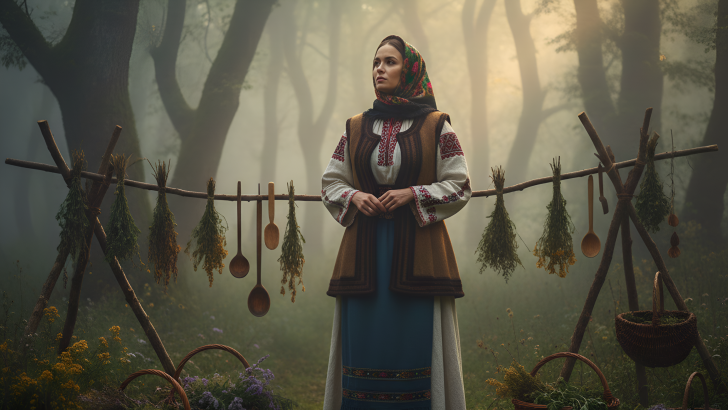
Eastern Serbia has a rich history of folklore and superstition, and among its most intriguing stories are those of the witches, or vračare as they are locally known.
These women, or occasionally men, were believed to possess mystical powers, including healing, cursing, and communicating with spirits.
The tales of witches in this region blend pagan traditions, Slavic mythology, and Christian beliefs, creating a complex and fascinating cultural tapestry.
For centuries, these figures were both feared and respected, as villagers turned to them for remedies, protection, or explanations for misfortune.
Understanding the folklore around Eastern Serbian witches provides insight into the beliefs, fears, and values of local communities.
Here are ten fascinating facts about these enigmatic figures.
1. Witches Were Often Healers
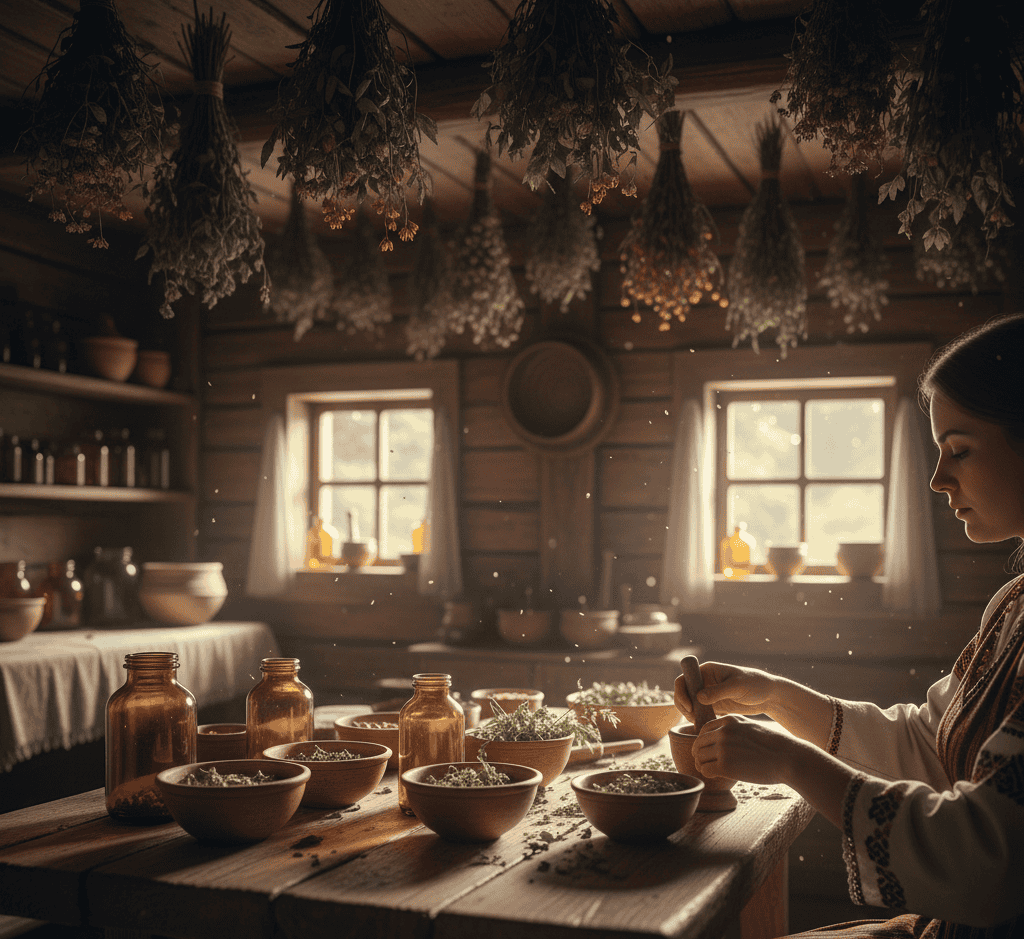
Many witches in Eastern Serbia were primarily valued as healers. They used herbs, rituals, and folk remedies to treat illness, pain, or spiritual afflictions.
Villagers would seek them out for ailments ranging from fevers to broken bones, trusting in their knowledge of nature and tradition.
These women combined practical medicine with spiritual guidance, making them indispensable in rural communities with limited access to formal healthcare.
Their healing practices were passed down orally through generations, blending empirical observation with mystical rituals that reflected both the natural and supernatural aspects of their work.
2. They Were Believed to Communicate With Spirits
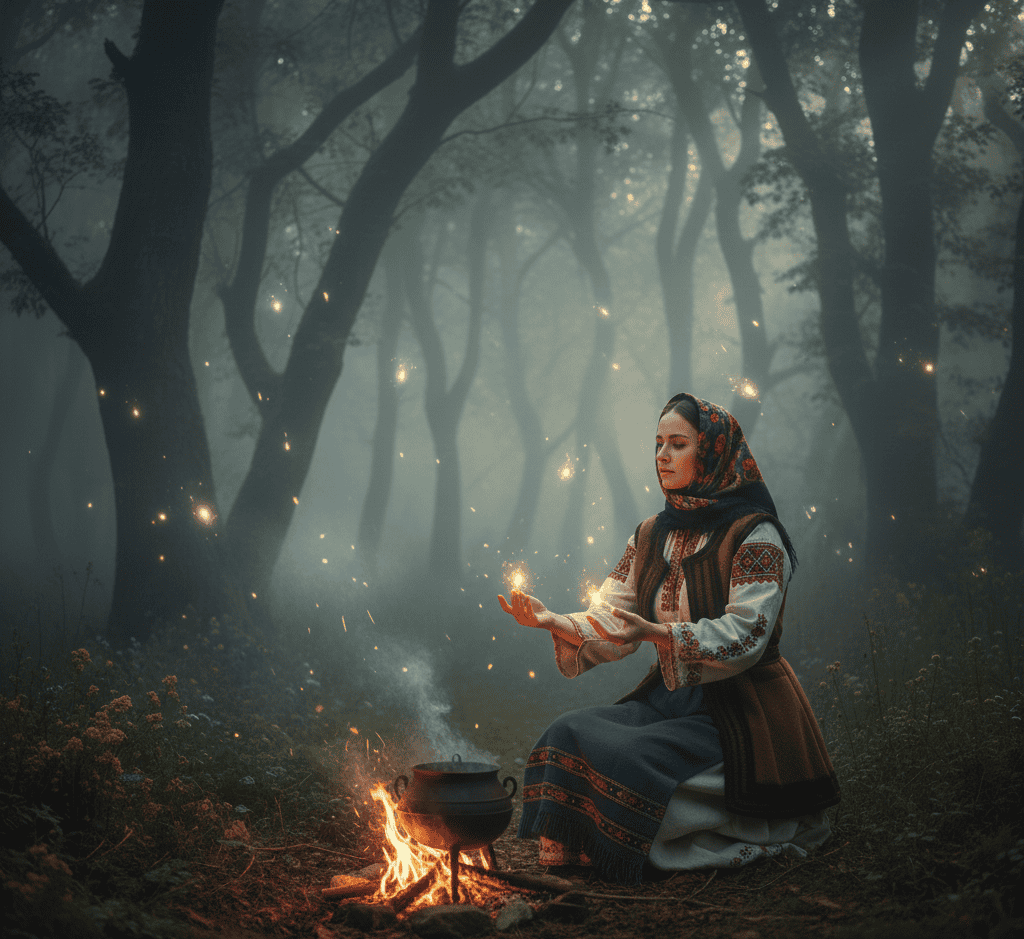
Eastern Serbian witches were thought to have the ability to communicate with spirits, both benevolent and malevolent.
This included the souls of ancestors, guardian spirits, or wandering entities that might cause harm or offer guidance.
Such communication allowed witches to diagnose problems, perform protective rituals, and foresee events.
Spirit communication was central to their role in the community and was often feared as much as it was respected.
These abilities reinforced the perception that witches had access to hidden knowledge beyond the reach of ordinary villagers, making them powerful figures in both everyday life and the spiritual realm.
3. Curses and Hexes Were Real Threats
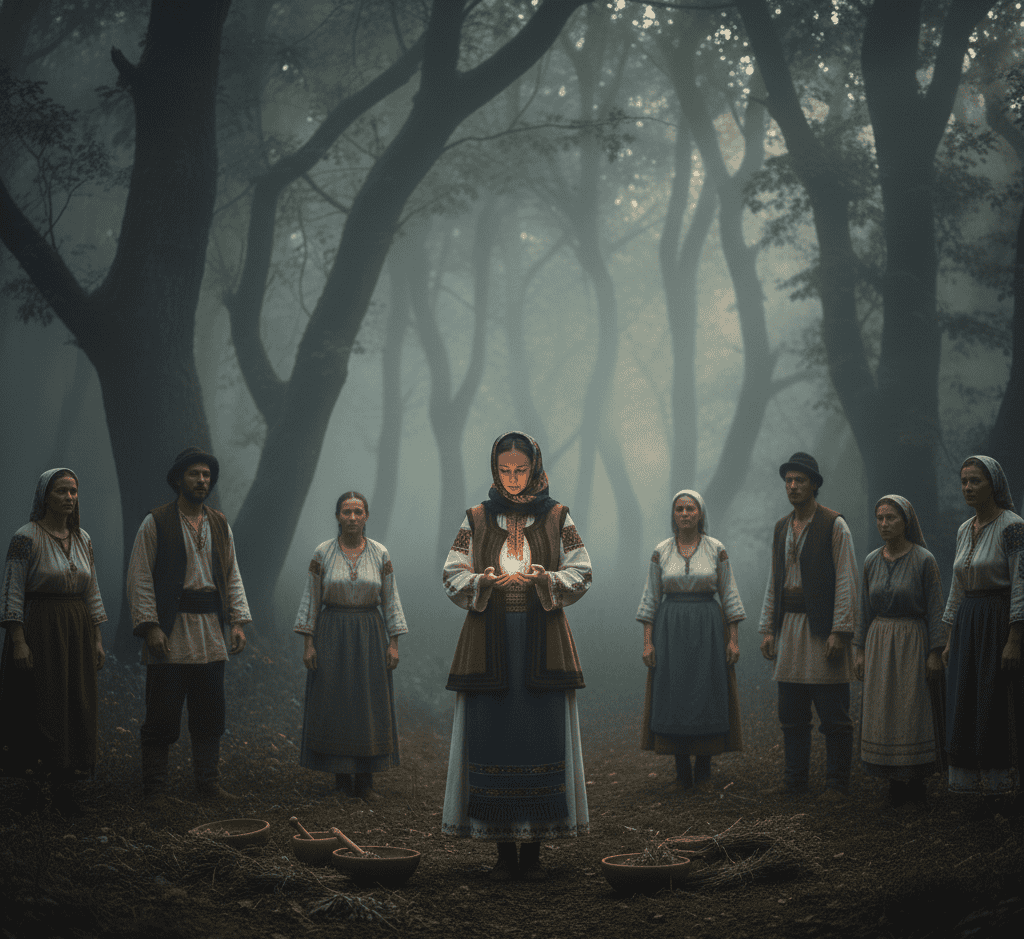
It was widely believed that witches could cast curses, hexes, or spells to harm those who wronged them or others.
Livestock dying mysteriously, illnesses, or bad luck were often attributed to the work of a witch.
Villagers would take precautions such as protective charms, amulets, or consulting rival witches to counteract curses.
The fear of hexes gave witches social power, as accusations could have serious consequences for community relationships.
This dual role, as both healers and potential sources of harm, underscored the complex perception of witches in Eastern Serbian folklore.
4. They Often Lived on the Outskirts of Villages

Many witches were known to live at the edges of villages or in remote areas, emphasizing their connection to nature and the supernatural.
Seclusion allowed them to gather herbs, perform rituals, and maintain privacy for their mystical practices. This physical separation also reinforced their social role as outsiders, respected yet feared.
Their dwellings were sometimes simple cottages, caves, or huts surrounded by gardens filled with medicinal and magical plants.
The isolation served both practical purposes for their craft and symbolic purposes, highlighting the boundary between ordinary life and mystical knowledge.
5. Their Knowledge Was Passed Through Generations
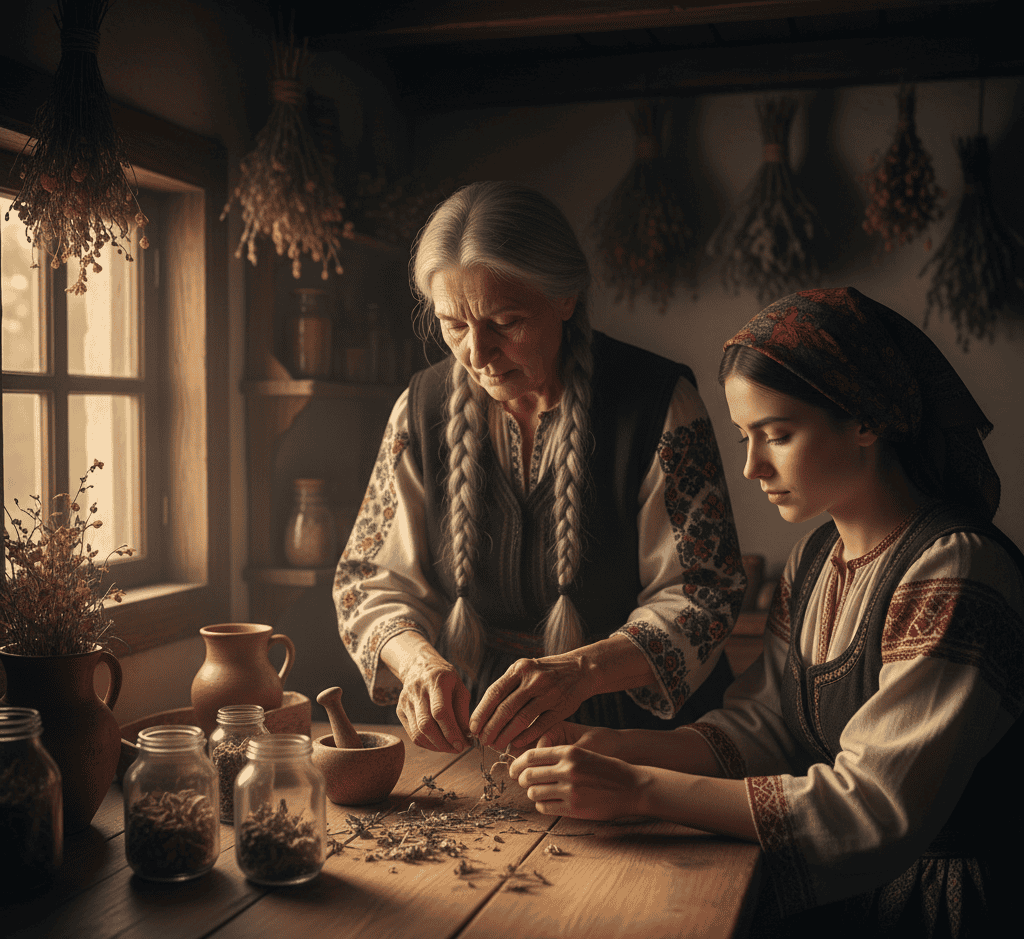
Witchcraft in Eastern Serbia was rarely learned from books; instead, it was transmitted orally through apprenticeships within families.
Knowledge of herbs, rituals, charms, and spells was carefully taught from one generation to the next.
This ensured continuity of traditions while maintaining secrecy to protect the practitioners from scrutiny or persecution.
Folklore often emphasizes the importance of lineage, with powerful witches tracing their abilities to their ancestors.
This generational knowledge allowed the craft to survive despite modernization and skepticism, preserving a unique cultural heritage.
6. Christian Influence Blended With Pagan Traditions
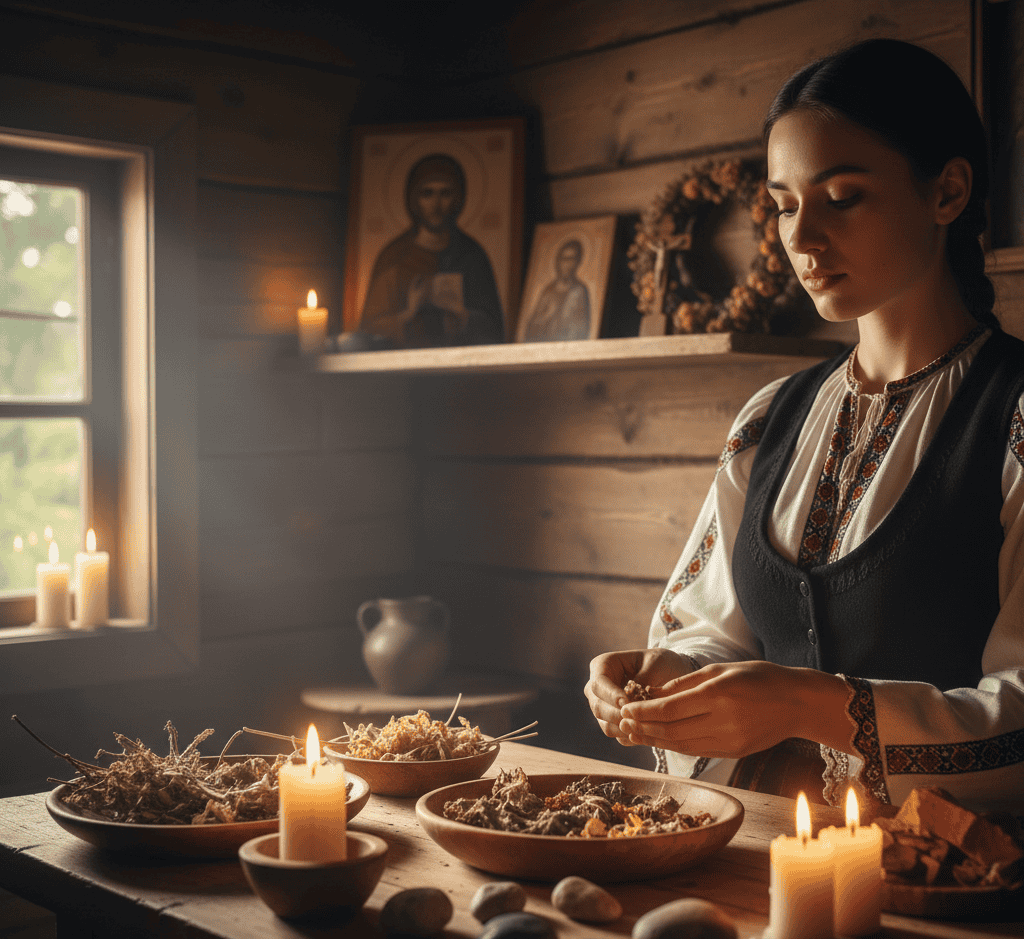
While witches often practiced ancient Slavic rituals, their practices were influenced by Christianity over the centuries.
Many invoked Christian saints or integrated church prayers into their spells and healing rituals. This blending created a syncretic form of folk magic that was both familiar and feared by local populations.
It also reflects the adaptability of witchcraft, showing how practitioners could navigate shifting religious landscapes while maintaining their mystical authority.
The combination of pagan and Christian elements made Eastern Serbian witches particularly enigmatic and culturally significant.
7. Festivals and Rituals Highlighted Their Powers
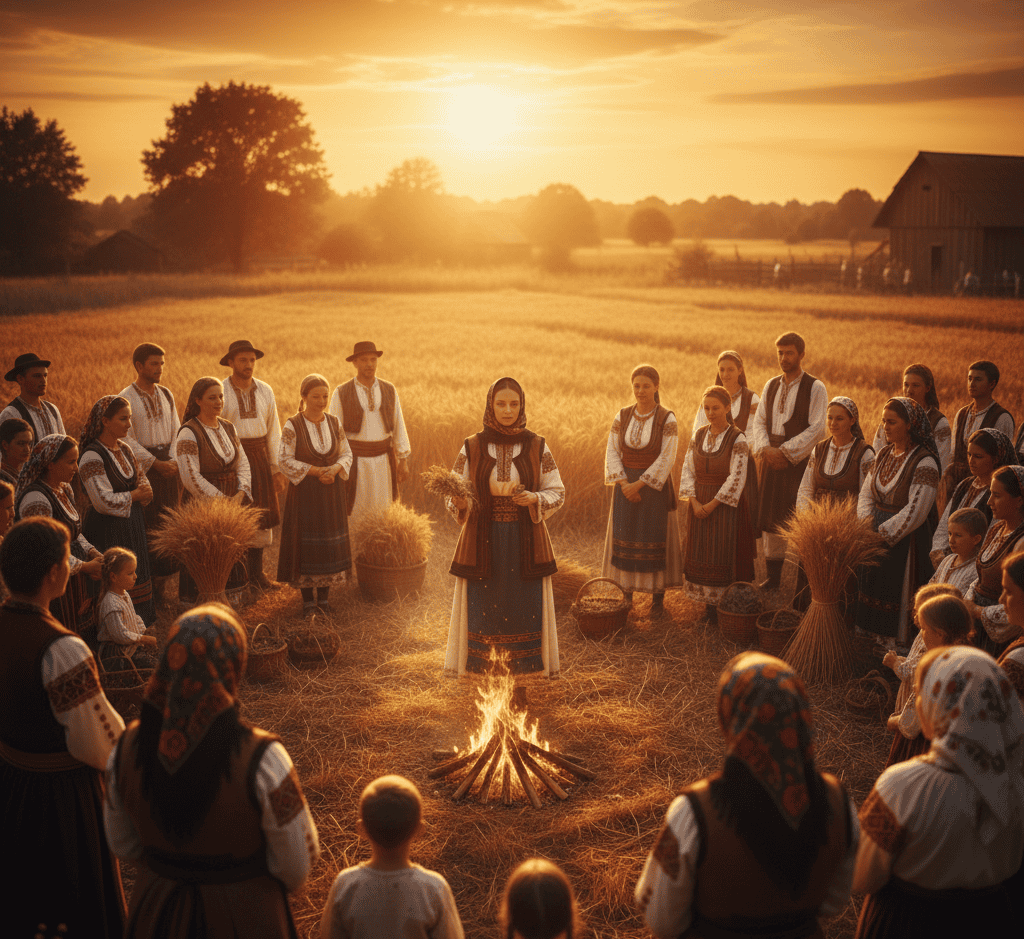
Certain times of the year, like harvest season or Christian holidays, were associated with rituals that involved witches.
These ceremonies often included offerings, chants, and symbolic actions to ensure protection, fertility, or good fortune.
Villagers sometimes invited witches to participate in communal celebrations, recognizing their spiritual influence.
Rituals reinforced the connection between the supernatural and everyday life, showing that witchcraft was not purely feared but also integrated into local culture.
Festivals provided a public space for magical practices and strengthened the social role of witches as mediators between humans and the spiritual world.
8. Witches Could Predict the Future
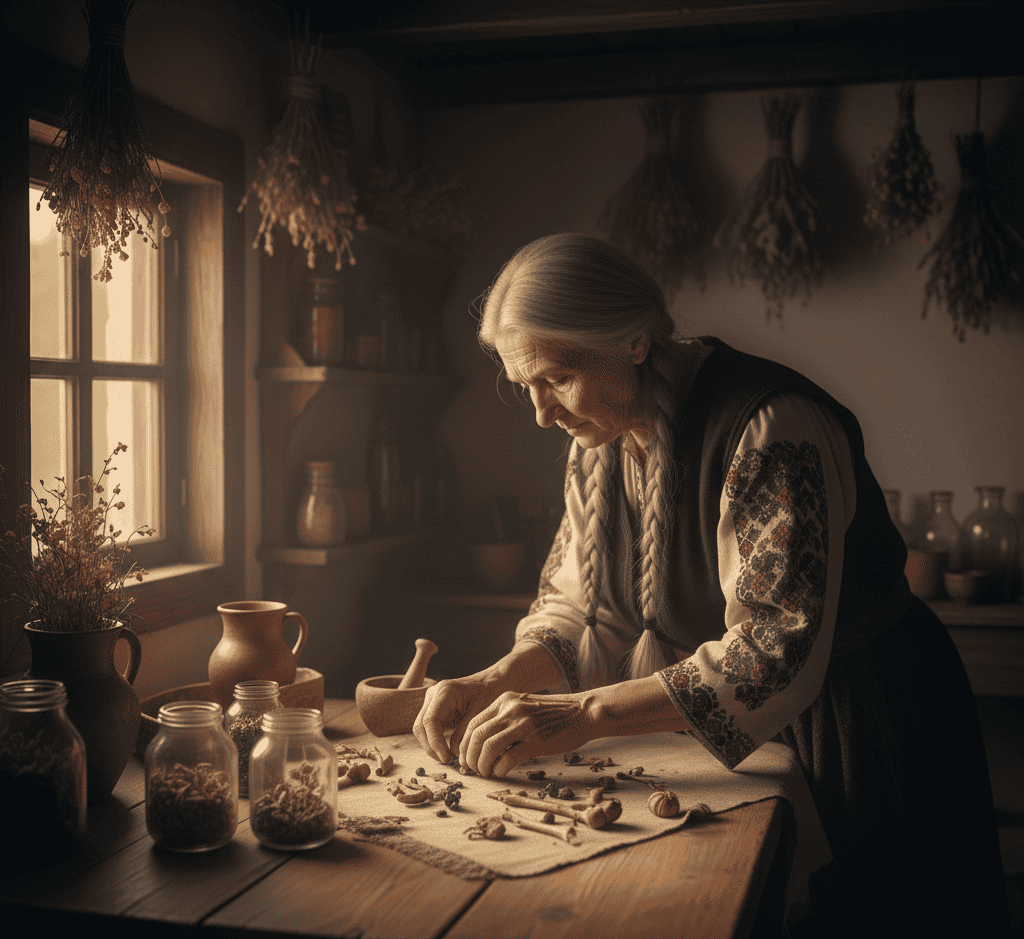
Divination was a key aspect of a witch’s skillset in Eastern Serbia. They used methods such as reading animal entrails, observing natural signs, or interpreting dreams to foresee events.
People consulted them for guidance on marriage, travel, harvests, or conflicts. Accurate predictions increased a witch’s reputation and social influence, while mistakes could reduce trust or incite accusations.
Future-telling reinforced the idea that witches possessed insight unavailable to ordinary villagers, linking them to mystery, wisdom, and fear in equal measure.
9. Accusations Could Lead to Persecution
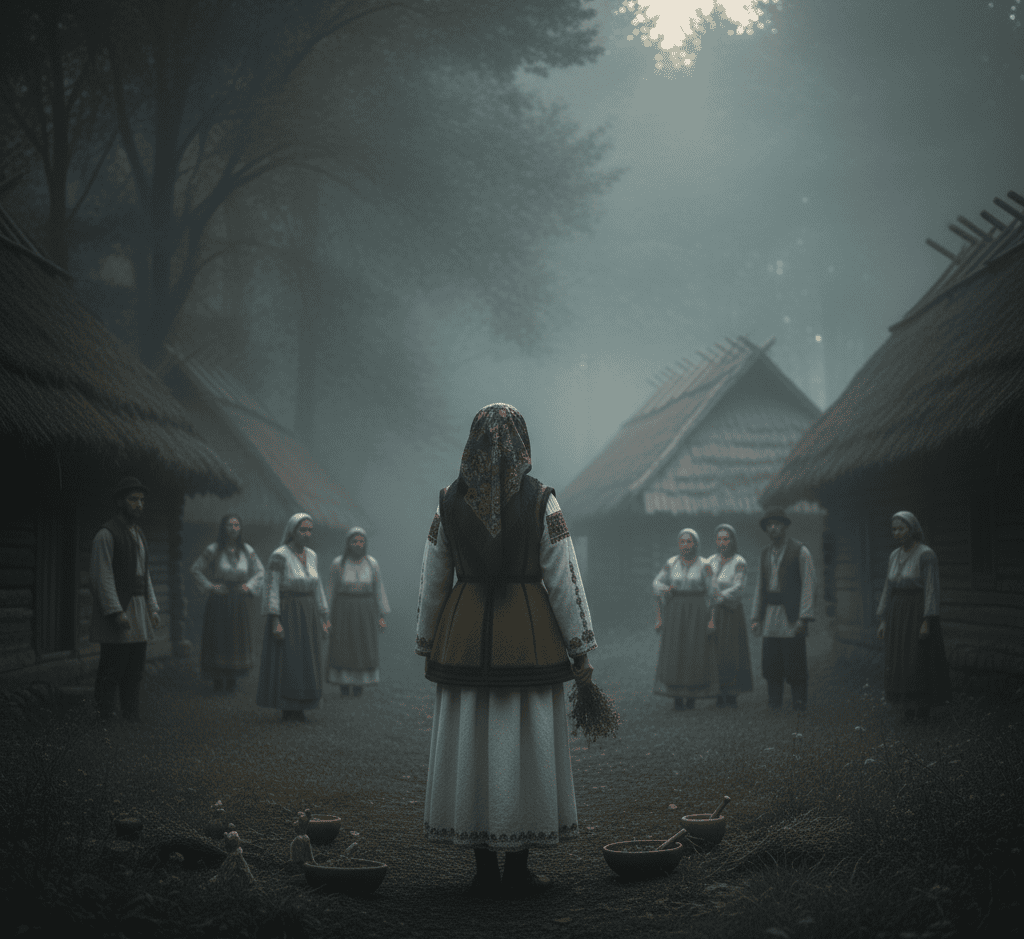
While witches held influence, they were also vulnerable to suspicion and persecution.
Accusations could result in social ostracism, beatings, or worse, especially during periods of heightened religious or social tension.
Rumors about curses or misfortunes often targeted them, demonstrating the fragile balance between respect and fear.
Stories from Eastern Serbia show that powerful women in particular could be labeled as witches, reflecting broader anxieties about authority, independence, and gender roles.
This danger shaped the secretive and careful nature of witchcraft practices in the region.
10. The Legacy of Witches Continues in Folklore
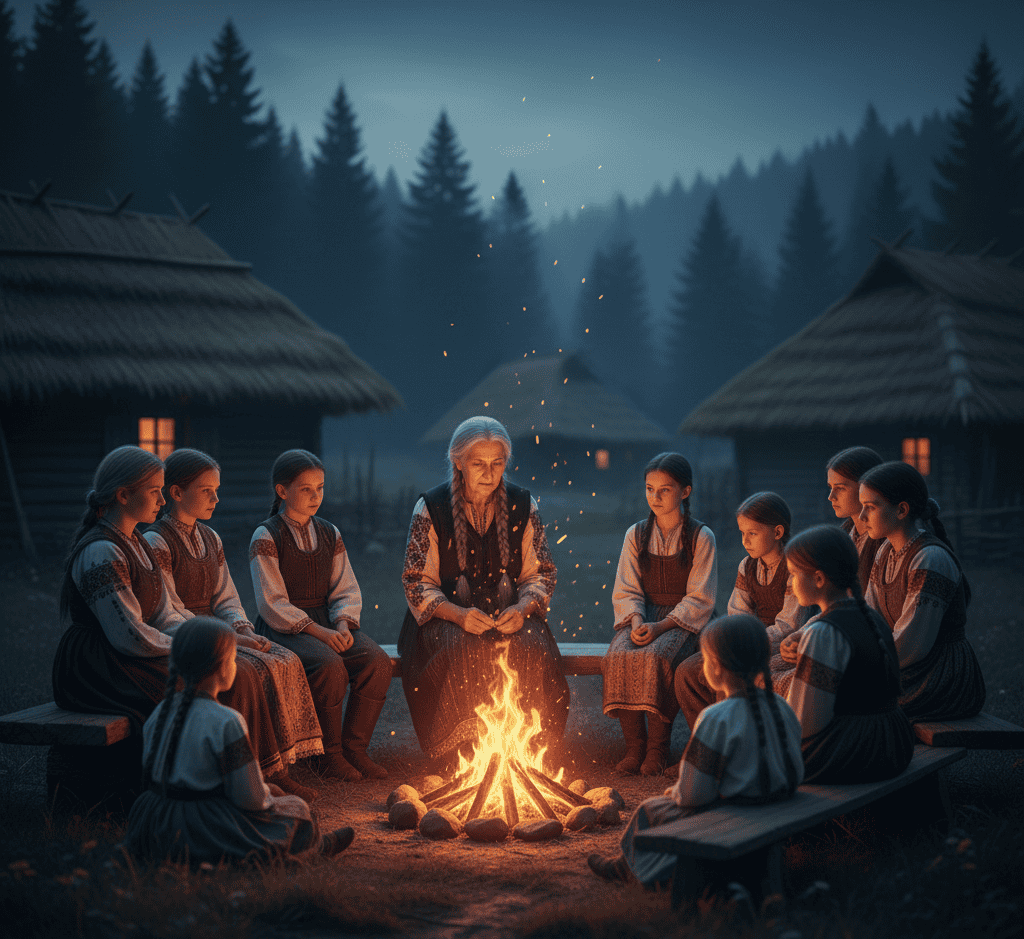
Even today, the stories of Eastern Serbian witches remain a vibrant part of local culture. Folktales, legends, and oral histories preserve their wisdom, power, and mystique.
Modern interest in these witches often emphasizes their healing skills, knowledge of herbs, and spiritual insight rather than fear.
They serve as symbols of resistance, resilience, and the enduring human fascination with the supernatural.
Understanding their legacy provides insight into the cultural identity, moral imagination, and spiritual values of Eastern Serbian communities, showing how myth and history continue to intertwine across centuries.

Siempre sentí una fuerte conexión con lo Divino desde mi nacimiento. Como autora y mentora, mi misión es ayudar a los demás a encontrar el amor, la felicidad y la fuerza interior en los momentos más oscuros.