
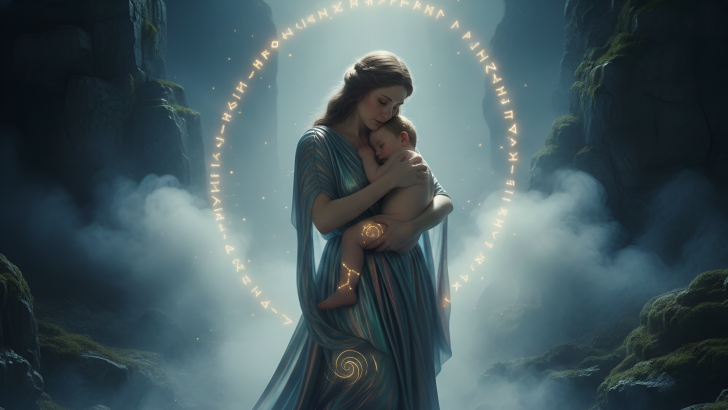
Greek mythology is full of stories that are strange, dramatic, and unforgettable, especially when it comes to birth.
Many gods, heroes, and mythical creatures were born in ways that defy nature, logic, or expectation.
Some emerged fully grown from heads, some were born from strange unions, and others arrived in terrifying or miraculous circumstances.
They also show how mythology uses fantastical tales to explain extraordinary talent, beauty, strength, or wisdom.
By studying these stories, we can better understand the creativity, humor, and lessons embedded in Greek myths.
These stories often combine danger, surprise, and wonder, making each origin story memorable and unique.
The myths reveal that in the Greek imagination, life itself is a product of divine will, magic, and the unexpected.
1. Athena Born from Zeus’ Head
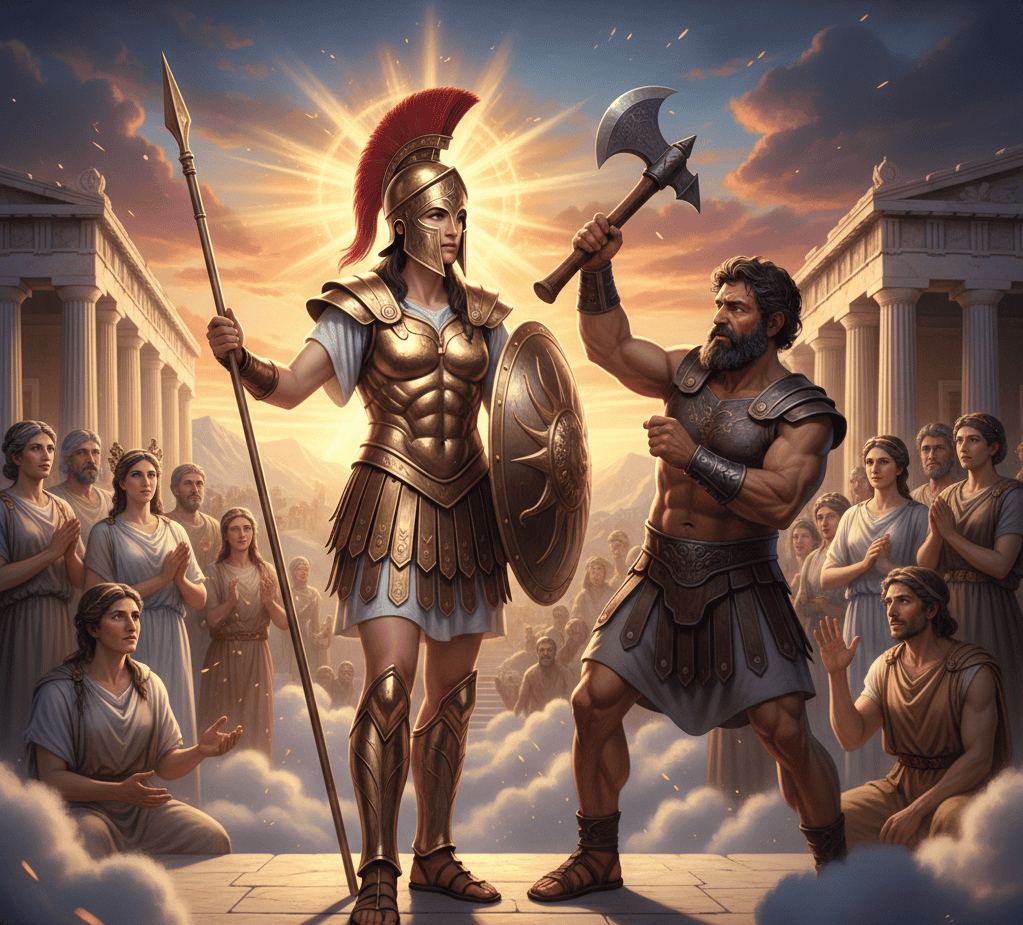
Athena’s birth is one of the most famous and unusual in Greek mythology. It’s no wonder she is the definition of strength.
According to legend, Zeus swallowed her mother, Metis, while she was pregnant because of a prophecy that her child would become more powerful than him.
Later, Zeus suffered a terrible headache, and the god Hephaestus, or in some stories, Prometheus, split his head open with an axe.
From this wound, fully grown and armored, Athena emerged, ready for battle and wisdom.
This story is remarkable because it defies the normal process of birth, showing how divine power can bypass natural rules.
Athena’s unusual birth symbolizes intelligence, strategy, and independence, emphasizing that she is a goddess of wisdom and war from the very beginning.
The story also explores themes of prophecy, power, and control, showing how the gods manipulate events to shape outcomes.
Athena’s immediate adulthood and armor suggest that she was always destined to be a leader and protector, and her origin reflects the mixture of danger and cleverness often present in Greek mythology.
Her birth continues to inspire awe because it combines pain, surprise, and divine intervention in one unforgettable moment.
2. Dionysus Born from Zeus’ Thigh
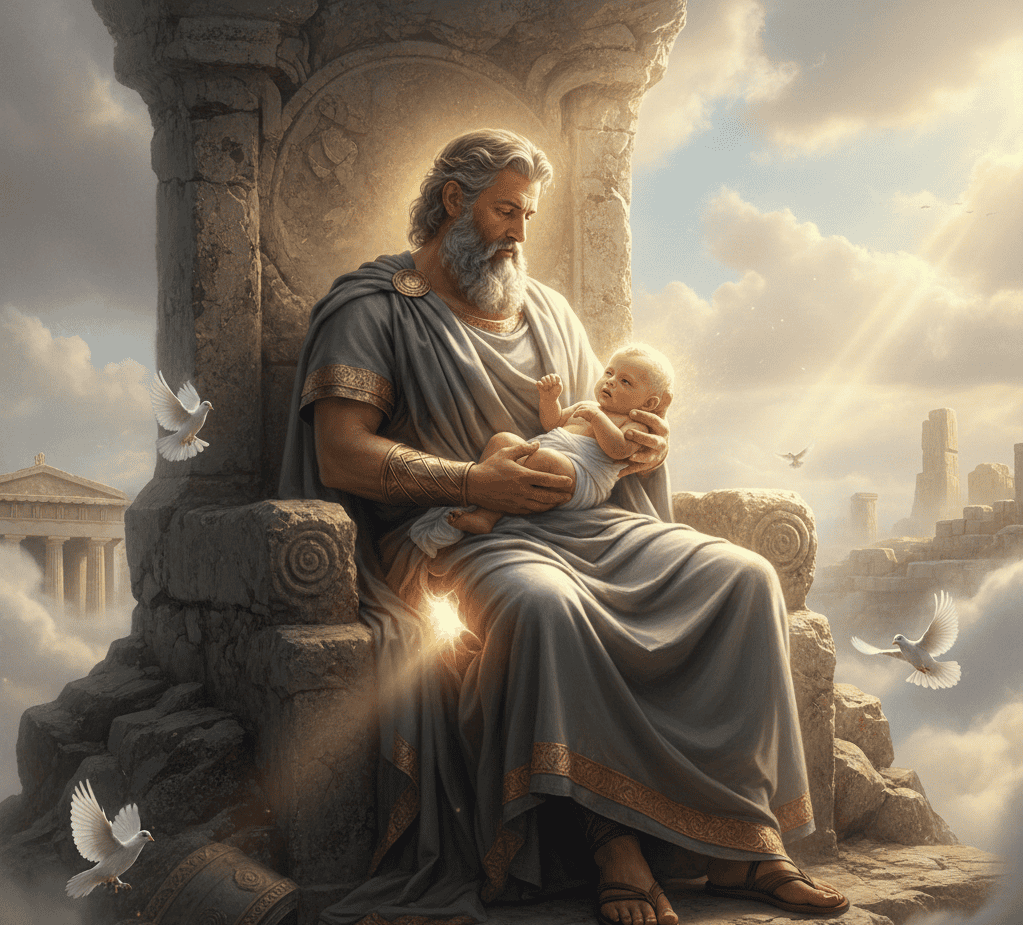
Dionysus’ birth is strange and miraculous. His mother, Semele, was a mortal who became pregnant by Zeus.
When she was tricked into asking Zeus to reveal his true form, she could not survive his divine presence and was burned to death.
Zeus saved the unborn child by sewing him into his thigh until he was ready to be born. This unusual birth demonstrates the godlike power required to preserve life in impossible circumstances.
Dionysus’ arrival is symbolic of resilience and the blending of mortal and divine traits.
His later role as the god of wine, ecstasy, and chaos mirrors the extraordinary and unexpected nature of his birth.
The story also highlights themes of danger, love, and divine intervention.
By being born from Zeus’ thigh, Dionysus carries the reminder that life can emerge from the most unusual and unlikely places.
It also symbolizes the mixture of joy and suffering that will define his existence. His birth is celebrated as miraculous, showing that even death and destruction cannot prevent the fulfillment of divine destiny.
The tale emphasizes that Greek mythology often merges tragedy with creativity, turning an impossible situation into a moment of wonder.
3. Perseus Born from a Shiny Chest
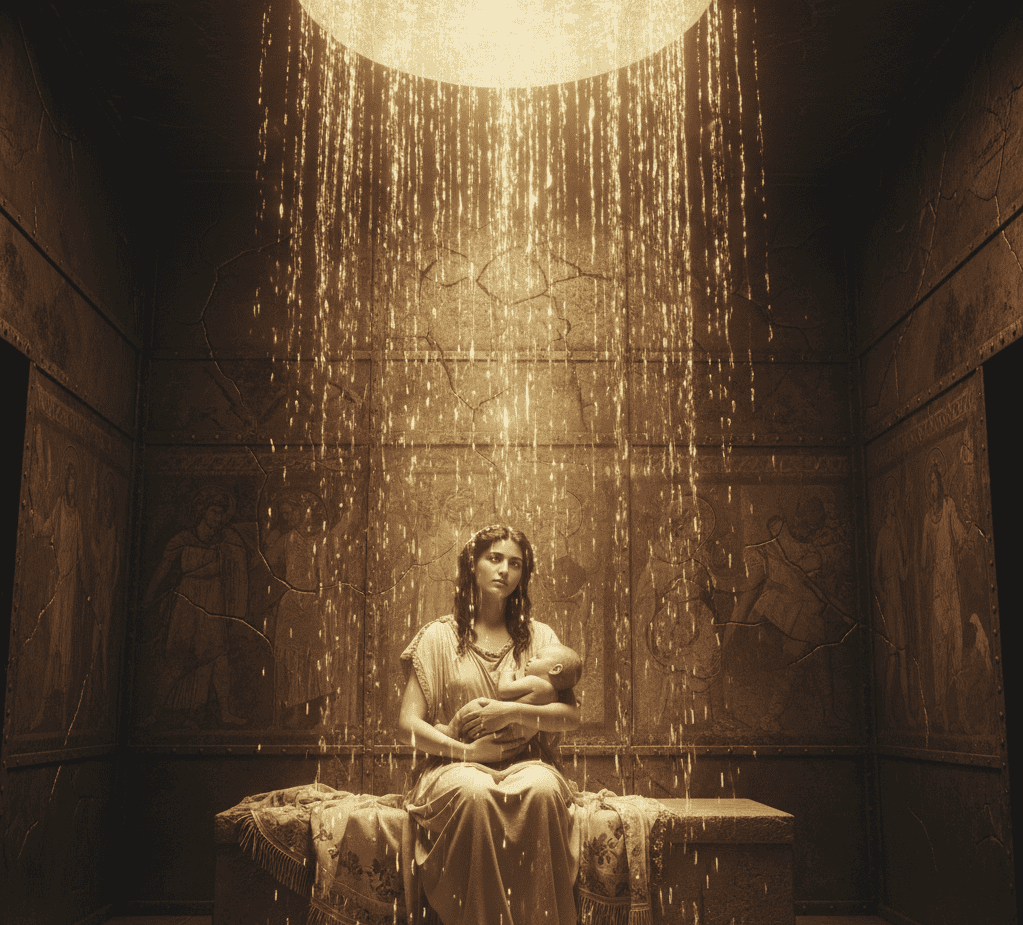
Perseus’ birth is one of the strangest and most adventurous tales in Greek mythology.
His mother, Danaë, was locked in a bronze or stone chamber by her father, King Acrisius, to prevent a prophecy that he would be killed by her child.
Despite the confinement, Zeus visited her in the form of golden rain, and she became pregnant with Perseus.
This unusual conception and birth emphasize the themes of fate and divine intervention, as no human action could prevent Zeus’ will.
Perseus’ survival begins at the moment of his birth, showing that extraordinary people often have extraordinary origins.
The story is both miraculous and dangerous, as Danaë and Perseus are later cast into the sea in a chest, surviving impossible odds.
Perseus’ unusual beginning foreshadows his later heroism, including slaying Medusa and saving Andromeda.
His birth story reflects Greek mythology’s fascination with destiny, showing that even extreme measures cannot escape fate.
The mixture of confinement, divine intervention, and survival highlights the creativity of mythmakers in portraying births that defy expectation and logic while emphasizing heroism and courage from the very beginning.
4. Helen of Troy Born from an Egg

Helen of Troy, famed for her beauty and role in starting the Trojan War, had a birth as unusual as her legendary status.
Zeus seduced or approached her mother, Leda, in the form of a swan. Helen then hatched from an egg, according to some versions of the myth.
This extraordinary birth sets her apart from mortals and signals her destiny as a figure of beauty, influence, and conflict.
Being born from an egg symbolizes mystery, divinity, and uniqueness. Helen’s birth story also highlights themes of transformation, the power of the gods, and the intertwining of natural and supernatural forces.
Her origin shows that even the most famous mortal figures in Greek mythology are touched by divine and magical circumstances.
Helen’s unusual beginning foreshadows the chaos, fascination, and allure she brings into human and divine affairs.
It also reminds readers that mythology often uses surreal and symbolic elements to explain greatness, fate, and the consequences of divine interaction with the mortal world.
5. Achilles Born from a River and Immortality

Achilles’ birth involves both mortal danger and divine intervention. His mother, the sea nymph Thetis, tried to make him immortal by dipping him in the River Styx.
She held him by the heel, leaving that spot vulnerable. This unusual process shows how divine methods can create extraordinary abilities while leaving flaws that define destiny.
Achilles’ birth and preparation demonstrate that heroes in Greek mythology are shaped not just by human parents but also by gods and magical processes.
His invulnerability and eventual vulnerability reflect the dual nature of life, power, and mortality.
The story emphasizes the importance of divine assistance, unusual circumstances, and careful planning in shaping great heroes.
Achilles’ birth also demonstrates the close connection between fate and character in Greek mythology.
Even divine intervention cannot completely control destiny, highlighting the mixture of extraordinary power, vulnerability, and the inevitability of human limitations.
6. Hephaestus Born from Hera Alone
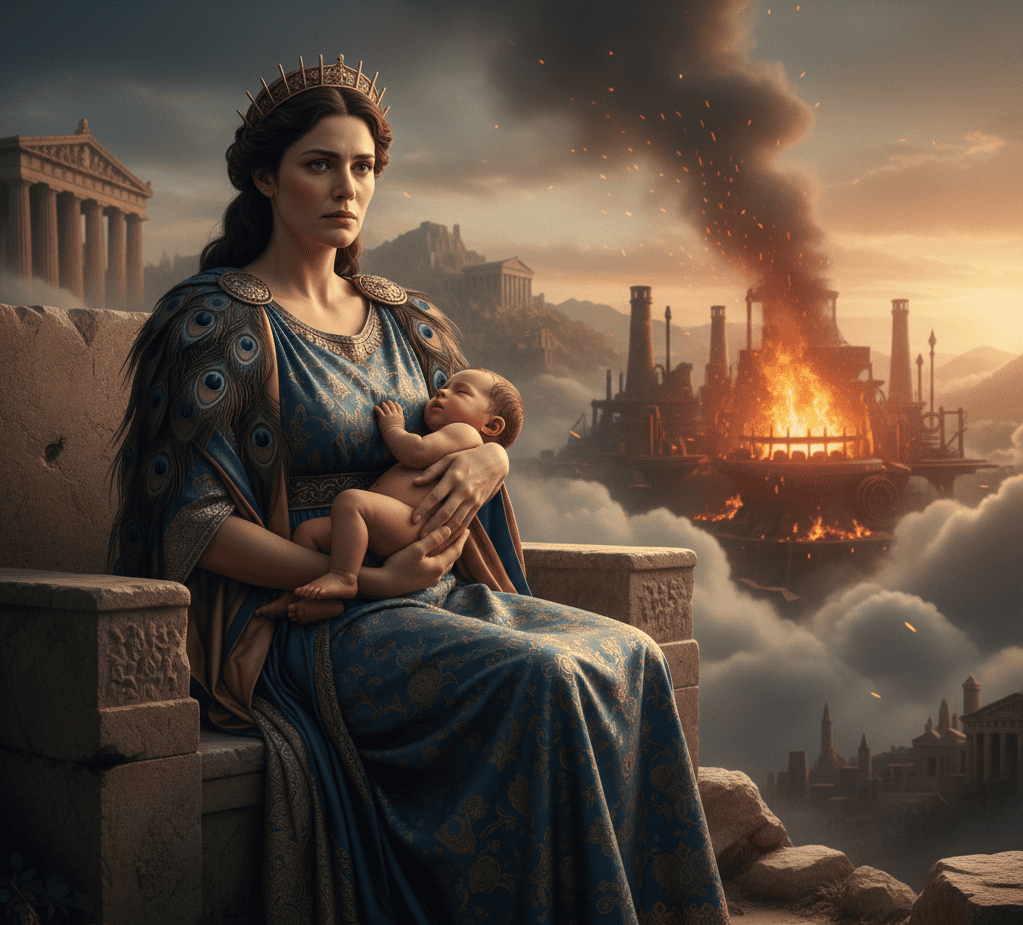
Hephaestus, the god of fire and craftsmanship, had an unusual birth story because he was born without a father.
According to some myths, Hera gave birth to him alone, without Zeus’ involvement.
This unusual origin highlights independence, divine creativity, and the theme of exceptional circumstances producing extraordinary beings.
Hephaestus’s later life, including his skill as a craftsman and his physical imperfections, mirrors his unusual start.
His birth teaches that greatness can come from unexpected or unusual situations.
It also demonstrates that even gods experience challenges, exclusion, or hardship, which can inspire growth and unique talents.
Hephaestus’ origin reminds readers that mythology celebrates ingenuity, resilience, and the ways extraordinary abilities are often linked to extraordinary beginnings.
This story emphasizes that creativity and skill can arise from unexpected sources, making each birth meaningful and symbolic of future accomplishments.
7. Persephone’s Dual Births

Persephone’s story is unusual because it combines birth and transformation.
She is the daughter of Zeus and Demeter, and her birth is ordinary, but her later “rebirth” occurs when she is abducted by Hades and becomes the queen of the underworld.
This dual aspect of birth symbolizes life, death, and the cycles of nature, reflecting her role as a goddess of spring and the underworld.
The unusual combination of mortal birth and divine transformation highlights Greek mythology’s fascination with cycles, destiny, and duality.
Persephone’s story shows that even seemingly normal births can lead to extraordinary lives, shaped by divine power, fate, and the natural order.
Her origin teaches that beginnings in mythology are rarely simple and that destiny often unfolds in unexpected, magical, or challenging ways.
It also emphasizes the transformative power of the gods and the connection between birth, growth, and purpose.

Siempre sentí una fuerte conexión con lo Divino desde mi nacimiento. Como autora y mentora, mi misión es ayudar a los demás a encontrar el amor, la felicidad y la fuerza interior en los momentos más oscuros.