
The Lunar New Year is more than a date on the calendar — it’s a layered cultural and spiritual celebration rooted in renewal, protection, prosperity, and ancestral reverence. Observed across China and in many East and Southeast Asian communities worldwide, this festival marks the beginning of a new lunar cycle and the symbolic shedding of old energy.
But what makes the celebration so powerful are its symbols. From vivid red decorations to roaring firecrackers and majestic dragons, each element carries centuries of meaning. These aren’t random festive touches — they are spiritual tools, cultural memory, and collective intention woven into ritual. Let’s explore the deeper meaning behind some of the most iconic Lunar New Year symbols.
1. Red: Protection, Joy, and Vital Life Force
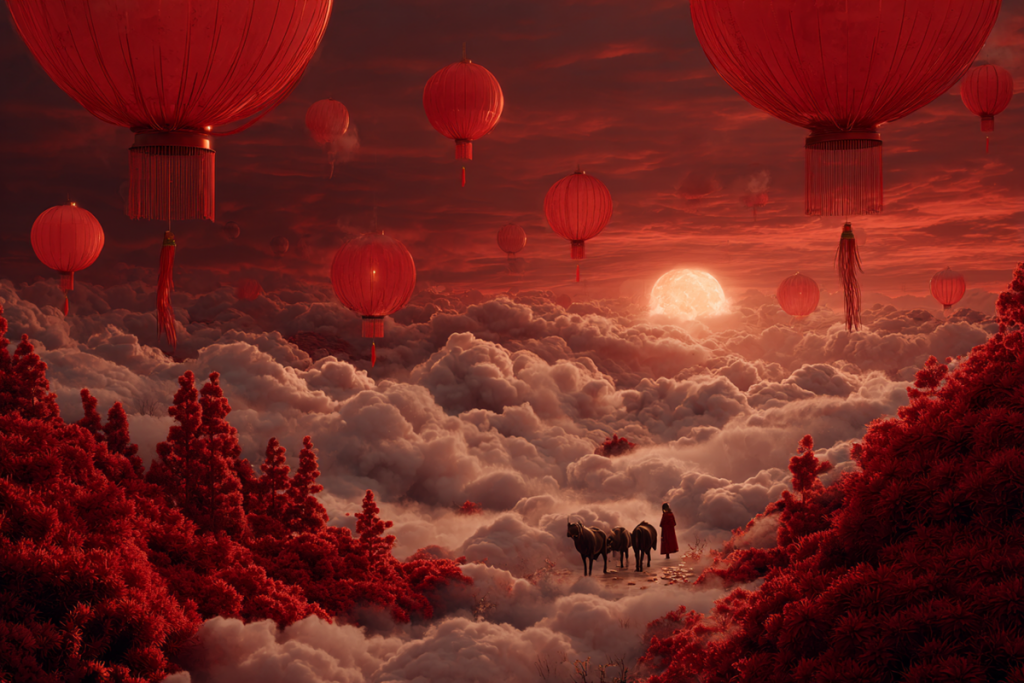
Red is everywhere during Lunar New Year — on lanterns, clothing, banners, envelopes, and door couplets. In Chinese culture, red symbolizes happiness, vitality, and good fortune. But its meaning goes even deeper. Traditionally, red is believed to ward off negative energy and malevolent spirits.
This belief is tied to the ancient legend of Nian, a mythical beast said to appear at the turn of the year. According to folklore, Nian feared loud noises and the color red. Villagers began decorating their homes in red and lighting firecrackers to drive the creature away. Over time, red became associated not just with protection, but with triumph over darkness and chaos.
Spiritually speaking, red represents yang energy — active, vibrant, life-giving force. Beginning the year wrapped in red is symbolic of stepping forward with courage, vitality, and optimism.
2. Firecrackers: Clearing Negative Energy

The sharp crack of firecrackers is more than celebratory noise — it is symbolic cleansing. Historically used to scare away the mythical Nian, firecrackers represent the intentional expulsion of bad luck and stagnant energy.
The explosive sound is believed to “break” misfortune and create space for renewal. In traditional belief systems, loud noises disrupt harmful spirits and purify the environment. Even today, fireworks and firecrackers mark the transition into the new year with dramatic emphasis, signaling that the old cycle has officially ended.
There’s also a psychological layer: sound demands attention. The collective experience of noise creates a communal reset, reinforcing the idea that everyone is stepping into a fresh chapter together. It’s ritualized renewal, amplified.
3. Dragons: Power, Protection, and Divine Authority
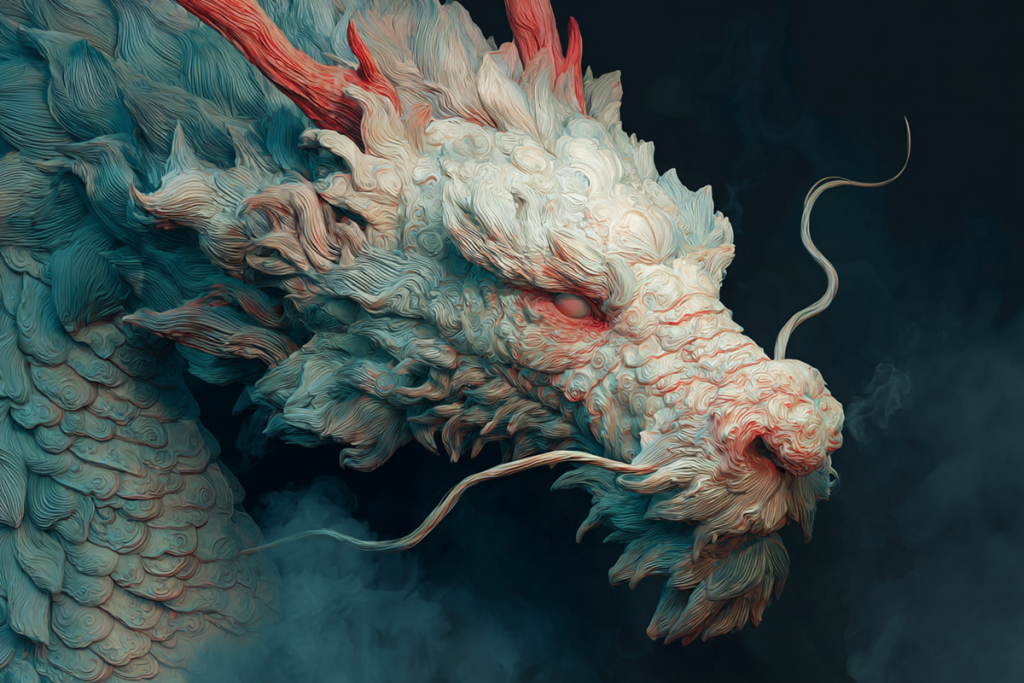
The dragon holds a sacred place in Chinese culture. Unlike Western mythology, where dragons are often destructive, the Chinese dragon is a benevolent and auspicious symbol. It represents strength, wisdom, prosperity, and imperial authority.
Dragon dances performed during Lunar New Year are not merely entertainment — they are believed to awaken positive energy and bring blessings to communities. The dragon is associated with water and rain, vital forces for agriculture and abundance. Historically, emperors were considered embodiments of the dragon, linking the creature to divine legitimacy and cosmic order.
Spiritually, the dragon symbolizes controlled power — the balance between force and wisdom. Invoking its presence during the new year signals a desire for strength guided by insight rather than impulse.
4. Red Envelopes (Hongbao): Circulation of Blessings
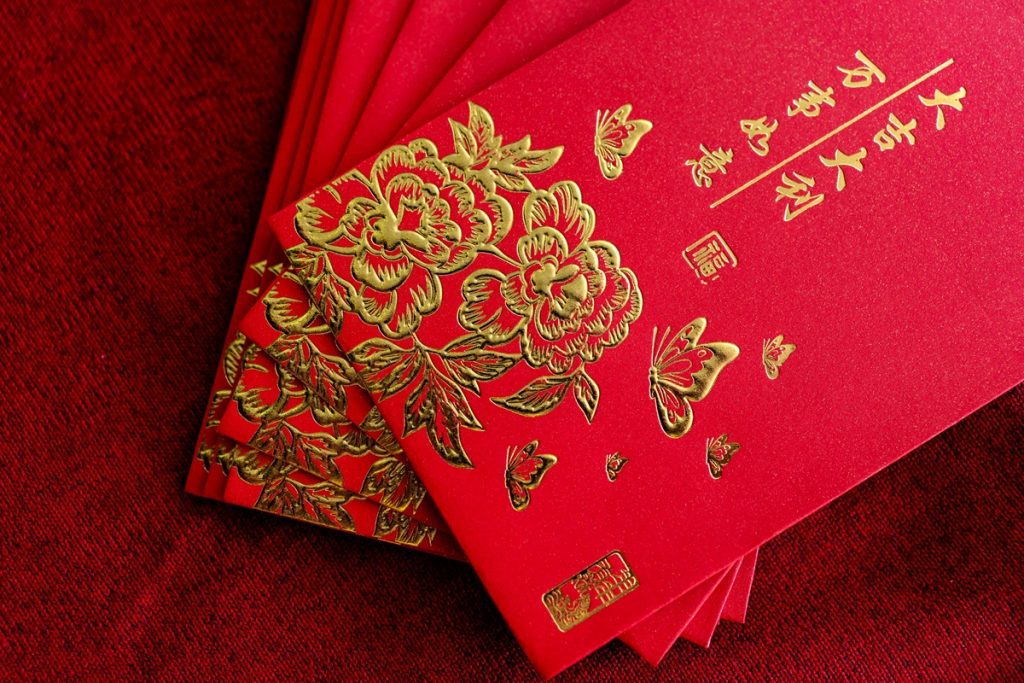
Red envelopes, known as “hongbao,” are traditionally filled with money and gifted to children or unmarried adults. While they appear to be simple monetary gifts, their symbolism is profound.
The envelope itself — red and often adorned with gold characters — represents luck and prosperity. The money inside symbolizes the transfer of blessings, protection, and well wishes. The act of giving reinforces intergenerational bonds and emphasizes the importance of family continuity.
Spiritually, hongbao represent the circulation of abundance. Prosperity is not meant to be hoarded but shared. By giving during the new year, families symbolically activate a flow of generosity and gratitude that carries into the months ahead.
5. Lanterns: Illumination and Hope
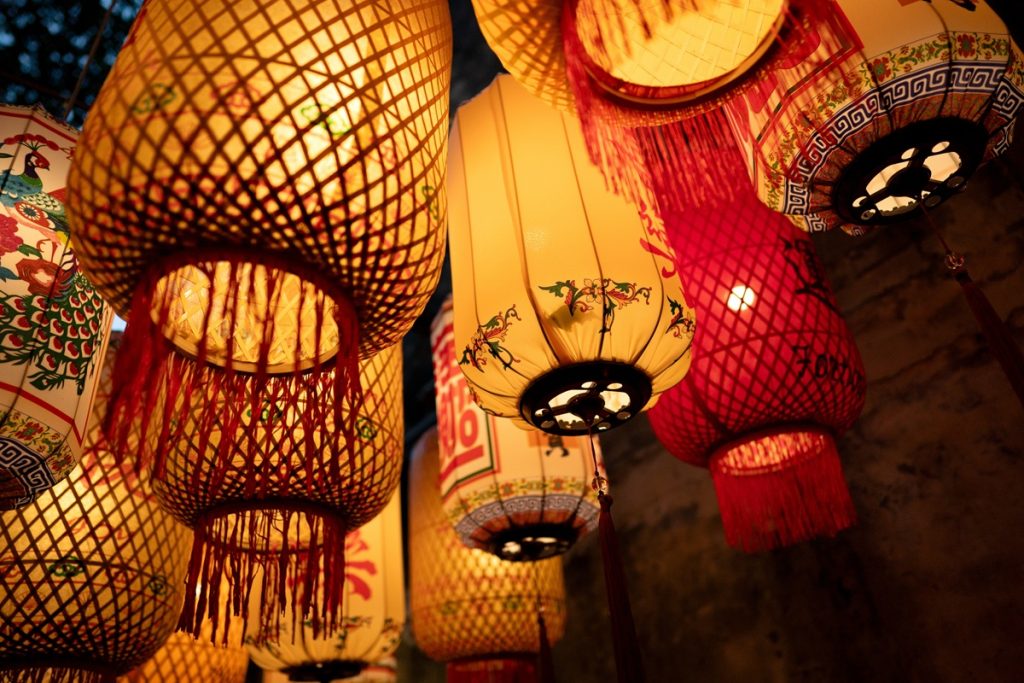
Lanterns glow brightly during Lunar New Year celebrations, particularly during the Lantern Festival that marks the end of the festivities. Light in many cultures symbolizes clarity, guidance, and spiritual awakening — and here is no exception.
Lanterns represent the illumination of the path ahead. As the year begins, they serve as reminders to move forward with awareness and intention. In ancient times, light was protection against danger and uncertainty; symbolically, lanterns chase away confusion and invite insight.
The act of releasing lanterns into the sky or lighting them in communal spaces reflects hope — a shared belief that the future can be bright, guided, and purposeful.
6. Oranges and Tangerines: Abundance and Good Fortune
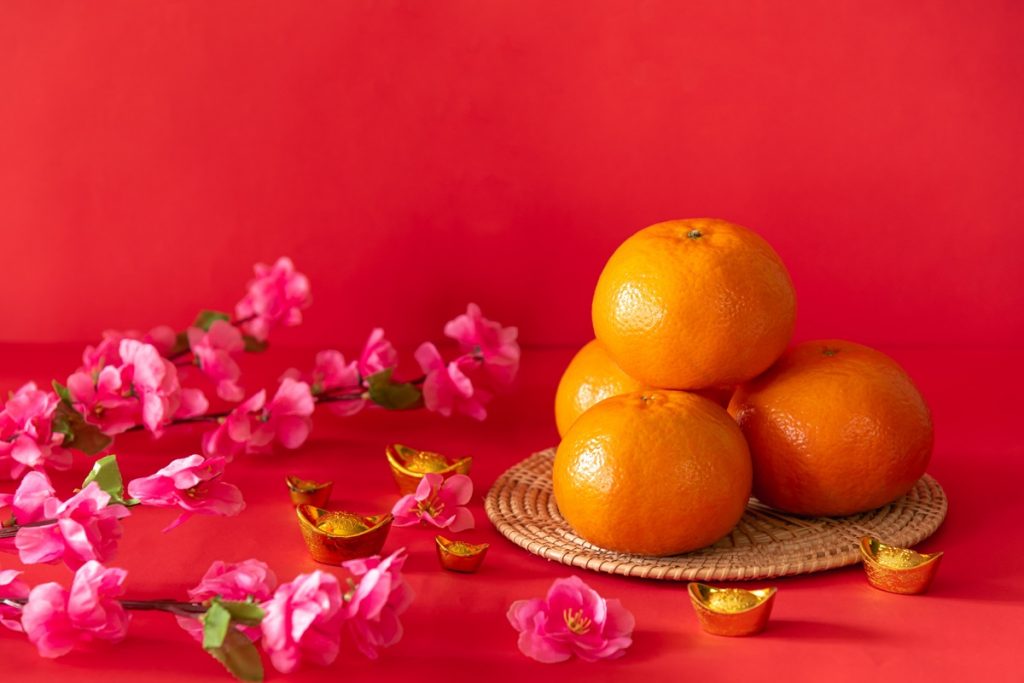
Fruit plays a symbolic role during Lunar New Year, especially oranges and tangerines. In Cantonese and Mandarin, the word for orange sounds similar to the word for wealth or success. This linguistic connection reinforces their association with prosperity.
Their round shape symbolizes fullness and completeness, while their golden color evokes wealth and good fortune. Displaying bowls of citrus fruit in the home is an invitation for abundance to enter and remain.
On a spiritual level, offering fruit to guests reflects generosity and gratitude — key values during this season of renewal.
7. The Zodiac Animal of the Year: Collective Personality and Destiny
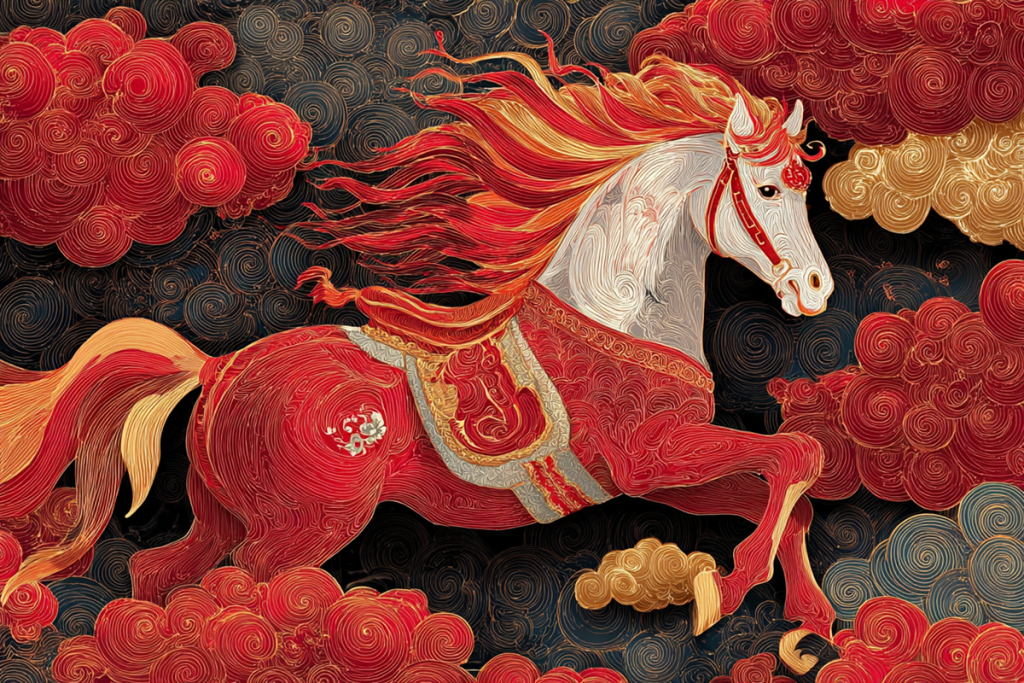
Each Lunar New Year corresponds to one of the twelve animals in the Chinese zodiac cycle — Rat, Ox, Tiger, Rabbit, Dragon, Snake, Horse, Goat, Monkey, Rooster, Dog, and Pig. The zodiac animal is believed to influence the tone and energy of the year ahead.
For example, a Dragon year may emphasize ambition and bold movement, while a Rabbit year may highlight diplomacy and sensitivity. This system reflects an understanding of time as cyclical rather than linear. Each year carries a personality, and individuals are encouraged to align with its strengths while remaining mindful of its challenges.
Rather than predicting fate, the zodiac framework offers guidance — a way of interpreting collective momentum and personal opportunity.

Lover of good music, reading, astrology and making memories with friends and spreading positive vibes! 🎶✨I aim to inspire others to find meaning and purpose through a deeper understanding of the universe’s energies.