
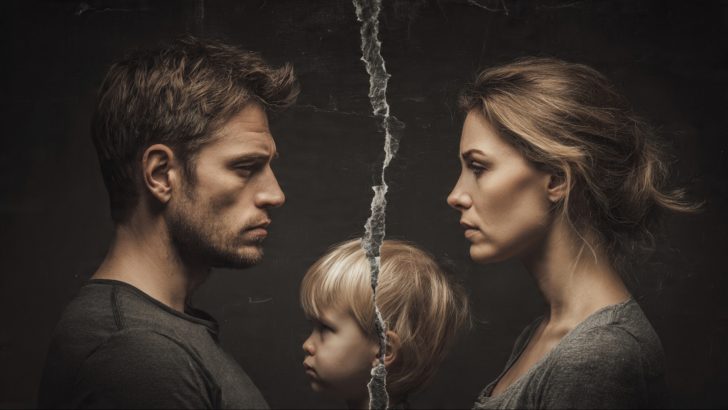
In 2026, divorce rates in the US are estimated to be at 34% of marriages, which is a significant improvement compared to previous years.
This is great news, but I’d like to talk about a different side of this issue.
When it comes to separation, it’s usually presented as the worst case scenario for the children, but what if divorce is actually what’s best for them?
We’re going to explore the sad experience of children who wish their parents would just go their separate ways.
1. Kids Sense When Things Are Off
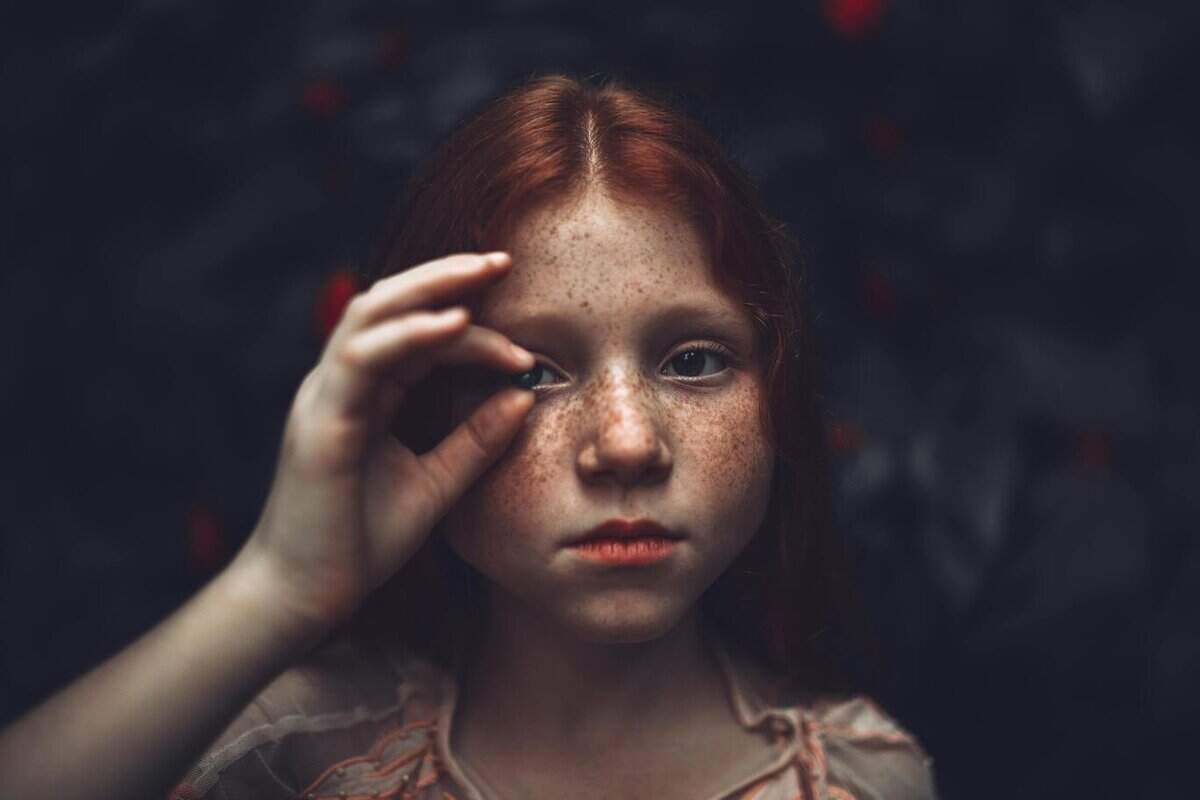
Children aren’t as clueless as we sometimes think. They actually pick up on every argument and every cold shoulder their parents give each other.
Even if they aren’t fully aware of what’s happening, they can sense the tension in their home.
Over time, they learn to read their parents’ moods and behaviors, which creates an underlying sense of dread.
When the marriage is filled with strain and indifference, kids often feel like they’re walking on eggshells, as though it’s their responsibility to keep the peace.
They might not understand the adult issues, but they understand enough to feel unsafe and unloved.
This can lead some children to hope their parents would just divorce and be happy.
Their internal world becomes filled with confusion, fear, and helplessness.
2. The False Hope
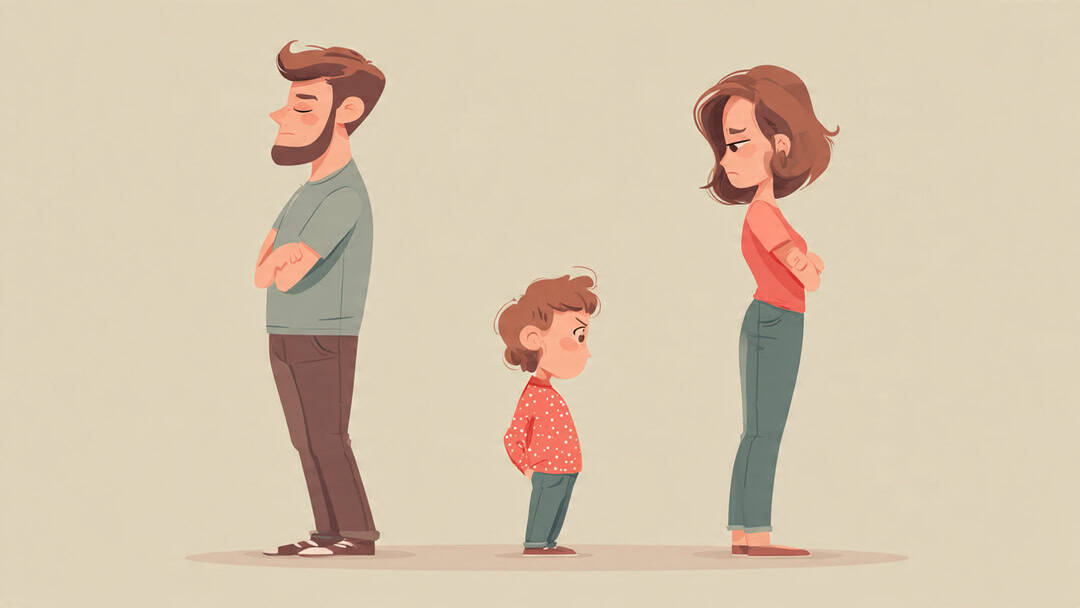
Children tend to see things as black and white most of the time, since they lack life experience.
This makes them hopeful that their parents’ marriage will improve since both reject the idea of divorce.
In a child’s mind, it’s all pretty simple: if they won’t divorce, that must mean they love each other and want to fix things.
But when everything stays the same, they’re pulled into a cycle of false hope y decepción.
This hope is often fueled by parents who stay together out of guilt or fear.
Kids can’t help but internalize this as their fault. It keeps them emotionally hostage.
3. The Guilt and Responsibility They Carry

When parents stay in a bad marriage, children often end up feeling responsible for the tension.
They come to believe that they’re the cause of their parents’ unhappiness and fighting. This is a deep carga emocional that doesn’t go away easily.
This misplaced guilt can lead to depression and anxiety.
Children aren’t equipped to handle adult problems, but they carry the weight anyway.
You might think you’re doing them a favor by refusing to divorce, but that only makes sense if you actively work on fixing the marriage.
Otherwise, you only end up damaging their sense of self and their trust in relationships.
4. Watching Love Turn Into Hate
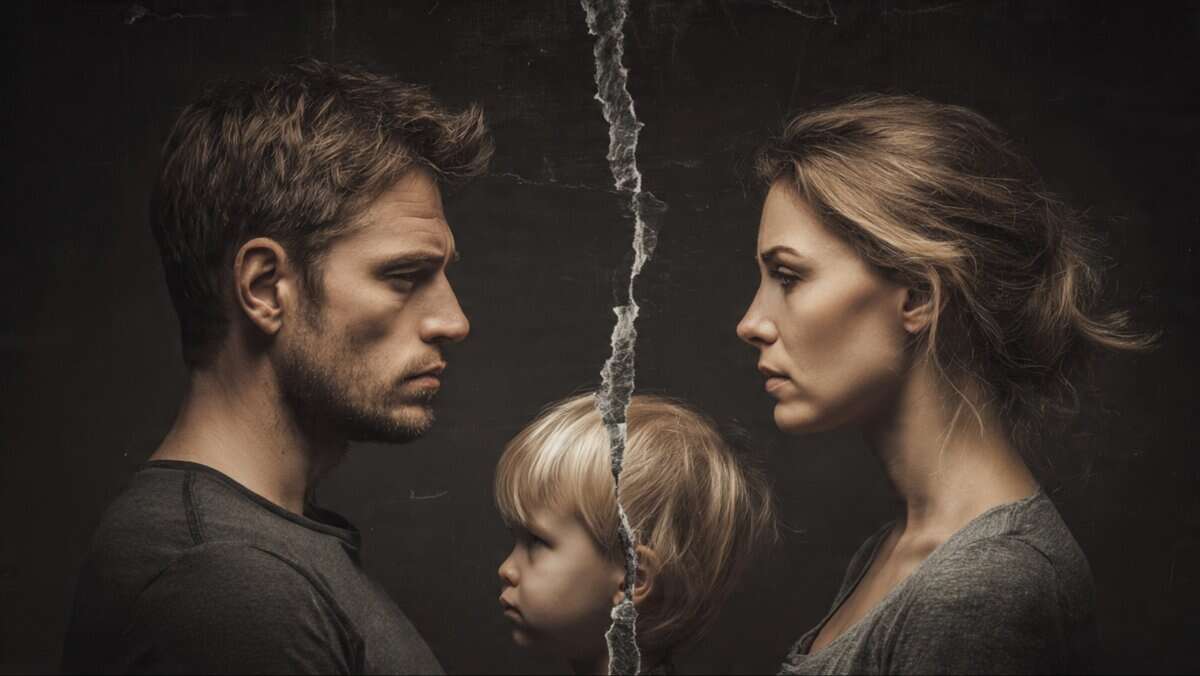
Children who witness as their parents’ marriage deteriorates often see love transform into hostility.
They might see their mom and dad fighting constantly, ignoring each other, or even witness abuse.
These scenes leave a lasting impression, leading them to equate love with pain. Kids can develop deep confusion about what love really is.
They might even internalize that love is conditional and learn to put up with things they shouldn’t just because they watched their parents do it.
Divorce isn’t the worst case scenario when the alternative is scary.
Parents’ relationship is every child’s clearest example of how relationships are supposed to work, so be careful of what your actions teach them.
Children who go on to break these unhealthy patterns in their own relationships are quite rare.
5. The Silence
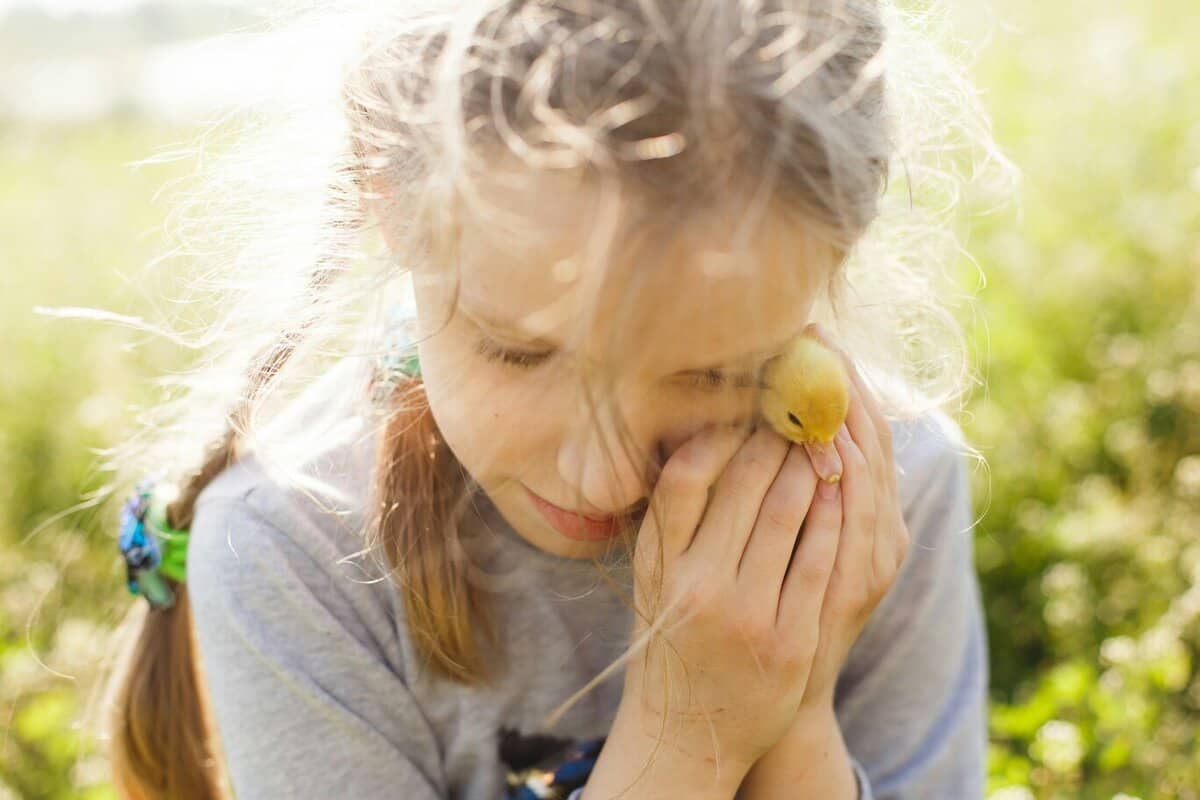
A lot of pain kids feel when their parents’ marriage is terrible is hidden behind closed doors.
Parents put on a brave face in public, while in private, they suffer from resentment or cruelty.
Children experience this disconnect very strongly, but they have no idea how to fix it. They just end up feeling helpless.
This silence creates a sense of loneliness and isolation; they might think they’re the only ones going through that.
This emotional weight can compromise their mental well-being, and cause feelings of abandonment that stay with them for the rest of their lives.
When a parents’ marriage makes a child wish for divorce, then the separation is long overdue.
6. The Weight of “Staying for the Children”
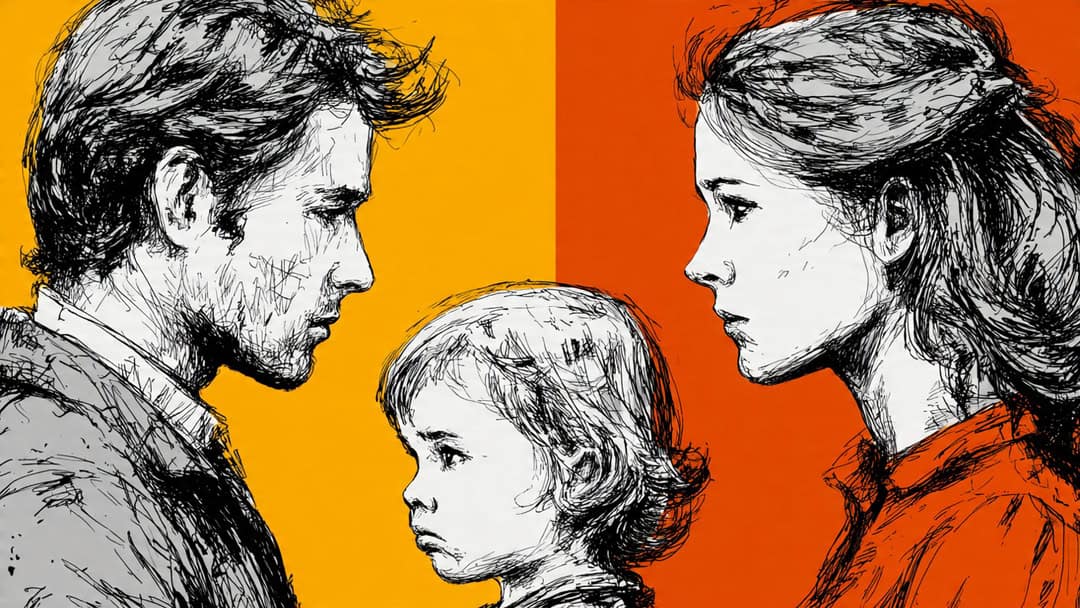
The phrase “staying for the children” is honestly offensive to anyone who had to grow up in an unstable household.
It’s just two people admitting they’re never going to deal with their marital problems, but also don’t have the courage to leave.
Blaming it on the children – because that’s essentially what this phrase does – gives them an excuse to keep things exactly as they are.
They don’t have to humble themselves, admit to their personal issues, or try to reconnect when they have a reason to stay in their messy comfort zone.
Children whose parents divorce go through this tension and insecurity once, and after a while, they get used to shared custody.
Meanwhile, the children whose parents are always on the brink of separation, but never actually get there, stay permanently stuck in this limbo.
7. When Hope Turns Into Desperation
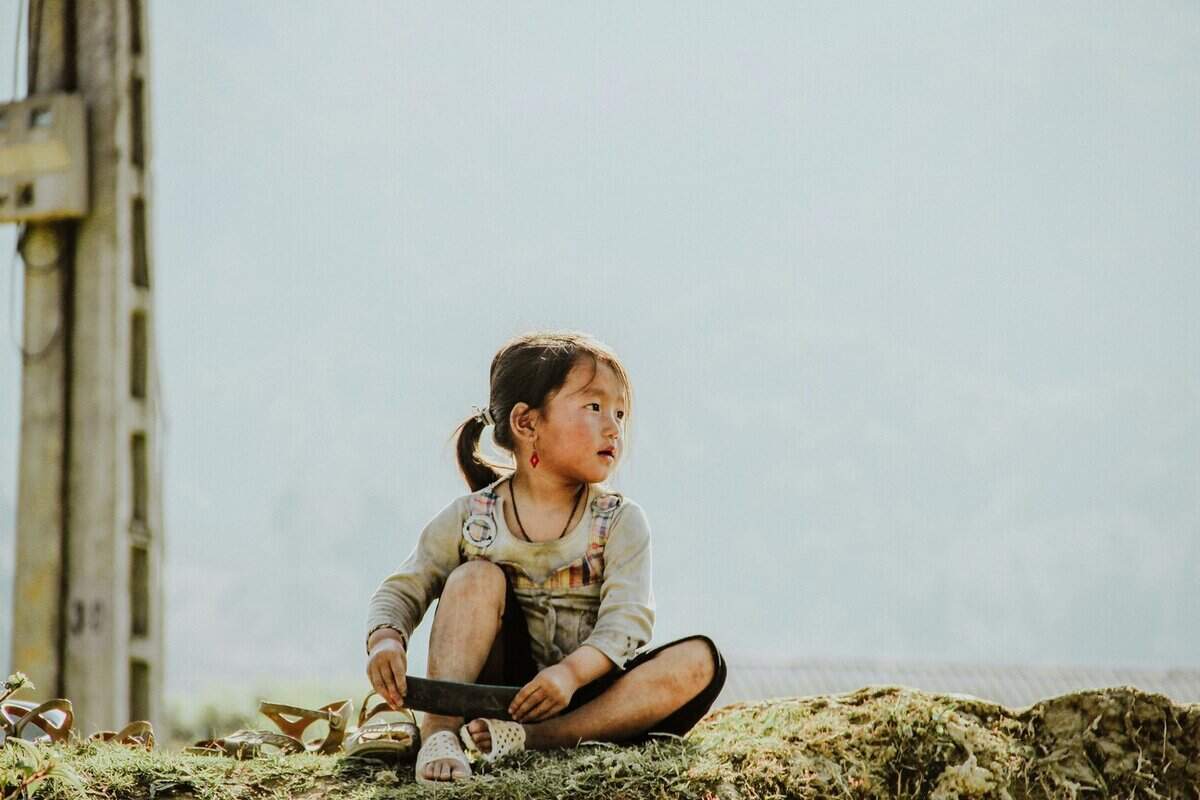
Children typically start to wish their parents would divorce after years of suffering and being let down.
Their hope for peace turns into desperation because it becomes clear that nothing is going to change.
That’s a terrible place to be, and it comes with its own culpa attached. Once more, the child starts to wonder if something is wrong with them when they wish for separation.
When a child is pushed to this point, this means that the marriage has been toxic for some time.
It’s also a llamada de atención for the adults: make the effort to fix things or go your separate ways.
8. The Long-Term Impact on Children

The effects of growing up in a troubled marriage don’t stop when a child gets older or when they move out.
Many children carry emotional scars into adulthood, like trust issues, inability to form healthy relationships, fear of abandonment, or a skewed view of love.
They might struggle with self-esteem and setting boundaries.
The trauma of witnessing constant conflict and feeling responsible for their parents’ relationship can shape their mental health for decades.
It takes conscious effort to move past this damage and become someone who can enjoy a healthy relationship.
That’s why it’s crucial to recognize when children might be silently suffering and wishing for divorce; it’s a sign that something needs to be done immediately.

A little Aquarius, devoted to writing and embroidery. Through my writing, I hope to empower readers to align with their true selves and navigate life’s mysteries with confidence.