

Work had to do with survival and community needs before the start of modern career definitions. A person was viewed as someone who made things, managed things, or maintained things.
There was no clear definition of what a person did as a career in those times, but through personality patterns, we can assign roles from that time. One method is to use your birth month as a way of exploring your personality patterns.
Your birth month reflects how you work with people, decisions, and tasks. The personality pattern that corresponds to your month doesn’t have to be a direct match, but it does give you a different perspective on how you could have used your strengths in an earlier time period.
1. January: Steward

January represents the qualities of a steward. Stewards were responsible for managing resources, land, and keeping things in order. A steward needed to be dependable and focused on long-term stability.
If you were born in January, you likely exhibit this kind of approach when handling tasks.
You think ahead and prefer order over chaos. In today’s world, your ability to operate and manage the system is still highly regarded as it was in the Middle Ages.
2. February: Scribe
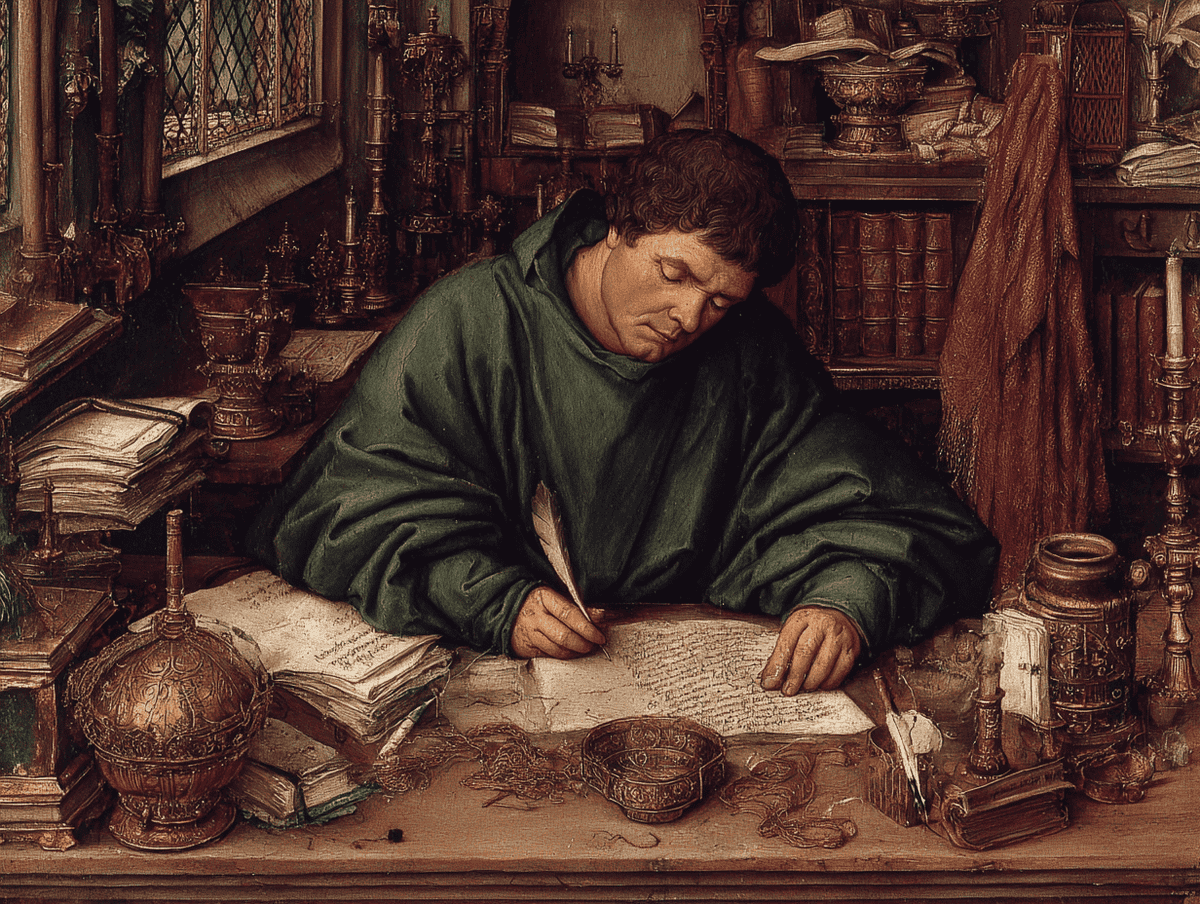
February corresponds with the qualities of a scribe. This role in a time before computers required a lot of writing, recording, and preserving information.
This job required a great deal of accuracy and concentration on the task for extended periods. A person born in February tends to use a thought process that moves back and forth between ideas and patterns, which makes these people well-suited for jobs that involve observation and interpretation.
Your position as a scribe involves recording knowledge in a manner that preserves what it was intended for. You will then make sure that this information is sent forward in as accurate a manner as possible.
3. March: Herbalist
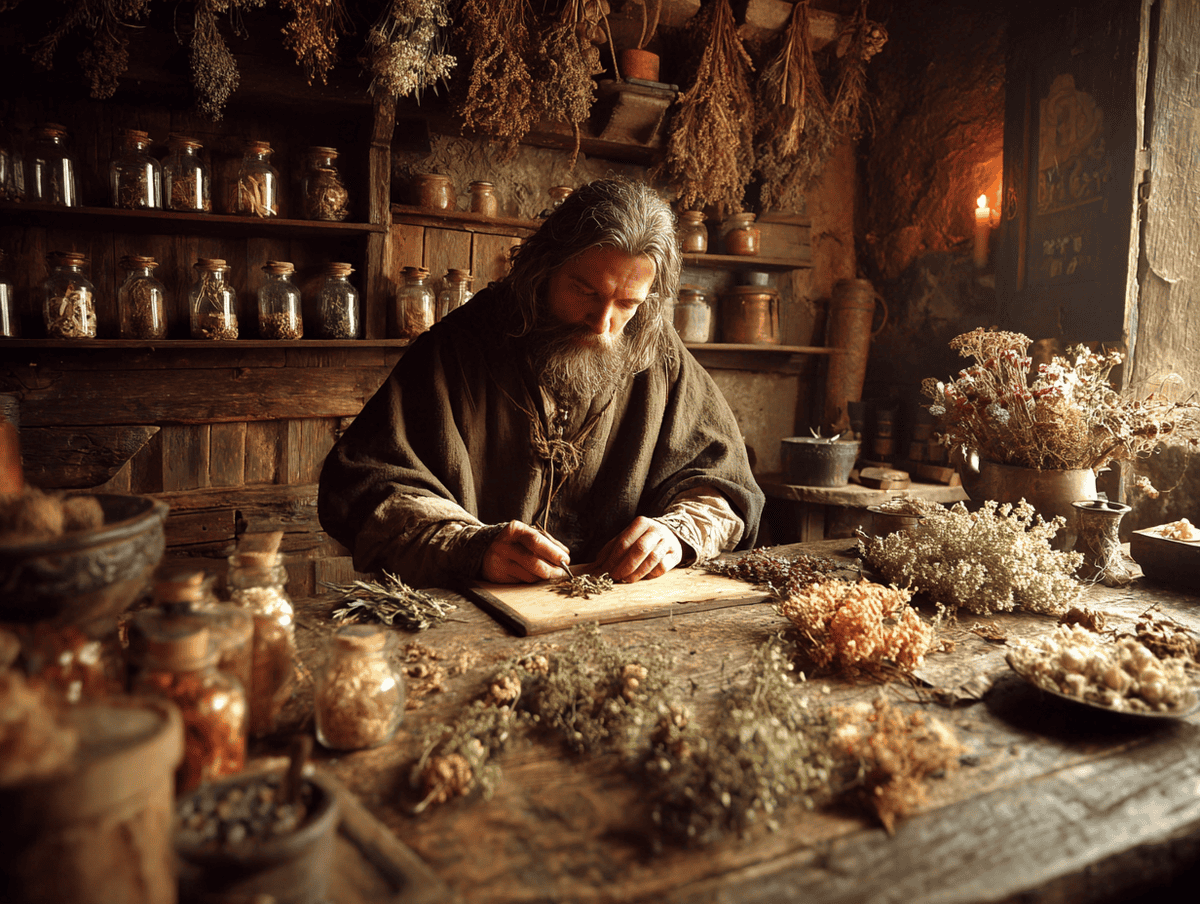
As a March-born, a herbalist would be similar to you. Herbalism is about understanding plants and how people use those plants to heal.
It requires the practitioner to have patience, an observant nature, and a soft manner. A person born in March has an awareness of subtleties and reacts to them with care.
Within the medieval period, this position would have included working with natural methods of healing and supporting others without being very visible.
4. April: Blacksmith

April corresponds to the role of blacksmith. This occupation requires physical strength, the ability to focus on what it is that one is doing, and the ability to turn raw material into something of practical use.
A blacksmithing career is both a physical and precision-based career. People born in April typically have a great deal of energy and point-blank bluntness.
In the medieval setting, this position was synonymous with tool and weapon manufacture and other common everyday products. It is a physically demanding task, yet critical.
5. May: Merchant
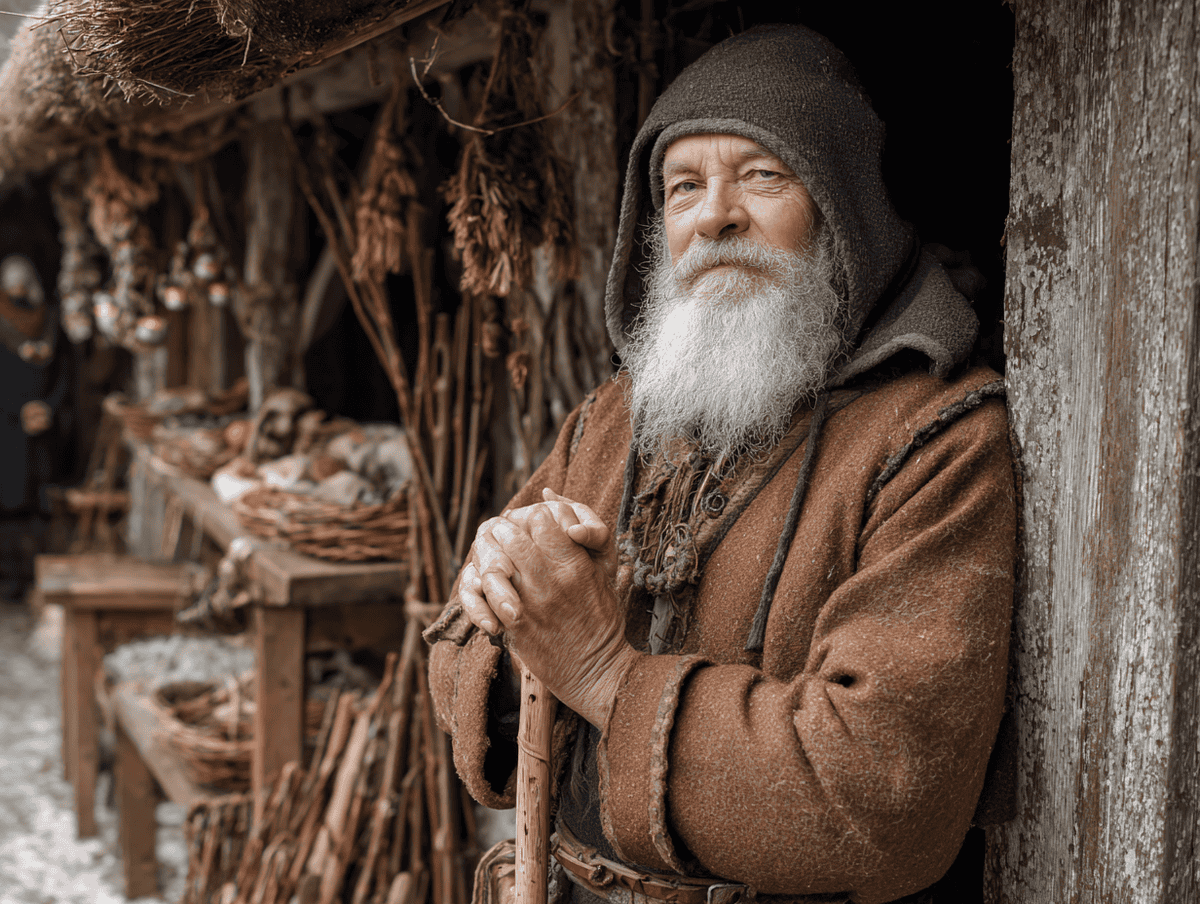
The role of merchant is associated with the month of May. The merchant is primarily engaged in the process of trade and thus is heavily involved in the negotiation of value as well.
Merchants are able to be flexible and react to changes in a timely manner.
People born in May are more likely to have a strong understanding of timing and effective communication skills, and they also tend to have an innate ability to tell when an opportunity to profit from a loss presents itself.
6. June: Messenger
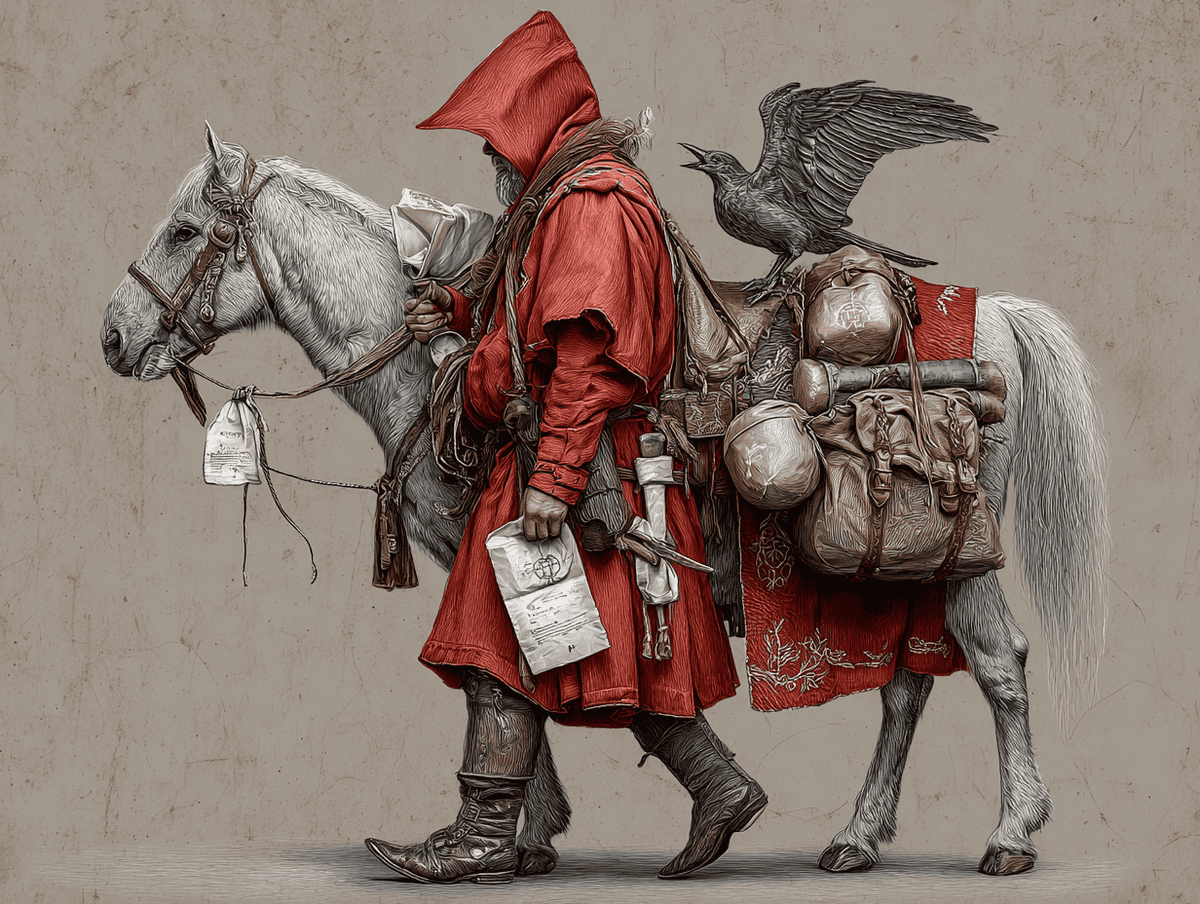
A messenger’s position, like those born in the month of June, involves transporting information and supporting other people’s ability to communicate over long distances and various forms of communication.
A messenger must possess the capacity for high speed and reliability, as well as a greater ability to adapt to rapidly changing environments. People born in the month of June tend to be swift in their movements from one idea or task to another.
In a medieval society, a messenger would translate these qualities into delivering very important messages accurately, quickly, and on schedule.
The messenger’s position was very easy to understand but was tremendously significant in that it required the messenger to remain constantly aware of their environment and to be consistent in their actions.
7. July: Caretaker
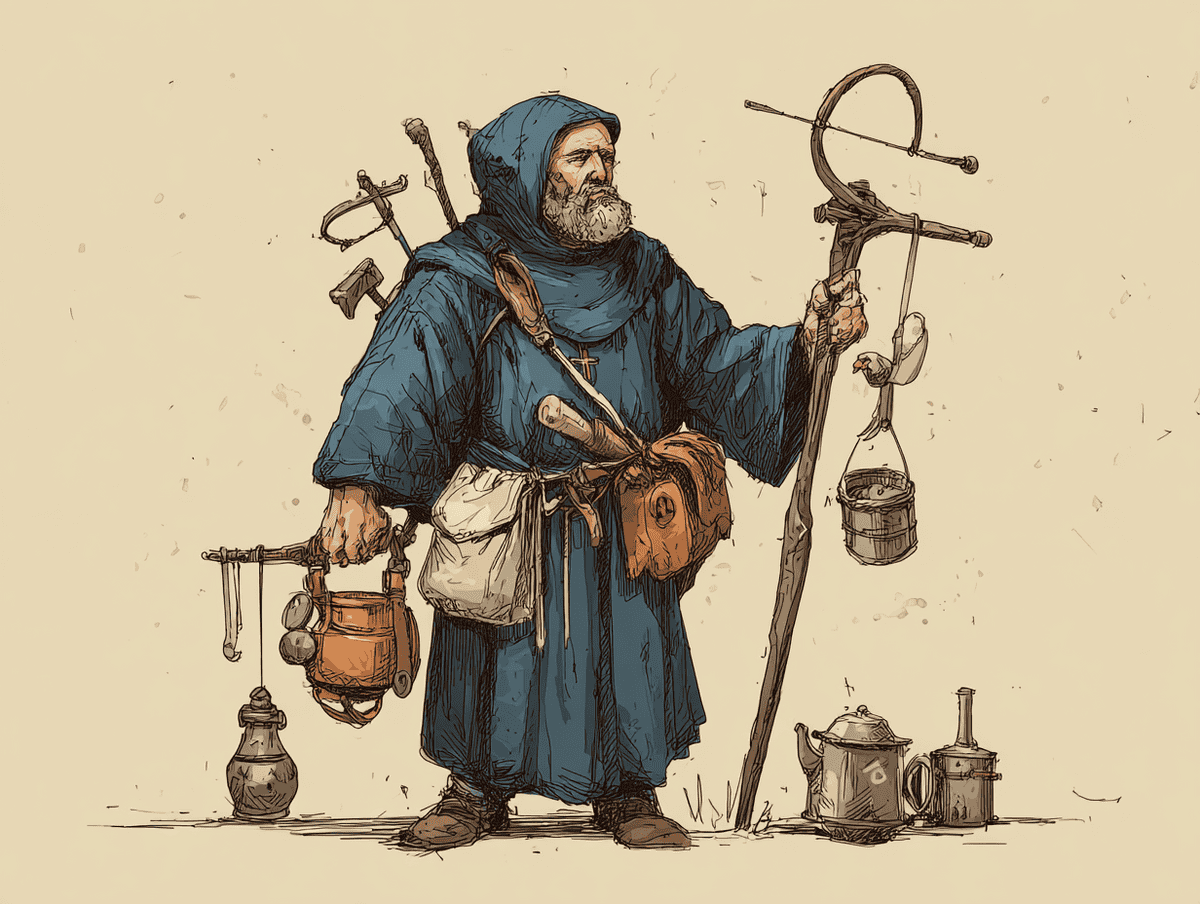
Similarly, July-born people fit well into the role of caretaker. A caretaker could take on various roles, such as managing the day-to-day functions of a family, taking care of a community’s needs, and/or managing the availability and use of resources.
July-born persons can easily recognize and become aware of what needs to be cared for or maintained. In medieval times, a caretaker provided stability to families and communities by caring for the general needs of life.
A caretaker’s primary function was to care for the people he/she serviced to enable them to continue their daily routines.
8. August: Guild Leader
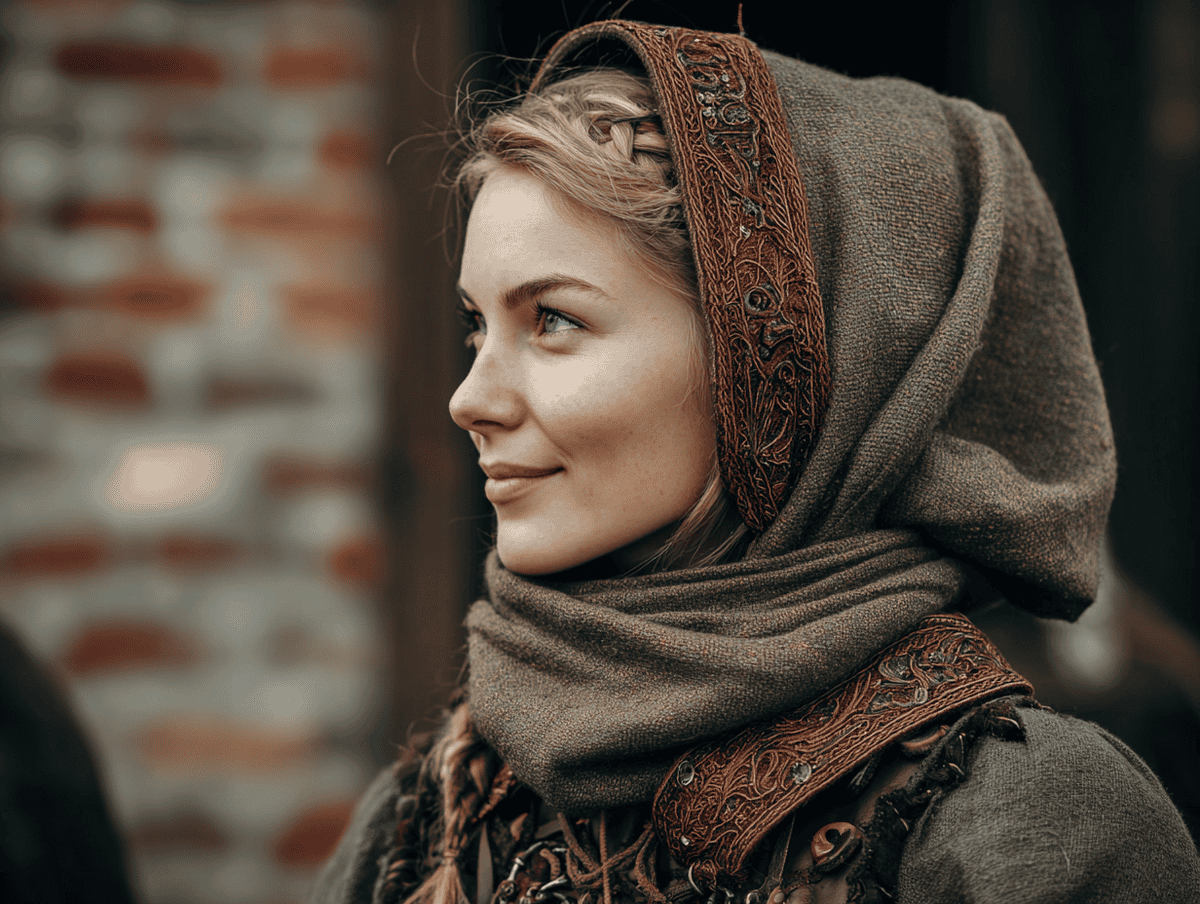
The position of guild leader fits well for August-born persons. A guild leader directed the work of others, maintained and developed the standards of his/her guild, and provided the ultimate authority within the framework of the guild.
An August-born individual will often assume an active role in creating and building successful enterprises instead of waiting to be instructed.
9. September: Archivist

The position of an archivist is similar to what someone born in September would be like. Their job consisted of maintaining records in a systematic way, which meant being accurate and using a certain procedure.
People born during September typically enjoy stability and order. If you lived in the Middle Ages, your job as an archivist would be to keep track of documents and ensure that they would be readily available whenever necessary.
As an archivist, you would have assisted in coordinating various activities by ensuring that everything was kept in order and maintained through careful management of documents rather than by performing visible actions.
10. October: Diplomat

The role of a diplomat is similar to what people born in October do. Diplomats were responsible for managing relationships between governments or groups, settling disputes, and ensuring that a balance existed among competing parties.
Effective diplomats were skilled communicators and had an understanding of the different viewpoints of the parties involved. Individuals born under this sign tend to evaluate each situation from multiple perspectives before making decisions.
In the Middle Ages, the role of a diplomat was to negotiate treaties between warring factions to preserve peace among neighboring communities. Diplomacy required the ability to communicate ideas clearly and fairly; force was not an option.
11. November: Guard

Those who are born in November are representative of what a guard would be. Guards are responsible for protecting property, being aware of their surroundings, and being responsible for the safety of others around them.
Guards must have the ability to focus their attention on their assigned duties and the ability to react quickly to any situation that may arise. Individuals born in November tend to be extremely observant.
If you lived in the Middle Ages, you would have been an individual who watched over everyone and protected them from harm or danger, and doing so required being vigilant, consistent, and focused.
12. December: Explorer
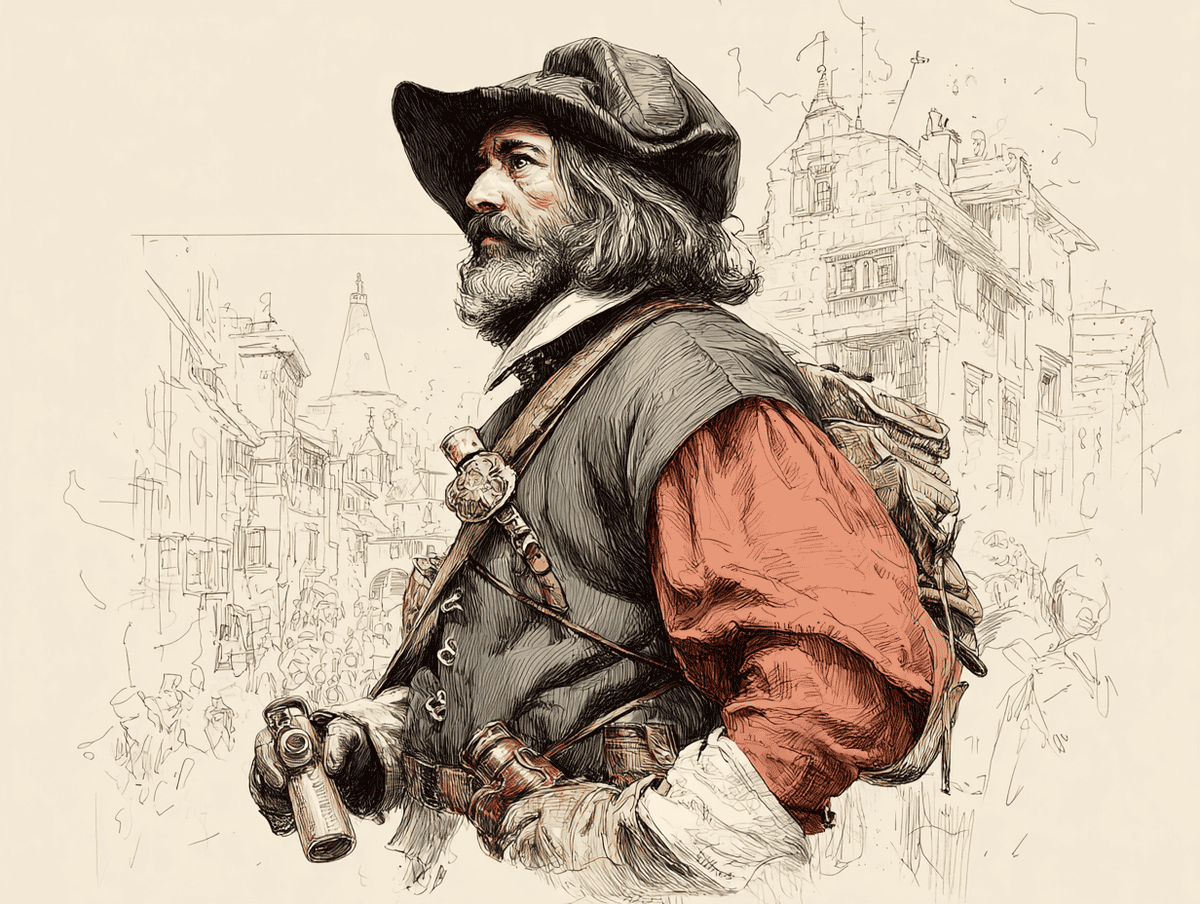
Explorers have a lot in common with individuals who are born in December. Explorers often go into new and uncharted territories to learn and discover new things and adapt to whatever conditions are found there.
In general, explorers need to have a strong desire to learn and have the ability to bounce back when faced with adversity. Individuals born in December typically have broad vision, meaning they tend to seek out new experiences and information.
If you lived in the Middle Ages, you would have served as a traveling observer who would visit new places and report back your findings regarding what you discovered.

Born and raised in Bosnia and Herzegovina. Ever since I was a little girl, my imagination knew no bounds. I remember vividly how I’d scribble down short stories, each page bursting with adventures and characters conjured up from the whimsy of my mind. These stories weren’t just for me; they were my way of connecting with my friends, offering them a slice of my fantasy world during our playtimes. The joy and excitement on their faces as we dived into my fictional realms motivated me to keep writing. This early passion for storytelling naturally evolved into my pursuit of writing, turning a childhood hobby into a fulfilling career.