
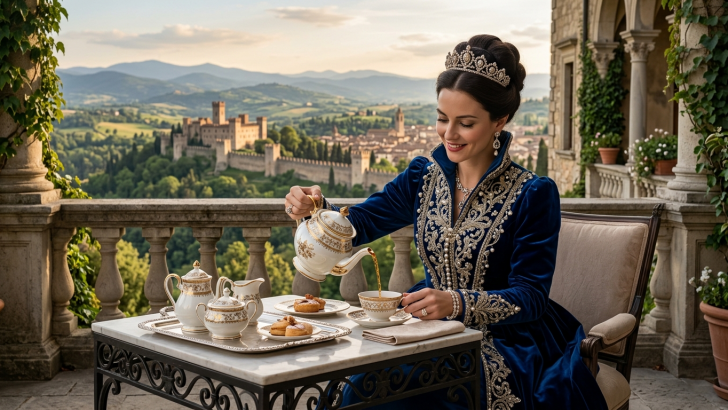
Throughout history, people across many cultures have turned to herbal teas as a gentle way to support relaxation, comfort, and a sense of emotional balance.
Long before modern medicine, plants were carefully studied through observation and tradition, and many of them were prepared as warm drinks believed to help the body and mind feel more at ease.
These teas were not seen as instant cures, but rather as soothing daily rituals that supported calmness, rest, and recovery.
The act of preparing tea itself also played an important role, as it created a slow, mindful moment in the day where people could pause and breathe.
Different herbs were used for different reasons, but many were chosen because of their calming scent, mild taste, or relaxing effect on the body.
1. Chamomile Tea
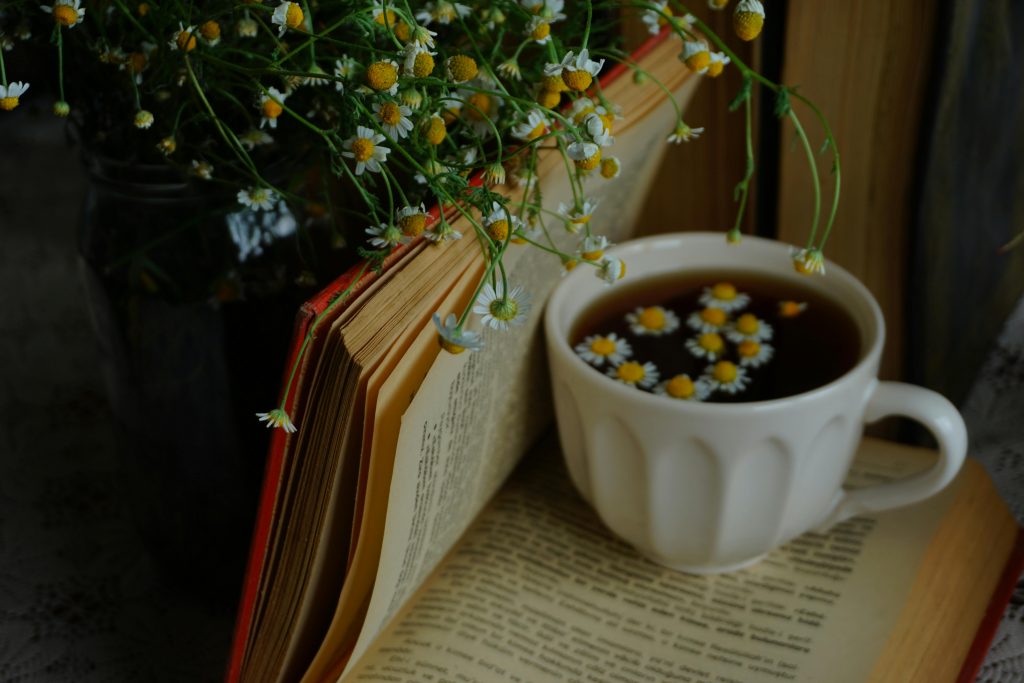
Chamomile tea has been used for centuries as a gentle herbal drink associated with relaxation and calmness.
It is made from small daisy-like flowers that release a mild, soothing aroma when steeped in hot water.
Many ancient cultures valued chamomile for its comforting properties and often drank it in the evening as part of a calming routine.
The tea became especially popular because of its soft, slightly sweet taste and its ability to create a feeling of restfulness.
People often associate it with peaceful sleep and emotional easing after a long day. Chamomile was also commonly included in traditional herbal mixtures meant to support overall relaxation.
2. Peppermint Tea
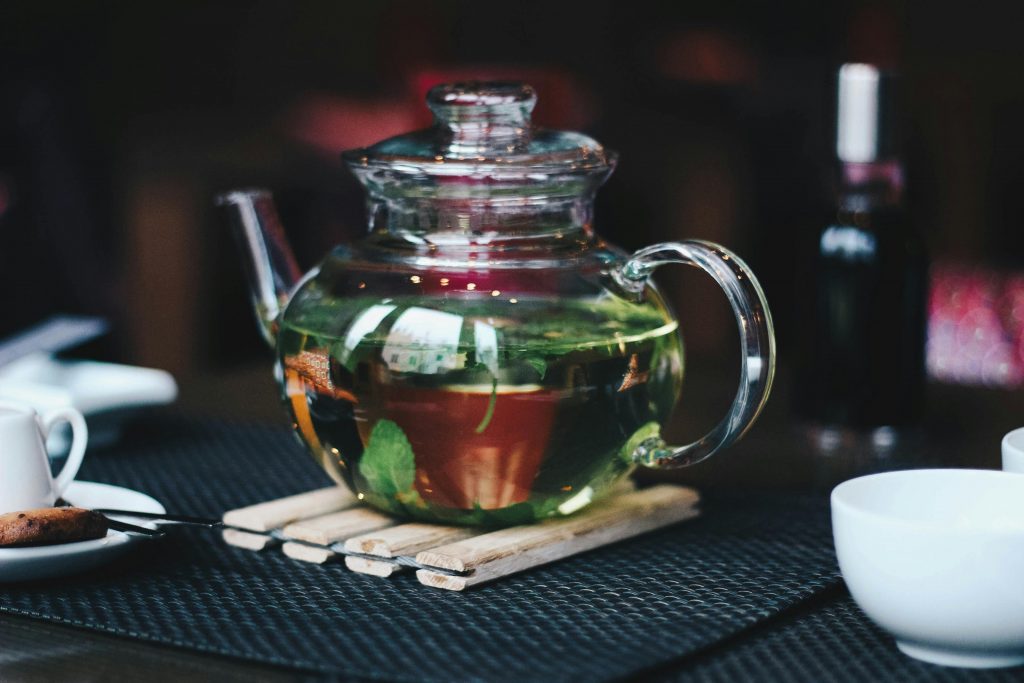
Peppermint tea has a long history of being used for comfort and refreshment in many cultures.
Made from the leaves of the peppermint plant, this tea is known for its cool, refreshing taste and strong natural aroma.
Traditionally, it was often used after meals or during times of discomfort to help create a feeling of lightness and ease.
Peppermint tea was also valued in herbal traditions for its ability to create a cooling sensation, which made it especially popular in warmer climates.
People often drank it to feel refreshed both physically and mentally. Over time, it became associated not only with digestion and comfort but also with emotional clarity.
The simple act of sipping peppermint tea often provided a moment of pause, helping people slow down and feel more balanced in their daily routines.
3. Lavender Tea
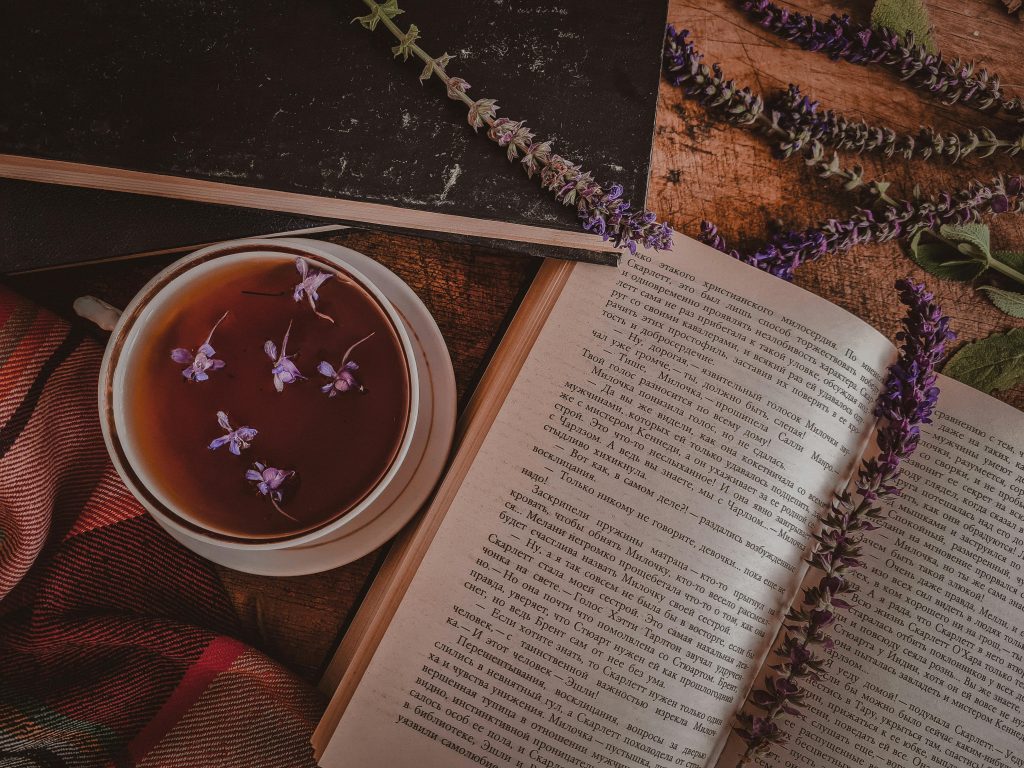
Lavender tea has been used historically for its calming aroma and gentle emotional soothing effects.
Made from dried lavender flowers, this tea carries a soft floral scent that has long been associated with peace and relaxation.
In many traditional practices, lavender was used in both drinks and home remedies aimed at creating a sense of emotional calm.
The tea was often consumed in quiet moments, especially in the evening, as part of routines meant to encourage rest.
Its fragrance alone was believed to help ease tension and promote a more peaceful mindset. Lavender tea is not strong in taste, which adds to its gentle and subtle character.
4. Lemon Balm Tea
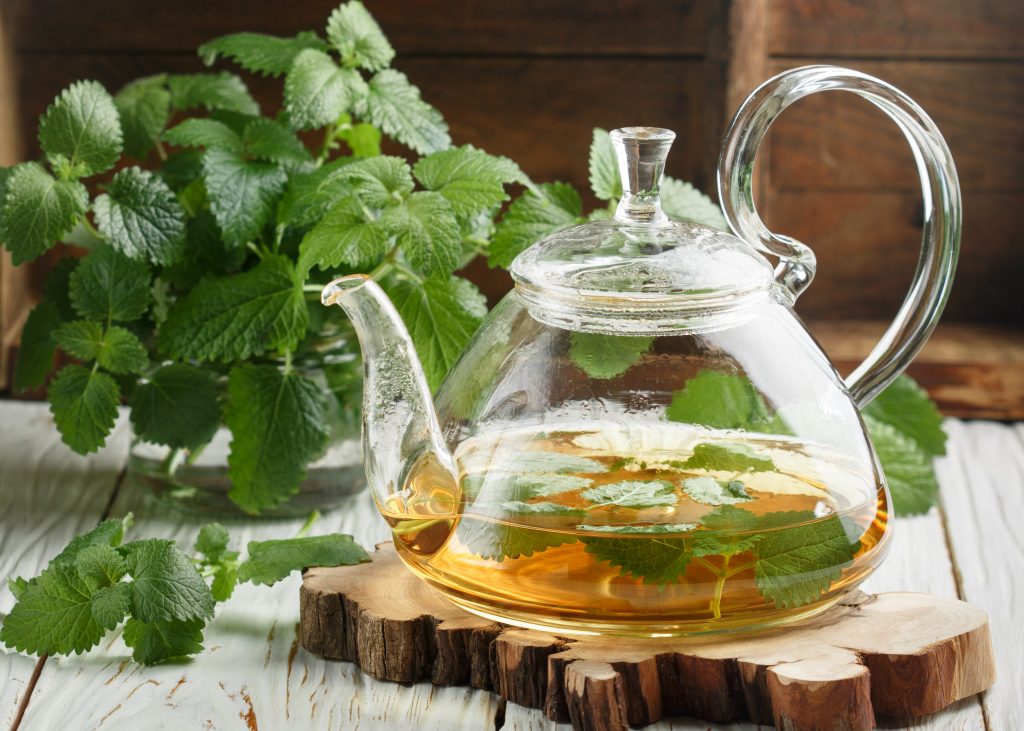
Lemon balm tea has been valued in herbal traditions for its fresh, citrus-like scent and calming qualities.
Made from the leaves of the lemon balm plant, this tea was commonly used in historical practices to help create a sense of emotional ease and relaxation.
Many cultures appreciated it for its light, pleasant flavor that felt refreshing without being intense. It was often consumed during stressful or busy periods as a way to help the mind slow down.
Lemon balm was also included in traditional herbal gardens because it was easy to grow and widely accessible.
The simple preparation of the tea, combined with its soft aroma, made it a popular choice for daily calming rituals.
It was seen as a natural way to bring a sense of softness and emotional lightness into everyday life.
5. Chamomile Mint Blends
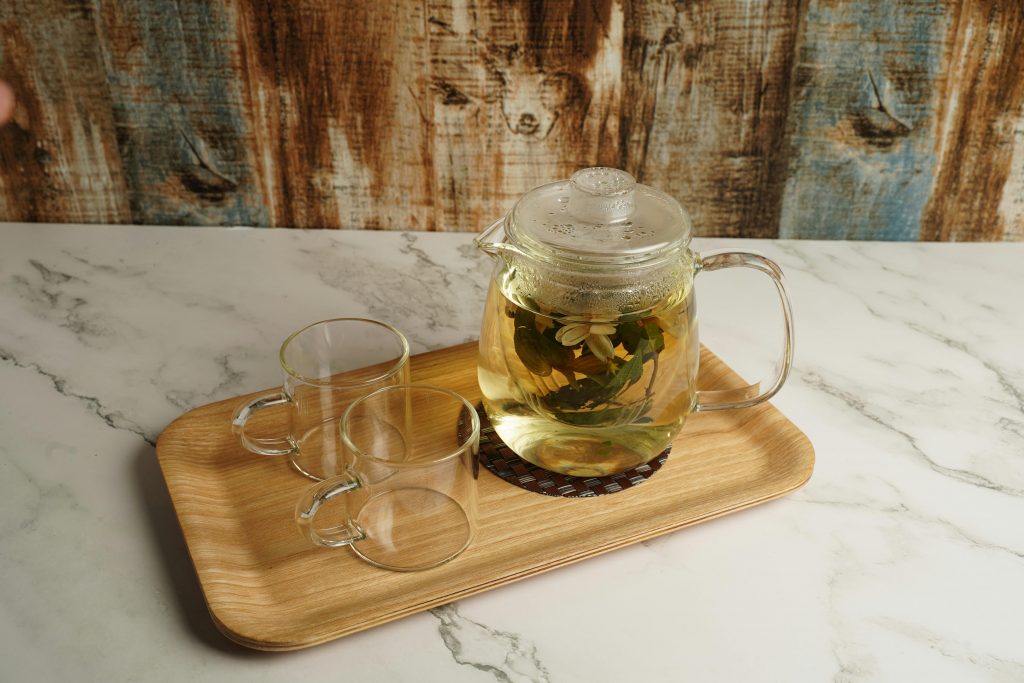
In many historical herbal traditions, chamomile was often combined with mint to create blended teas that offered both calming and refreshing qualities.
These blends were appreciated for their balanced effects, combining the softness of chamomile with the cool freshness of mint.
Such combinations were often used in evening routines or during times when both relaxation and clarity were desired.
The aroma of the blend was considered soothing, while the taste offered a gentle contrast between floral and refreshing notes.
These teas were commonly prepared in households where herbal knowledge was passed down through generations.
People believed that combining different herbs could create a more complete sense of comfort for both body and mind.
6. Ginger Tea
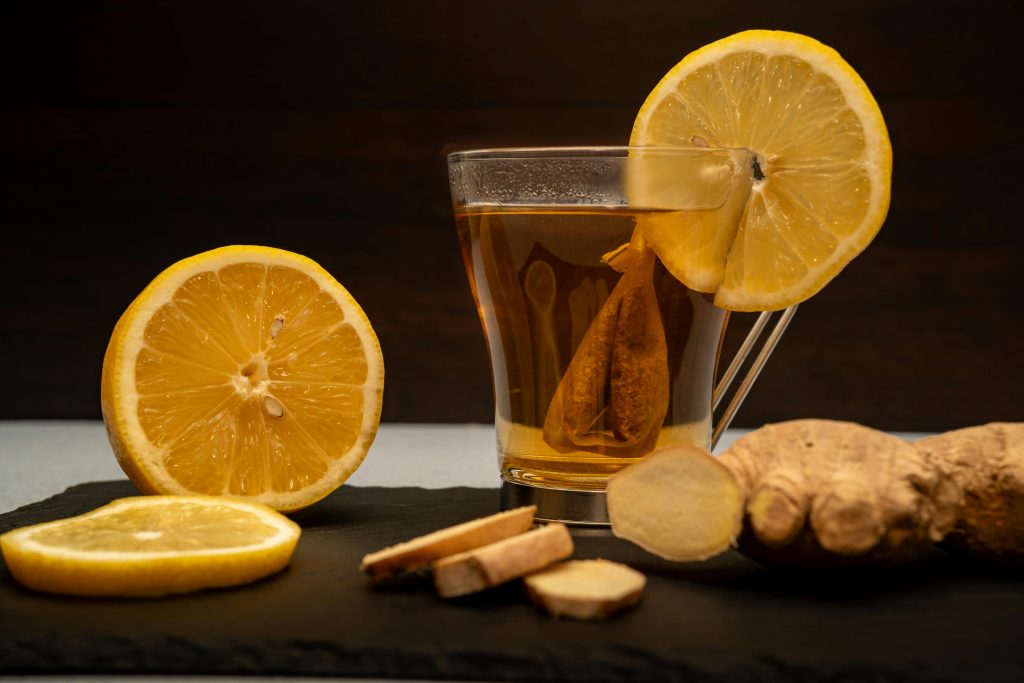
Ginger tea has been used for centuries in many cultures for its warming and comforting qualities.
Made from fresh or dried ginger root, this tea has a strong, spicy flavor that creates a warming sensation when consumed.
Historically, it was often used during cold seasons or times of physical discomfort. People appreciated it for its ability to create a sense of warmth and energy in the body.
While ginger tea is more stimulating than some other herbal teas, it was still valued for its comforting and grounding effects.
It was often prepared in simple home settings and consumed as part of daily wellness routines.
The act of drinking ginger tea was seen as a way to bring balance and comfort, especially during times when the body felt tired or cold.
7. Rose Tea
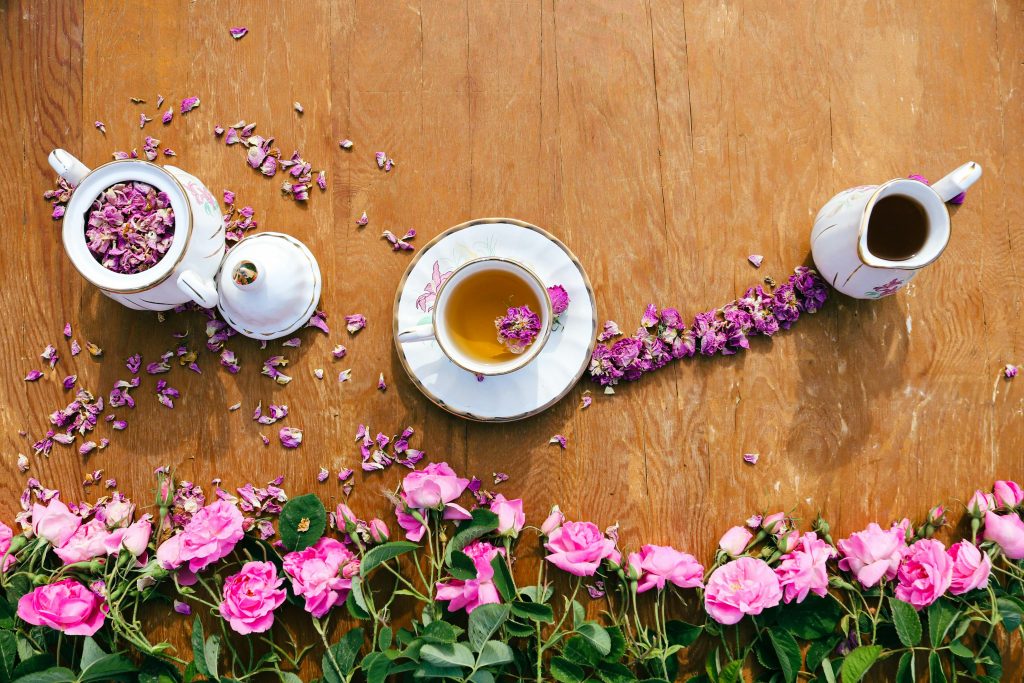
Rose tea has been historically associated with emotional softness, beauty, and gentle comfort.
Made from dried rose petals, this tea carries a light floral aroma that has long been linked with calmness and emotional balance.
In many traditions, roses were seen as symbols of care and affection, and the tea made from them reflected these qualities.
It was often used in rituals or daily practices meant to bring a sense of peace and emotional warmth.
The flavor of rose tea is delicate and slightly sweet, which adds to its calming experience. People often drank it during quiet moments to relax and reflect.
The visual beauty of rose petals also contributed to its emotional symbolism, making the tea feel gentle and comforting.
8. Fennel Tea
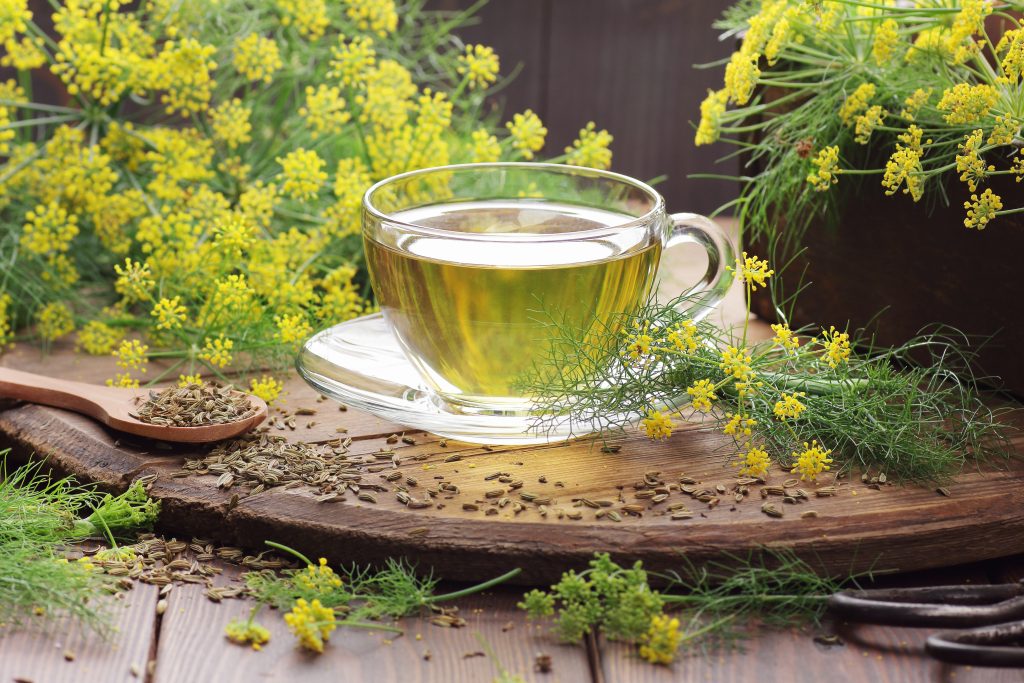
Fennel tea has a long history in traditional herbal practices, often used for its mild, sweet flavor and comforting properties.
Made from fennel seeds, this tea was commonly prepared in many cultures as part of daily routines. It was appreciated for its gentle taste and its ability to create a feeling of ease after meals.
Fennel tea was often seen as a simple and natural way to support comfort and relaxation. In traditional settings, it was also valued for its calming aroma and soothing warmth.
Its simple nature made it widely accessible, and it remained a common herbal drink in many households focused on natural wellness and calmness.

Siempre sentí una fuerte conexión con lo Divino desde mi nacimiento. Como autora y mentora, mi misión es ayudar a los demás a encontrar el amor, la felicidad y la fuerza interior en los momentos más oscuros.