
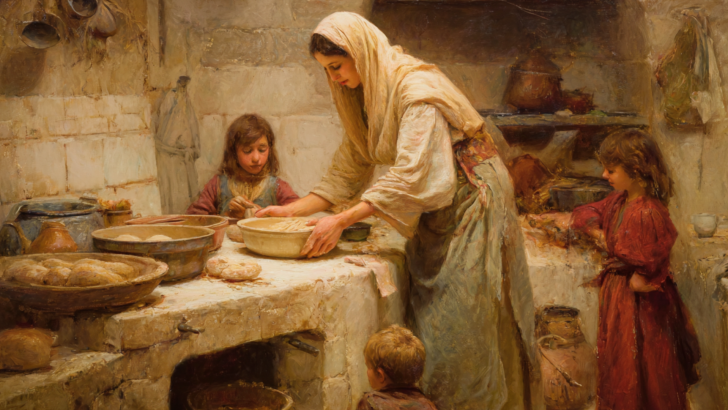
Cultural and religious beliefs influence many people’s expectations of marriage. The boundaries between cultural and religious beliefs have blurred to the point where people may not even know what tradition is versus what is religious and vice versa.
Some expect a woman to perform specific functions as a wife, and many times these expectations are derived from custom, not from religión.
Religion has also historically shaped family organization as well as the roles within marriages for thousands of years.
Understanding how cultural versus religious expectations have shaped marriage roles and relationships will help us understand the vast difference throughout societies, cultures, and generations.
1. Culture Often Shapes Daily Expectations More Than Religion
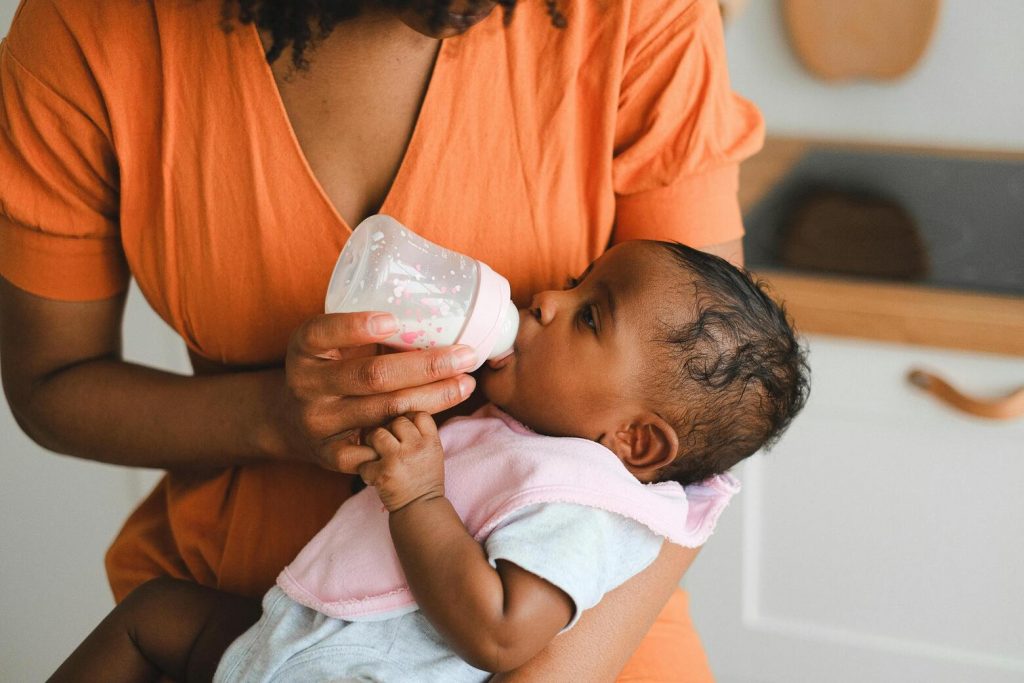
Expectations of a wife within a household are often seen as a religious obligation in religious households (i.e., cooking, cleaning, childcare, and providing emotional support), when more than likely those marital obligations originated from custom.
Families, regardless of where they live in the world, that profess to have the same religion can have completely different obligations or expectations of their wives’ roles.
This illustrates how much impact local culture has on marriage roles. The religion may provide a framework of values for a couple; however, the couple’s married life will generally be dictated by their culture.
2. Religion Usually Focuses More on Character Than Chores

Most religious teachings emphasize kindness, loyalty, patience, honesty, and compassion toward one another within marriage.
Cultural discussions often focus on exact duties to carry out within the home, creating a disconnect between spiritual beliefs and social standards over time. As a result, a wife may be defined solely by her outward job function rather than her emotional or moral characteristics.
Many religions believe that mutual respect and a strong sense of purpose will make someone spiritually successful, regardless of how another person sees it socially within the home.
3. Different Cultures Interpret the Same Teachings Differently

People can have different views on marriage roles even if they practice the same faith.
Depending on the country, one family may expect all or part of the wife’s role to include having a job; conversely, another family may hope for the wife only to take care of home and family (and not work outside the home).
This occurs mostly because of a family’s cultural history, not just because of what is written in the holy books. Other factors, such as economic conditions, gender expectations, and local customs, all contribute to how individuals interpret teachings about marriage.
This is why expectations about marriage can differ dramatically among families that practice the same faith.
4. Emotional Labor Is Rarely Discussed Openly

The emotional labor women are expected to do for the family often goes unacknowledged and unrecognized in the majority of cultures.
Examples of this include taking care of children, remembering family members’ birthdays, diffusing family conflicts, checking on family members, and maintaining relationships with friends and family.
Often, the emotional labor expected of a wife is never made part of her daily responsibilities but is just something that is culturally accepted.
Therefore, the continuing conversation regarding marriage today focuses on how to openly talk about what the expectations of both partners are regarding emotional work in their relationship to each other.
5. Financial Independence Changed Marriage Expectations

Women gaining access to education and careers has had a significant impact on the expectations of wives in their marriages. For centuries, wives were financially dependent on their husbands.
This long-standing dependence contributed to how women were perceived regarding their ability to obey, do household chores, and contribute to making critical decisions within the family unit.
As women gained more economic independence, relationship dynamics changed dramatically. Cultural interpretation has changed the meaning of marriage many times over the years.
Today, we see a move toward partnership and cooperation rather than strict role division in many marriages. This evolution continues in different ways throughout various cultures and religions around the world.
6. Hospitality Became Part of the “Ideal Wife” Image
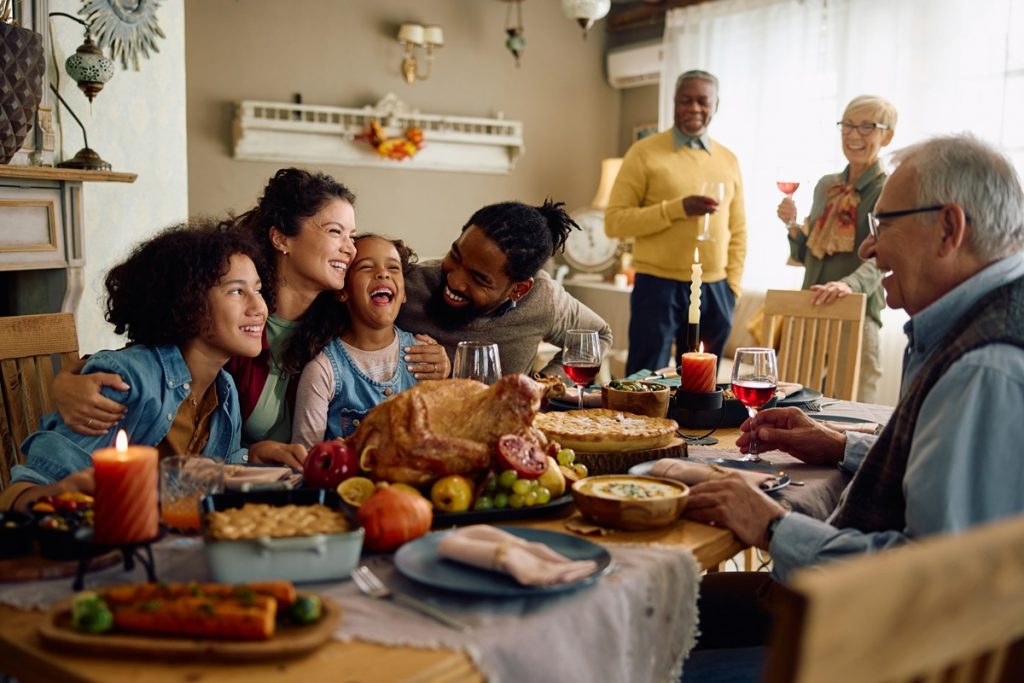
Hospitality has played a large role in many cultures due to how it relates to the wife’s role of hosting guests, preparing meals for those guests, and maintaining the family’s reputation within the community.
The importance of hospitality is occasionally associated with religion, though that is not always the case. Historically, hospitality has been part of surviving, building community, and upholding family honor.
Over time, these behaviors became associated with the definition of an ideal woman. As a result, many women still experience social pressure related to their ability to entertain, dress for their guests, and present their family through hospitality.
7. Modern Couples Often Redefine Roles Together

Currently, many couples create a new dynamic in their relationships based on their personalities, behaviors, and lifestyles rather than adhering to strictly traditional expectations.
For example, while some couples have an equal division of responsibilities, others will choose to divide their responsibilities in a traditional manner.
Instead of traditional expectations becoming the norm, couples now place great value on communicating with each other and coming to a mutually satisfactory agreement regarding the roles they will play in their marriage.
While many couples continue to look to religion for their value systems, many more marriages incorporate negotiation and open communication into their ongoing evolution.
As a result of the many dramatic changes in daily life, marriage roles are evolving more in many areas of the world than they have in the past.
8. Respect Looks Different Across Cultures
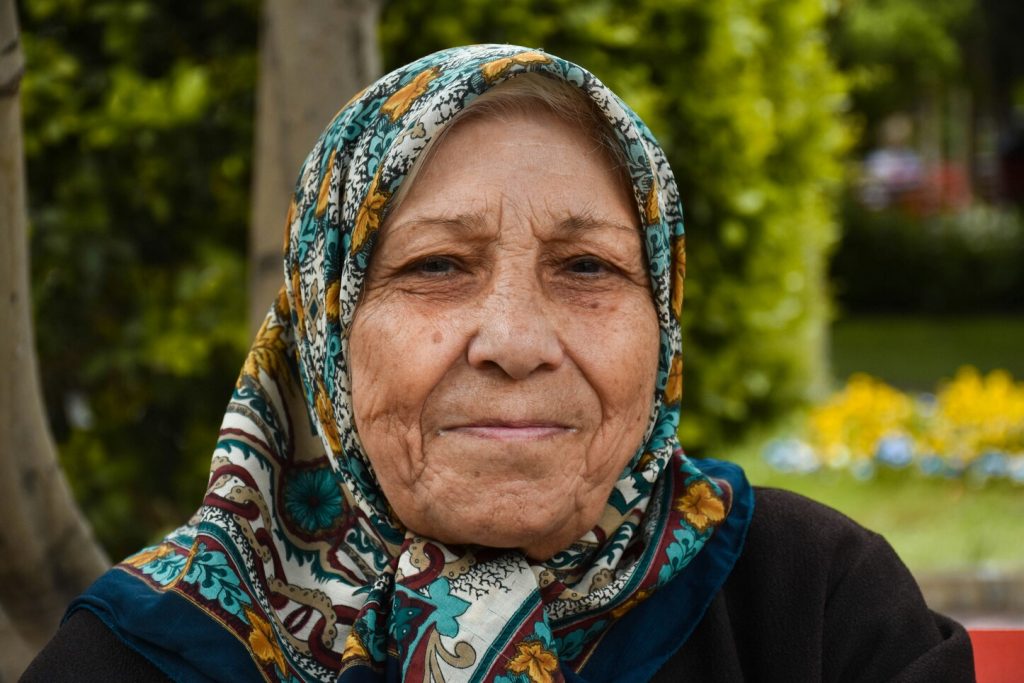
While many cultures and religions agree on the general principle that there should be respect between married partners, how that respect is shown is very different from culture to culture.
In some cultures, respect involves obedience and the individual remaining quiet. In other cultures, respect involves emotional honesty and being able to communicate equally.
While many religions stress the importance of respecting one’s marriage partner, cultural differences define the specific behaviors that demonstrate respect.
As a result, married couples from differing cultures often misinterpret each other’s actions and intentions, even though both couples may have the same basic moral values.
9. The Conversation Around Marriage Is Still Changing
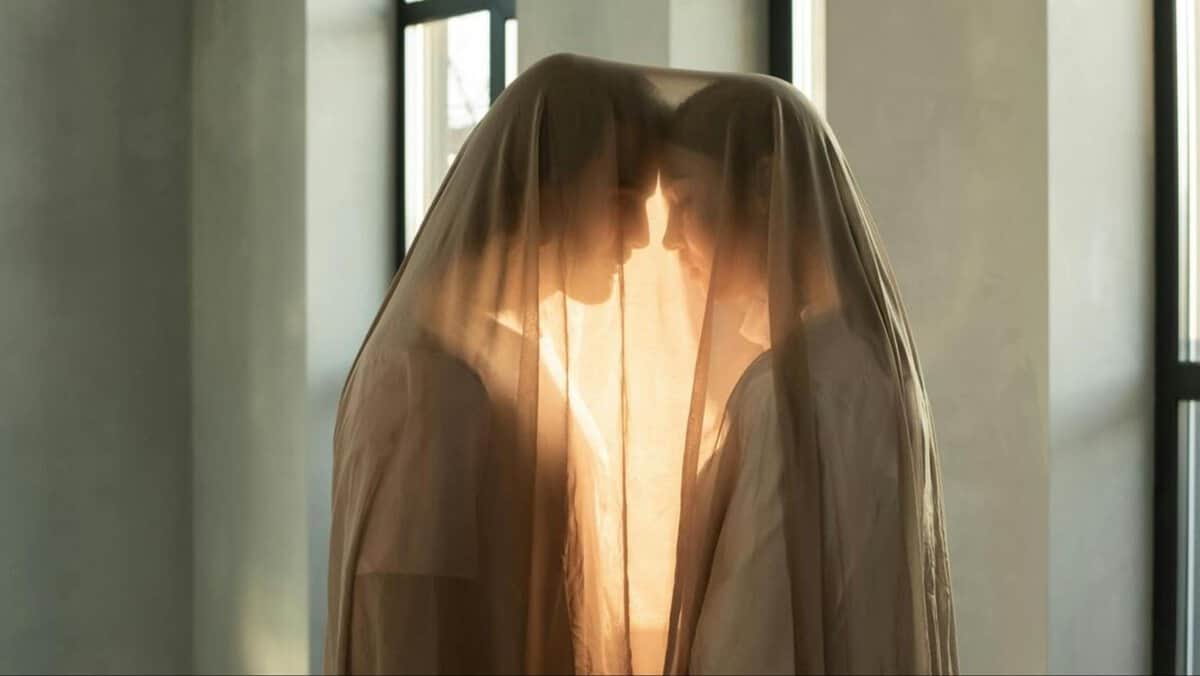
The concept of a wife’s role in her marriage will continue to change as cultures change. Factors such as social media, education, economic factors, and global communication all have contributed to how today’s society views marriage.
Today’s younger generations frequently challenge many of the traditions that their parents and grandparents followed without question.
Some couples choose to develop a more equal partnership in their marriage, while others return to following more traditional roles.
For many families, their religious beliefs continue to be important, but the cultural interpretation of religion continues to change.
The discussion surrounding marriage and the roles of married partners is far from over and most likely will not end in the near future.

Born and raised in Bosnia and Herzegovina. Ever since I was a little girl, my imagination knew no bounds. I remember vividly how I’d scribble down short stories, each page bursting with adventures and characters conjured up from the whimsy of my mind. These stories weren’t just for me; they were my way of connecting with my friends, offering them a slice of my fantasy world during our playtimes. The joy and excitement on their faces as we dived into my fictional realms motivated me to keep writing. This early passion for storytelling naturally evolved into my pursuit of writing, turning a childhood hobby into a fulfilling career.