
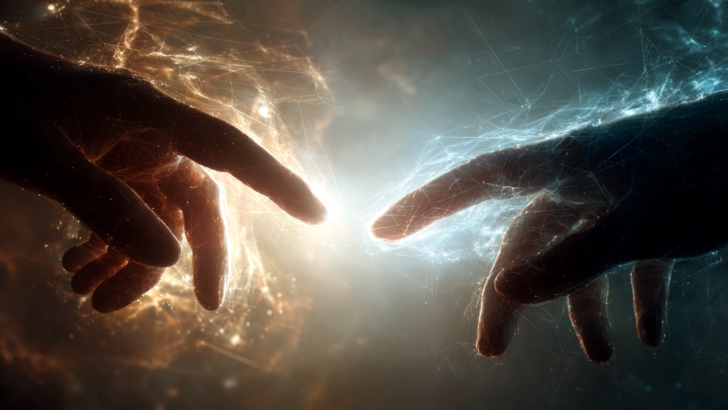
The concept of alternate realities has piqued people’s interest for decades; with the advent of newer scientific theories and discussions on the internet, the notion has entered a much stranger philosophy.
It has been suggested by some that alternate versions of ourselves may have an effect on emotions, instincts, dreams, or sudden life changes.
And although there is no experimental evidence to indicate that parallel realities communicate with one another, the theory continues to gain traction throughout the internet because of how familiar people often feel about certain experiences.
1. Déjà Vu Might Be More Than a Brain Glitch
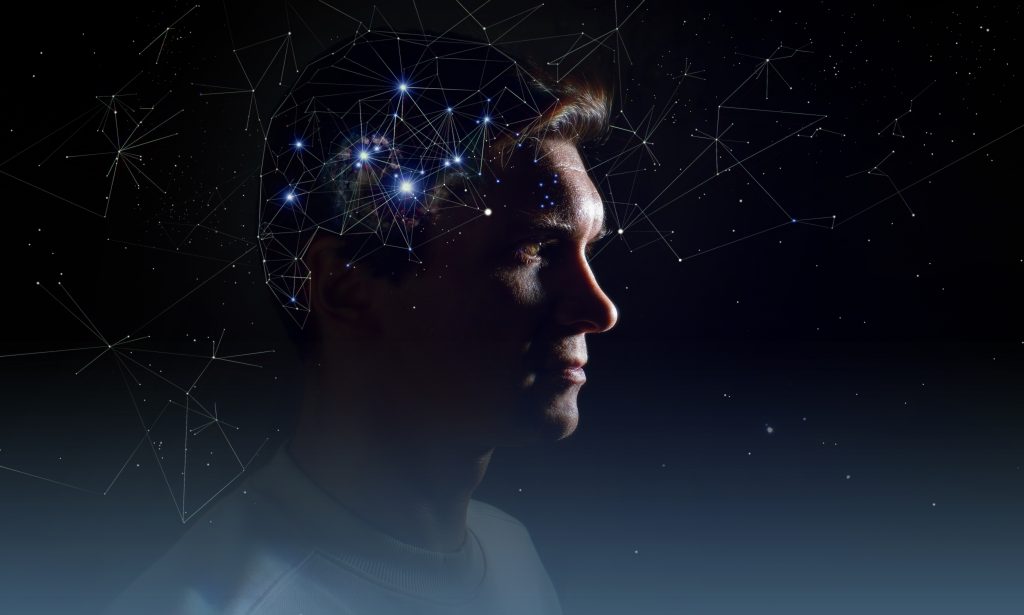
One of the most significant arguments relating to this theory is that of déjà vu.
People think the weird sensation of “I have done this before” is, in fact, because an alternate version of yourself is doing the same thing in the same moment in a different reality.
Scientists have a logical explanation for déjà vu as a result of a glitch in your memory, but when viewed through the lens of alternate realities, it takes on a very different interpretation.
2. Sudden Personality Changes Feel Strange to Some People

People have periods in their lives where their likes, habits, objects, or goals change drastically without any reason; these moments may also fall into the category of “emotional leakage” from alternate realities that very subtly influence their actions.
For example, someone who has shown no interest in art and has never done anything with painting suddenly becomes obsessed with painting, or traveling, or music seemingly overnight.
Critics view the change as an ordinary part of growing up. However, believers see it very differently. What is most notable about these transitions is how incredibly emotional they tend to feel.
Individuals have noted that they feel completely different from the “old” version of themselves after these transitions have occurred.
3. Certain Dreams Feel Too Detailed
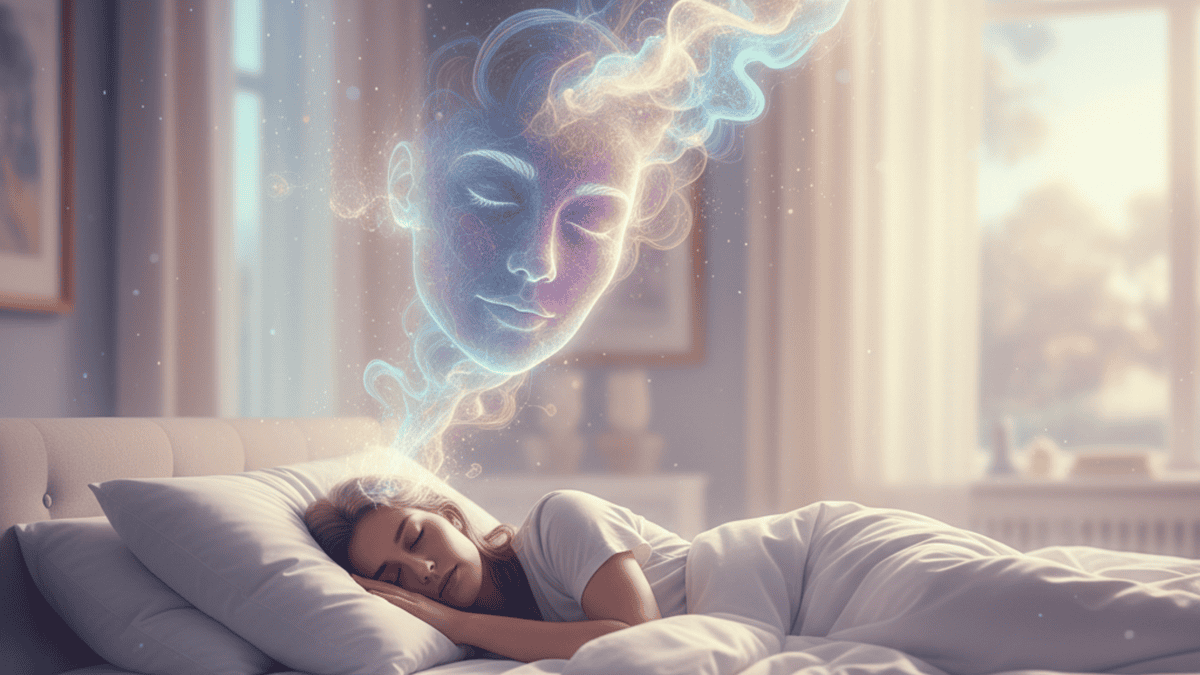
The dream is yet another key piece of the alternate self theory puzzle. Some people report dreaming of cities, relationships, and entire lifetimes that feel as if they are actually true after they wake up.
The alternate-self theory suggests that dreams may sometimes represent a peek into alternate realities instead of just random subconscious images.
One of the reasons these types of dreams are somewhat emotionally intense is because of their level of detail within them; frequently, people wake up, and they have, in effect, been mourning the loss of “people” or “places” that never existed in their real lives.
4. Unexplained Fear May Come From “Another You”
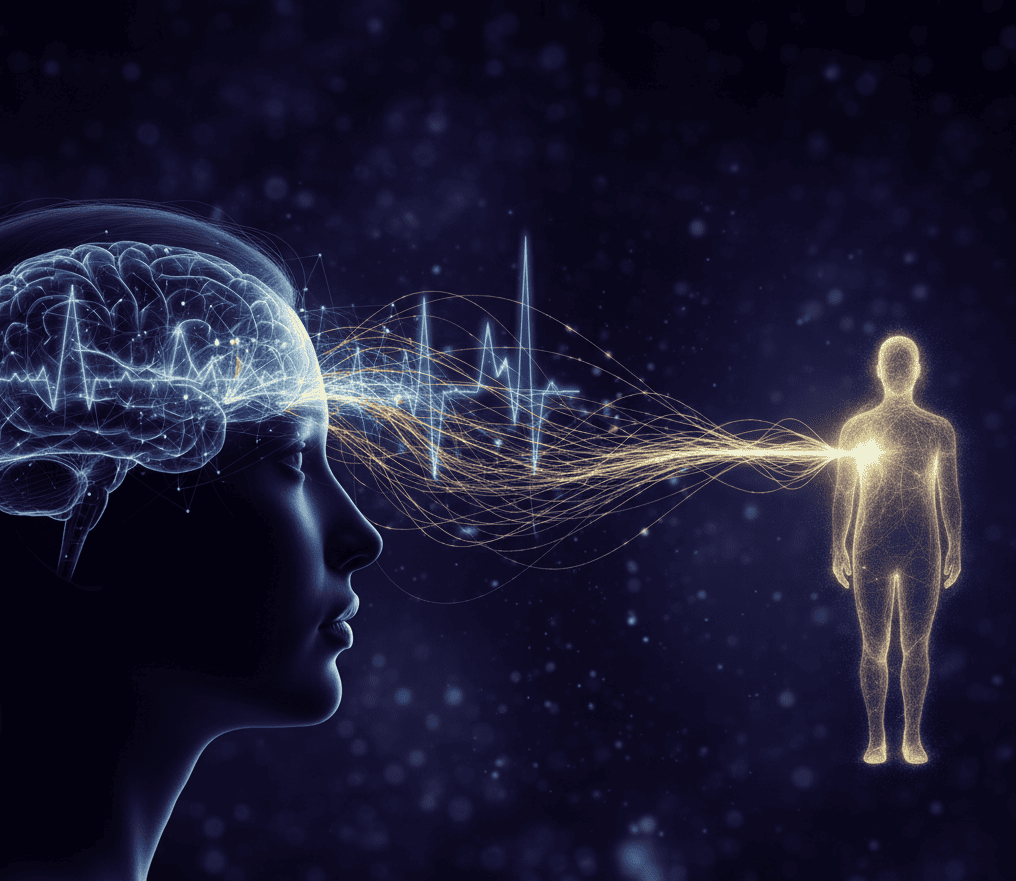
Unexplained fear or instinct may relate to that of your alternate existence. For example, you may be so fearful of an airplane, the ocean, or certain geographical locations, although you have never experienced anything traumatic related to those things in your life.
Believers argue that an emotional memory from another existence influences your feelings and behaviors today.
There is currently no concrete, scientific evidence to support this hypothesis; however, many have reported finding it to be compelling.
5. Certain People Feel Weirdly Familiar Immediately

A lot of people describe experiencing an immediate sense of familiarity upon first meeting a stranger. Such situations resemble a reconnection, rather than an introduction.
Alternate reality theories cite the emotional overlap of people experiencing similar emotions in parallel-dimension realities as a possible explanation.
In psychology, theories attempt to explain these feelings as attraction, pattern recognition, and/or emotional chemistry.
6. Small Decisions Could Create Entirely Different Lives
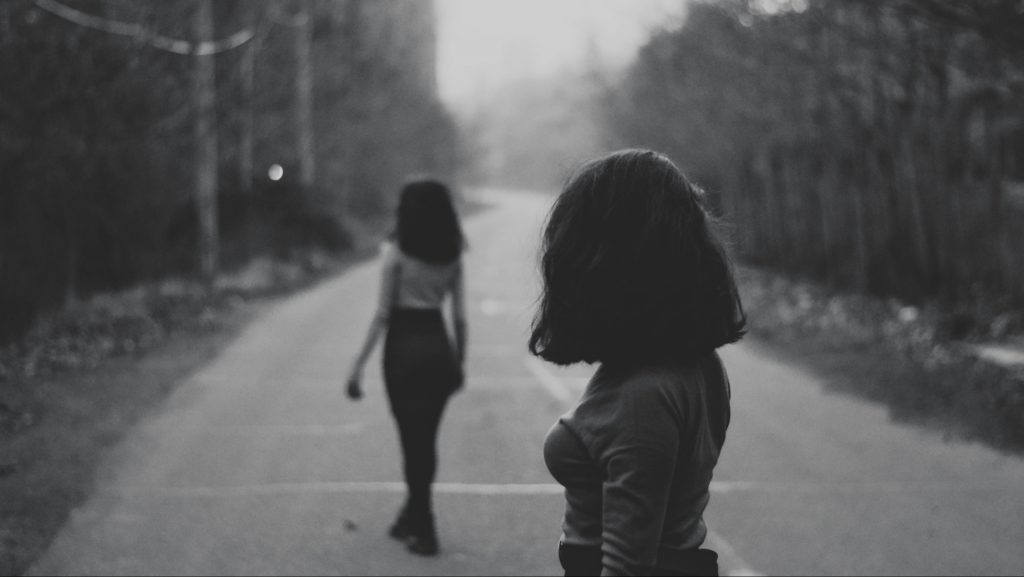
The majority of alternate reality theories focus on the implications of branching decisions.
There are numerous possibilities associated with each choice, including every single minor one.
Many people find themselves emotionally fascinated by the prospect of imagining alternate versions of themselves that made different choices related to jobs, relationships, and/or various other opportunities years ago.
7. Mood Swings Without Explanation Fascinate Believers

Many of the followers of this theory believe that if one experiences sudden emotional shifts, there may be some emotional connection between them and their counterparts in an alternate reality.
An individual may suddenly be filled with an overwhelming feeling of sadness, confidence, or nostalgia as a result of the existence of such alternate realities without experiencing that event occurring in this reality.
Whereas the psychological explanation for mood changes is usually stress, hormonal fluctuations, memory, and environmental influences, alternative theories provide a much more mysterious explanation for mood changes associated with these factors.
8. Mandela Effects Made The Theory More Popular
The “Mandela Effect” is when numerous people remember something incorrectly from how it actually occurred; many people connect this back to the alternate reality theories on the internet.
Many people are convinced that the inconsistencies in their memories result from alternate realities shifting or altering the accuracy of their memories.
Examples of this include quotes from films, logos, or facts from history that have never existed.
9. Some People Believe Creativity Comes From Parallel Lives

Numerous stories describe how writers, artists, and musicians, at times, will experience an idea suddenly emerging into view with such clarity that it is impossible to believe that the idea originated randomly.
Some alternative reality theories suggest that creative inspiration is a “bleed-through” from an alternate version of you.
This concept has been particularly resonant with online commenters discussing intuition, creativity, or inspiration.
10. The Theory May Really Reflect Human Curiosity About Identity
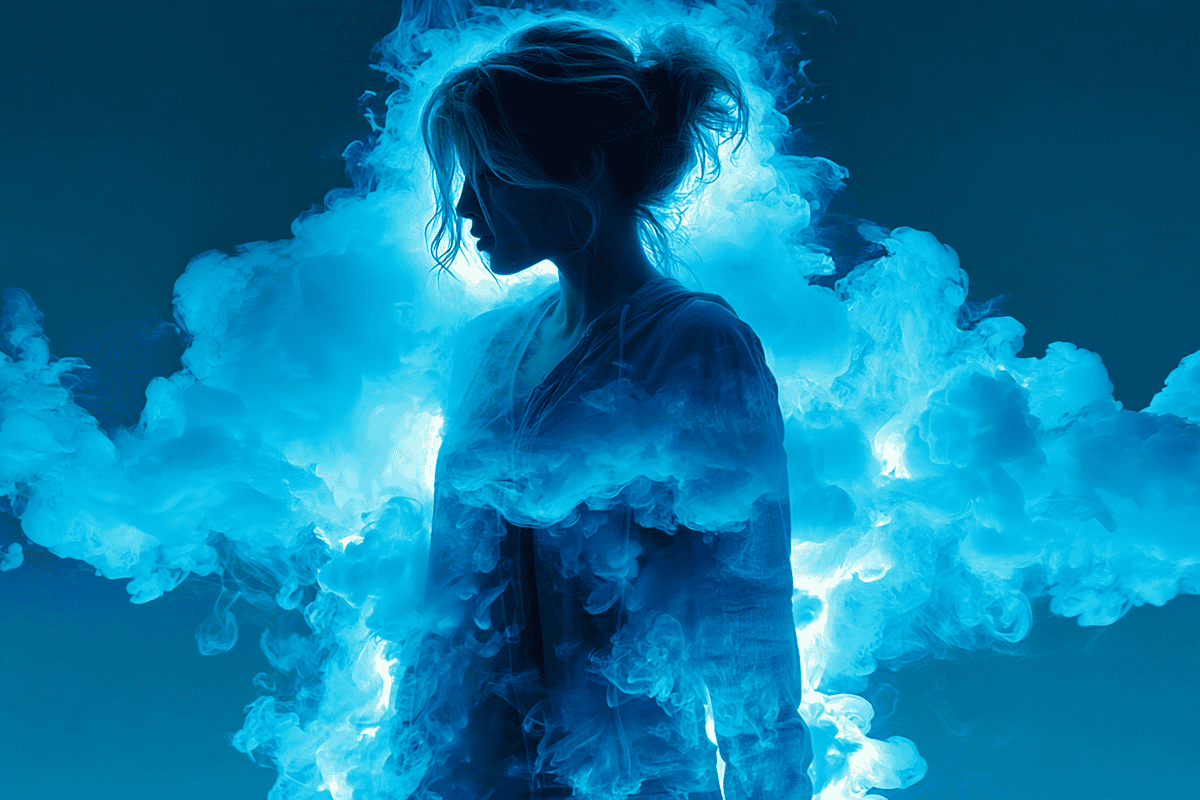
On a scientific level, this theory may actually say more about human nature than the realities of the existence of multiple universes. Humans are by nature curious as to who we could have been had we made different decisions.
The various alternate realities symbolize the human capacity for possibility, regret, curiosity, and imagination all at the same time.
The emotional power of the “alternate world theory” comes from the stark awareness of the fragilidad of the choices we make as a person.
Each decision has the potential to put or redirect our lives on a completely different path.

Born and raised in Bosnia and Herzegovina. Ever since I was a little girl, my imagination knew no bounds. I remember vividly how I’d scribble down short stories, each page bursting with adventures and characters conjured up from the whimsy of my mind. These stories weren’t just for me; they were my way of connecting with my friends, offering them a slice of my fantasy world during our playtimes. The joy and excitement on their faces as we dived into my fictional realms motivated me to keep writing. This early passion for storytelling naturally evolved into my pursuit of writing, turning a childhood hobby into a fulfilling career.