
Looking at history books, from our point of view, great empires feel like fleeting things.
We get a short summary about their rise, and then a detailed report of their massive crash. It all feels like a flash, like something that fizzled out within a few generations.
However, some great civilizations endured for centuries, and even millennia!
Their longevity and influence force us to question our own sense of scale.
Here are 9 great empires that remained in power for over a thousand years!
1. Pharaonic Egypt (3100 – 332 BC)
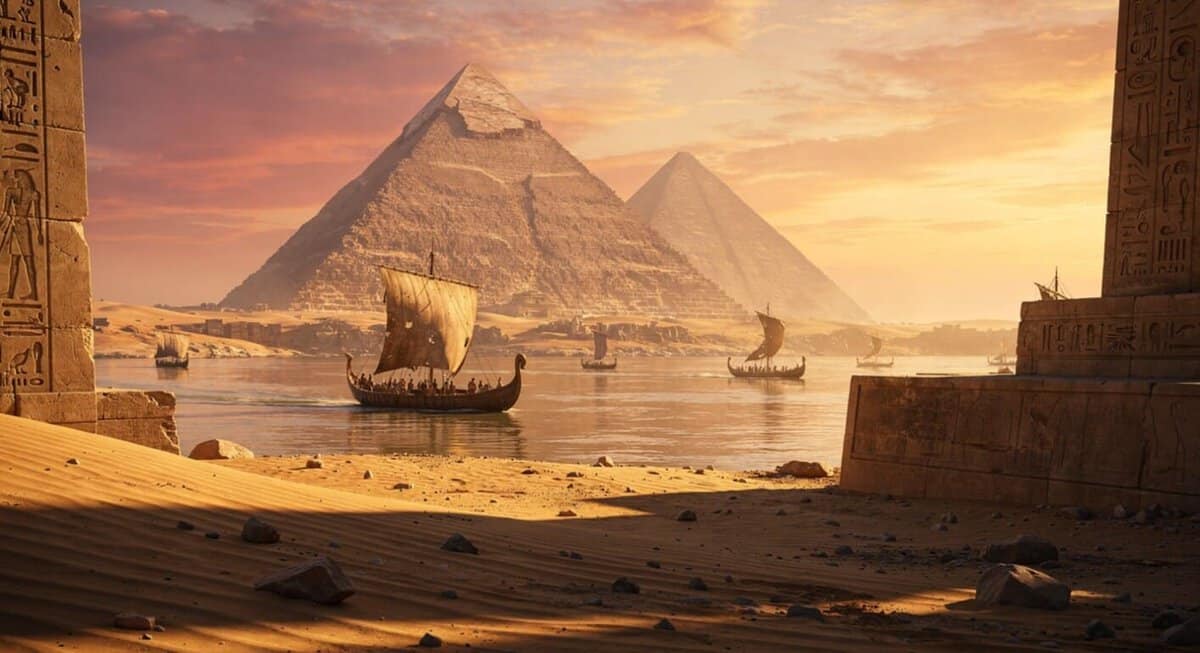
Pharaonic Egypt existed for 2, 768 years!
It started when a legendary king Narmer united the Upper and Lower regions along the Nile, and created a unified state that was fertile thanks to the river’s floods.
The pharaohs didn’t view themselves as mere politicians; they positioned themselves as living gods.
Their rule gave Egyptian society a strong sense of identity and stability, reflected in numerous temples and pyramids.
For nearly three thousand years, Egypt endured invasions, droughts, and changing dynasties.
Unfortunately, the empire’s rigid bureaucracy and religious system eventually brought stagnation.
Internal conflicts weakened the empire, and even its military became outdated. This made it an irresistible and easy target to outside forces.
Alexander the Great dealt the final blow in 332 BC, when he effortlessly conquered a civilization that had outlived every other human institution on earth.
2. The Roman Empire (27 BC – 1453 CE)
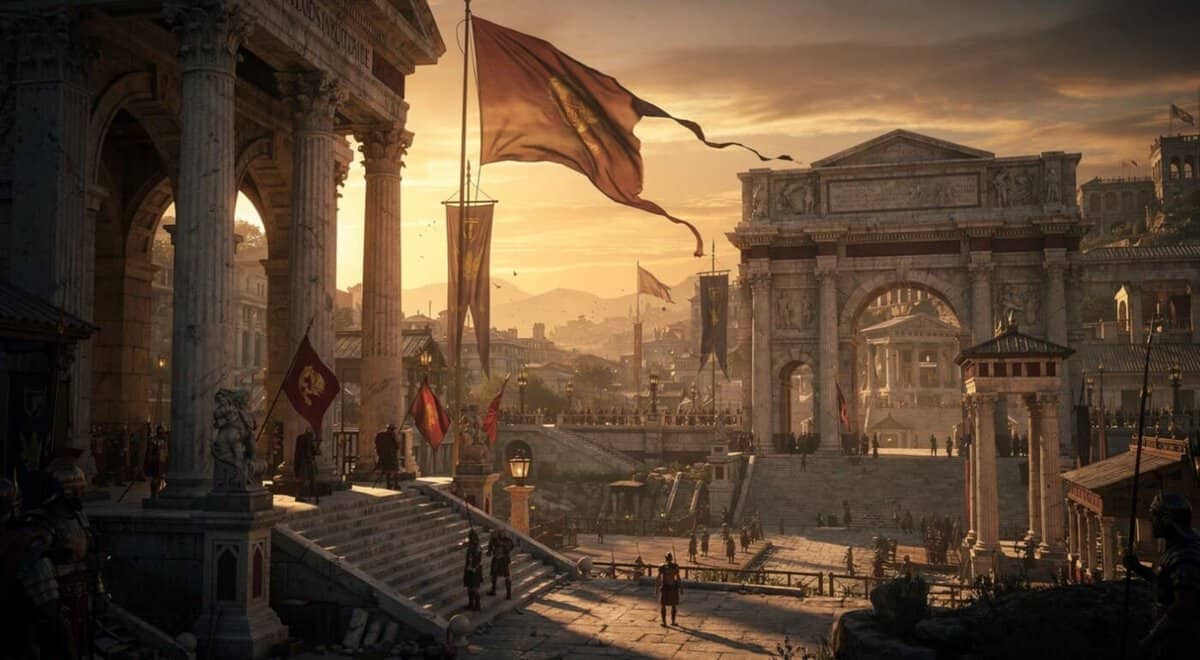
The Roman Empire ruled for 1,480 years.
It was built on the ashes of a dying city-state, which Augustus, the first emperor, transformed into the most unstoppable military force of the time.
Rome thrived on ruthlessness, incredible engineering, and a system of laws that could bind diverse, conquered peoples together.
At its peak, 20-30% of the entire world population was under its control!
Though its size was incredible, at some point, it became a problem. The Western Roman Empire slowly started to collapse under its own weight.
Economic collapse, civil wars, and migrating tribes all contributed to its fall.
But that’s not where its story ends. The Rome simply changed its capital to Constantinople, and the Eastern Roman Empire endured for another thousand years.
3. The Chinese Imperial Era (221 BC – 1912 CE)
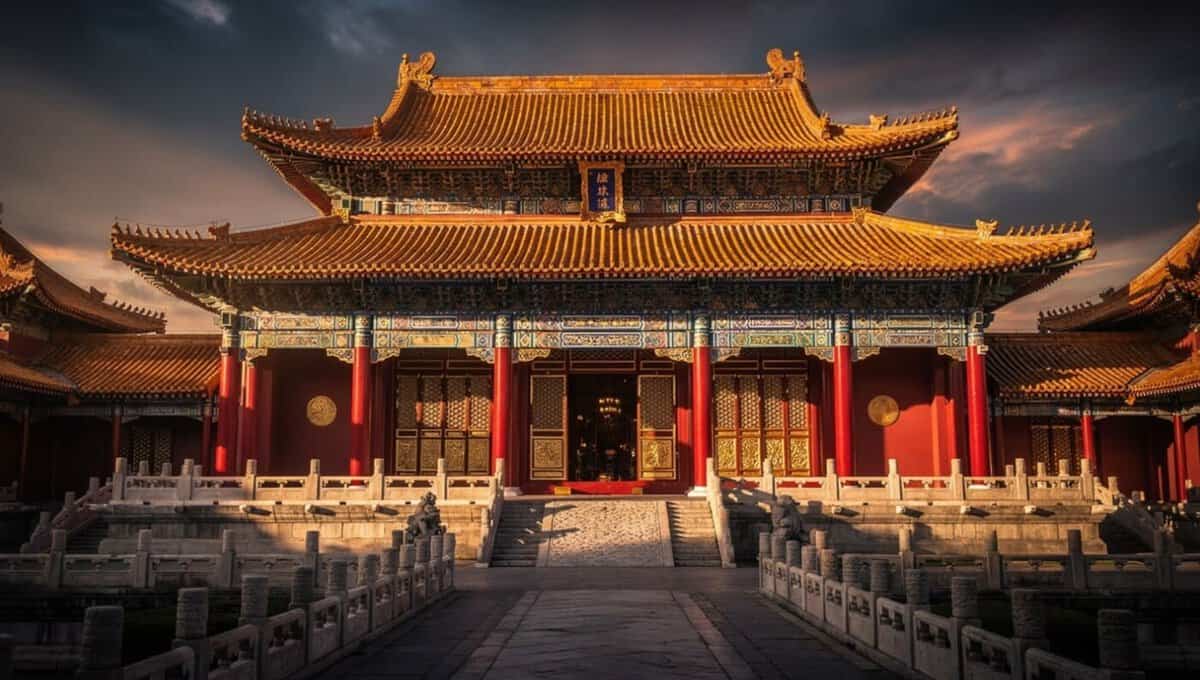
The Chinese imperial era ruled for 2,133 years!
It was born in fire and blood when Qin Shi Huang conquered the warring states; he standardized writing, currency, and created the first true Chinese empire.
The Qin dynasty lasted only fourteen years, but then the Han dynasty took over, and solidified the empire culturally and politically.
For over two millennia, this system endured! It was rightfully thought to be immortal.
Dynasties rose and fell, conquerors tried and failed to diminish its power. Instead, Mongol and Manchu invaders ended up assimilating and becoming Chinese emperors.
The system relied on the strict bureaucracy of scholar-officials.
It was only in 1912, with the rise of industrialism in the West, that the system finally collapsed.
4. Kingdom of Kush (1070 BC – 350 CE)
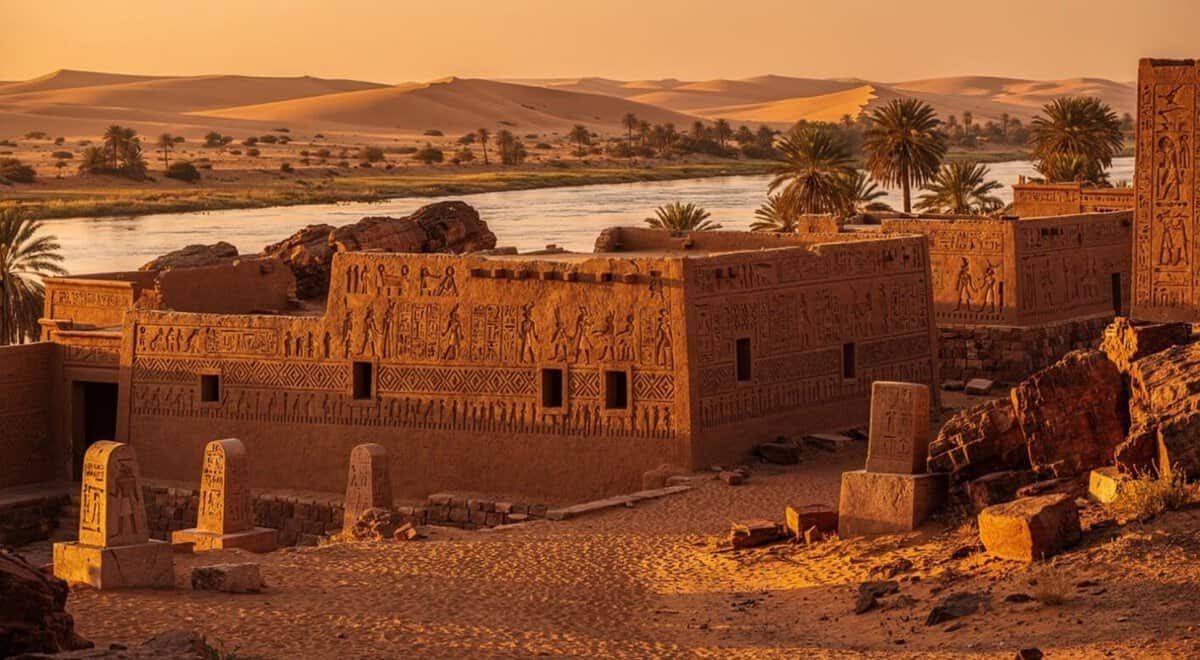
The Kingdom of Kush ruled for 1,420 years.
It all started in the deserts of modern-day Sudan; Kush was built on the wealth of gold and iron.
For centuries, it lived in the shadow of Egypt. At some point, Kush was even conquered, birthing the famous Black Pharaohs of the 25th dynasty.
When the Assyrians pushed them out, they moved their capital south to Meroë.
Kush developed its own writing system and thrived as a massive trading hub, connecting Africa, the Mediterranean, and the Indian Ocean.
Its people were master ironworkers and strong warriors.
At some point, however, trade routes changed and bypassed their cities. Their environment was fragile enough because of the desert, so over-farming did serious damage.
The Kingdom of Aksum grew more and more powerful, and eventually, around 350 CE, its forces sacked Meroë.
5. Anuradhapura Kingdom (377 BC – 1017 CE)
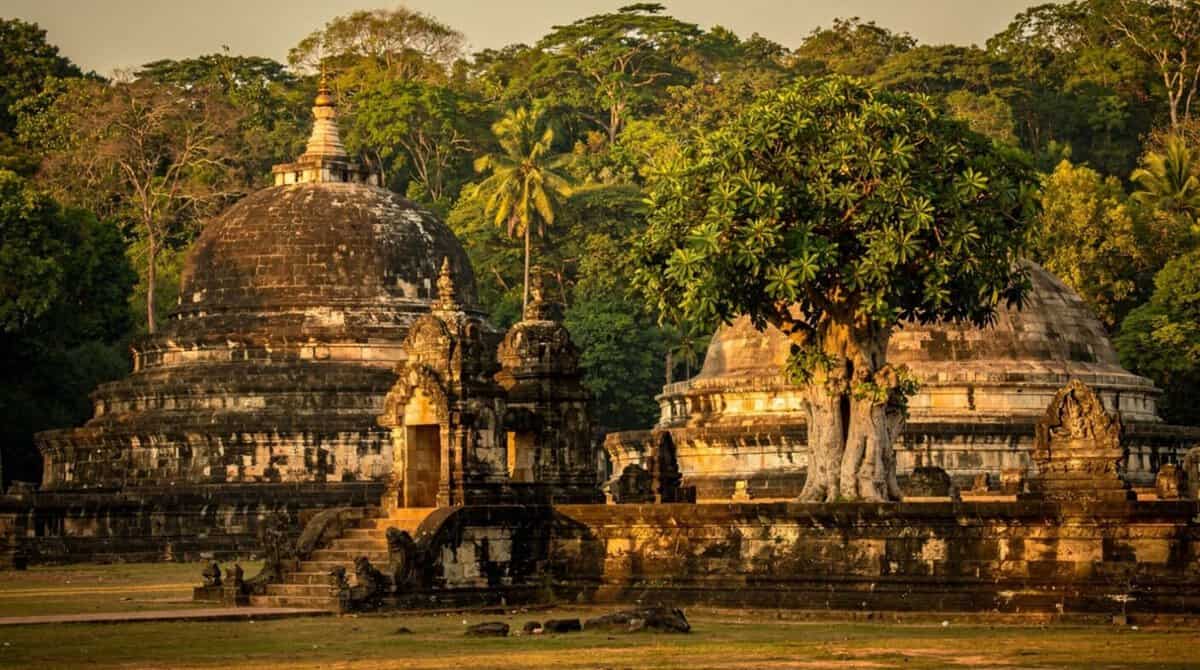
The Anuradhapura Kingdom ruled for 1,394 years.
The kingdom was created around a sacred fig tree, deep inside the jungles of Sri Lanka. The tree (Sri Maha Bodhi) became central to Theravada Buddhism.
It was both a spiritual and political capital, attracting believers from across the continent.
Thanks to ingenious irrigation systems, Anuradhapura advanced its agriculture to the point where it could sustain a massive population and monumental architecture.
The kingdom was able to resist southern Indian invasions for centuries.
Sadly, the complex water systems failed at some point, as maintenance declined due to external and internal conflicts.
The broken waterworks led to malaria, which, paired with the ecological disaster, ruined the kingdom.
The city fell to the Chola Empire in 1017.
6. The Byzantine Empire (330 – 1453)
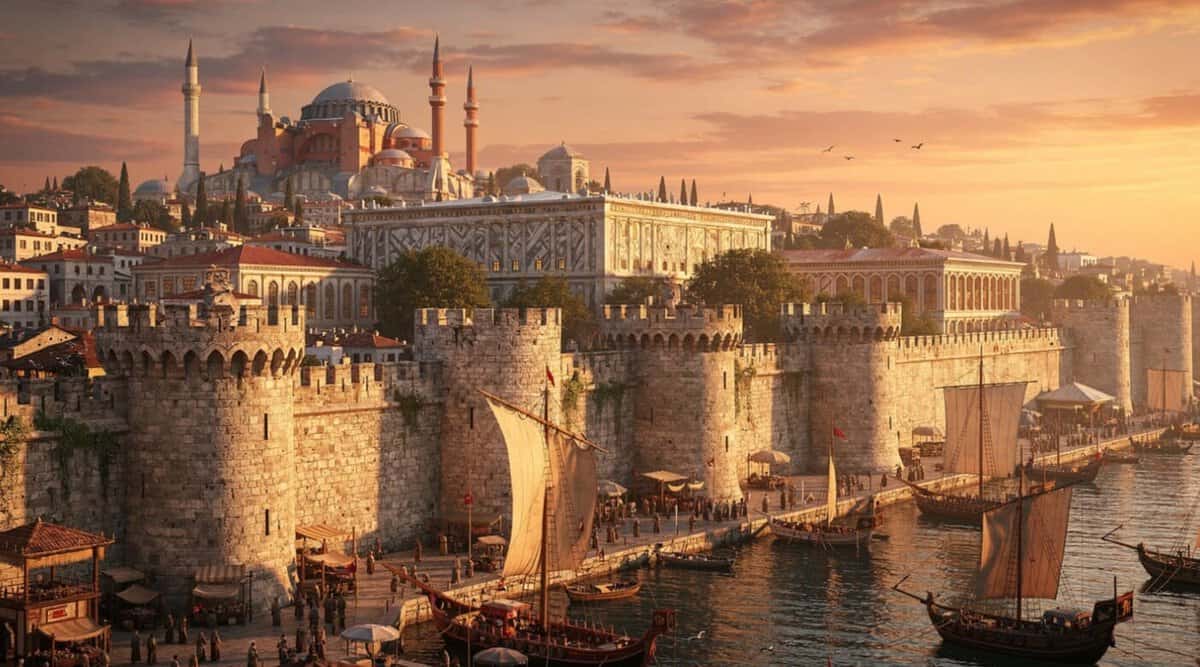
The Byzantine Empire ruled for 1,123 years.
When Constantine built his new capital on the ancient Greek city of Byzantium, he created a powerful force that would outlast Rome itself!
Due to their position, the Byzantines had to weather constant barbarian invasions, plagues, and the early spread of Islam.
They endured for centuries thanks to diplomacy, bribery, and impressive military power.
The empire preserved classical knowledge and built the majestic Hagia Sophia.
Eventually, it exhausted itself due to constant religious wars, and the sack of Constantinople during the Fourth Crusade came as an especially harsh blow.
From then on, it was only a matter of time before the Ottomans managed to conquer it. That finally happened in 1453.
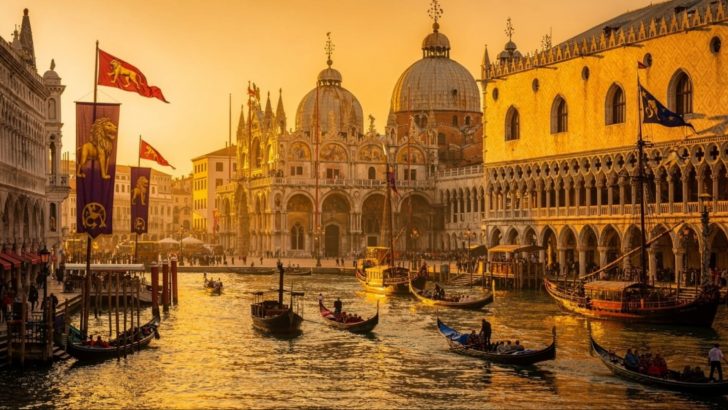
7. Republic of Venice (697-1797)
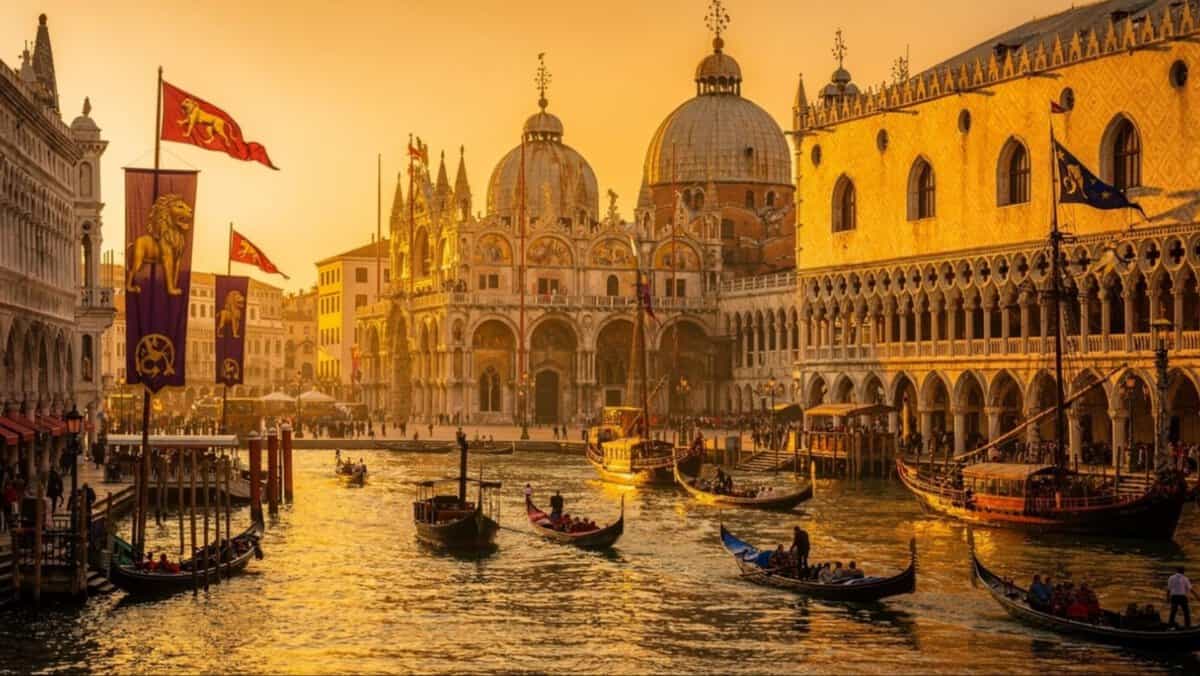
The Republic of Venice ruled for 1,100 years. It was born out of the fall of Rome.
The surviving refugees fled to the wild lagoons of the Adriatic to escape invading barbarians. From those miserable marshes, they built a great maritime empire.
Venis was unique because it was a republic run by merchants, not kings. It dominated Mediterranean trade for centuries, cultivating wealth through monopolizing resources (mainly eastern goods).
The republic grew through its ruthless diplomacy and navy.
However, once more, changing trade routes that completely bypassed the Mediterranean ruined everything.
The Portuguese found a sea-route to India, leading to the complete economic collapse of the Republic.
Of course, military losses to the Ottoman Empire and internal conflicts of the elites made it even weaker. The Republic lost its independence to Napoleon in 1797.
8. Kanem-Bornu Empire (700-1893)
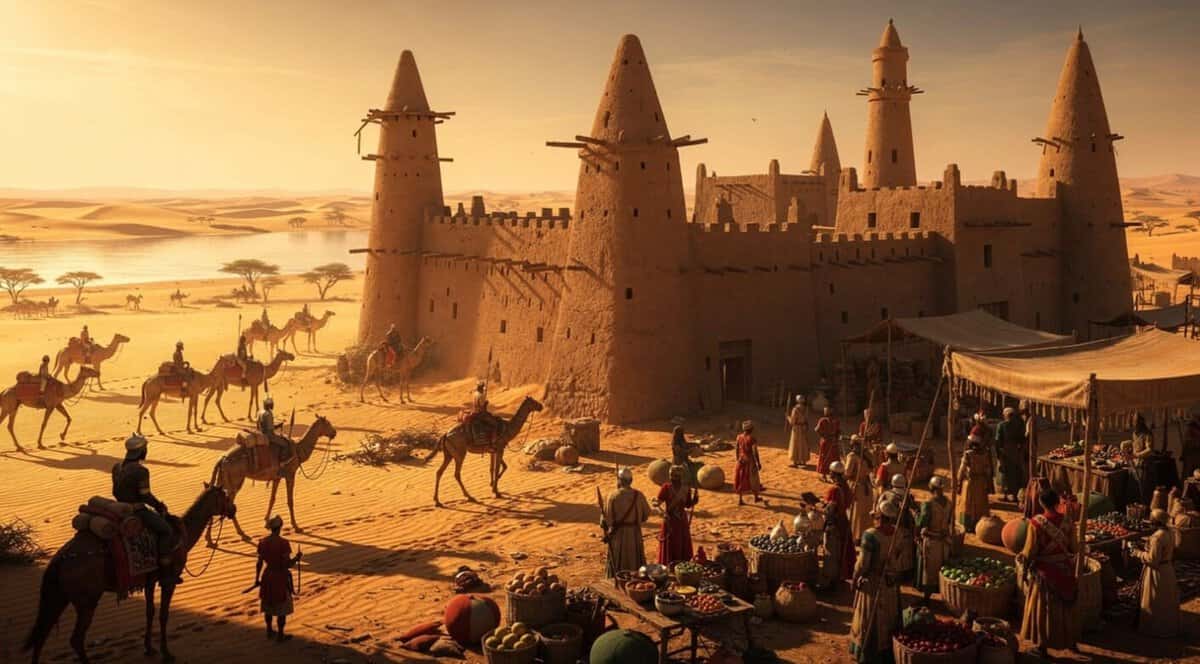
The Kanem-Bornu Empire ruled for 1,193 years. It was created by the Kanuri people, who learned to adapt to the harsh environment through trans-Saharan trade.
Originally an animist kingdom, it transformed into a mighty Islamic state under the Sayfawa dynasty.
At the height of its power, the empire boasted a centralized government and a strong cavalry. It even had a ruling queen, named Amina.
They controlled the trade of salt, slaves, and ivory. They built a wealthy, literate society in the heart of Africa.
When internal dynastic conflicts tore the original capital apart (Kanem), they simply relocated, becoming the Bornu Empire.
The collapse came from modernization, and, not to mention, brutal colonization by Europeans.
Things finally fell apart in 1893.
9. Champa (192-1832)
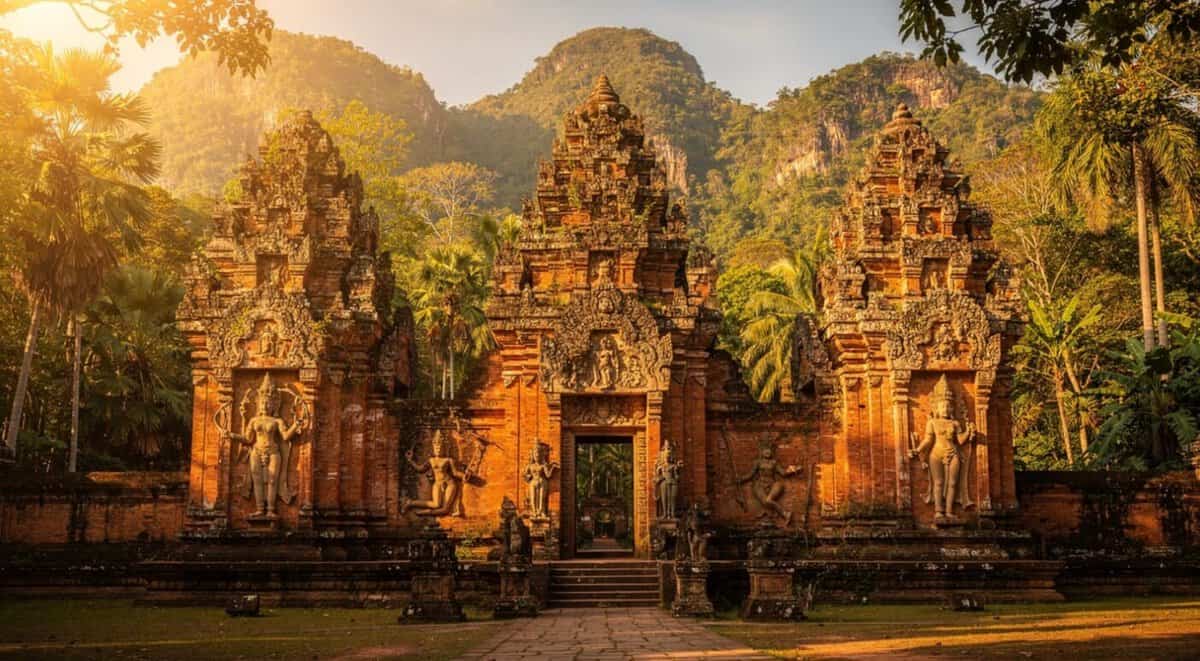
Champa ruled for 1,640 years.
It was created by the Austronesian Chamic people on the territory of modern Vietnam. Champa was essentially a decentralized network of port cities.
The empire thrived by controlling the maritime trade of silk. Its people built unique red-brick Hindu temples that still stand in the jungle today.
They were fierce sailors and pirates, constantly pushing against the land-based empires that surrounded them.
This position became exactly what led to their demise.
For over a thousand years, Champa resisted the expanding Vietnamese and the Khmer Empire, but eventually, its territory was swallowed.
The end came in 1832, when the Vietnamese emperor completely dismantled all of its remaining land.

A little Aquarius, devoted to writing and embroidery. Through my writing, I hope to empower readers to align with their true selves and navigate life’s mysteries with confidence.