

In medieval times, spells weren’t fantasy; they were spoken charms and prayers.
People recited them to fight off sickness, bad luck, fear, or danger.
Most of these spells come from genuine Anglo-Saxon prayers and folk beliefs, only adapted to modern English for our convenience.
1. Journey Spell
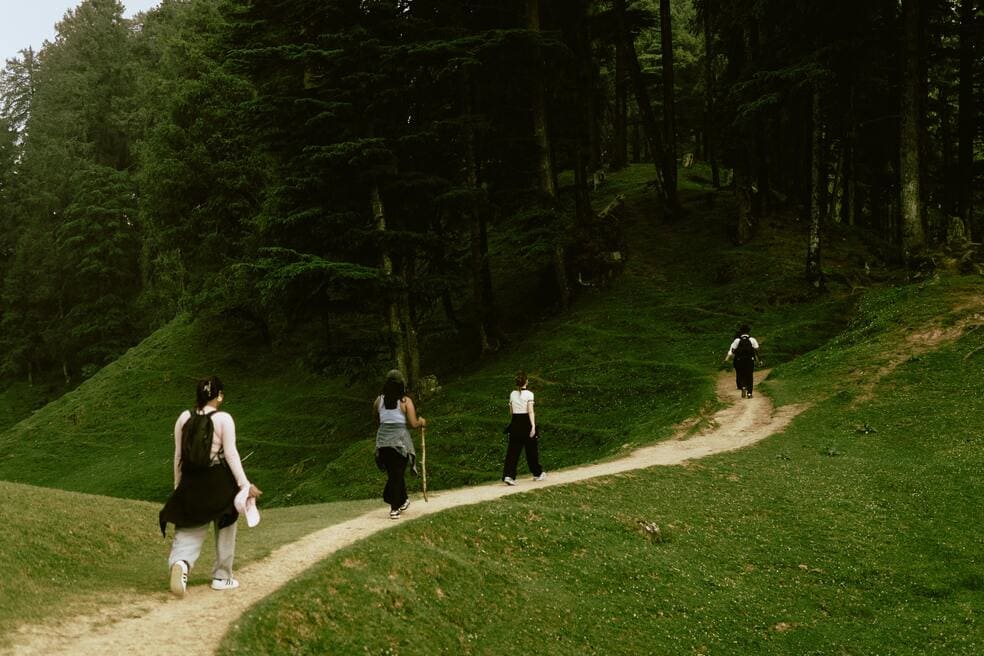
“May the Lord go before me.
May every hostile thing fall away from my path.
May I return home in safety.”
This spell was spoken before leaving for a journey across dangerous or unknown roads.
In medieval times, the world was still untamed, so leaving your home for days and weeks at a time made people feel very vulnerable.
From wild animals and bandits to simple misfortune, people endured numerous risks to get from one place to another.
They called upon the highest power they knew to walk ahead of them and protect them from these risks.
2. Bee Spell

“Sit still, victory-women.
Sink to the earth. Never fly wild into the woods.
Be as mindful of me as every man is of hearth and home.”
People would say this spell to calm a swarm of bees or keep them from leaving the hive.
Bees were absolute magic to medieval people! They might not have had the scientific insight into the massive importance of bees, but they still felt it.
Honey alone was incredible enough. Besides, losing a hive was a huge loss for the household.
The term victory-women shows the level of respect people had for these incredible creatures. They address bees as equals, respecting nature’s autonomy.
3. Field Blessing

“Earth, grown green again.
Be filled with strength beneath God’s blessing.
May green grass grow tall and bright from your soil.”
This spell was meant to awaken barren or damaged land.
In the old times, a successful crop meant the difference between starving and surviving the year. Watching the field die after working on it day in and day out is a horrible thing.
So, this charm is a conversation with the earth itself. Even in Christian times, people quietly believed that the earth was alive and sacred.
She was a goddess they could appease if only they used the right words.
It’s a humble spell, spoken by people who realized they’ve done what they could, and now, things were in the hands of a higher force.
4. Charm Against Fear at Night
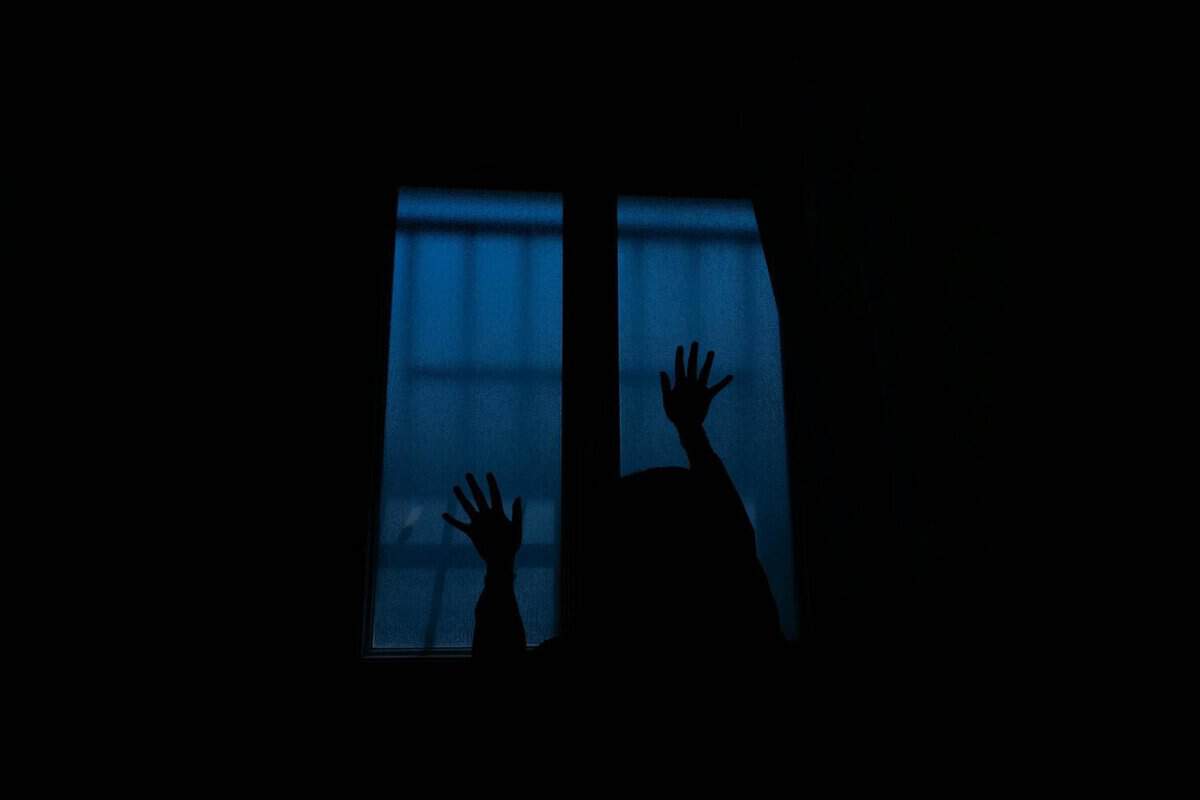
“May no shadow trouble me.
May no terror come near my bed.
Let this night pass quietly around me.”
The dark was a different beast all those centuries ago. Without electricity, the night brought complete darkness, and not even candles could be spent carelessly.
People had to endure the darkness, trying to chase away all the scary images their minds were conjuring.
By addressing their fear and drawing the line with this spell, they stripped it of its overwhelming power.
5. Water Charm

“I wash away sorrow.
I wash away illness.
I wash away all that clings too heavily to the heart.”
In almost every spiritual tradition in the world, water was believed to carry healing force. It’s always been the ultimate symbol of purity.
People didn’t believe its cleansing powers stopped at the skin; they believed it could wash away disease, grief, and even corruption.
This spell turns a simple act of washing into a ritual of release. By bathing with intention, people lifted an invisible weight from their souls.
Even back then, they recognized their habit of holding onto emotional debris and the importance of releasing it.
6. Hearth Blessing
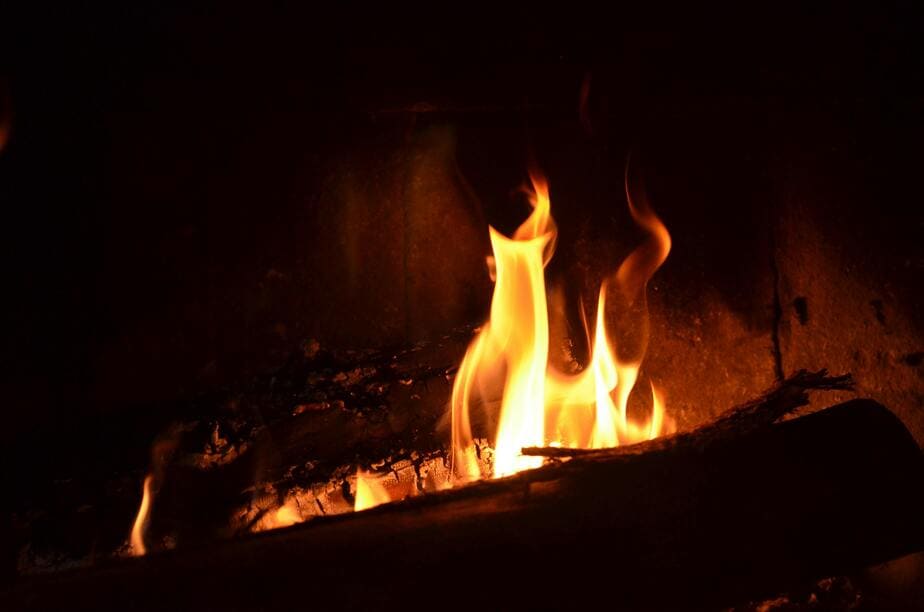
“Let this home hold warmth.
Let anger leave its walls.
Let all who enter find peace beside this fire.”
For peace within the home, this spell was spoken over fire or in front of the fireplace.
In all archaic cultures, the hearth was the heart of the home. It was always at the center of everything, and people gathered around it; it represented the life within the home.
Food was cooked and stories were told around the hearth.
This spell acknowledges the importance of stale energy in the house. Anger and tension linger. We must consciously will them to leave, or they will start to weigh us down.
This charm is a kind of simple exorcism of the home.
7. Herbal Healing Spell

“Herb against hurt.
Leaf against pain.
Root against the bitterness carried in the body.”
Nature was the only pharmacy for medieval people. The Anglo-Saxons used herbs both for physical and spiritual ailments.
This spell shows that they saw a connection between the plant and the spoken word. The herb is more than an ingredient; it actively fights disease.
The bitterness suggests they also understood there was a deep connection between physical and emotional pain. A true cure had to address both.
Estos magical remedies were also targeted; leaf cured the surface-level pain, while the root cured the hidden bitterness.
8. Storm Charm
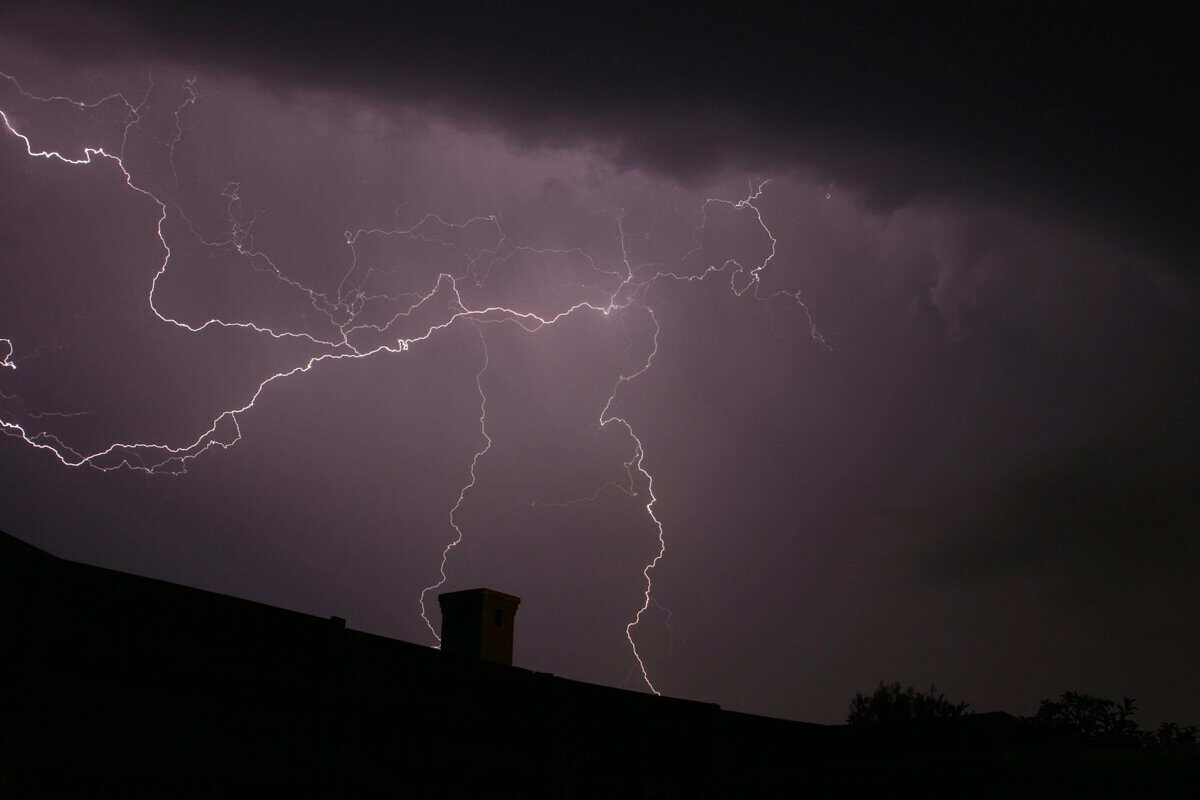
“May the roof hold firm above us.
May the storm pass over us harmlessly.
May morning return in calm.”
Violent storms are humbling to this day, despite all the science and shelter we have.
Now, imagine if you were in medieval times. Your only explanation for a storm is God’s wrath, and you probably live in a mudhouse that could easily catch fire.
The storm becomes a serious threat to your life and well-being, not just an inconvenience.
That’s why this spell speaks directly to the storm, asking it to spare us and pass over as soon as possible.
9. Charm for Strength

“Let my heart not fail me.
Let my hands remain steady.
Let fear pass through me without taking hold.”
This spell was uttered for courage before expected hardship, battle, labor, and long journeys.
Miedo was a constant companion of medieval people. They constantly had to worry about enemies, bandits, natural disasters, etc.
This charm doesn’t remove fear; it just steels hearts.
It’s demanding that your hands keep doing their job even though they’re shaking.
It also helps you recognize that, although fear exists, it’s just a passing feeling.
10. Birth Blessing

“Come safely into the light.
Come safely into loving hands.
Let mother and child remain under grace.”
Childbirth was the most dangerous event in a medieval woman’s life.
Even in our day, it’s not without its risks; now imagine it in a period when washing your hands was completely optional!
That’s why this spell is so filled with tension. It’s a plea for both the mother and the child to make it out alive and well.
Not to mention, it’s spoken during the most intense threshold a living being can cross: the transition from the womb into the light of the world.
With this charm, you’d try to guide a fragile new life through a dangerous passage.
Also, the spell doesn’t put the child’s well-being above mothers; it demands grace for both of them.
11. Charm Against Pain

“Out, little spear.
Do not remain hidden in the flesh.
Leave now and trouble this body no longer.”
To medieval people, not every sickness made sense.
If you were to develop a sharp, stabbing pain that has no obvious físico causa, they thought you were stabbed by an invisible spear or attacked by a malicious spirit.
This spell addresses the pain as something foreign, demanding that it leave the flesh.
It’s turned into an invader that can be chased away.
12. Protection of the Doorway

“May harm not cross this doorway.
May bitterness remain outside.
May only good intentions enter here.”
Thresholds were always believed to be spiritually important places. The doorway is a liminal space.
It’s not fully inside, and it’s not outside, either. It’s the point where the safe, known world of your home meets the unpredictable world outside.
Because of this, Anglo-Saxons and many other cultures believed the threshold attracted spirits, ancestors, demons, etc.
This spell calls upon this power of the threshold to protect the home from negativity.
13. Finding Lost Things Charm

“What was hidden shall be revealed.
What was stolen shall return.
Let truth uncover what is lost.”
Losing a valuable item in medieval times inconvenienced you even more than losing something today. Items were unique and handmade, and made to last.
This spells calls upon the universe to reveal the truth and point us in the right direction.
It makes a distinction between things that were stolen and those that were actually lost.
With this charm, people demanded clarity to remember where they might have misplaced their possessions.
And also, they demanded justice in case it was stolen.
14. Good Morning Blessing

“With the coming of morning,
Let my thoughts be clear,
My work honest,
And my spirit steady.”
In medieval times, life was much more intentional than today. That’s not because archaic people were so much better than us, but simply because it had to be.
Each day was a blank page that could easily be ruined by a bad attitude or carelessness.
Besides, the transformation from night to day was a magical moment for them.
They saw the morning as a victory of the Sun over darkness, so each new day brought a reason for celebration.
This spell helped them remember that.
They would put themselves in the right state of mind before ever leaving the comfort of their bed.
15. Evening Charm

“Today is finished.
The fire burns low.
May sleep come gently,
And may morning find me safely again.”
This spell carries a profound sense of closure. The Anglo-Saxons understood the natural rhythm of the day.
That rhythm wasn’t disturbed by artificial light or entertainment; night meant resting, and that was that.
Today is finished is a powerful declaration of release.
People recognized that they’d done all they could for the day, but that it was time to move on.
Instead, they prioritize resting and welcoming the following day.

A little Aquarius, devoted to writing and embroidery. Through my writing, I hope to empower readers to align with their true selves and navigate life’s mysteries with confidence.