
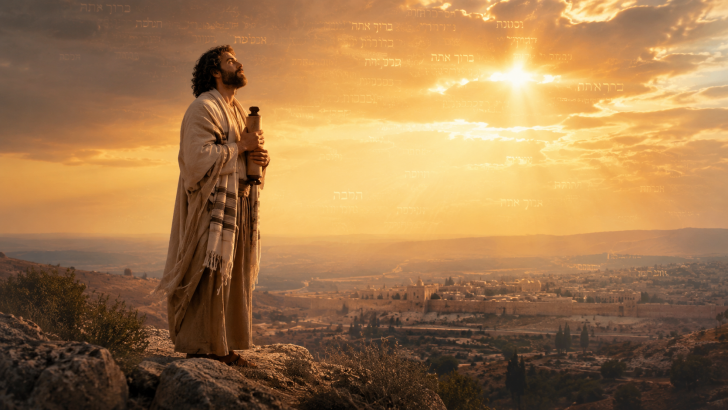
Have you ever wondered what everyday spiritual life looked like in ancient Israel?
When people think about the Bible, they often picture dramatic events such as miracles, battles, prophets, and kings.
Yet for most people living in ancient Israel, faith was expressed through simple daily habits that shaped family life, work, worship, and community.
These spiritual habits helped shape daily life in ancient Israel and created a strong sense of connection between faith, family, and community.
While cultures and circumstances have changed over the centuries, many of these practices still exist today.
They remind us that spiritual growth often comes not from dramatic moments alone, but from simple habits practiced faithfully over time.
They helped people remember their relationship with God and pass their beliefs from one generation to the next.
Some of these habits were connected to prayer. Others involved gratitude, worship, study, or acts of obedience.
While thousands of years have passed, many of these spiritual practices continue to influence religious life today.
Here are seven spiritual habits that were common in ancient Israel.
1. Daily Prayer Throughout the Day
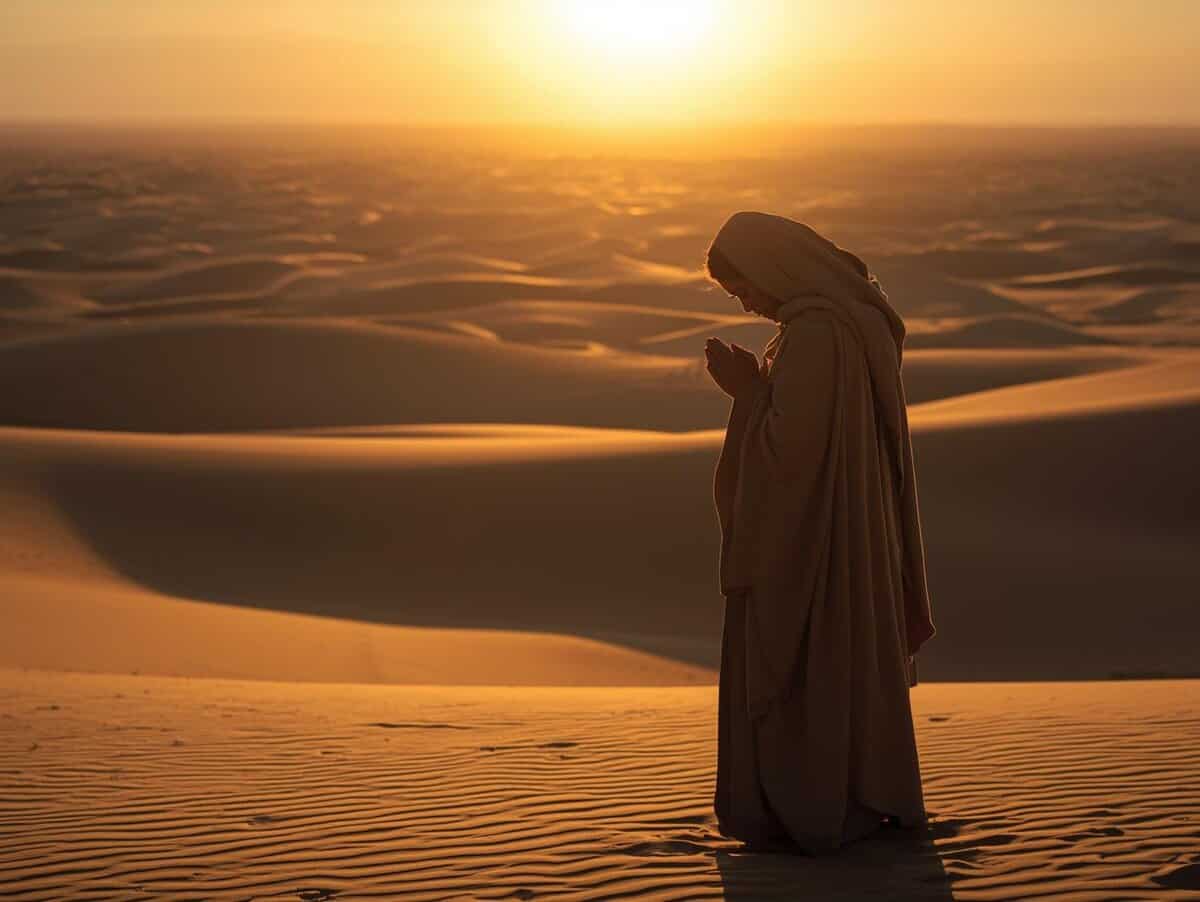
Prayer was an important part of life in ancient Israel. People did not reserve communication with God only for special occasions or major festivals.
Many prayed regularly throughout the day, offering thanks, seeking guidance, and bringing their concerns before God.
Certain times of prayer gradually became established within Jewish tradition.
These moments helped people pause from daily responsibilities and focus on spiritual matters.
Whether in homes, fields, or places of worship, prayer served as a constant reminder of God’s presence.
This habit helped keep faith connected to everyday life rather than limiting it to specific religious events.
2. Reciting Sacred Scripture
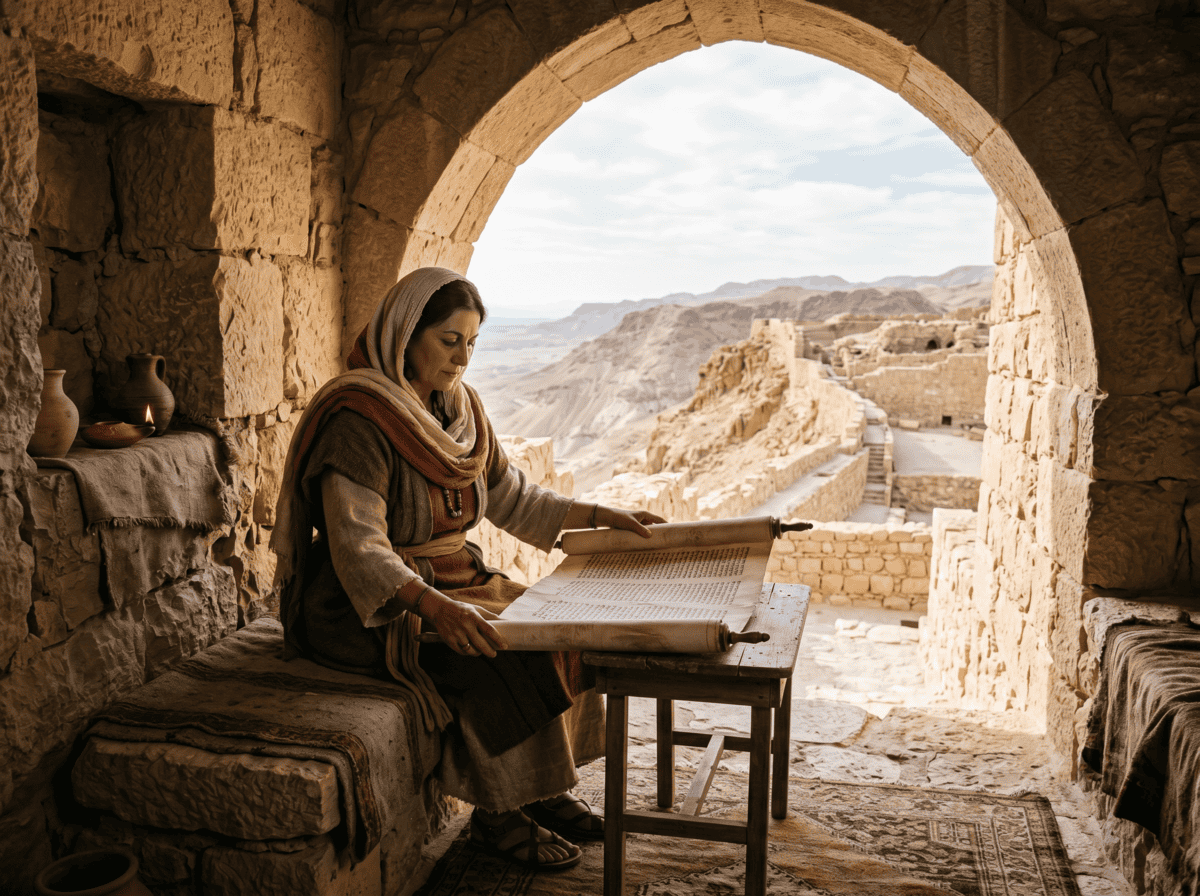
Ancient Israelites placed great importance on remembering and repeating God’s words.
Many passages of Scripture were memorized and recited regularly.
One of the most well-known examples was the Shema, a declaration of faith found in the Torah.
Parents taught these words to their children, ensuring that important teachings were passed down through generations.
Reciting Scripture helped people keep spiritual truths close to their hearts and minds.
In a world where written copies were far less common than today, memorization played a vital role in preserving faith and identity.
3. Observing the Sabbath
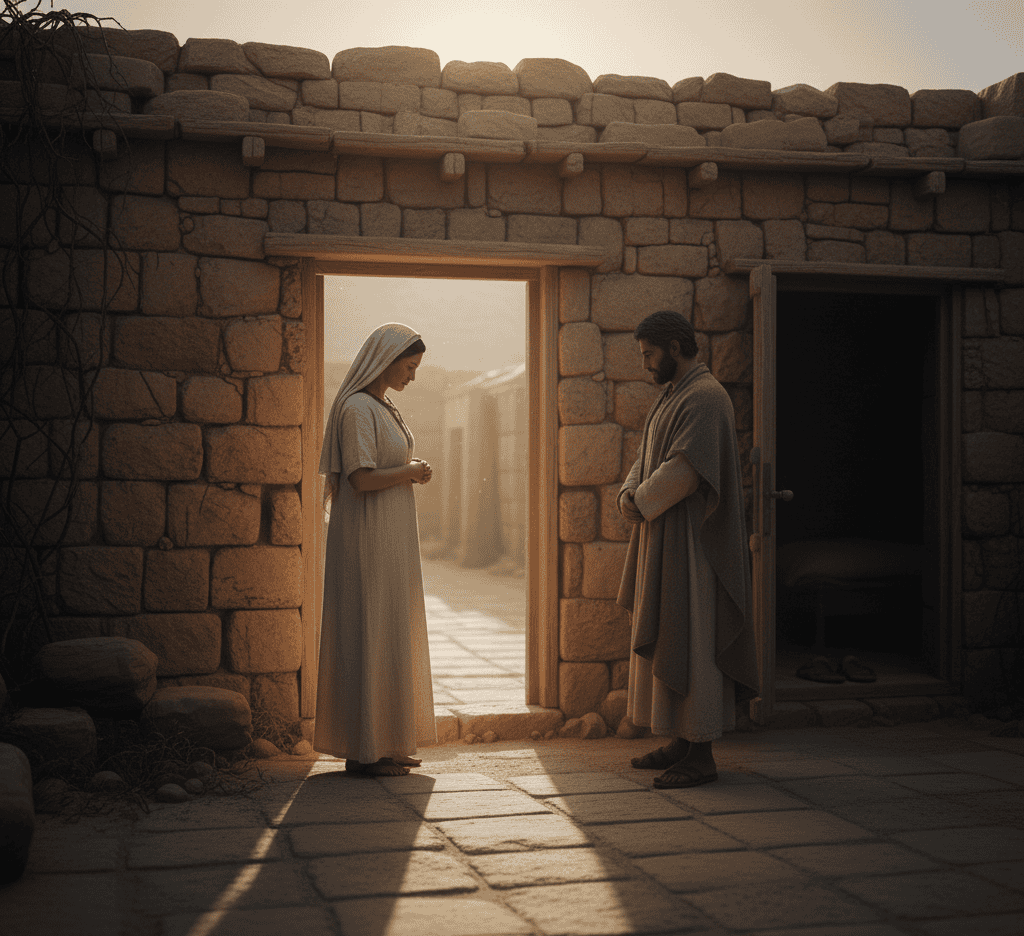
The Sabbath was one of the most important spiritual practices in ancient Israel. Each week, people set aside a day for rest and worship.
Work was paused, allowing families and communities to focus on God rather than daily labor.
The Sabbath reminded people that life was about more than productivity and survival. It provided time for reflection, gratitude, and spiritual renewal.
For many Israelites, this weekly rhythm created balance and strengthened both faith and family relationships.
Its importance became one of the defining features of Israelite religious life.
4. Giving Thanks for Food and Blessings

Gratitude was woven into many aspects of daily life. Meals often began with blessings that acknowledged God as the source of provision.
Harvests, successful journeys, and other blessings were also occasions for giving thanks.
This habit encouraged people to recognize that life’s necessities and opportunities were gifts rather than guarantees.
Expressions of gratitude helped cultivate humility and appreciation.
By regularly pausing to give thanks, people strengthened their awareness of God’s involvement in everyday experiences and challenges.
5. Participating in Religious Festivals
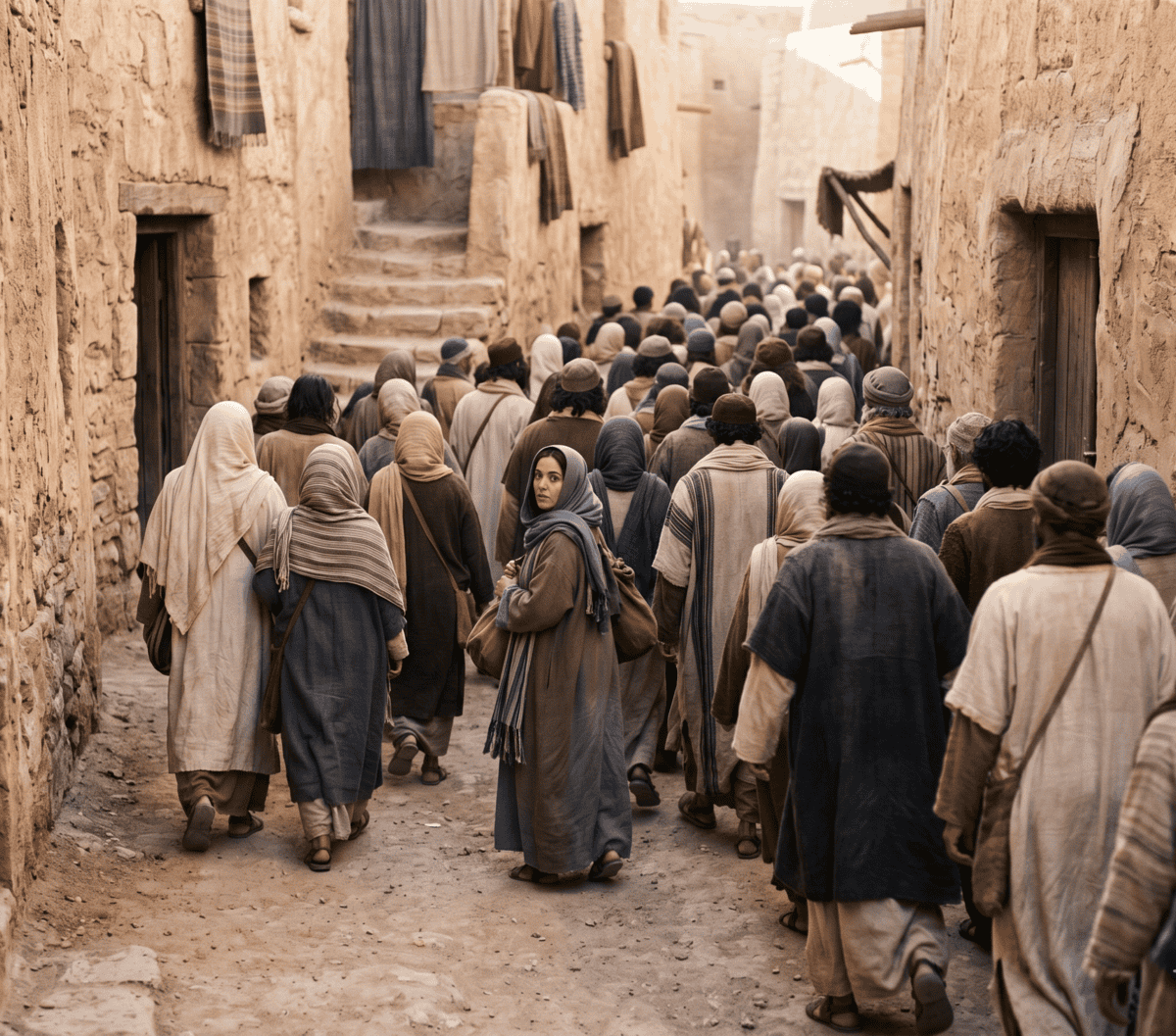
Ancient Israel observed several major festivals throughout the year.
Celebrations such as Passover, Shavuot, and Sukkot brought communities together for worship and remembrance.
These festivals connected people to important events in their history and reinforced shared beliefs.
Families often traveled to participate in larger gatherings and celebrations. The festivals included prayer, meals, offerings, and storytelling.
They served as powerful reminders of God’s faithfulness and helped preserve cultural and spiritual identity across generations.
These annual observances were among the highlights of religious life.
6. Teaching Children About Faith
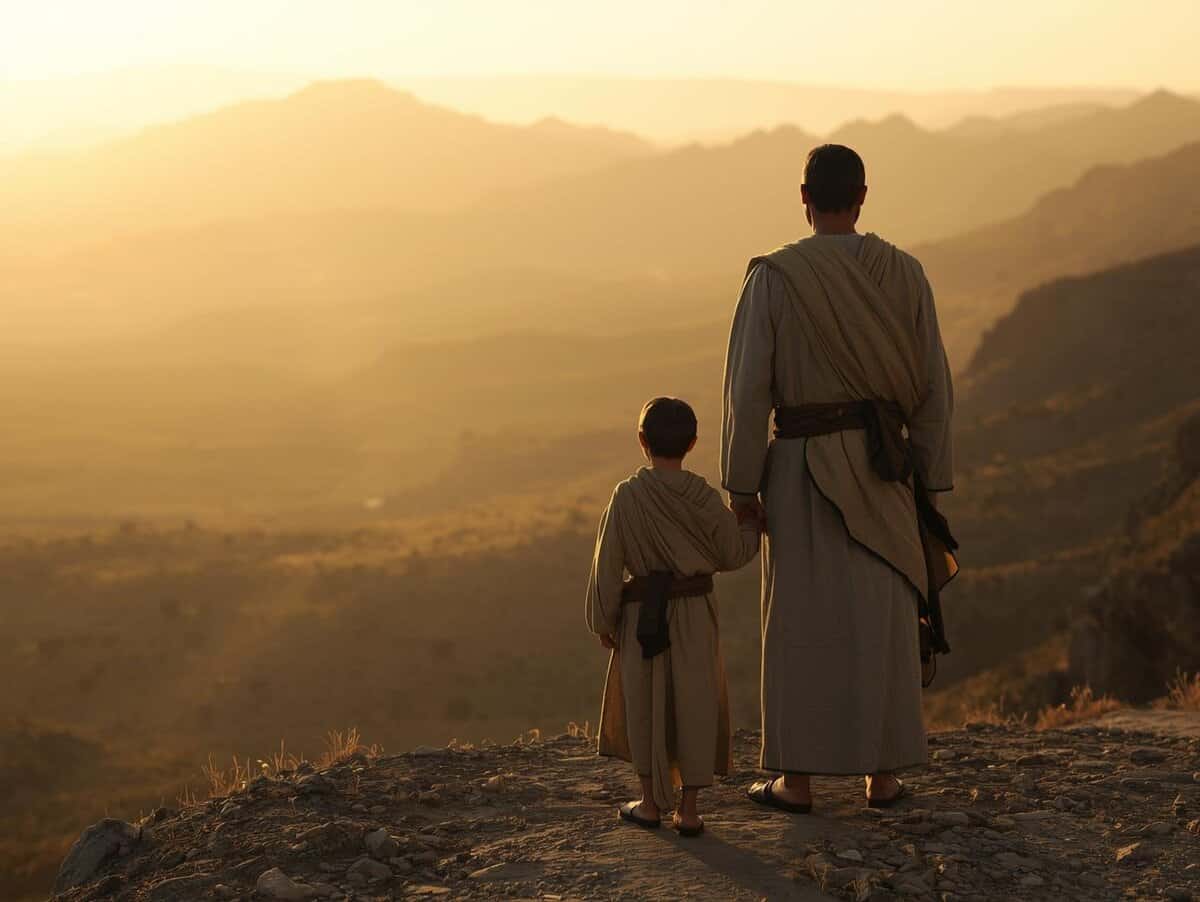
Spiritual education began at home. Parents were expected to teach their children about God’s laws, promises, and actions throughout history.
Stories, prayers, and commandments were shared regularly as part of daily life.
Faith was not viewed as something that belonged only to religious leaders.
Instead, families played a central role in passing on spiritual knowledge.
This habit helped preserve traditions through centuries of change and challenge.
Many biblical passages emphasize the importance of remembering and teaching God’s works to future generations.
7. Offering Worship Through Song
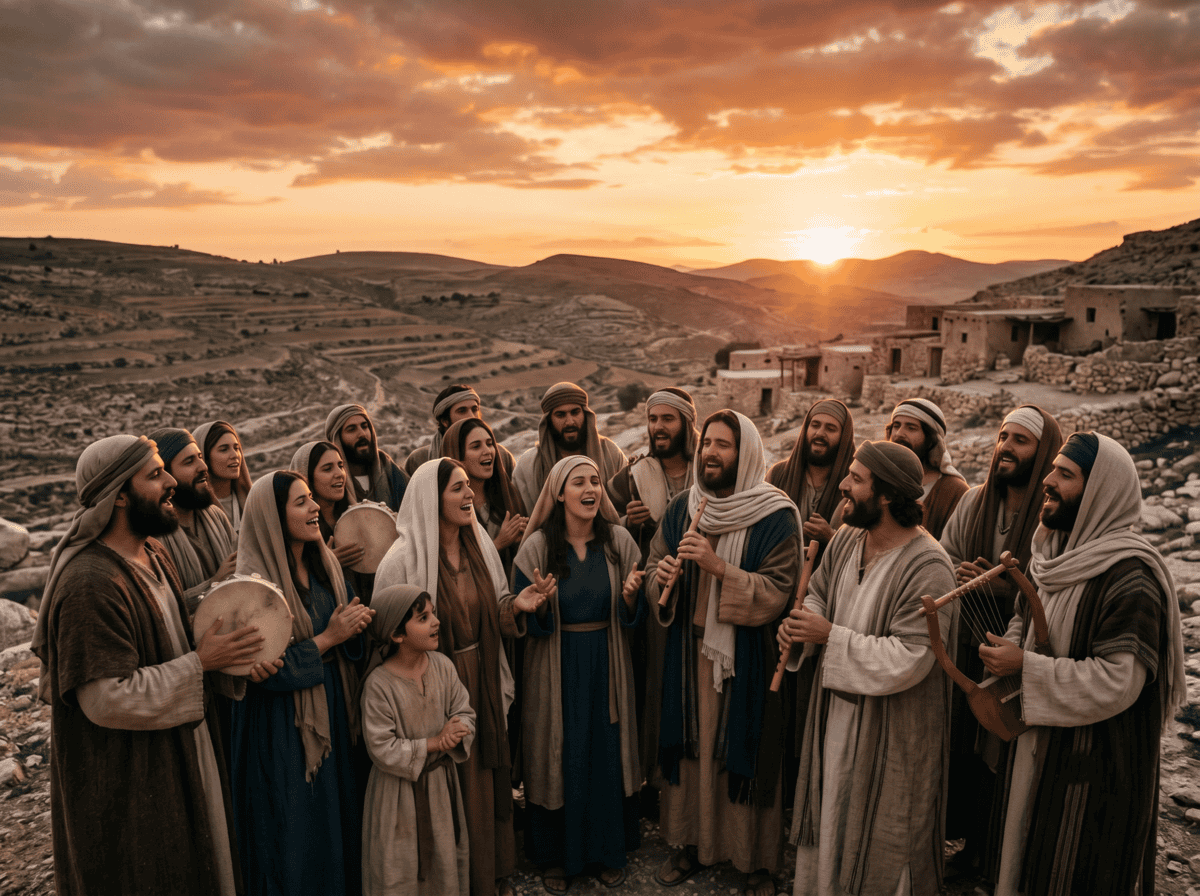
Music played an important role in the spiritual life of ancient Israel.
Songs were used during worship, celebrations, processions, and important religious events.
Many of the Psalms were originally intended to be sung. Music helped people express gratitude, joy, sorrow, hope, and trust in God.
Singing allowed entire communities to participate in worship together.
The emotional power of music made spiritual teachings easier to remember and helped strengthen bonds within the community.
For many Israelites, worship through song was both a personal and collective expression of faith.

Siempre sentí una fuerte conexión con lo Divino desde mi nacimiento. Como autora y mentora, mi misión es ayudar a los demás a encontrar el amor, la felicidad y la fuerza interior en los momentos más oscuros.