
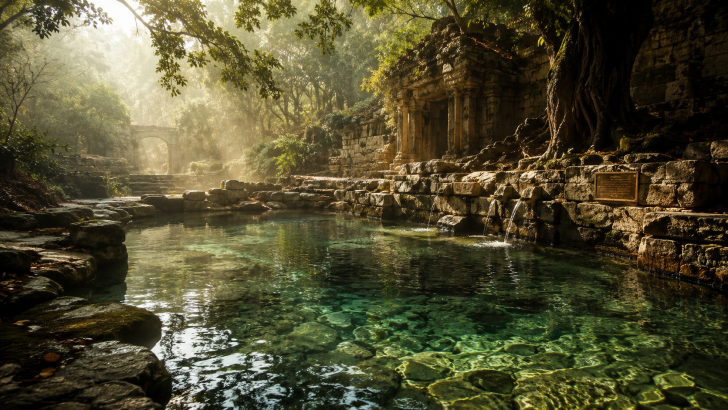
Have you ever wondered why certain wells became famous for miracles, healing, and mysterious legends?
For thousands of years, people have viewed springs and wells as more than simple sources of water.
In many cultures, natural wells were considered sacred places where heaven and earth seemed to meet.
Pilgrims traveled long distances to visit them, hoping for healing, blessings, protection, or spiritual renewal.
Some sacred wells became connected to saints. Others were linked to ancient gods, folklore, or extraordinary events.
Whether one views the stories as history, faith, or legend, these remarkable sites continue to attract visitors from around the world.
Here are eight sacred wells associated with miracles and legends.
1. St. Brigid’s Well, Ireland
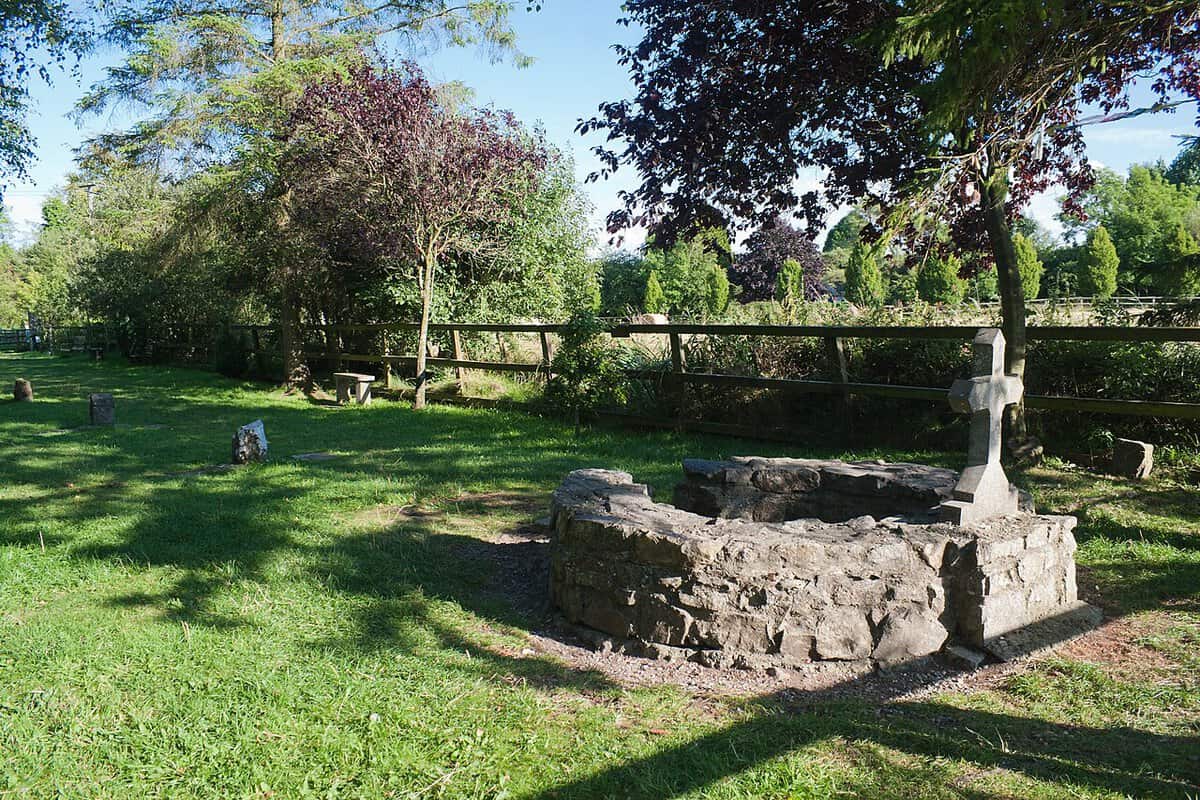
One of the most famous sacred wells in Ireland is St. Brigid’s Well.
The well is associated with Saint Brigid, one of Ireland’s most beloved saints.
For centuries, pilgrims have visited the site seeking healing, blessings, and spiritual comfort.
The location is especially important because many historians believe Christian traditions connected to Brigid may have merged with even older sacred customs.
Visitors often leave ribbons, prayers, and tokens near the well. Many stories describe physical healings and answered prayers linked to the site.
Its combination of Christian devotion and ancient Irish tradition has made it one of the most respected sacred wells in Europe and a lasting symbol of faith and hope.
2. Chalice Well, England
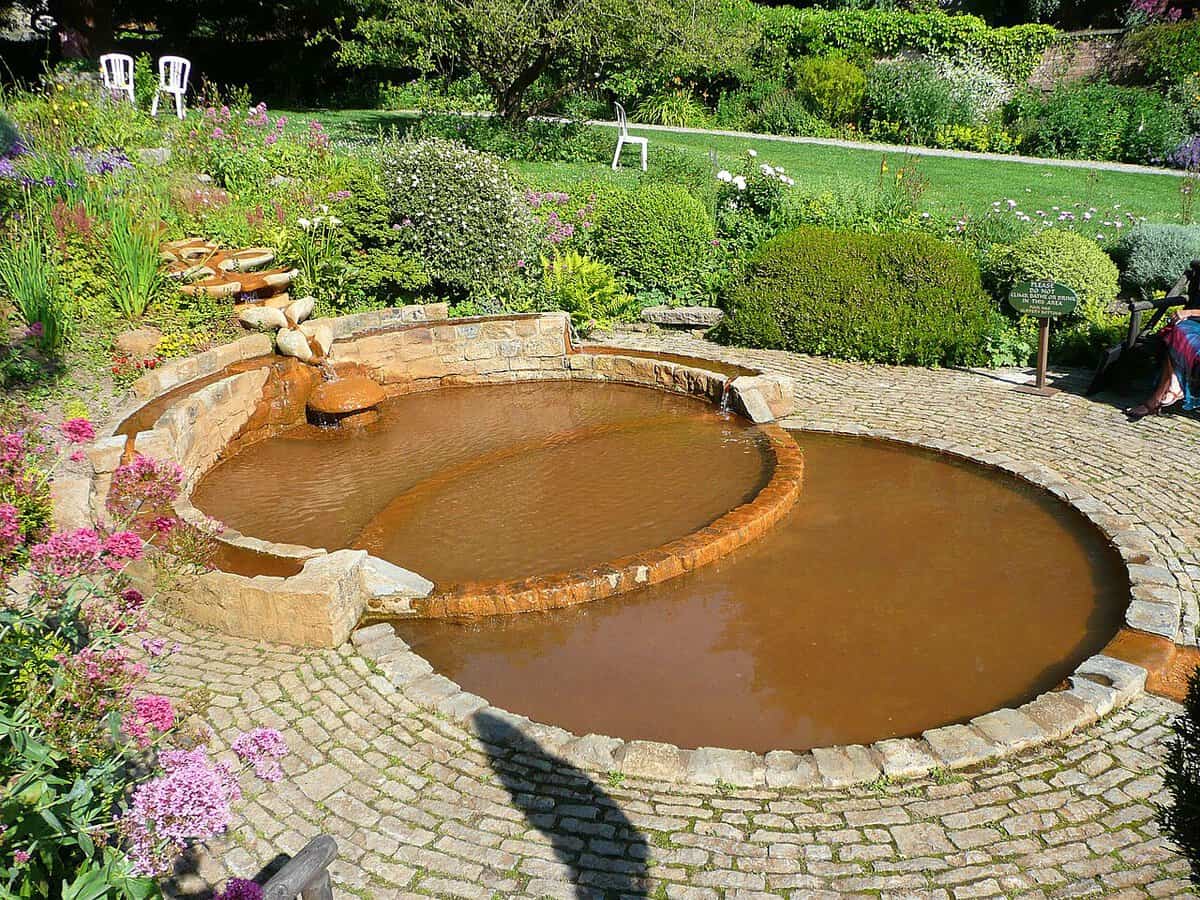
Located near Glastonbury, Chalice Well is surrounded by some of Britain’s most fascinating legends.
The well’s iron-rich water flows with a distinctive reddish color, which has inspired many stories throughout history.
One popular legend claims that the well is connected to the Holy Grail.
According to folklore, the sacred cup used at the Last Supper was hidden near the site by Joseph of Arimathea.
Others view the well as a place of spiritual energy and reflection. Its gardens attract visitors seeking peace and contemplation.
Whether approached through faith, history, or legend, Chalice Well continues to be one of the most famous sacred springs in the world.
3. St. Winefride’s Well, Wales
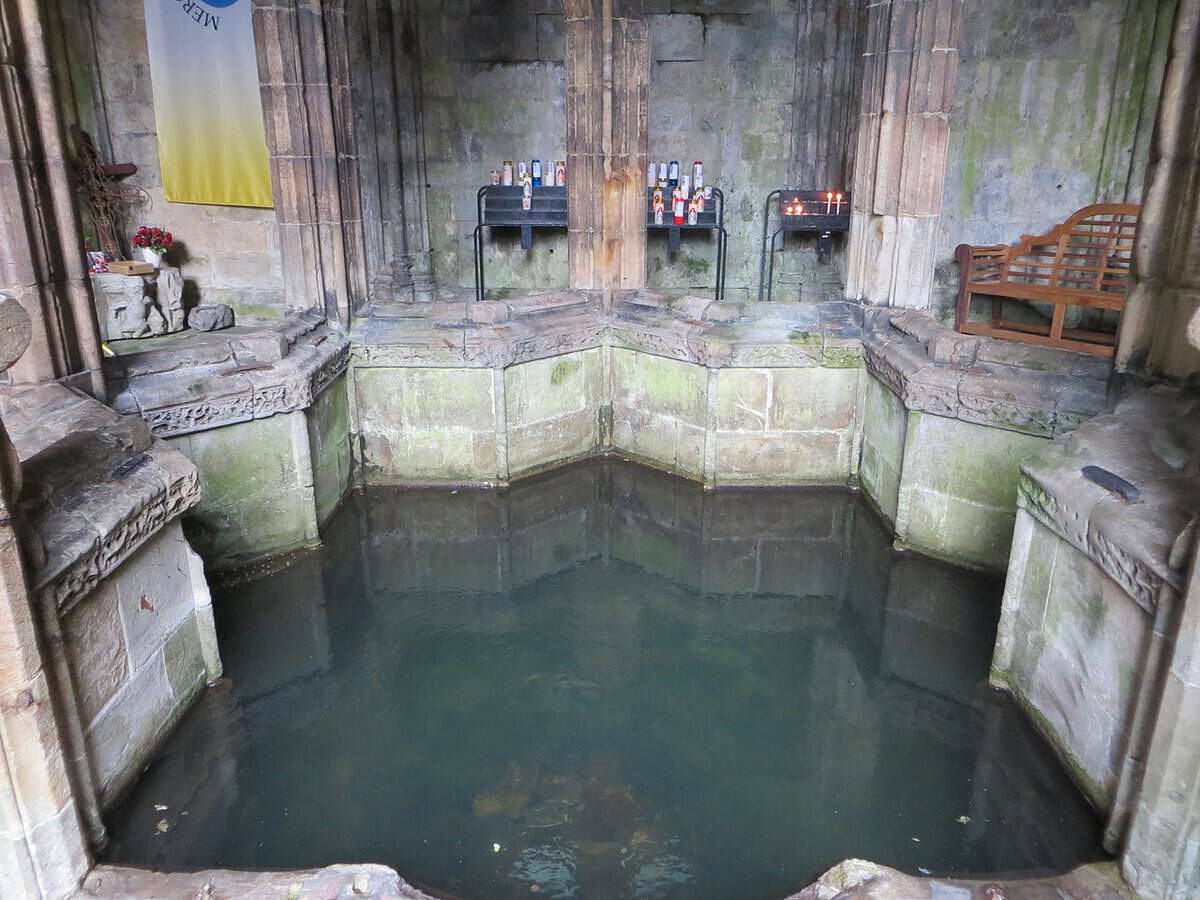
St. Winefride’s Well is often described as one of the oldest pilgrimage destinations in Britain.
The well is connected to the story of Saint Winefride. According to tradition, a spring miraculously appeared where she suffered martyrdom.
Over the centuries, countless pilgrims traveled to the site hoping for healing.
Reports of recoveries from illness helped establish the well’s reputation as a place of miracles.
Even during periods of religious change and political upheaval, devotion to the well continued.
Its long history of pilgrimage and healing traditions has made St. Winefride’s Well one of the most significant sacred wells in the Christian world.
4. St. Madron’s Well, England
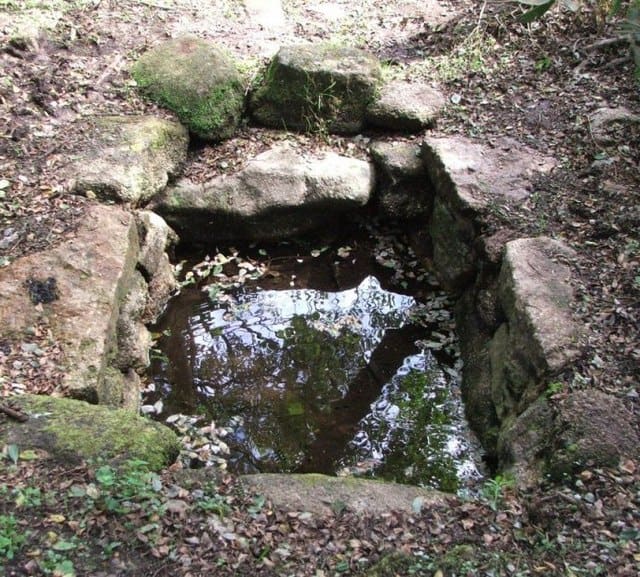
Hidden within the countryside of Cornwall, St. Madron’s Well has been associated with healing traditions for centuries.
The well is dedicated to Saint Madron and has long been linked to local folklore.
One tradition suggested that visitors could seek cures for various ailments by following specific rituals at the site.
The peaceful setting contributes to its enduring appeal. Ancient stone structures near the well add to its atmosphere of mystery.
Many historians believe the location may have been considered sacred even before Christianity arrived in the region.
This blend of folklore, faith, and history has helped preserve the well’s reputation through generations.
Today, it remains a fascinating destination for those interested in Britain’s sacred landscapes.
5. The Well of Saint Keyne, England
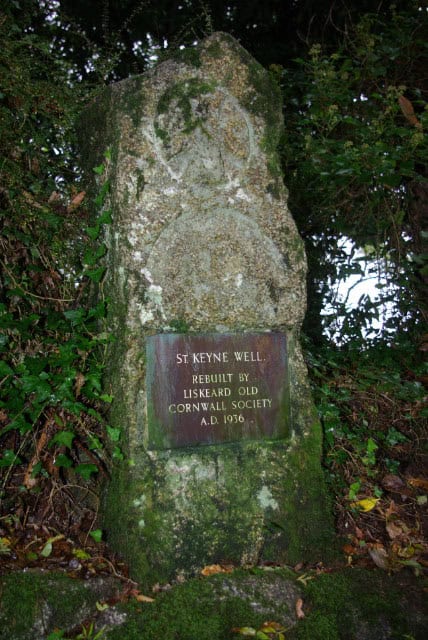
St Keyne’s Well is famous not only for its sacred associations but also for an unusual legend.
The well is linked to Saint Keyne, a respected figure in local tradition.
According to folklore, whichever spouse first drank from the well after marriage would gain authority within the household.
The story became widely known through poems and local legends. Its reputation endured for centuries among local communities.
Beyond this amusing tradition, the well was also regarded as a place of blessing and spiritual significance.
The combination of religious devotion and colorful folklore makes the Well of Saint Keyne one of the most distinctive sacred wells in Britain.
6. Zamzam Well, Saudi Arabia
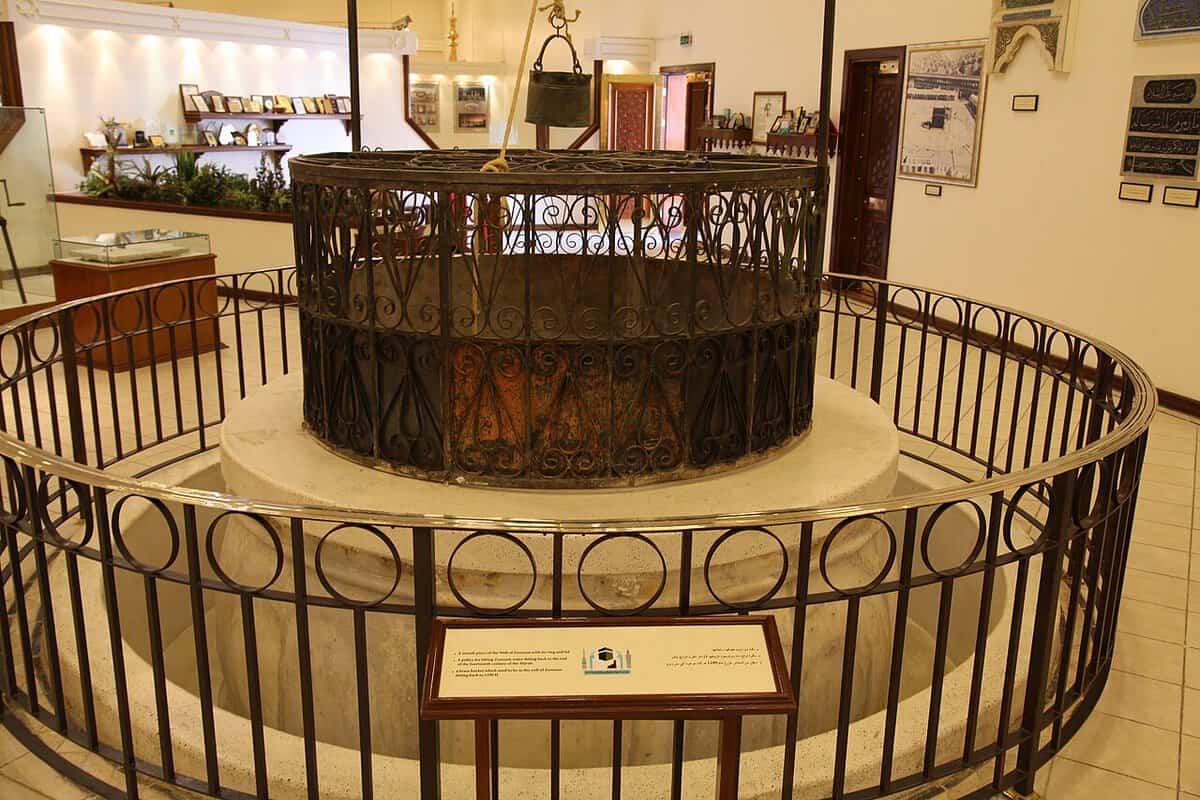
Among the world’s most famous sacred wells is Zamzam Well.
The well holds profound importance within Islam and is connected to the story of Hagar and her son Ishmael.
According to Islamic tradition, the spring miraculously appeared when water was desperately needed in the desert.
For centuries, pilgrims visiting Masjid al-Haram have drunk from Zamzam. The well continues to provide water to millions of worshippers.
Its significance extends far beyond geography, serving as a symbol of divine provision, faith, and perseverance.
For Muslims around the world, Zamzam remains one of the most sacred sources of water on earth.
7. St. Patrick’s Well, Ireland
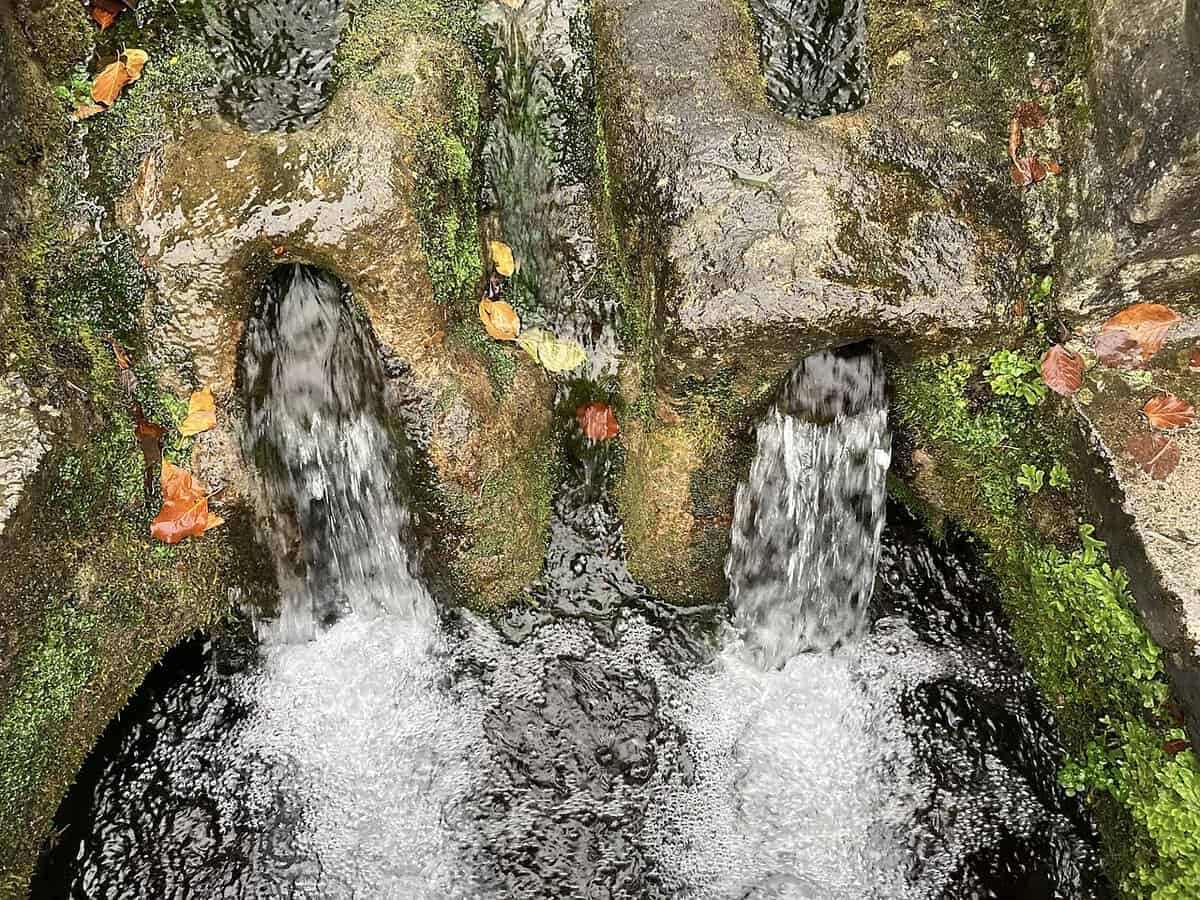
Several wells throughout Ireland are associated with Saint Patrick, but some have become especially famous due to local traditions and pilgrimage practices.
These wells are often connected to stories of blessings, healing, and spiritual protection.
For generations, visitors have traveled to such sites to pray, leave offerings, and participate in religious observances.
The wells are frequently located in peaceful natural settings that encourage reflection and devotion.
Many communities continue to maintain these sacred places and preserve their traditions.
The association with Ireland’s patron saint has helped keep interest in these wells alive for centuries.
Their enduring popularity reflects the lasting influence of Patrick’s legacy throughout Irish culture and spirituality.
8. The Well of Saint Mungo, Scotland
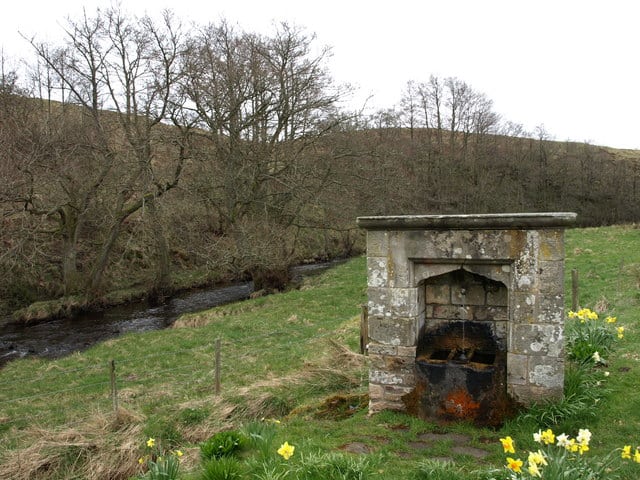
St. Mungo’s Well is linked to Saint Mungo, one of Scotland’s most important religious figures.
Tradition holds that the saint used or blessed the spring during his ministry.
Over time, the well became associated with healing, devotion, and local religious life.
Like many sacred wells, it reflects the close connection between water and spirituality found throughout history.
Its association with the founder and patron saint of Glasgow adds historical significance to the location.
Today, the well remains part of Scotland’s rich spiritual heritage and continues to inspire interest among visitors exploring the country’s religious history and legends.

Siempre sentí una fuerte conexión con lo Divino desde mi nacimiento. Como autora y mentora, mi misión es ayudar a los demás a encontrar el amor, la felicidad y la fuerza interior en los momentos más oscuros.