
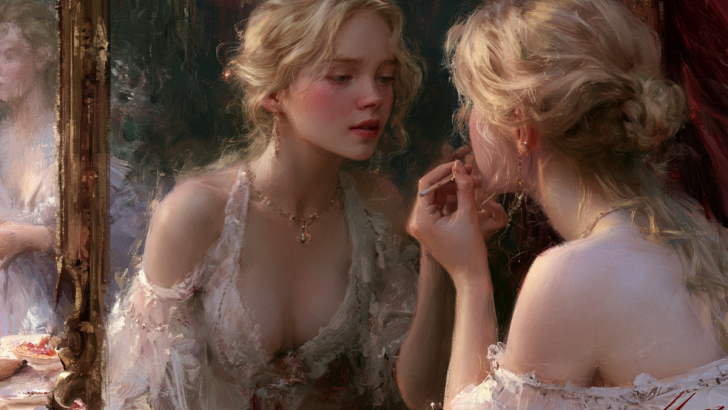
Every generation likes to think it’s the first to make questionable beauty decisions. We laugh at old yearbook photos, cringe at our frosted-lip-gloss phase, and wonder why we ever thought overplucked eyebrows were a personality trait.
But history has some truly humbling reminders that strange beauty standards are nothing new.
Long before people were contouring their noses using internet tutorials, humans were whitening their faces with toxic chemicals, reshaping skulls, blackening their teeth on purpose, and putting actual belladonna poison into their eyes to achieve the perfect “come hither” stare.
The truth is that beauty has always been deeply influenced by culture, status, wealth, and whatever happened to be trending among the elite. What one era considered stunning, another viewed with horror.
So, before you judge your teenage self too harshly for using body glitter as if it were sunscreen, take comfort in knowing that at least you probably weren’t putting lead on your face.
Here are ten of the strangest beauty trends throughout history.
1. Whitening the Face With Lead Makeup
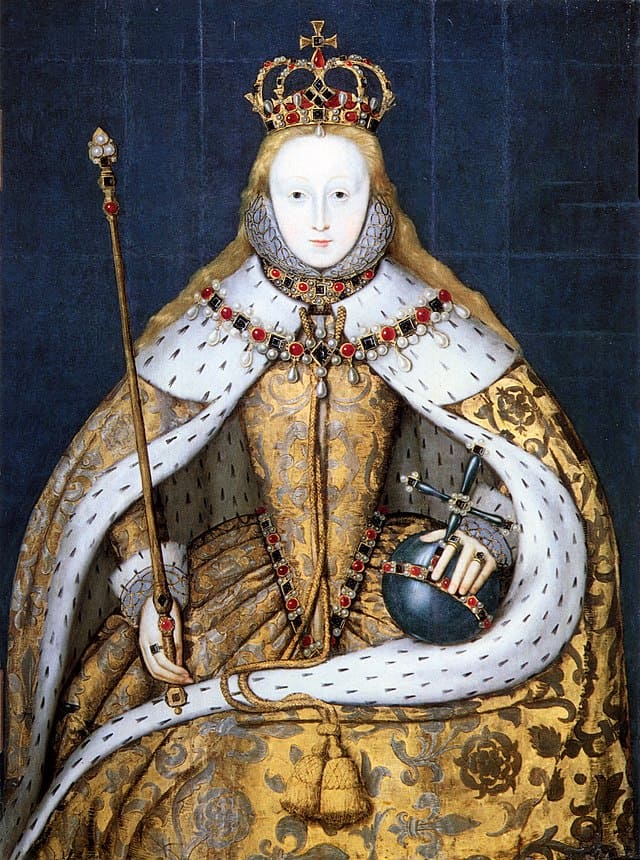
For centuries, pale skin wasn’t just fashionable—it was a status symbol.
In Renaissance Europe and later during the Elizabethan era, aristocrats used thick white makeup made from a mixture of lead and vinegar to create an impossibly pale complexion. Since outdoor laborers tended to have tanned skin, looking ghostly communicated wealth and privilege. Essentially, the beauty ideal was, “I have never seen the sun and own property.”
Unfortunately, lead is extremely toxic.
Regular use caused skin irritation, hair loss, tooth decay, and, in severe cases, neurological damage. Ironically, the makeup often ruined the skin it was meant to beautify, forcing users to apply even more of it to hide the damage.
Imagine spending a fortune on skincare products only to discover they were actively trying to kill you. Suddenly, today’s overpriced moisturizer doesn’t seem so dramatic.
2. Blackening Teeth for Beauty
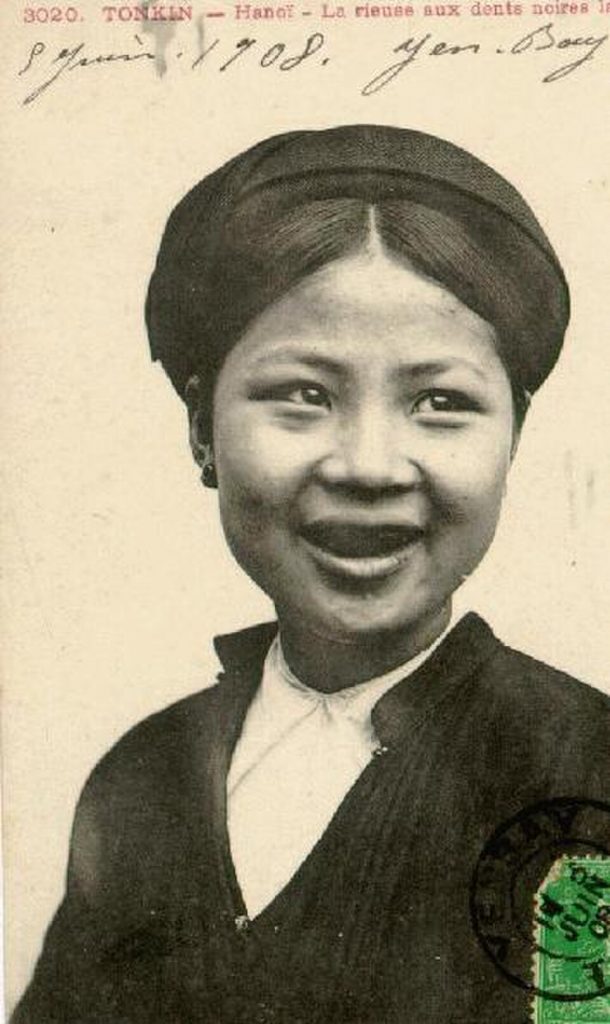
Most modern dental advertisements suggest that brighter teeth equal attractiveness. But in Japan, the opposite was once true.
The practice of ohaguro involved dyeing one’s teeth black using a mixture containing iron filings and vinegar. It became especially popular among married women, aristocrats, and samurai families between the Heian and Edo periods.
Black teeth symbolized maturity, beauty, loyalty, and social status. They also helped preserve teeth by creating a protective coating against decay.
It may sound shocking to contemporary audiences obsessed with whitening strips and celebrity veneers, but beauty standards are rarely universal.
In another timeline, influencers might be posting tutorials titled, “How I Got My Teeth This Gorgeous Shade of Midnight.”
3. Tiny Feet Through Foot Binding
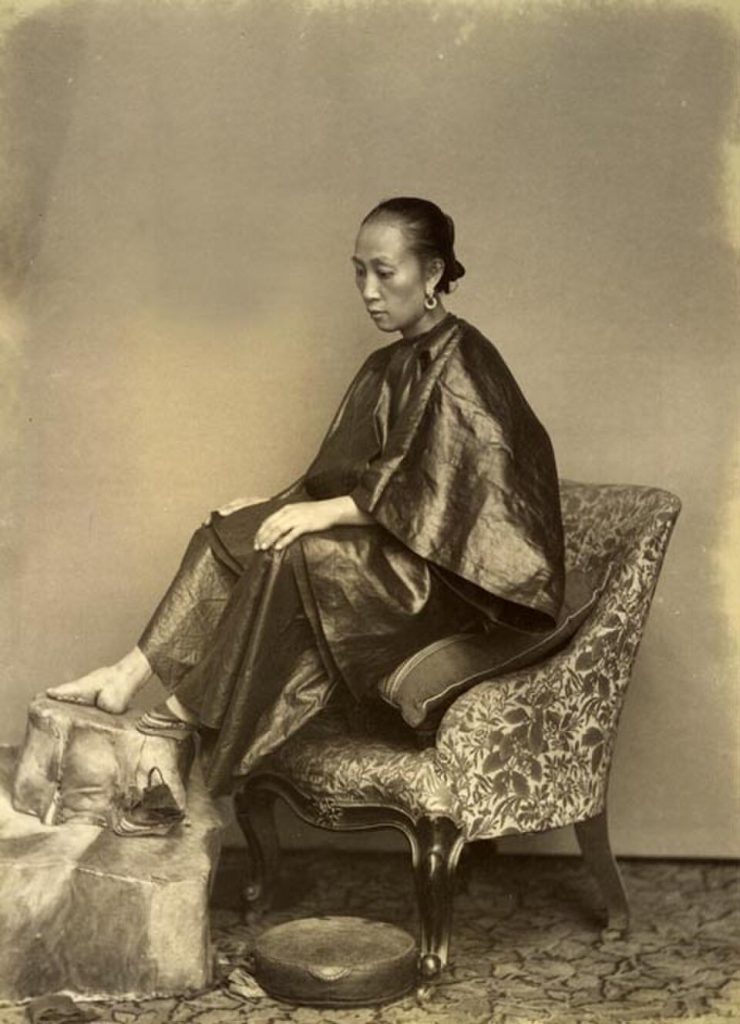
For nearly a thousand years in China, tiny feet represented elegance, status, and femininity.
Young girls, often between the ages of four and eight, underwent foot binding. Their feet were tightly wrapped to prevent growth, forcing the arch to bend and creating what became known as “lotus feet.”
The process was painful and frequently caused infections, lifelong mobility issues, and permanent deformities.
Despite these consequences, bound feet became associated with beauty, marriage prospects, and family honor. Women with tiny feet were often considered more desirable and refined.
It’s a sobering reminder that beauty standards can demand extraordinary sacrifice—and that societal pressure has long convinced people to endure discomfort in pursuit of acceptance.
Still, complaining about uncomfortable high heels suddenly feels much less dramatic.
4. Belladonna Eye Drops for Bigger Pupils

If you’ve ever wished your eyes looked larger in photos, Renaissance women would like a word.
Italian women used drops made from belladonna, a poisonous plant also known as deadly nightshade, to dilate their pupils. Enlarged pupils were considered attractive because they created a dreamy, seductive appearance.
The trend worked.
The problem was that belladonna poisoning can cause blurred vision, rapid heartbeat, hallucinations, and even blindness.
Apparently, the beauty philosophy of the era was, “You can’t worry about your appearance if you can’t see it.”
The lengths people have gone to for the perfect gaze make today’s mascara commercials seem refreshingly low stakes.
5. The Medieval Forehead Obsession
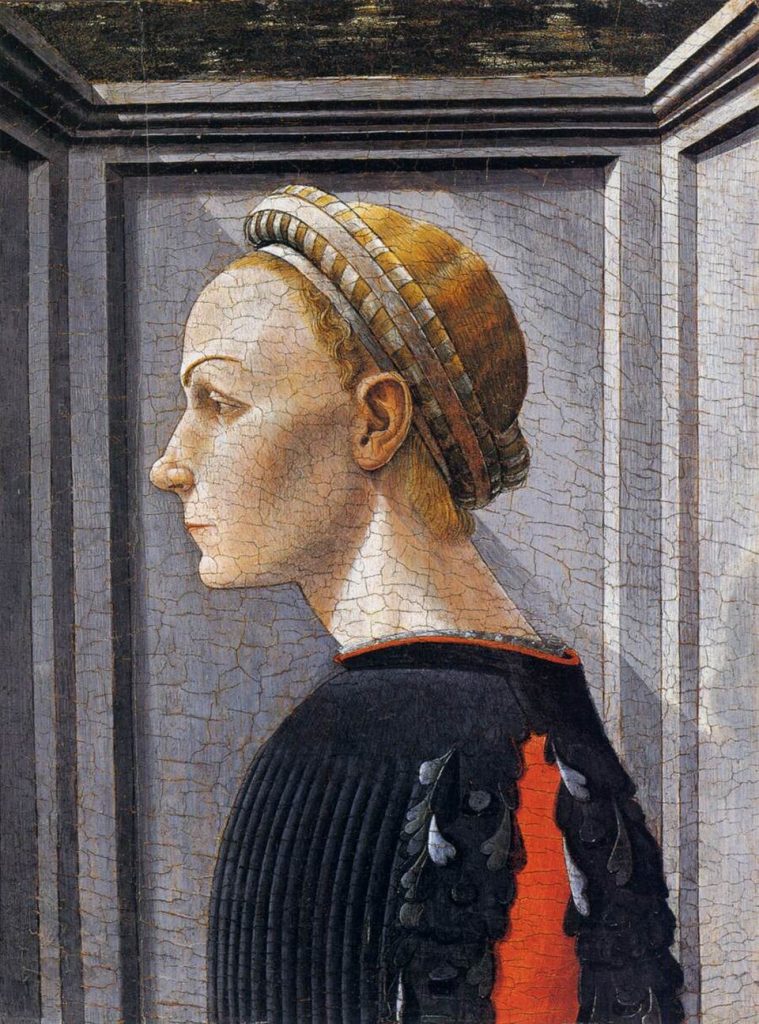
At some point in medieval and Renaissance Europe, society collectively decided that giant foreheads were incredibly attractive.
Women plucked or shaved their hairlines to create the illusion of a higher forehead. Some even removed their eyebrows and eyelashes entirely to achieve the desired look.
A broad forehead symbolized intelligence, refinement, and aristocratic beauty.
As trends go, it’s oddly specific.
Imagine explaining to your hairstylist that you’d like to look “more intellectual” by removing several inches of your hairline. It’s proof that beauty standards often emerge from completely arbitrary ideas that somehow gain widespread acceptance.
One century’s beauty icon is another century’s confused reaction meme.
6. Arsenic Complexion Wafers
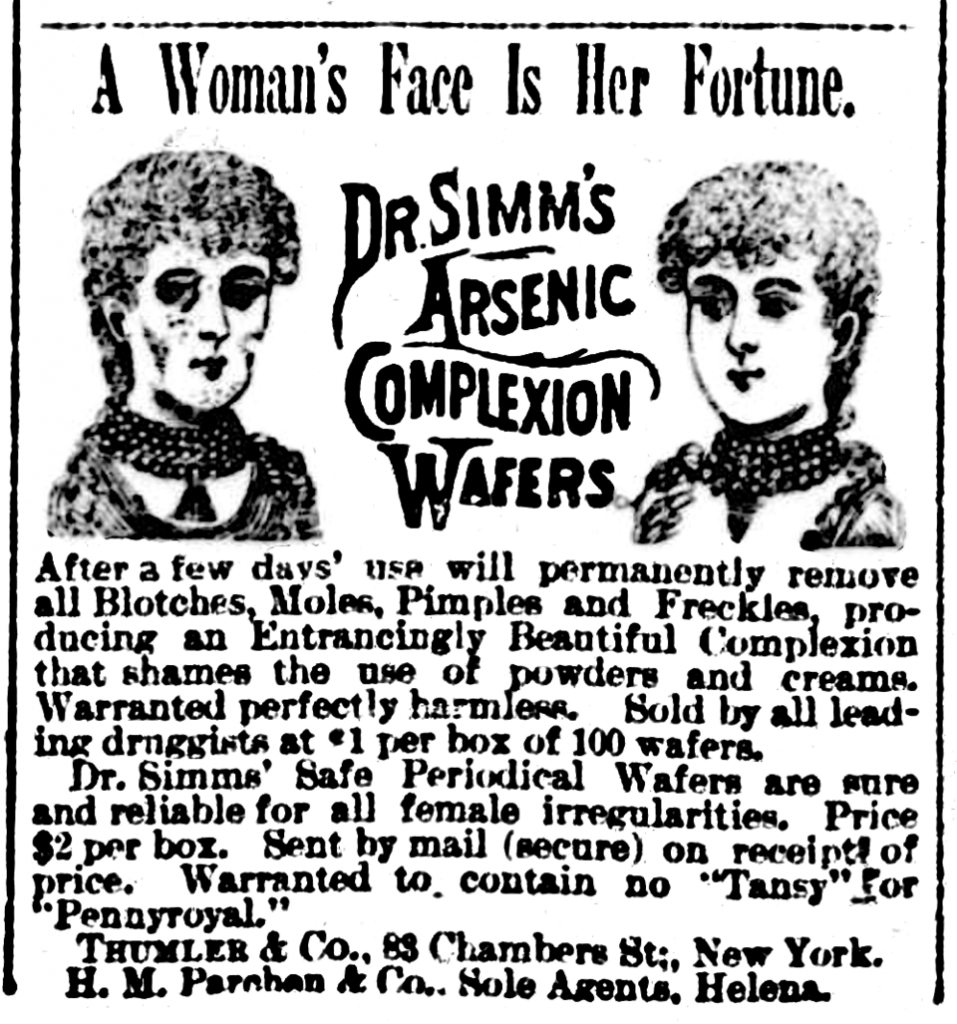
Victorian beauty routines had an alarming tendency to overlap with chemistry experiments.
Arsenic complexion wafers promised users clear skin, bright eyes, and a rosy glow. Small amounts of arsenic were marketed as beauty aids under the assumption that they would enhance one’s appearance from the inside out.
You know what else arsenic does from the inside out?
Cause serious illness.
Long-term exposure can damage organs, weaken the immune system, and become fatal.
Yet many consumers trusted these products because they were sold as sophisticated beauty solutions.
The lesson here is timeless: just because something has elegant packaging doesn’t mean it belongs in your body.
7. Hair Powder Made From Flour
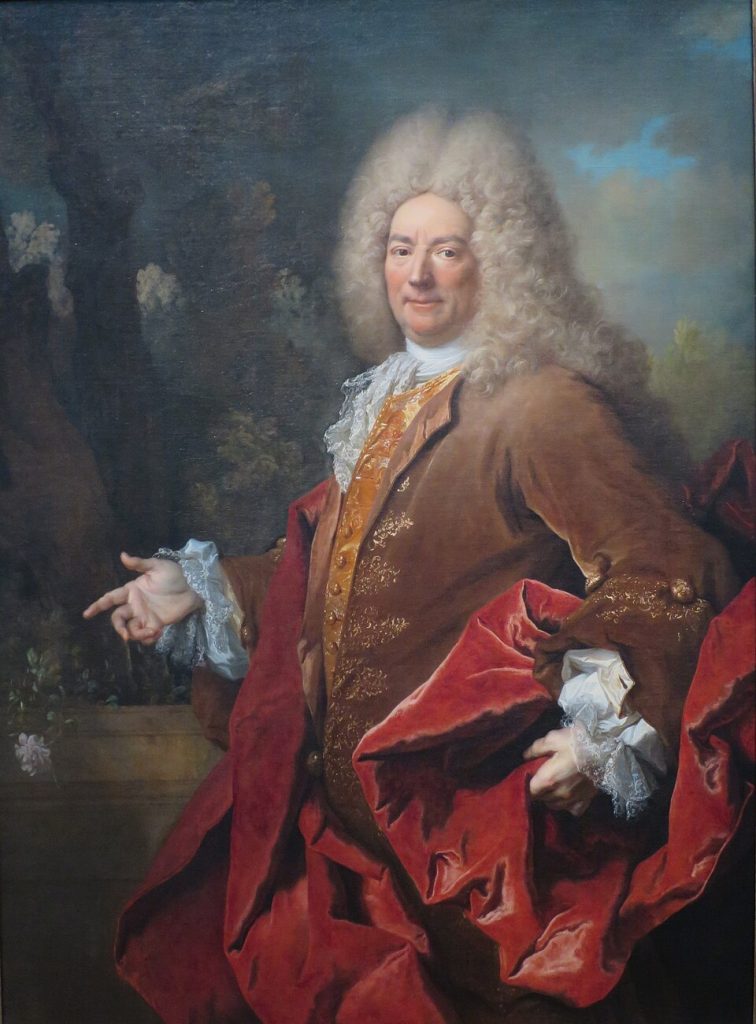
Eighteenth-century European hairstyles were not for the faint of heart.
Wigs and elaborate updos became symbols of wealth and status. To achieve the fashionable powdered look, people dusted their hair with flour, starch, and scented powders.
The result was dramatic.
The side effect? It occasionally attracted pests.
Because wigs were expensive and difficult to maintain, they weren’t always cleaned as frequently as modern hygiene standards might recommend. Some wearers even used special tools to scratch their scalps beneath towering hairstyles.
Today’s dry shampoo enthusiasts can appreciate the desire to stretch a wash day.
However, very few are willing to risk becoming a mobile bakery.
8. Beauty Patches as Fashion Statements
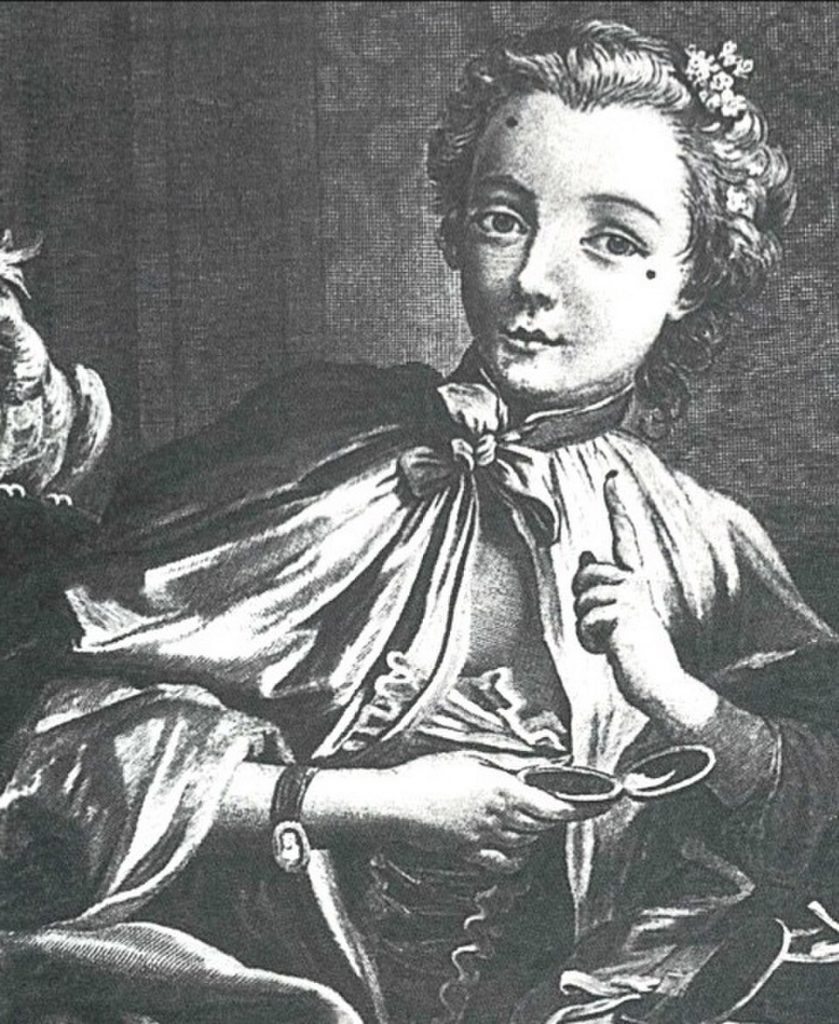
During the seventeenth and eighteenth centuries, tiny patches of silk or velvet were applied to the face as decorative accessories.
Known as “mouches,” these artificial beauty marks came in various shapes, including stars, circles, and hearts.
Originally used to conceal scars from illnesses like smallpox, they soon evolved into fashionable statements. Placement could even carry flirtatious meanings.
A patch near the mouth might signal playfulness, while one on the cheek suggested sophistication.
Essentially, they were the beauty equivalent of subtweeting.
Modern makeup trends may come and go, but humans have always enjoyed communicating identity through aesthetics—and occasionally turning practical solutions into accessories.
9. Ancient Roman Sweat as Cosmetics
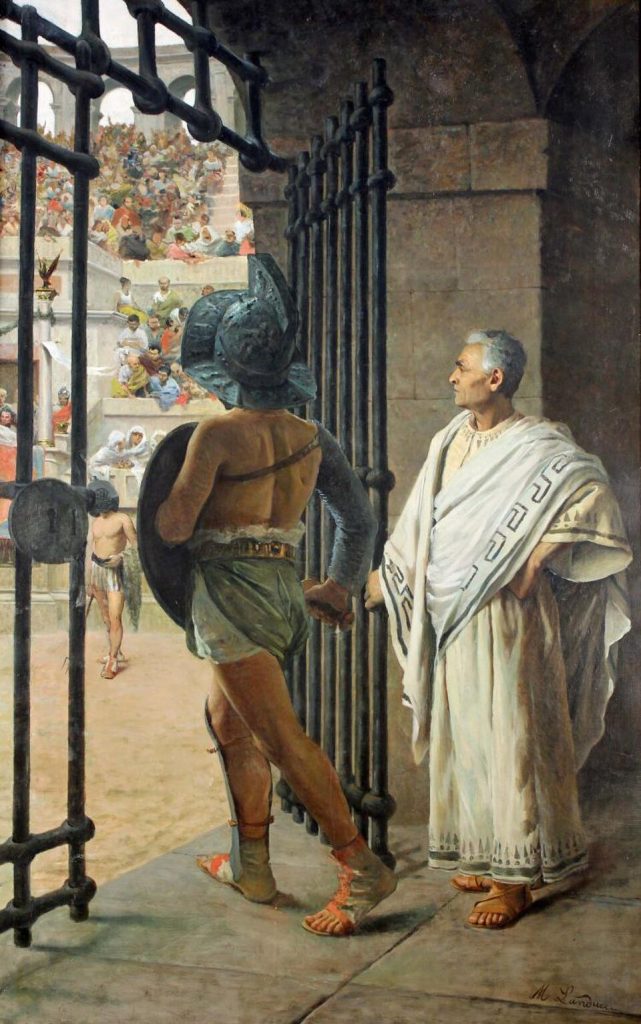
The ancient Romans had some truly creative beauty practices.
One particularly unusual trend involved using the scraped sweat and oils collected from gladiators’ bodies as cosmetic ingredients.
Spectators reportedly believed these substances had medicinal and beautifying properties. The mixtures were sometimes applied to the skin as treatments thought to improve complexion and vitality.
It’s difficult to imagine the marketing campaign.
“Infused with the essence of athletic achievement” sounds significantly more appealing than “contains arena sweat.”
Still, the practice highlights a familiar theme: people have always been drawn to celebrity-endorsed products, even when the endorsements are… unconventional.
Some things never change.
10. Wearing Bird Feathers—and Entire Birds
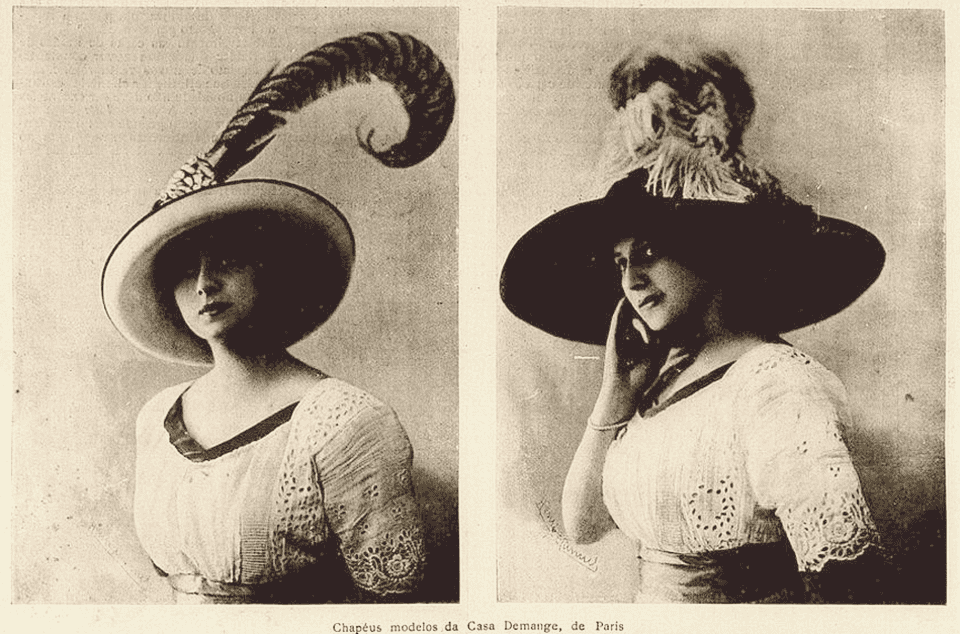
In the late nineteenth and early twentieth centuries, extravagant hats became major fashion statements.
The more elaborate the hat, the better.
Women’s hats were decorated with feathers, wings, and, in some cases, entire stuffed birds. Exotic plumage signaled wealth and sophistication, fueling a booming feather trade.
The demand became so extreme that bird populations suffered dramatically. Conservation concerns eventually led to public outcry and stronger wildlife protections.
The trend helped inspire early environmental activism and organizations dedicated to protecting birds.
It’s a fascinating example of how beauty trends can influence society far beyond appearance alone.
Thankfully, modern fashion generally frowns upon wearing an entire ecosystem on your head.

Lover of good music, reading, astrology and making memories with friends and spreading positive vibes! 🎶✨I aim to inspire others to find meaning and purpose through a deeper understanding of the universe’s energies.