

Have you ever wondered where the famous name Nike originally came from?
Long before it became associated with sports, Nike was one of the most admired goddesses in Greek mythology.
She represented victory, triumph, and success, inspiring warriors, athletes, and even rulers to pursue greatness.
The ancient Greeks believed that victory was more than strength or skill alone. It was also a blessing from the gods.
Nike became the divine symbol of achievement, rewarding those who displayed courage, determination, and perseverance.
Although she is often overshadowed by the major Olympian gods, Nike played an important role in Greek religion and appears in some of the most famous works of ancient art.
Here are eight fascinating facts about Nike, the Greek goddess of victory.
1. Nike Was the Goddess of Victory

Nike personified victory in every sense of the word. She was believed to bring success in war, athletic competitions, public contests, and many other important achievements.
Whenever the Greeks celebrated a great triumph, they often associated that success with Nike’s divine favor.
Rather than representing only military victories, she symbolized accomplishment wherever dedication and courage led to success.
Her presence reminded people that determination, preparation, and perseverance often worked together to produce great achievements.
For the ancient Greeks, Nike represented the joyful moment when hard work finally paid off and victory was earned.
Her symbolism encouraged people to keep striving toward their goals, believing that persistence and courage could eventually lead to remarkable accomplishments and lasting honor.
2. She Was the Daughter of Pallas and Styx

Nike was born to the Titan Pallas and the goddess Styx, who represented the sacred river of the underworld.
She also had three siblings, Zelus, Kratos, and Bia, who represented zeal, strength, and force.
Together, the four siblings became loyal supporters of Zeus during the great war between the Olympians and the Titans.
Because of their loyalty, Zeus honored them by allowing them to remain close to his throne.
This important family connection placed Nike among the trusted companions of the king of the gods and strengthened her role in Greek mythology.
Their loyalty became an example of faithfulness and courage, qualities the ancient Greeks admired and hoped to develop in their own lives as well.
3. She Was a Close Companion of Zeus

Nike was often shown standing beside Zeus. Her presence emphasized that even the mightiest ruler valued the blessing of victory.
Rather than ruling her own kingdom or overseeing a separate domain, she accompanied the king of the gods as a symbol of his victories and authority.
Artists frequently depicted her flying toward Zeus while carrying a wreath or palm branch to celebrate success.
By remaining close to Zeus, Nike became one of the most recognizable symbols of triumph throughout the Greek world.
Her constant presence beside Zeus also highlighted the belief that true leadership required not only power but also wisdom, perseverance, and divine favor.
4. Athena Was Also Closely Associated With Nike
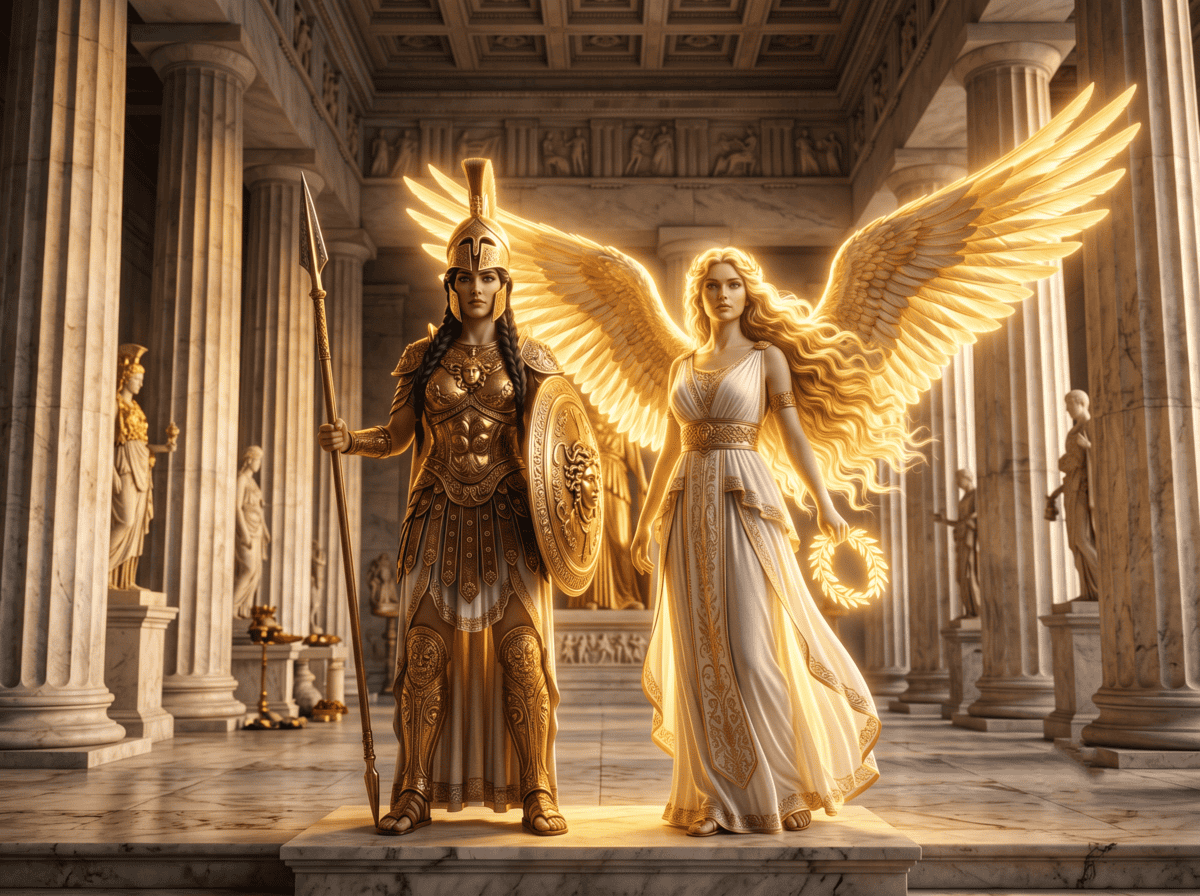
Nike shared a particularly strong connection with Athena, the goddess of wisdom and strategic warfare.
While Athena represented intelligence, planning, and disciplined leadership, Nike symbolized the successful outcome of those efforts.
The two goddesses often appeared together in ancient artwork. Some statues even show Athena holding a small figure of Nike in her hand.
This powerful image reminded worshippers that wise decisions and careful preparation often lead to lasting victory.
Together they became one of the most recognizable partnerships in Greek mythology.
Their connection taught that success was rarely achieved through strength alone, but through thoughtful planning, patience, and the ability to make wise decisions.
5. She Was Usually Depicted With Wings

One of Nike’s most recognizable features was her magnificent wings. Her wings symbolized the speed with which victory could arrive.
Ancient artists almost always portrayed her as a graceful winged goddess flying toward victorious heroes, athletes, or gods.
They also suggested that success was never guaranteed and could quickly pass from one person to another.
This beautiful imagery helped make Nike one of the most recognizable figures in Greek art, where she often appears descending from the heavens with symbols of triumph.
Her graceful appearance inspired artists for centuries, making her one of the most elegant and memorable figures found in surviving Greek sculptures and carvings.
6. She Often Carried a Wreath or Palm Branch
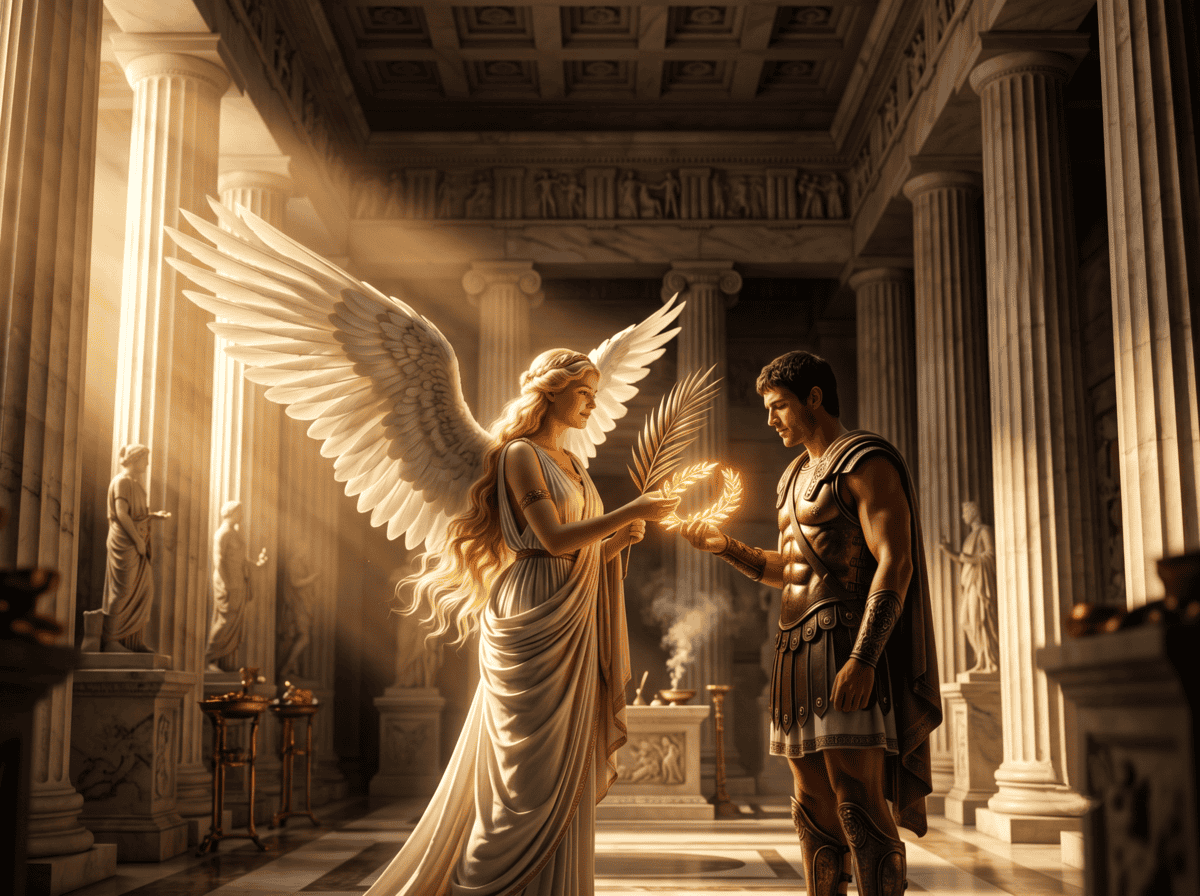
Nike rarely appeared empty-handed. She was commonly shown holding a laurel wreath, a palm branch, or occasionally a ribbon used to honor winners.
The laurel wreath became one of the greatest symbols of achievement in the ancient world and was awarded to victorious athletes, poets, and military leaders.
When Nike offered someone a wreath, it represented recognition earned through courage, dedication, and exceptional accomplishment.
These symbols reinforced her role as the goddess who celebrated hard-earned success.
7. One of Greece’s Most Famous Statues Depicts Her
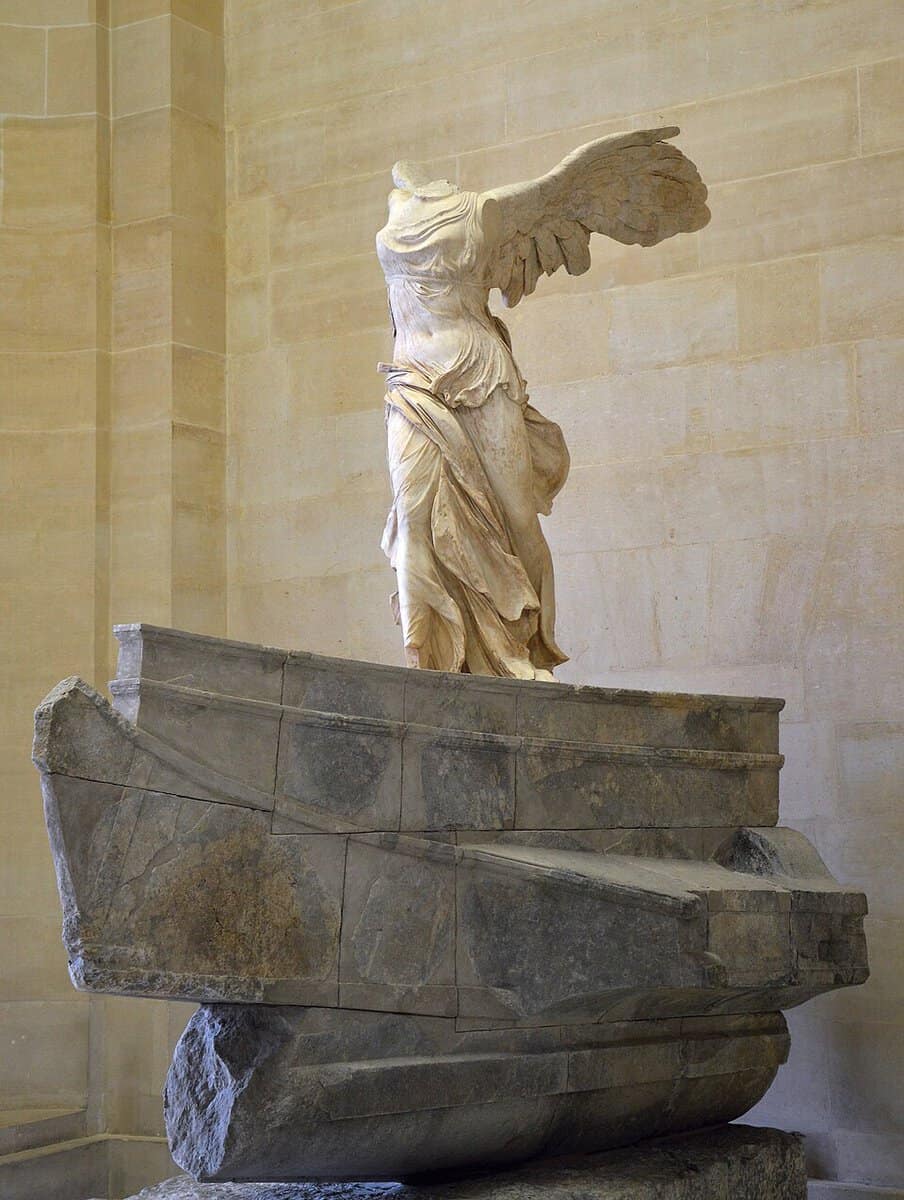
One of the greatest masterpieces of ancient sculpture is the Winged Victory of Samothrace.
Created during the Hellenistic period, the statue shows Nike standing on the bow of a ship with her flowing clothing and wings dramatically swept by the wind.
Although parts of the sculpture are missing, it remains one of the most admired works of ancient Greek art.
Its powerful sense of movement and elegance continues to inspire visitors more than two thousand years after it was created.
Today it remains one of the most visited treasures in the world, admired for its beauty, craftsmanship, and remarkable ability to capture movement in stone.
8. Her Name Still Represents Success Today
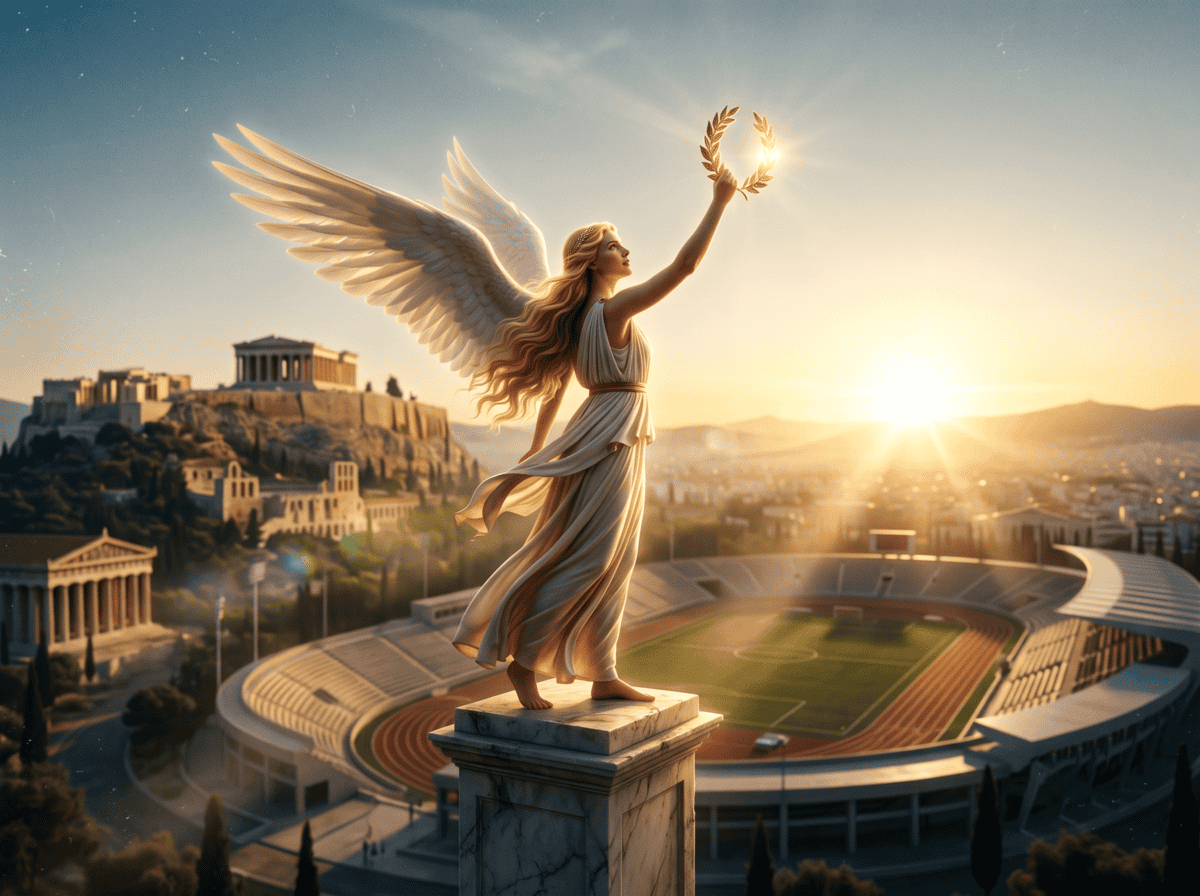
Although belief in the Greek gods eventually faded, Nike’s name never disappeared.
Today it remains one of the world’s most recognizable symbols of achievement and excellence.
Her name was chosen by the global sports company because it perfectly reflected victory, determination, and athletic success.
Even beyond sports, the word “Nike” continues to remind people of striving toward goals and celebrating accomplishment through hard work.
More than two thousand years after ancient Greece flourished, the goddess of victory continues to inspire people around the world, proving that her legacy remains as powerful as ever.
Her story reminds us that the desire to succeed is timeless, connecting people across generations through the universal pursuit of excellence, perseverance, and personal growth.

Siempre sentí una fuerte conexión con lo Divino desde mi nacimiento. Como autora y mentora, mi misión es ayudar a los demás a encontrar el amor, la felicidad y la fuerza interior en los momentos más oscuros.