
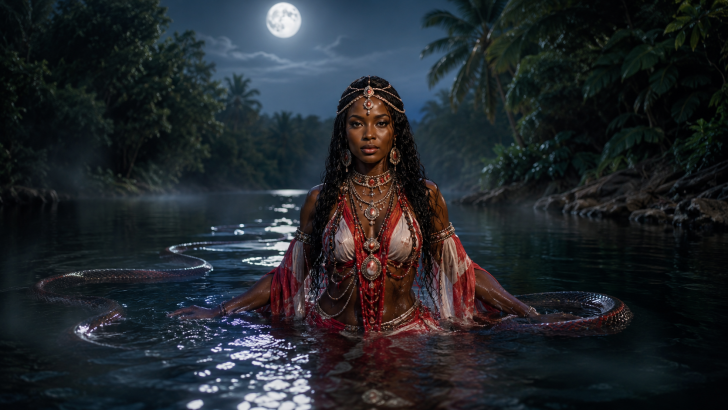
The night has always inspired stories. When the sun disappears and shadows begin to grow, the world feels different.
Sounds become louder, familiar places seem mysterious, and the imagination starts filling the darkness with possibilities.
Across Africa, many cultures developed stories about female spirits who appeared after sunset or were closely connected with the moon, dreams, stars, rivers, and the unseen world.
Some of these beings were feared, while others were respected or even welcomed. Some protected communities, while others punished those who ignored important rules or traditions.
Like many figures from folklore, these spirits often reflected human fears, hopes, and questions about the unknown.
Here are eight fascinating African female spirits connected to the night.
1. Oshun Was Associated With Moonlit Rivers and Quiet Waters
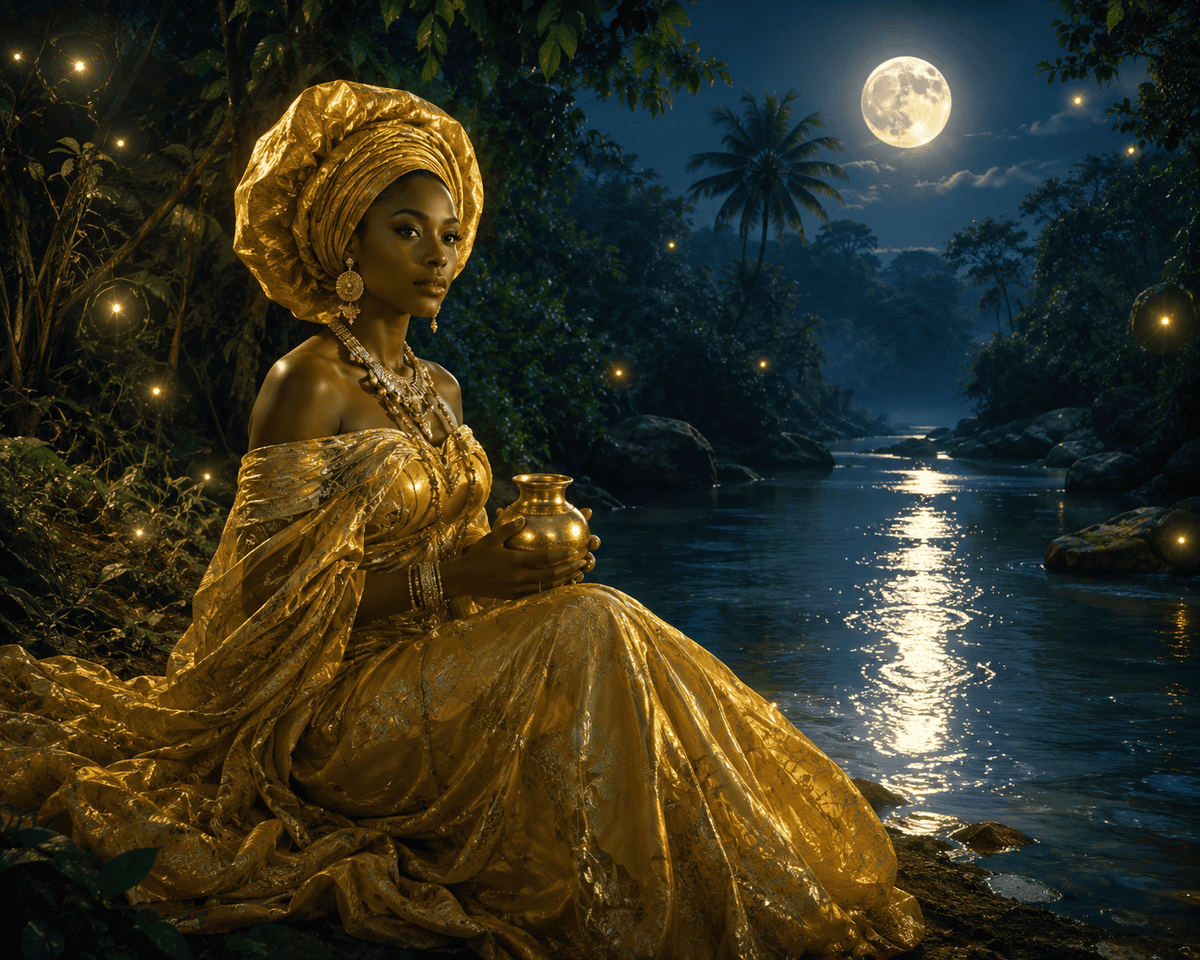
In the traditions of the Yoruba people, Oshun is best known as an orisha connected with rivers, beauty, love, and prosperity.
Although she is not a spirit of darkness, many stories place her near rivers during the peaceful hours of the evening when the water reflects the moonlight and the world grows quiet.
Nighttime rivers often carried a sense of mystery in many African traditions. During these hours, people believed the boundary between the physical and spiritual worlds felt thinner than during the day.
Oshun was often viewed as gentle and generous, but she could also become fierce when disrespected or ignored. Her stories remind us that water can be both comforting and powerful.
Even today, rivers associated with Oshun continue to attract visitors who leave offerings and prayers beside the water.
2. Mami Wata Often Appears Beneath the Moon
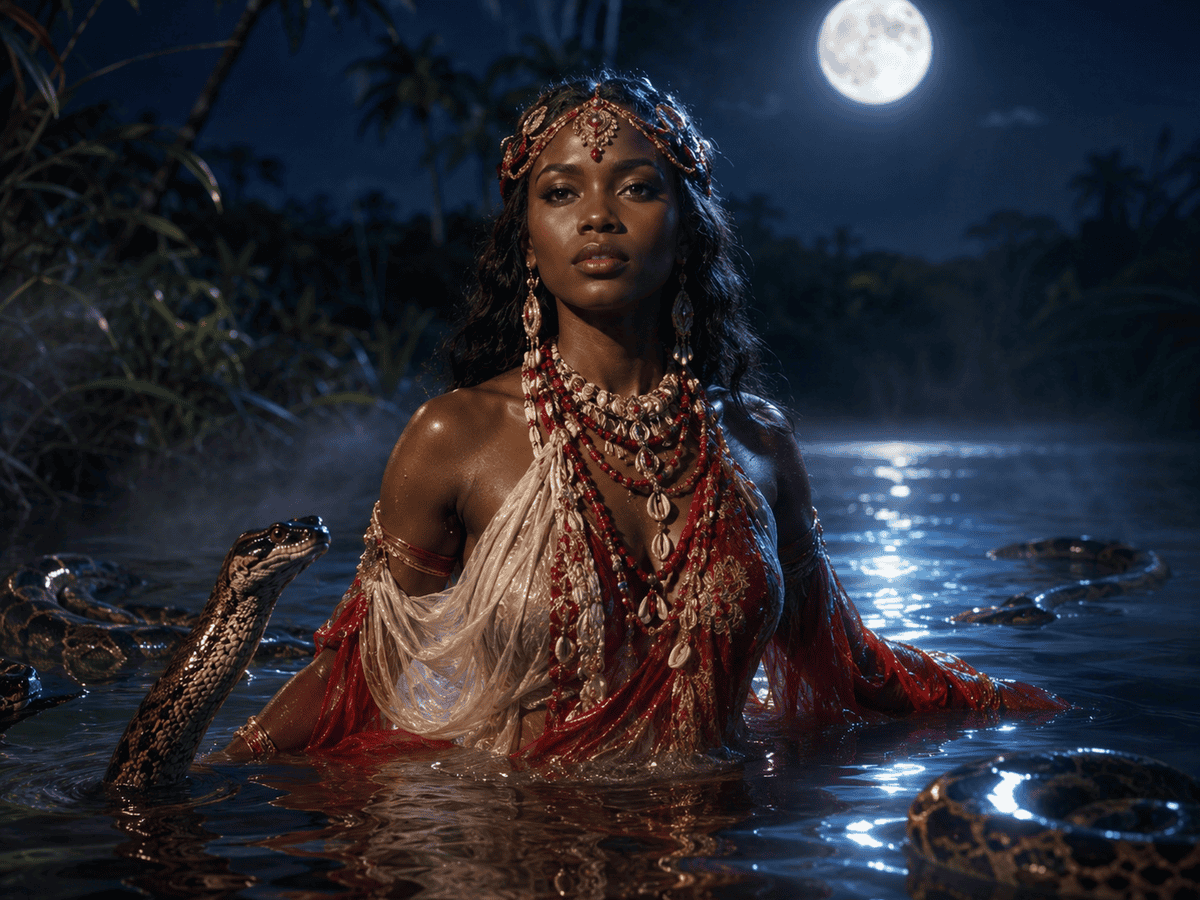
Few African spiritual figures are as famous as Mami Wata. Her stories appear across West, Central, and parts of Southern Africa.
The details often change from region to region. She is usually described as a beautiful woman connected with rivers, lakes, and the sea.
Many legends place her appearances during the night, especially under the light of the moon when the water becomes calm and reflective.
Some traditions describe her as bringing wealth, healing, and spiritual wisdom to those she favors. Others portray her as mysterious and unpredictable.
Sailors, fishermen, and travelers often treated bodies of water with great respect because they believed powerful spirits might dwell beneath the surface.
Mami Wata remains one of Africa’s most recognizable spiritual figures and continues to influence art, literature, and popular culture.
3. The Asiman Was Feared After Sunset
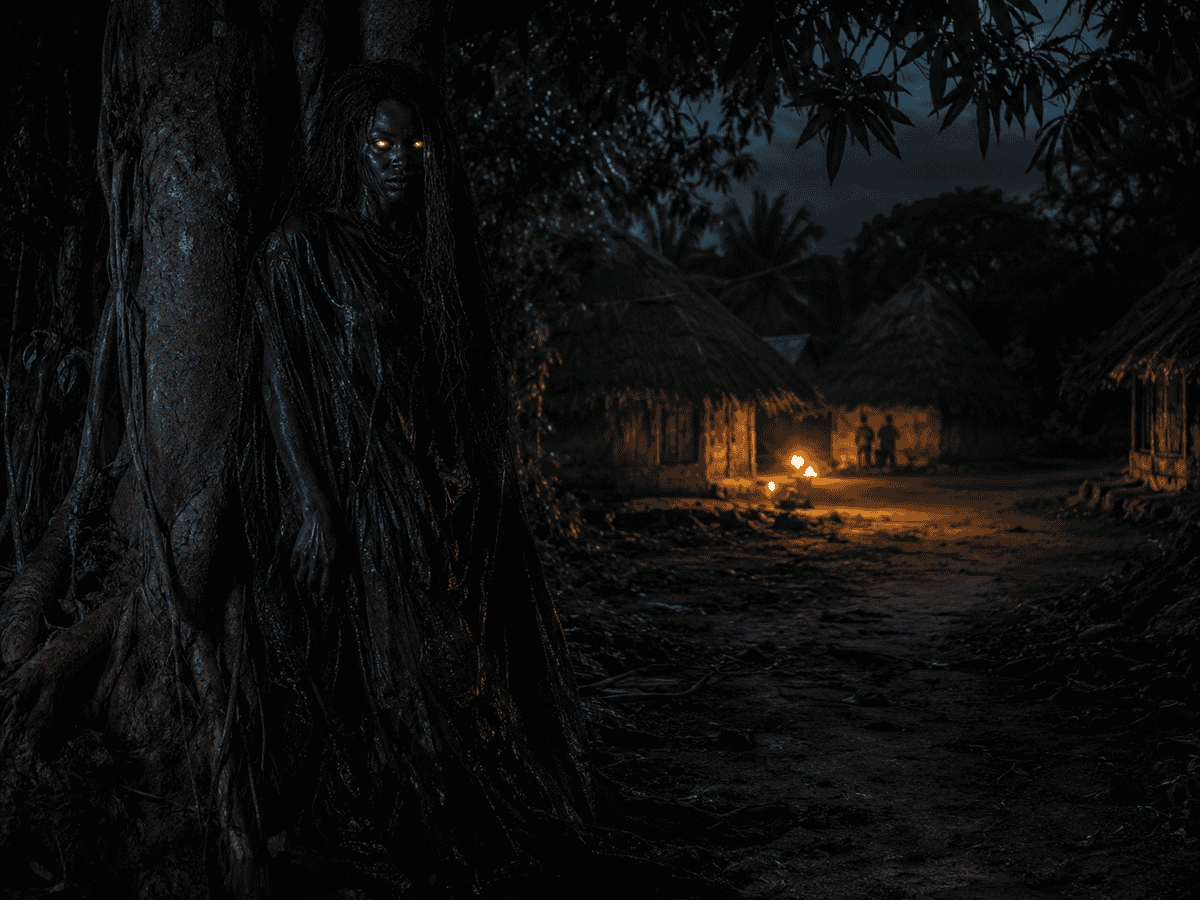
In the folklore of the Akan people of Ghana, the Asiman was a supernatural being often associated with the night.
Stories about the Asiman vary, but many describe a spirit that traveled under the cover of darkness while ordinary people slept.
Nighttime was often considered a dangerous period in traditional communities because visibility was limited and many threats could remain hidden.
Folklore transformed these fears into memorable stories about supernatural visitors who appeared after sunset.
Parents sometimes shared these tales to encourage children to remain indoors during late hours.
The stories also reflected a wider respect for nighttime and the belief that certain hours belonged more to the spirit world than to human beings.
Although modern life has changed daily routines, these legends continue to survive in oral traditions.
4. The Aziza Were Said to Share Wisdom at Night
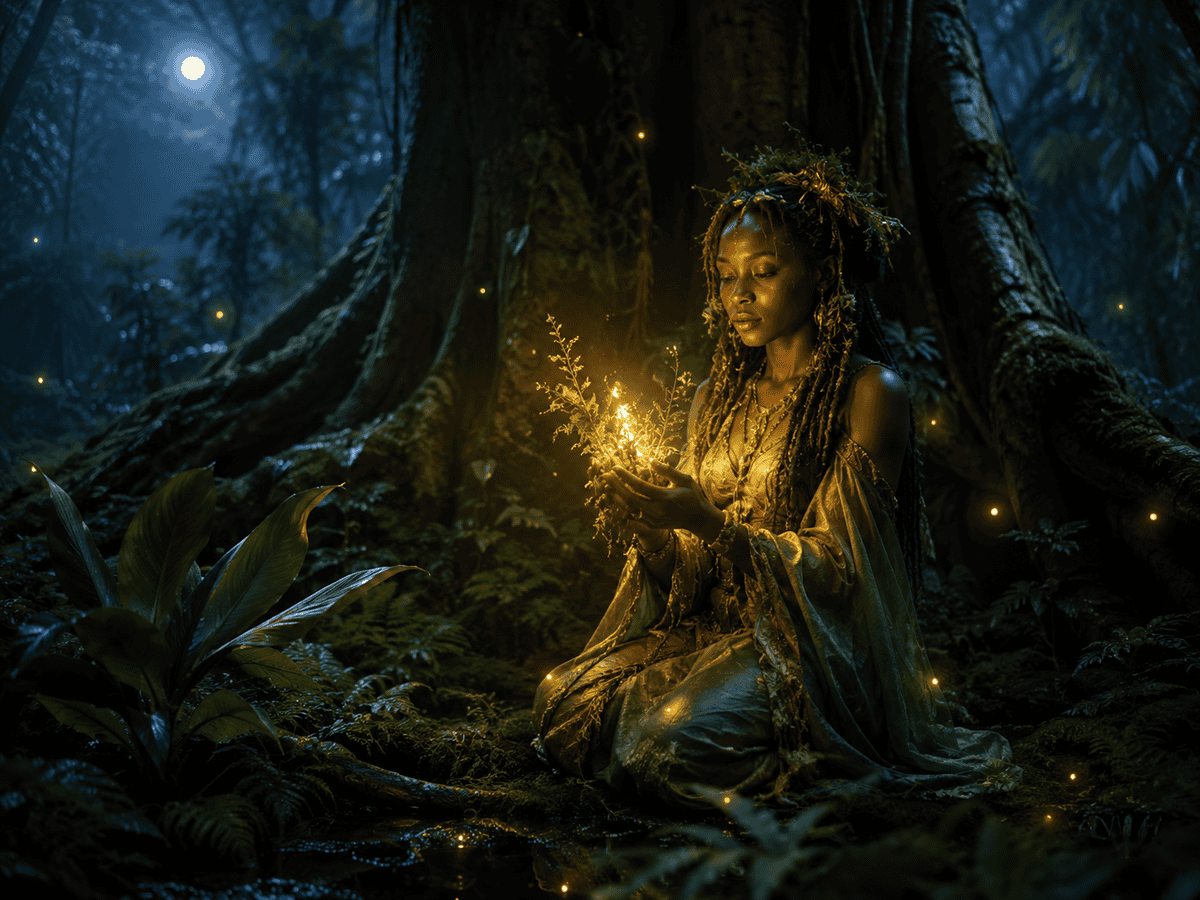
The Aziza are magical beings from the folklore of the Fon people of Benin and nearby regions. Unlike many night spirits, the Aziza were often viewed positively.
Legends describe them as small supernatural beings who lived in forests and shared hunting skills, herbal knowledge, and spiritual wisdom with people they trusted.
Some stories suggest that hunters and travelers encountered them during quiet evenings in the forest when the sounds of the daytime world had faded away.
The darkness of the forest added to their mystery and wonder. The Aziza represent knowledge hidden within nature and the belief that wisdom sometimes comes from unexpected places.
Their stories encouraged respect for the natural world and the lessons it could teach those willing to listen carefully.
5. Aje Were Linked to Secret Night Gatherings
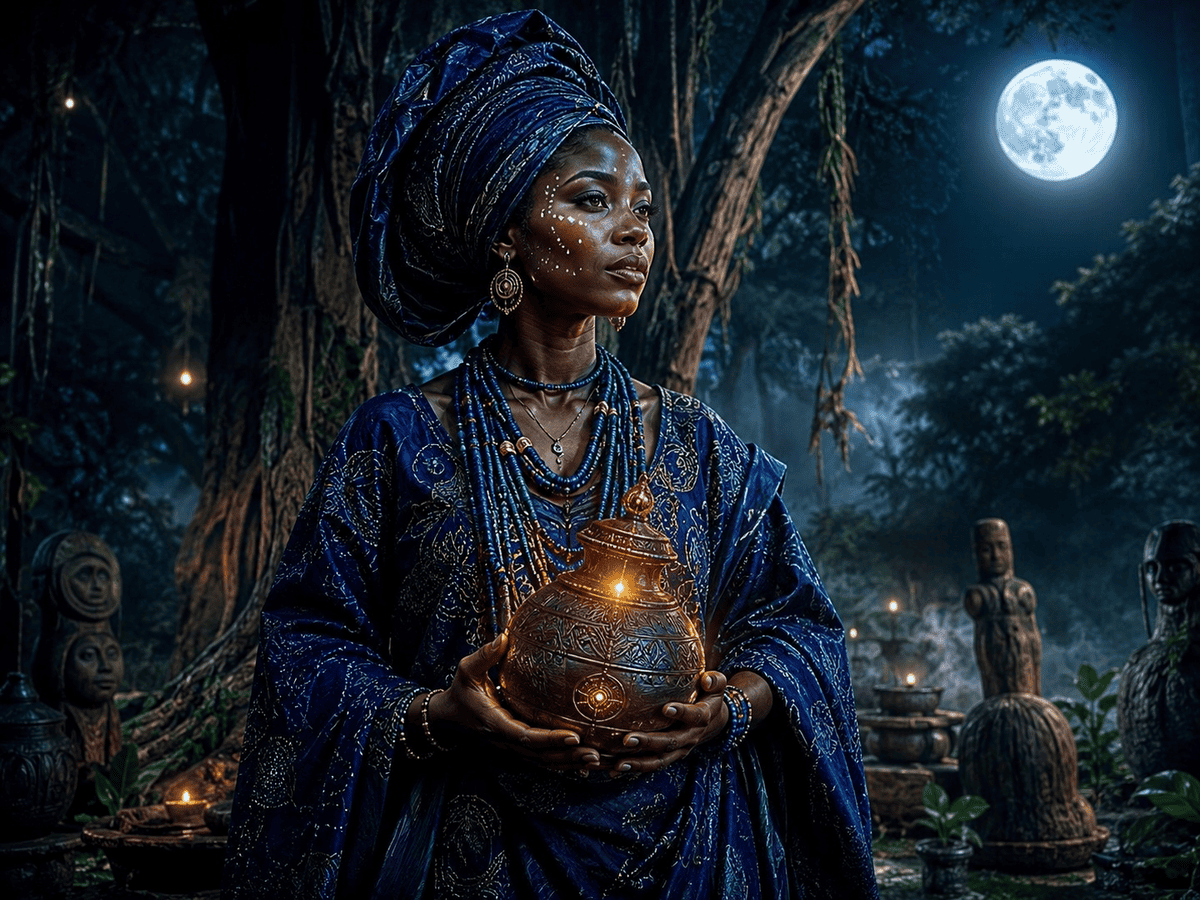
In Yoruba traditions, Aje refers to powerful spiritual forces that became surrounded by mystery and folklore over time.
Some stories connected these beings with nighttime meetings and hidden knowledge shared away from the activity of daily life.
Because many spiritual ceremonies historically took place during the evening, the night became associated with wisdom, transformation, and sacred rituals.
Unfortunately, later misunderstandings sometimes turned these traditions into frightening legends.
Modern scholars often emphasize the complexity of Aje traditions and caution against reducing them to simple ideas about magic or fear.
Their stories reveal how nighttime was frequently viewed as a period of spiritual activity and reflection.
The quiet hours after sunset allowed communities to focus on traditions that felt separate from ordinary life.
6. Mbaba Mwana Waresa Brought Rain Through Stormy Nights
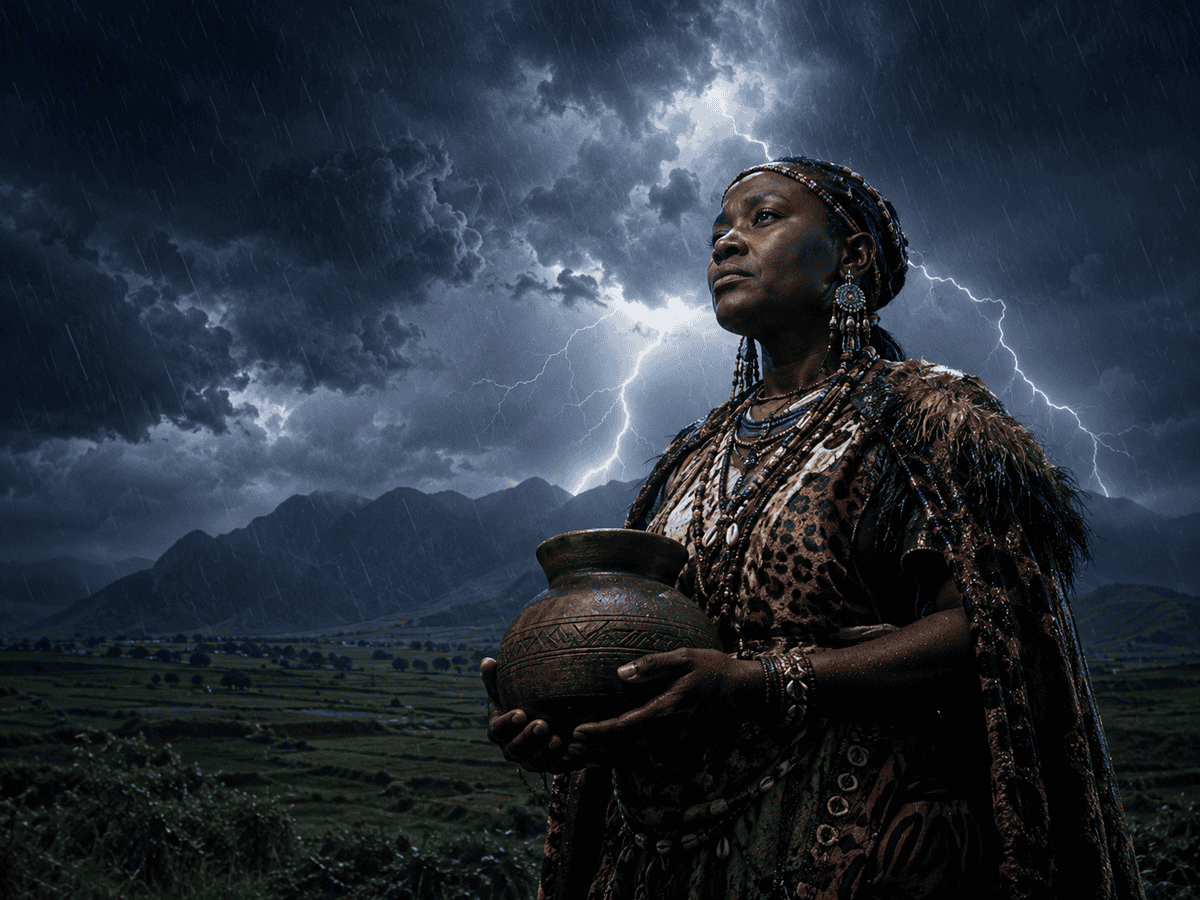
In Zulu mythology, Mbaba Mwana Waresa is a goddess associated with rain, agriculture, and the sky.
Although she is primarily associated with storms and fertility, many stories describe her power manifesting in dramatic night skies filled with thunder and lightning.
Before electricity transformed cities and villages, nighttime storms could feel overwhelming and almost supernatural.
Flashes of lightning illuminated entire landscapes for only a moment before darkness returned.
It was easy to understand why ancient communities connected these events with powerful spiritual beings.
Mbaba Mwana Waresa represented both the fear and the hope carried by storms. Her stories celebrate the beauty and power of nature.
Rain brought life to crops and animals, making her one of the most respected figures in southern African mythology.
7. Inkanyamba’s Female Companions Were Said to Appear During Stormy Nights
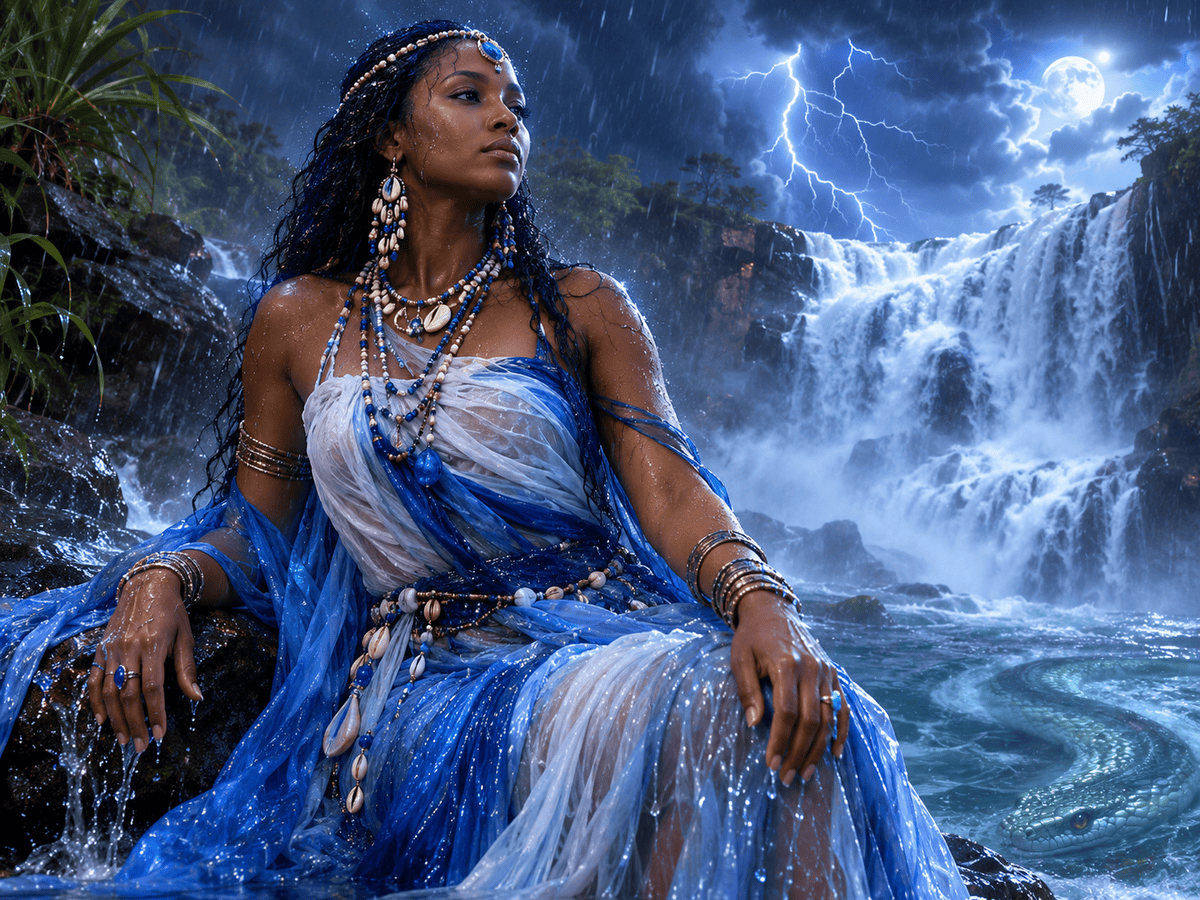
In parts of Southern African folklore, stories about the great serpent spirit Inkanyamba were sometimes accompanied by tales of mysterious female water spirits connected with storms, rivers, and waterfalls.
These beings were believed to appear during powerful thunderstorms or near rushing water after sunset, when the landscape felt wild and unpredictable.
Villagers often treated waterfalls and deep pools with great respect because they were thought to be places where the spirit world felt especially close.
Some stories described these female spirits as beautiful and graceful, while others warned that they could become dangerous if disturbed or disrespected.
8. Moon Spirits Appeared in Many African Traditions
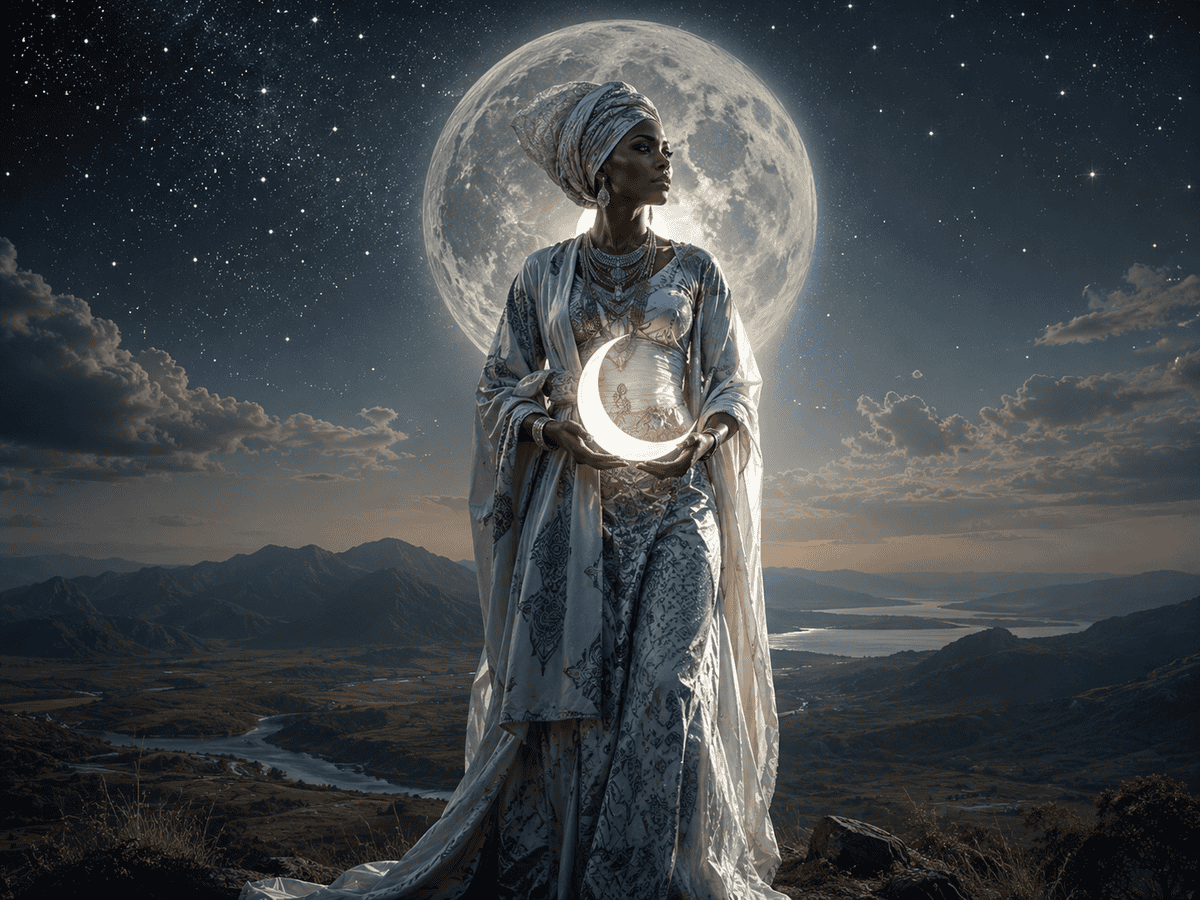
Not every female spirit had a personal name that survived into modern times.
Across Africa, many communities believed in local female spirits connected with the moon and the stars.
The moon often served as a guide for travelers, farmers, and fishermen, making it one of the most important features of the night sky.
Because of this, many stories imagined the moon as a feminine presence watching over the world below.
Some traditions viewed moon spirits as protectors, while others believed they carried messages between worlds.
These stories helped explain the changing phases of the moon and the rhythms of nature.
Even today, the moon remains one of humanity’s most powerful symbols of mystery and imagination.

Siempre sentí una fuerte conexión con lo Divino desde mi nacimiento. Como autora y mentora, mi misión es ayudar a los demás a encontrar el amor, la felicidad y la fuerza interior en los momentos más oscuros.