
Among all the animals found in religious symbolism, few are as closely connected with peace and spirituality as the dove.
Throughout Christian tradition, the dove has become one of the most recognizable symbols of the Holy Spirit.
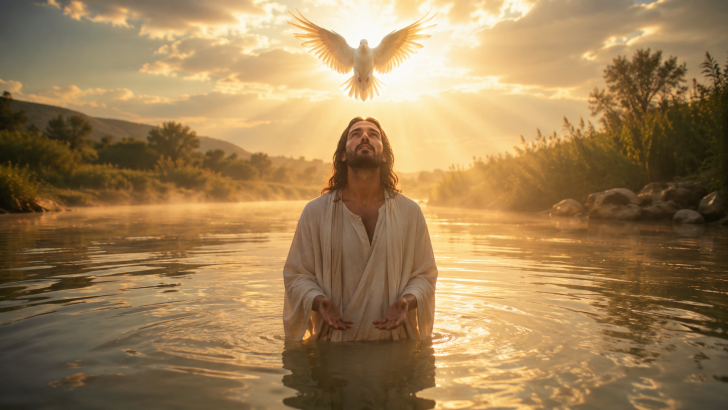
Paintings, stained glass windows, churches, and religious texts often portray the Holy Spirit descending in the form of a dove, especially during the baptism of Jesus.
This raises an interesting question. Why a dove?
Why not an eagle, a lion, or another creature often associated with strength and majesty?
The answer lies in the qualities the dove represents. Its appearance, behavior, and symbolic meaning reflect important aspects of the Holy Spirit.
Here are seven reasons many Christians believe God chose a dove to represent the Holy Spirit.
1. The Dove Symbolizes Peace Rather Than Fear
One of the most widely recognized meanings of the dove is peace.
Unlike animals associated with warfare, power, or aggression, doves are gentle creatures that rarely inspire fear.
This fits closely with how the Holy Spirit is often described in Christian teaching.
The Holy Spirit is associated with comfort, guidance, wisdom, and inner peace rather than intimidation or force.
When the Holy Spirit appeared during the baptism of Jesus, the image of a dove communicated reassurance rather than terror.
The symbolism showed that God’s presence was not arriving as a conqueror or warrior in that moment.
Instead, it came with peace and divine approval. This message remains important to many believers today.
The dove reminds Christians that spiritual guidance often comes quietly rather than dramatically.
2. The Dove Appeared During the Baptism of Jesus
The strongest biblical connection between the Holy Spirit and the dove comes from the baptism of Jesus.
According to the Gospels, the Holy Spirit descended upon Jesus in the form of a dove while he was being baptized in the Jordan River.
This event became one of the defining moments in Christian theology.
The image of the descending dove represented divine approval and the beginning of Jesus’ public ministry.
Because this event appears in multiple Gospel accounts, it became central to Christian understanding of the Holy Spirit’s symbolism.
Artists, theologians, and believers throughout history returned to this scene repeatedly.
The dove became more than a simple animal symbol. It became a visual representation of God’s presence and blessing.
Its connection to one of Christianity’s most important events ensured that the image would remain significant for centuries.
3. Doves Were Associated With Purity and Innocence
In the ancient world, doves often symbolized purity and innocence. Their white feathers and gentle behavior made them natural representations of these qualities.
Christian traditions connected this symbolism with the holiness of the Spirit.
The Holy Spirit is frequently described as pure, righteous, and free from corruption.
The dove reflected these ideas in a way that people could easily understand. Unlike predators or scavengers, doves were seen as harmless.
Their appearance suggested sincerity and goodness rather than danger. The dove became a reminder of kindness, honesty, and integrity.
Its gentle image reflected the values that many Christians strive to cultivate in their own lives.
4. The Dove Was Already Connected With Hope in Scripture
Long before the baptism of Jesus, the dove had already appeared in one of the Bible’s most famous stories.
After the great flood, Noah released a dove from the ark to search for dry land. The bird eventually returned carrying an olive branch.
This simple image became one of history’s most enduring symbols of hope and renewal.
The dove signaled that destruction had ended and a new beginning was possible.
For many Christians, this earlier story helped prepare the dove to become a symbol of the Holy Spirit.
Both images involve peace, restoration, and God’s relationship with humanity.
The connection between the flood story and the New Testament strengthened the dove’s importance in Christian symbolism.
The bird came to represent the promise that difficult seasons do not last forever and that renewal can follow hardship.
5. The Dove Reflects the Gentle Nature of Spiritual Guidance
Many religious traditions describe God’s guidance as quiet rather than forceful.
People may expect dramatic signs or overwhelming experiences, yet spiritual growth often happens through reflection, wisdom, and gradual change.
The dove reflects this idea perfectly. Its movements are soft and peaceful. It does not dominate its surroundings or inspire fear.
This mirrors the way many Christians understand the work of the Holy Spirit.
The Spirit is often believed to guide through conviction, understanding, encouragement, and inner wisdom rather than pressure.
6. Doves Were Important in Ancient Worship
Doves held a special place in Jewish religious life long before Christianity emerged. They were among the animals used in temple offerings and sacrifices.
Because they were more affordable than larger animals, doves allowed poorer families to participate in important religious practices.
This association gave the bird additional spiritual significance. The use of doves in worship connected them with devotion, humility, and faithfulness.
The Gospel of Luke even mentions that Mary and Joseph offered doves after the birth of Jesus, following Jewish customs of the time.
This connection strengthened the dove’s role as a symbol that ordinary people could relate to. The bird represented accessibility rather than wealth or status.
Its place in worship helped prepare it to become one of Christianity’s most important spiritual symbols.
7. The Dove Represents God’s Desire for Relationship
Perhaps the deepest meaning behind the dove is relationship. Many biblical symbols emphasize power, judgment, kingship, or authority.
The dove highlights something different. It points toward connection, peace, and closeness between God and humanity.
The Holy Spirit is often described as God’s presence working within believers, offering guidance, comfort, and encouragement.
The dove’s gentle image reflects this personal relationship. Rather than creating distance through fear, it invites trust and openness.
For many Christians, this symbolism captures the heart of spiritual life. Faith is not only about rules or obligations.
It is also about relationship, growth, and companionship. The dove became a fitting symbol because it reflects these qualities so naturally.
Its presence in scripture continues to remind believers that God’s guidance is often connected with peace, hope, and quiet reassurance.
Across centuries of Christian history, the image of the dove has remained one of the faith’s most beloved symbols.
Its connection with peace, purity, hope, and spiritual guidance has allowed it to speak to generations of believers.
Whether appearing in ancient texts, church artwork, or personal devotion, the dove continues to represent the presence of the Holy Spirit in a way that feels both gentle and powerful at the same time.

Siempre sentí una fuerte conexión con lo Divino desde mi nacimiento. Como autora y mentora, mi misión es ayudar a los demás a encontrar el amor, la felicidad y la fuerza interior en los momentos más oscuros.