
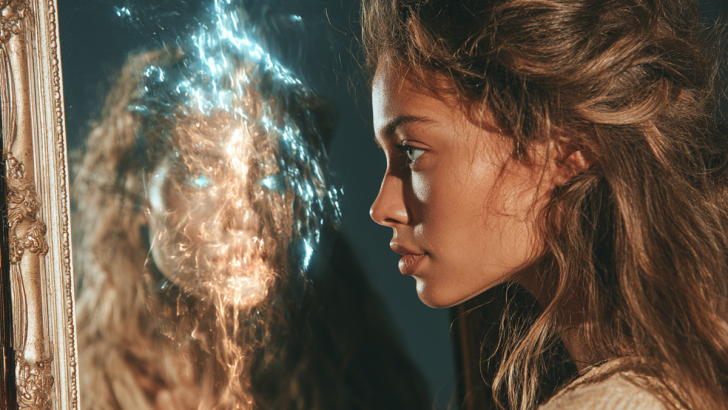
Identity theft feels like a modern problem until you start reading mythology. Long before passwords, social media accounts, and suspicious emails promising forgotten fortunes, ancient cultures were already warning about creatures that could borrow your appearance, impersonate you, or even replace you entirely. These legends weren’t just spooky bedtime stories—they reflected real fears about trust, deception, and the unsettling idea that someone who looks exactly like you might not actually sea a ti.
Across the world, myths are filled with shape-shifters, spirits, demons, and magical beings capable of wearing another person’s face, stealing their identity, or quietly taking over their place in society. Some did it to hunt their prey, others out of revenge, and a few simply enjoyed causing complete chaos. While science says you probably don’t need to worry about being replaced by a supernatural double, mythology has spent thousands of years saying, “Well… maybe don’t wander into the forest alone.”
Here are 10 legendary creatures that could steal your face—and sometimes your entire life.
1. The Doppelgänger (German Folklore)
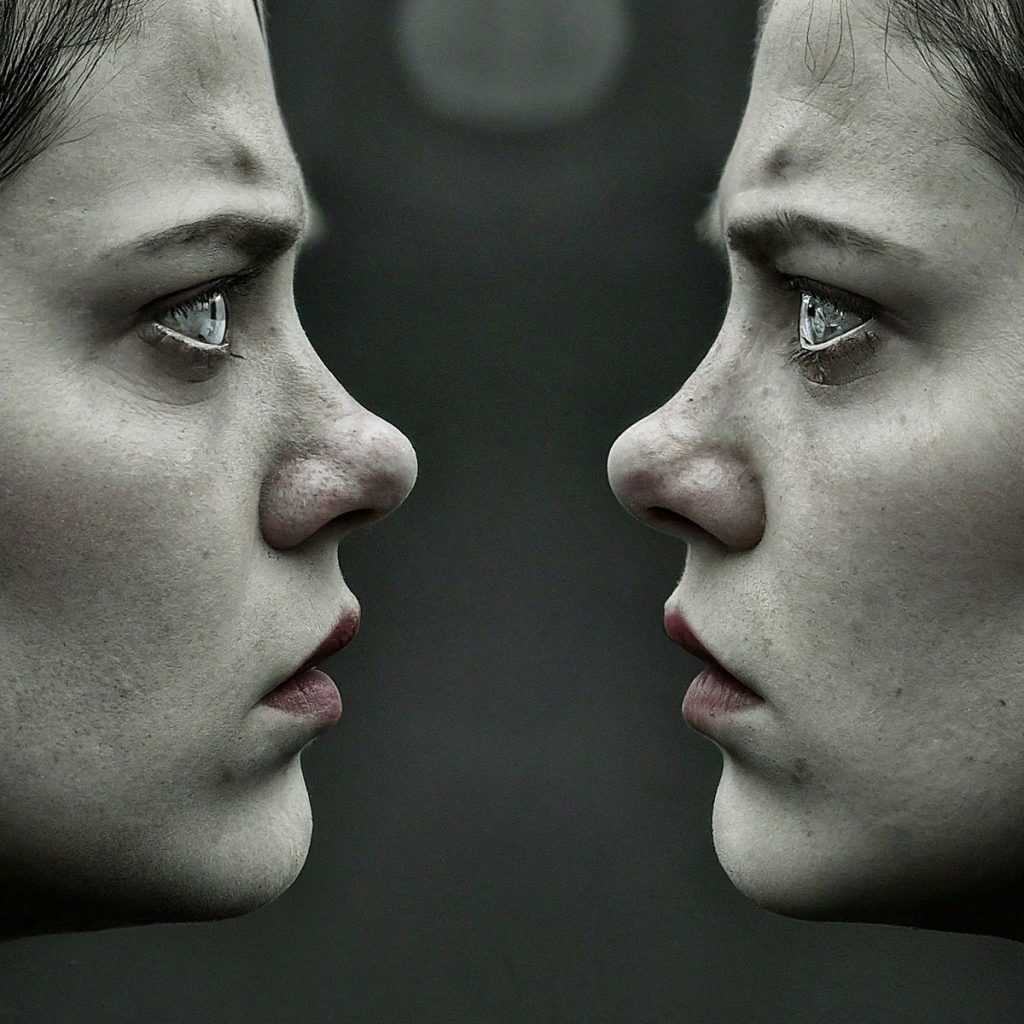
If you ever meet someone who looks exactly like you, mythology has one piece of advice: turn around immediately.
The doppelgänger is one of Europe’s most famous supernatural doubles. Unlike an identical twin, this eerie copy isn’t another person—it’s an uncanny duplicate that mirrors your appearance, mannerisms, and sometimes even your memories. In many traditions, seeing your own doppelgänger was considered an omen of misfortune or death.
Some stories claim the double simply appears to unsettle people. Others suggest it actively impersonates its victim, confusing friends and family while quietly taking over their place. Imagine everyone insisting they already had lunch with you while you’ve been home binge-watching documentaries all afternoon.
The legend plays on one of humanity’s oldest fears: that appearance alone isn’t enough to prove identity. Even today, the word “doppelgänger” is used whenever someone uncannily resembles another person, though thankfully most modern lookalikes aren’t supernatural harbingers of doom.
2. Kitsune (Japanese Mythology)
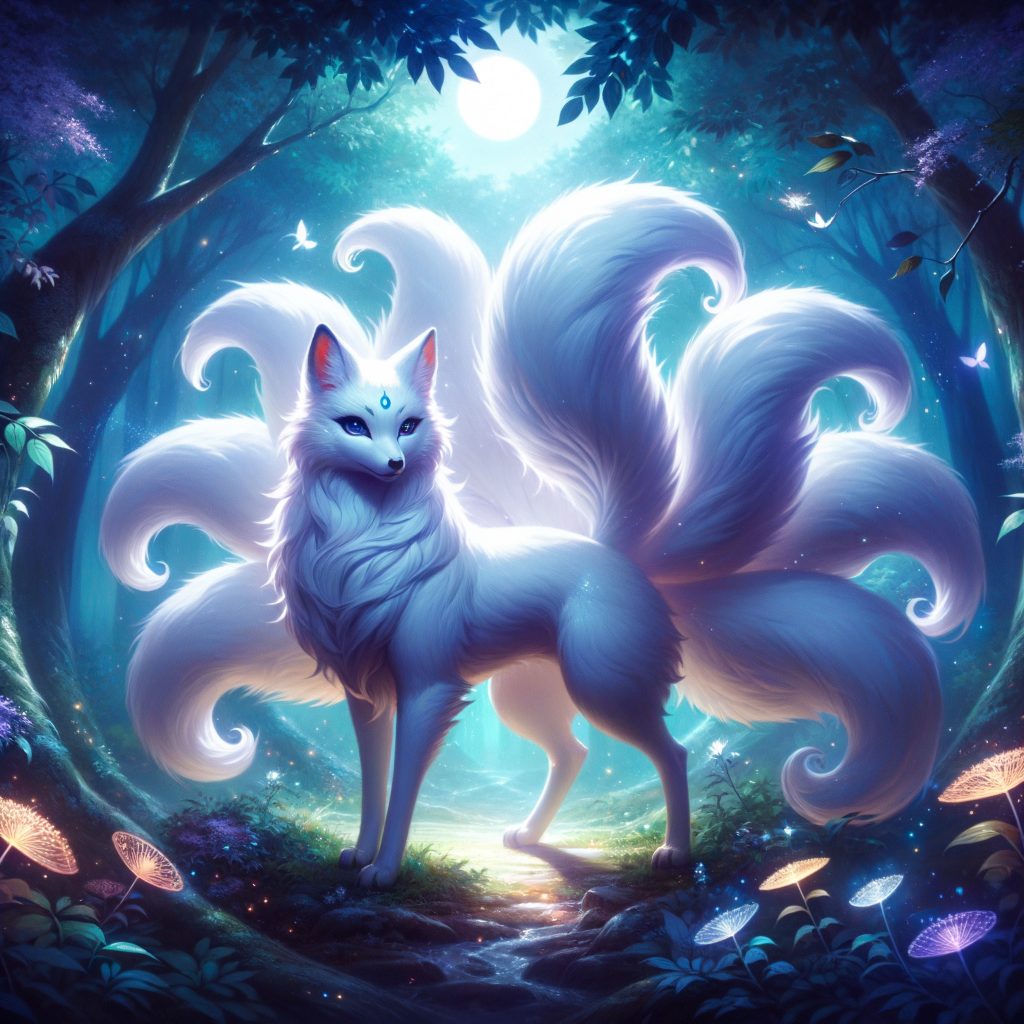
Foxes are clever enough in real life, but Japan’s legendary kitsune take intelligence to supernatural levels.
As magical fox spirits grow older, they gain additional tails and extraordinary powers, including the ability to transform into beautiful humans. Many stories describe kitsune perfectly imitating specific individuals, slipping unnoticed into villages and homes.
Not every kitsune is malicious. Some become loyal companions or protectors, while others enjoy harmless tricks. But the more mischievous ones delight in deception, creating elaborate illusions or impersonating people so convincingly that even close relatives are fooled.
One moment you’re chatting with your spouse. The next, mythology suggests your spouse might actually be a centuries-old fox who just wanted free dinner and some entertainment.
Fortunately, legends often claim subtle clues reveal the disguise. Mirrors, shadows, or a briefly visible fox tail might expose the illusion—assuming you remember to check before discussing family finances.
3. Púca (Irish Folklore)
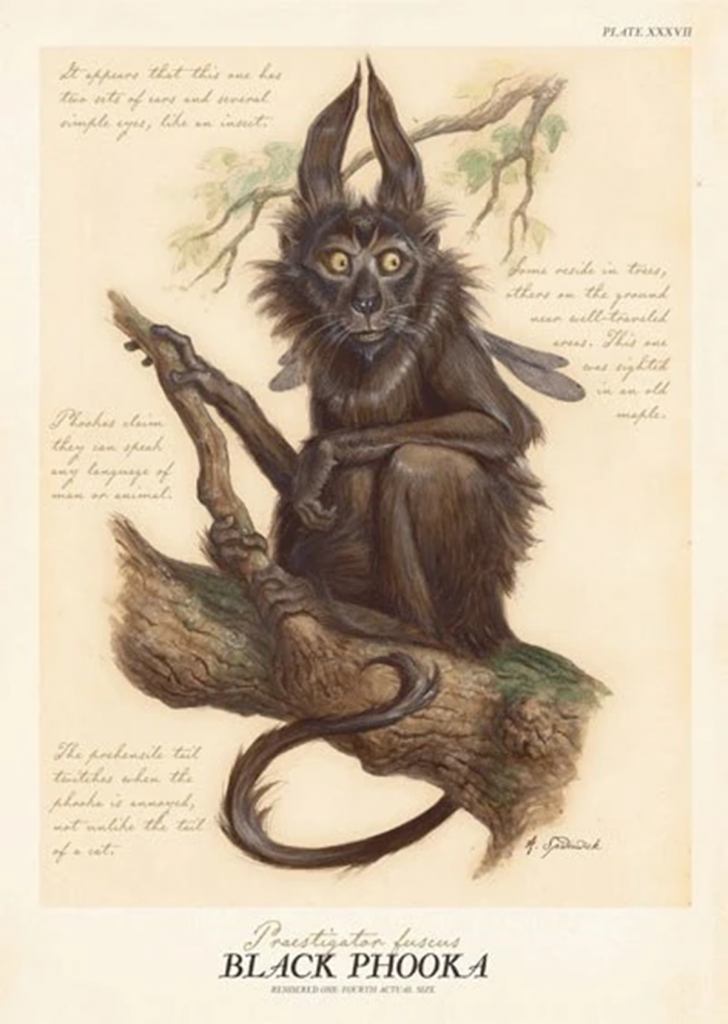
Ireland’s púca is proof that shape-shifters don’t believe in sticking to one disguise.
This unpredictable supernatural being can appear as a horse, rabbit, goat, dog, eagle, or human, depending entirely on its mood. Some tales describe the púca borrowing familiar faces to confuse travelers or lure people into dangerous situations.
Unlike purely evil monsters, the púca has a complicated personality. It may help someone one day and terrify them the next. Think of it as the mythical equivalent of someone who enjoys practical jokes but occasionally escalates them into life-changing experiences.
The creature’s constantly shifting appearance symbolizes the unpredictable nature of luck itself. Since nobody could ever be entirely sure who—or what—they were speaking to, people learned to approach strangers with caution.
Considering how often people already mistake acquaintances for complete strangers in grocery stores, perhaps humanity has been unintentionally preparing for the púca all along.
4. The Noppera-bō (Japanese Folklore)
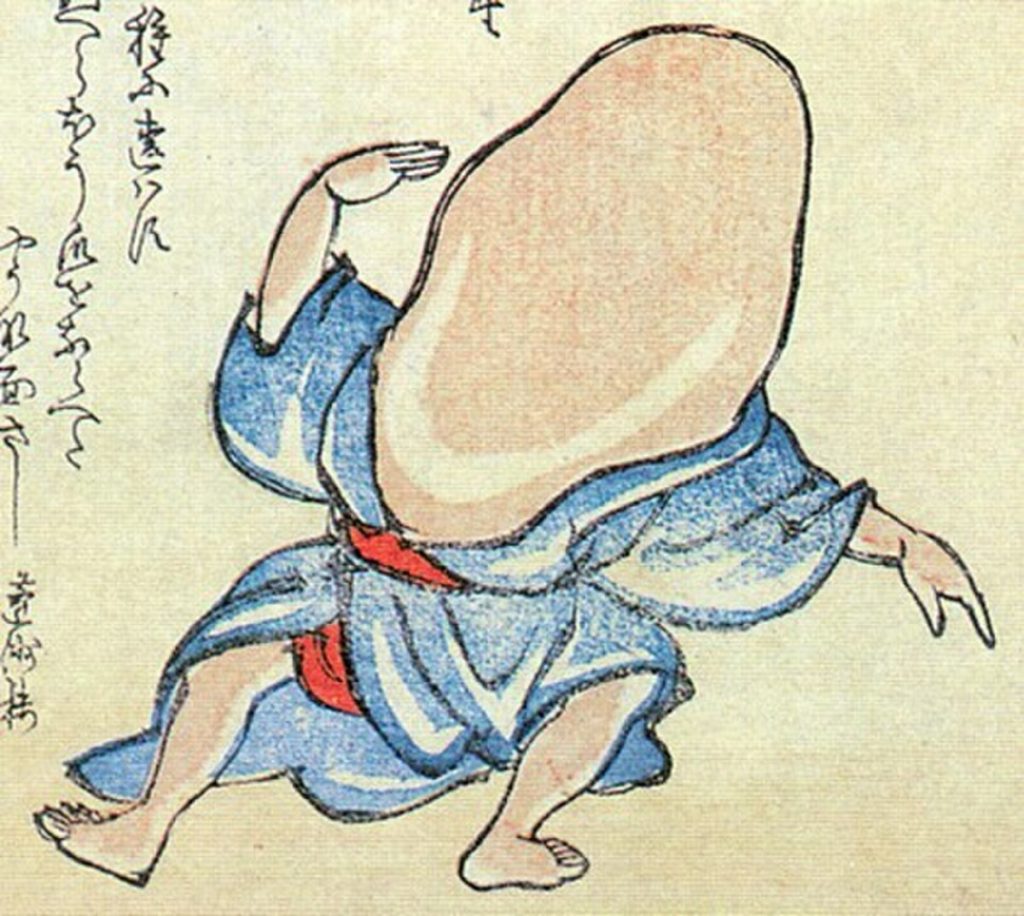
The noppera-bō doesn’t steal your face because it wants to wear it.
It steals the comfort of knowing what a face should look like.
At first glance, this mysterious spirit appears completely ordinary. It may resemble a traveler, a friend, or someone asking for directions. Then, just as you begin feeling comfortable, its facial features vanish completely. No eyes. No nose. No mouth. Just smooth skin where a face should be.
Some stories suggest multiple noppera-bō work together, each disguised as ordinary people until revealing their horrifying appearance one after another.
Unlike many monsters, they rarely attack physically. Instead, they rely almost entirely on psychological terror. Their power comes from transforming familiarity into something deeply unsettling.
It’s hard to forget a conversation with someone whose entire face suddenly hits the supernatural equivalent of a delete button.
5. Selkies (Scottish and Irish Folklore)

Selkies are seal people who can shed their skins to become extraordinarily beautiful humans.
Unlike many entries on this list, they usually aren’t interested in replacing anyone’s life. However, legends frequently describe them slipping effortlessly into human communities, forming relationships, and living among people without revealing their true identity.
Many stories involve humans stealing a selkie’s magical sealskin, trapping them in human form. Others tell of selkies voluntarily leaving the sea for love before eventually returning to the ocean.
The myth explores themes of hidden identity and belonging. Someone who appears completely human may secretly long for another world entirely.
If your significant other suddenly disappears every time there’s an unusually strong tide, mythology recommends asking a few carefully worded questions.
6. Rakshasas (Hindu Mythology)
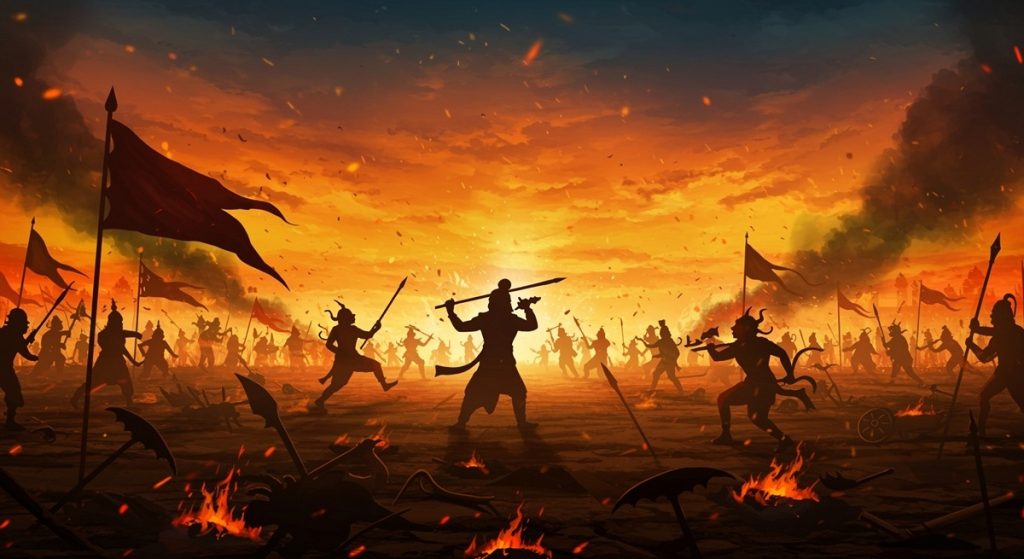
Rakshasas are among mythology’s most skilled masters of disguise.
These powerful supernatural beings possess remarkable magical abilities, including changing their appearance into virtually any human form. Many ancient stories describe rakshasas infiltrating kingdoms, deceiving heroes, or manipulating events while disguised as trusted allies.
Unlike playful tricksters, these beings often use impersonation for strategic purposes. A convincing disguise allows them to sow confusion, exploit weaknesses, or lure victims into dangerous situations before revealing their true monstrous nature.
Some are portrayed as terrifying villains, while others are honorable or even protective, demonstrating that not every rakshasa fits the same mold.
The lesson appears repeatedly throughout Hindu mythology: wisdom requires looking beyond appearances, because the kind-looking stranger offering help could secretly have claws, supernatural strength, and entirely different plans for your afternoon.
7. Changelings (Celtic Folklore)
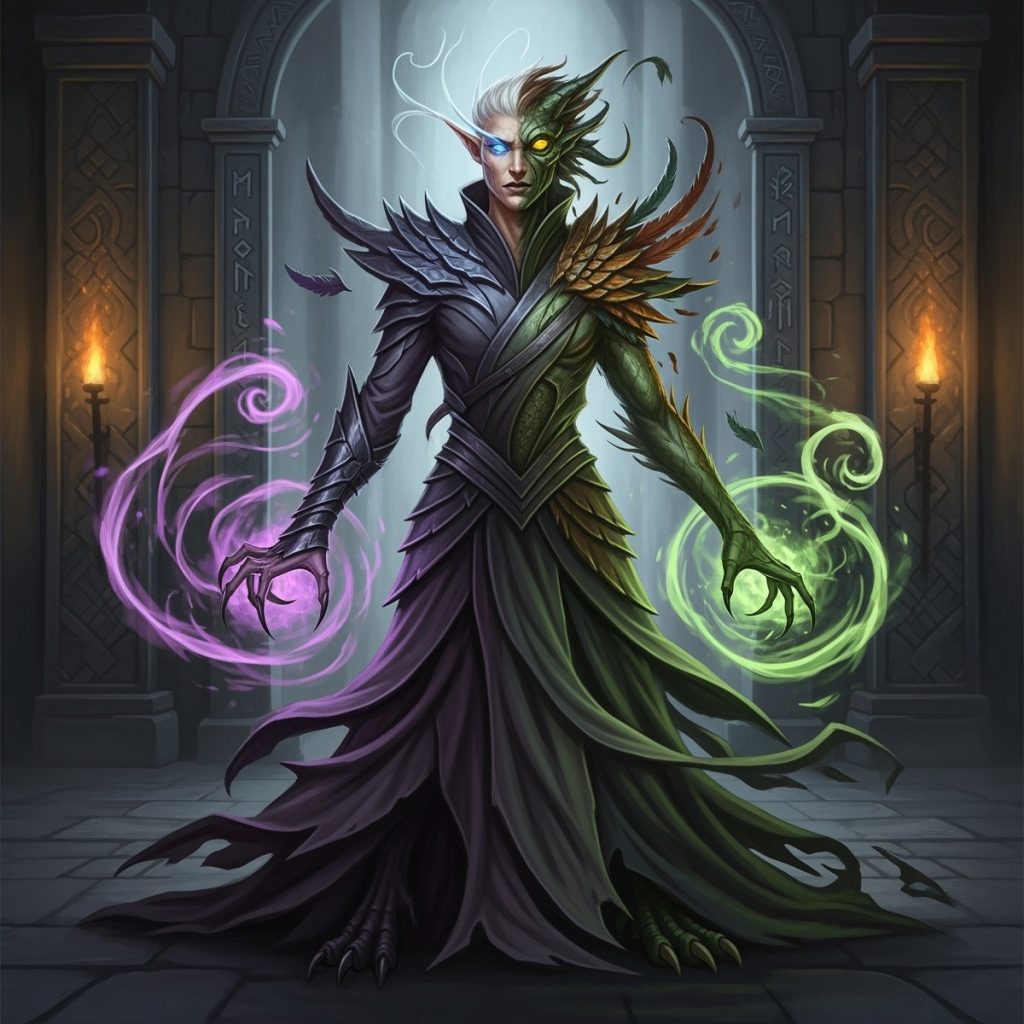
Imagine putting your baby down for a nap and later suspecting that the child who woke up wasn’t actually yours.
That’s the chilling foundation of changeling legends.
According to Celtic folklore, fairies occasionally stole human infants—or sometimes adults—and replaced them with magical substitutes that looked nearly identical. These changelings often behaved strangely, displaying unusual intelligence, odd personalities, or mysterious illnesses that worried their families.
While modern understanding recognizes many historical explanations behind these beliefs, the myths reflected genuine fears surrounding unexplained changes in loved ones.
The changeling legend remains one of Europe’s most haunting identity myths because it suggests that perfect appearances can hide profound differences. Everything looks familiar, yet something feels undeniably wrong.
It’s perhaps the oldest recorded version of saying, “They’re just… not acting like themselves lately.”
8. Tikbalang (Philippine Mythology)
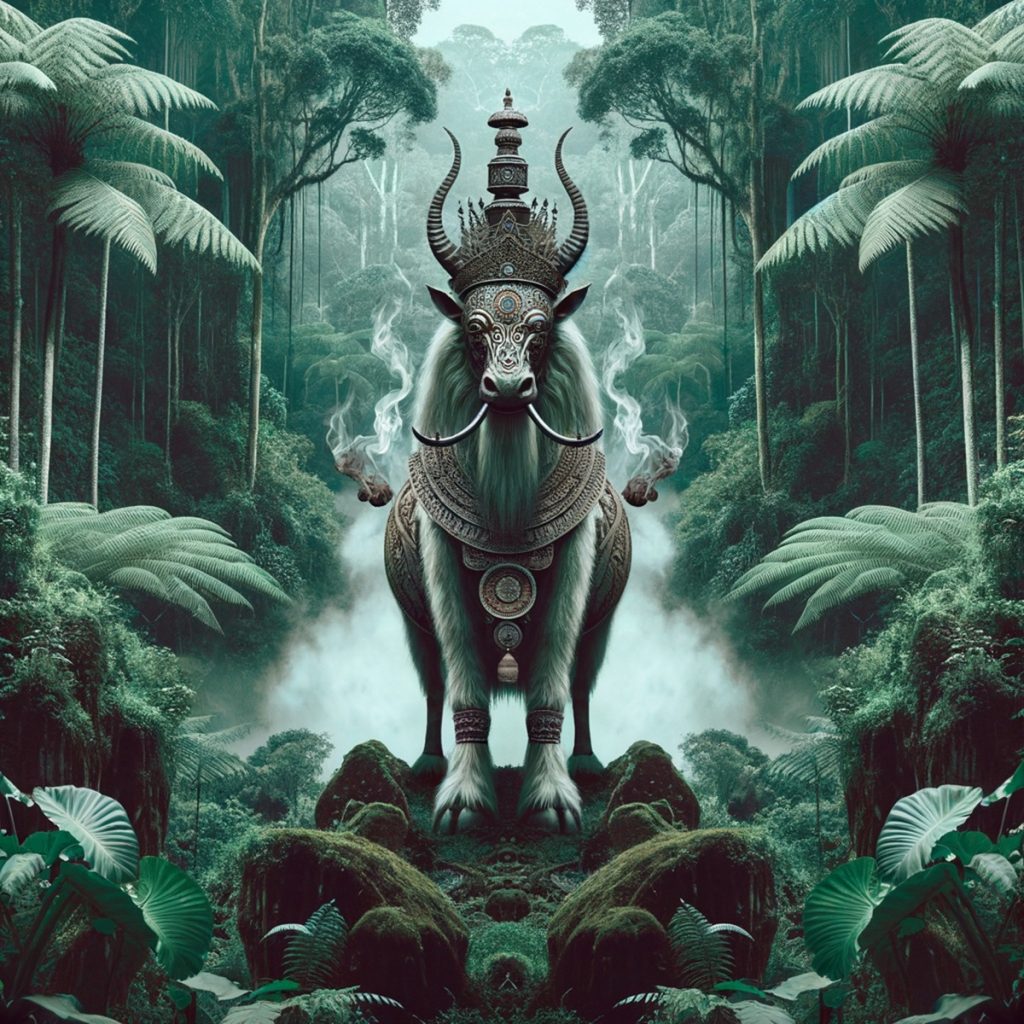
The tikbalang is famous for its horse-like appearance, but its greatest weapon isn’t brute strength—it’s confusion.
According to Philippine folklore, this towering creature enjoys leading travelers astray. Through supernatural illusions, it can manipulate what people see, causing them to lose their way even on familiar paths.
Some regional stories describe the tikbalang disguising itself or altering perceptions so thoroughly that victims cannot trust their own senses. Familiar roads suddenly become endless loops, landmarks disappear, and reality itself seems to shift.
The creature doesn’t necessarily need your face to disrupt your life. It simply changes your understanding of the world until you no longer know where you are—or whom to trust.
Anyone who’s confidently walked in the wrong direction while insisting they “definitely know a shortcut” may find the tikbalang’s sense of humor suspiciously relatable.
9. The Wendigo (Algonquian Folklore)
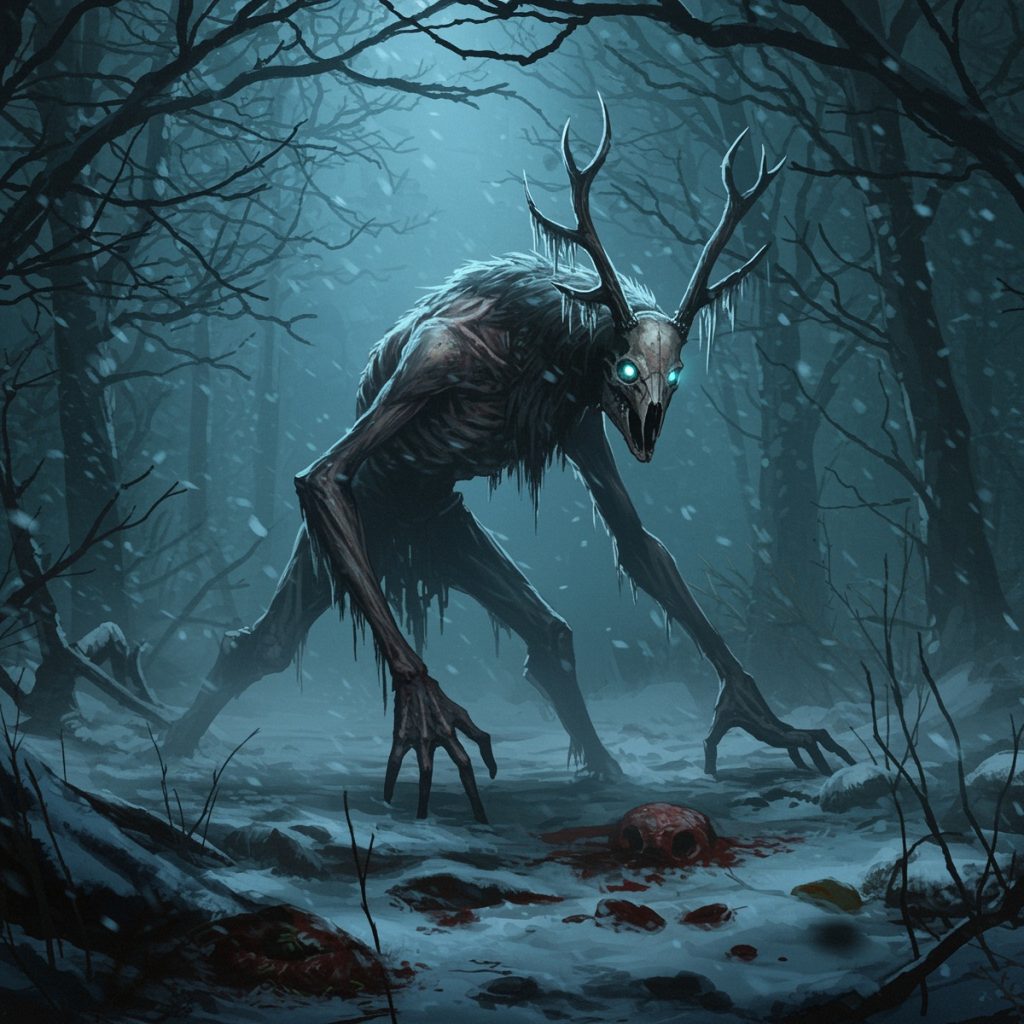
The wendigo is best known as a terrifying symbol of insatiable hunger, but some traditional stories also describe it as capable of imitating human voices or appearing deceptively familiar to lure victims.
Rather than openly announcing its presence, the creature may call out using the voice of someone you know, drawing unsuspecting people deeper into isolated forests. Imagine hearing a friend calling for help—only to discover something ancient and dangerous was doing the talking.
The wendigo represents more than physical transformation. In many traditions, becoming one means losing your humanity entirely as overwhelming greed or hunger consumes your identity.
In that sense, it steals more than your life—it steals who you are.
It’s a reminder that not every monster needs your face. Sometimes, all it needs is your voice.
10. The Baku (Japanese Mythology)
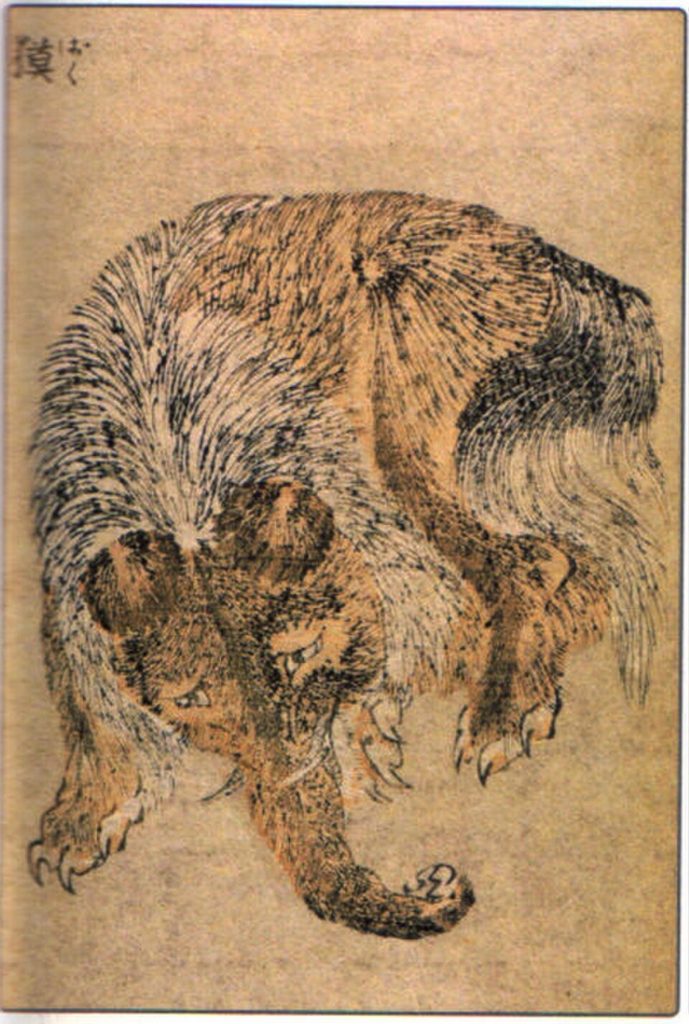
Ending on a gentler note, the baku technically steals something from you—but it’s actually doing you a favor.
This mythical dream-eating creature consumes nightmares, relieving sleepers of terrifying dreams before they linger into the next day. However, folklore warns against becoming too dependent on calling a baku. If it finishes your nightmares and remains hungry, it may begin consuming your hopes, ambitions, or even pieces of your identity.
Rather than stealing your face outright, the baku reminds us that even beneficial magic can come with unintended consequences. Balance matters—even in mythology.
It’s a wonderfully strange concept: calling a supernatural creature into your bedroom specifically to eat your nightmares, only to realize you may have accidentally invited the mythical equivalent of someone who keeps raiding your refrigerator after finishing dessert.
Thankfully, unlike many shape-shifters on this list, the baku usually leaves you looking exactly the same—even if your dreams become noticeably emptier afterward.

Lover of good music, reading, astrology and making memories with friends and spreading positive vibes! 🎶✨I aim to inspire others to find meaning and purpose through a deeper understanding of the universe’s energies.