

Much of Greek culture and beliefs are present all over the world. So much so that often we can’t tell where the local ends and the Greek begins!
This also goes for superstitions.
The ancient Greeks adopted some of them from the Near East, while others are native to them.
Either way, we all know them by heart!
1. The Evil Eye Is Always Watching
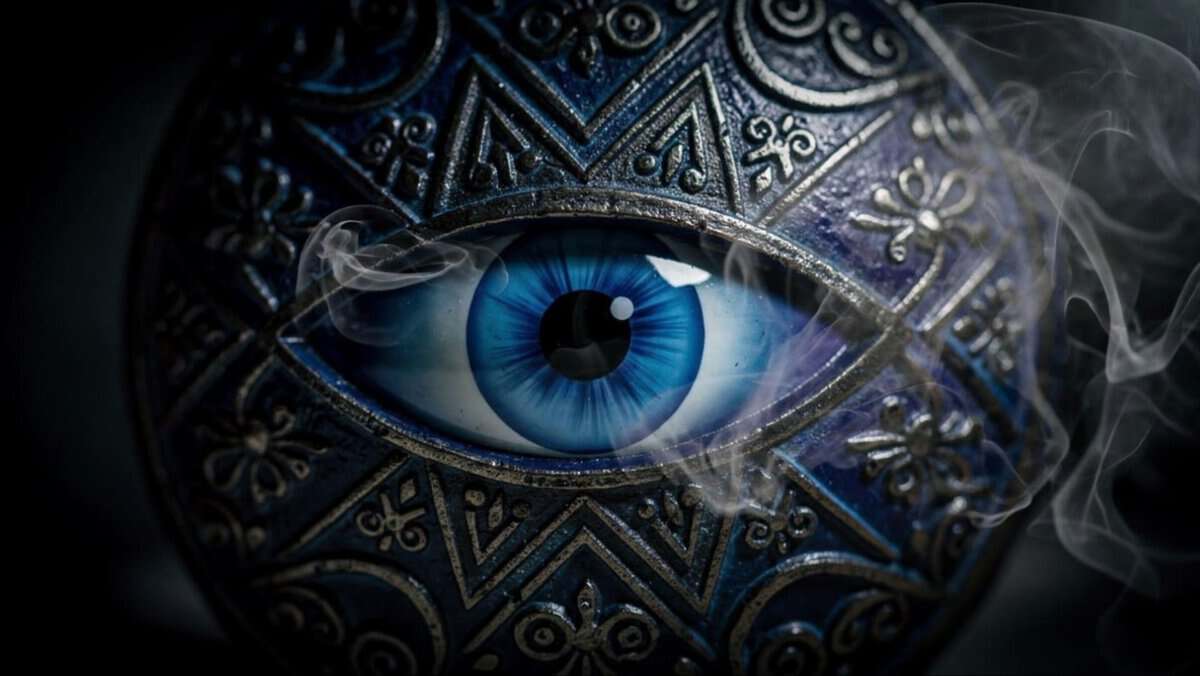
Often, you’ll see people wearing the blue glass eye pendant around their neck. The evil eye, or the mati, can also be kept in your car, your wallet, and some people even place them around the house.
You’ll find people wearing these objects all over Greece, Turkey, and the Near East.
The superstition rests on the belief that someone’s envy, even unintentional, can bring you mala suerte o enfermedad.
They didn’t even have to mean you any harm, but the negative energy is quick to catch on.
Even if people cumplido you too enthusiastically, it’s considered that these spirits might attack, so the eye is meant to repel all of that.
That’s why Greek homes are filled with these protective charms.
2. Spitting Wards Off Bad Luck

When you break a mirror or invite bad luck some other way, spitting three times is believed to keep you safe.
Again, complimenting someone, especially infants and children, is considered dangerous because, according to superstition, beauty and success invite bad spirits.
So, if a compliment slips you, expect any Greek person to symbolically spit three times to cancel out the jinx.
Also, people turn to this superstition when someone gets a new car or moves into a new house.
At its core, this silly act is actually deeply cuidado. When someone rushes to clear your jinx, it means they want the best for you!
3. Wedding Almonds Under the Pillow
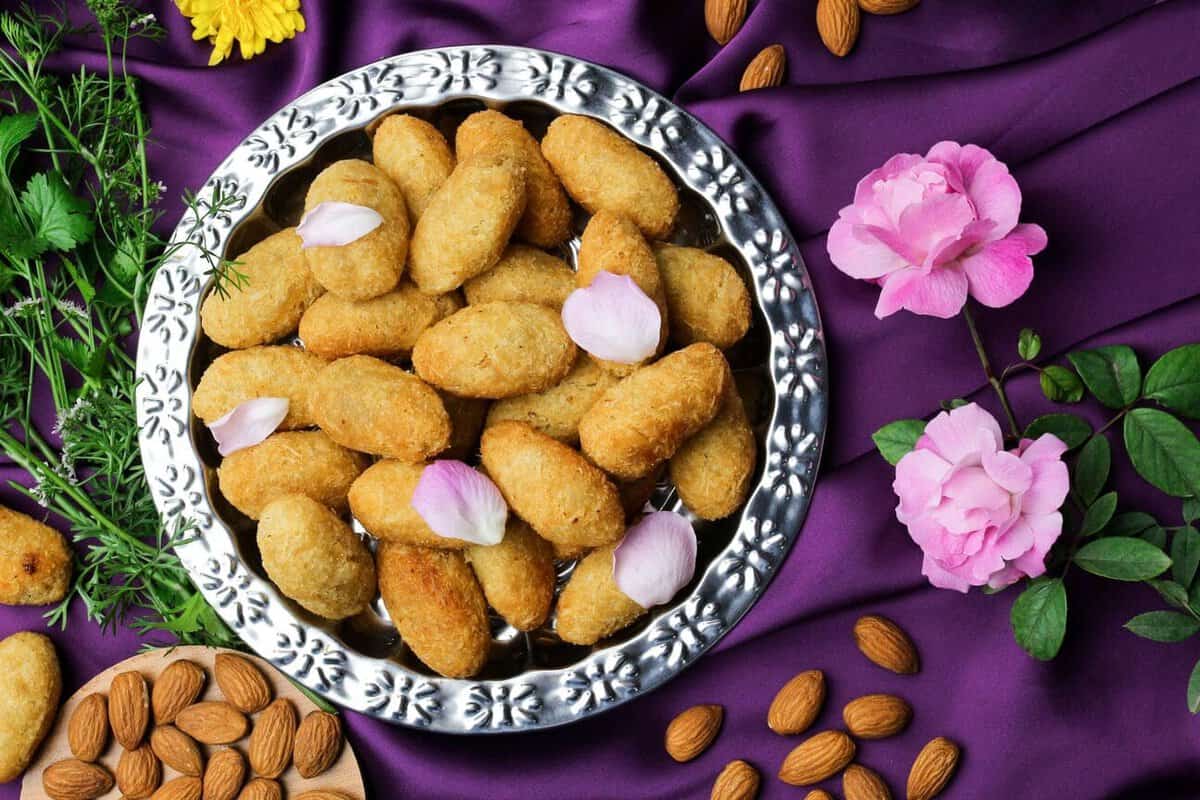
Wedding almonds, or koufeta, can typically be seen at Greek weddings, but that’s not all they’re for. There’s an old superstition tied to them, too.
A single woman is said to tuck a few sugared almonds under her pillow, and they would help her sueño of her future husband.
The custom ties back to the symbolism of koufeta in Greek weddings, where the bitterness or the raw almond and the sweetness of sugar represent the hardship and joy found in marriage.
Mind you, the almonds always need to come in odd numbers because they represent something that can’t be divided, as well as good luck and fertility.
When you place them under your pillow, you’re borrowing some of that fortunate energy for yourself.
4. How to Hand Someone a Knife or Scissors
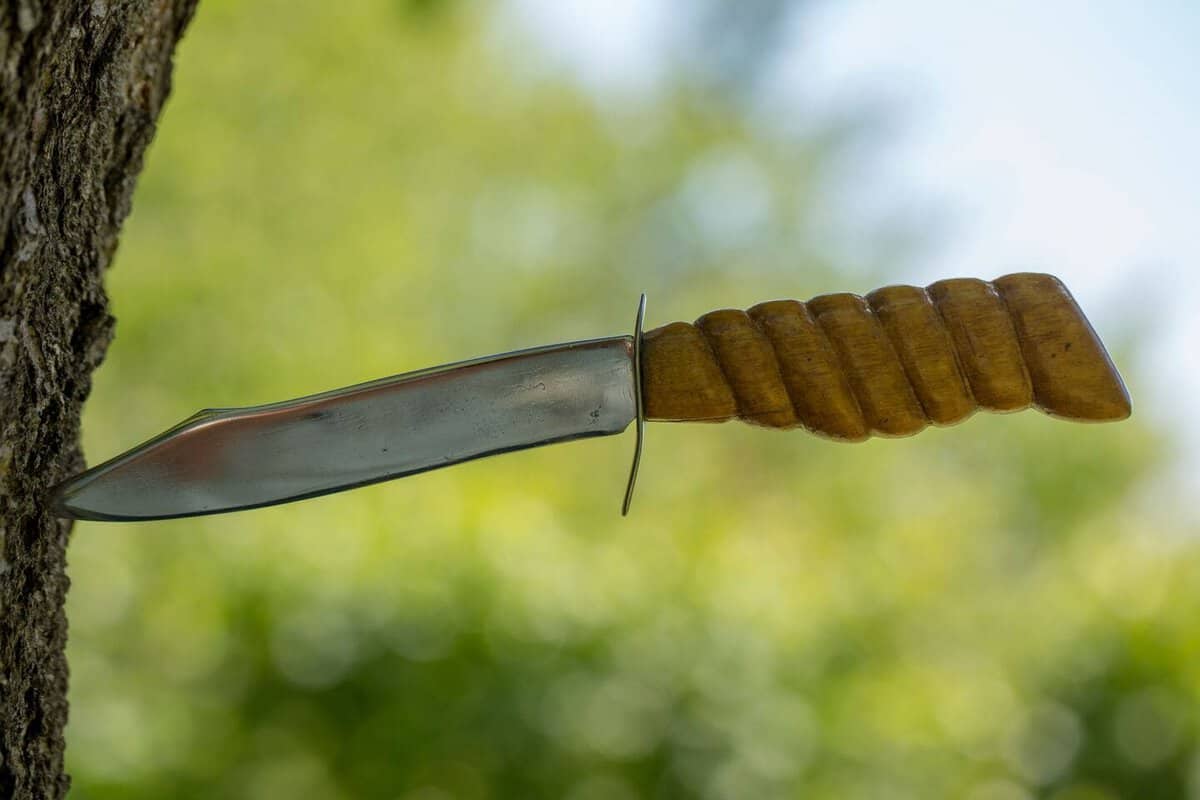
Everyone knows that it’s bad manners to hand someone a knife by pointing the sharp end at them, but did you know this codex came from a superstition?
In fact, in Greece, handing these sharp objects directly, hand to hand, is avoided altogether. Instead, when someone asks to borrow a knife, you place it on the counter and let them pick it up.
If you don’t, the tradition says you’re inviting an argument or bad luck.
Sharp objects are believed to cut the bond and the goodwill between people if exchanged carelessly.
5. An Itchy Palm Tells You Things About Money
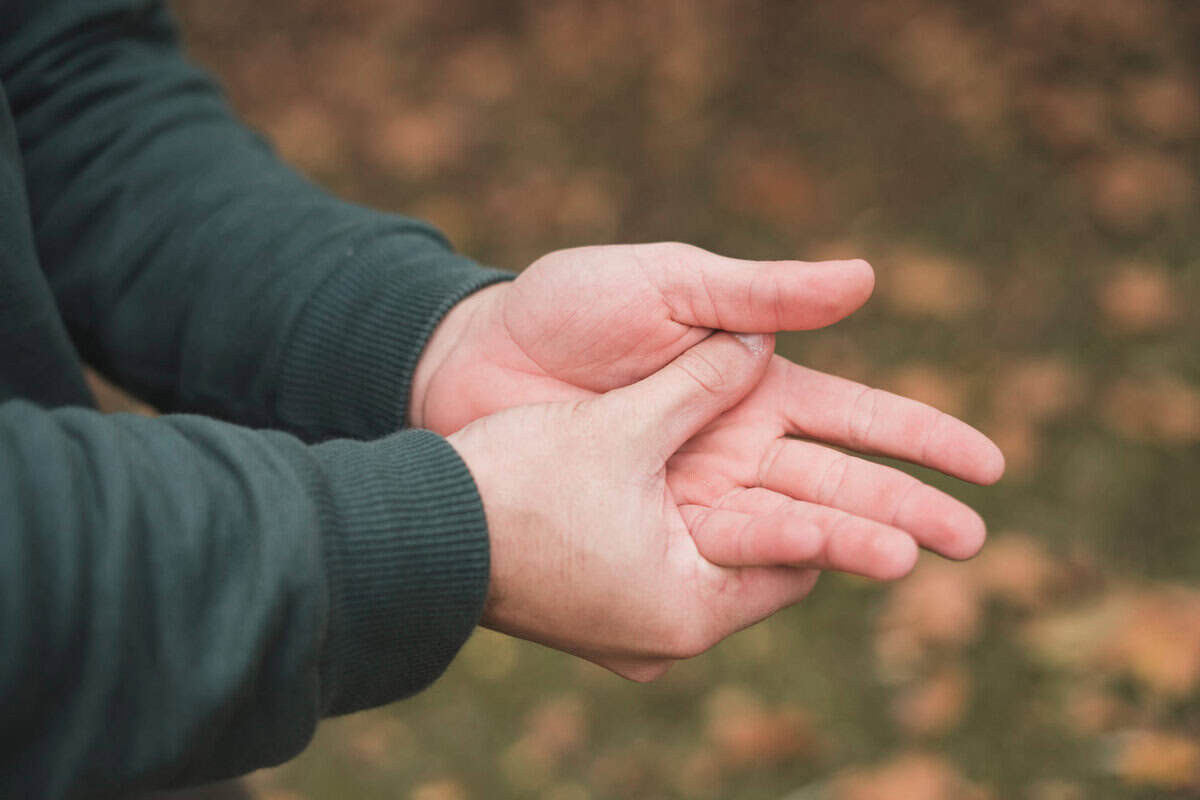
The superstition around an itchy palm goes both ways when it comes to money. One palm tells you that dinero es coming in, while the other predicts gasto.
The issue is, no one can agree which palm is which! Every person you meet might tell you a different story.
Some people claim the right palm means you’ll have money coming your way, while others swear it’s the left.
This is a small and playful superstition that turns something ordinary into a moment of anticipación.
It’s lasted this long because of confirmation bias. The moment your gasto palm itches, you might remember all the expenses that still await you this month!
6. Hanging an Onion for New Year’s Luck
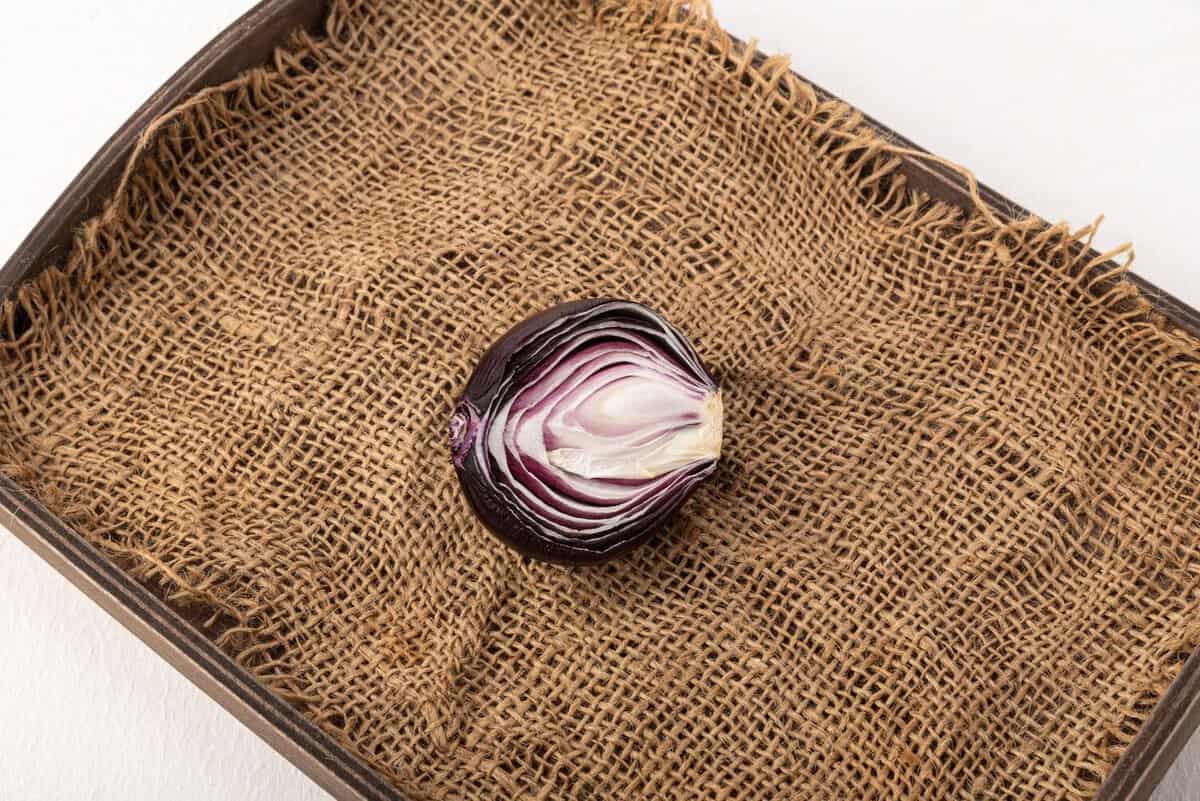
If you even find yourself at a Greek house on January 1st, you might find something unusual hanging from the front door: an onion.
The superstition goes that onions bring good luck and prosperity in the coming year.
Onions were historically seen as a symbol of rebirth and growth, since they sprout and regenerate even without soil.
On New Year’s morning, in some families, kids are even gently tapped on the head with the onion to pass the vitality directly onto them!
It’s such a small and humble gesture, but so rich with meaning!
It shows that luck doesn’t need to be elaborate. All you need is intention and symbolism.
7. The First Visitor in the New Year

The very first person to step through your front door on New Year’s Day matters a lot.
Esto es podariko, and they bring good luck to the home, essentially shaping the prosperity of the whole year ahead.
Because of this superstition, families are often deliberate about who they invite in first. It’s supposed to be someone who’s warm, generous, and a good friend of the family.
It can also be a beloved relative, and in some cases, the oldest person in the house would step out and symbolically knock on the door, playing the first visitor.
This custom shows how much beginnings matter, and how important it is to carefully choose who you allow into your life.
8. Breaking a Mirror Spells Misfortune
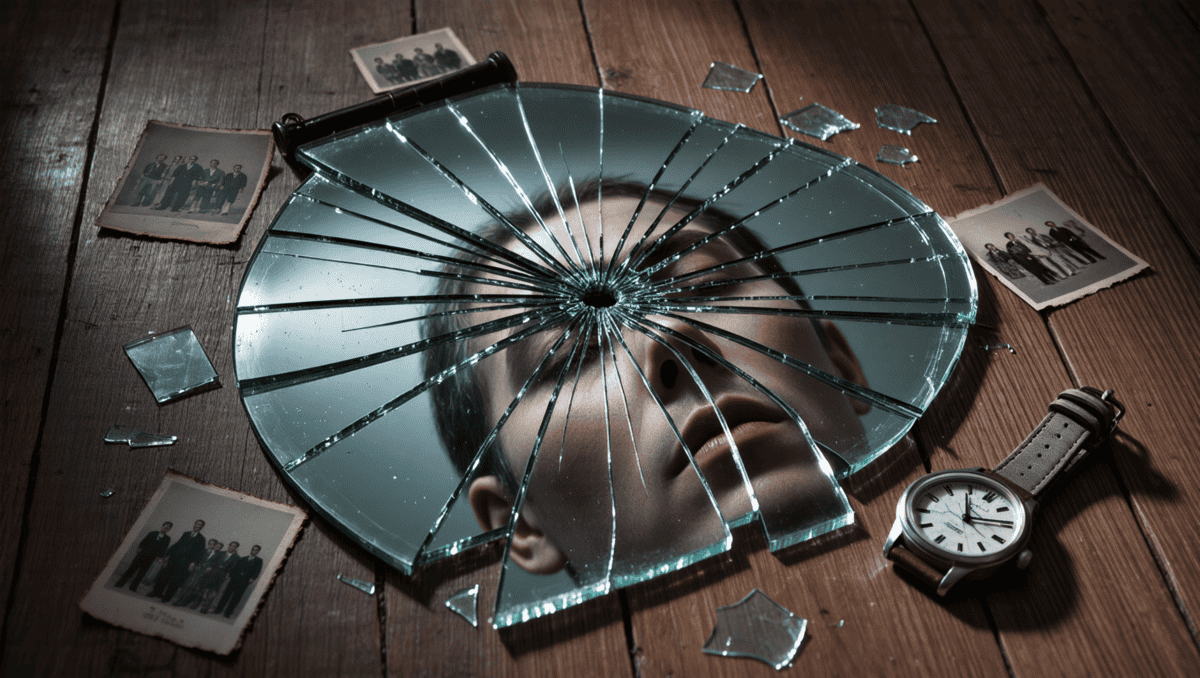
Everywhere in the world, a broken mirror is a very bad sign. When it happens, people know they must brace themselves for years of potentially bad luck.
This superstition carries a lot of weight in Greece, since mirrors were historically thought to hold a piece of a person’s soul, so breaking it was spiritually disruptive!
Some people even have a protocol for what they do after breaking a mirror.
For instance, there’s a belief that leaving the broken pieces overnight is better than sweeping them immediately, because that’s meant to soften the misfortune.
Sometimes, the broken pieces are also buried.
This is one of those beliefs that live rent-free in all our heads, no matter our age.
9. Don’t Trim Your Nails After Dark
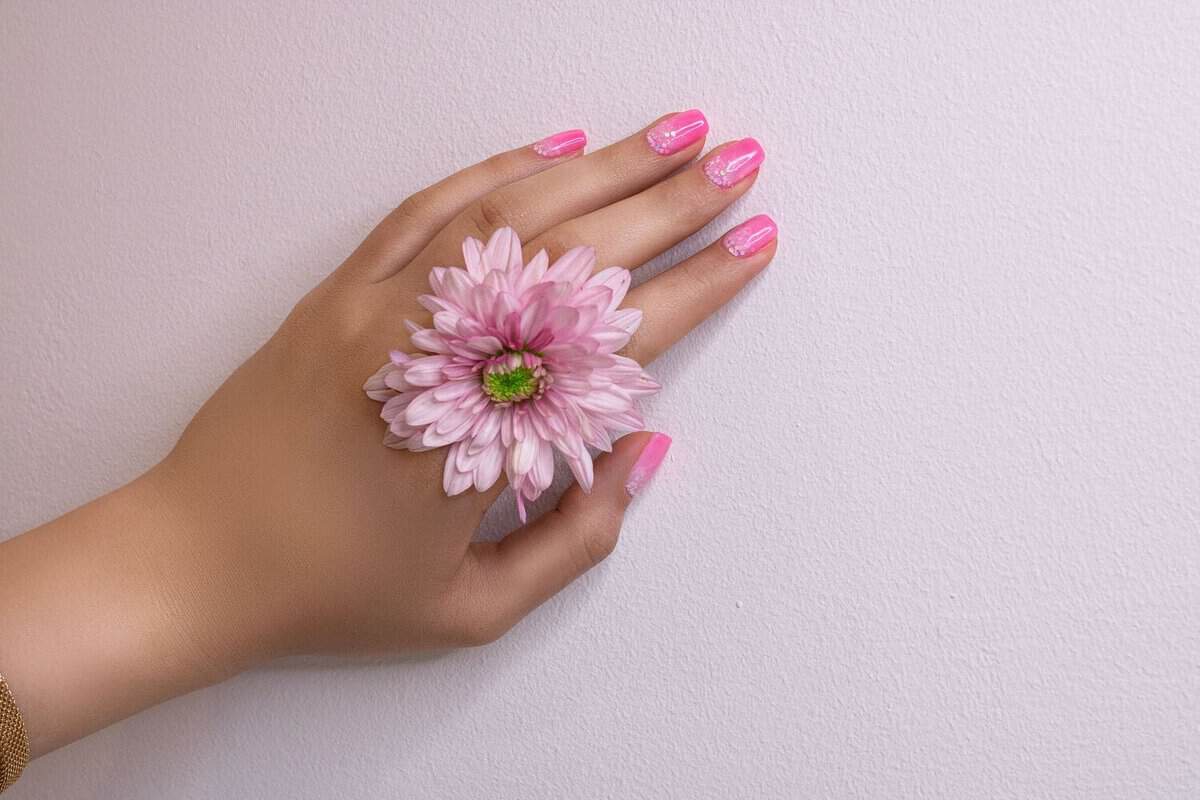
Cutting your nails at night, after the sun goes down, is considered bad luck.
Most people can’t really explain this superstition, but they will still insist you put off your nail care until the morning.
This belief might have had practical roots, long ago, before electricity, when doing anything in the dark could lead you to accidentally hurt yourself.
However, it’s also believed that cutting nails or hair is essentially shedding parts of yourself, so at night, when the dark spirits are active, that can invite trouble.
Either way, it shapes the behavior of countless people, who wouldn’t be caught grooming their nails at night, no matter what.
10. Don’t Sweep the House After Sunset

Superstition forbids many things after the sun goes down, and sweeping with a broom is one of them.
It’s believed that you’re sweeping your luck and prosperity right out with the dust when you do it after dark.
Daylight represents opportunity and abundance, and disturbing the home once that light is gone risks disturbing the blessings that came with it.
So, instead, do your cleaning in the morning or at noon.
It’s a small ritual of disciplina, as well, because it prompts people to get their chores done in time instead of waiting for the eleventh hour.

A little Aquarius, devoted to writing and embroidery. Through my writing, I hope to empower readers to align with their true selves and navigate life’s mysteries with confidence.