
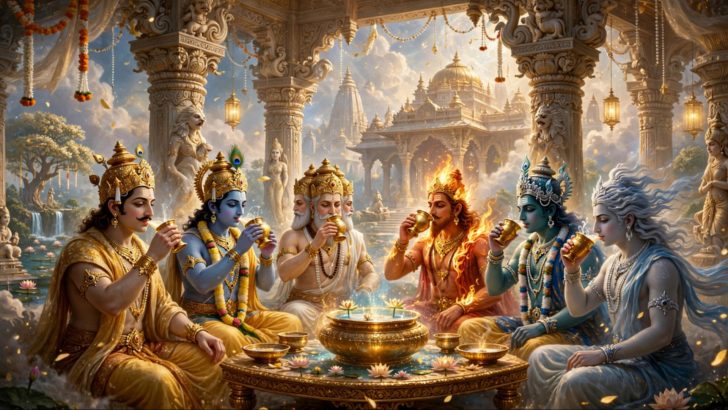
Every ancient civilization pictured its gods feasting and drinking, and even demanding food from mortals.
Often, the divine needed specific food to sustain them.
They also ate for pleasure, since they’re often offered sacrifices by those who worship them. Food created a sense of intimacy and devotion between people and their gods.
So, what did the divine actually eat?
1. Greece
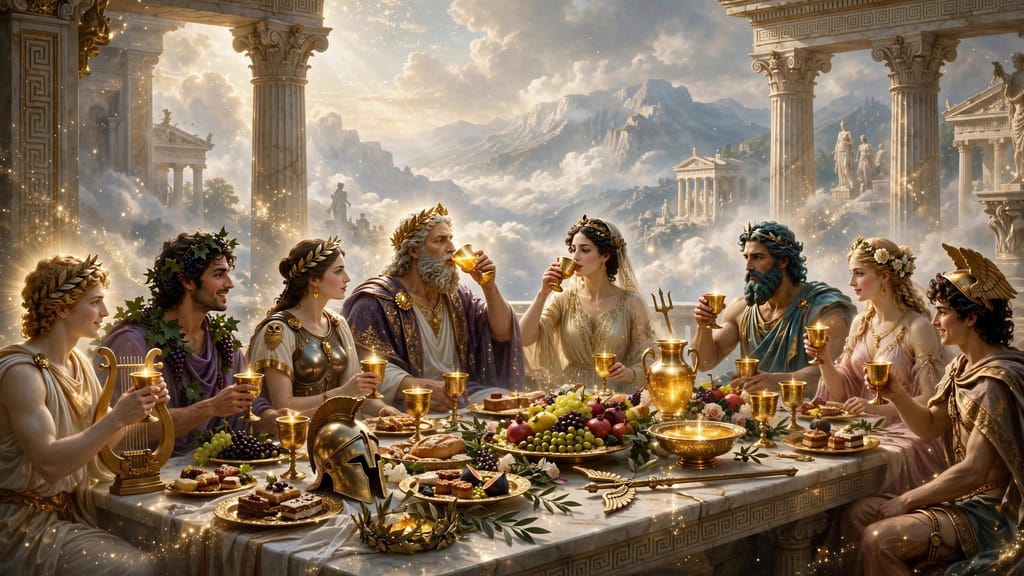
Greek gods drank nectar and ate ambrosia, and mythology confirms that these were the source of their immortality.
Even mortals who accidentally consumed them were rumored to become divine themselves, or at least gain unnatural strength and beauty.
The Greeks believed that nectar ran through the deities’ veins instead of blood, creating something that’s called ichor. That golden substance made them fundamentally different from humans.
So, nectar wasn’t just food but an identity.
It’s what made god a god, in a biological sense.
Ambrosia was often described as incredibly sweet and fragrant, unlike anything mortals could prepare.
When it came to sacrifices, ancient Greeks didn’t offer their deities ambrosia but meat.
It was a practical arrangement, where skin, bones, and the burning fire would be meant for the gods, while the meat could be eaten by the people.
2. Egypt
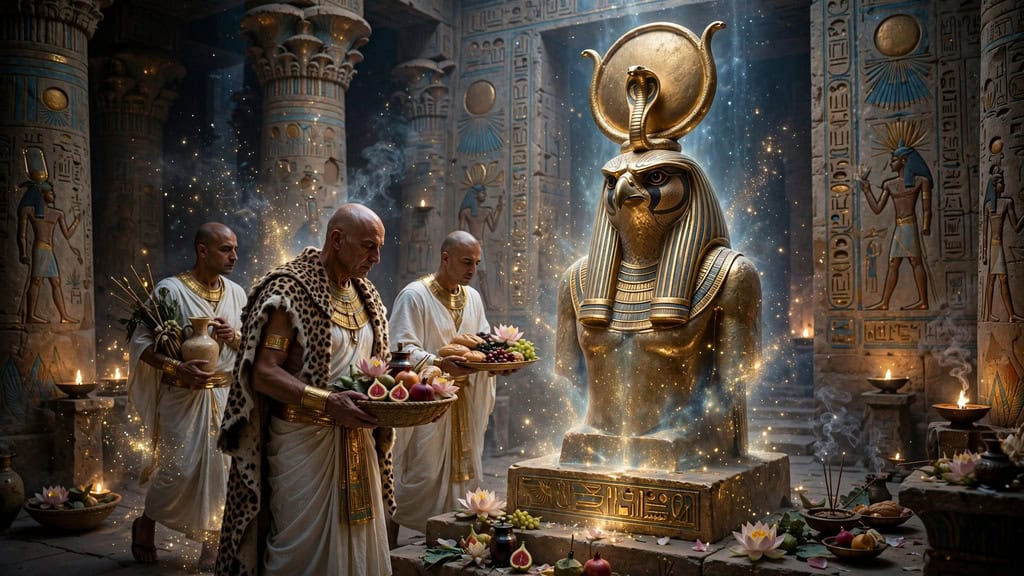
Ancient Egyptian religion took food offerings very seriously; they considered it a literal service for the divine.
Temples were believed to be physical vessels for their gods, and priests treated their statues as living beings who needed to be fed and washed daily.
Bread, beer, meat, vegetables, and fruit were placed before the statues during rituals, sometimes multiple times a day.
The priests would speak to the deities as though they’re bringing food to an honored guest.
They believed that deities absorbed el nourishment from food; no one expected the statues to actually eat it.
Still, the offerings never went to waste. After the essence was absorbed, the priests would actually eat the food.
Beer was especially sacred and specifically linked to Hathor.
Grain was connected to Osiris, the god of the afterlife and agriculture.
3. Mesopotamia
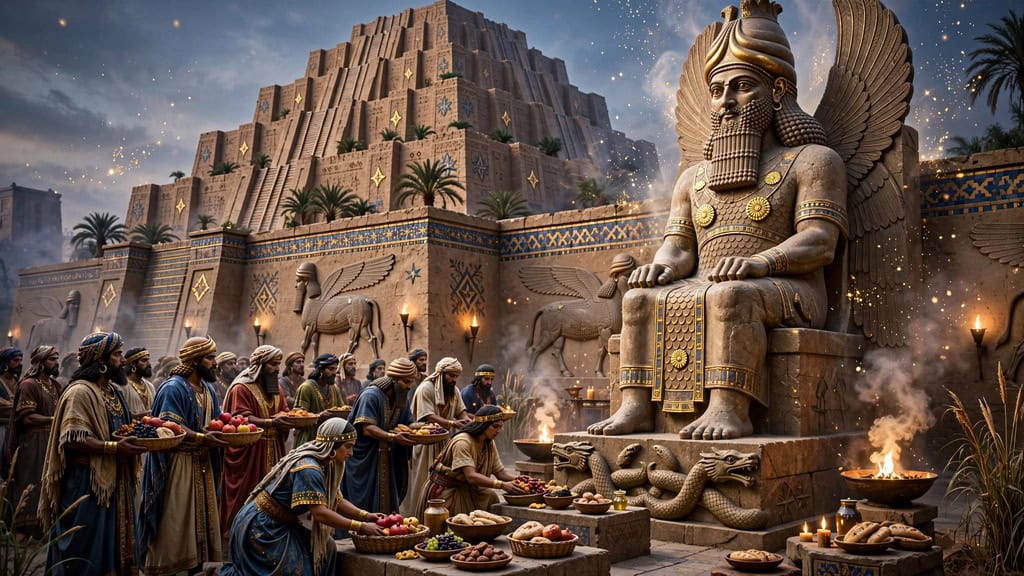
Sumerian and Babylonian gods were quite relatable when it comes to food. They were described as truly hungry, and sometimes even angry when their offerings were late.
Priests prepared large portions of food daily, which included meat, bread, dates, beer, y wine.
These were laid out before the statues of Marduk or Enlil.
Some myths even describe deities literally smelling the aroma of sacrifices and hovering around.
For instance, during great floods, people had no way to prepare offerings, so when they were finally able to feed the deities again, the gods swarmed the food.
This reveals something interesting: the divine actually needed humans to bring them food.
It’s a balanced relationship that influenced temple economies; many resources went toward feeding the deities and the priesthood.
4. Scandinavia
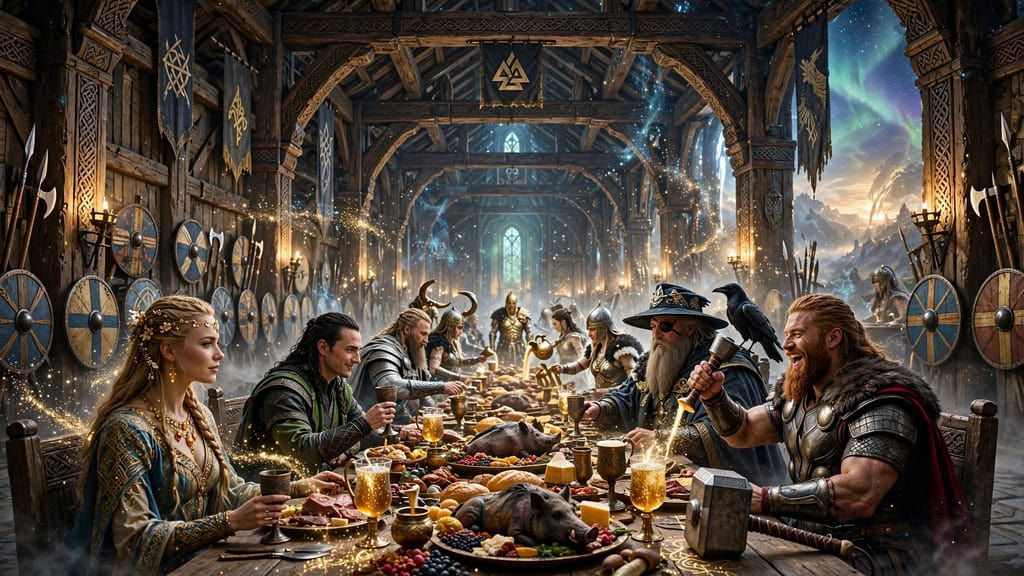
Norse gods feasted like warriors.
In Valhalla, fallen warriors feasted on endless meat every night. It came from Sæhrímnir, a boar that got slaughtered and eaten every single day, only to regenerate again in the morning.
Odin himself ate nothing, but he did consume a lot of wine. He gave his food to the two wolves at his side.
Mead has a very special place in Norse mythology, too.
The Mead of Poetry is said to grant wisdom to anyone who drinks it. Dwarves brewed it from the blood of the beings they killed.
Idunn’s golden apples are very important because they kept the deities youthful and strong, which is why they were carefully guarded.
5. Aztec Civilization
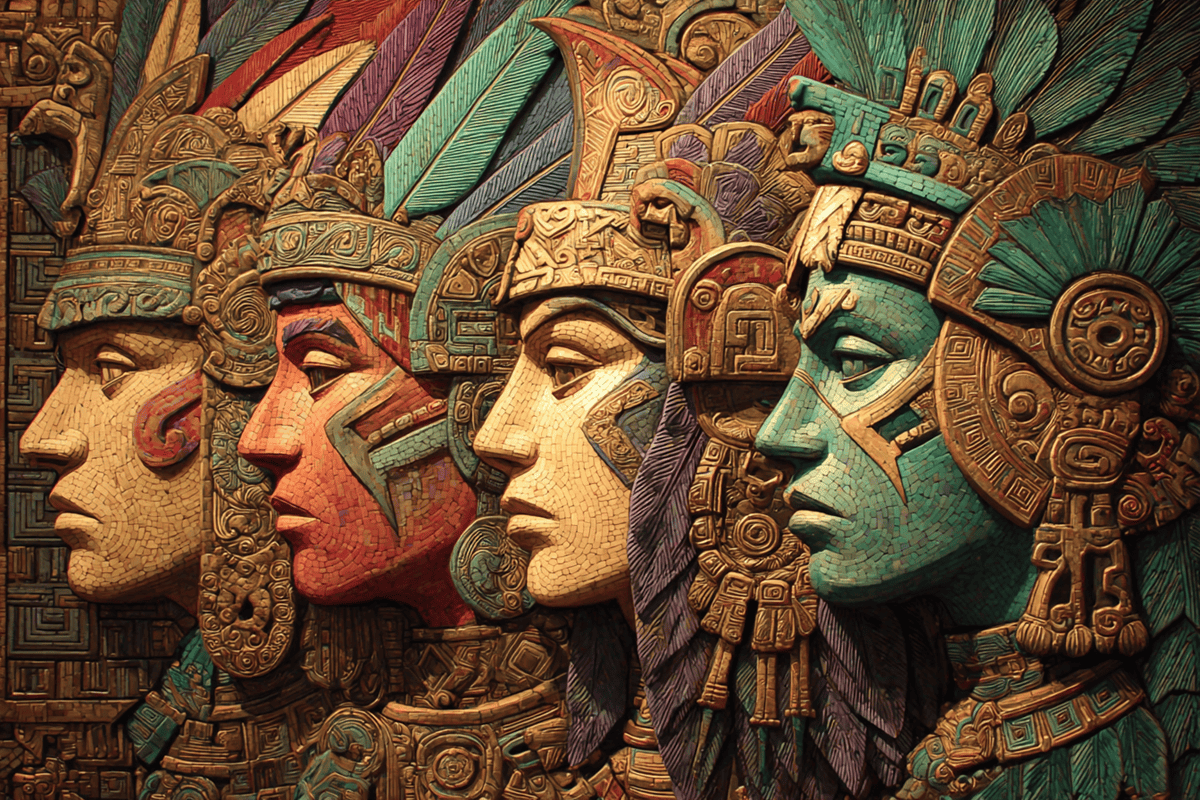
The Aztec religion built an entire cosmology around feeding the divine!
Corn was by far the most important food, considered a literal gift from the gods. Offerings of corn, tamalesy pulque were made constantly to keep divine favor.
Pulque is a sacred fermented drink.
However, the Aztecs believed their deities needed something much stronger to keep the sun rising: human blood and hearts.
These were ritualistically offered to deities like Huitzilopochtli.
In their worldview, the deities sacrificed themselves to create the world and keep it running, so the sacrifice humanity offered needed to be equally as costly.
Aside from this intense practice, flowers and incense were brought to the temples every day.
6. Hindu Tradition
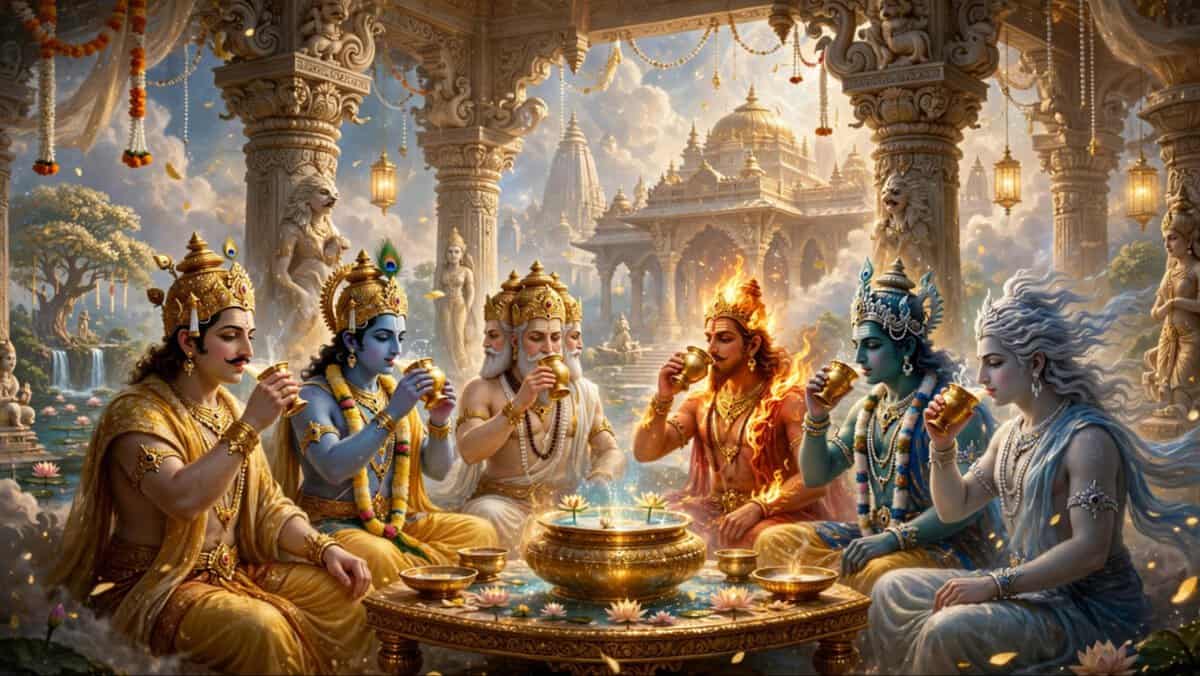
Hindu mythology has its own version of nectar. Amrita is the nectar of immortality, and it emerged during the churning of the cosmic ocean.
Gods and demons fought over the sacred drink. Whoever drank amrita became immortal.
Soma was both a sacred plant and a drink. It’s closely associated with Vedic rituals, believed to grant clarity and power.
Offerings to Hindu deities today still involve fruit, sweets, rice, y milk. These offerings are blessed during worship and then shared among devotees as a gift from the divine.
This cycle of giving and receiving creates an interesting relationship between the people and their deities.
Food is a bridge that keeps them connected every day.
7. China

In ancient China, peaches of immortality were the favorite food of the gods, and they were said to ripen only once every few thousand years.
They grew in the heavenly garden of Xiwangmu, the Queen Mother of the West.
Eating just one granted eternal life, and the trickster Monkey King famously stole and ate some straight from heaven’s orchard.
Beyond myth, Chinese families offer incense and specific dishes in rituals devoted to gods and ancestors alike.
They also believed the spirits absorbed the essence, while the food was left for the living to consume.
The Jade Emperor was honored with rich offerings during festivals. Rice, tea, y wine also constantly appear as sacred gifts.

A little Aquarius, devoted to writing and embroidery. Through my writing, I hope to empower readers to align with their true selves and navigate life’s mysteries with confidence.