
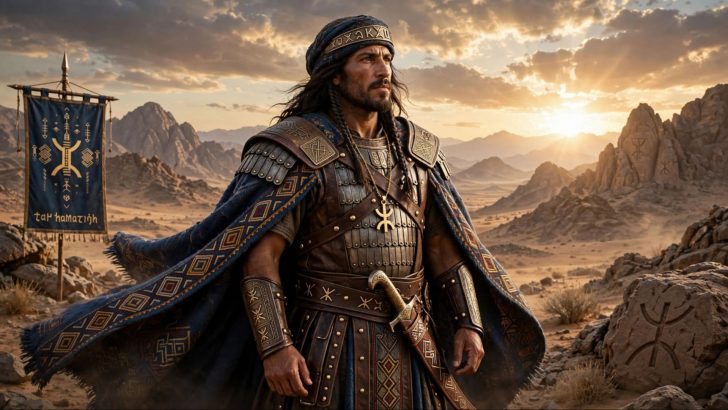
For thousands of years, the Amazigh people of North Africa have been telling myths about creation, protection, sacrifice, and the connection between people and the land that sustains them.
They’re also often called Berbers, and it’s likely you’ve never heard of them.
However, their rich mythology deserves our attention as much as the Greek or Egyptian!
1. The Origin of the Amazigh
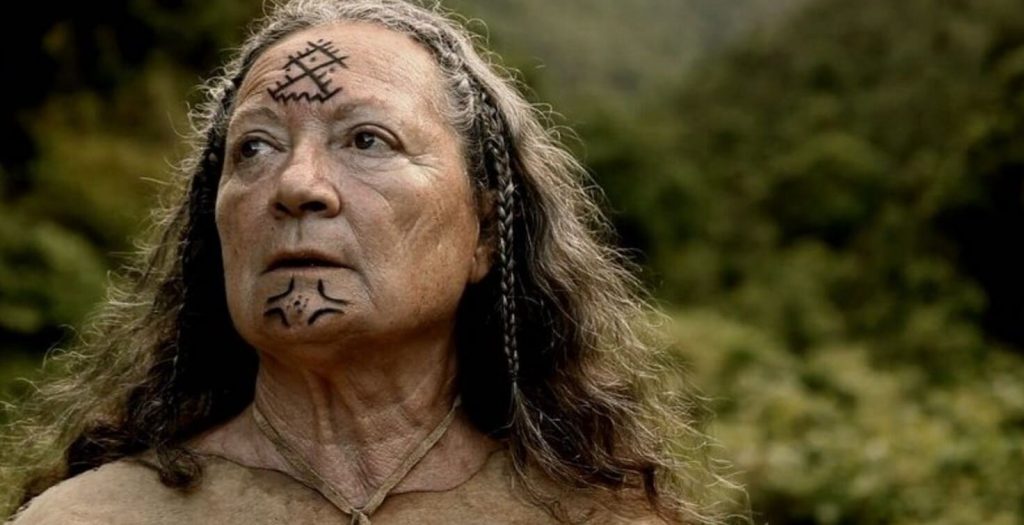
Every culture has a creation story, and the Amazigh mythology claims that its people rose straight out of the earth’s heart!
They were born from a union between the sky and the land.
Already, there’s so much beauty in this idea that they stand right between the earth and the heavens.
Their ancestors are even described as children of the sun and the mountains themselves, which reveals a lot about their values!
The stories highlight their resilience and toughness, but they also don’t try to fight against nature. Instead, they prioritize harmony with it.
The Amazigh creation myth is a story about belonging to the land and being made from it.
It doesn’t separate people from nature but fuses them together!
2. Tifinagh and the Sacred Writing
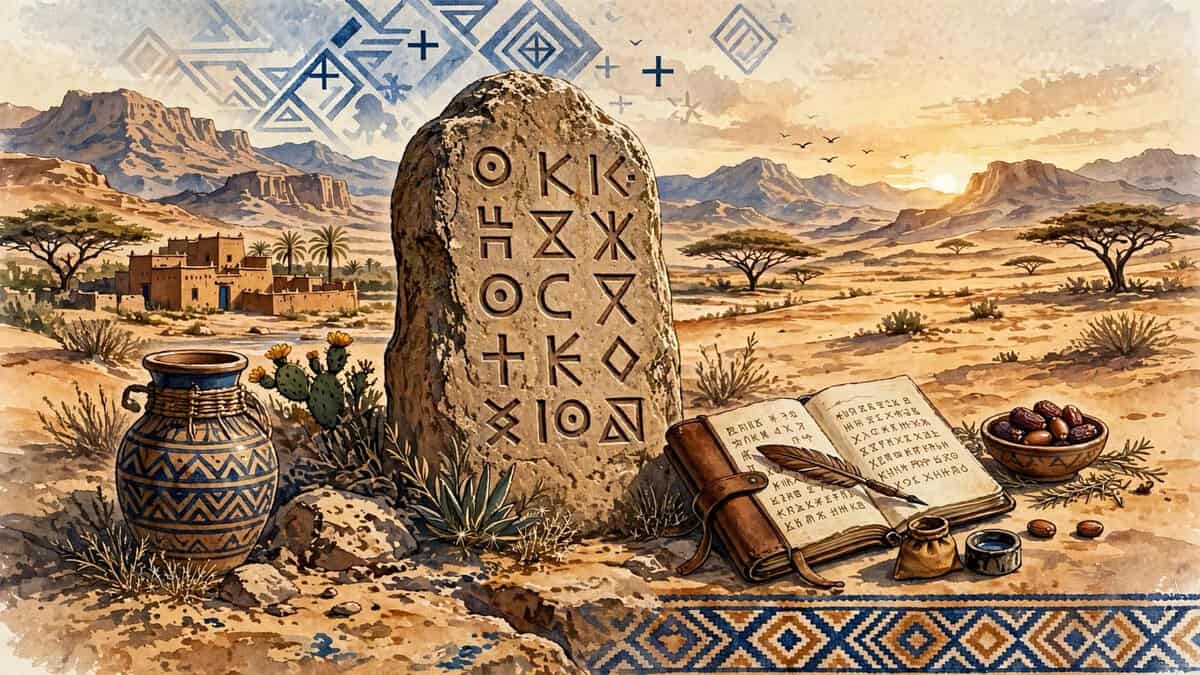
Tifinagh is the ancient script used to write the Amazigh language, and according to legend, it wasn’t invented but was superdotado a ellos by the gods!
It was handed down specifically so the people could preserve their language and culture for generations to come.
However, Tifinagh is said to carry actual mystical power within its symbols. It connects the realm of the living with the spirit world!
People believed that writing with Tifinagh connected them directly to their antepasados, keeping that relationship alive for as long as the script remains in use!
Many indigenous scripts have been systematically destroyed throughout history, and this myth highlights just how inseparable our scripts and languages are from our identity!
3. Atlas Mountain Guardians
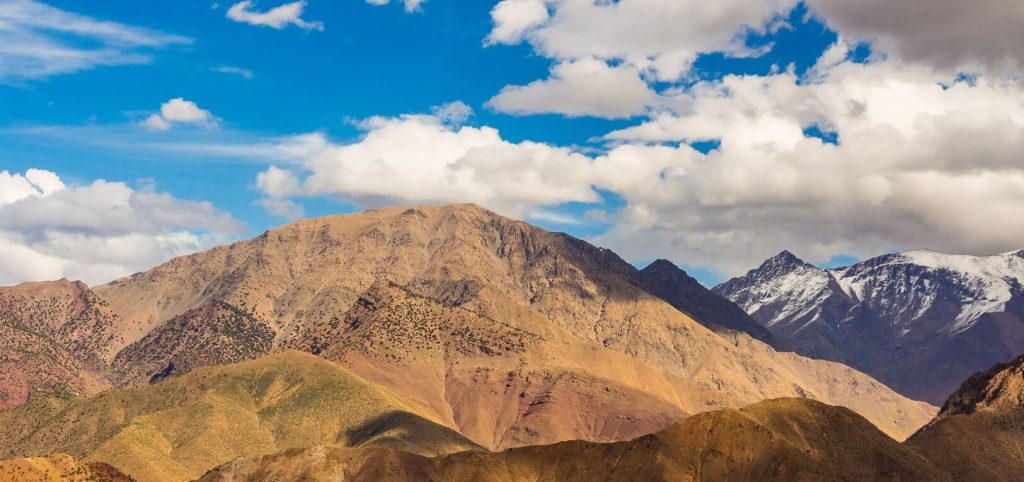
The Atlas Mountains stretch all across North Africa, and the Amazigh myth suggested they’re never empty; not even their most remote areas!
Powerful spirits are believed to watch over these mountains, acting as ancestral protectors of the land.
They keep evil spirits and outsiders away from Amazigh territory.
With this myth, we get another poetic view of nature. The Atlas Mountains aren’t seen as just a geographical feature but a wall of protection guarded by ancestors.
These people live in a harsh environment, but they’ve found a way to make it feel like a home.
4. The Legend of Aksel and the Water
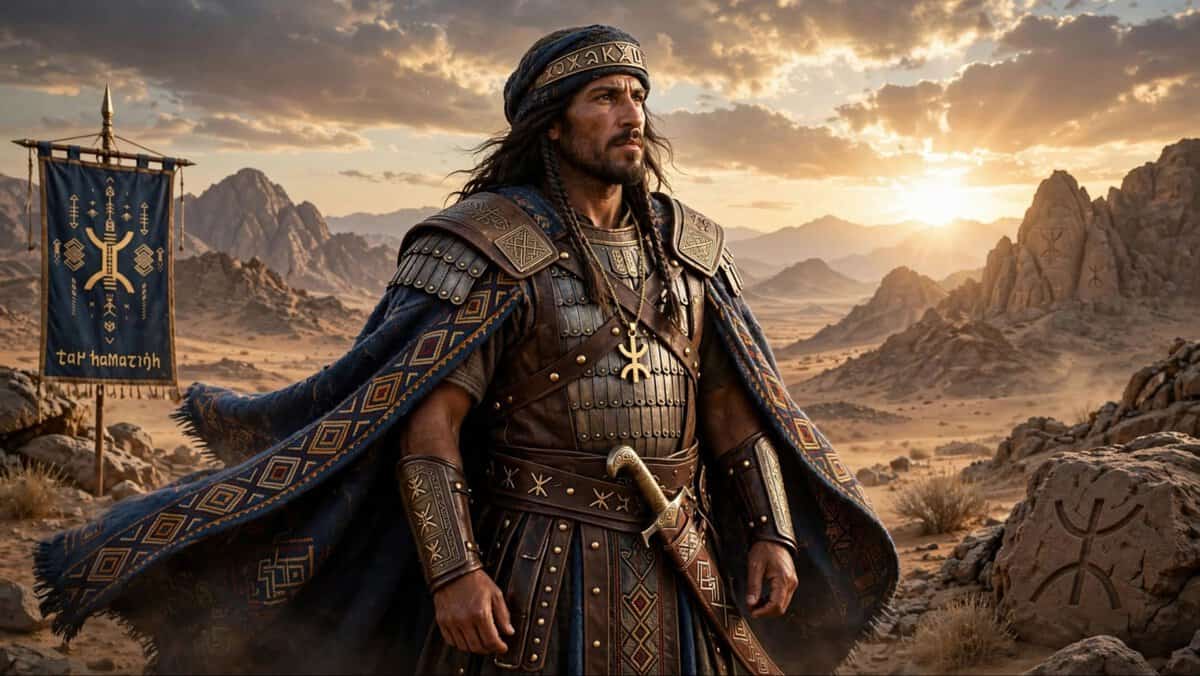
Aksel is a brave hero who’s willing to do the impossible. Every mythology needs a hero like that.
In this legend, he’s searching for sacred water that can grant eternal life. He faces many trials, each one testing his strength and will, and even his character.
But by the time Aksel reaches the sacred water, he realizes that his journey has changed him.
Eternal life no longer seems like the real quest; what actually matters is living in harmony with nature and having a loving community to turn to.
So, instead of drinking the enchanted water, Aksel walks away, having gained wisdom!
These exact values are present in numerous Amazigh myths.
It becomes clear that living together isn’t what we need; living meaningfully is!
5. Tislit, the Moon Goddess

Tislit is the moon goddess in Amazigh mythology.
She’s believed to watch over women and children specifically, sending her gentle light a proteger ellos.
Travelers moving through the darkness are said to rely on her, too. Her light guides them, keeping malicious spirits away.
Unlike the moon goddesses we’re familiar with, power isn’t the highlight when it comes to Tislit. She’s nurturing, pure, and tender.
All over the world, the moon is connected with energía femenina, and the Amazigh mythology fits into this pattern.
It just gives it a softer edge, presenting the goddess as a caretaker rather than a ruler.
6. The Sacred Olive Tree
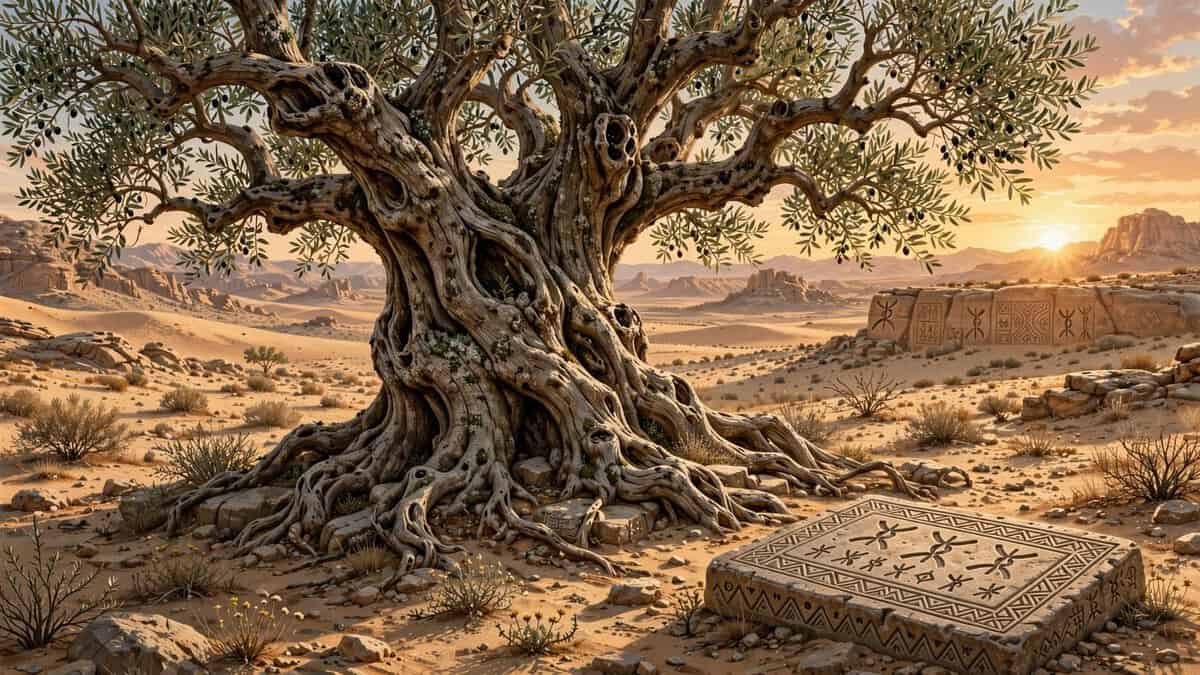
The olive is treated as a sacred tree in numerous mythologies around the world, but the Amazigh see their sacred olive tree as another gift from the gods.
This is why they view the tree as a symbol of peace and wisdom.
On the other hand, its roots reach deeper than you’d expect, all the way into the underworld!
It represents the physical connection between the world of the living and the ancestors who have moved on.
Every branch reaching toward the sky is balanced by roots reaching toward the dead. It connects past and present into a living organism!
7. The Fire of Imazighen
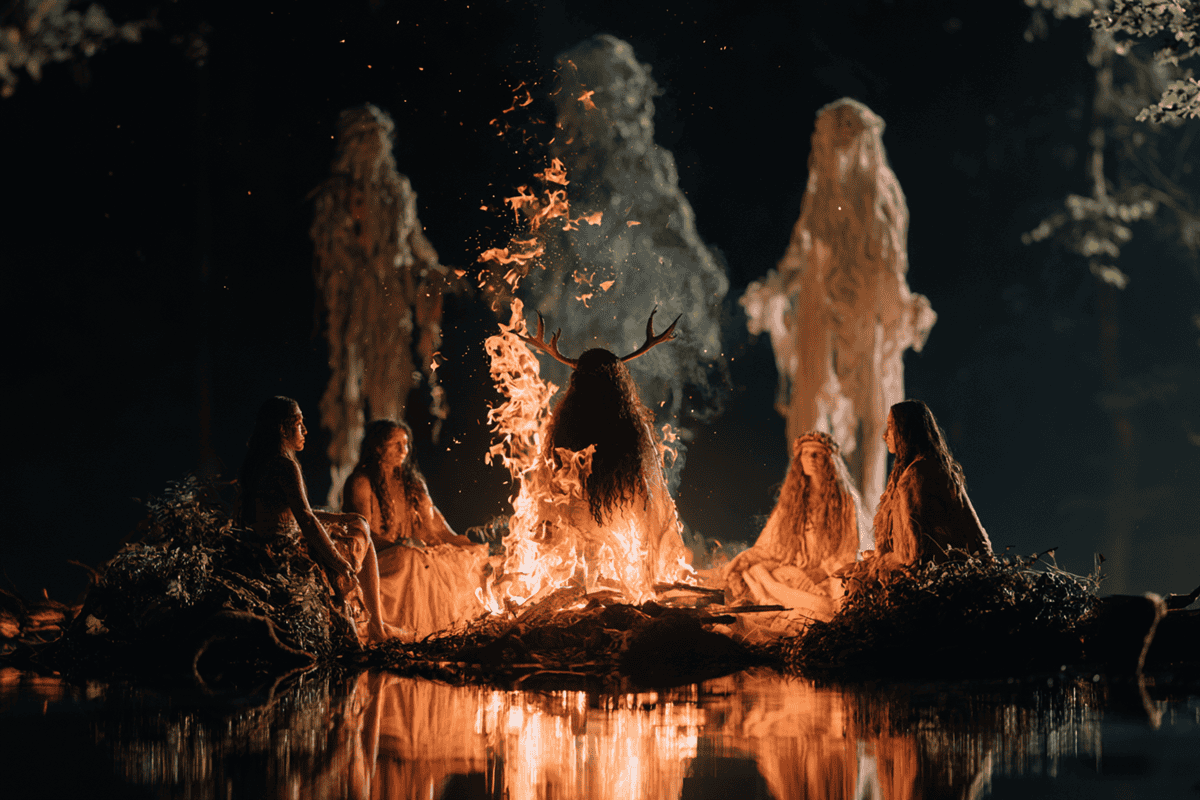
According to Amazigh legend, sacred fire was gifted directly by the gods to the very first of their kin.
This fire is said to symbolize vida itself and a chispa divina that exists in every living person.
The myth also describes how this fire has been passed down through generations, kept alive as a symbol of hope in difficult times.
The Amazigh have endured countless invasions and moving borders, as well as constant pressure to abandon their language and culture.
That’s why this myth sounds so powerful. It doesn’t sound like an old legend, but as the instruction for the people to guard their identity.
That refusal to be extinguished is well and alive.
8. The Myth of the Twin Mountains
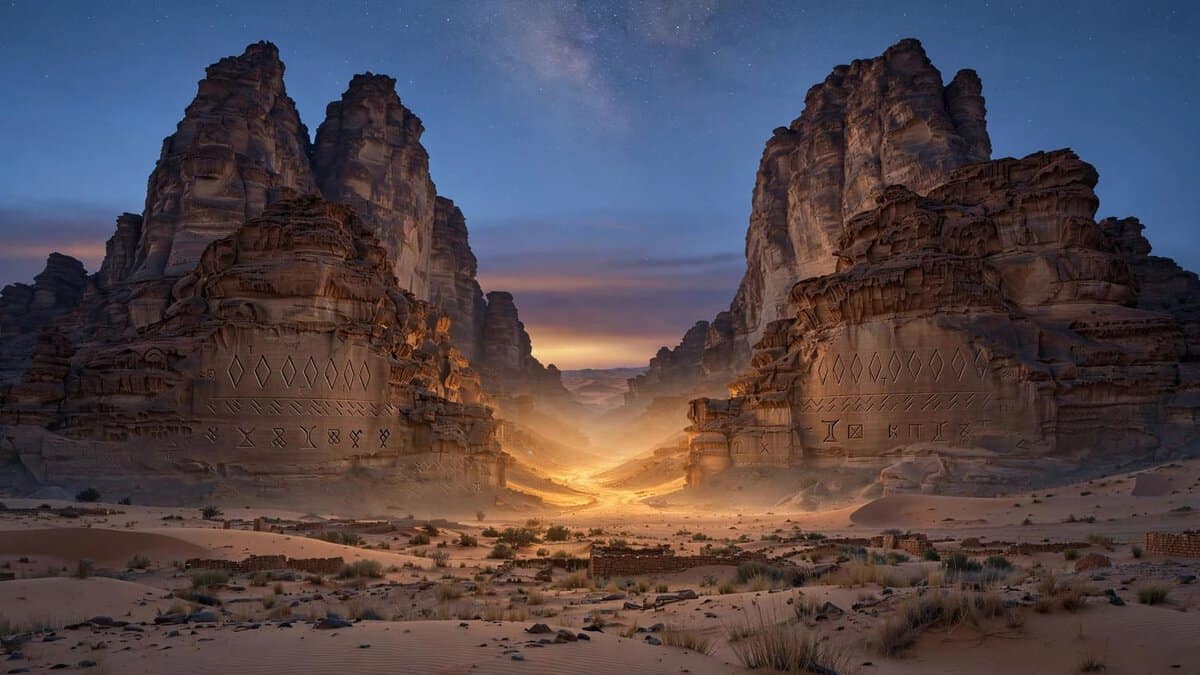
Balance is a major theme in Amazigh mythology, present almost everywhere. It’s especially obvious in the myth of the twin mountains.
These two mountains are said to represent harmony itself.
They’re actually the twin sons of the sun and the moon. Their job is to guard the land while making sure light and darkness get properly balanced.
In a landscape shaped by extremes, hot days and freezing nights, balance becomes the ideal everyone needs to strive for.
9. The Spirit of the Sahara
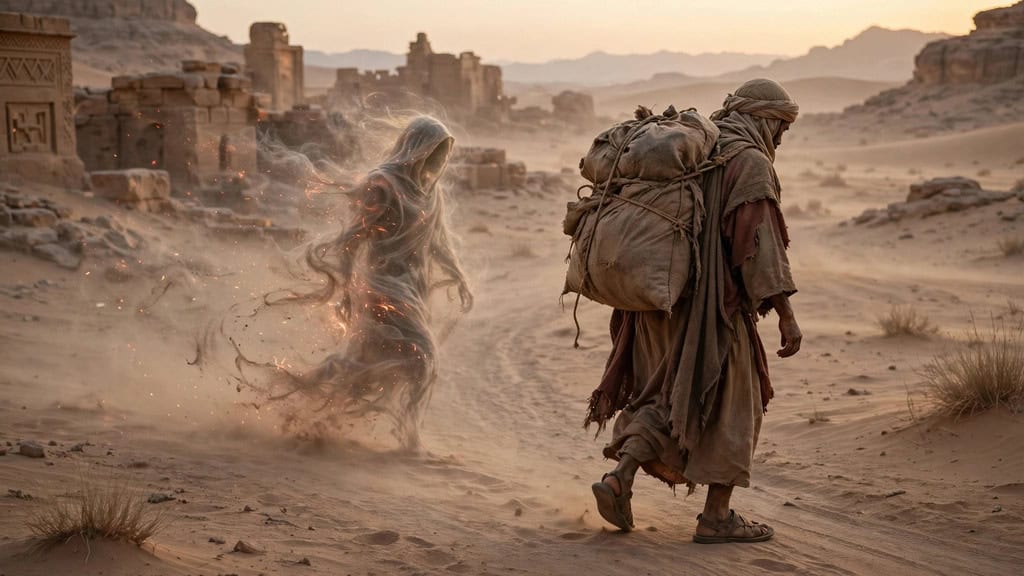
The Sahara is one of the harshest environments on the planet, so it naturally has a place in Amazigh mythology.
In the Sahara, there’s a female guardian spirit called Tazult. She’s the embodiment of the strength and resilience one needs to survive the merciless desert.
Nomads crossing the desert are believed to rely on her guidance, especially during storms, when the Sahara turns from difficult to dangerous.
Tazult symbolizes wisdom and strength, which help people survive the difficult odds.
She’s sometimes misunderstood as a force of nature, but she’s actually a presence that helps people make it through the harshest challenges that nature has to offer.
10. The Legend of the Blue Nile
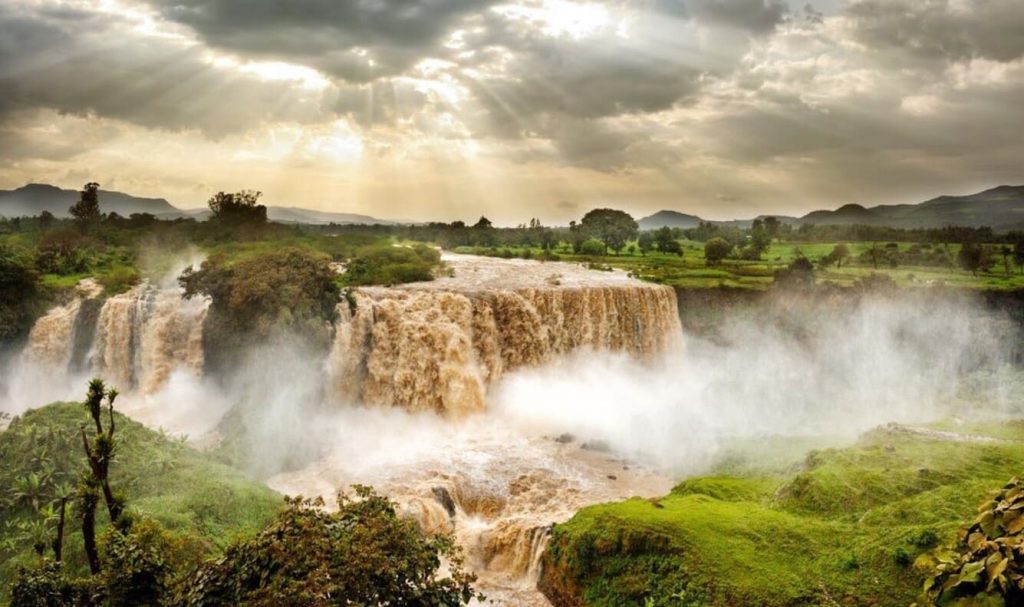
According to legend, the Blue Nile was created by the tears of the gods who mourned the loss of paradise.
But the myth doesn’t stop at sorrow. The Blue Nile becomes a symbol of renewal and life, proof that something beautiful can come from loss!
It represents a flow of divine blessing that’s always changing and always finds its way back to us.
This Amazigh myth focuses on hope and processing our duelo.
The most touching part of this myth is that anyone can relate to it, whether you live by the Blue Nile or in the middle of Europe.
While the myths speak of the Amazigh culture and mentality, they’re also universal, so we all benefit from reading them!

A little Aquarius, devoted to writing and embroidery. Through my writing, I hope to empower readers to align with their true selves and navigate life’s mysteries with confidence.