
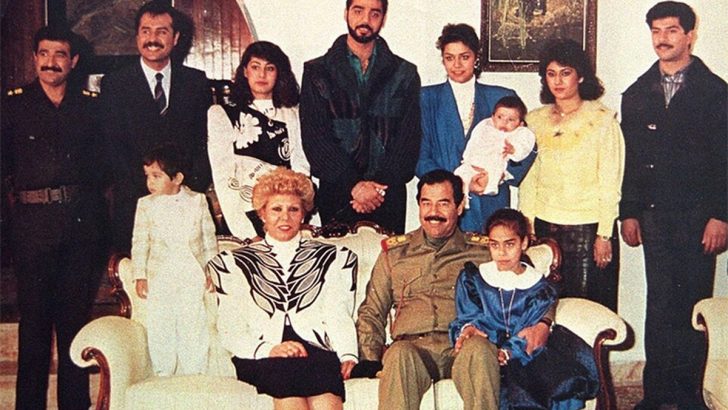
History has no shortage of villains, but sometimes the villains come with a family tree. Across centuries, certain powerful families became infamous for violence, corruption, political intrigue, exploitation, or simply an extraordinary ability to turn a perfectly good dynasty into a historical cautionary tale.
Of course, not every member of these families was equally responsible for their relatives’ actions, and some notorious dynasties also produced influential leaders, artists, or reformers. Still, their names became permanently associated with some of history’s darkest chapters. From medieval rulers who treated assassination like office politics to modern political dynasties connected to catastrophic regimes, these families demonstrate just how complicated power can become when it stays in the same bloodline for generations.
Here are ten notorious families whose legacies remain fascinating—and, in several cases, downright unsettling.
1. The Borgia Family — Renaissance Italy’s Masters of Scandal
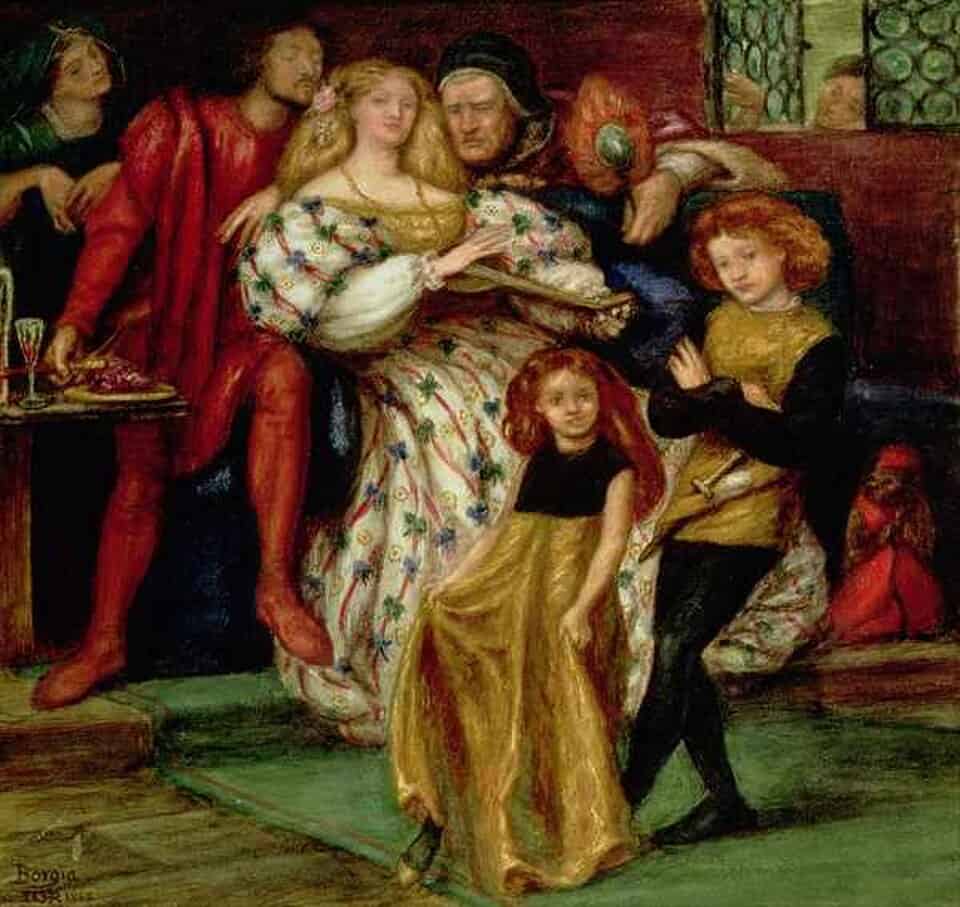
Few family names sound as naturally suspicious as the Borgias. The Spanish-Italian family rose to extraordinary power during the Renaissance, most famously through Rodrigo Borgia, who became Pope Alexander VI in 1492. His children included Cesare and Lucrezia Borgia, whose lives became surrounded by stories of political manipulation, murder, sexual intrigue, and betrayal.
The Borgias’ reputation became so dramatic that later writers turned them into almost supernatural villains. Some accusations against them were exaggerated or based on hostile political propaganda, so separating fact from Renaissance gossip is essential. Still, the family undeniably operated in a world where bribery, nepotism, strategic marriages, and political violence were part of the game.
Cesare Borgia became particularly infamous for his ruthless pursuit of power, while Alexander VI openly advanced members of his family. Their story is a reminder that Renaissance politics wasn’t all beautiful paintings and elegant banquets. Sometimes the people sitting beneath the fancy Renaissance ceiling were plotting someone’s downfall before dessert.
2. The Medici Family — Banking, Politics, and Ruthless Ambition
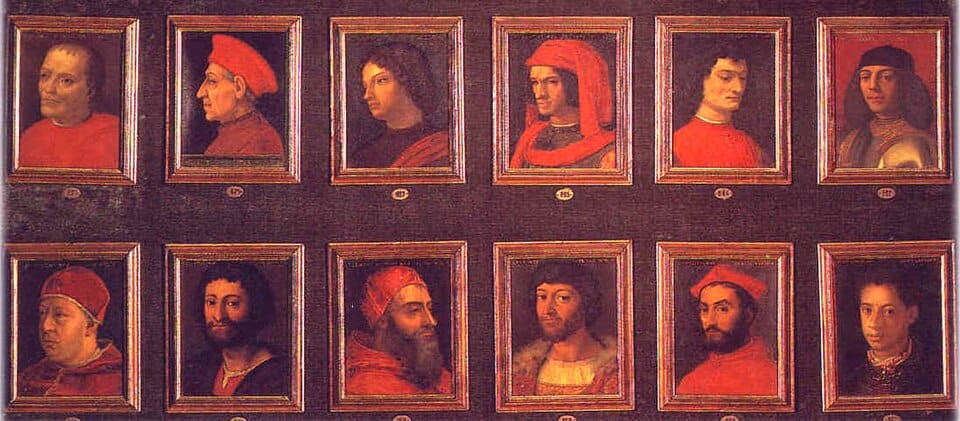
The Medici family is usually remembered for funding some of the greatest artists of the Renaissance, including major figures associated with Florence’s cultural golden age. But their extraordinary influence also came from political maneuvering, financial power, and an almost supernatural talent for getting what they wanted.
Beginning as bankers, the Medicis became the dominant political force in Florence. Members of the family eventually produced several popes and rulers, and their influence stretched far beyond banking. They understood that money could buy influence, influence could buy political power, and political power could make sure the family remained influential.
Calling them simply “villains” would be unfair, because their patronage transformed European art and culture. Yet their rise wasn’t exactly a wholesome family business story. Political opponents were marginalized, exiled, or defeated, while the family repeatedly maneuvered around republican institutions.
The Medicis basically mastered the Renaissance version of networking: know everyone, fund everything, and make absolutely sure nobody forgets who paid for the building.
3. The Habsburgs — When Family Reunions Became a Genetic Problem
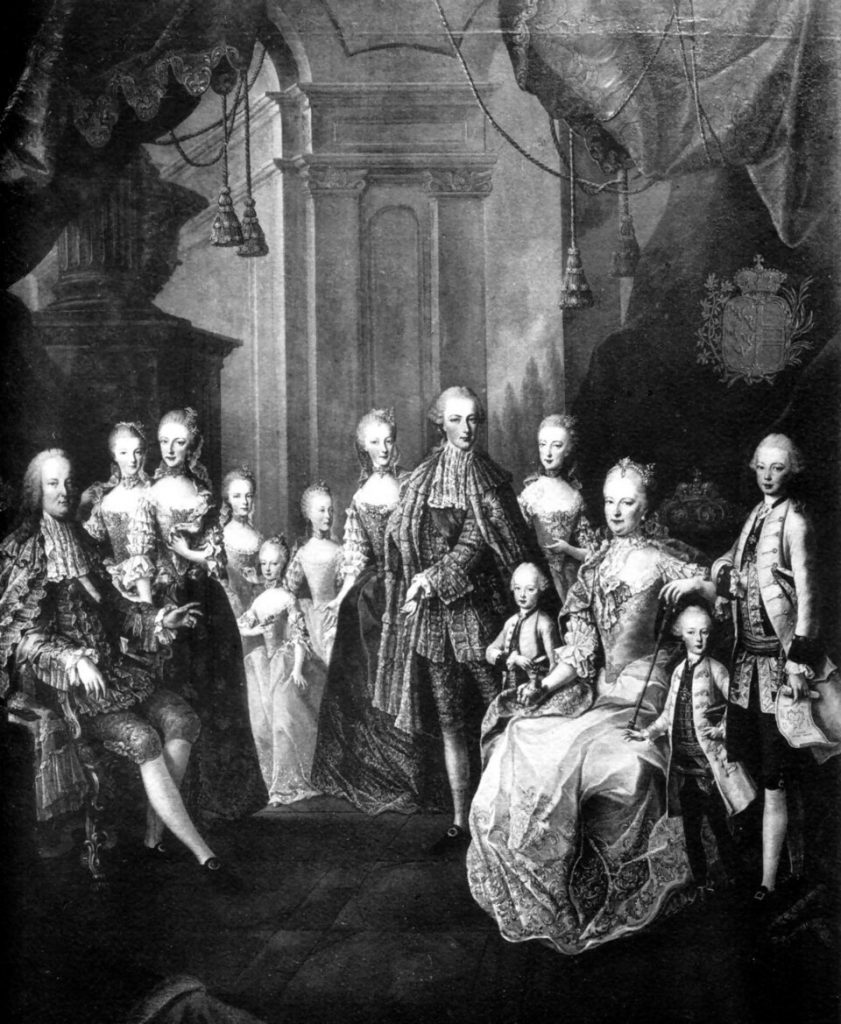
The Habsburg dynasty ruled enormous territories across Europe for centuries and produced emperors, kings, queens, and other powerful figures. Their ambition was enormous, and their preferred strategy for maintaining power was often marriage.
Unfortunately, the family took dynastic marriage to an extreme.
Instead of frequently marrying outside the extended family, Habsburgs sometimes married close relatives to keep territories and political claims within the dynasty. Over generations, this contributed to significant genetic problems. The famous “Habsburg jaw” became associated with the family, and King Charles II of Spain suffered severe health problems and died without an heir.
Their story isn’t one of simple villainy—the Habsburgs were responsible for major political and cultural developments across Europe—but their obsession with keeping power within the family demonstrates the dangers of treating a dynasty like a private investment portfolio.
They effectively answered the question “How much should relatives marry each other?” with a historical experiment whose answer turned out to be: probably much less.
4. The Romanov Family — Imperial Power and a Catastrophic Ending
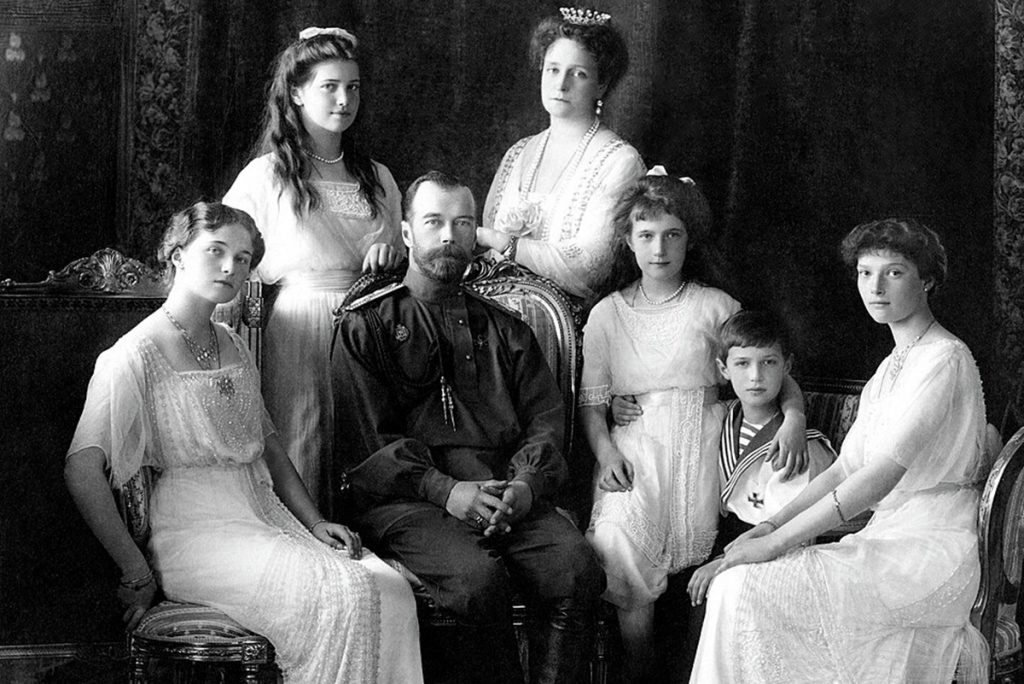
The Romanovs ruled Russia for more than three centuries, from 1613 until the monarchy collapsed during the Russian Revolution in 1917. Their reign included periods of enormous expansion and cultural development, but also repression, political violence, inequality, and devastating conflicts.
The final Romanov ruler, Nicholas II, inherited an empire experiencing enormous social and political pressures. His government struggled to respond effectively to revolution, labor unrest, military disasters, and demands for reform. Russia’s involvement in World War I intensified the crisis.
Nicholas, his wife Alexandra, and their children were eventually imprisoned and executed by Bolsheviks in 1918. Their deaths became one of the most haunting episodes of the revolution.
The Romanov story is tragic partly because it shows how quickly absolute power can collapse when a government loses the confidence of its people. A dynasty can spend centuries building an empire and still discover that history has absolutely no respect for seniority.
5. The Qin Dynasty’s Imperial House — Unifying China Through Brutality
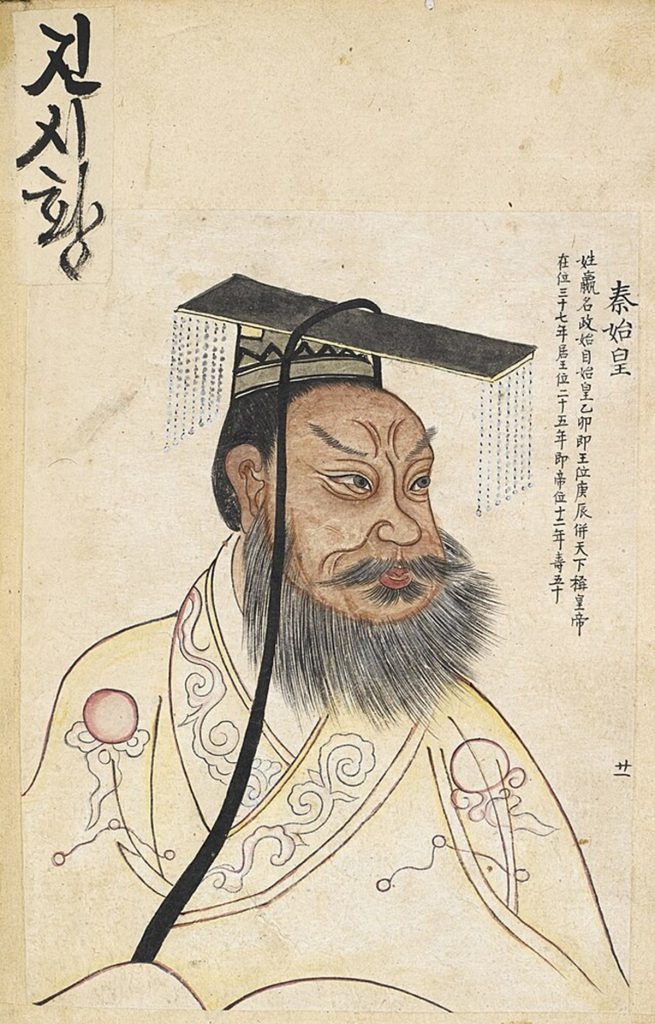
Qin Shi Huang, the first emperor of a unified China, is one of history’s most consequential rulers. He standardized writing, currency, weights, and measures and connected earlier defensive walls into what became part of the Great Wall tradition. He also built an enormous imperial state that transformed Chinese history.
The darker side of that achievement was authoritarian rule.
The Qin government used harsh laws and severe punishments, while intellectual dissent was heavily restricted. Traditional accounts describe the persecution of scholars and the destruction of books, although historians continue to debate the details and scale of some of these events.
Qin Shi Huang’s massive construction projects also required enormous amounts of labor, creating tremendous human suffering. His dynasty itself was remarkably short-lived, collapsing only a few years after his death.
The Qin story is essentially the historical equivalent of building an enormous house using an absurdly aggressive renovation schedule—then discovering that the entire project falls apart almost immediately after the boss leaves.
6. The Roman Julio-Claudian Dynasty — Family Drama With an Empire at Stake
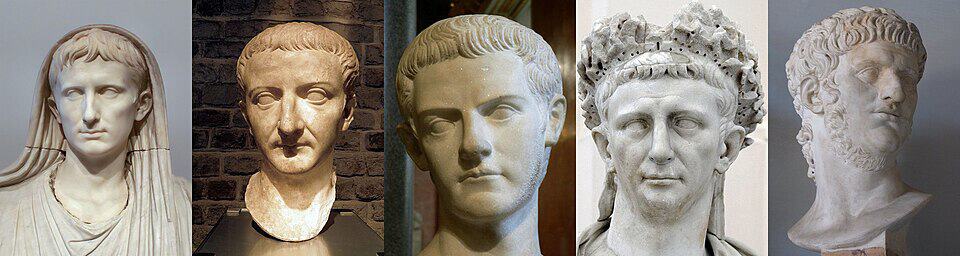
The Julio-Claudian dynasty produced some of ancient Rome’s most famous emperors, including Augustus, Tiberius, Caligula, Claudius, and Nero. Their reigns helped shape the Roman Empire, but the family became equally famous for political intrigue, succession crises, executions, and accusations of cruelty.
Caligula’s reputation for bizarre behavior became legendary, although ancient sources were often hostile and modern historians question some of the more sensational stories. Nero, meanwhile, became notorious for his persecution of Christians and his brutal political actions, while later Roman writers portrayed him as an almost cartoonishly terrible ruler.
The dynasty’s problem wasn’t simply having a few bad personalities. It was the combination of enormous personal power with an unstable succession system. When the emperor was essentially the most powerful person in the known world, family disagreements could become matters of life and death.
Imagine Thanksgiving dinner where everyone has an army.
7. The Plantagenets — England’s Royal Family With an Impressive Body Count
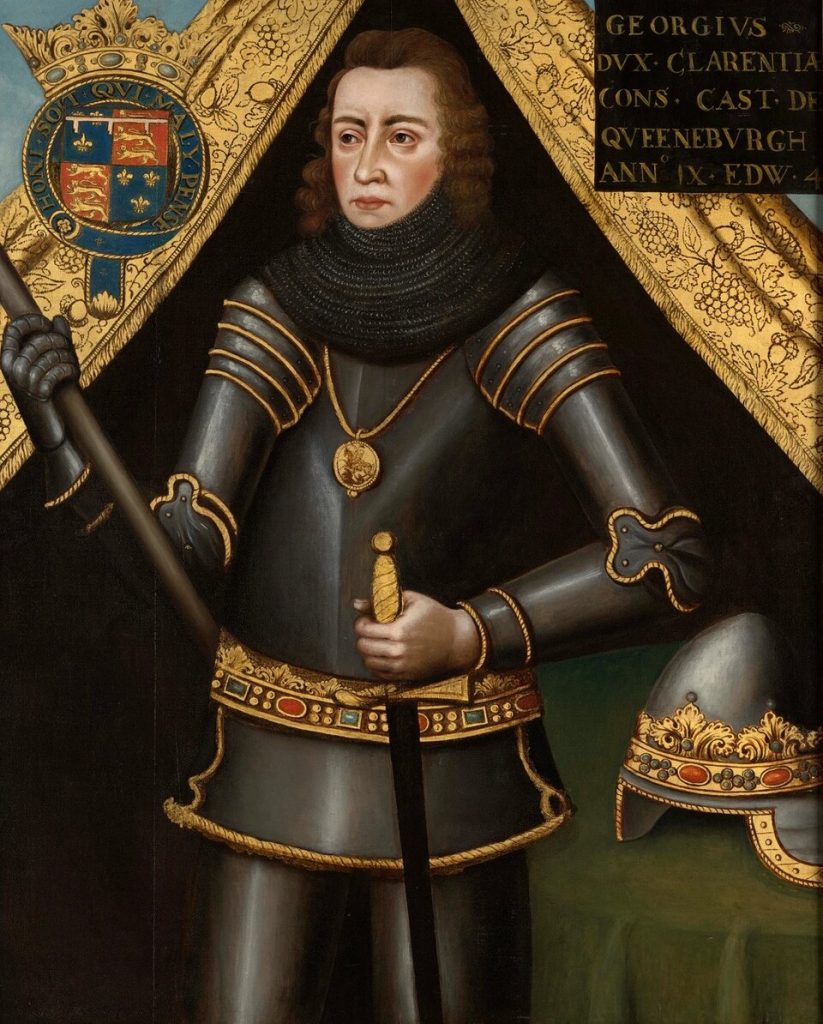
The Plantagenets ruled England from the 12th through the 15th centuries and presided over some of the most dramatic events in medieval English history. Their family tree contains kings, queens, rebels, crusaders, warriors, and enough succession disputes to make a modern family group chat look remarkably peaceful.
The dynasty was involved in the long-running conflicts collectively known as the Wars of the Roses, during which rival branches of the English royal family fought for the throne. The House of Lancaster and House of York repeatedly challenged each other, producing battles, executions, betrayals, and shifting alliances.
The Plantagenets weren’t uniquely evil by medieval standards, but their family demonstrates how dangerous dynastic politics could become when inheritance meant control of an entire kingdom.
The family tree eventually became so complicated that remembering who was related to whom was practically a full-time occupation. And unlike modern genealogy, getting one branch wrong could result in a war.
8. The Tokugawa Family — A Dynasty Built on Strict Control
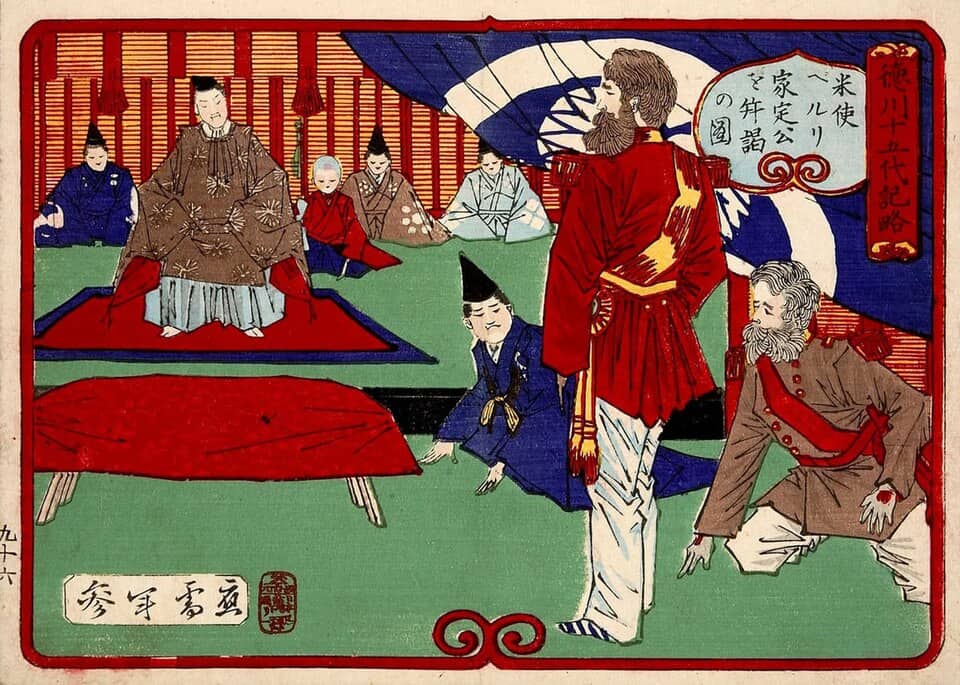
The Tokugawa shoguns ruled Japan during the Edo period, from 1603 to 1868. Their government created centuries of relative internal peace after a long period of warfare, which was an enormous achievement. But that stability came with strict social controls and limitations on political and personal freedom.
The Tokugawa shogunate established a highly structured society and tightly controlled relationships between social classes. The government also restricted foreign influence and placed significant limitations on Christianity and other perceived threats to its authority.
Japan under the Tokugawa was not simply a dystopia—the period produced remarkable economic development, urban culture, literature, theater, and art. Still, the political system was intensely hierarchical and authoritarian.
The Tokugawa legacy is therefore complicated. They helped end centuries of civil warfare, but they maintained peace through a system that left little room for political rebellion. In other words, they discovered that one way to stop everyone from fighting is to become extremely strict about who is allowed to do what.
9. The Saddam Hussein Family — Dictatorship as a Family Enterprise
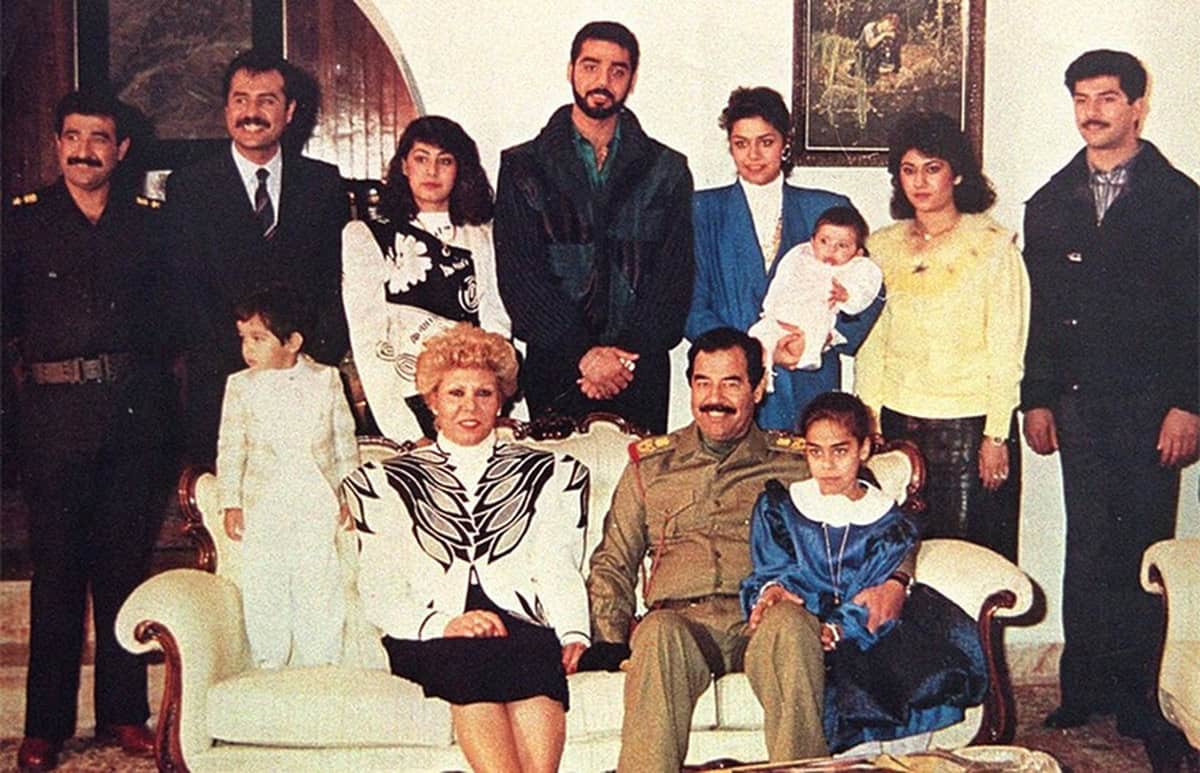
Saddam Hussein ruled Iraq for decades through an authoritarian government characterized by repression, political violence, and devastating wars. His family became deeply intertwined with the country’s power structure, with relatives and close associates occupying important positions.
His regime was responsible for brutal campaigns against political opponents and minority populations, including the Anfal campaign against Iraqi Kurds. Iraq also fought a disastrous war with Iran during the 1980s and invaded Kuwait in 1990, leading to the Gulf War.
Saddam’s sons, Uday and Qusay, became notorious figures in their own right. Their privileged positions and alleged involvement in violence and abuse contributed to the family’s deeply negative reputation.
The Hussein story illustrates one of the recurring dangers of authoritarian rule: once political power becomes concentrated in one family, the distinction between government, personal loyalty, and family interests can become dangerously blurry.
It’s the ultimate version of “It’s not what you know, it’s who you’re related to”—except the consequences are much more serious than getting a job at the family business.
10. The Kim Family — Three Generations of North Korean Rule
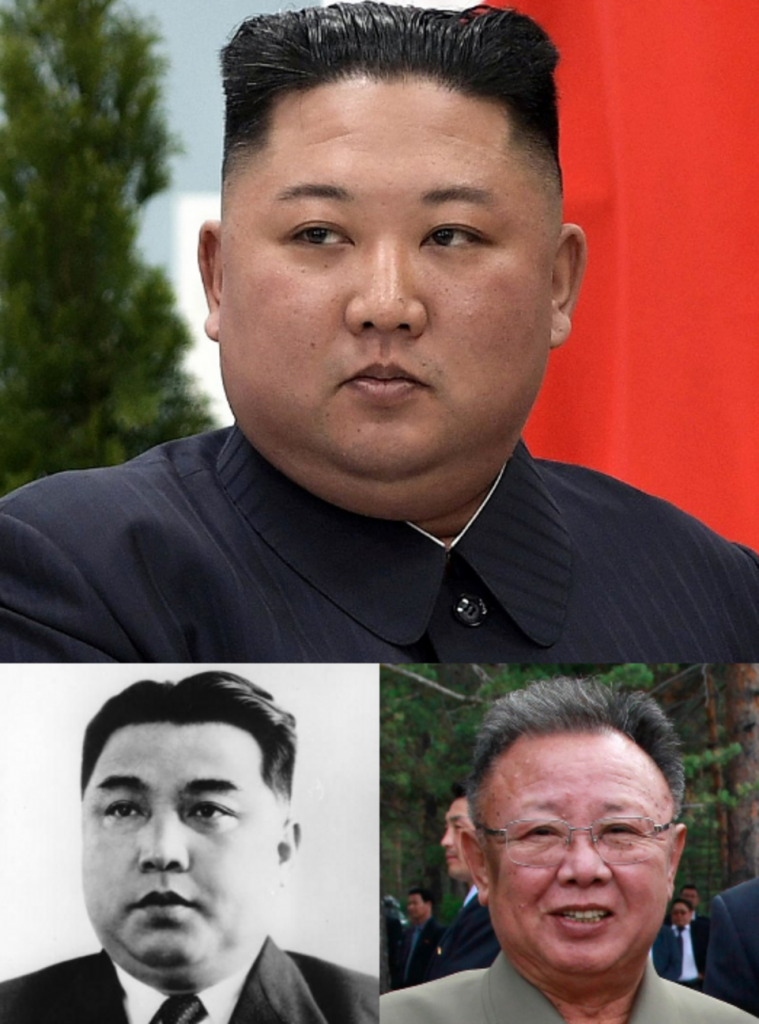
The Kim dynasty has governed North Korea since its founding as a separate state in 1948, beginning with Kim Il Sung, followed by his son Kim Jong Il and grandson Kim Jong Un. The family has maintained one of the world’s most centralized political systems for generations.
North Korea’s government has been widely criticized for severe restrictions on political freedom, extensive censorship, prison camps, and serious human-rights abuses. The country’s isolation and state-controlled information system have also made it difficult for outsiders to understand everyday life there with complete precision.
The dynasty has cultivated an extraordinary personality cult around its leaders, portraying successive generations of the Kim family as central figures in the nation’s identity.
Whatever one’s political perspective, the family’s longevity is historically remarkable. Few modern political families have maintained such concentrated control across three generations.
It is essentially the world’s most extreme example of “family business succession”—except the business happens to be an entire country.

Lover of good music, reading, astrology and making memories with friends and spreading positive vibes! 🎶✨I aim to inspire others to find meaning and purpose through a deeper understanding of the universe’s energies.