
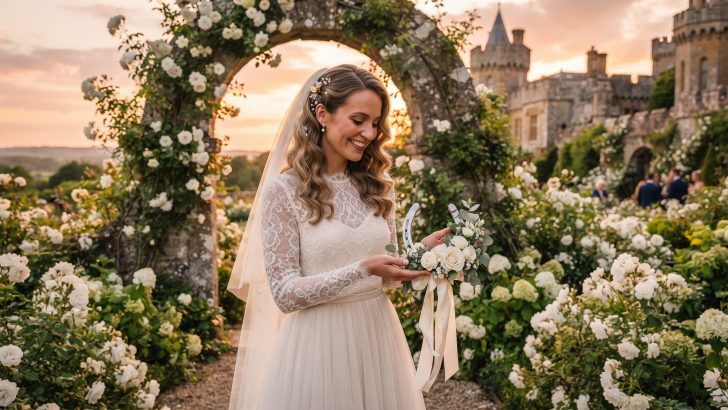
Weddings have always been surrounded by beautiful traditions, secret meanings, and little acts of magic.
Long before modern wedding planners and elaborate receptions, brides carried special objects to attract good fortune and protect their marriages.
Some charms promised lasting love. Others welcomed prosperity, fertility, loyalty, and a peaceful home.
A silver coin hidden inside a shoe could bring financial security. A sprig of rosemary represented faithfulness, while a horseshoe became a powerful symbol of luck.
Many of these customs have survived for centuries, passed from mothers to daughters and shared between families.
Even the smallest bridal accessory could carry an important blessing.
The wedding day marked the beginning of a new chapter, and these charms helped surround that beginning with hope.
Here are ten traditional bridal charms believed to bring happiness, love, and good fortune to marriage.
1. The Silver Sixpence for Prosperity
One of the most famous bridal charms comes from an old English wedding rhyme.
Most people know the tradition of wearing something old, something new, something borrowed, and something blue.
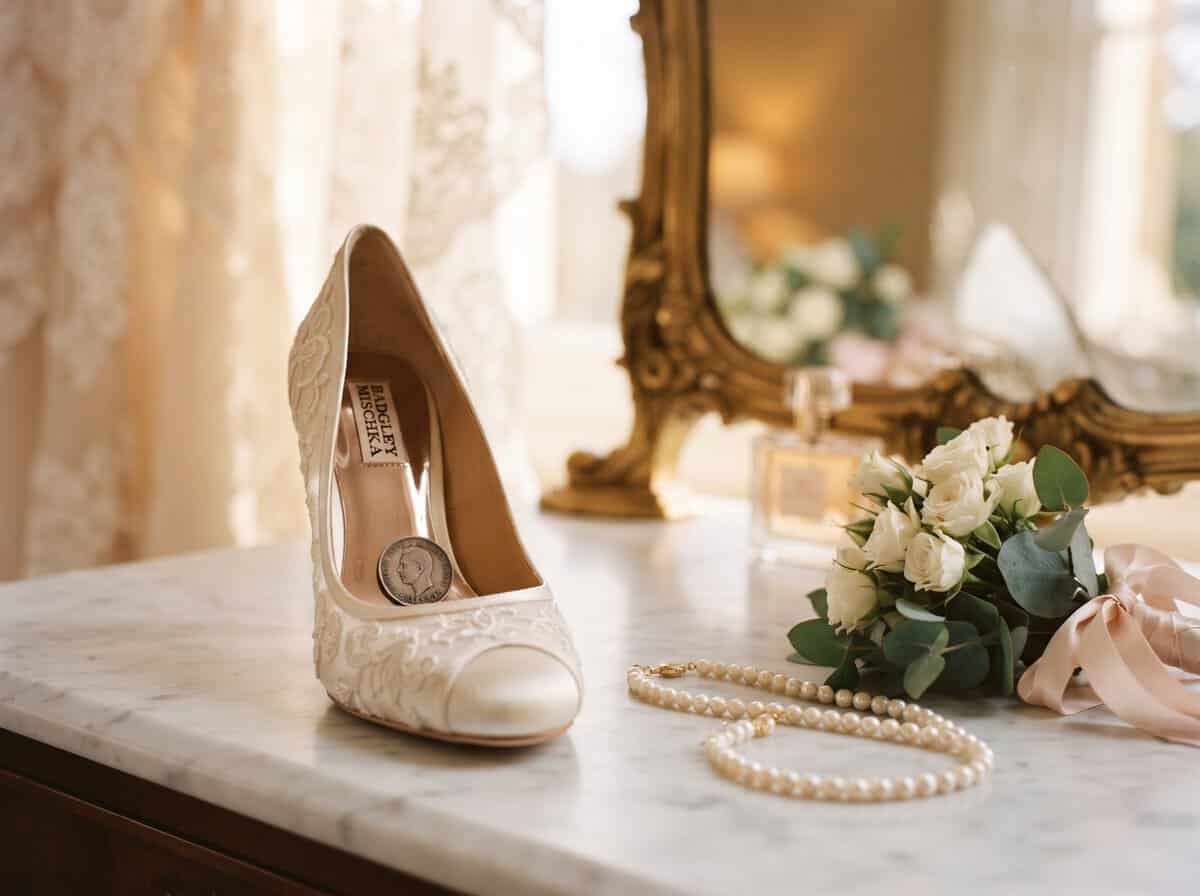
But the rhyme originally included another important detail. A silver sixpence in the bride’s shoe.
The coin was believed to attract prosperity and financial stability throughout married life.
Traditionally, the sixpence was placed inside the bride’s left shoe before the ceremony.
It represented the hope that the newlyweds would always have enough money to support their household.
The charm was especially meaningful during times when starting a new home required careful planning and limited resources.
A small coin became a symbol of abundance. Today, brides sometimes use an antique sixpence or another meaningful coin.
Some place it inside a decorative pouch rather than directly beneath their feet.
The charm can also become a family keepsake, passed between generations of brides.
Its blessing is simple but important. May the marriage enjoy security, comfort, and resources.
2. The Rosemary Sprig for Faithfulness
Rosemary has been connected with weddings and lasting affection for centuries.
In European traditions, this fragrant herb represented remembrance, loyalty, and devotion.
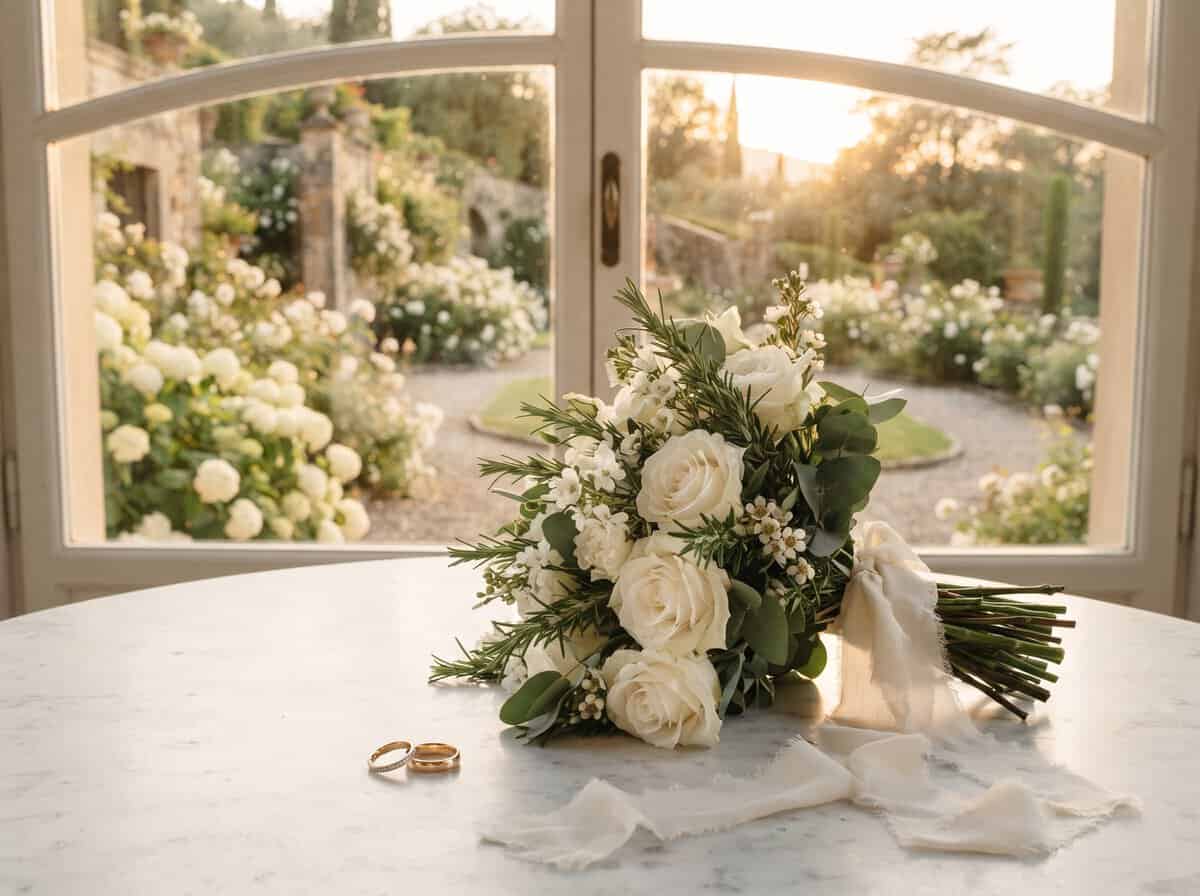
Brides sometimes carried rosemary in their bouquets or wore it as part of their wedding decorations.
Its evergreen leaves made it a fitting symbol of love that continues through changing seasons.
In some wedding customs, rosemary sprigs were also given to guests.
This allowed everyone attending the celebration to share in the blessing of the marriage.
A bride can carry a small rosemary sprig tucked into her bouquet.
Another option is to place a little bundle of rosemary beside the wedding rings before the ceremony.
The herb represents the promise to remember and honor the relationship.
It also carries a beautiful message about marriage. Love is not only about grand romantic gestures.
It grows through ordinary acts of kindness, patience, and loyalty.
Rosemary reminds the couple to continue choosing one another through both happy and difficult moments.
Its lasting fragrance symbolizes affection that remains meaningful long after the wedding flowers have faded.
3. The Lucky Horseshoe for Protection and Happiness
The horseshoe is one of the most recognizable good-luck symbols in European folklore.
Its association with protection is especially strong in British and Irish traditions.
Iron was believed to possess protective qualities, making horseshoes valuable household charms.
Over time, they also became popular wedding gifts. A horseshoe presented to a bride represented good fortune.
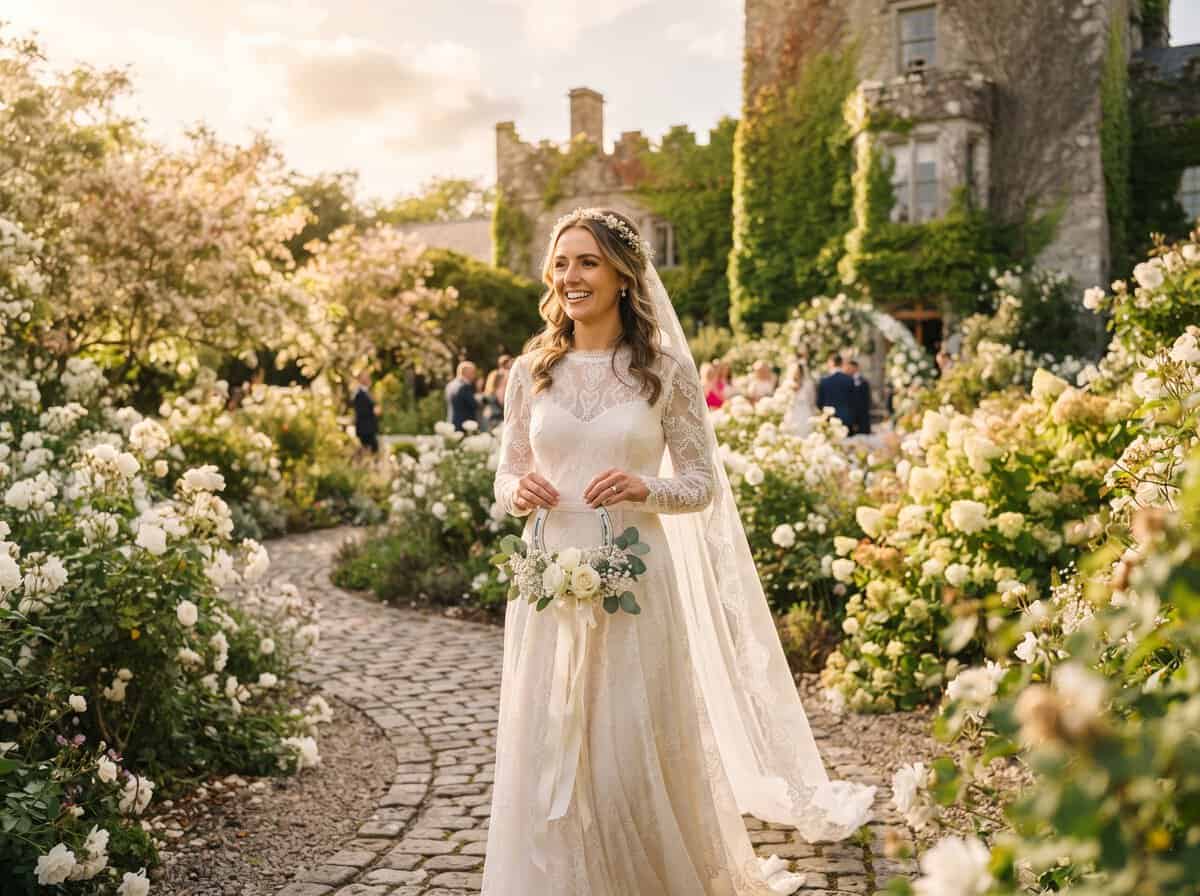
In some traditions, the horseshoe was decorated with ribbons and flowers.
It could be carried during the wedding ceremony or displayed at the reception. The position of the horseshoe also mattered.
Many people believed that hanging it with the open ends pointing upward would help hold good luck inside.
Others preferred a downward position so blessings could flow over everyone entering the home.
Both interpretations survive in different folk traditions. A small decorative horseshoe makes a beautiful bridal charm.
It can be tied to a bouquet or given as a keepsake by a family member. After the wedding, the couple can display it in their home.
The horseshoe represents a marriage surrounded by protection, happiness, and fortunate opportunities.
4. The Something Blue Charm for Loyalty
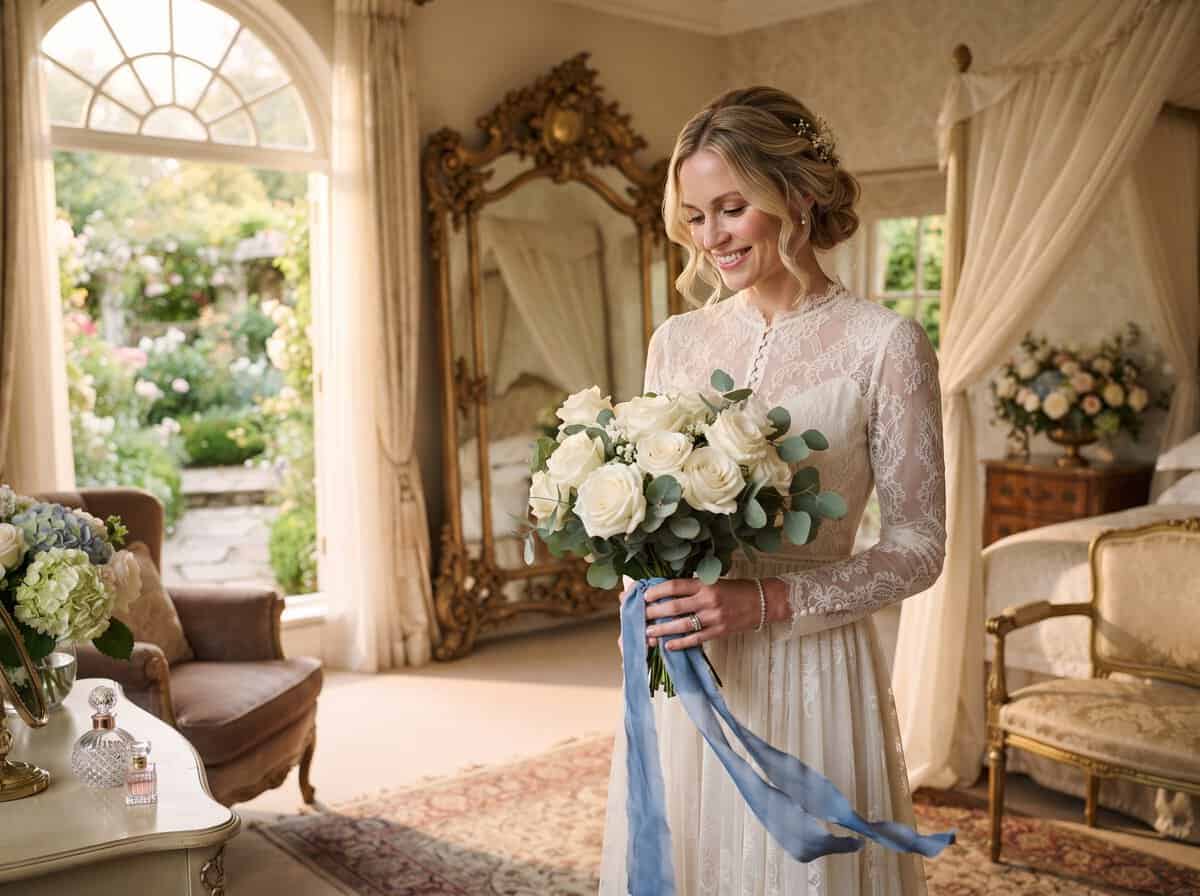
Blue has long been associated with faithfulness, purity, and lasting love in European wedding symbolism.
That connection helped make “something blue” one of the most enduring bridal traditions.
In earlier centuries, brides sometimes wore blue ribbons, blue clothing, or small blue accessories.
The color represented the qualities that would help protect a marriage.
Loyalty. Honesty. Trust. Today, brides often include something blue in a subtle way.
A blue ribbon might be tied around the bouquet. A small blue charm could be sewn into the lining of a dress.
Some brides wear blue jewelry or choose delicate blue flowers.
The charm does not need to be expensive or visible to everyone. Its meaning is what makes it special.
Before the ceremony, the bride can hold the blue object and think about the promises she hopes to share with her partner.
The color becomes a reminder that lasting happiness depends on trust. Romance brings excitement to a wedding.
But loyalty and honesty help that love remain strong throughout the years.
5. The Myrtle Bridal Charm for Everlasting Love
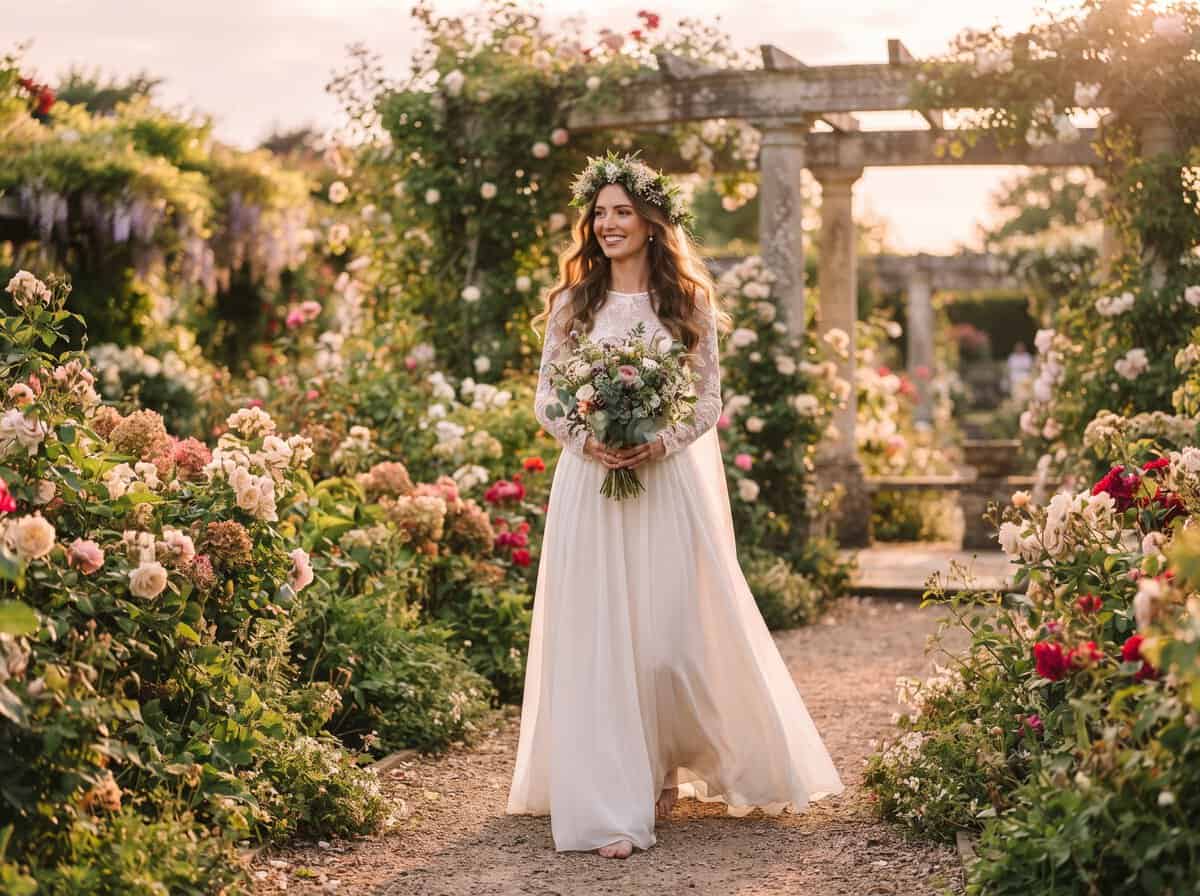
Myrtle has a beautiful history in European wedding traditions.
In ancient Greek and Roman culture, the plant was associated with Aphrodite and Venus, the goddesses of love.
Its glossy evergreen leaves and delicate flowers made it a natural symbol of affection, beauty, and fertility.
Myrtle later became especially popular in bridal bouquets and wreaths.
In parts of Europe, brides carried sprigs of myrtle as a blessing for a happy marriage.
The tradition also became associated with royal weddings.
Queen Victoria included myrtle in her bridal bouquet, helping strengthen the plant’s place in British royal wedding customs.
A myrtle charm can be as simple as a small sprig placed among the wedding flowers.
Some brides prefer a delicate wreath or a decorative botanical keepsake.
The evergreen leaves represent love that continues through every season.
The flowers symbolize the joy of a new beginning. Myrtle is meaningful for couples who value traditions.
A plant grown from a previous bridal sprig can become a living connection between generations.
Its blessing celebrates affection that grows deeper with time.
6. The Bridal Bell for a Peaceful Marriage
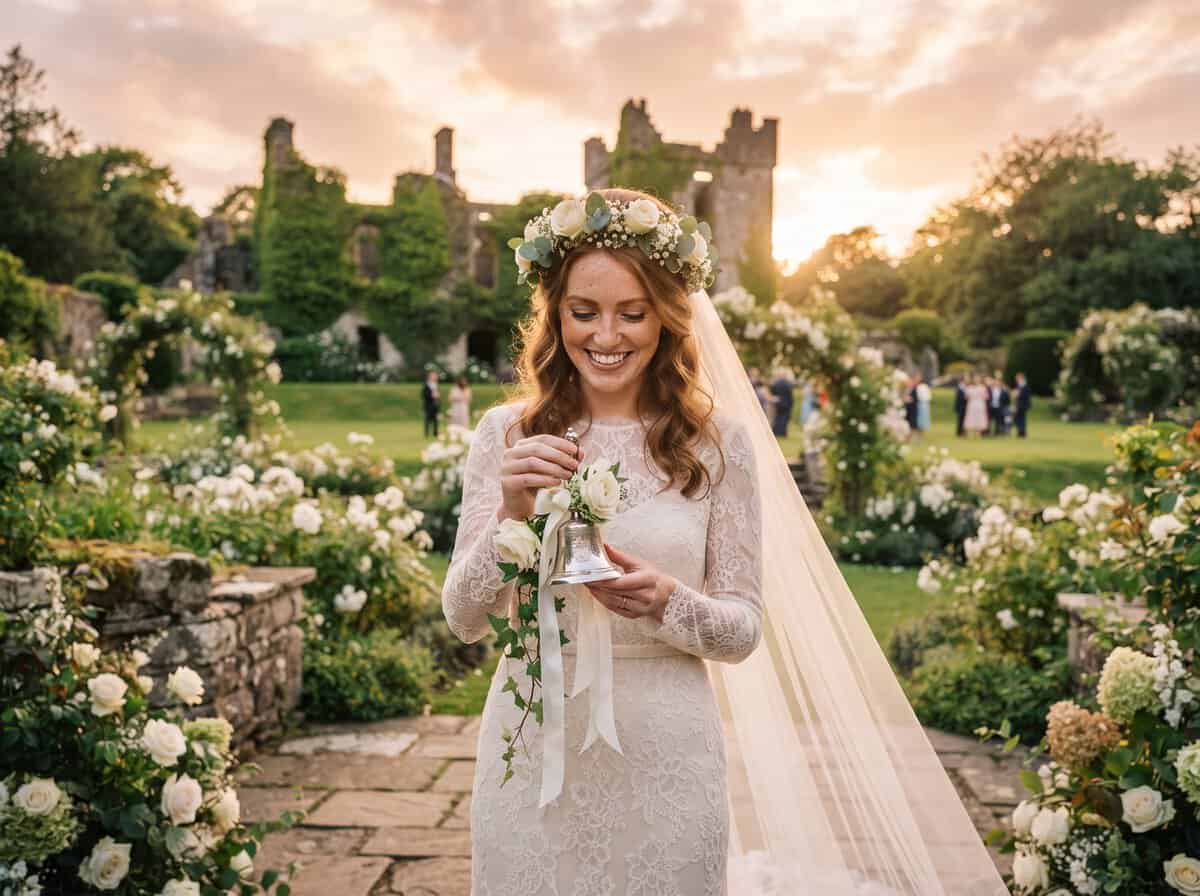
Wedding bells have long been associated with celebration and good fortune.
In Irish wedding traditions, bells also became symbols of harmony and protection.
The ringing of bells was believed to drive away unwanted influences and surround the newlyweds with happiness.
One charming Irish custom involves giving a couple a small wedding bell.
The bell can be displayed in their home as a reminder of their wedding promises.
In some versions of the tradition, the couple rings it when disagreements arise.
The sound represents an invitation to restore peace and remember their affection.
A bride may carry a tiny bell tied with a ribbon. It can also be attached to the bouquet or presented as a wedding gift.
Silver-colored bells are especially popular, although the charm’s meaning matters more than the material.
The bridal bell offers a blessing for communication. Its gentle sound represents the return of harmony.
Every marriage experiences moments of frustration or misunderstanding.
The bell reminds the couple to approach those moments with patience rather than allowing resentment to grow.
7. The Bridal Veil for Protection From Misfortune
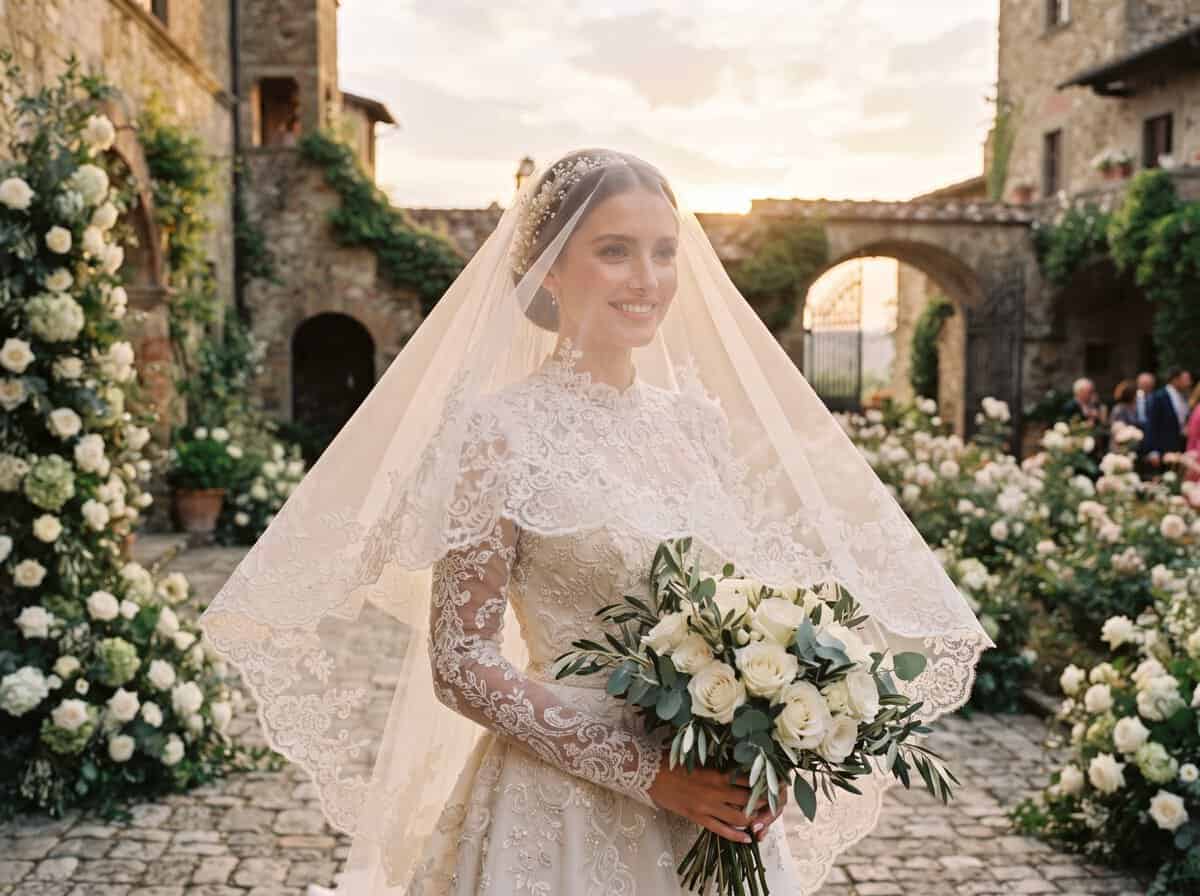
The bridal veil is one of the oldest and most recognizable wedding accessories.
Veiling customs existed in several ancient cultures, including Rome.
Roman brides wore a distinctive veil known as the flammeum, traditionally associated with a yellow-orange or flame-colored appearance.
Over time, veils developed many different meanings.
They could represent modesty, ceremonial transformation, and the bride’s passage into married life.
Protective interpretations also became part of wedding folklore.
In some traditions, the veil was believed to shield the bride from harmful attention or unwanted influences.
Its delicate fabric created a symbolic boundary around her during an important life transition.
Modern bridal veils come in countless styles. Some are short and simple.
Others flow behind the bride in long layers of lace or tulle.
A veil passed down through a family can carry an additional blessing.
It connects the bride with earlier generations and the marriages that came before her.
The protective meaning of the veil reflects a familiar wedding wish.
May the bride enter her new life surrounded by love, goodwill, and peace.
8. The Wedding Bread Charm for Abundance
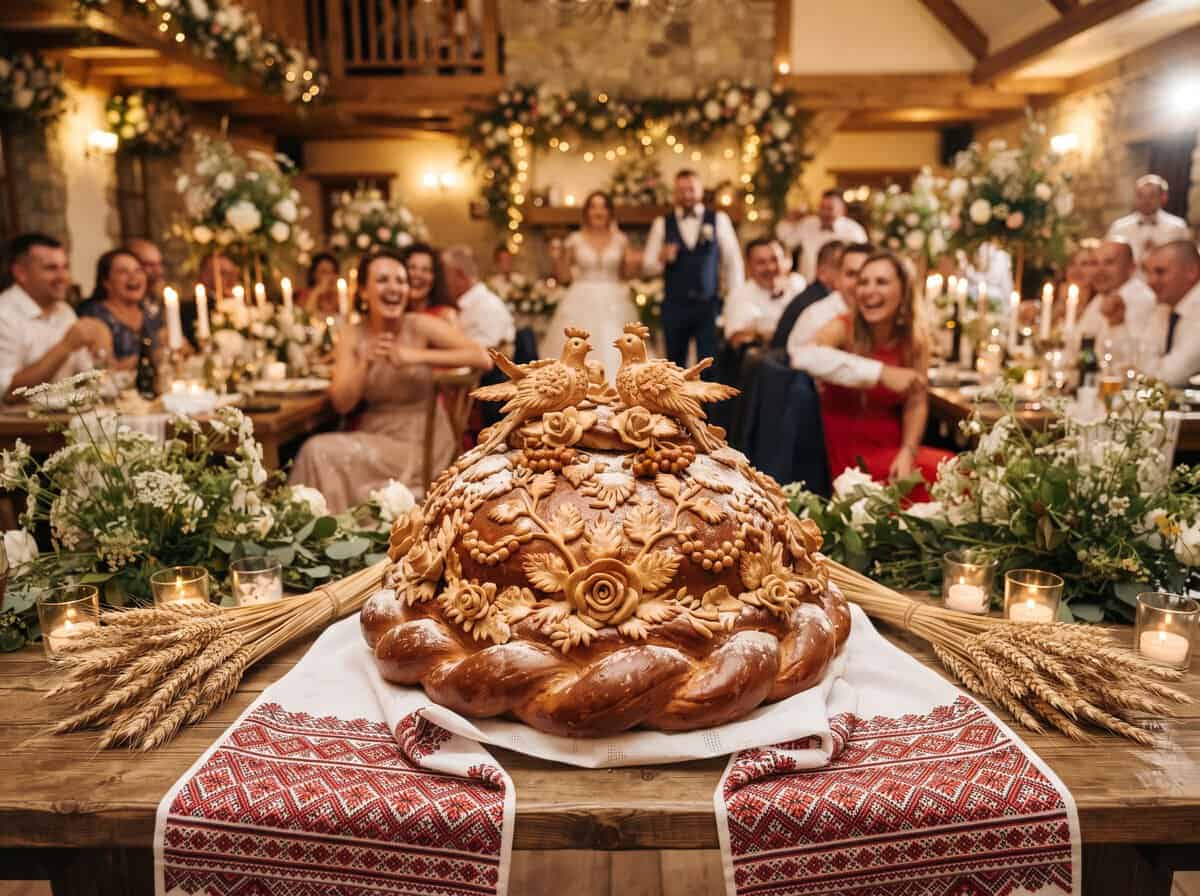
Bread has played an important role in wedding traditions across Europe.
It represents nourishment, hospitality, prosperity, and the hope that a household will never go hungry.
In several Slavic traditions, elaborate ceremonial wedding breads became central parts of the celebration.
One well-known example is the korovai, a decorated wedding loaf associated with Ukrainian and other Eastern European customs.
Its ornaments can include symbolic birds, flowers, and patterns representing blessings for the couple.
The bread is often prepared and shared as part of the wedding celebration.
Its importance goes beyond the meal itself. It represents the community’s wishes for a prosperous marriage.
A bride can honor this tradition by including a special loaf at the wedding reception.
The couple may share the first piece. Family members can then enjoy the bread as a symbol of shared happiness.
The charm is especially meaningful because bread requires several things to come together.
Grain. Water. Time. Careful preparation. Marriage also grows through cooperation and patience.
The wedding bread represents the hope that the couple will build a home filled with nourishment, generosity, and abundance.
9. The Bridal Coin for Good Fortune
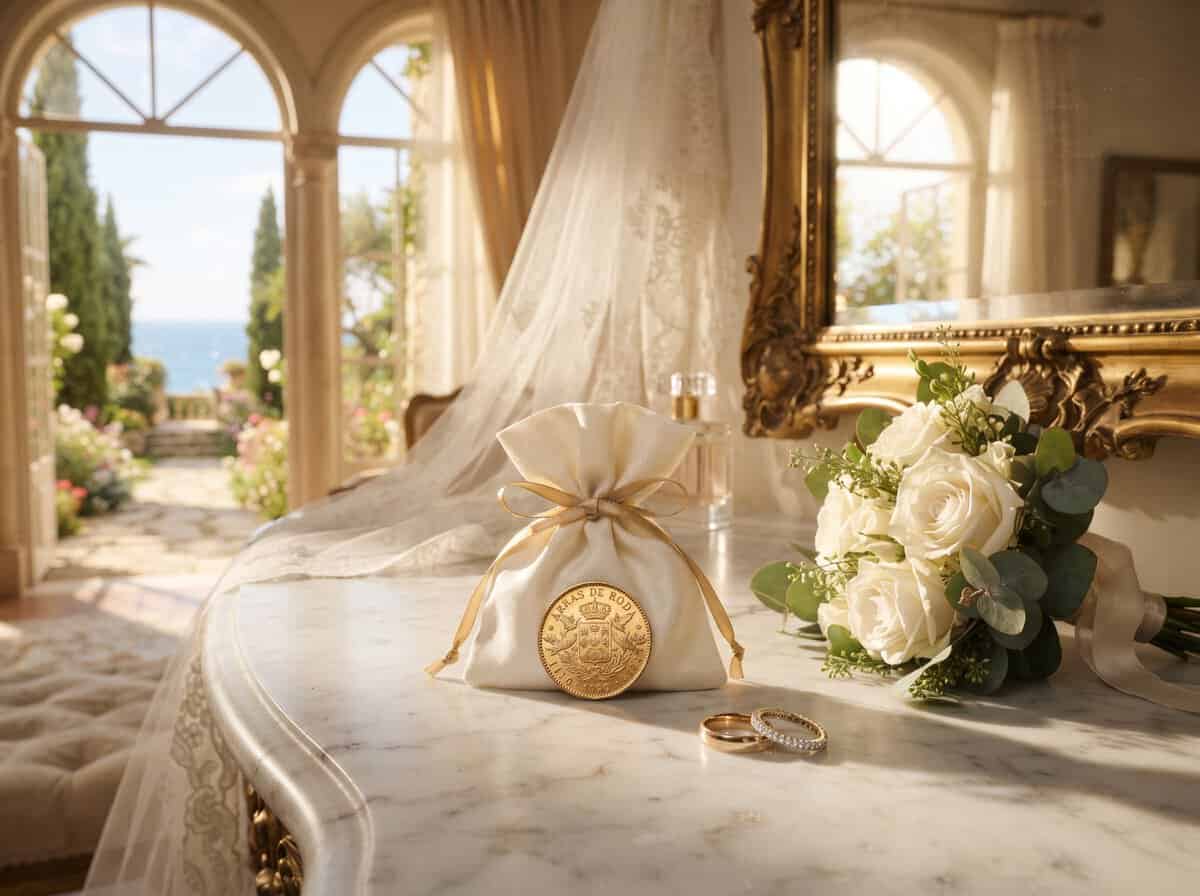
Coins appear in wedding traditions across many cultures.
They symbolize prosperity, stability, and the resources needed to establish a new household.
In Greek wedding customs, money and coins have been associated with blessings for the newlyweds.
In Spanish and Latin American wedding traditions, the arras ceremony involves the presentation of thirteen coins.
The coins represent shared resources, responsibility, and the couple’s commitment to supporting one another.
Although the customs differ, their central message is similar.
A happy marriage should be supported by generosity and cooperation.
A bridal coin charm can be created with a small decorative coin placed inside a pouch.
The pouch may be tied with a ribbon and kept with the bride’s wedding accessories.
After the ceremony, the couple can place the coin in a keepsake box.
The charm represents financial harmony. Its blessing is not simply about becoming wealthy.
It encourages the couple to make thoughtful decisions, share responsibilities fairly, and work together toward a secure future.
10. The Bridal Bouquet Charm for Love and Lasting Happiness
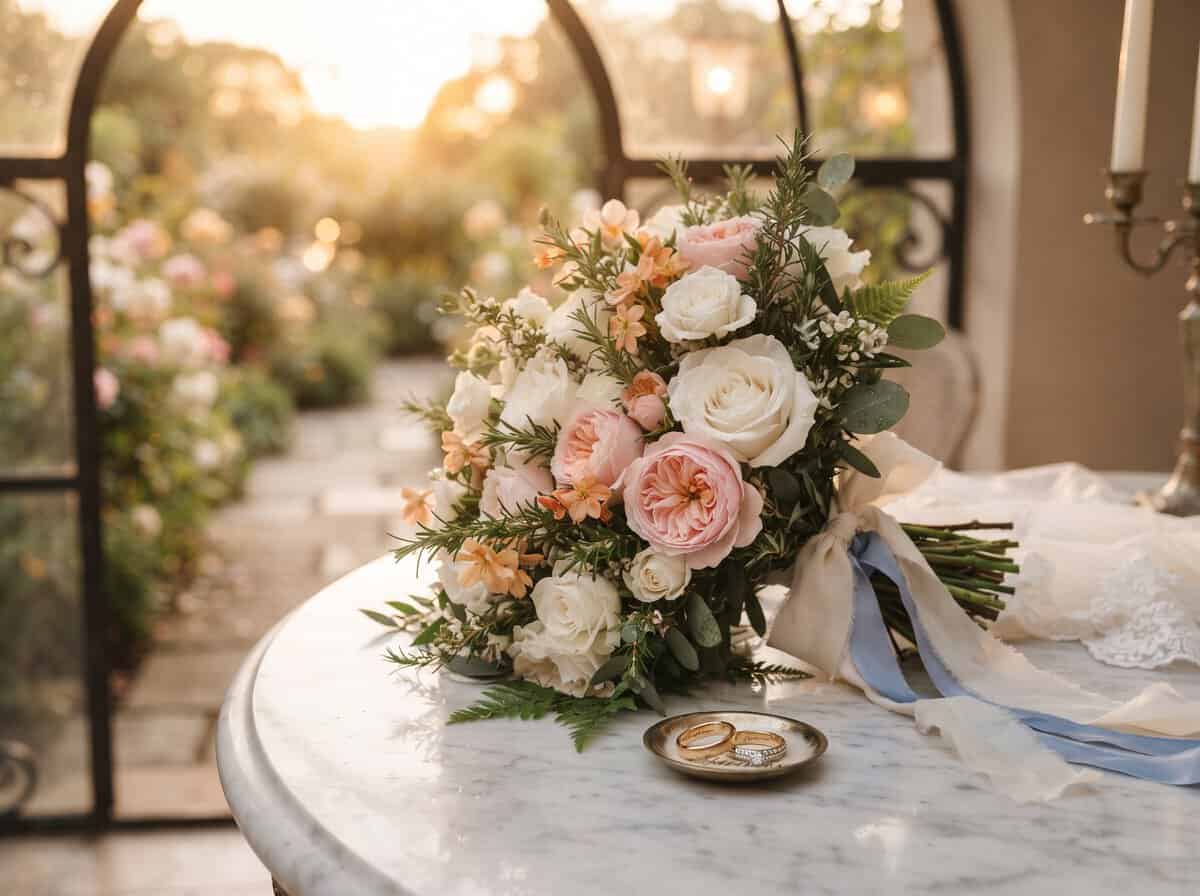
Flowers have been part of wedding celebrations for centuries.
Ancient Greek and Roman brides wore floral wreaths, while later European traditions developed elaborate bridal bouquets.
Different flowers carried different blessings. Roses represented love and affection.
Myrtle symbolized lasting devotion. Orange blossoms became associated with purity, fertility, and new beginnings.
Rosemary carried wishes for loyalty and remembrance.
A bridal bouquet could therefore become a collection of meaningful charms.
Rather than choosing flowers only for their appearance, a bride can select them according to the blessings she hopes to welcome.
For example, white roses can represent sincerity. Pink roses can symbolize tenderness.
Myrtle can stand for enduring love, while rosemary represents faithfulness.
A small blue ribbon around the stems adds a blessing of loyalty.
The bouquet becomes a beautiful expression of the couple’s shared hopes.
After the wedding, a few flowers can be preserved as keepsakes.
Pressed petals may be placed inside a wedding album.
A dried sprig of rosemary can be stored with photographs or handwritten vows.
These small objects help preserve the meaning of the day.
Long after the celebration ends, they continue to represent the blessings that surrounded the marriage from its beginning.
The greatest bridal charm is one that reminds the couple of the promises they made and the happiness they hope to create together.

Siempre sentí una fuerte conexión con lo Divino desde mi nacimiento. Como autora y mentora, mi misión es ayudar a los demás a encontrar el amor, la felicidad y la fuerza interior en los momentos más oscuros.