
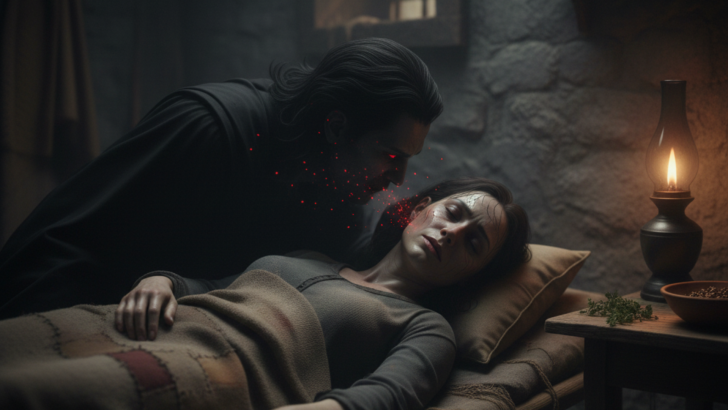
Among the many figures found in old stories, Asmodeus is often remembered as a spirit of temptation and chaos.
His name appears in ancient texts where he is described as a force that brings trouble to those who cross his path.
Some stories call him the demon physician, a being who could cure illness through a strange and disturbing skill known as fleshcraft.
Learning about this version of Asmodeus helps us understand how ancient people viewed the thin line between healing and harm and why some cures were considered too risky for humans to attempt.
The Shadowed Healer Who Walked Among the Sick
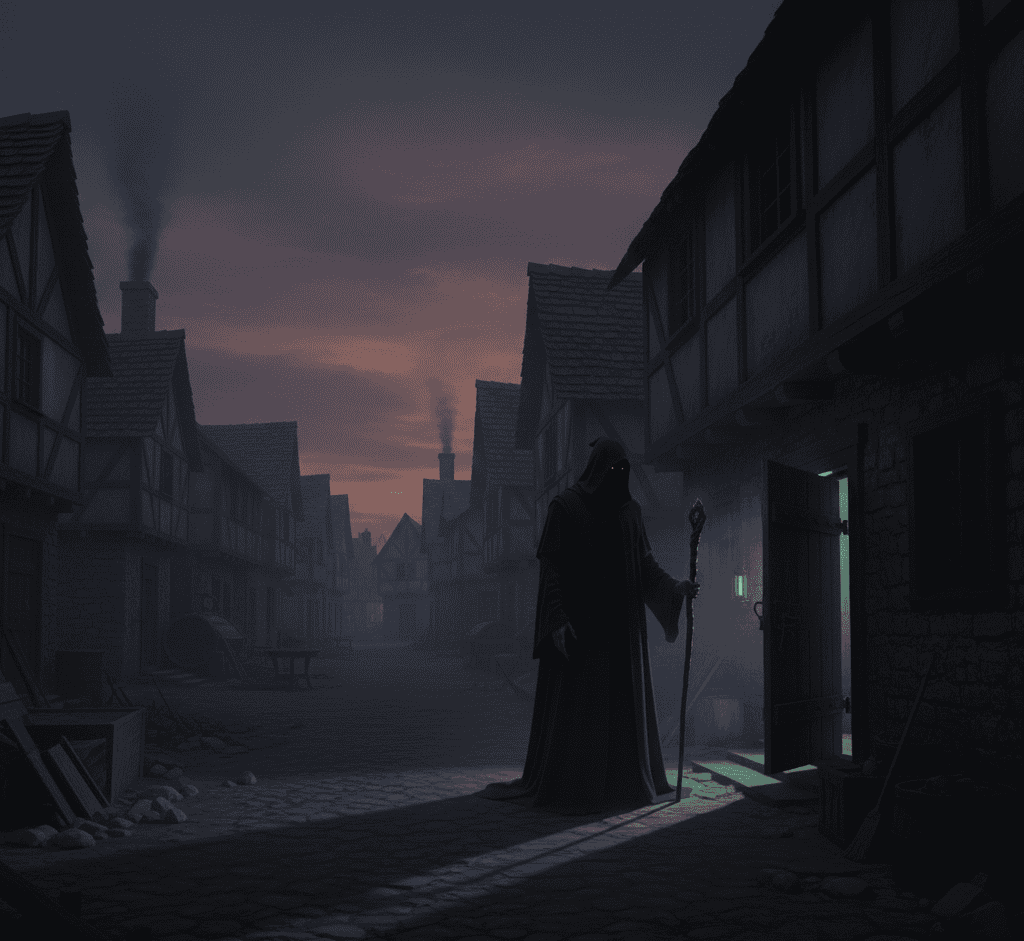
The first stories about Asmodeus place him in a world where spirits moved freely and often interacted with people.
Most believed he brought misfortune, yet a smaller group spoke of him differently.
They claimed that Asmodeus had once been a lover of knowledge who studied the secrets of the body and the hidden laws that shaped life.
This version of him travelled through lands where sickness spread quickly. He visited abandoned villages where families had been struck by fever.
He walked through dusty towns where healers had given up hope. In these dark places, he offered help, though no one knew whether accepting it would save them or ruin them.
People feared him because he came from a realm that humans were not meant to touch. He understood the body in ways no healer did.
He could see weaknesses in bones and flaws in blood. He felt how illness moved and where it hid. His knowledge was powerful but unsettling.
When he healed someone, the cure often came with a lasting change. A healed limb might appear stronger than before.
A cured illness might leave the person feeling more aware or less like their old self. Some claimed he left small marks on those he helped, marks that showed they had been touched by a world beyond human understanding.
Ancient storytellers did not agree on whether Asmodeus chose who to help or whether he simply followed his curiosity.
Some claimed he healed only those who showed bravery. Others believed he healed only those who were willing to accept the risk.
Forbidden Fleshcraft And The Secrets Of Living Matter

The word fleshcraft was whispered with fear because it described a practice that reached deep into the mystery of life.
According to old stories, fleshcraft allowed Asmodeus to shape living tissue the way a sculptor might shape clay.
He could guide cells to grow in new directions. He could strengthen a weak heart or repair damaged nerves.
This gift was not magic in the way people often imagined it. It was a skill that came from understanding the hidden threads that tied life together.
When someone was sick or injured, Asmodeus would examine them with a quiet focus. Some stories describe his hands as warm and gentle.
Others say they felt cold like moonlit water. He saw what was wrong beneath the skin even without touching it.
Once he understood the illness, he began his work. His fingertips moved slowly across the body. Where he touched, the flesh reacted.
These changes frightened people because they happened too quickly. Human healers used herbs, rest, and prayer.
Their cures demanded patience. Asmodeus worked with a speed that felt unnatural. The body reformed itself in moments rather than days.
This was what made his craft forbidden. It interfered with the natural rhythm of life. It stepped into a space where humans were not meant to act.
People wondered whether these changes were accidents or choices. Did Asmodeus shape them this way because their bodies demanded it, or because he wanted to leave a mark on the world through those he healed?
No story answers this directly. The mystery of fleshcraft remained untouched and frightening, a reminder that healing is not always gentle and that some cures come with deeper consequences.
The Line Between Healing And Transformation
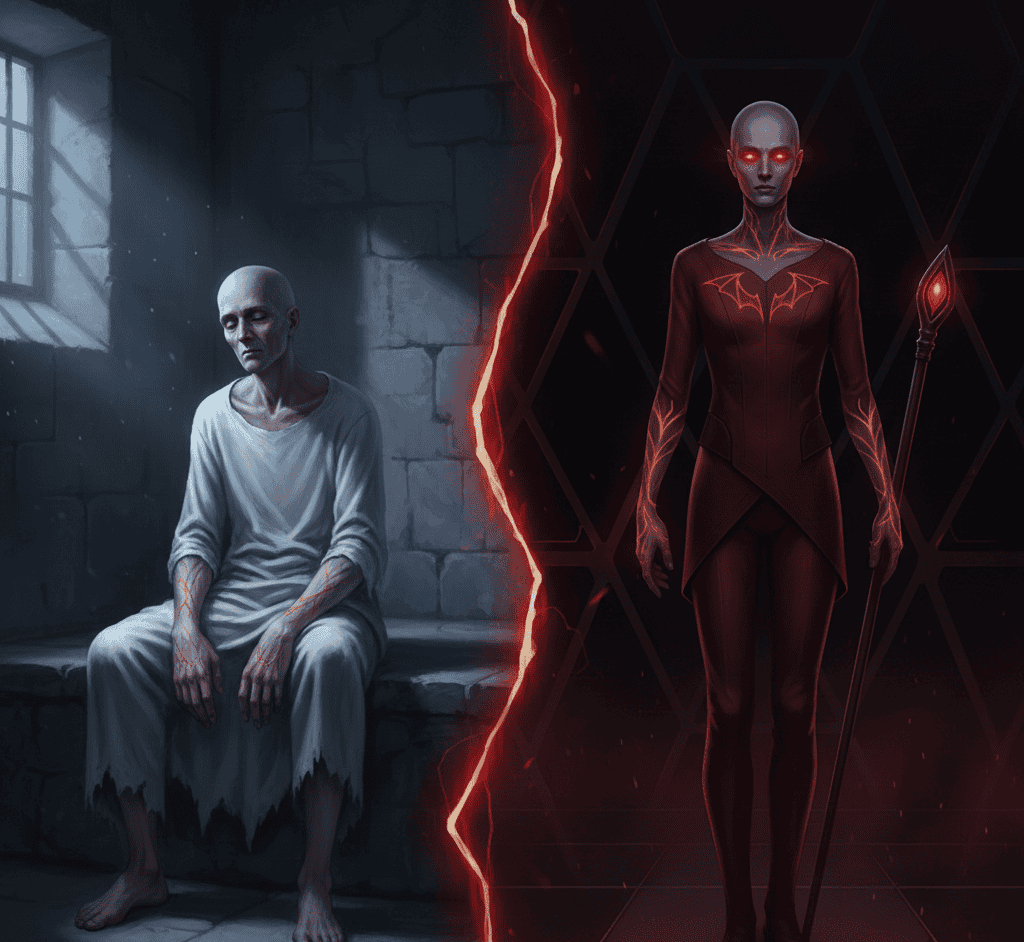
Asmodeus became a figure who challenged the meaning of healing. In human hands, healing meant restoring someone to their former state.
It meant returning them to who they had been. In his hands, healing became a form of transformation.
He believed that illness revealed parts of the body that were weak or flawed. To cure someone meant to rebuild those flaws in a new and different way.
This belief frightened people because it carried the idea that pain and sickness had a purpose.
Asmodeus seemed to see illness as a doorway. If someone crossed that doorway with his help, they became something more than they once were.
Some embraced this change. They felt reborn and stronger. Others felt trapped by a version of themselves they had not chosen.
After healing someone, he never stayed long. He vanished into forests or deserts or abandoned roads.
People rarely saw him twice. It was as if he never wished to see the results of his work. Perhaps he did not want to know whether his patients felt grateful or frightened.
Perhaps he believed his role was only to intervene when necessary and then leave the world to adjust to its altered shape.
This distance created a strange respect around him. Even those who feared him admitted that he carried knowledge no human possessed.
The Lasting Legend Of A Demon Who Healed What Humans Could Not
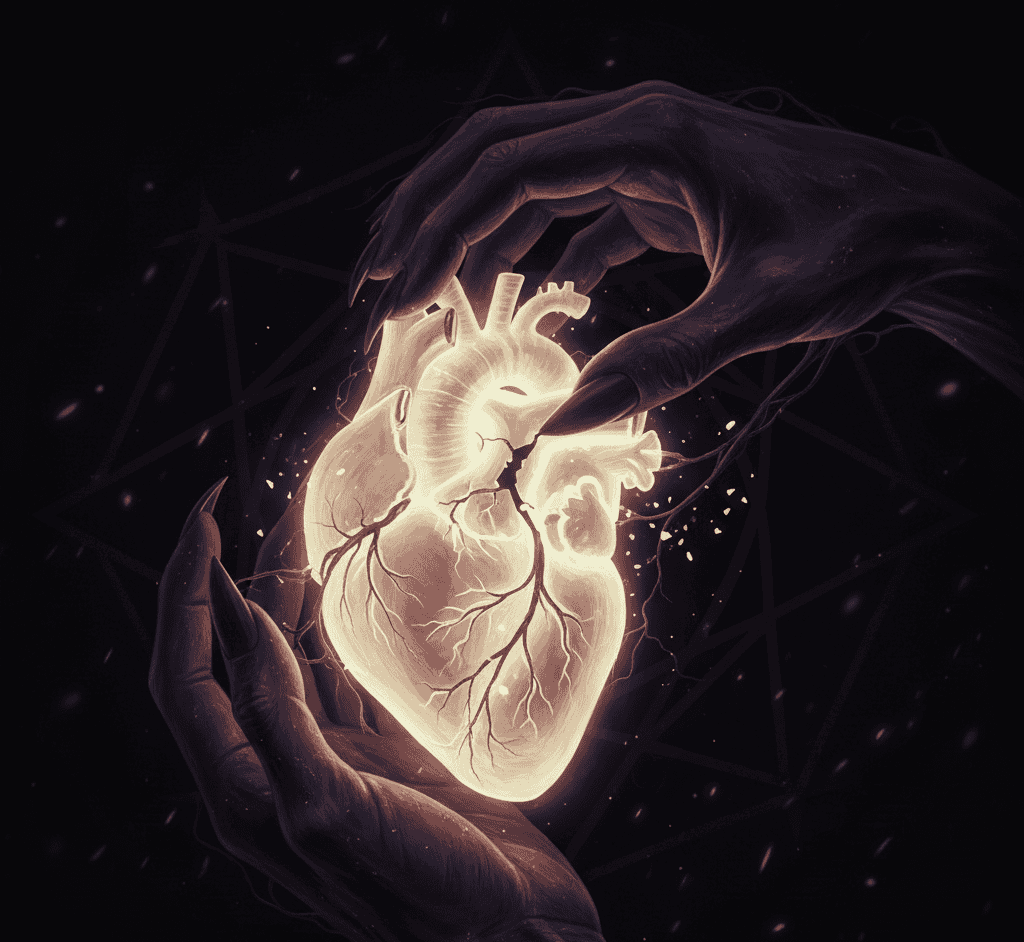
The legend of Asmodeus as the demon physician continues to fascinate people because it blends fear and wonder.
He was neither a simple villain nor a simple saviour. He lived in the space between. His cures brought life, yet they also brought transformation.
His power could save people from the brink of death, yet it could also change them forever.
People still feel drawn to this story because it raises questions about the limits of medicine and the meaning of identity.
If a cure changes who you are, is it still a cure? If saving a life means reshaping it, is the healer responsible for the result?
Asmodeus forces us to think about these questions even though he belongs to myth and legend.
His story remains a reminder that knowledge can be powerful and dangerous. Healing can be a gift and a challenge.
And those who seek to mend the body must respect the balance between what can be changed and what must remain untouched.
Through his strange and unsettling craft, Asmodeus remains a symbol of the mysteries hidden within the body and the choices people must make when faced with the edge between life and transformation.

Siempre sentí una fuerte conexión con lo Divino desde mi nacimiento. Como autora y mentora, mi misión es ayudar a los demás a encontrar el amor, la felicidad y la fuerza interior en los momentos más oscuros.