

Sometimes relationships end, not because love is absent, but because life makes it nearly impossible for two people to stay together in the way they wish.
Two people can be totally in love, experiencing strong chemistry and pure intentions toward one another, yet end up separating because there are things happening outside of the relationship that are out of their control that they just never saw coming.
When a relationship ends in this way, it creates an emotional void due to either one or both people experiencing silent emotional holes.
Being able to see and understand these sad reasons for the ending of a relationship can help people to heal with compassion toward each other.
1. Two People Grow in Opposite Directions

Different people can experience different things in the future as life continues to change. Every one of us will potentially develop a different future personality and outlook through life changes.
As we develop into something new and continue to develop our own opinions, we find ourselves wanting a different way of living. Although both people continue to love one another, they have each begun to want to live life differently, and their emotional needs have changed.
The two people must make adjustments in living with one another, and for a while, they work together to bridge the gap caused by the changes in life development.
When two people can no longer find common ground between their past feelings and current feelings and don’t want to stay together, their love becomes one of those sad experiences.
2. Timing Works Against the Relationship

When people have a timing mismatch, it can ruin the connection between them. This happens when two people meet at different points in their lives.
One person may be healing from something, while the other may be overwhelmed. Neither is ready to make a deeper commitment. The relationship may feel good, but neither party is emotionally ready to take it to a deeper level.
The person who wants the relationship to grow may need stability while the other is still looking for freedom. Additionally, life obligations, such as careers, family, and other significant life events, may prevent both parties from providing the emotional support needed to build a successful relationship.
Timing mismatches can be extremely painful for both parties because there is nothing wrong with either partner. The relationship arrives at a time when life is sending each person in different directions, so love comes too soon or too late.
3. Unspoken Needs Create Emotional Distance
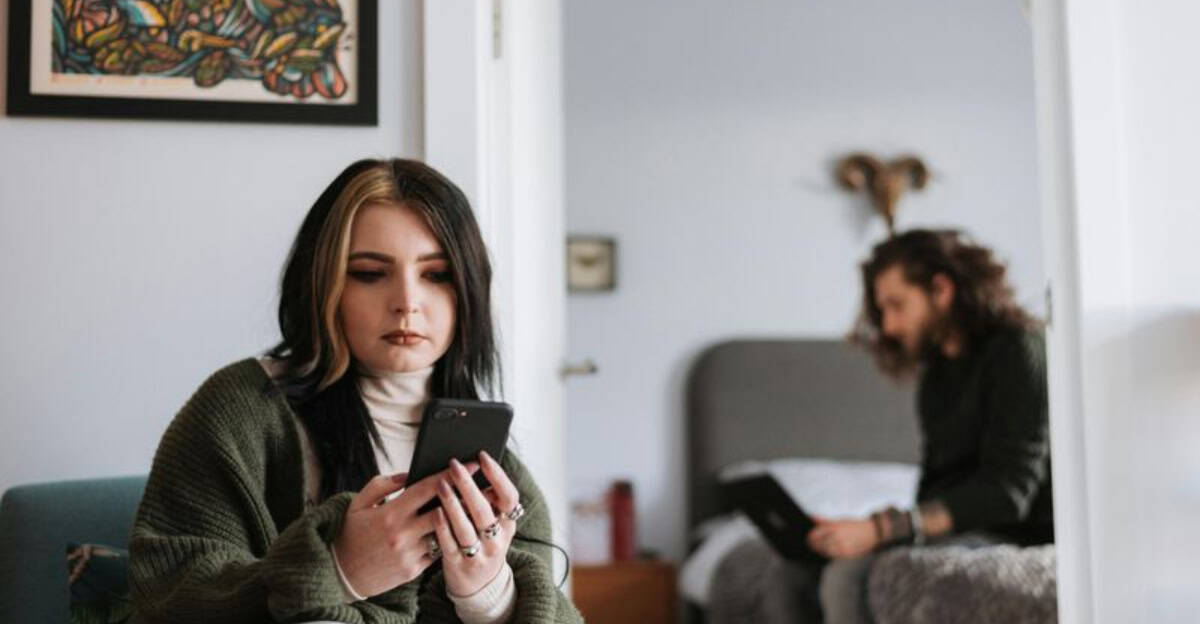
Sometimes partners won’t express their real needs, and relationships fail because of it. Partners may stay quiet and let each other get by without saying anything, thinking their partner will somehow know what’s needed.
Over time, unmet needs can create resentment and/or emotional exhaustion. While both people in a relationship may love each other, the lack of communication leads to a gradual decrease in closeness and connection.
Being misunderstood and unsupported can create feelings of being out of sync with one another. This kind of distance is hard to see or feel until it becomes deeply rooted.
Much of the emotional disconnection will occur during quiet times rather than in dramatic confrontations. Relationships that remain silent about needs will eventually crumble under the weight of misunderstandings, misinterpretations, and assumptions that neither partner has meant to create.
4. One Person Carries More Emotional Work Than the Other

Issues in a relationship can occur when one partner is taking on the role of being the emotional connection and the other relies too much on them for support.
The imbalance might start out small, but eventually it will become very draining on the person who is doing the majority of the caregiving.
One person handles the conflict resolution, the reassurance, and the planning, and is generally the emotional caregiver, while the other has a more passive role in the relationship.
The relationship goes from a partnership to a responsibility for one partner, which causes the giving partner to slowly become worn out over time, even though they may still have deep feelings for their partner.
Once the emotional exhaustion sets in for the giving partner, the love for their partner will start fading away as well. If the relationship doesn’t regain any equilibrium, then it loses all of its excitement.
5. Past Trauma Interferes With Present Love

When past traumas are still unresolved for partners in a relationship, both are unable to heal together emotionally.
This leads to one or both partners developing fears of intimacy through distancing and self-protection coping mechanisms, which prevent them from being able to connect with one another on a deep emotional level.
Even though a partner may love their partner very deeply, that partner may have difficulty trusting, being vulnerable, or being consistently present, and therefore, the other partner’s attempts at love may not fill the void created by emotional trauma.
Over time, the difficulty of reconciling the heart’s want for love, connection, and security creates a battleground for the relationship. As a result, a partnership that should be a source of safety and support becomes a source of pain and suffering as unresolved emotional trauma continues to create barriers to healthy growth and stability in the partnership.
6. They Love Each Other, But Not Themselves

If one or both partners have a fragile sense of self-worth, the relationship will likely fail. Without self-love, a partner may depend too heavily on the relationship for validation, creating insecurity, jealousy, and emotional instability in the relationship.
Even with a strong connection between partners, one partner’s inner fear and doubt lead to constant questioning of their connection to the other person.
A partner that does not love himself/herself may unintentionally destroy their relationship due to the fear of abandonment and feelings of not being good enough.
Eventually, the emotional turmoil created by one or both partners will outweigh the emotional capacity of the relationship, which means that while the love remains very real between the partners, the lack of self-love makes it impossible to sustain a healthy and loving connection.

Born and raised in Bosnia and Herzegovina. Ever since I was a little girl, my imagination knew no bounds. I remember vividly how I’d scribble down short stories, each page bursting with adventures and characters conjured up from the whimsy of my mind. These stories weren’t just for me; they were my way of connecting with my friends, offering them a slice of my fantasy world during our playtimes. The joy and excitement on their faces as we dived into my fictional realms motivated me to keep writing. This early passion for storytelling naturally evolved into my pursuit of writing, turning a childhood hobby into a fulfilling career.