
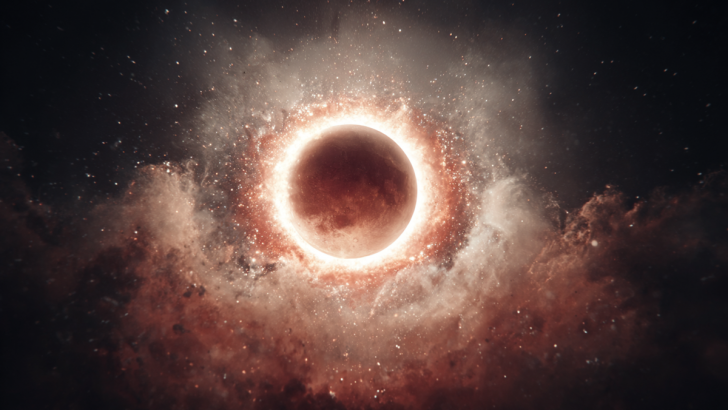
Ready to mark up your 2026 sky-watching calendar with celestial drama, cosmic romance, and that one moment each eclipse when todo el mundo in the group chat shouts “OMG did you see that?!”? Let’s break down the lunar eclipses of 2026—when they happen, where you can see them, and why you might already be planning a stargazing party.
1. March 3, 2026 — Total Lunar Eclipse (aka The Blood Moon)
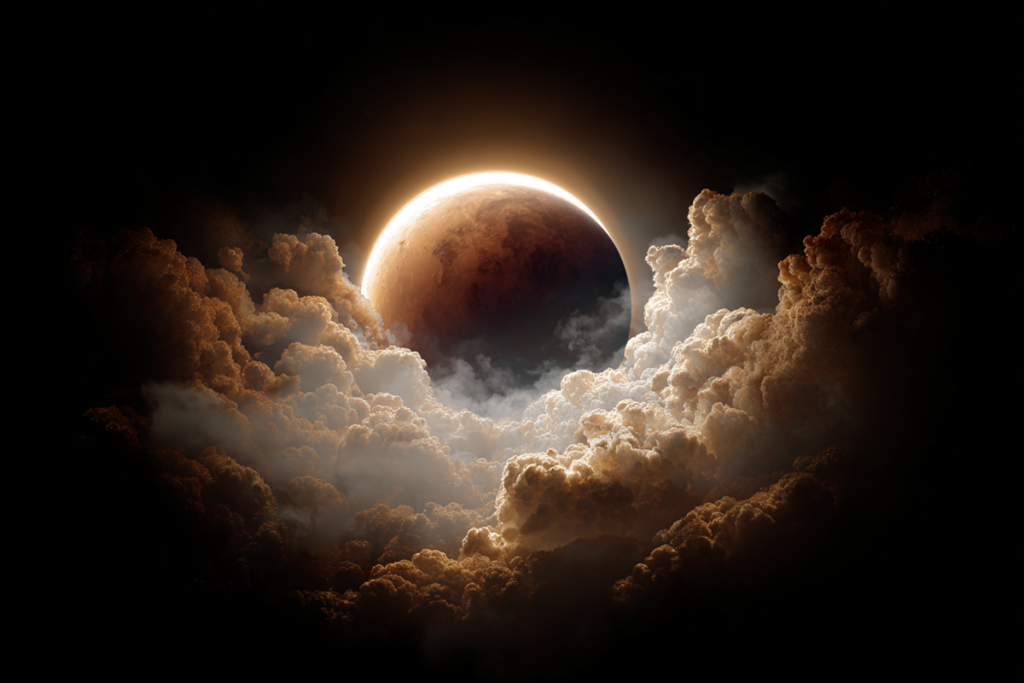
What it is: A total lunar eclipse happens when the Earth’s shadow completely covers the Moon, turning it a gorgeous reddish-orange (hence the dramatic nickname “blood moon”).
When: Night of March 2–3, 2026 (the eclipse occurs around March 3 at UTC). Totality (full red phase) lasts about 58 minutes.
Where it’s visible: Western North America (best views before dawn), Australia & New Zealand, Eastern Asia and across the Pacific and Parts of South America demasiado
Why it’s cool: This is the first total lunar eclipse of the year, and one of the most photogenic cosmic events you’ll see in 2026. No special equipment needed—just clear skies, a comfy blanket, and maybe hot cocoa or your preferred stargazing beverage.
Timing tip: The exact local times depend on your time zone, but it’s happening in the early morning or late evening hours of March 3 for many locations—just before or around moonset.
2. August 27–28, 2026 — Deep Partial Lunar Eclipse
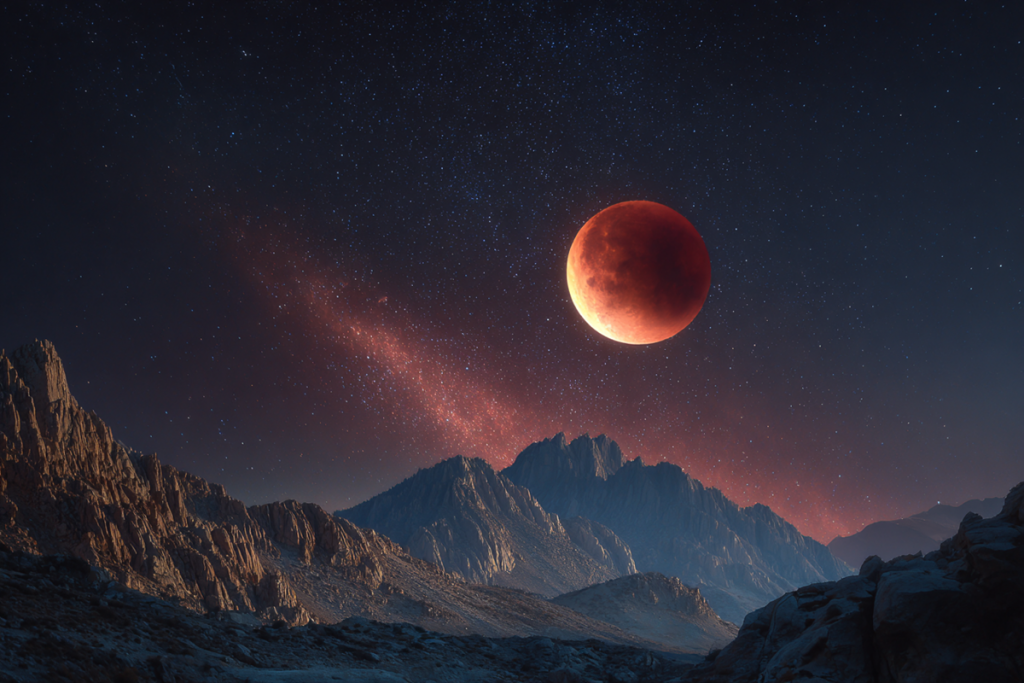
What it is: Unlike total eclipses, a partial lunar eclipse only has part of the Moon dipping into Earth’s shadow—but this one is really deep, with about 93% of the Moon covered.
When: Overnight August 27–28, 2026 (UTC times vary by location).
Where it’s visible: All of the Americas (North & South), Europa and parts of Africa & Asia, Even observers over the Pacific y Indian Oceans will see some of it
Why it’s cool: It’s nearly a total eclipse, so even though it doesn’t go all the way, the Moon will look dramatically shadowed—definitely worth staying up for, especially since it’s more widely visible than the March event.
3. How Often Do These Happen?
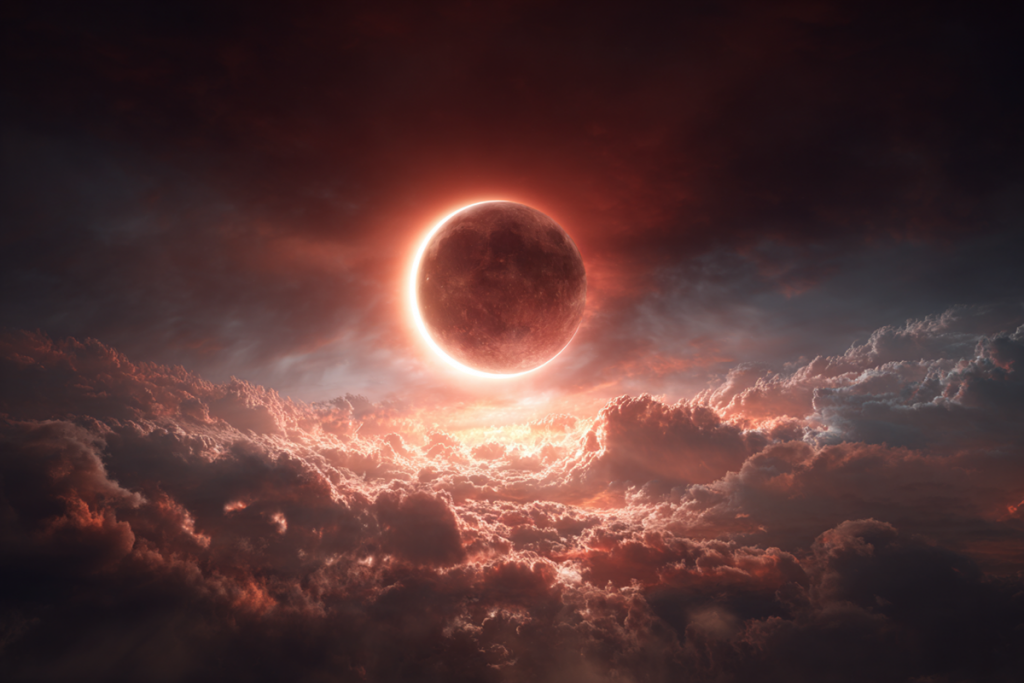
In 2026 there are two lunar eclipses total—one full and one partial—as part of a seasonal cosmic dance that also includes two solar eclipses (but those are a different kind of show).
Lunar eclipses only happen a couple times a year when the Sun, Earth, and Moon line up perfectly during a full moon. So when they occur, it’s always a treat—especially the deep ones like these.
4. Pro Tips for Watching
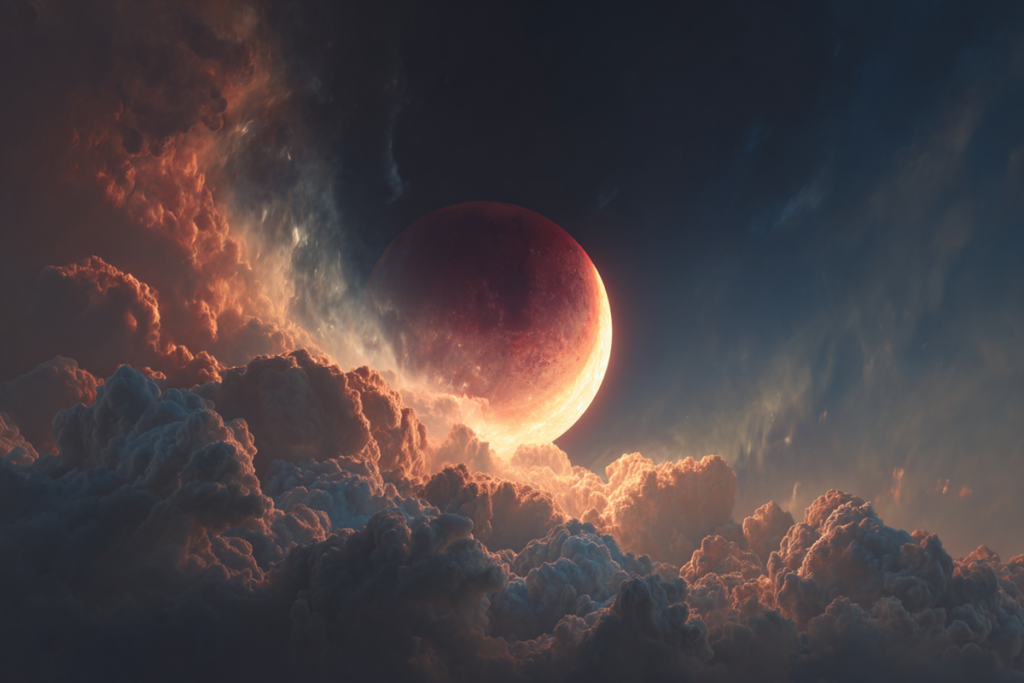
No glasses needed! Unlike solar eclipses, lunar ones are safe to watch with your naked eye. Binoculars or a small telescope will make the view even richer.
Check weather first. Clouds and early sunsets can block your view, so a clear sky forecast turns a neat event into a memorable one.
Camera ready. If you want photos, use a tripod and a telephoto lens for best results—your phone camera can still capture cool images if you steady it against something.
5. Why Eclipse Watching Is Always Worth It
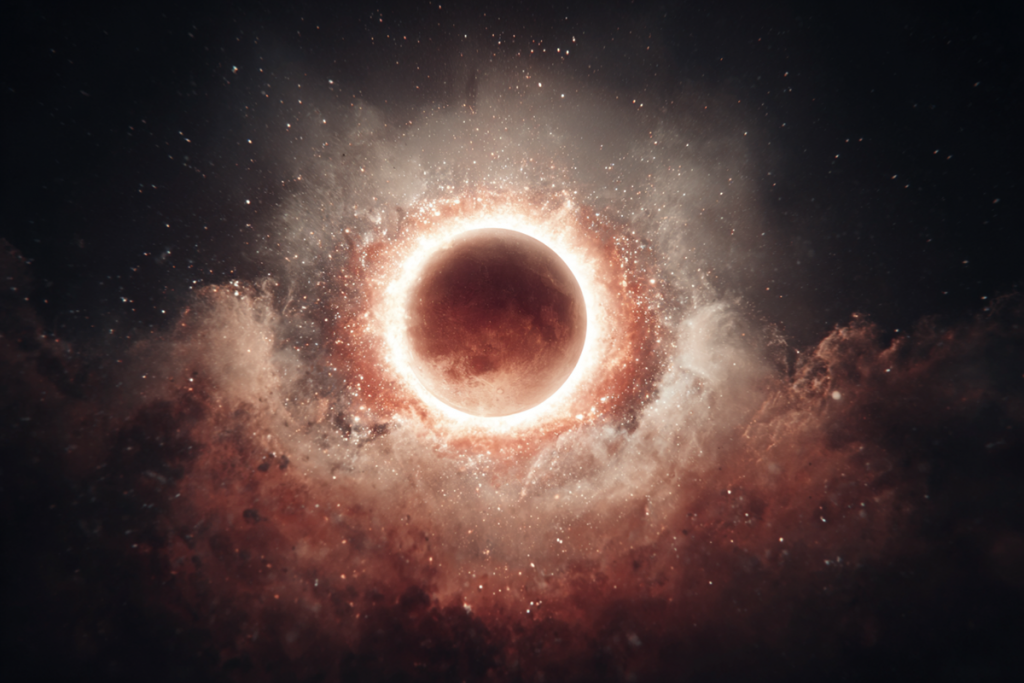
Sure, it’s scientific—not supernatural—but there’s something eerily magical about watching the Moon fade from bright white to deep red and back again. It’s a moment where everyone looking up at the same time across different countries feels… cosmic.
So bookmark those dates, sync your calendars, and get ready for celestial vibes. There’s nothing quite like an eclipse to make you feel a part of the universe.

Lover of good music, reading, astrology and making memories with friends and spreading positive vibes! 🎶✨I aim to inspire others to find meaning and purpose through a deeper understanding of the universe’s energies.