
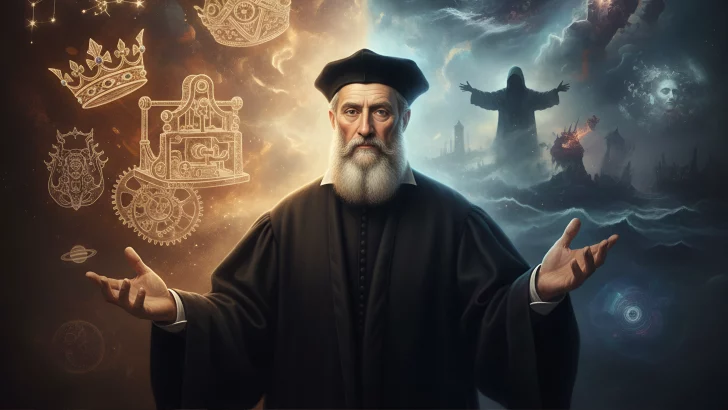
Nostradamus is one of the most famous figures in history connected to prophecy.
He lived in the 16th century and wrote a series of predictions that have fascinated people for centuries.
His visions are mysterious, symbolic, and often difficult to understand. Many people claim he predicted major events such as wars, natural disasters, and political changes.
Others believe his work is symbolic rather than literal. Despite the mystery, his visions continue to inspire curiosity and study.
Below are ten important facts about Nostradamus’ visions, explained clearly and in detail.
1. Nostradamus Wrote in Cryptic Verses
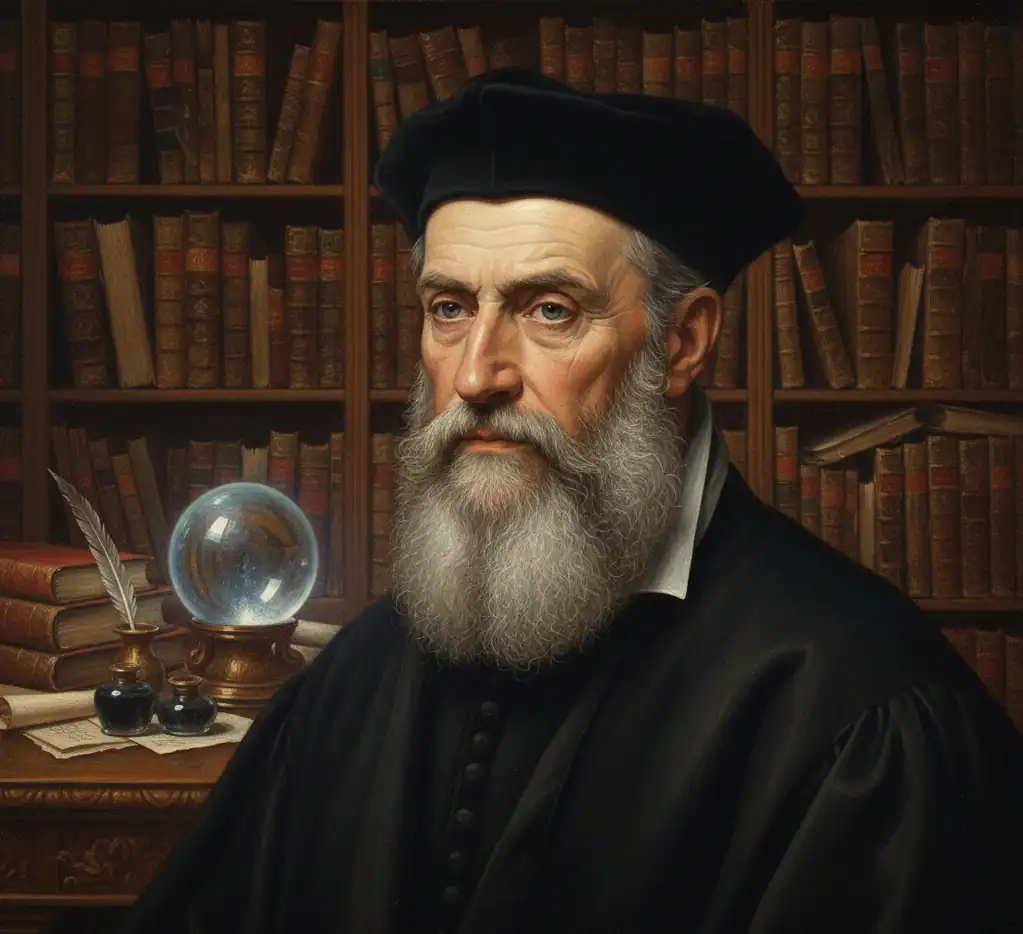
Nostradamus’ most famous work is the Centuries, a collection of poems written in quatrains. A quatrain is a four-line poem.
These verses are full of symbolism, unusual words, and hidden meanings. They are not straightforward predictions, which is why they are so famous and controversial.
Writing in cryptic language allowed Nostradamus to express ideas without revealing them directly.
He used metaphors, historical references, and sometimes invented words. This makes his visions flexible in interpretation.
Scholars say this cryptic style was intentional so that people could not misuse his prophecies or become fearful.
It also reflects the complexity of his wisdom. The mystery of his words is part of what makes his visions powerful and enduring.
2. He Claimed to Receive Inspiration Through Meditation
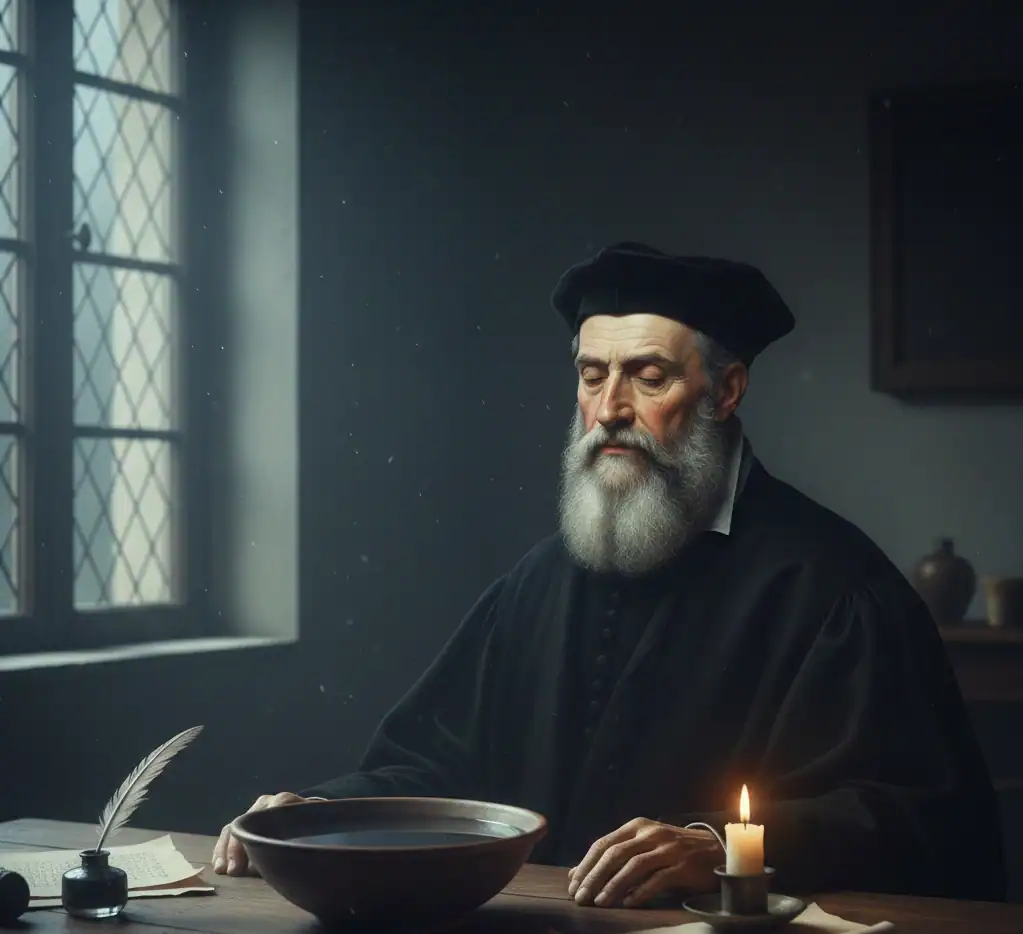
Nostradamus reportedly received some of his visions through meditation and deep reflection.
He would enter a quiet state, often late at night, and focus on symbols, colors, and visions in his mind.
Some sources suggest he used a bowl of water or other reflective surfaces to enhance his concentration.
This method indicates that Nostradamus believed wisdom and foresight came from connecting with intuition and the subconscious mind.
Darkness and silence were important because they allowed images and ideas to surface. His visions were not random.
They were cultivated through intentional mental practice. This shows that his work was both spiritual and psychological, not just imaginative writing.
3. Nostradamus Combined Astrology With Visions
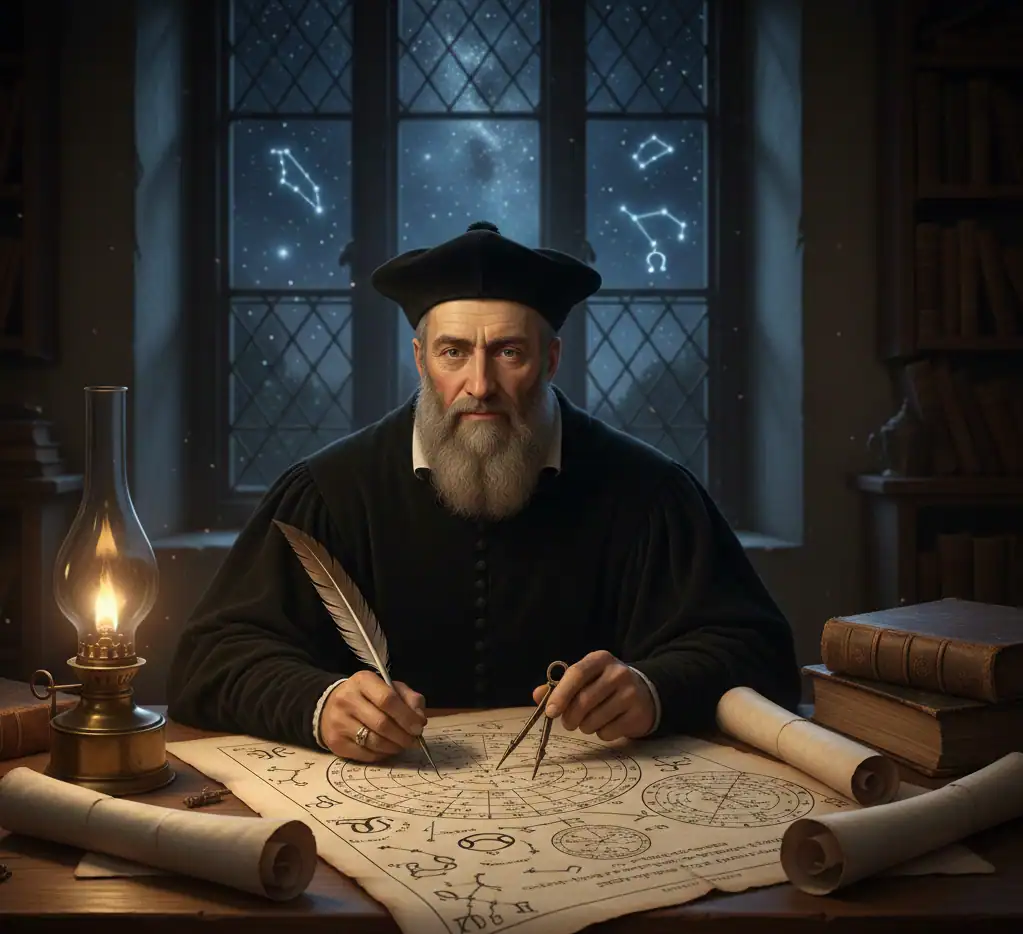
Nostradamus was also an astrologer. He believed that the positions of the planets and stars affected human events.
He often combined astrological observation with visionary insights to predict outcomes.
This combination was unusual for his time, but it gave his work depth and complexity. Astrology, in his visio,n helped him understand timing and influence.
He did not just see events. He tried to understand when they might occur and how they could unfold.
This mixture of astrology and visions explains why interpretations of his work often vary. His method suggests that foresight requires observation, study, and reflection, not just imagination or guesswork.
4. He Predicted Events in Symbolic, Not Literal, Terms
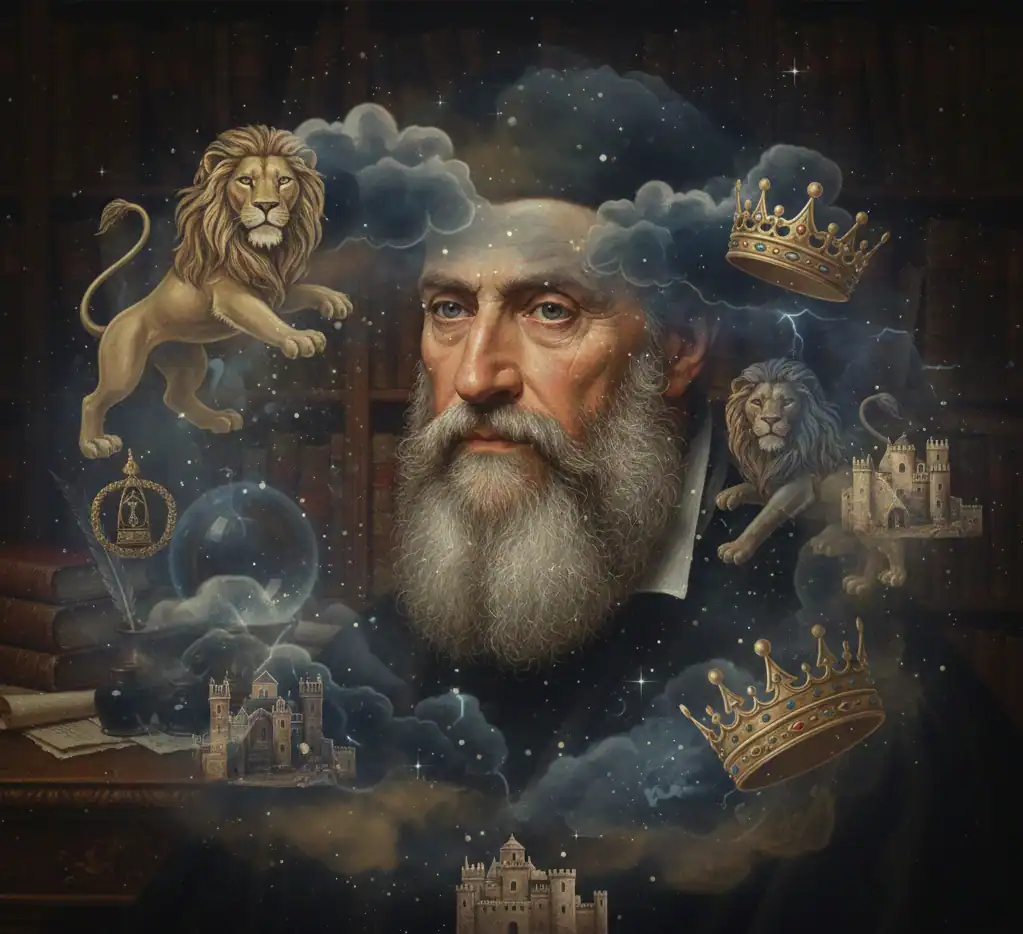
One of the key features of Nostradamus’ visions is that they are symbolic. He rarely described events directly.
Instead, he used images, animals, colors, and natural events as metaphors for real-world occurrences.
For example, he might describe a lion in a city to represent a powerful ruler, or a flood to symbolize political upheaval.
This symbolic style makes his predictions hard to interpret, but also timeless. The same verse can apply to many situations over centuries.
This fact shows that he valued insight and warning over specific detail, trusting readers to understand the deeper meaning rather than superficial events.
5. Many Interpretations Exist
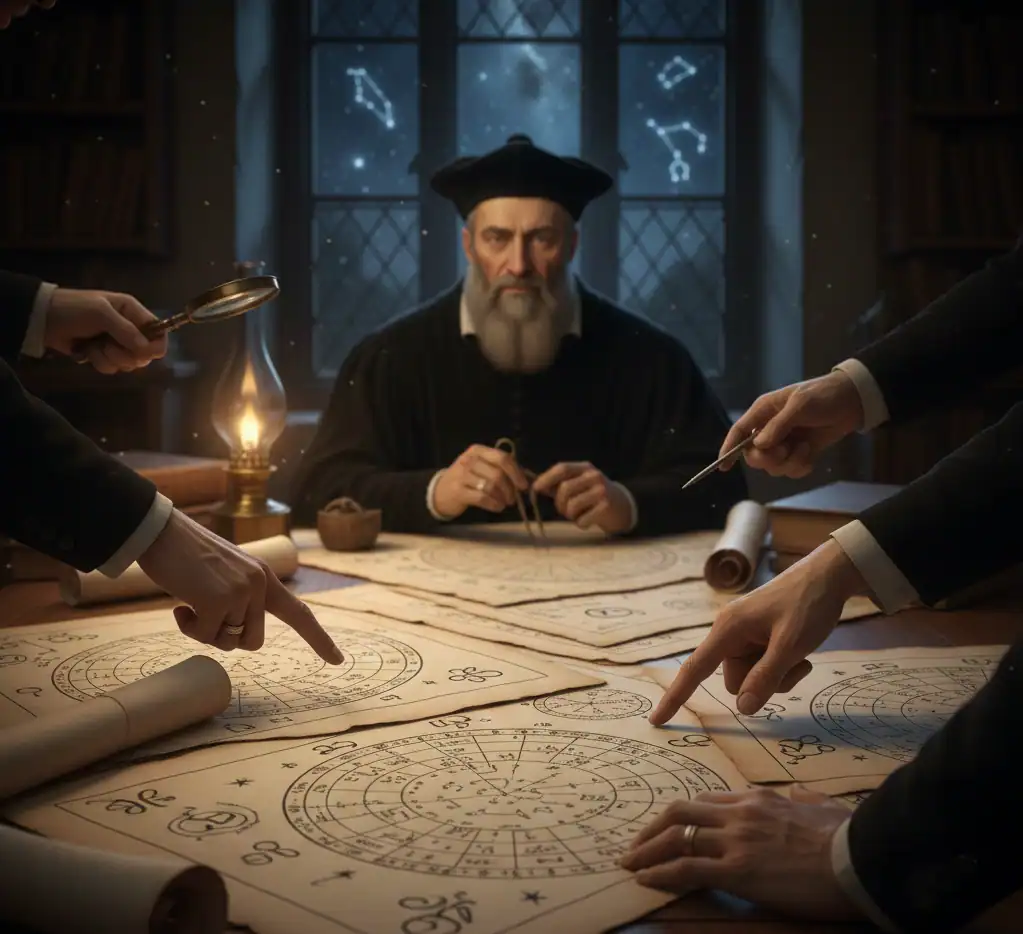
Because his verses are symbolic, there are countless interpretations of Nostradamus’ visions.
Scholars, historians, and enthusiasts have tried to connect his writings to wars, revolutions, natural disasters, and even modern events like space exploration or pandemics.
This shows that his work is flexible and encourages thinking rather than giving exact predictions.
The multiple interpretations are not mistakes. They reflect the layers of wisdom in his visions.
Nostradamus’ writings invite readers to reflect on history, human nature, and potential outcomes.
His work teaches that foresight is often about understanding patterns, not predicting exact dates.
6. Nostradamus’ Visions Were Influenced by Historical Knowledge
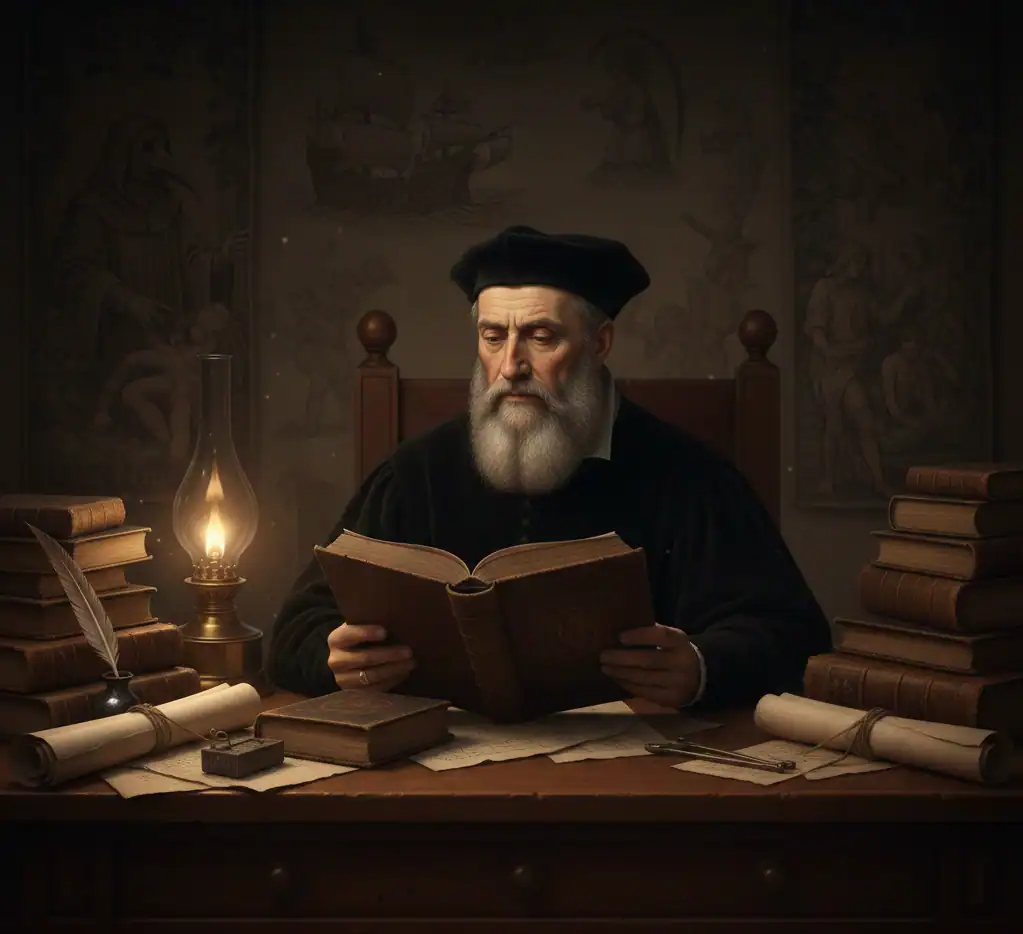
Nostradamus lived in a time of religious conflict, plague, and political change. His visions were often shaped by what he observed in history and society.
He studied classical texts, religious prophecies, and historical events carefully before writing his quatrains.
This historical knowledge allowed him to recognize patterns and cycles. He noticed that human behavior often repeated itself across generations.
His visions combined this observation with symbolic insight. This fact shows that wisdom comes from both study and reflection.
Nostradamus did not rely only on imagination. He carefully learned from the past to understand the future.
7. Some Predictions Were Specific, Others Were Broad
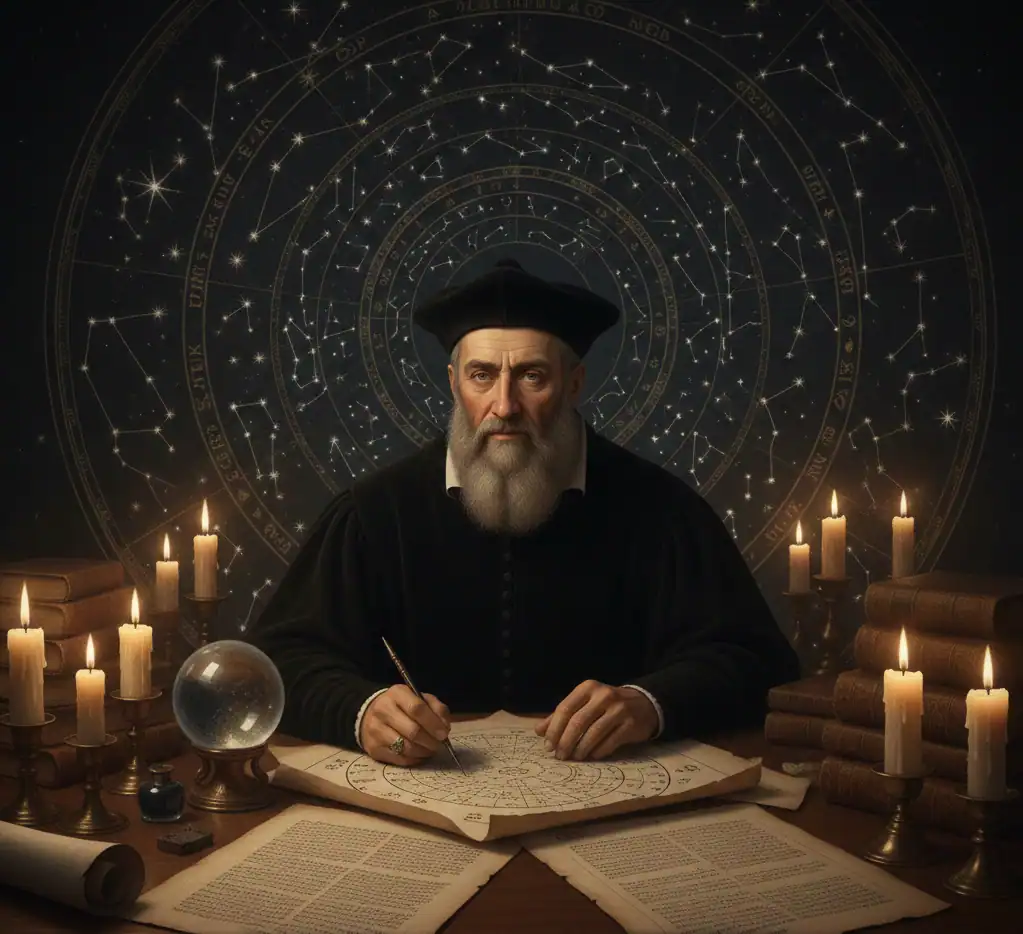
Some of Nostradamus’ quatrains are surprisingly specific, while others are very broad.
For example, some might mention specific locations, rulers, or conflicts, while others discuss general themes like war, famine, or disease.
This mixture adds to the mysterious quality of his work. The specific predictions show that he sometimes had precise insight, possibly guided by observation or intuition.
This fact demonstrates that foresight can operate on multiple levels: precise knowledge, symbolic insight, and spiritual wisdom.
Nostradamus’ visions work on all these levels, which is why they have lasted for centuries.
8. He Was Careful to Avoid Panic
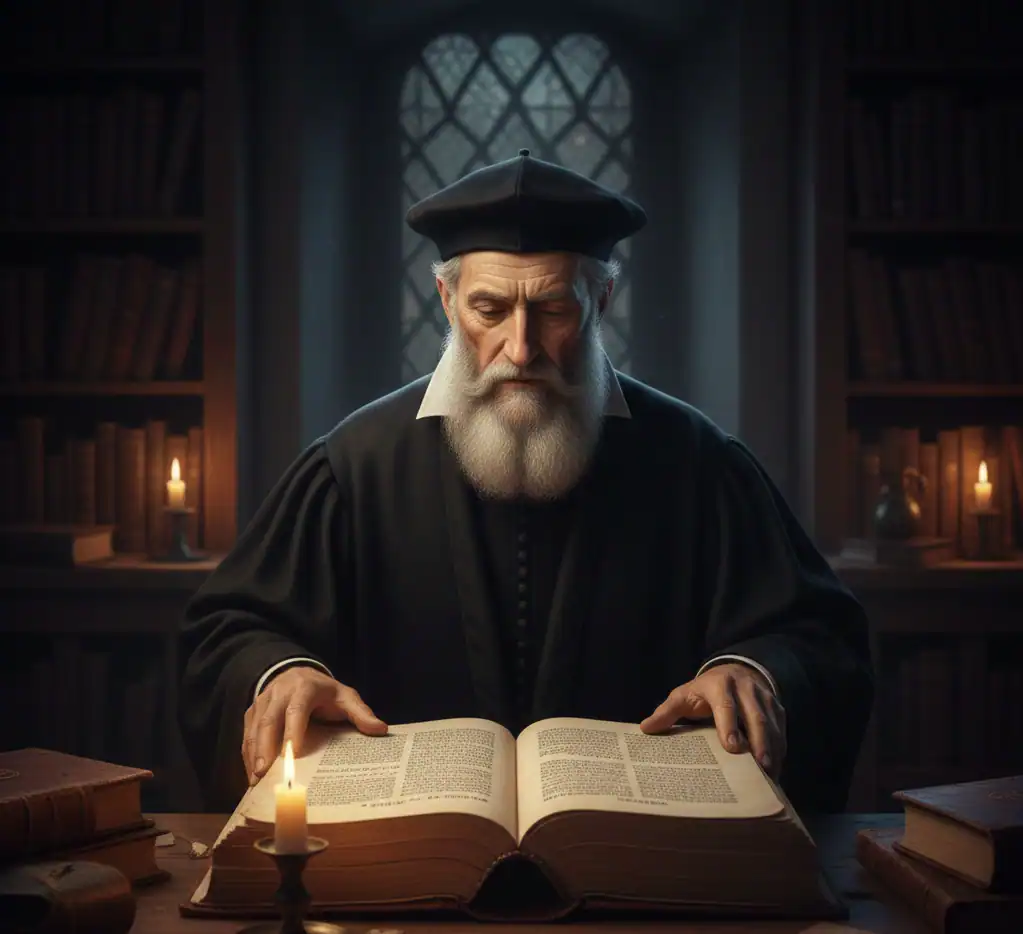
Nostradamus lived during a dangerous time. Wars, plagues, and political unrest made people anxious and fearful.
Writing frightening predictions could have caused panic or even put him in danger. This is likely why he used symbolic, cryptic language.
By keeping his visions indirect, he shared warnings without creating unnecessary fear.
Readers who reflected deeply could understand the messages, while casual readers might not notice.
This approach shows that wisdom is often about timing, discretion, and responsibility. Nostradamus understood that insight must be delivered carefully to be useful.
9. Many Events Are Thought to Have Matched His Visions
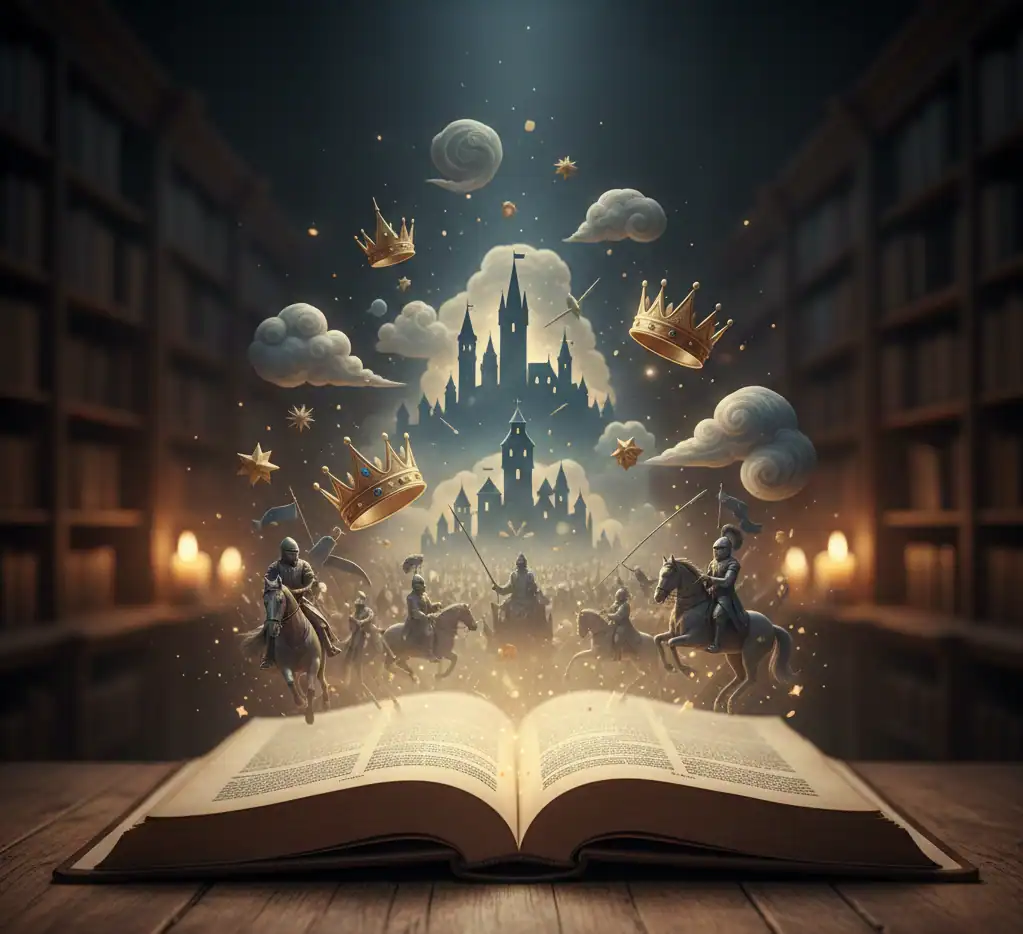
Over the centuries, people have tried to match Nostradamus’ visions to real events.
Wars like the French Revolution, natural disasters, and political upheavals have been connected to his quatrains.
Some historians argue these matches are coincidences, while others believe they show his insight.
Whether exact or symbolic, these examples demonstrate how his visions encourage interpretation and reflection.
Readers look at history through his symbolic language and find patterns they might have missed.
This fact shows that Nostradamus’ visions are not just about prediction. They are also tools for understanding human behavior, cycles of history, and the consequences of actions.
10. Nostradamus’ Visions Remain Influential Today
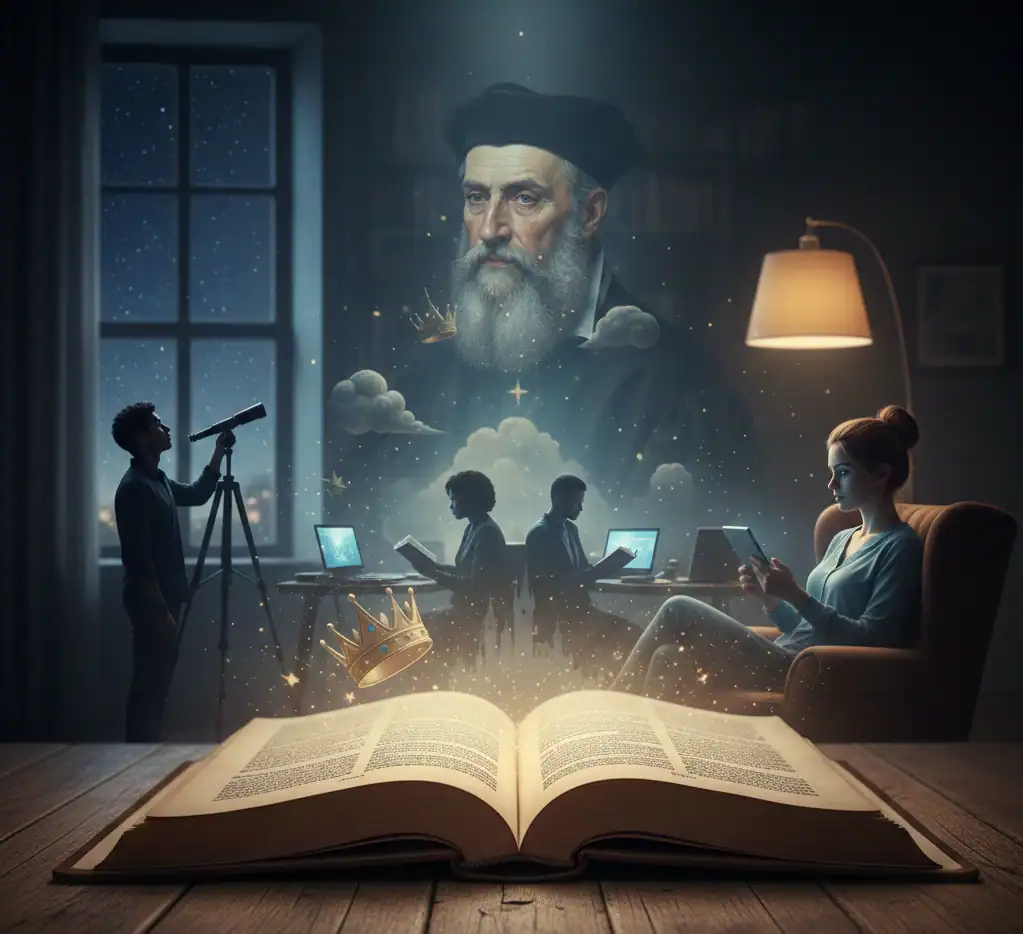
Even centuries after his death, Nostradamus’ visions are widely read, studied, and debated.
His visions appear in books, documentaries, movies, and even modern spiritual discussions.
People are fascinated by how symbolic, mysterious, and adaptable his quatrains are. His enduring influence shows that wisdom in darkness and mystery is powerful.
His cryptic, reflective, and symbolic style continues to challenge readers to think critically, observe patterns, and consider the future.
This fact demonstrates that the way he combined observation, intuition, symbolism, and reflection created insights that remain relevant.

Siempre sentí una fuerte conexión con lo Divino desde mi nacimiento. Como autora y mentora, mi misión es ayudar a los demás a encontrar el amor, la felicidad y la fuerza interior en los momentos más oscuros.