
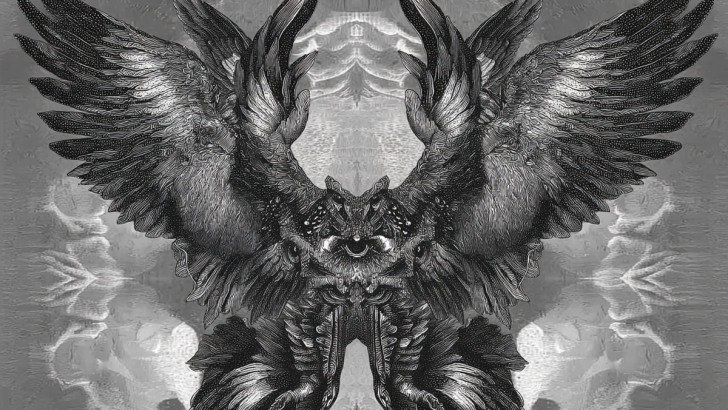
Angels have had a principal PR makeover in modern culture. Somewhere between greeting-card aisles, Instagram aesthetics, and soft-focus TV dramas, these ancient, terrifying, awe-inspiring beings were rebranded as glowing emotional-support humans with wings.
Cute? Sure. Accurate? Not even a little. Across religious texts, mysticism, and folklore, angels are powerful, strange, and sometimes downright unsettling.
They’re not here to look pretty or validate your bad decisions—they’re here to deliver messages, enforce cosmic order, and occasionally scare the absolute soul out of people. Let’s gently but firmly correct the record.
1. Angels Are Not Always Gentle or “Nice”
Modern culture paints angels as endlessly kind, soothing presences who exist to comfort you during mild inconveniences.
In reality, angels are often intense, serious, and overwhelming. In nearly every ancient text, the first thing an angel says upon appearing is essentially, “Do not be afraid,” which strongly implies that fear is the default reaction. Angels aren’t mean—but they’re not emotionally coddling humans either.
They operate on divine authority, not people-pleasing energy. Their kindness is purposeful, not performative, and sometimes it shows up as disruption rather than comfort.
2. Angels Do Not Look Like Winged Humans

Sorry to every Renaissance painting and Hallmark ornament, but angels are not just hot people with wings. Many traditional descriptions of angels are wildly abstract—multiple faces, wheels covered in eyes, rings of fire, or beings made of pure light and sound.
Some angels don’t even have a physical form humans can comprehend. The soft, feathered aesthetic is a later artistic choice meant to make angels less horrifying and more relatable. Biblically accurate angels would absolutely clear a room at brunch.
3. Angels Are Not Assigned to Grant Wishes

Angels are not cosmic customer-service reps waiting to fulfill your manifestation list. Their role has always been about messages, guidance, protection, and enforcement—not granting desires on demand. Modern culture often blends angel lore with wish-fulfillment spirituality, but historically, angels show up to deliver truths, warnings, or instructions.
Sometimes those truths are inconvenient. Sometimes they change lives forever. Angels don’t exist to make things easier; they exist to make things alineado.
4. Angels Are Not the Same as Spirits or Ghosts
One of the biggest modern mix-ups is lumping angels into the general category of “vibes.” Angels are not deceased humans, ancestors, or wandering spirits who decided to level up. They are a separate order of beings entirely, created for specific functions.
That sweet idea that “your grandma became an angel” may be comforting, but it’s not rooted in traditional theology or mysticism. Angels are messengers and agents—not upgraded souls with wings and nostalgia.
5. Angels Are Not Always Soft or Feminine
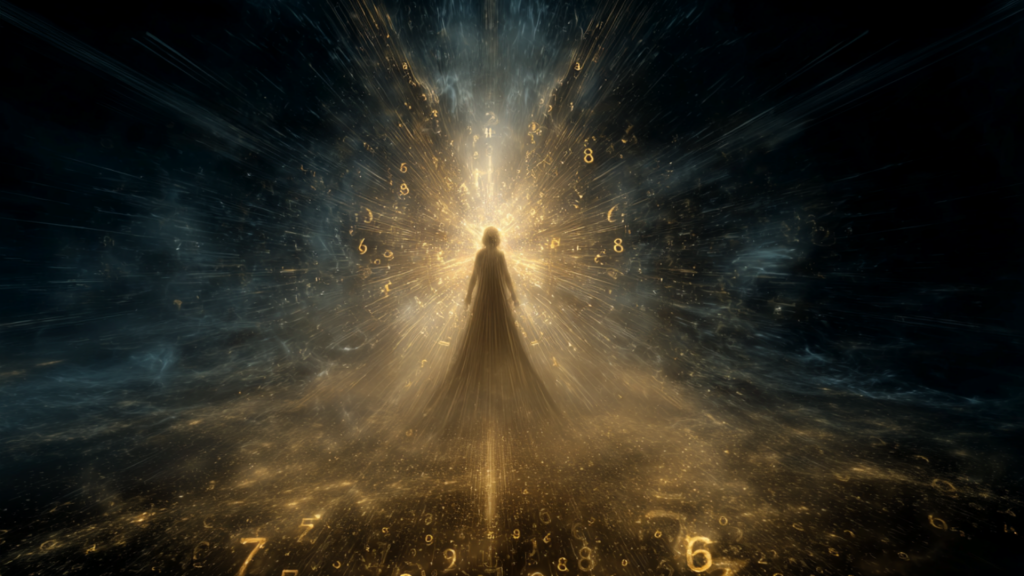
Modern depictions lean heavily into angels as delicate, glowing, feminine-coded beings floating in pastel light. Historically, angels are overwhelmingly described as powerful, commanding, and genderless—or distinctly masculine in tone.
Their energy is authoritative, direct, and often intimidating. They are warriors, guards, and heralds, not ethereal decoration. The softness is a modern projection, not a historical truth.
6. Angels Do Not Exist Just to “Watch Over You”

While protection is part of angelic lore, angels are not passive spectators cheering you on from the sidelines of your life. They intervene when necessary—and sometimes that intervention is subtle, but sometimes it’s life-altering.
Angels don’t hover for entertainment; they act with intention. If an angel is present, something important is happening. They don’t micromanage your daily choices, but they absolutely step in when destiny, morality, or cosmic order is involved.
7. Angels Are Not Anti-Free Will

A common misconception is that angels exist to control human behavior. In reality, angels repeatedly respect human free will—even when humans make terrible choices.
They deliver messages, offer warnings, and provide protection, but they don’t force outcomes. Angels guide; they don’t override. The frustration of watching humans ignore divine advice is practically an angelic personality trait at this point.
8. Angels Are Not All the Same

Modern culture often treats angels as interchangeable glowing beings with identical personalities. Historically, angels exist in hierarchies, ranks, and roles—each with different responsibilities and levels of power.
Messengers, guardians, warriors, record-keepers—these are not the same job. Expecting every angel to act like a comforting guide is like expecting a general, a librarian, and a bodyguard to have the same vibe. They do not.
9. Angels Do Not Always Bring Comforting Messages

Sometimes angels bring malas noticias. Sometimes they announce endings, upheaval, or divine judgment. Sometimes they exist solely to observe or execute a task that has nothing to do with human happiness.
Modern culture tends to romanticize angelic appearances as reassurance, but historically, angelic messages often require courage, sacrifice, or major life changes. Comfort is optional; truth is not.
10. Angels Are Not Here for the Aesthetic
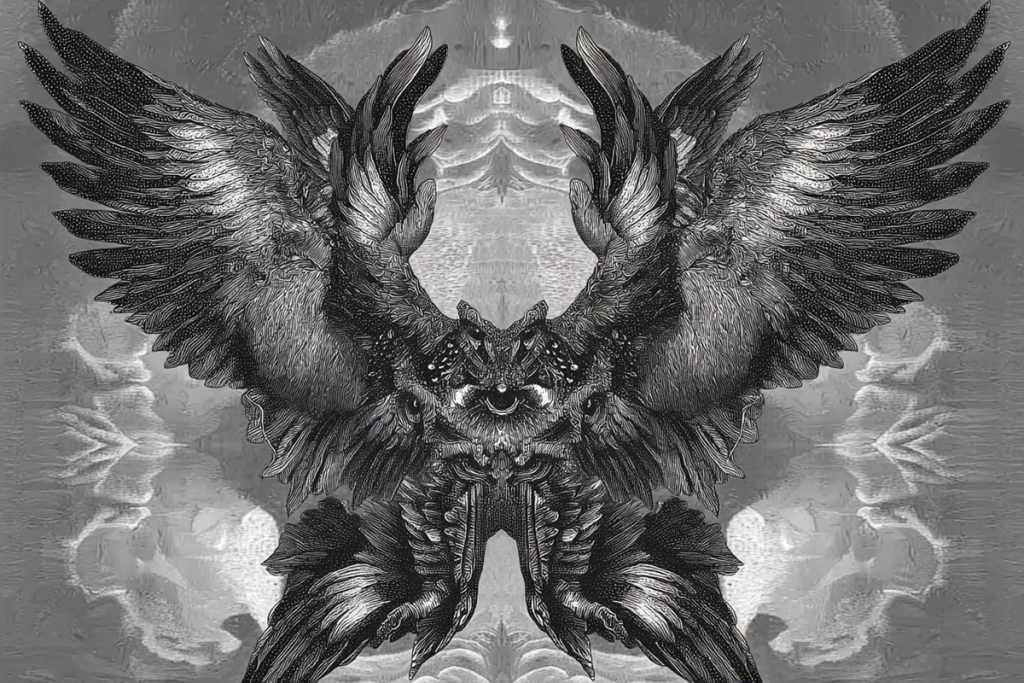
Angels are not mood boards, decor themes, or Instagram symbols of “good vibes only.” Their presence has always been about meaning, order, and divine structure—not visual appeal.
Turning angels into aesthetic accessories strips them of their power and complexity. Angels are less about feathers and glow, more about purpose and authority. If angels cared about aesthetics, ancient texts would look very different—and much less terrifying.

Lover of good music, reading, astrology and making memories with friends and spreading positive vibes! 🎶✨I aim to inspire others to find meaning and purpose through a deeper understanding of the universe’s energies.