

The Bible contains many accounts of rituals and practices that guided the spiritual and social lives of ancient people.
While some customs are familiar today, others may seem strange, intense, or even shocking to modern readers.
These rituals often involved sacrifice, purification, or symbolic acts meant to honor God, seek forgiveness, or maintain spiritual and communal order.
They were deeply meaningful within their historical and cultural context, reflecting the beliefs, values, and daily realities of ancient communities.
Understanding these practices helps us appreciate the complexity of biblical life and the ways people expressed faith.
Here are seven ancient rituals from the Bible that might surprise or shock people today.
1. Animal Sacrifices
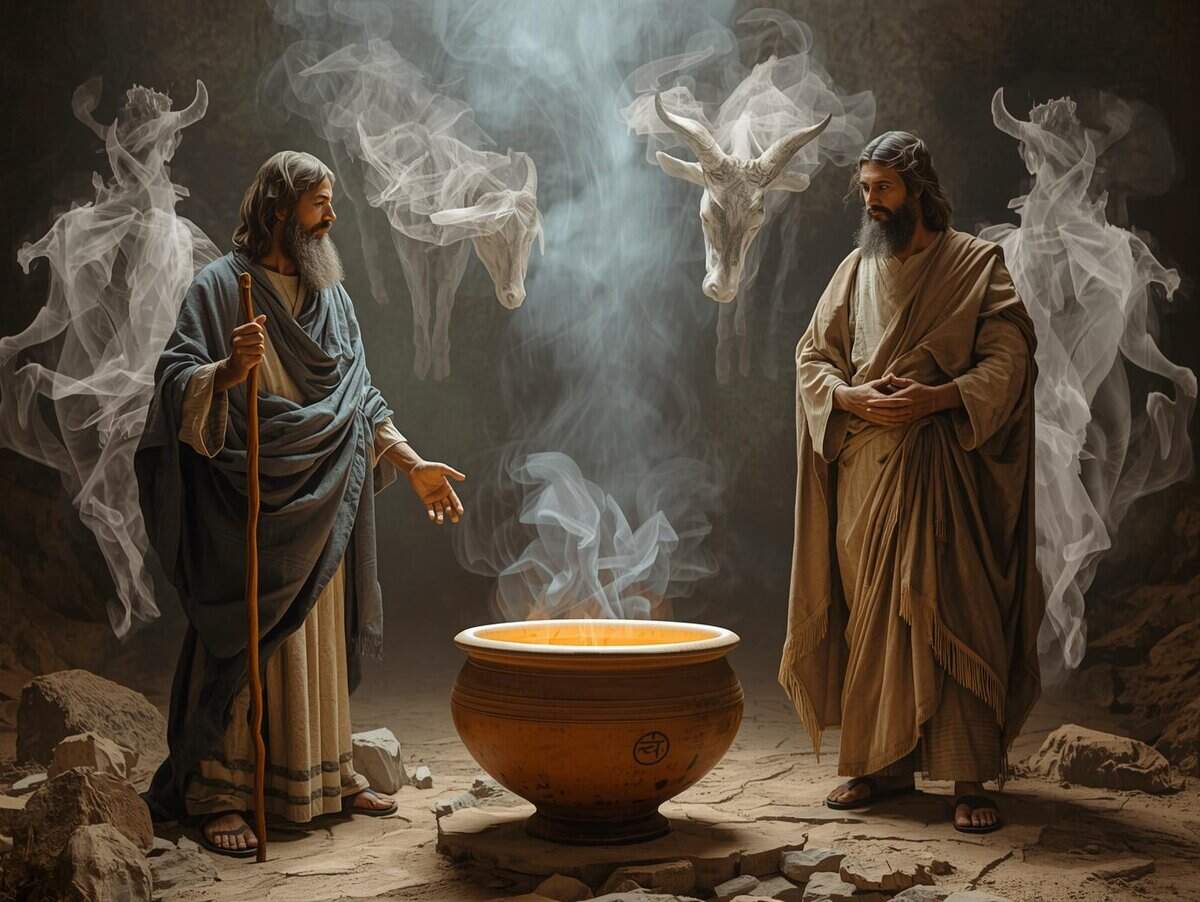
Animal sacrifices were a central ritual in ancient Israel, performed to atone for sins and show devotion to God.
Sheep, goats, or bulls were brought to the temple and ritually slaughtered, often with specific prayers and procedures.
While shocking to modern sensibilities, this practice symbolized the transfer of guilt from humans to the animal, representing purification and reconciliation with God.
Sacrifices were also a communal event, reinforcing social and religious cohesion.
The ritual emphasized obedience, repentance, and recognition of divine authority.
Although modern believers no longer practice animal sacrifice, understanding it reveals how seriously ancient communities took sin, holiness, and their relationship with the divine.
2. The Day of Atonement

The Day of Atonement, or Yom Kippur, was an annual ritual described in Leviticus.
The high priest would perform complex ceremonies, including offering sacrifices and entering the Most Holy Place to purify the people’s sins.
A notable part involved the scapegoat, which symbolically carried the community’s sins into the wilderness, separating guilt from the people.
This ritual was both spiritual and symbolic, emphasizing forgiveness, accountability, and renewal.
From a modern perspective, the idea of transferring sins to an animal and sending it away may seem strange or shocking.
However, it underscored the seriousness of repentance and God’s mercy in ancient Israelite faith.
3. Ritual Cleansing with Water
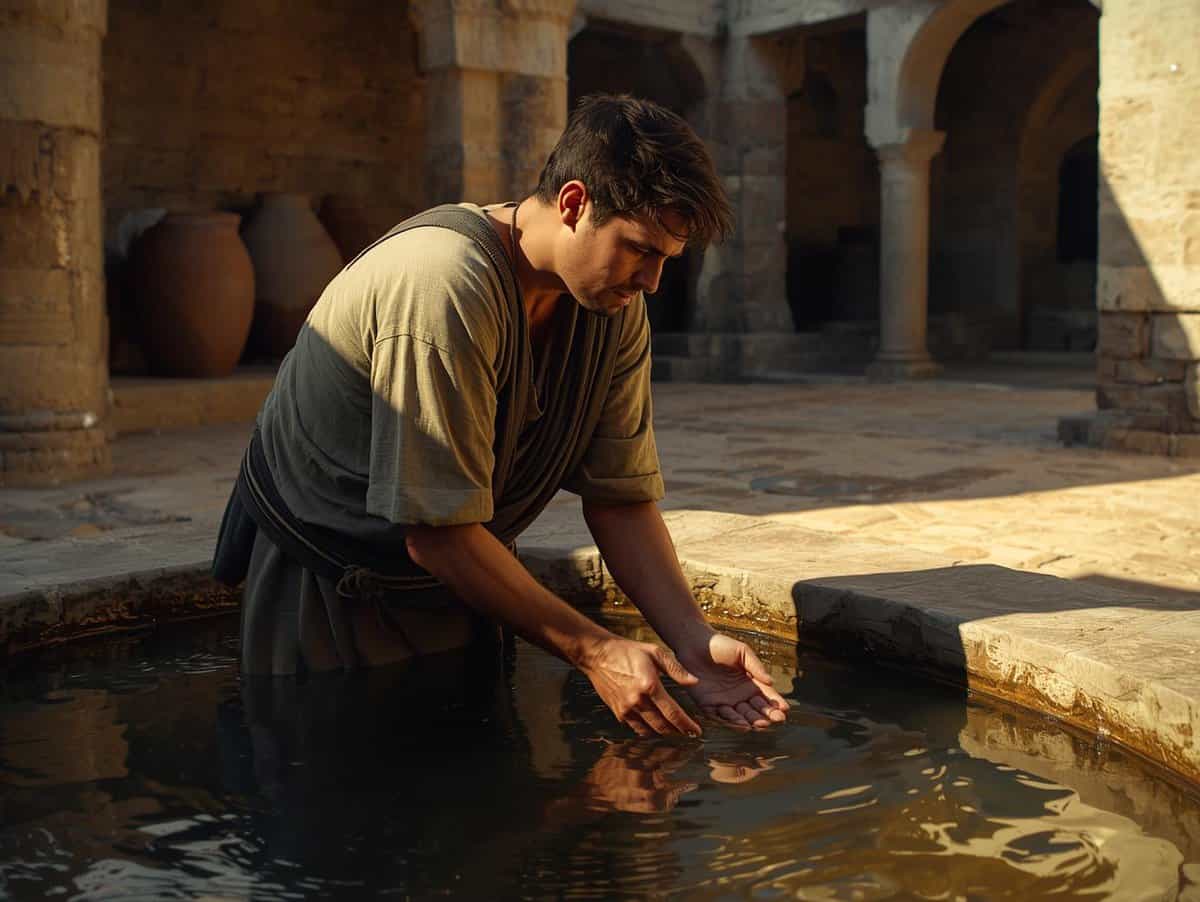
Ritual cleansing with water was a common practice in the Bible, used for purification after childbirth, illness, or contact with death.
People would wash or immerse themselves in water according to strict rules to become ceremonially clean.
This practice emphasized spiritual hygiene, holiness, and separation from impurity.
While it may seem unusual today, water rituals symbolized inner and outer purification, preparing individuals for worship and community participation.
The act of cleansing reinforced obedience to God’s law and awareness of spiritual boundaries.
For modern readers, the meticulous rules and significance placed on physical washing for spiritual purposes can appear surprising, yet it played a central role in biblical religious life.
4. Nazarite Vows
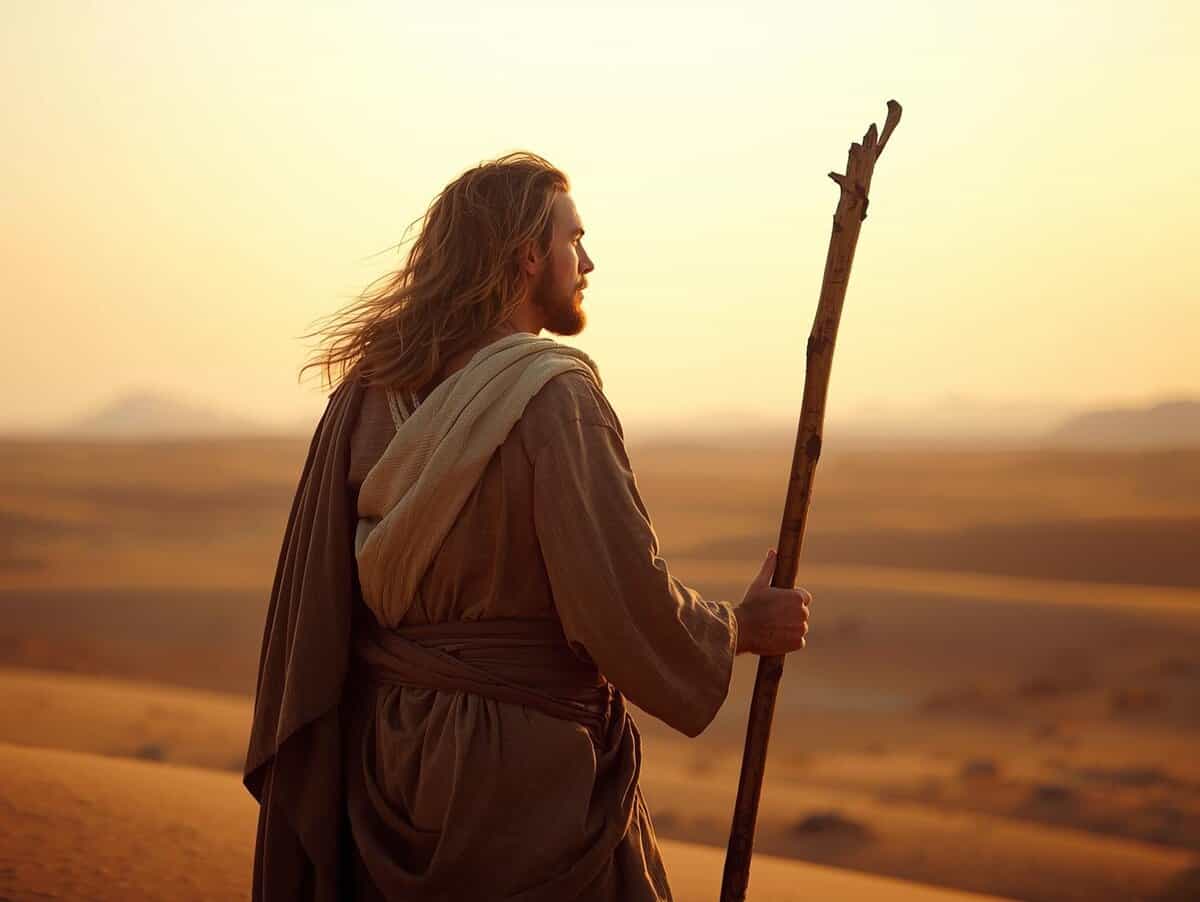
Nazarite vows involved individuals dedicating themselves to God for a period, as described in Numbers.
Those under a Nazarite vow would avoid alcohol, refrain from cutting their hair, and stay away from dead bodies.
This ritual expressed extreme devotion, self-discipline, and separation from worldly influences.
While the practice may seem restrictive or shocking today, it highlighted spiritual commitment and consecration.
Figures like Samson followed Nazarite rules, demonstrating personal strength and divine favor.
These vows allowed individuals to focus on spiritual growth and service, showing how ancient rituals often required sacrifice and discipline to honor God fully.
5. Eating Sacred Bread
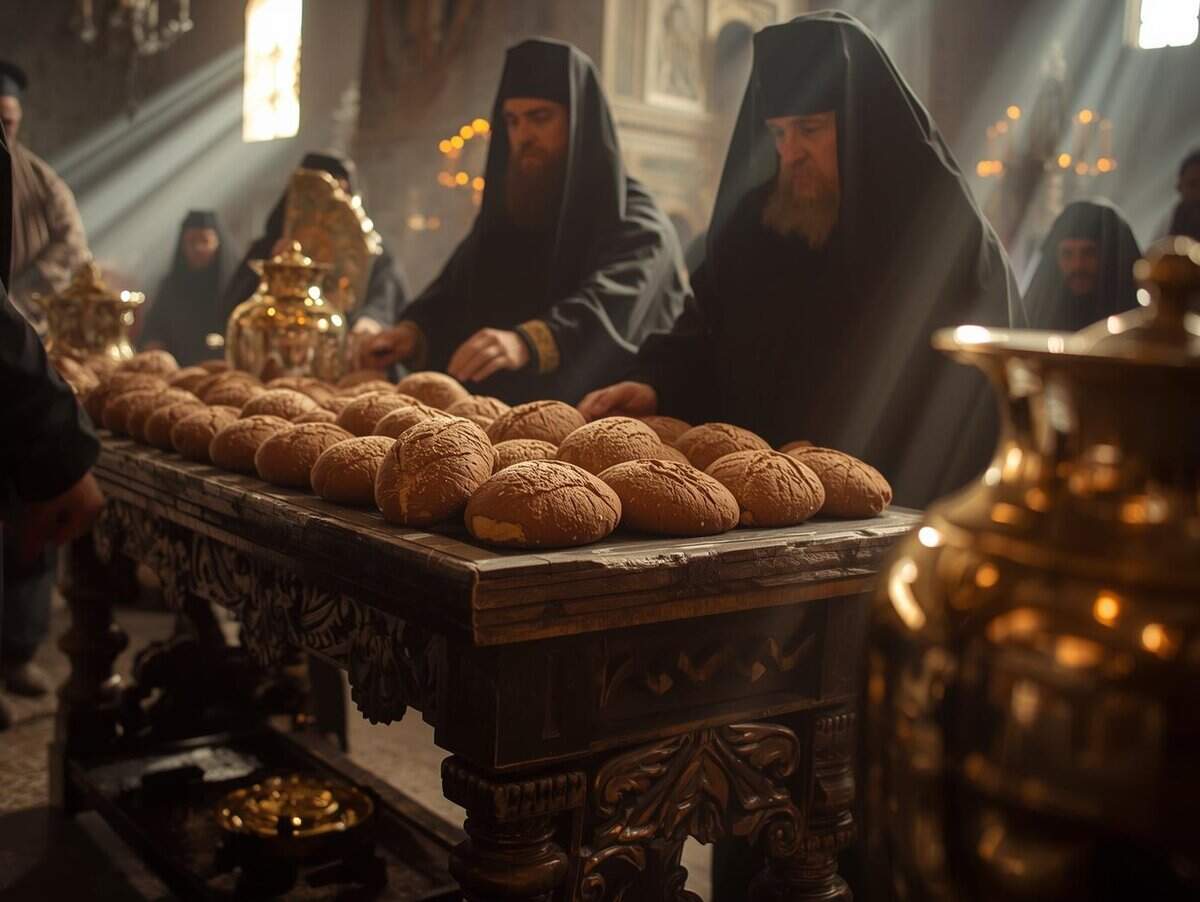
Certain breads, like the showbread, were prepared and consumed only in sacred contexts, usually by priests in the temple.
The ritual emphasized holiness, divine provision, and the priestly role in maintaining spiritual order.
Handling or eating this bread improperly could be considered a serious offense.
For modern readers, the strict rules and sacred status of simple food may seem unusual or shocking.
However, in ancient times, consuming the bread was a tangible way to honor God, maintain spiritual discipline, and participate in communal worship.
It symbolized sustenance not only for the body but also for the spiritual connection between humans and the divine.
6. Sacrificing Firstborns

One of the more shocking biblical practices involved the consecration of firstborn children, sometimes including ritual sacrifices, as in the story of Abraham and Isaac.
These acts were meant to demonstrate faith, obedience, and dedication to God.
While modern readers may find this idea disturbing, it reflected the cultural and religious significance of the firstborn as the most valuable family member.
The practice emphasized trust in God, the seriousness of divine commands, and the role of ritual in expressing faith.
Over time, such extreme rituals were replaced with symbolic acts, showing the evolving nature of religious practices and moral understanding in biblical history.
7. Blood Rituals
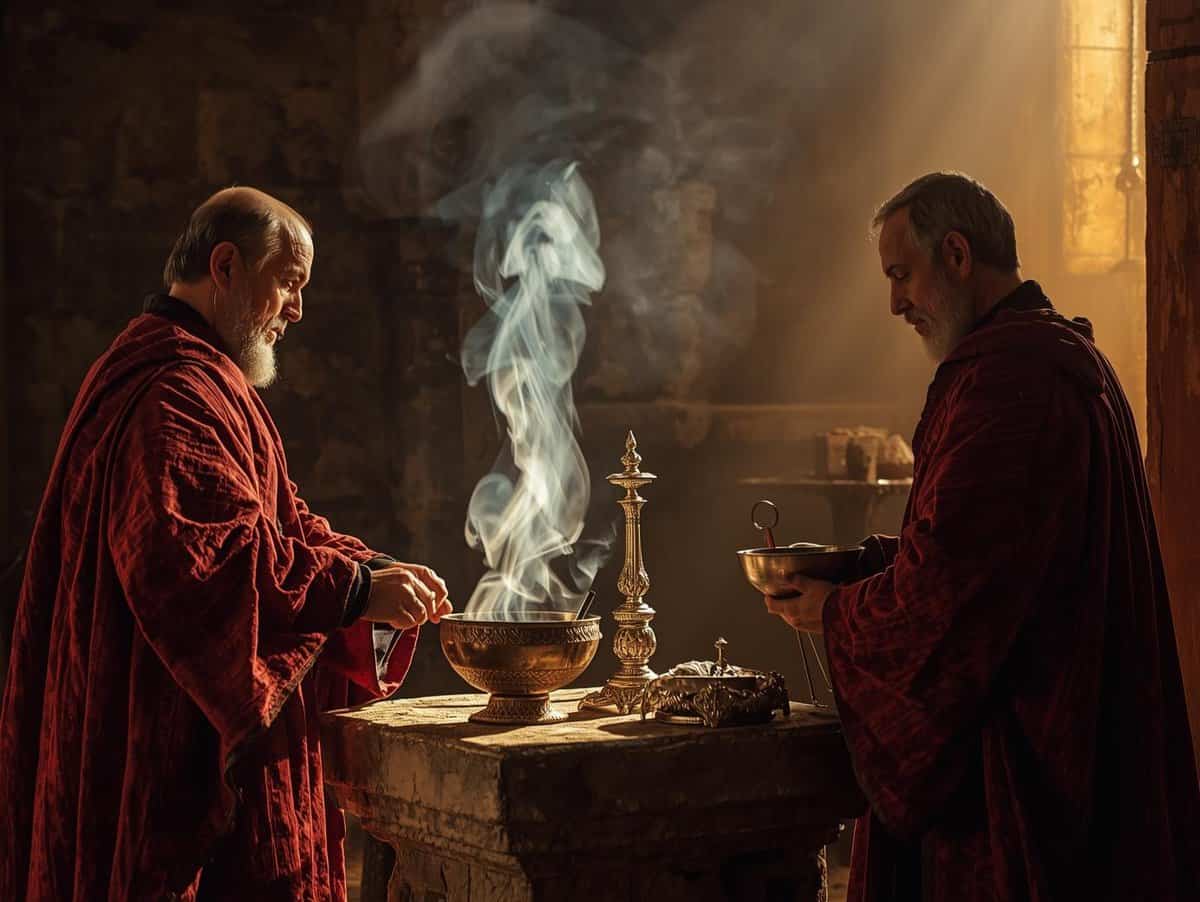
Blood played a critical role in ancient biblical rituals, symbolizing life, atonement, and purification.
It was sprinkled on altars, walls, or participants to consecrate spaces and people.
Blood rituals reinforced the sacredness of worship, the seriousness of sin, and the power of life itself.
Today, these practices might seem shocking or even gruesome, but in their historical context, they were powerful spiritual symbols.
They expressed devotion, obedience, and connection to God.
The ritual use of blood highlighted the intensity and symbolism of ancient worship, showing how tangible acts were used to express faith, commitment, and divine authority in biblical communities.

Siempre sentí una fuerte conexión con lo Divino desde mi nacimiento. Como autora y mentora, mi misión es ayudar a los demás a encontrar el amor, la felicidad y la fuerza interior en los momentos más oscuros.