
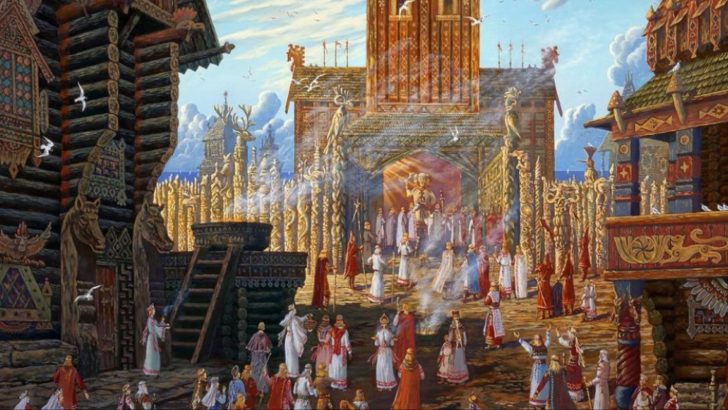
The island Rügen, in today’s Germany, once housed a great Slavic temple devoted to Svetovid (Svantovit).
The people of the island kept their traditions alive in spite of the Christianization attempts from all sides.
The temple of Arkona was more than a local holy place. It was a trading hub and a place with strong military power.
It’s likened to Delphi because it attracted Slavic pilgrims across Europe to honor the idol and hear about their destiny.
Let’s explore how Svetovid predicted the future and what Slavic pagan worship looked like!
1. The Position of the Island
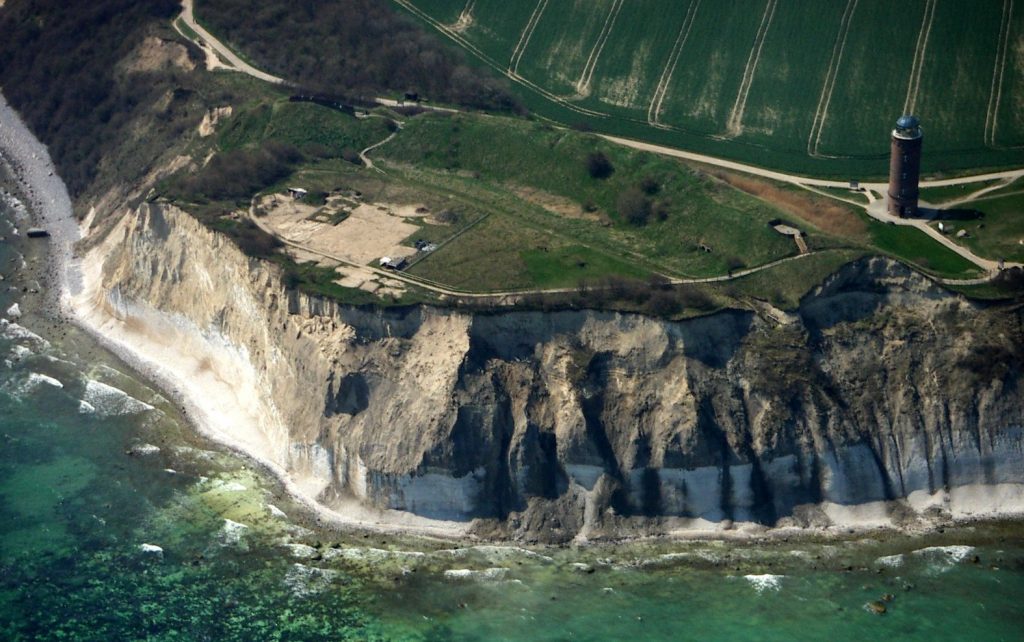
Arkona sat on the northern tip of Rügen, an island in the Baltic Sea.
It was surrounded by water on nearly every side and protected by steep cliffs. It felt like a natural fortress of stone, although the buildings were made of wood.
It was home to a West-Slavic tribe called Rani (Rugians, Rujani).
These people lived more or less as you’d imagine a thriving coastal community to live.
They traded, raided and fought with other tribes and honored their gods; most prominently, the four-headed god Svetovid.
The island’s isolation made it defensible and sacred at the same time, a place that felt genuinely removed from the everyday world!
2. Svetovid, the World-Seer
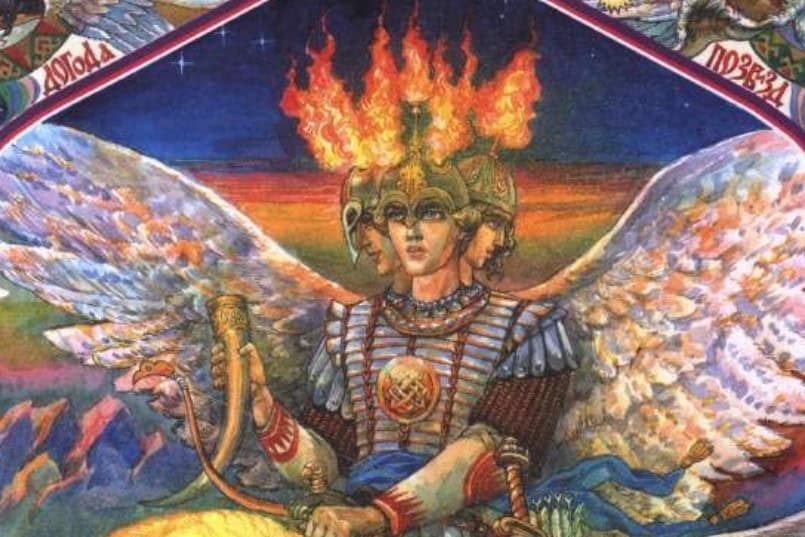
In the heart of Arkona stood a temple of Svetovid, whose name translates directly to The World-Seer.
He was a god who saw all directions and timelines simultaneously, and he governed a wide domain: war y destino, harvest y abundancia.
Leaders prayed to him before battle, and the locals prayed for good harvests.
That combination of war and fertility wasn’t unusual in ancient belief systems, where the same forces that brought death also brought life.
Svetovid completely embodies that duality.
3. The Idol
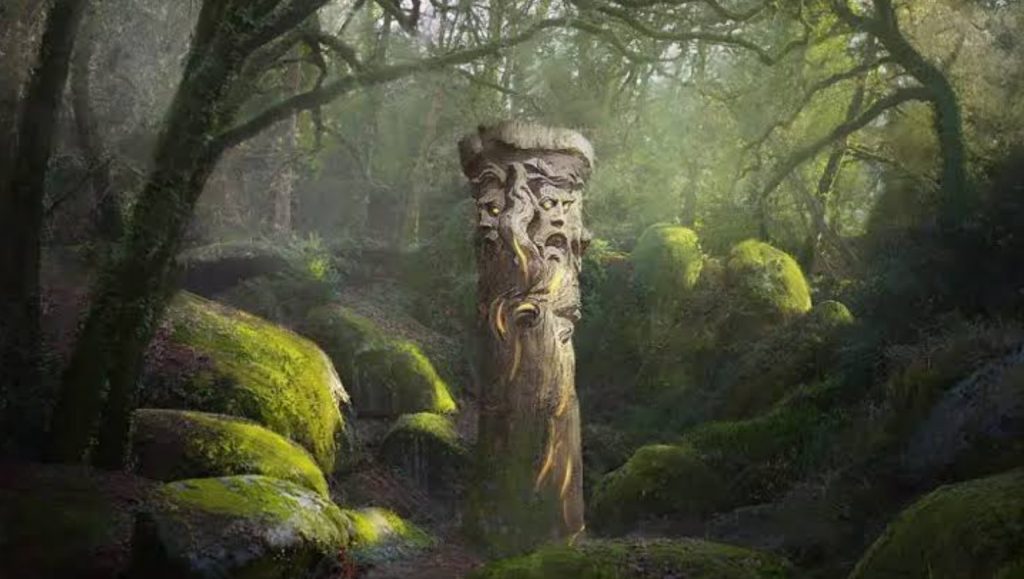
En kumir, or idol, of Svetovid was huge, almost reaching the ceiling.
It was carved from several kinds of wood, and it remains a mystery as to what technique the people of Rügen used.
Svetovid held several items in his hands, but the most prominent one was the drinking horn made of different metals.
What made Svetovid truly unique was that he was imagined as a deity with four heads.
Each one faced a different direction, seeing everything, all at once.
Pilgrims sacrificed animals and gifted coins to the idol. And even a third of all el fortuna that was earned through trade and war was gifted to the temple.
Some sources also claim that the Rani people sacrificed humans to Svetovid, specifically Christians.
One would be sacrificed each year to the god, but it’s not clear whether this savage ritual was done even before the first Christianization attempts or only after.
4. The Slavic Deplhi
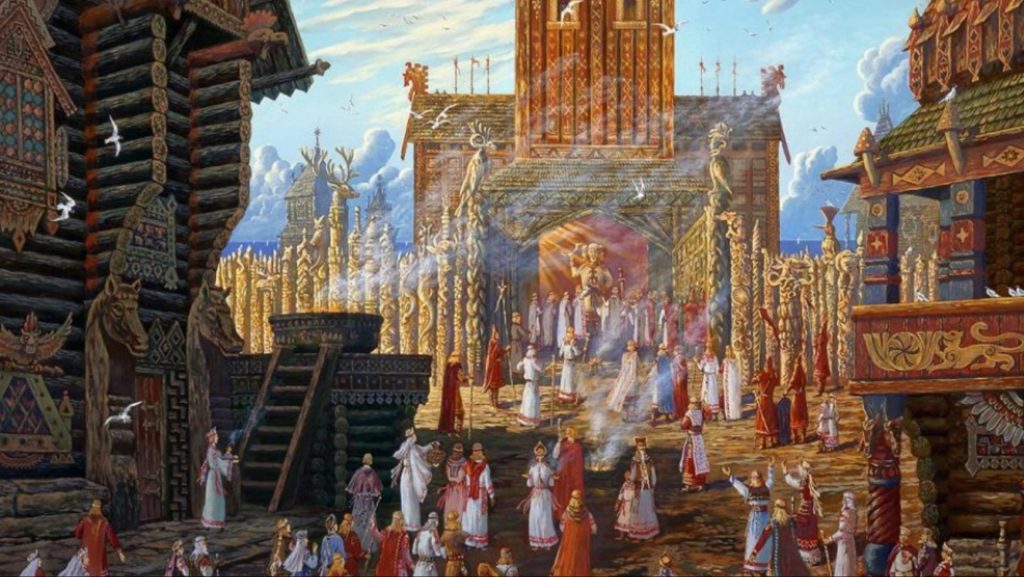
Arkona is called the Slavic Delphi because it gathered pilgrims from all over the Slavic world.
Typically, every region and town had its own ruling deity.
The pantheon was the same, but for instance, Perun was the primary deity in Russia, while in the Balkans, it was Dazhbog.
Still, everyone came to Arkona to worship Svetovid and ask for a reading.
People brought offerings, treasure, livestock, and portions of their harvest, and the priests would read the divine signs to give them orientación.
This kind of pan-regional veneration was rare, which only highlights the significado espiritual of Arkona.
5. The Wine Ritual
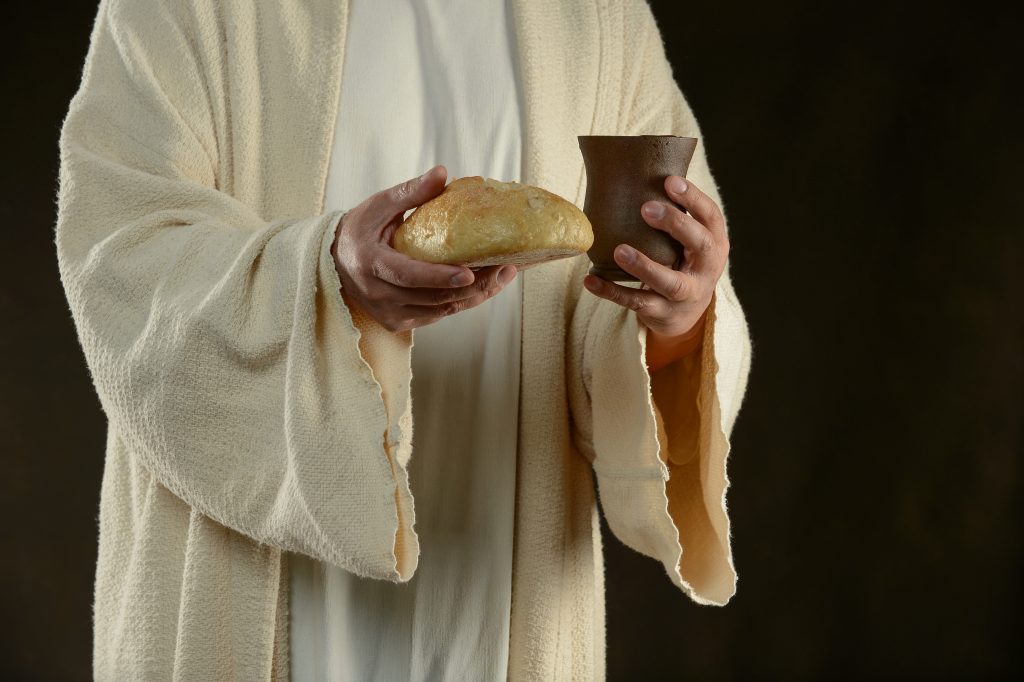
One of the most important rituals in Arkona involved the aforementioned horn that Svetovid held.
When it was time to read whether the year would be abundant or poor, the high priest poured wine into the horn and left it there for a few days.
Then, people would gather to watch him check the state of the wine.
If the liquid stayed the same, everyone celebrated because it meant that the harvest would be good. But if the wine evaporated, that wasn’t a good sign.
The community would more carefully spend its resources to prepare for a tough winter.
6. Svetovid’s White Horse
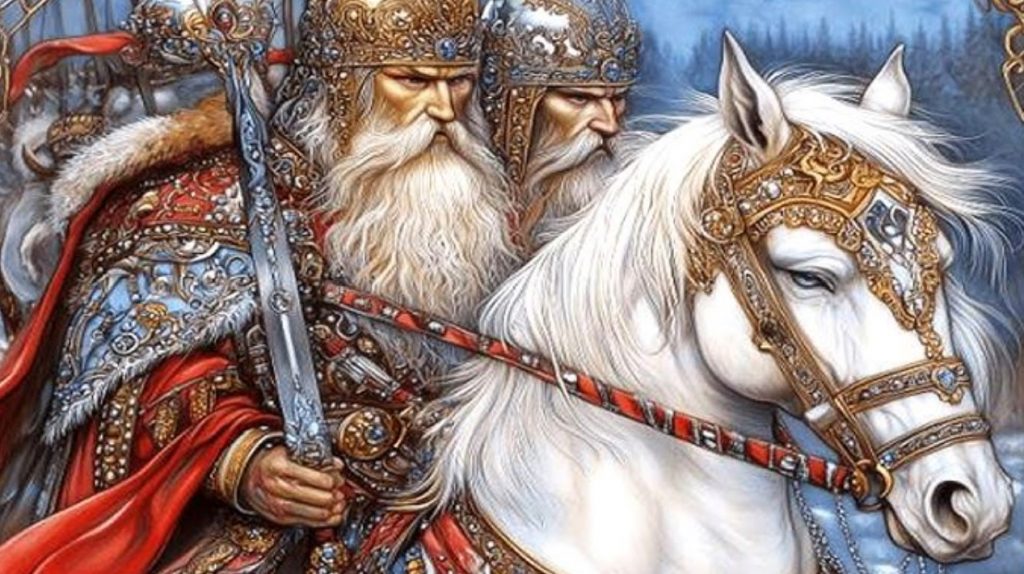
Among all the unusual elements of Arkona’s worship, the white horse stands out as especially poetic.
The temple always kept one white horse that was thought to belong to Svetovid himself. The horse was never ridden or used for labor.
The priests would take good care of it and make sure it got enough of everything.
This horse is also present in certain folk songs that sing of the hero called White Vide who rides his horse (SvetoVID – VIDE).
These songs matter because, after Christianization and the centuries that went by, they have endured in the collective memory.
7. The Horse Oracle
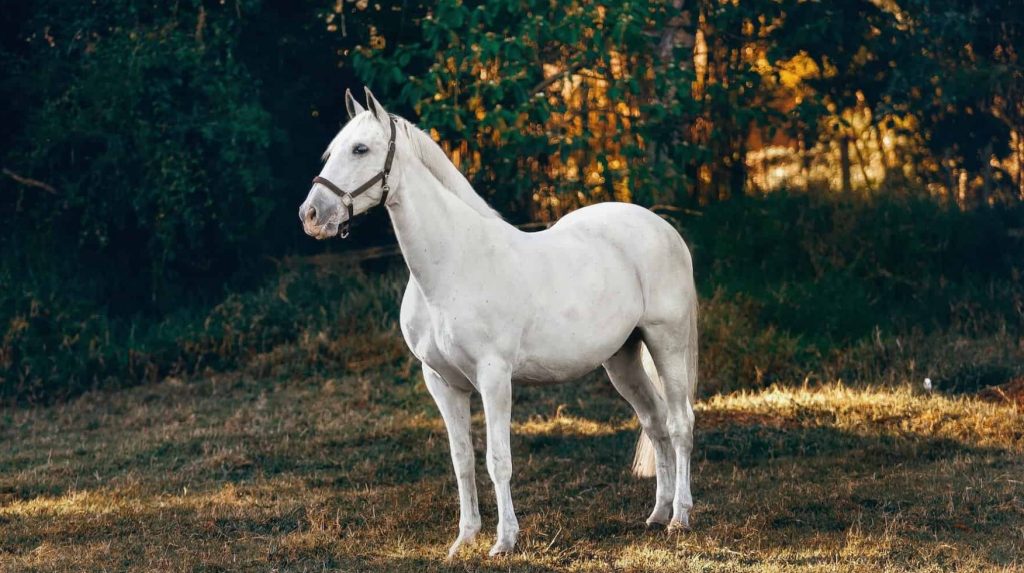
Another reason that the horse was held in such high esteem was that it worked like the god’s oracle.
It was used to read destiny before any major decisions, such as whether to go to war or choose a new leader.
To get a reading, the priests would arrange a row of spears before bringing the horse out.
If the horse took its first step using its right leg, people took it as a sign of good fortune. They would start getting ready for their undertaking.
But if the horse led with its left leg, they would immediately give up on their plans.
The whole thing would be postponed without argument, which shows the strength of the people’s belief in Svetovid.
8. The High Priest
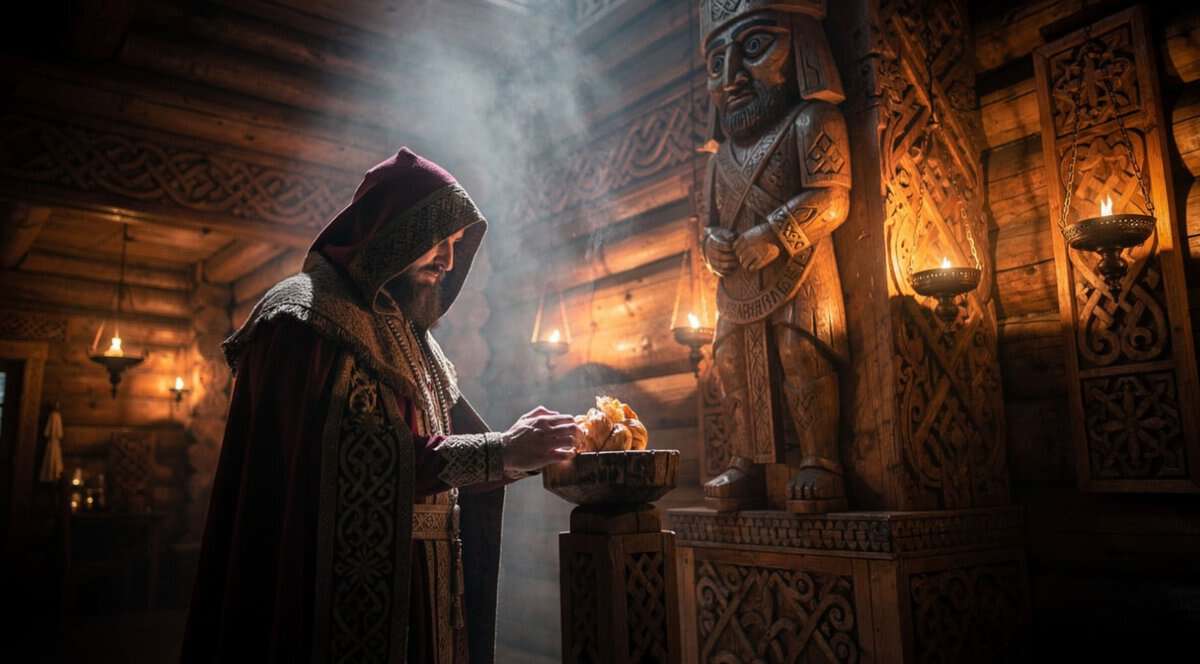
The priesthood of pagan Slavs is reminiscent of the Christian priesthood when it comes to hierarchy and perks.
I already mentioned how much fortuna was given to the temple. This shows that priests had significant political power in Arkona.
And in the temple itself, rules were pretty strict, too.
There were inner parts of the temple where only the high priest could enter, much like in the church, only priests and emperors can approach the altar.
The priests maintained the idol, tended the flame, managed the horn, and interpreted the signs Svetovid sent.
This preserved that sense that the temple was a sacred space, with some of its parts being beyond ordinary human reach.
9. King Valdemar I’s Crusade
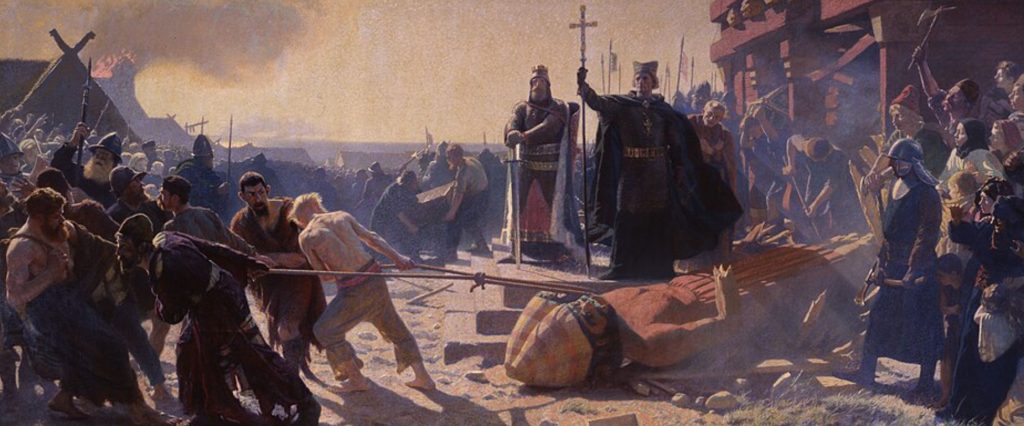
En 1168, Arkona and its incredible tradition were destroyed in a matter of days.
A long-standing enemy of the Baltic Slavs, Danish King Valdemar I, led a crusade against them.
His army attacked from the sea and land until it finally reached the city and the temple within.
En temple was demolished, and the idol of Svetovid was brought down and destroyed. The treasure was stolen, and the Rani people were converted to Christianity by sword.
Sources speak of their sadness and disappointment as the idol fell, saying that some people willingly accepted the new faith when they saw how Svetovid couldn’t defend himself.
Arkona was just one of the many sacred Slavic sites that were systematically destroyed, along with all the knowledge and records they held.

A little Aquarius, devoted to writing and embroidery. Through my writing, I hope to empower readers to align with their true selves and navigate life’s mysteries with confidence.