
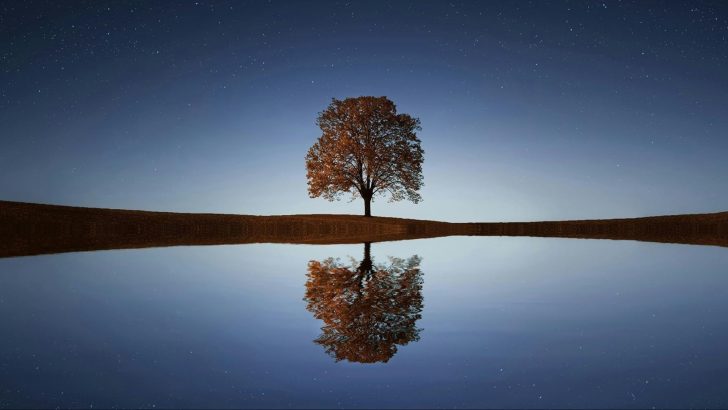
“As above so below” is a timeless saying that sounds simple enough but is rich with meaning.
It’s a profound principle that explains how everything is interconnected. Understanding this can affect how we see ourselves and the world.
Let’s explore its hidden meaning and its place in numerous spiritual and philosophical ideas.
1. Ancient Wisdom

“As above so below” originates from Hermetic teachings, concretely the Emerald Tablet attributed to Hermes Trismegistus.
It points to a fundamental truth: the macrocosm and el microcosm reflect each other. Macrocosm is the universe, and the microcosm is Earth and its living beings.
Many ancient civilizations, from Egypt to Greece, believed that understanding the heavens could unlock secrets of our own existence.
On a smaller scale, “as above so below” can be explained by the relationship between the cycles of nature and our own lives.
Ancient people noticed that everything in nature is born, grows, blooms, ages, and eventually withers away in winter, only to come back in the spring.
En applied to human life, it explains why so many civilizations believed that death can’t be the final end, but only another step of the cycle.
2. The Christian Perspective
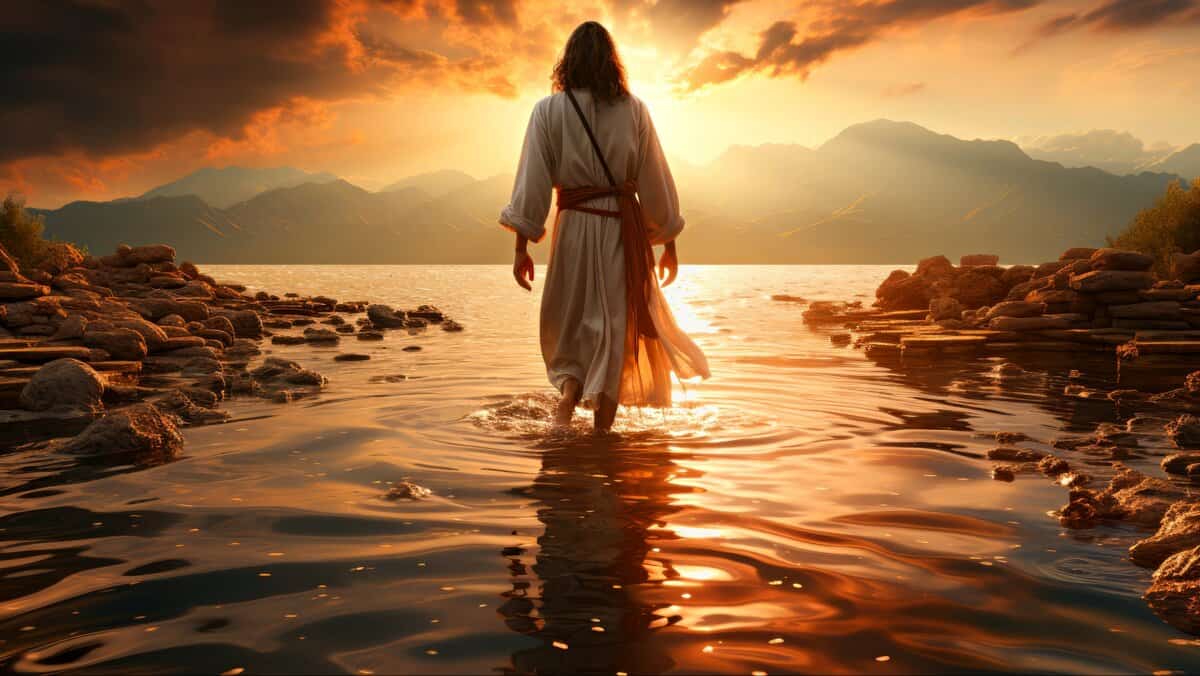
In Christian tradition, “as above so below” echoes in the Lord’s Prayer: “Thy will be done on earth as it is in heaven.”
This line invites us to align our actions with divine order.
Christians see heaven as a perfect realm, and the prayer asks for that divine perfection to manifest here on Earth.
It’s an acknowledgment that the divine blueprint guides everything, and that we’re meant to align with it.
This takes us to the broader idea that spiritual laws govern both the celestial and earthly realms.
Whenever we say Our Father, we’re recognizing that harmony in the heavens should be mirrored in human life, and this underscores the vast interconnectedness.
3. The Law of All Existence
“As above so below” is more than a spiritual principle; it’s the law of all existence.
Everything in the universe is interconnected, from galaxies to atoms. The same natural laws govern the motion of planets and the growth of plants.
Patterns of energy and vibration repeat across scales.
This idea suggests that understanding one level of reality could unlock the secrets of the others.
En universo is seen as a holistic system, where each part influences and reflects the whole.
It’s a reminder that nothing exists in isolation.
4. Correspondence and Unity
This concept is at the heart of many philosophical traditions, especially those that promote unity and harmony.
En Law of Correspondence states that patterns in the cosmos are reflected in the human mind, society, and nature.
“As above so below” is the foundation of holistic thinking, suggesting that by studying one aspect of reality, we gain insight into others.
Philosophers and mystics see this as evidence of divine intelligence that rules everything.
The concept encourages us to see the whole world as an interconnected web; something that affects one part of the web affects the others, too.
This perspective fosters a sense of cosmic unity and compassion.
5. Nature and the Human Body
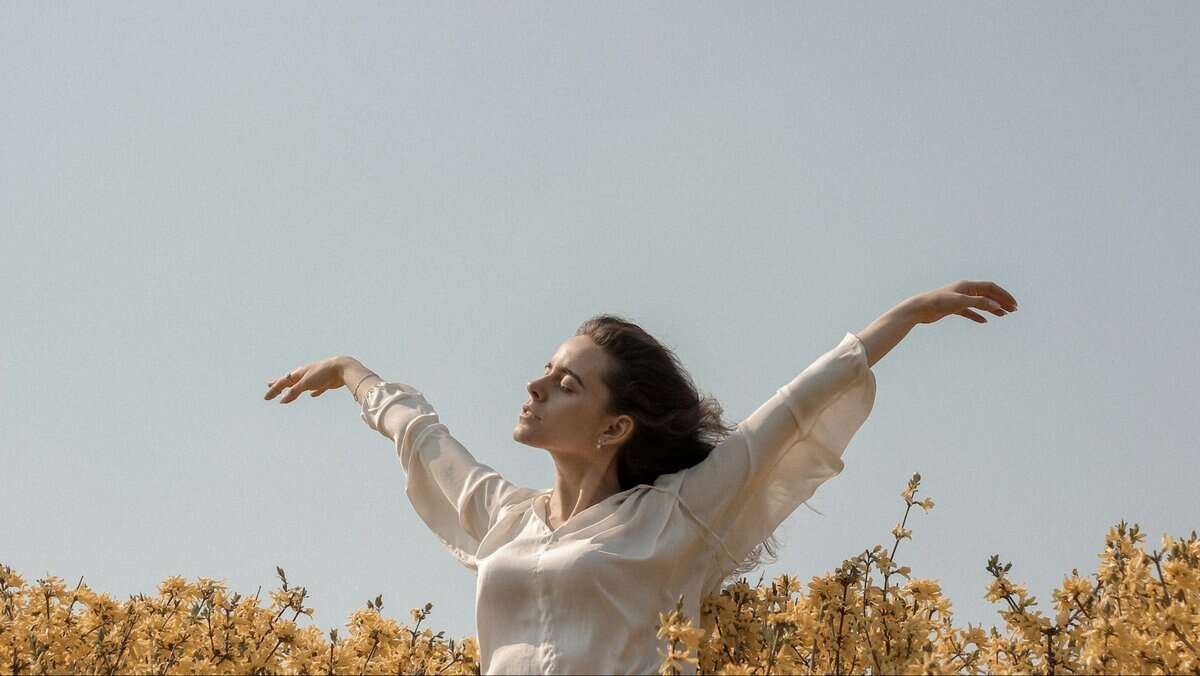
In everyday life, “as above so below” manifests in countless ways.
Nature provides perfect examples. For instance, the structure of trees reflects this law to a tee, as their roots typically reach as deep into the ground as their branches grow in height.
Our bodies function similarly, with functions that mirror each other, such as the nervous and circulatory systems.
Even our societies and organizations tend to mirror larger patterns of chaos and order.
This law should encourage us to cultivate harmony within ourselves, knowing that what we nurture internally will reflect in our environment.
6. “As Above so Below” in Myth and Magic
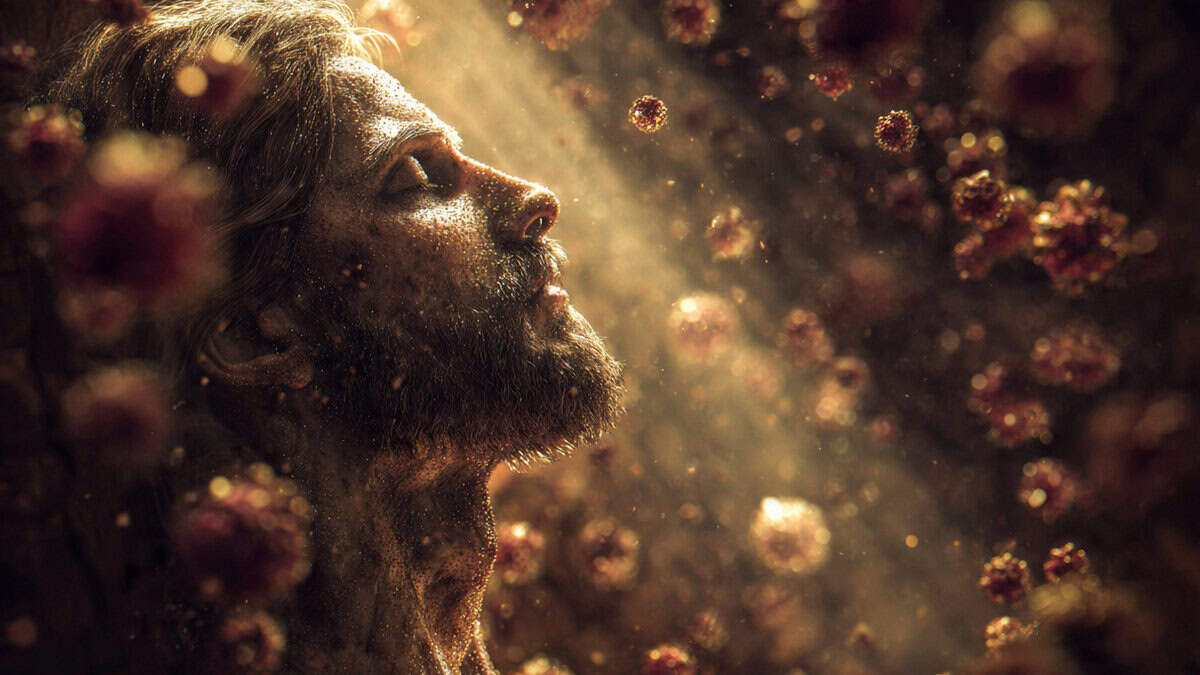
Long before monotheism, pagan religions embraced the principle of “as above so below.”
The ancient Greeks, Romans, Celts, and Egyptians all saw the heavens as directly influencing earthly matters.
Gods and cosmic forces were believed to shape natural events and human destiny.
Magic and alchemy relied heavily on this idea, believing that by aligning ourselves with celestial energies, we could also influence earthly outcomes.
Rituals often sought to mirror cosmic patterns, highlighting the power of symbols and correspondences.
The notion that the divine and earthly are linked has always been central to magical practices.
7. The Tree of Life

The Tree of Life is an ancient symbol that beautifully illustrates “as above so below.”
Its roots stretch deep into the earth, highlighting stability, while its branches reach for the sky, seeking to touch the divine.
This visual symbol signifies the connection of all levels of existence.
The roots represent our connection to the unseen and the collective unconscious, while the branches represent growth and consciousness.
Numerous mystical traditions see the Tree of Life as the basic concept for understanding the universe and ourselves.
Its symmetrical structure highlights the sacred armonía que sustains all life.
8. Its Role in Evolution

“As above so below” can help us gain perspective on life’s challenges and growth.
An inner change is reflected on the outside – just like you can’t make a significant change in your life before adjusting your mindset.
Inner work creates outer transformation.
On a collective level, societies that embrace this principle create harmony by aligning with natural and spiritual laws.
This law encourages atención. All our thoughts, actions, and beliefs are interconnected, so we should be careful with the ideas and opinions we absorb.
It inspires us to live consciously and work on our personal evolution – because it’s reflected in our environment, too.

A little Aquarius, devoted to writing and embroidery. Through my writing, I hope to empower readers to align with their true selves and navigate life’s mysteries with confidence.