
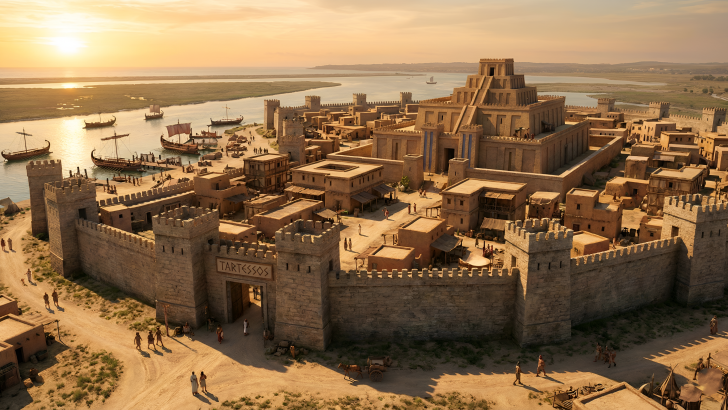
For a long time, people have spoken about lands that vanished from history. Some stories are so old that they feel like dreams, but they still spark questions that never fully go away.
Tartessos is one of those stories. It is often called the Atlantis of the West because it has a strange mix of truth and mystery.
Ancient writers said Tartessos was a rich kingdom somewhere in the far southwest of the Iberian Peninsula.
They wrote that its people were skilled traders and that their land was full of silver and gold. Then, at some point, Tartessos simply disappeared.
No one can say with complete certainty what happened to it. Today, many researchers, archaeologists, and everyday curious people keep trying to uncover the truth hidden behind this old tale.
The World Where Tartessos Once Stood
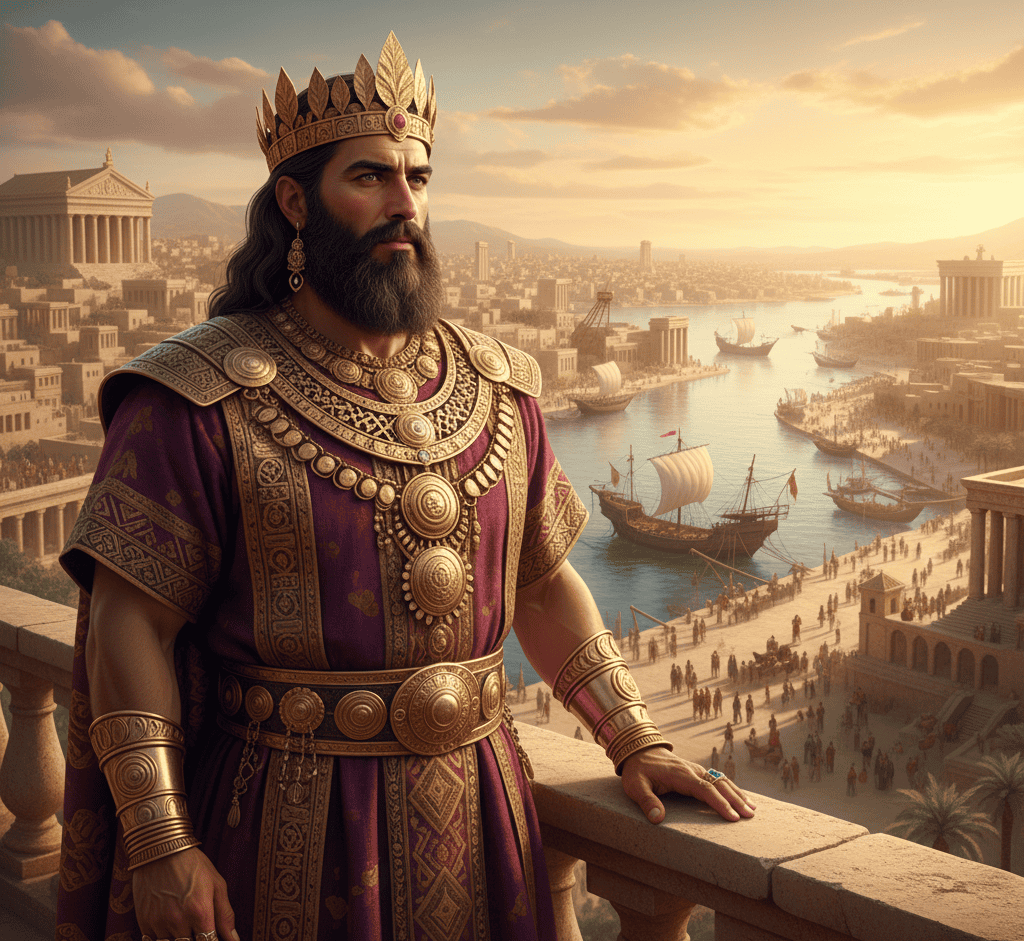
When we try to understand Tartessos, we first need to imagine the land and life of the ancient southwest of Spain.
This was a place shaped by wide rivers, gentle hills, and a long coast that opened to the Atlantic Ocean.
The most important river was the Guadalquivir, which the ancient people called the Tartessos River.
The land was rich in minerals, especially silver, and that brought traders from places like Phoenicia.
The Phoenicians were skilled sailors who loved to travel and trade, and they quickly noticed how valuable this region was.
So they came, not just to buy silver but also to bring their ideas, letters, and customs. This created a lively mix of cultures.
Life in this region must have been full of movement and noise. Markets would have been busy with people selling pottery, wool, metal tools, and pieces of jewelry.
Some of these objects have been found by archaeologists, and they show details that match the Phoenician style.
They also show designs that do not match anything outside the region, which means the people of Tartessos had their own tastes and skills.
They were not just copying others. They were shaping a culture that was unique. This balance between local ways and foreign influence is part of what makes Tartessos stand out.
It was a world that connected different people, and this connection helped it grow into a powerful and respected kingdom.
A Kingdom Wrapped in Story and Memory
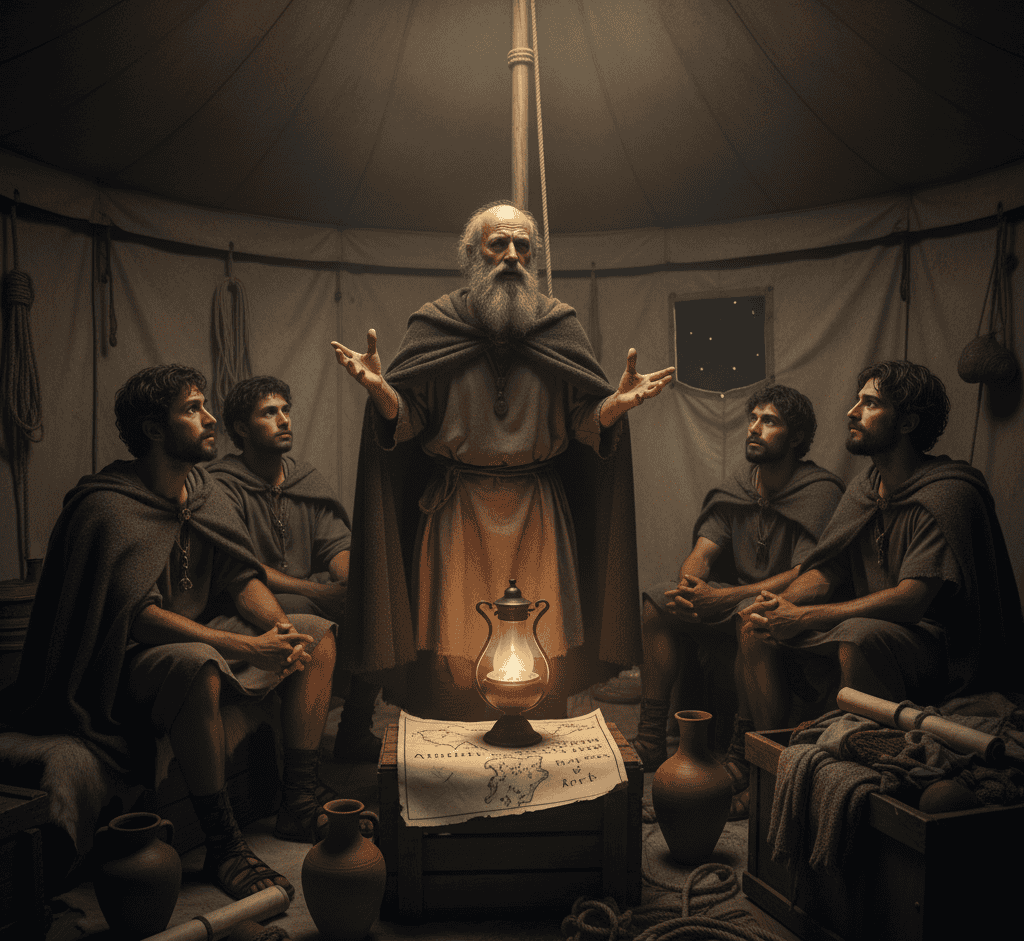
Most of what we know about Tartessos comes from ancient Greek writers. They were fascinated by stories of distant lands.
Greek travelers and poets wrote that Tartessos was ruled by wise kings who kept strong ties with explorers from across the sea.
One of the most popular names is King Argantonios, whose name means Silver Man.
According to the stories, he lived for more than one hundred years and welcomed Greek sailors who visited his land.
He even warned them of dangers in their own homeland and offered them a safe place far in the west.
These tales sound warm and generous, but they also mix memory with myth. It is hard to separate facts from imagination when dealing with a time so old.
Even if some details are exaggerated, there is a larger truth behind them. Tartessos must have been important enough for people to speak about it for centuries.
Stories of great wealth do not appear out of nowhere. They come from encounters, from shared memories, and from admiration.
When Greeks wrote about Tartessos, they were writing about a kingdom that had already left a mark in their minds.
This shows that Tartessos was not an isolated community. It was connected to the world. People were curious about it, and stories traveled from one ship to another.
These stories became part of Greek culture and stayed alive long after the kingdom itself vanished.
In a way, the myth kept the memory of Tartessos breathing even when the land itself grew quiet.
The Disappearance That Still Puzzles Us
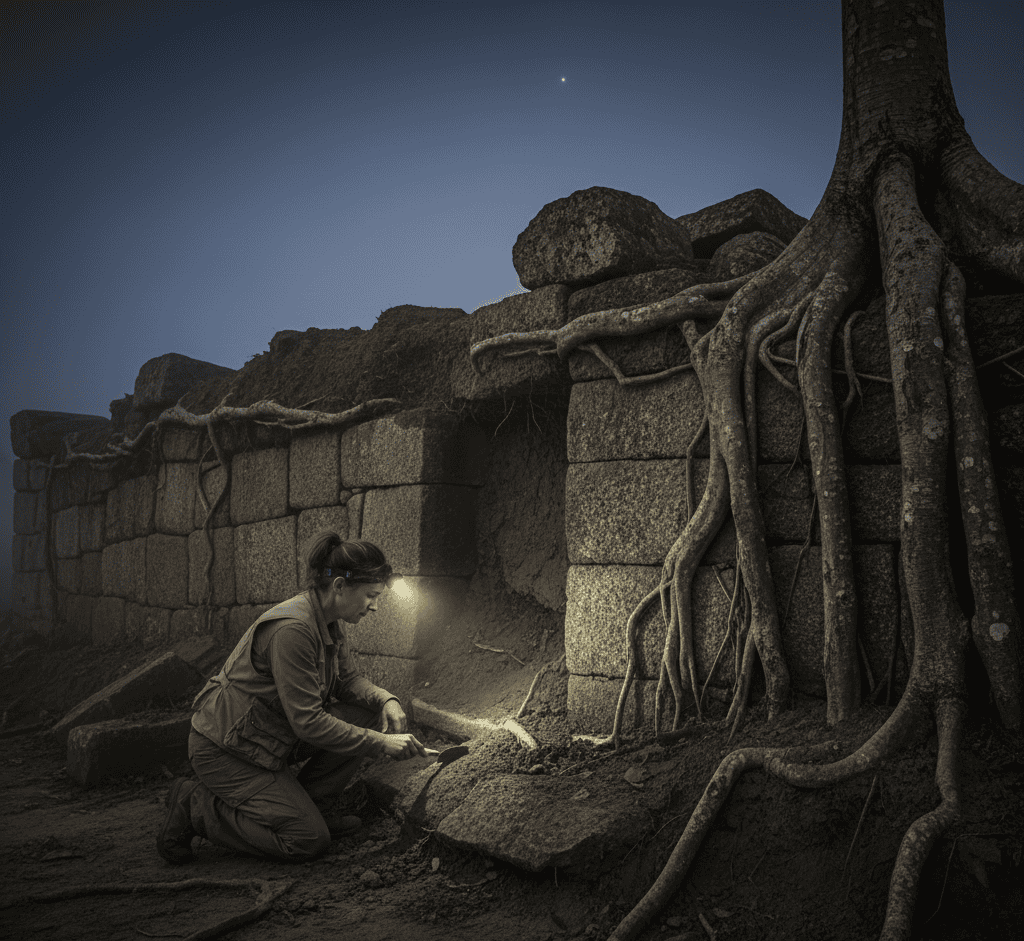
The end of Tartessos is where the mystery deepens. For reasons still debated today, the kingdom seems to disappear from written records around the sixth century BCE.
One theory says that Tartessos fell after a powerful shift in trade routes, especially when the Phoenician influence grew weaker.
Without strong trade partners, the kingdom may have lost its economic strength. Another idea suggests that natural disasters could have played a role.
The region is known for earthquakes and changes in sea level. A large earthquake or a sudden flood could have damaged important settlements.
If this happened, people may have moved inland or joined other nearby cultures, which would make the old identity fade away.
Some researchers believe that Tartessos did not really vanish but simply transformed into another culture whose name changed over time.
They point to the Turdetani, a people who lived in the same region during later centuries. Ancient writers said the Turdetani had written laws and old traditions, something unusual for the time.
This raises the question of whether they were descendants of the Tartessians. If so, then Tartessos never truly died but instead lived on through its people and their customs.
The idea that a kingdom can fade yet survive in new forms is fascinating. Sometimes it simply changes shape, leaving us to wonder what exactly happened.
Why Tartessos Still Feels Alive Today
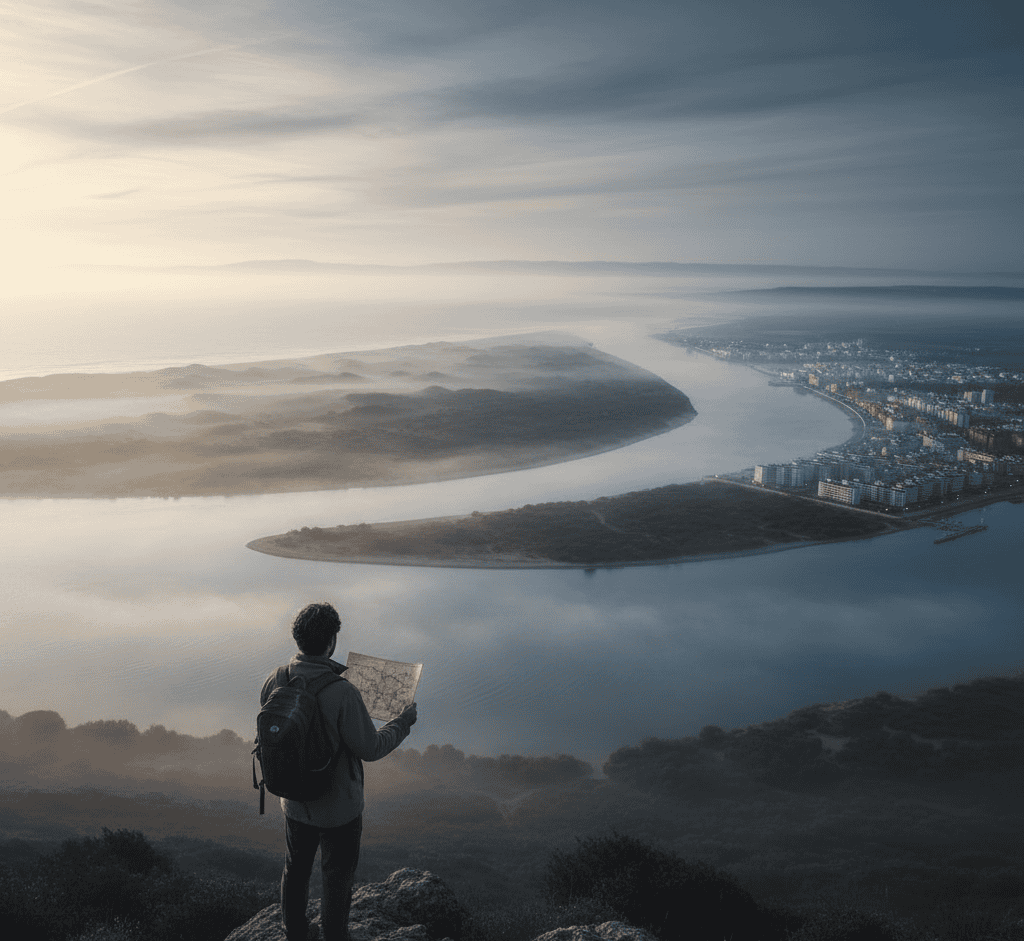
The story of Tartessos continues to attract attention because it touches something deep inside us. People have always been drawn to the idea of lost worlds.
We want to believe that somewhere beneath the soil or under the waves lies a city filled with secrets waiting to be found.
Tartessos offers that type of hope. Archaeologists keep digging in the region, and every new discovery brings fresh excitement.
Each discovery raises new questions and keeps the mystery alive. This makes Tartessos feel like a puzzle that might be solved one day.
Atlantis is the most famous lost world in Western storytelling, and Tartessos shares that same quiet pull of wonder.
Both tales speak about a rich land that disappeared without a clear explanation. Both encourage us to imagine what life looked like before everything changed.
The difference is that Tartessos likely did exist, which makes the story even more exciting. This is not just a dream or a moral lesson.
It is a part of real history, and the clues are scattered across the land, waiting for patient hands to uncover them.
Because of this, Tartessos continues to inspire explorers, writers, and everyday dreamers.

Siempre sentí una fuerte conexión con lo Divino desde mi nacimiento. Como autora y mentora, mi misión es ayudar a los demás a encontrar el amor, la felicidad y la fuerza interior en los momentos más oscuros.