

The Bible mentions many plants that were used for healing, health, and spiritual purposes.
These plants were highly valued in ancient times, not just for their practical uses but also for their symbolic meaning.
People relied on them to treat illnesses, cleanse the body, and protect the spirit. Some were used as herbs, oils, or mixtures, while others were part of sacred rituals.
Each plant carried its own story and purpose, teaching people how to care for themselves and connect with the divine.
By understanding them, we gain insight into how ancient people combined faith, nature, and healing. Here are eight biblical plants that were used for healing and well-being.
1. Aloe
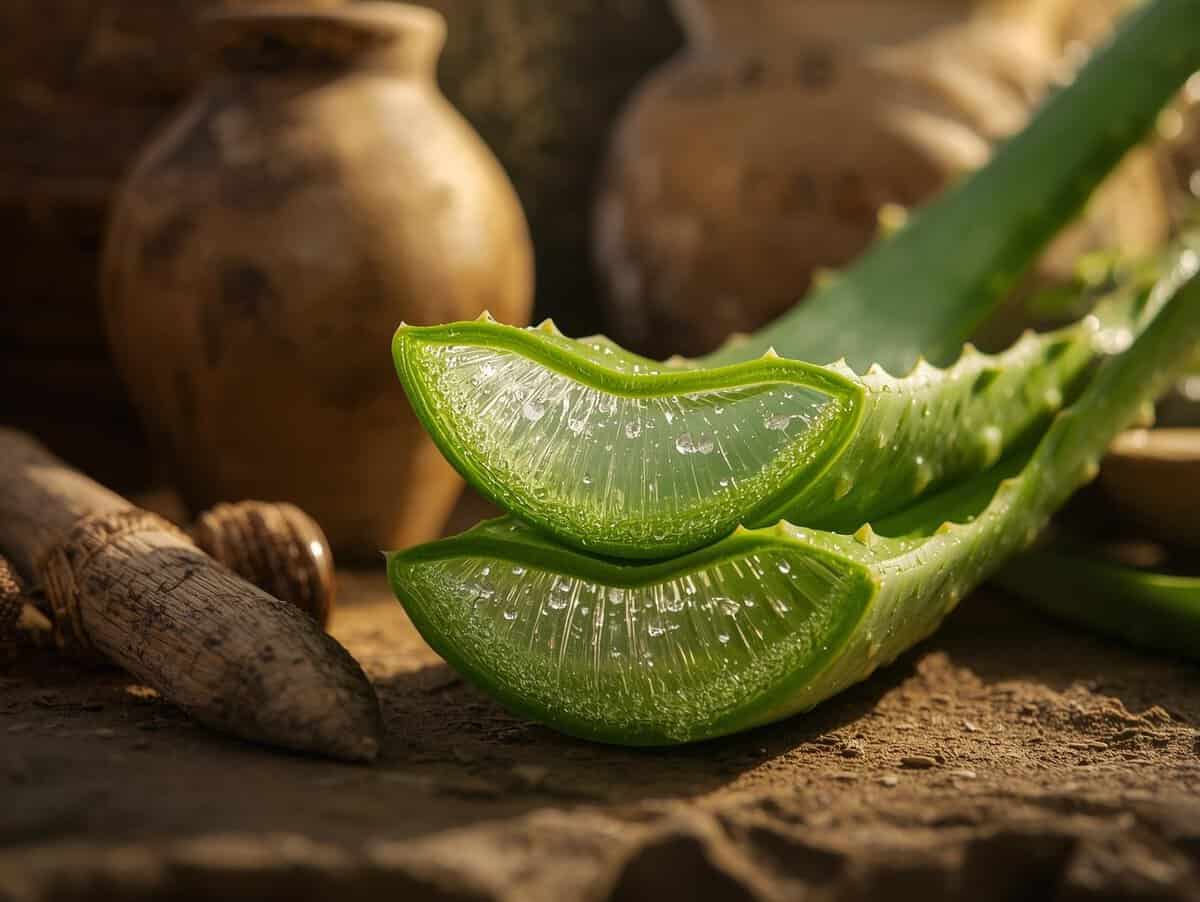
Aloe is mentioned several times in the Bible as a powerful plant for healing and cleansing. It was often used to prepare ointments and oils for wounds, burns, and skin problems.
Its soothing properties made it highly valued in ancient medicine. Aloe also had spiritual significance, symbolizing purity and care.
People believed it could cleanse the body and protect it from disease. In addition to practical uses, aloe was part of sacred rituals, showing that healing and spirituality were closely connected.
The plant’s leaves were harvested carefully, and its gel was applied to injuries or mixed with oils.
Aloe reminds us that nature provides both physical relief and a sense of comfort and care, which was as important in ancient times as it is today.
2. Hyssop
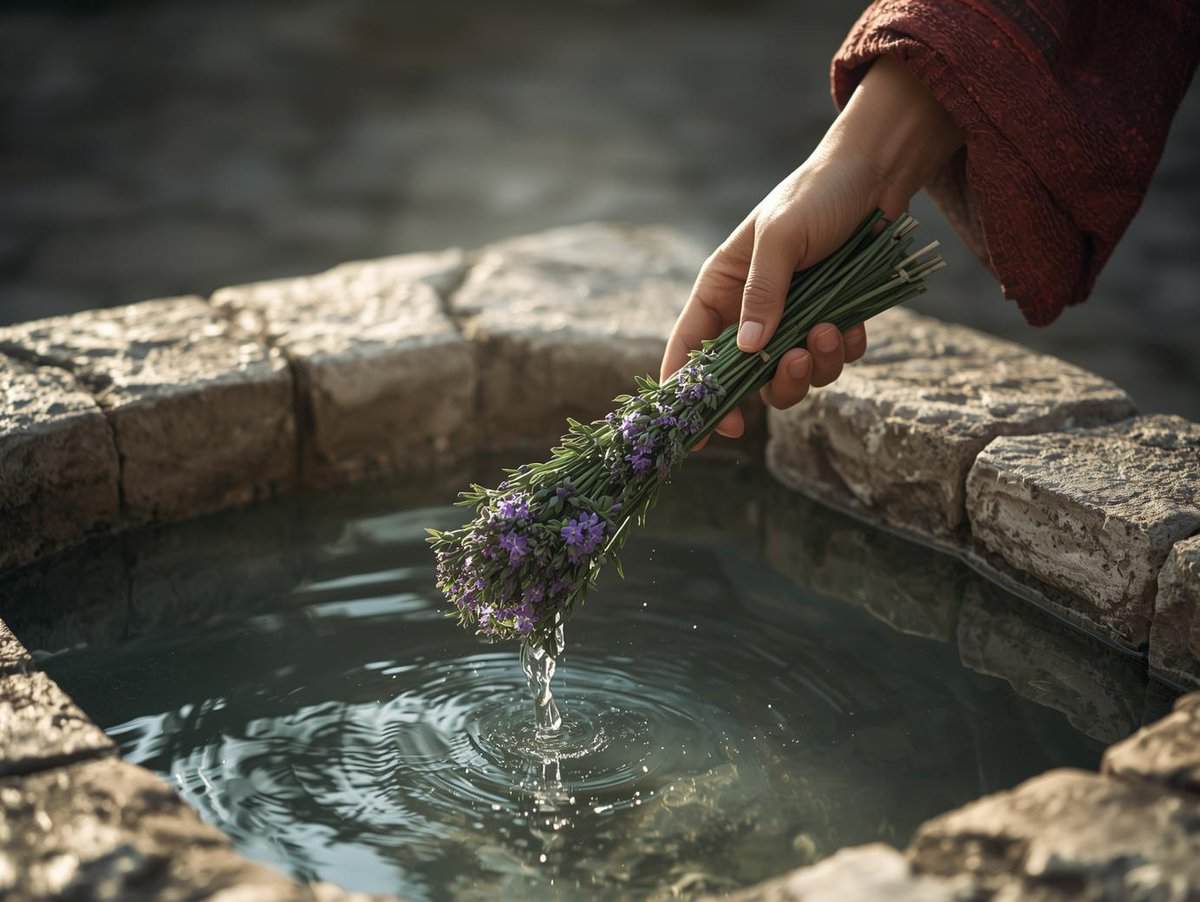
Hyssop is a small herb that was used in biblical times for purification and health. It appears in stories where people or objects were cleansed, showing both spiritual and physical importance.
In medicine, hyssop was thought to help treat respiratory problems, colds, and infections. Its aroma and taste were used to purify spaces and calm the body.
Ancient people believed hyssop could remove impurities and restore balance. It was often dipped in water or oil for cleansing rituals.
Hyssop reminds us that plants were valued not just for healing the body but also for connecting with God.
Its dual use for spiritual and physical well-being shows how intertwined faith and health were in biblical times.
3. Frankincense
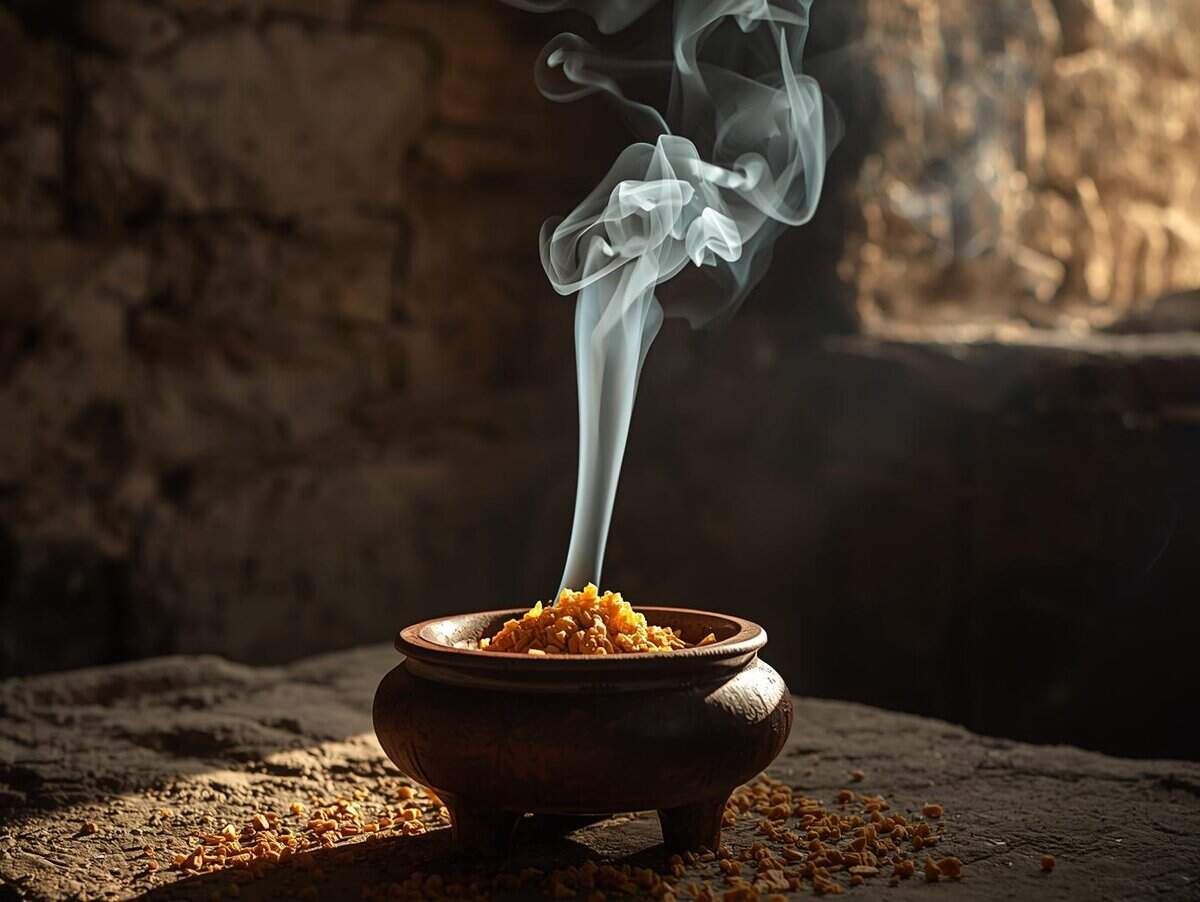
Frankincense is a resin from certain trees and was used widely in biblical rituals and medicine.
It was burned as incense to create a sacred atmosphere and was also included in ointments and oils for healing.
Frankincense was believed to reduce inflammation, improve breathing, and promote overall health. Its calming scent helped people focus during prayer or meditation.
Spiritually, it symbolized holiness, protection, and divine presence. Ancient people valued frankincense highly because it had both practical and spiritual uses.
Applying it in oils or inhaling its smoke was thought to help both the body and the mind.
Frankincense reminds us that healing and spiritual care often work together, enhancing both physical and emotional well-being.
4. Myrrh
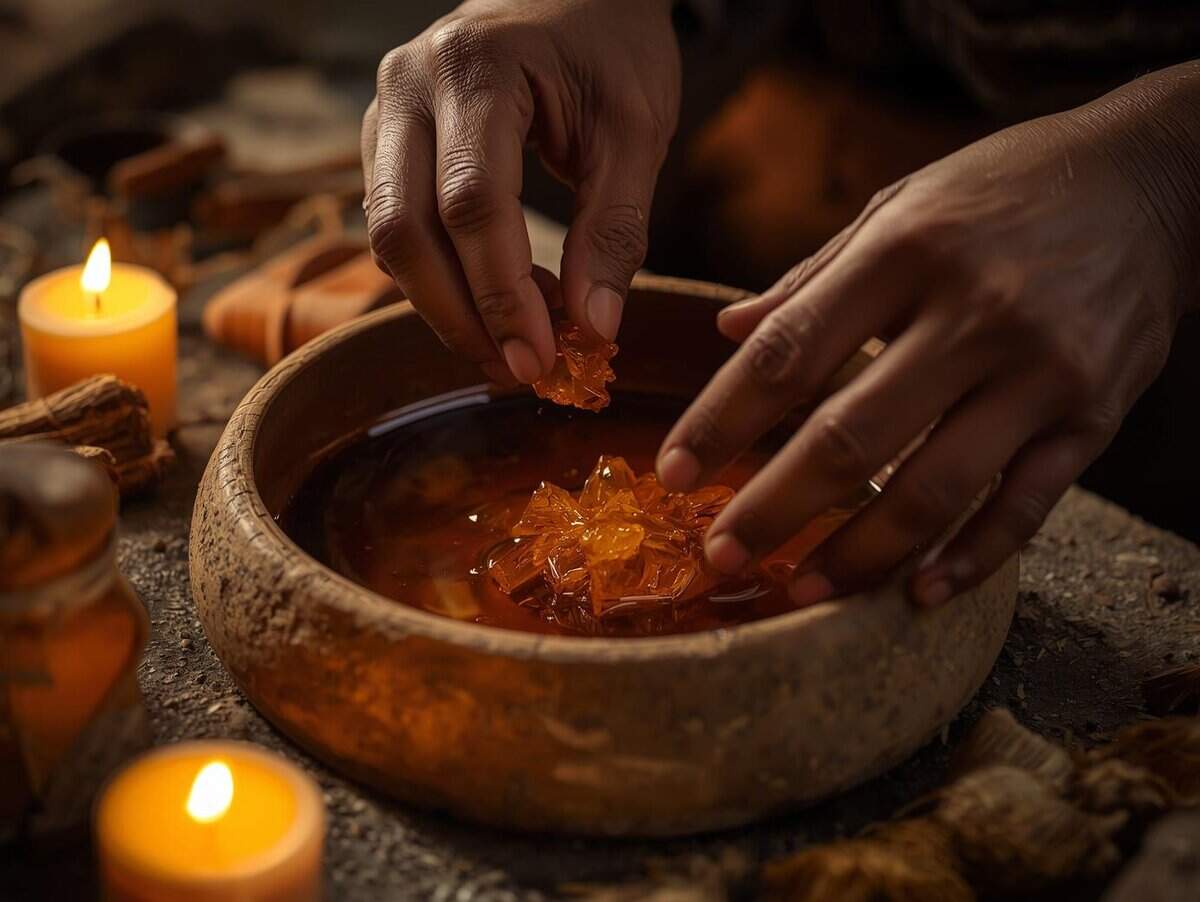
Myrrh, another resin, was used for medicinal and spiritual purposes in biblical times. It was applied to wounds, burns, and infections for its soothing and protective qualities.
Myrrh was also mixed into oils for anointing and ritual purposes. Spiritually, it symbolized strength, protection, and preparation for important events.
People valued myrrh for its healing effects as well as its sacred significance. It was often included in mixtures that were applied to the skin or inhaled for calming effects.
Myrrh reminds us that plants could serve multiple purposes, helping people physically while also connecting them to spiritual care and devotion.
5. Balm of Gilead
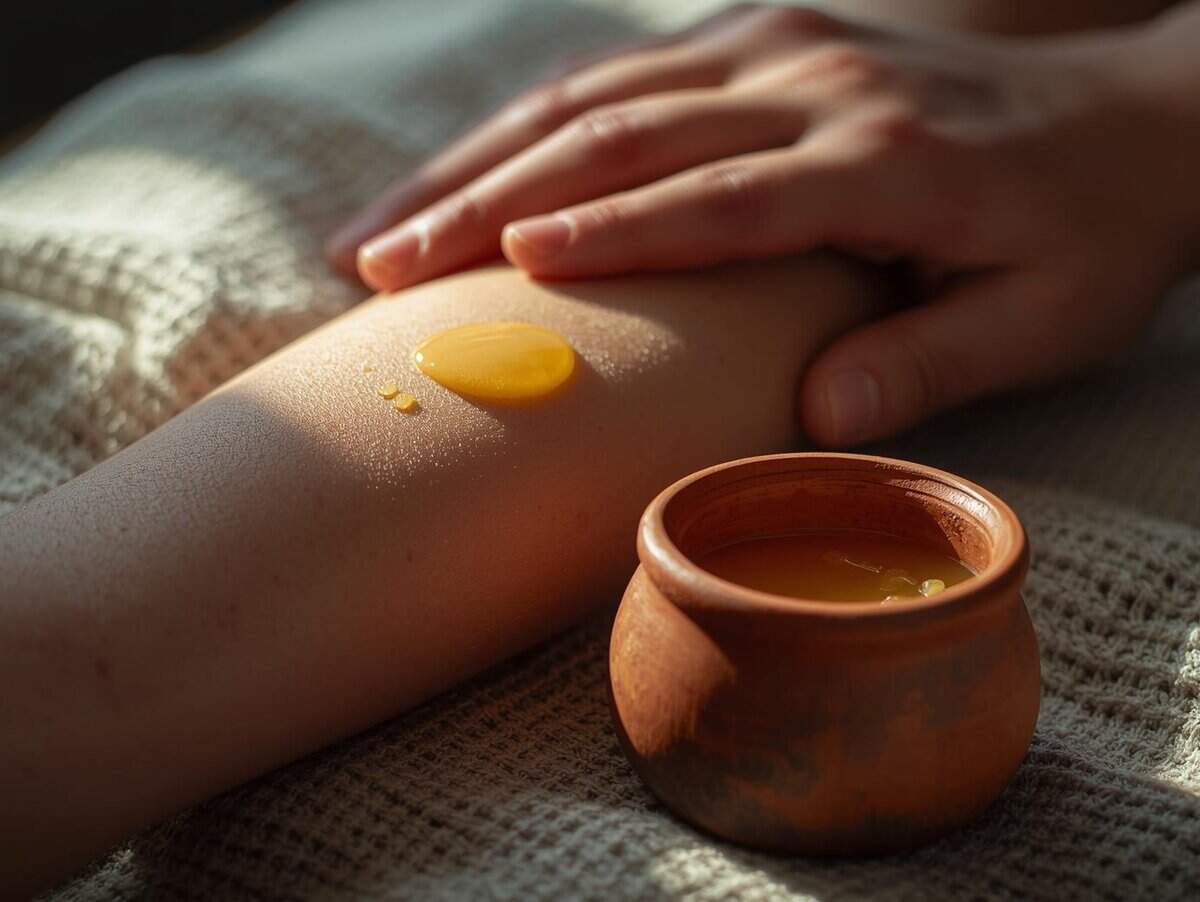
Balm of Gilead is a resin known for its healing and soothing properties. It was used to treat injuries, inflammation, and infections, and was often mixed with oils for application.
In biblical references, it also symbolized comfort, mercy, and restoration. People believed that balm could restore health and provide spiritual consolation.
Its use was both practical and symbolic, showing how medicine and faith were connected. Applying balm to wounds or using it in sacred rituals highlighted the importance of care and protection.
The plant reminds us that ancient remedies were not just about curing the body but also about providing comfort to the soul, blending physical and spiritual healing together.
6. Cinnamon
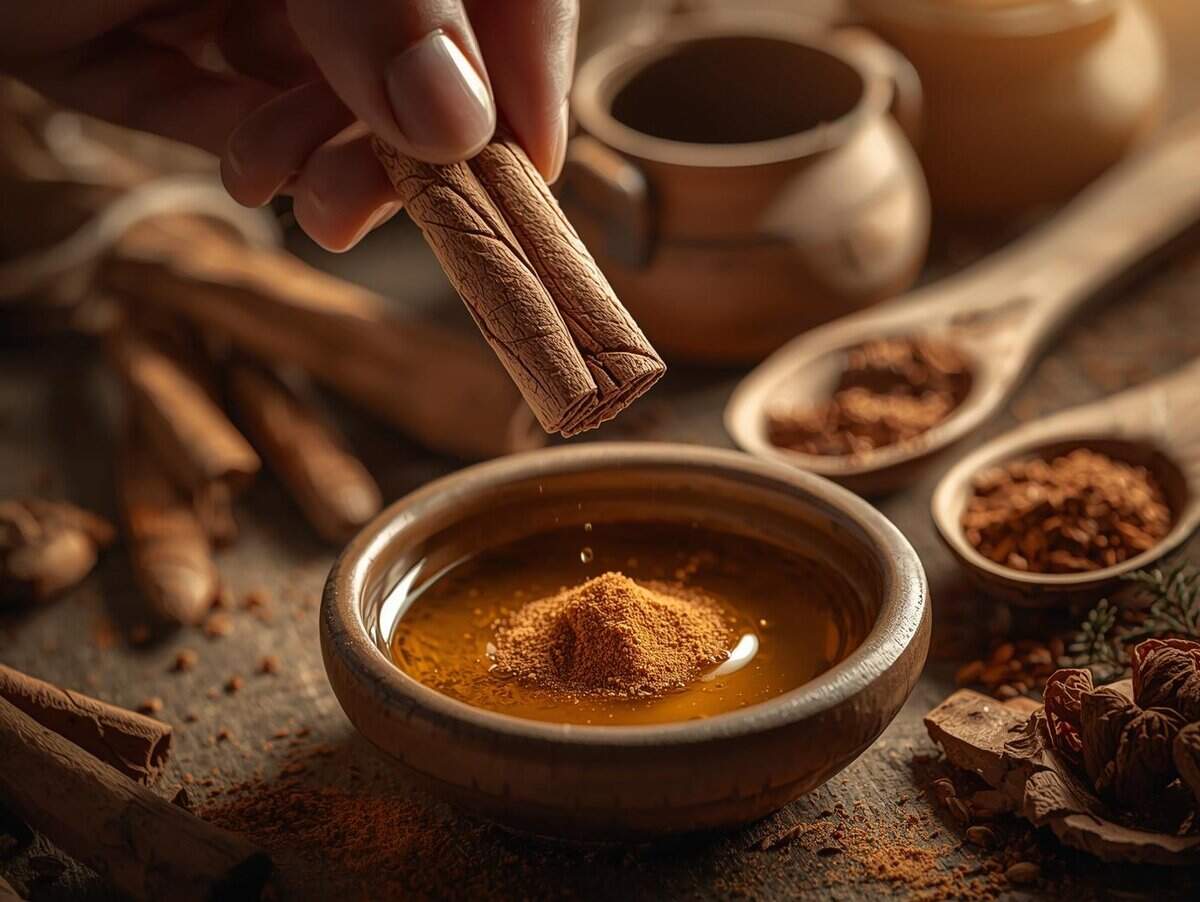
Cinnamon is mentioned in the Bible as an aromatic spice used in healing oils and sacred rituals. It was valued for its pleasant smell, preservative qualities, and medicinal effects.
Cinnamon was included in ointments for its ability to soothe and strengthen the body. Spiritually, it symbolized warmth, vitality, and devotion.
People used it to create oils for anointing, which were applied to the skin or burned for purification. Its strong scent was believed to clear negative energy and promote well-being.
Cinnamon reminds us that healing in biblical times involved more than just the body. It also included the mind and spirit.
The plant shows how sensory experiences like smell were part of sacred care and wellness.
7. Fig
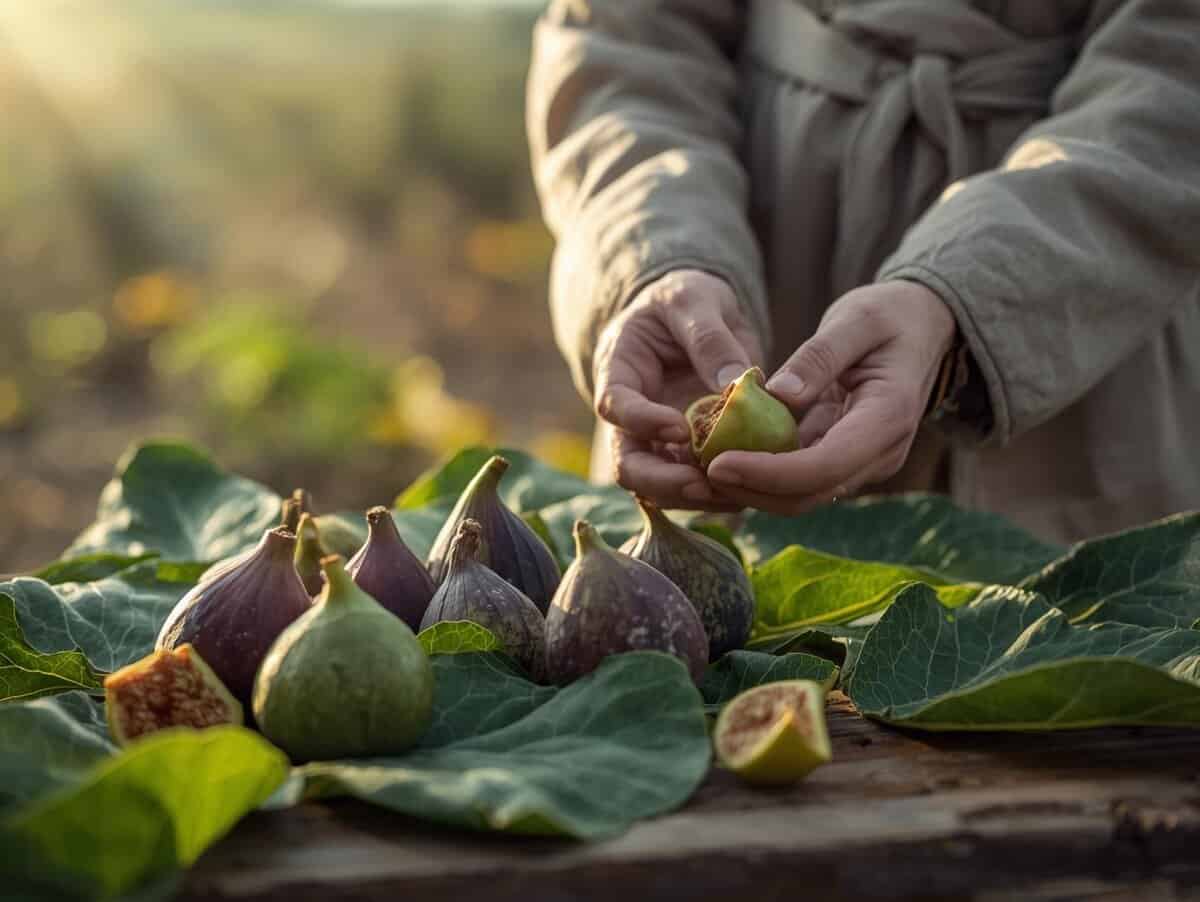
Figs are one of the earliest cultivated fruits mentioned in the Bible and were used for health and nutrition.
Their leaves and fruit were used to help with digestive issues, wounds, and skin problems. Spiritually, figs symbolized abundance, wisdom, and restoration.
People ate the fruit or applied the leaves to gain strength and healing benefits. Figs were valued for their nourishing properties and as a reminder of God’s provision.
By using figs, people combined practical nutrition with spiritual symbolism, showing that caring for the body and the soul often went hand in hand in ancient practices.
8. Hyacinth
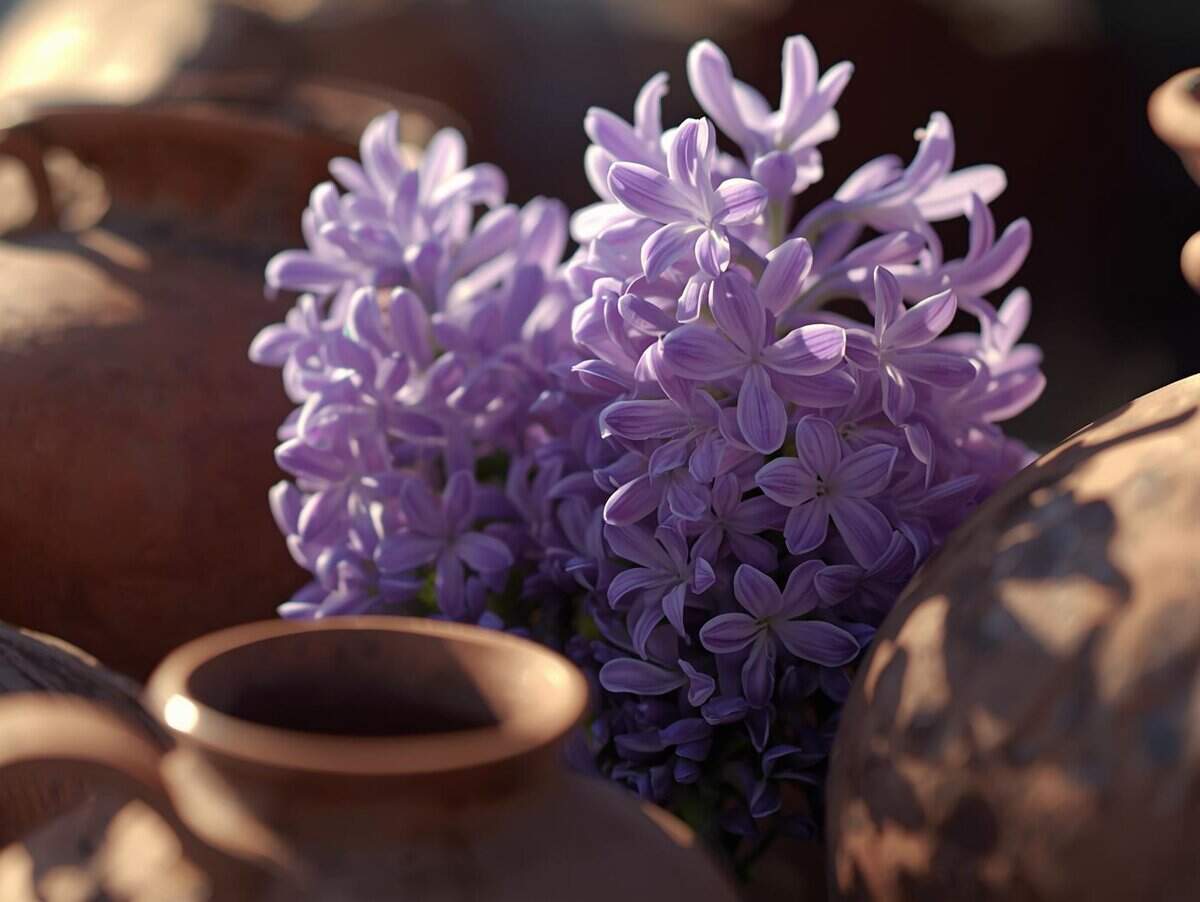
Hyacinth is a fragrant spring herb mentioned in some interpretations of biblical texts. It was used for its calming and healing effects.
Its strong scent was believed to promote relaxation, reduce stress, and restore energy. Spiritually, hyacinth symbolized devotion, hope, and clarity.
In ancient rituals, its fragrance was included in oils or incense to enhance meditation and prayer.
The plant reminds people that aroma and beauty were part of spiritual and physical healing.
By incorporating hyacinth into daily life or sacred practices, people could support balance in mind, body, and spirit.
Its presence encouraged peace, mindfulness, and a connection to divine energy.

Siempre sentí una fuerte conexión con lo Divino desde mi nacimiento. Como autora y mentora, mi misión es ayudar a los demás a encontrar el amor, la felicidad y la fuerza interior en los momentos más oscuros.