

The Book of Enoch is one of the most mysterious and debated texts associated with early Jewish and Christian traditions.
Often referenced but rarely included in mainstream scripture, it offers visions of angels, fallen watchers, and cosmic judgment that are both fascinating and unsettling.
Its vivid imagery and unconventional theology have made scholars and mystics alike question its place in the biblical canon.
Here, we explore seven key ways to understand the Book of Enoch and examine why it was ultimately removed from the Bible, shedding light on its historical, spiritual, and symbolic significance.
1. Enoch as a Bridge Between Humans and Angels

One of the most distinctive features of the Book of Enoch is its portrayal of Enoch himself as a mediator between humanity and celestial beings.
Unlike most figures in the Hebrew Bible, Enoch is taken directly into the heavens, guided by angels, and given knowledge of cosmic secrets.
The book describes “watchers,” angels who descended to Earth, interacted with humans, and shared forbidden knowledge.
This interaction between the divine and human worlds challenges traditional biblical boundaries, offering a vision of spirituality that is both expansive and controversial.
By presenting a human figure who directly experiences divine wisdom, the text blurs the line between mortal and celestial realms, a theme that may have made religious authorities wary of including it in scripture.
2. Detailed Accounts of Fallen Angels

The Book of Enoch is perhaps best known for its detailed account of the fallen angels, also called watchers, who rebelled against God.
These beings descended to Earth, taught humanity forbidden knowledge, and took human wives, producing a race of giants.
Such stories offer a vivid explanation for the presence of evil and corruption in the world, but they also challenge conventional theology.
The notion that angels could sin, reproduce, and dramatically influence human history was radical, and it conflicted with emerging orthodox views that emphasised strict separation between divine and mortal spheres.
The dramatic narratives of rebellion and judgment in Enoch may have been considered too speculative or sensational for inclusion in the canonical Bible.
3. Cosmic Visions of Heaven and Hell
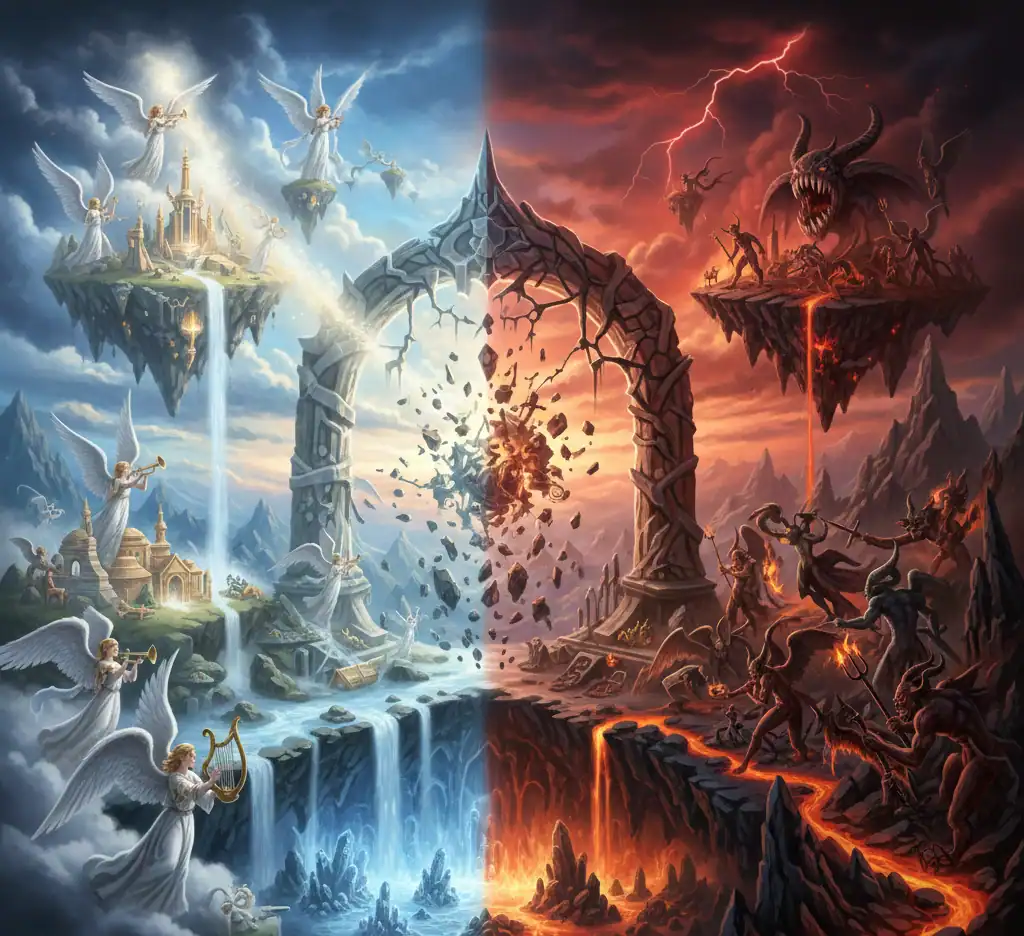
The Book of Enoch contains extensive descriptions of heaven, hell, and the structure of the cosmos.
Enoch is shown the places where angels dwell, the paths of celestial bodies, and the punishment awaiting sinful spirits.
These visionary accounts are much more detailed than most biblical texts, blending prophetic insight with apocalyptic imagery.
While this richness makes the book a treasure for mystics and esoteric traditions, it may have seemed incompatible with the theological frameworks being established during the formation of the Bible.
Church authorities might have viewed such elaborate cosmology as speculative, difficult to verify, or potentially misleading to believers.
4. Emphasis on Judgment and the End Times
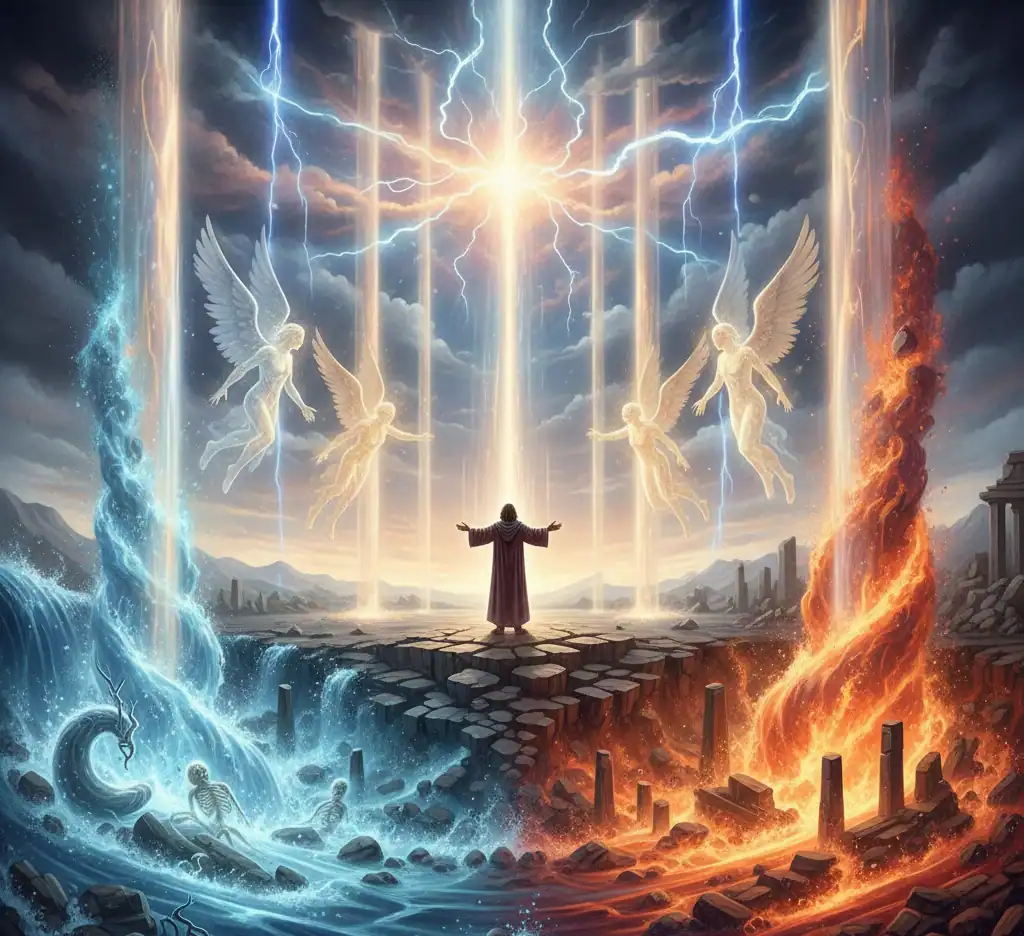
The Book of Enoch heavily emphasises divine judgment, the punishment of the wicked, and the eventual restoration of righteousness.
These apocalyptic themes were influential in shaping later Christian eschatology but were presented in ways that were strikingly different from canonical texts.
Enoch describes the final fate of the fallen angels, the coming flood, and the resurrection of the righteous, often with intense symbolism and graphic detail.
This intense focus on judgment, while spiritually compelling, may have been seen as too extreme or too divergent from mainstream theological narratives.
Its unique apocalyptic vision positioned it outside the bounds of accepted scripture, even as it influenced later biblical writings indirectly.
5. Unique Interpretations of Sin and Knowledge
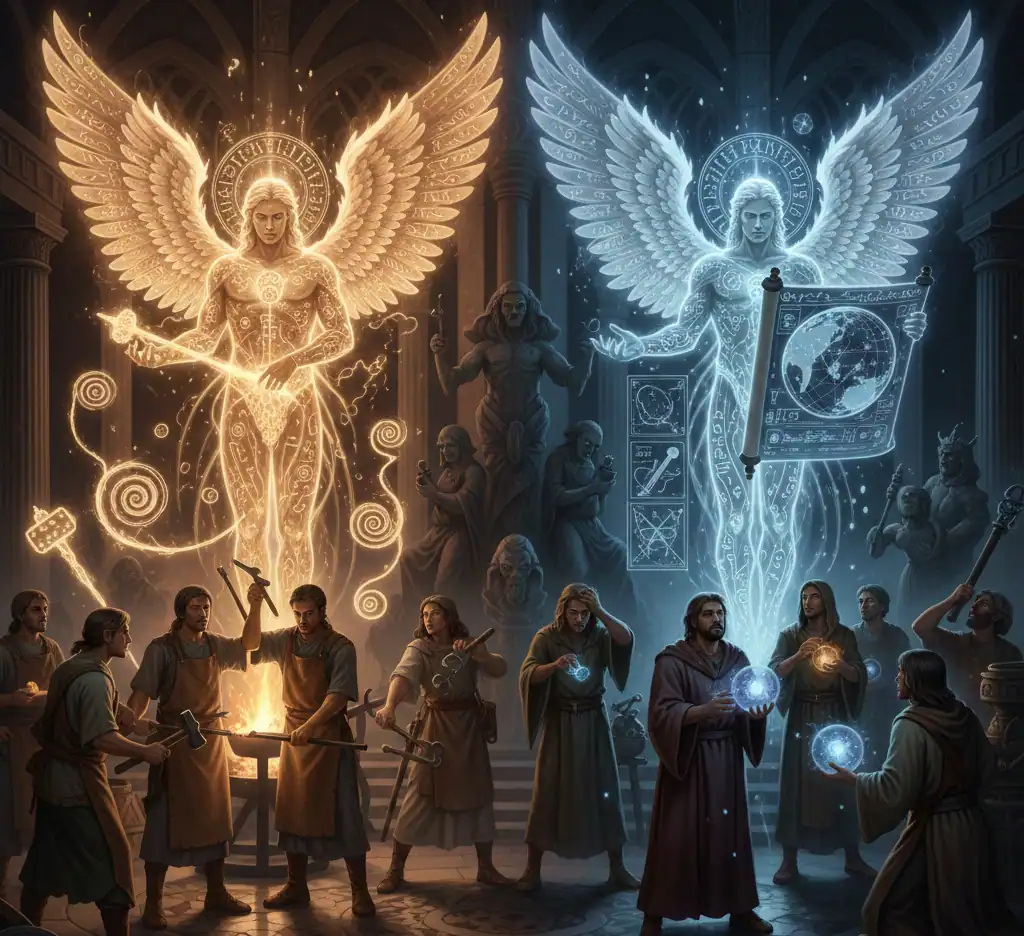
In Enoch, sin is often linked to the transmission of forbidden knowledge rather than simple disobedience.
The watchers teach humans metalworking, astrology, and other arts that, while useful, corrupt the natural order and lead to moral decay.
This portrayal contrasts with the canonical Bible, where sin is more often a matter of disobedience, rebellion, or idolatry.
By presenting knowledge itself as potentially corrupting, the Book of Enoch raises challenging theological questions.
It implies that curiosity, learning, or divine insight can be dangerous, which may have conflicted with the emerging focus on moral instruction and obedience in the canonical texts.
6. Influence on Early Christianity and Controversy

Despite its exclusion from the Bible, the Book of Enoch influenced early Christian thought. The Epistle of Jude in the New Testament directly references Enoch, and early church fathers were aware of its existence.
However, its inclusion sparked debate. Some early Christian leaders admired its moral teachings and apocalyptic vision, while others criticised its speculative nature and angelic focus.
The text’s ambiguity and complexity made it difficult to regulate, and its sensational stories risked misinterpretation.
As the canon solidified, church authorities likely chose to exclude it to maintain theological consistency and control over accepted doctrine.
7. Preservation and Continued Mystical Appeal

Though removed from the canonical Bible, the Book of Enoch survived through careful preservation in Jewish and Ethiopian traditions.
It was translated into multiple languages and studied by mystics, scholars, and occultists for centuries.
Its enduring appeal lies in its imaginative cosmology, moral lessons, and vivid portrayal of angels, demons, and human destiny.
By exploring forbidden knowledge, divine justice, and the structure of the universe, the text continues to inspire curiosity and spiritual reflection.
The reasons for its exclusion only add to its mysterious and mystical aura, making it a unique window into ancient spiritual imagination.

Siempre sentí una fuerte conexión con lo Divino desde mi nacimiento. Como autora y mentora, mi misión es ayudar a los demás a encontrar el amor, la felicidad y la fuerza interior en los momentos más oscuros.