
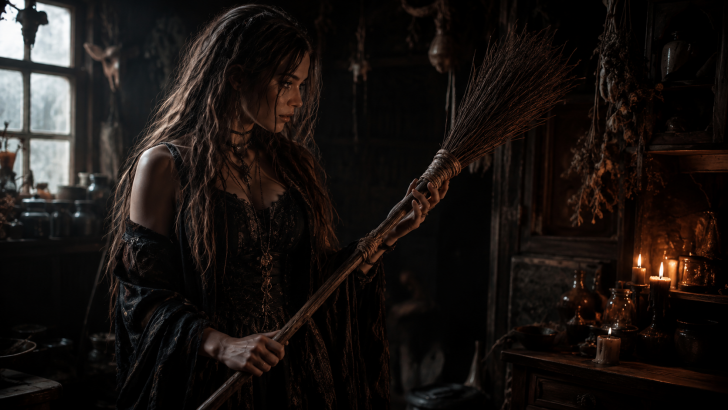
Few objects are more strongly connected with witches than the ordinary broom. Today, the image is instantly recognizable.
A witch flying through the night on a broom appears everywhere from Halloween decorations to movies and fairy tales.
Yet brooms began as simple household tools with no naturally magical purpose.
So how did they become one of the most famous symbols of witchcraft?
The answer comes from a mixture of European folklore, household symbolism, accusations made during witch trials, old fertility customs, and stories that became increasingly imaginative over time.
Here are eight reasons brooms became connected to witches.
1. Brooms Were Everyday Tools Associated With the Home
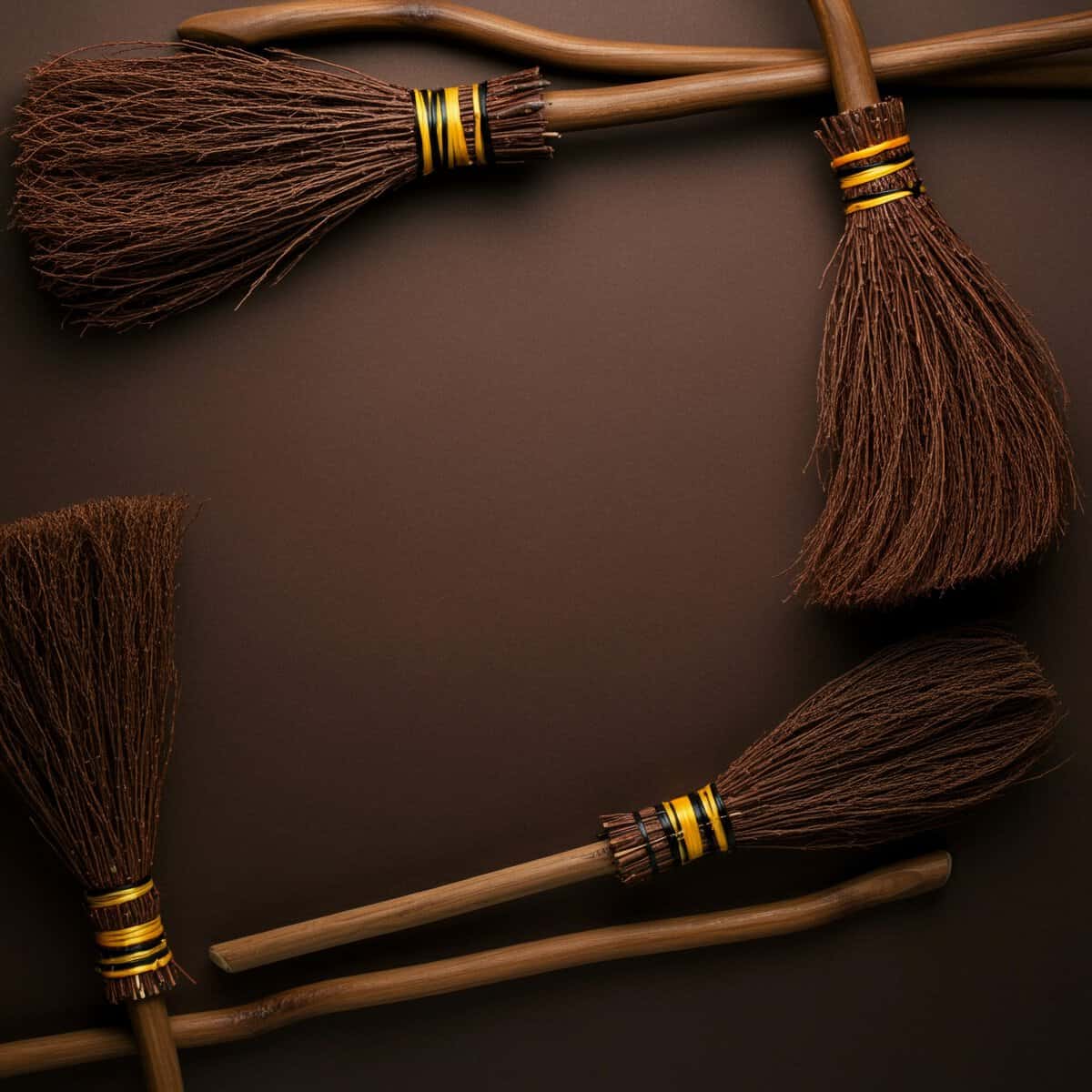
For centuries, sweeping was an ordinary part of maintaining a household.
Because domestic work was traditionally performed largely by women in many European communities, brooms became closely associated with women’s everyday lives.
This mattered when beliefs about witchcraft began focusing heavily on women.
A mysterious magical object did not need to come from somewhere unusual. Storytellers could transform an object already found in almost every home into something supernatural.
The broom was especially recognizable. Everyone understood what it was and where it belonged.
Turning such a familiar object into a magical tool made stories about witches more unsettling because supposed witchcraft could now hide among completely ordinary household objects.
2. Sweeping Already Had Symbolic Meaning

Sweeping was not always understood as simply removing physical dirt.
Across European folk traditions, sweeping could carry symbolic meanings involving purification, luck, boundaries, and protection.
A broom removed unwanted material from a house, so people could imagine it symbolically removing unwanted influences as well.
In some traditions, sweeping at the wrong moment was considered unlucky. Wedding customs and household superstitions could also give brooms special meanings.
If a broom could symbolically clear something away, people could imagine witches using it for supernatural purposes too.
3. Brooms Became Connected With Fertility Customs
One explanation for the broom’s magical reputation comes from older agricultural and fertility symbolism.
In parts of Europe, jumping, dancing, and other energetic movements could appear in seasonal celebrations connected with crops and fertility.
The broom’s long handle also made it easy for storytellers to associate it symbolically with fertility.
Over time, folklore blended agricultural customs with growing beliefs about witches gathering secretly at night.
Practices that may originally have been connected with seasonal celebration could be reinterpreted as suspicious or magical.
Historians remain cautious about claims that one particular fertility ritual directly created the flying witch tradition.
4. Medieval Stories Began Describing Magical Flight
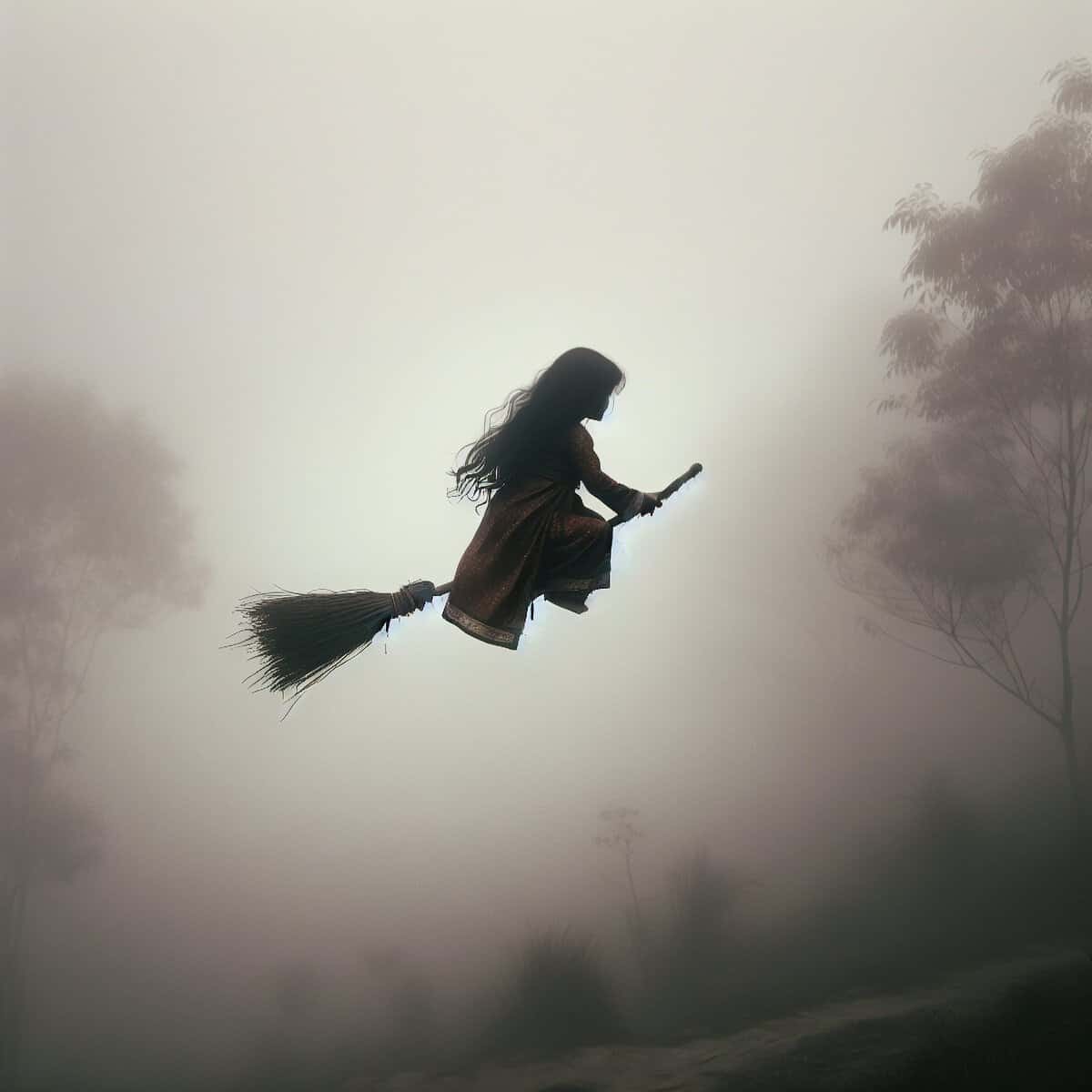
The idea of people traveling magically through the night existed before the classic broom-riding witch became popular.
Medieval European stories described supernatural nighttime journeys involving mysterious women, spirits, and magical gatherings.
As fears surrounding witchcraft developed, these older legends changed.
People accused of witchcraft were increasingly described as traveling to secret meetings with supernatural forces.
Sticks, staffs, animals, and eventually brooms appeared in stories about nighttime journeys.
The broom was especially memorable because it combined an ordinary household object with an impossible activity.
The image of someone flying through the sky on something designed for sweeping floors was strange enough to capture the imagination.
5. Witch Trial Accusations Strengthened the Connection
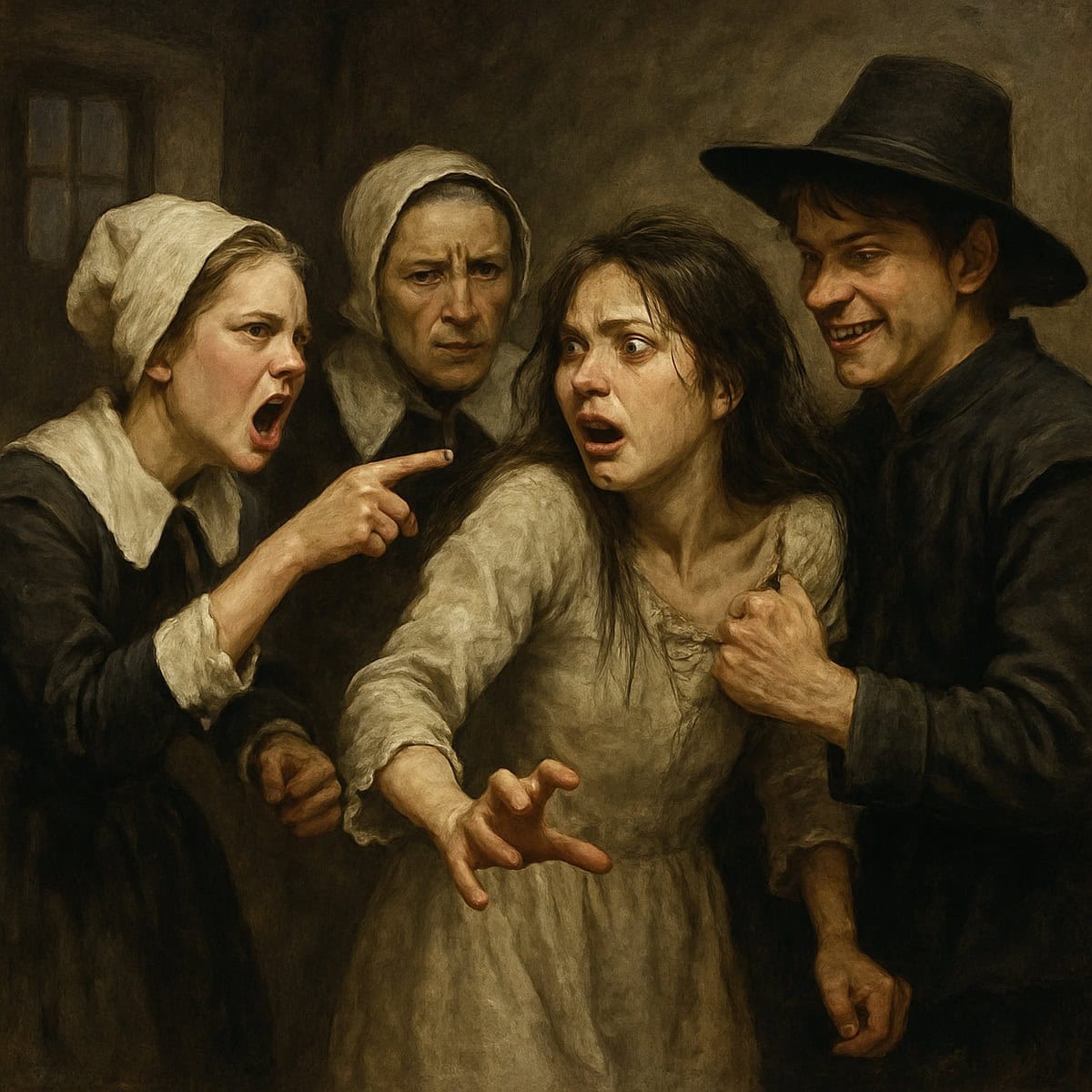
During periods of intense witch persecution in Europe, accusations became increasingly elaborate.
People accused of witchcraft could be blamed for causing storms, harming livestock, attending secret gatherings, or traveling through supernatural means.
Confessions recorded during witch trials sometimes included descriptions of magical flight. However, these records must be treated very carefully.
Confessions could be produced under coercion, intense questioning, social pressure, or torture.
Once stories about witches flying on sticks or brooms appeared repeatedly in legal records, religious discussions, pamphlets, and popular tales, the connection became stronger.
6. The Broom Could Represent Crossing Boundaries
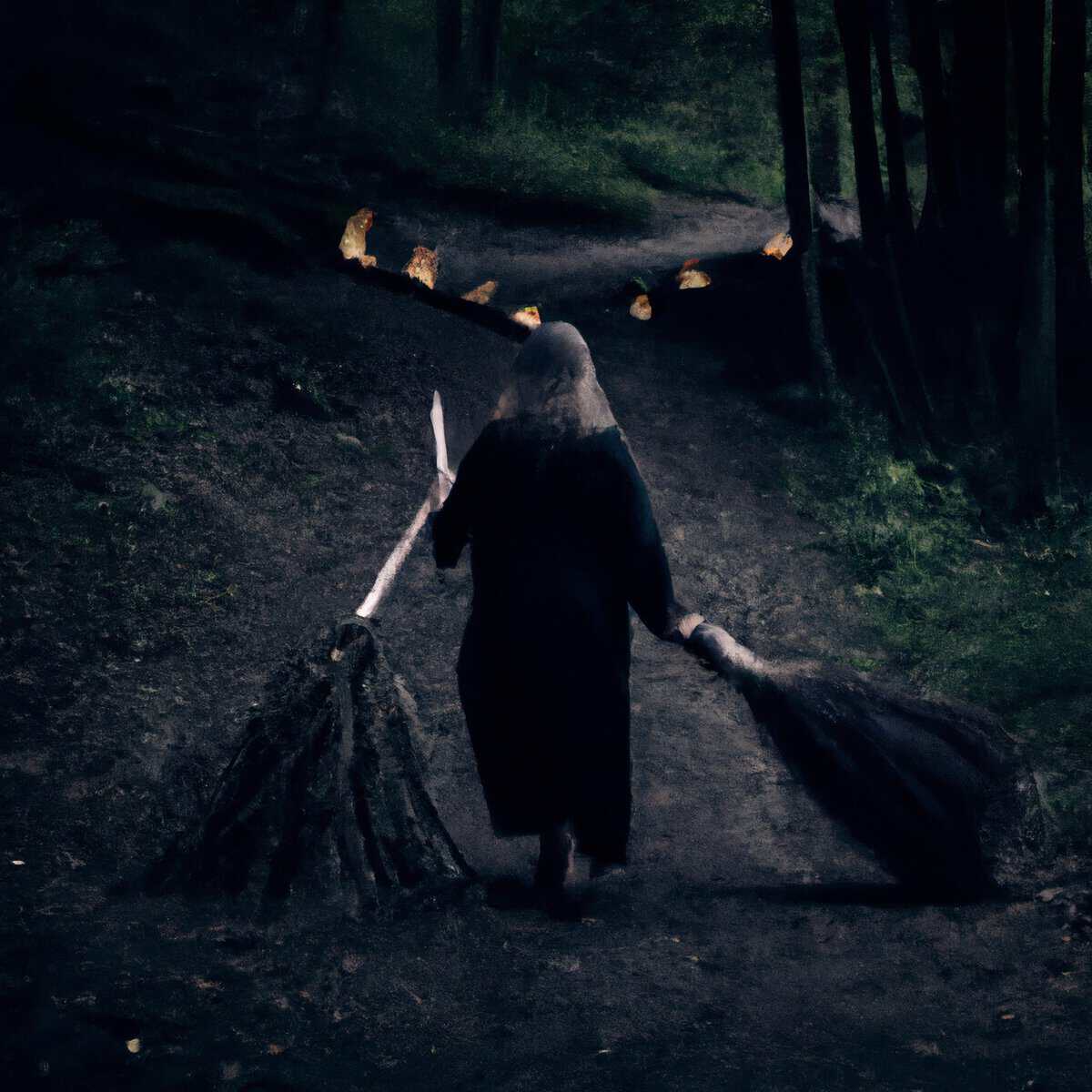
Doors, windows, fireplaces, and thresholds held important places in European folklore.
They marked the boundary between the safety of the home and the uncertain world outside.
Brooms were commonly kept near these spaces. That everyday placement may have contributed to their symbolic connection with boundaries.
Witches themselves were imagined as figures capable of crossing boundaries that ordinary people could not.
They supposedly traveled between villages and wilderness, the ordinary and supernatural, and sometimes even the worlds of humans and spirits.
In stories, the witch could leave the familiar world behind and disappear into the night.
The broom became a symbol of movement between ordinary life and mysterious places beyond it.
7. Artists Helped Create the Classic Flying Witch
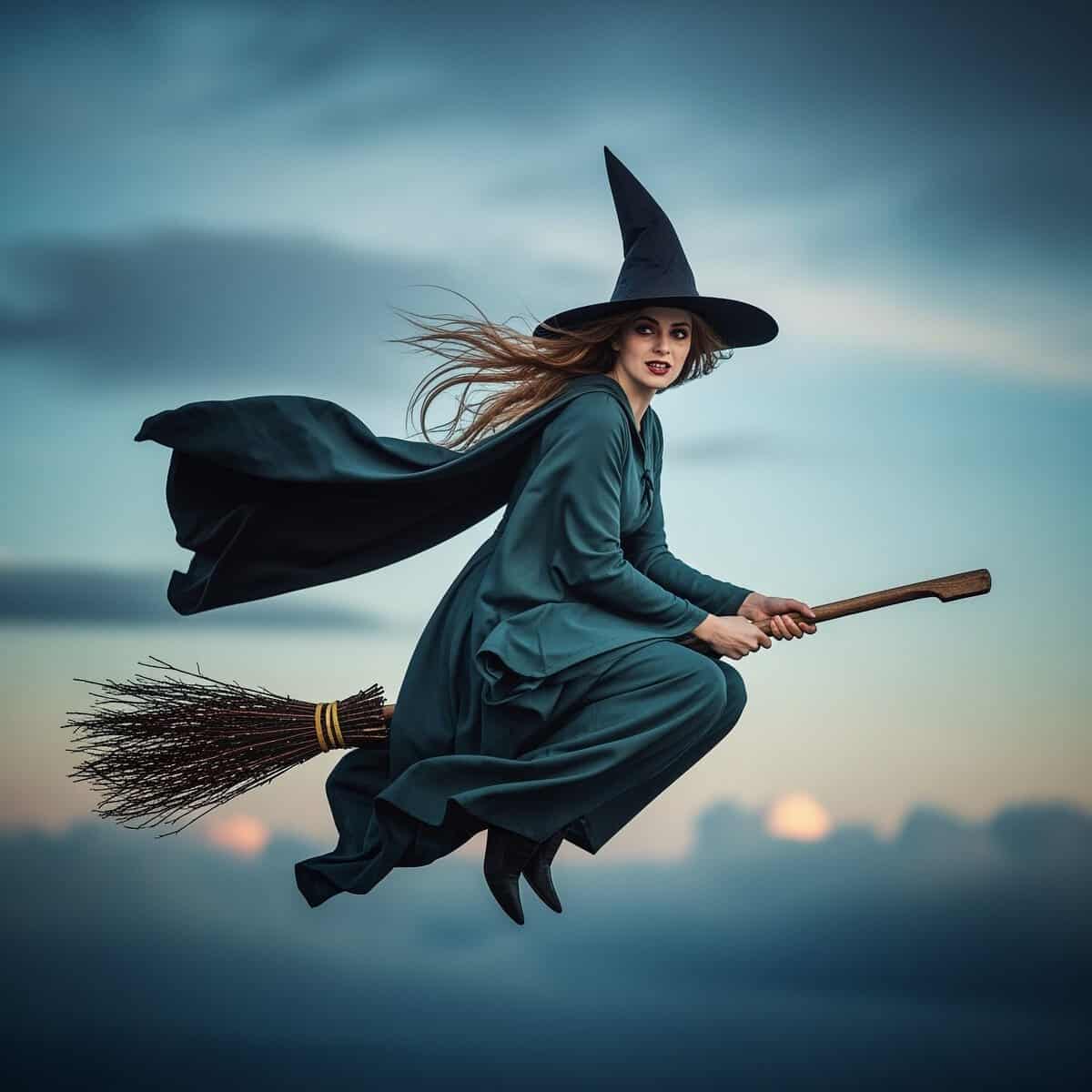
Visual art played an enormous role in establishing the image people recognize today.
During the late medieval and early modern periods, European artists created illustrations showing alleged witches traveling through the air.
Not every image showed a broom. Some figures rode sticks, animals, or other unusual objects.
However, broom imagery gradually became increasingly recognizable. Printed books and pamphlets allowed these images to circulate widely.
Someone who had never personally heard a local story about flying witches could encounter the idea through an illustration.
Visual storytelling simplified complicated folklore into memorable symbols.
A pointed hat, dark clothing, unusual animals, and a broom eventually became an easy visual language for identifying a witch.
8. Fairy Tales and Popular Culture Made the Broom Permanent
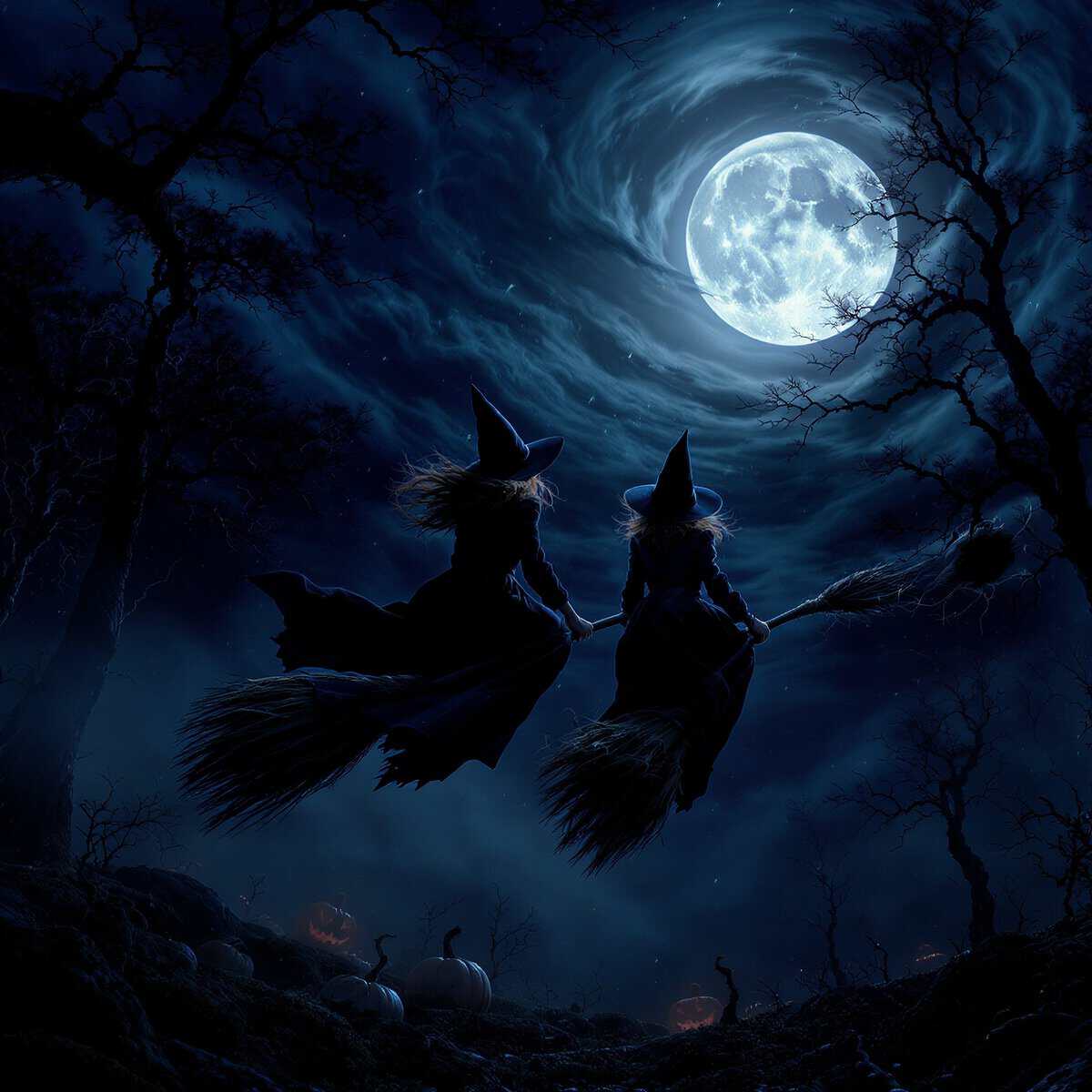
By the time belief in literal witchcraft accusations declined in much of Europe, the flying broom had already entered popular imagination.
Folktales preserved it. Children’s stories made it less frightening.
Later novels, illustrations, theater, movies, television, and Halloween traditions turned it into one of the most recognizable magical objects in the world.
The meaning also changed. Earlier images of flying witches could represent fear, danger, or accusations of forbidden supernatural activity.
Modern witches riding brooms are often humorous, adventurous, or completely fictional.
The history behind it involves superstition, persecution, folklore, and artistic imagination, but the final symbol is wonderfully simple.
Give a storybook witch a broom, and almost everyone immediately knows she might be about to fly.

Siempre sentí una fuerte conexión con lo Divino desde mi nacimiento. Como autora y mentora, mi misión es ayudar a los demás a encontrar el amor, la felicidad y la fuerza interior en los momentos más oscuros.