
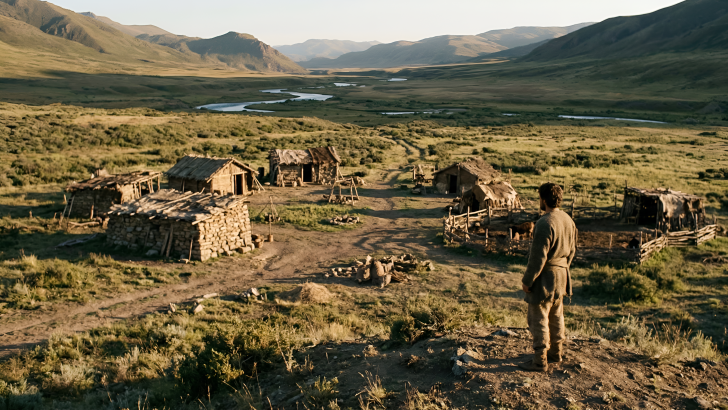
The story of Cain and Abel in the Bible is one of the earliest accounts of human conflict, guilt, and punishment.
After Cain killed his brother Abel, God punished him by sending him away from his family’s land and marking him so that no one would kill him.
Cain was now a wanderer, carrying both guilt and the burden of living outside the place he had known.
Despite this punishment, the Bible says Cain went on to build a city, which raises many questions.
How could someone who was condemned to wander alone gather people, organize resources, and construct a settlement?
The scripture does not give many details about this process, leaving scholars and historians to interpret how it could have happened.
Some explanations suggest that Cain was resourceful, skilled, and capable of leadership, allowing him to overcome his punishment in a surprising way.
Others propose that there were already other humans scattered across the earth who could have joined him.
Here are five ways Cain may have built a city after being sent away by God.
1. He May Have Found Other People
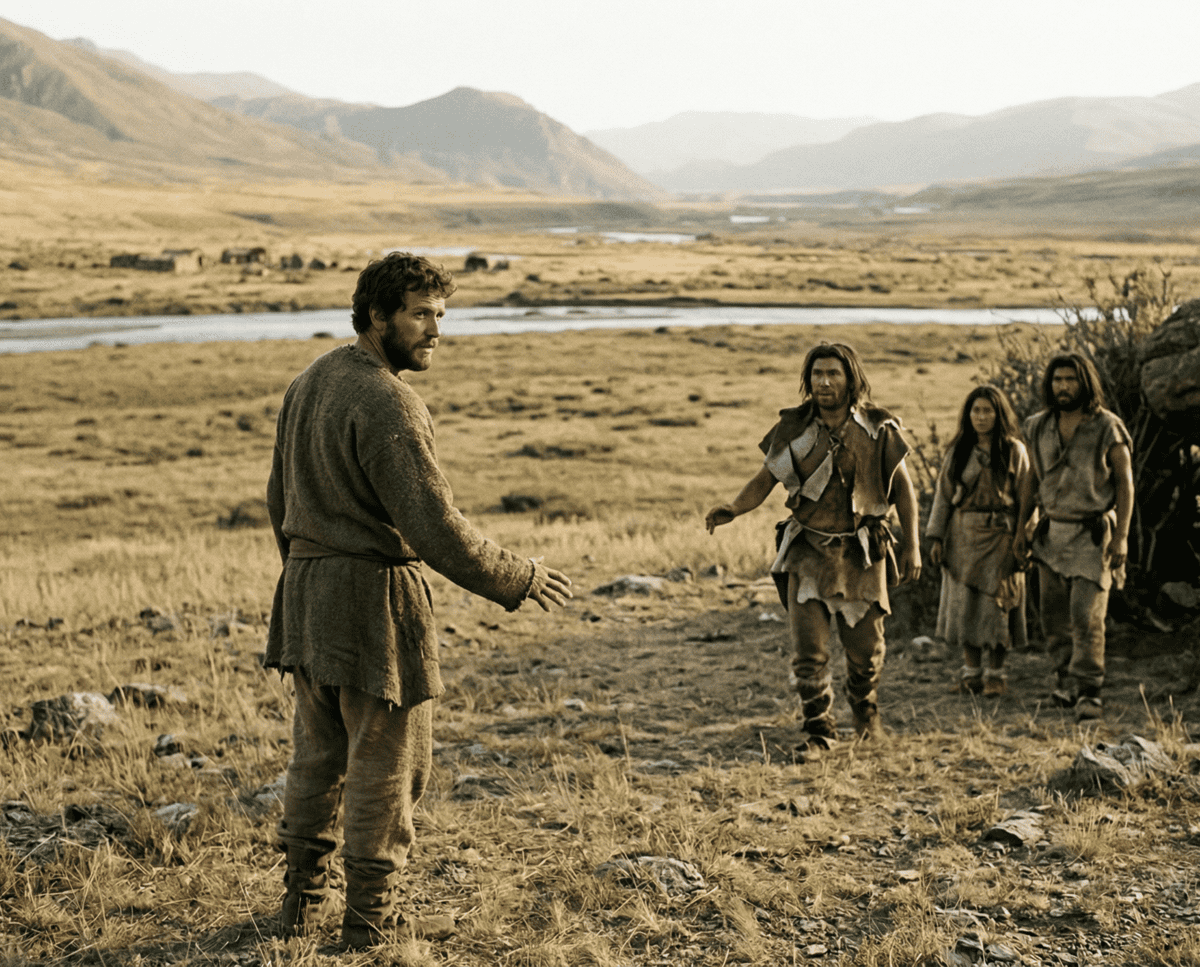
One possible explanation for Cain’s ability to build a city is that he was not completely alone.
Although the Bible focuses on Adam and Eve’s immediate family, other humans may have already been born and spread across different regions.
These distant relatives or other people could have joined Cain, providing him with labor and companionship.
Having more than one person would have made it possible to divide tasks such as building shelters, farming, and gathering resources.
In ancient times, a city could begin as a small cluster of homes where a few families worked together.
Cain could have acted as a leader, organizing people into roles and responsibilities to create structure and cooperation.
With assistance from others, the process of establishing a permanent settlement becomes more realistic.
Additionally, the presence of other humans could have allowed him to share knowledge, exchange ideas, and develop a system that would support growth.
Finding and uniting people would have been the first essential step in turning a wandering life into a settled one, enabling Cain to begin building a city that could endure.
2. Cain Learned to Use His Skills
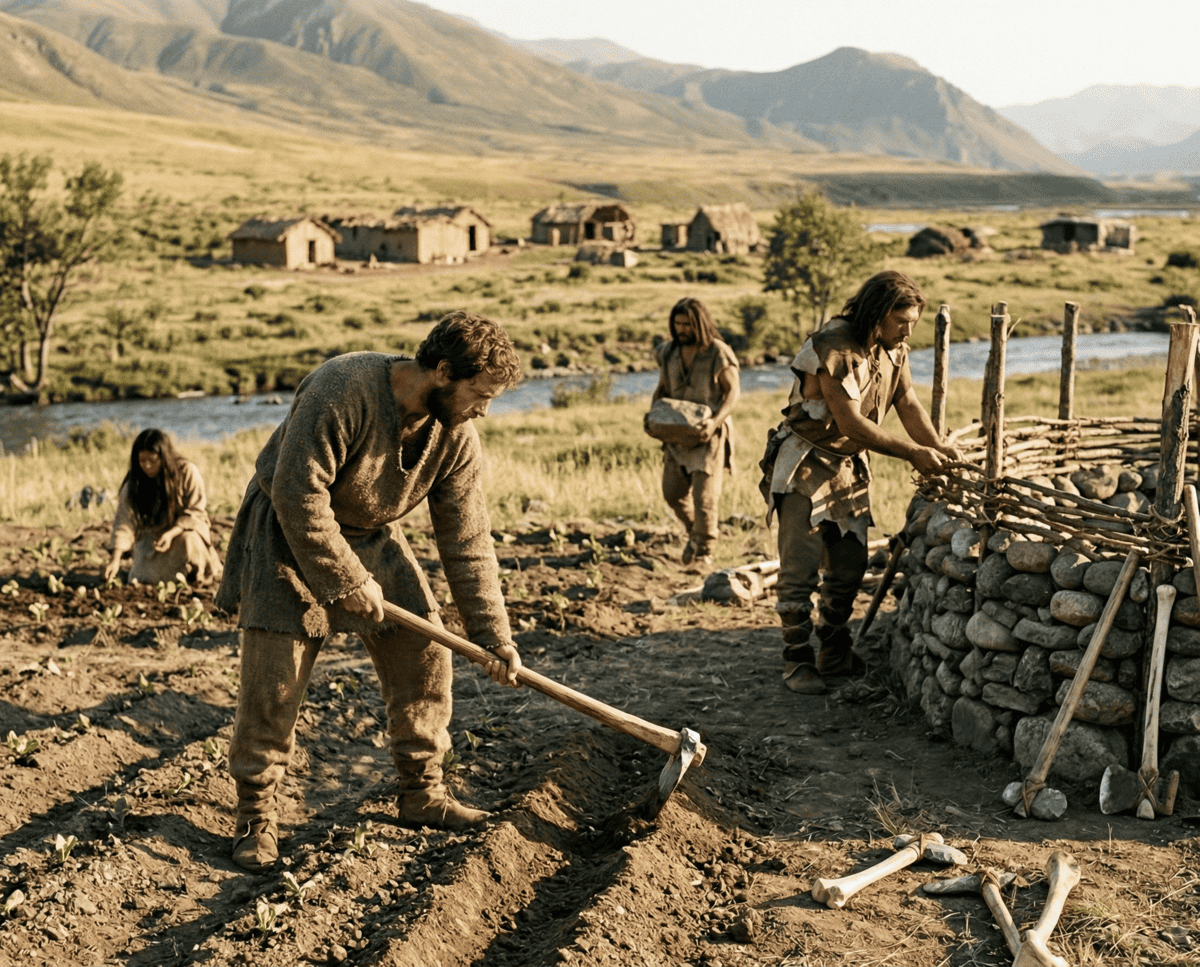
Cain’s skills as a farmer and laborer likely played a crucial role in the building of his city.
The Bible describes him as someone who worked the land, which would have helped him survive while traveling through unfamiliar regions.
Farming skills would allow him to find fertile soil, plant crops, and provide food for himself and anyone who joined him.
Over time, he may have developed additional abilities such as constructing shelters, clearing land, and creating basic tools.
These practical skills are essential for establishing a settlement that can support life consistently. Early cities required careful planning, with areas designated for living, storage, and work.
Cain’s ability to organize his environment and use available resources efficiently would have helped him create a functional space.
Even in small numbers, people can establish a community if they have the right skills and determination.
Cain’s experience with labor and farming gave him a foundation for survival and progress, turning a wandering existence into an organized settlement that could grow into a city over time.
3. He May Have Named and Organized the Settlement
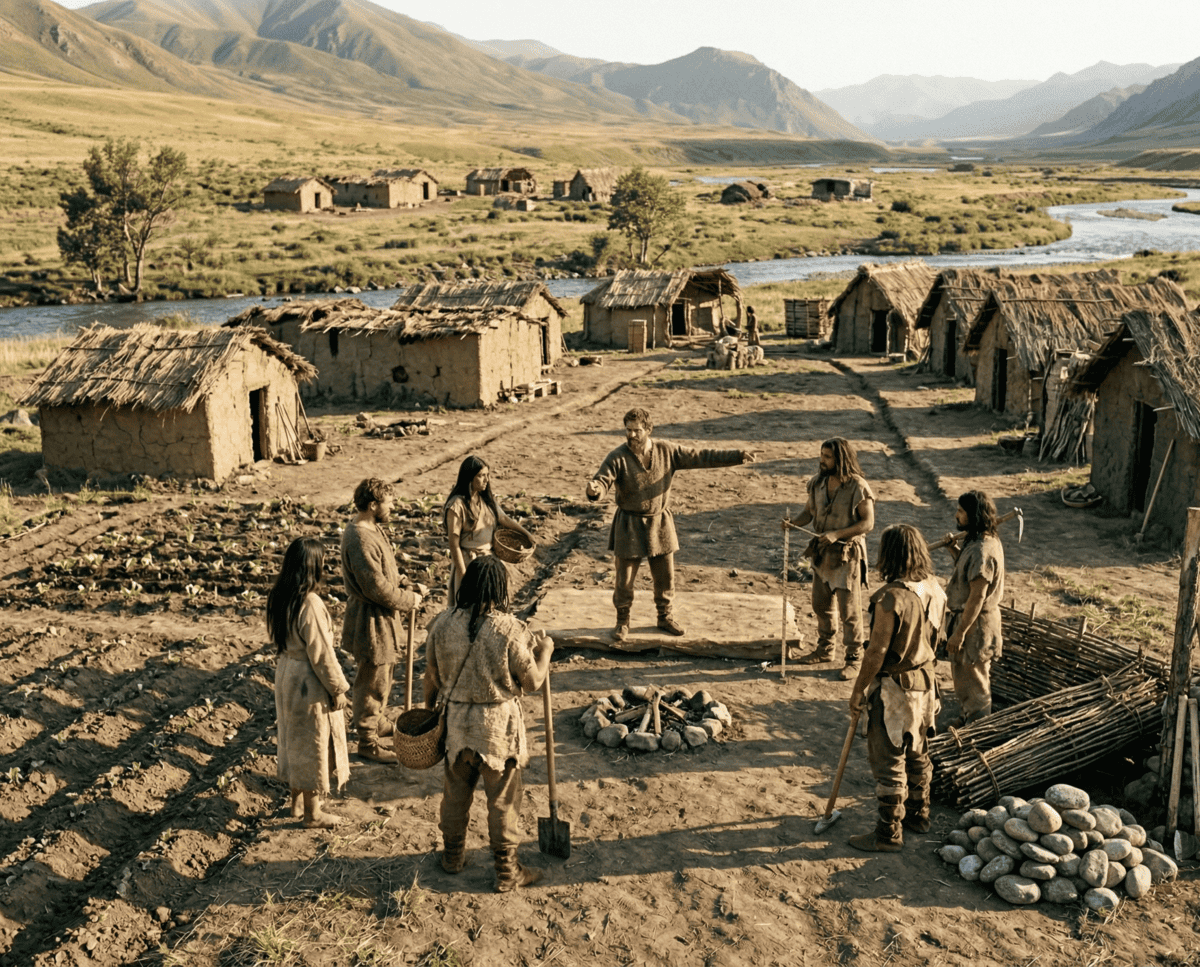
The Bible notes that Cain named his city Enoch after his son, suggesting that it was more than a temporary camp.
Naming a place is an act of ownership and planning. It signals the beginning of organized life, with areas for housing, work, and gathering.
By giving the city a name, Cain established its identity and made it a recognizable community.
Organizing the settlement would have required assigning roles and responsibilities, even if the population was small.
This early form of social structure allowed for cooperation and efficiency, making it easier to build homes, cultivate food, and defend the community if necessary.
Naming the city also reflects a desire for legacy and permanence, suggesting Cain intended for the settlement to last beyond his lifetime.
With planning and leadership, the city could grow steadily, eventually attracting more people and becoming a center for resources and culture.
Cain’s act of naming and organizing Enoch highlights the importance of structure in creating a lasting community.
4. He Likely Passed Knowledge to His Descendants
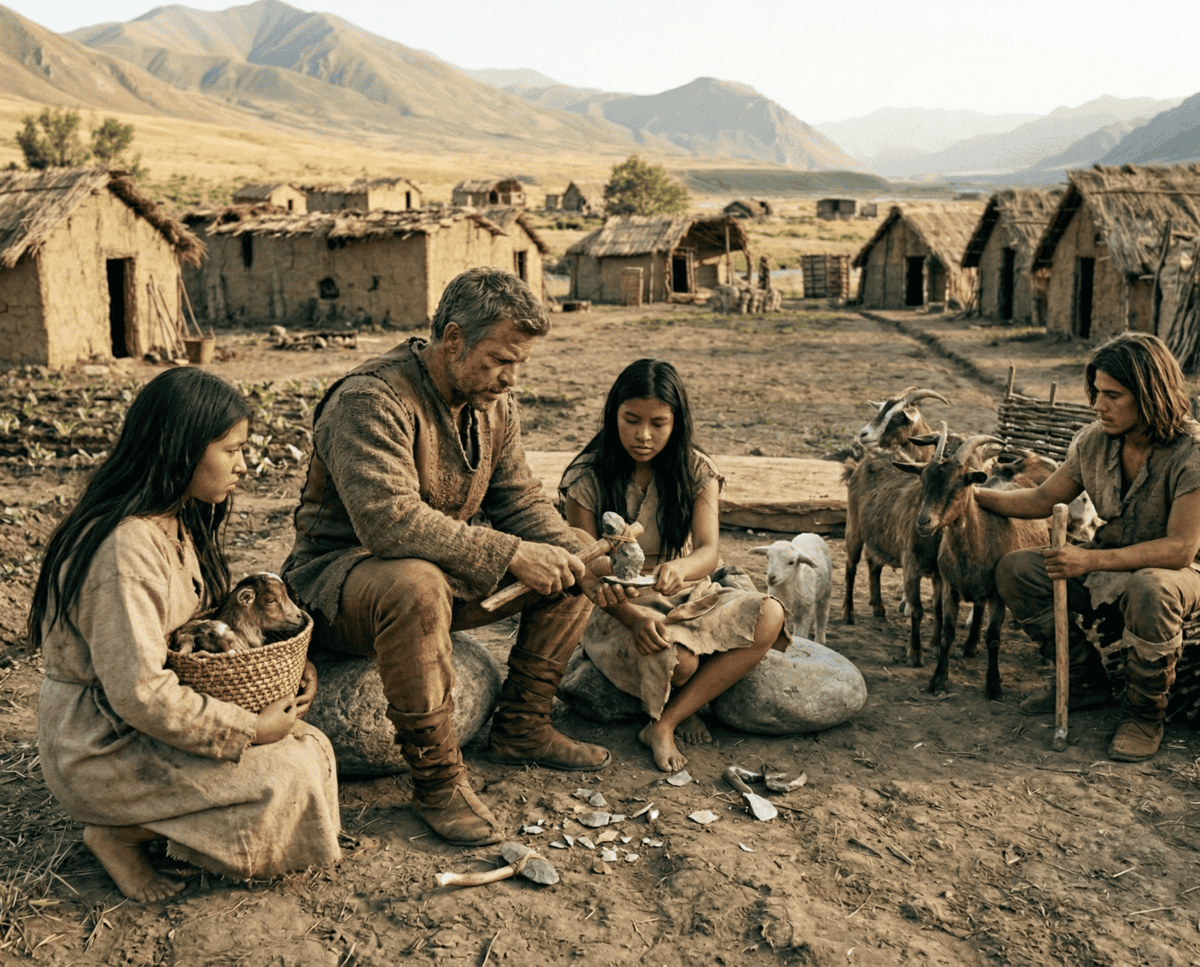
Another way Cain could have built a city is through the involvement of his children.
The Bible mentions that some of Cain’s descendants were skilled in metalwork, music, and animal care.
These talents would have been extremely valuable in a small settlement, helping with construction, food production, and cultural development.
Cain could have taught these skills to his children and anyone else who joined him, ensuring that knowledge and experience were passed on.
Over generations, this would have allowed the city to expand and improve its infrastructure.
By combining survival skills, trade knowledge, and creativity, Cain’s family could create a thriving environment that supported growth.
The passing of skills from one generation to the next would make the settlement stronger and more sustainable.
As more people joined or were born into the community, the city would develop a sense of permanence.
Cain’s leadership and the training of his descendants allowed a simple settlement to grow into a fully functioning city.
5. He May Have Taken Advantage of Resources
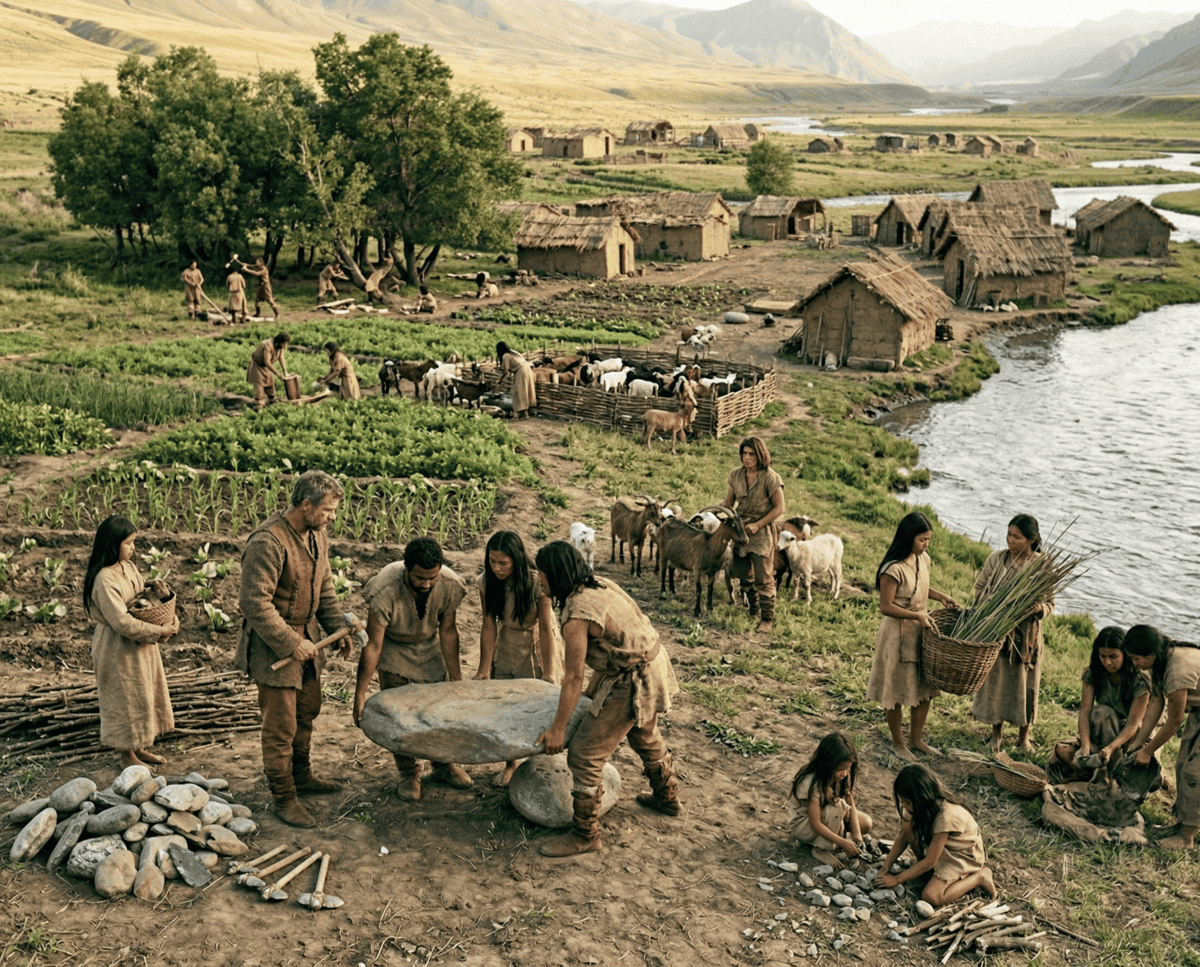
Finally, Cain may have built his city by carefully using the natural resources around him.
Early civilizations often relied on rivers, fertile soil, forests, and stones to sustain life.
Cain could have chosen a location with water nearby, good land for farming, and materials for building homes and storage areas.
These resources would allow him to provide food, shelter, and protection for his family and anyone who joined him.
Understanding the environment and planning wisely would make the settlement more stable and long-lasting.
By using available resources effectively, Cain could have expanded the city gradually. Over time, the settlement could support more people and develop social and cultural systems.
His ability to use the land wisely demonstrates that even someone under divine punishment could create a thriving and lasting community.
Cain’s resourcefulness likely played a key role in turning exile into the foundation of a city.

Siempre sentí una fuerte conexión con lo Divino desde mi nacimiento. Como autora y mentora, mi misión es ayudar a los demás a encontrar el amor, la felicidad y la fuerza interior en los momentos más oscuros.