
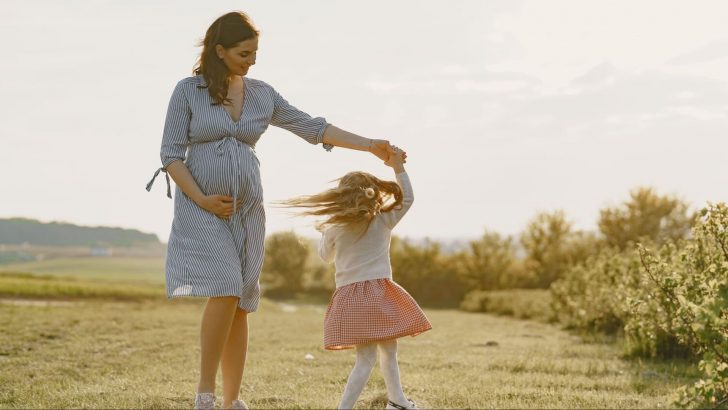
As beautiful as it is to watch your family grow, no one can say it’s not abrumadora.
People typically welcome their second child while their firstborn is still very little, and this can cause some stress at home.
Your firstborn is still too young to understand that the new baby isn’t stealing your love from them.
Even more importantly, ellos were your baby until a few days ago, so they’re also experiencing a serious loss of identity.
Here are a few tips to make this transición a little bit smoother!
1. Tell Them About the Pregnancy Only When You Start Showing

From the moment you spot those two pink lines on the test, you can’t wait to tell everyone, especially your toddler!
However, if they’re under four years old, it’s typically advised not to tell them until you have a belly to show for it.
Very young children can’t understand the concept of pregnancy until they see proof of it.
Tienen un more concrete way of thinking.
Also, once you start showing, you can invite them to feel your belly and explain how their sibling is growing inside.
This way, the news becomes more real, helping them connect the dots.
2. Shop for the Baby Together
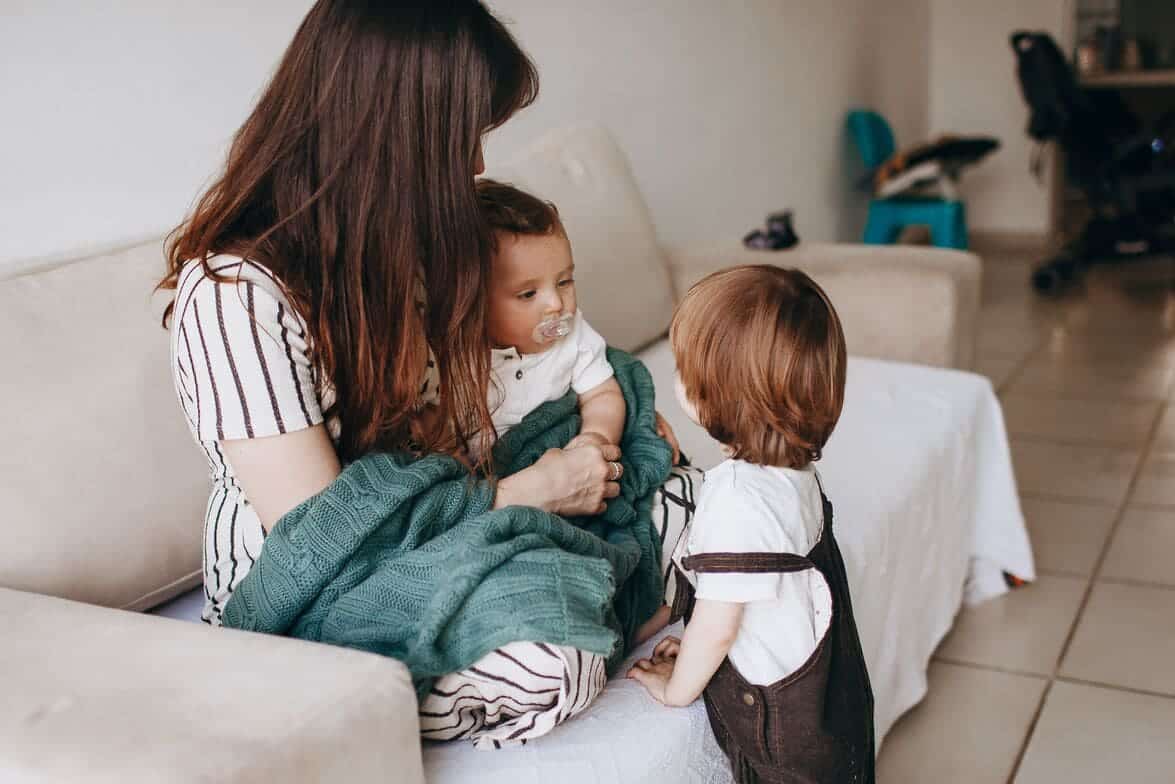
Once they understand they’re going to have a sibling, you need to find ways to make your child emocionado about the new baby and keep it that way.
It’s not uncommon for children to say they can’t wait for a new sibling, only to change their mind the next day. They’re processing what it all means for them and your relationship.
The easiest way to do this is to take them shopping for baby stuff.
Go to the store together, take walks, talk, sit down to have a drink… All of this makes them feel like they’re not losing their place in your life.
También, allow them to choose between some items to encourage a sense of ownership.
This ensures they’re not left feeling like an outsider looking in as your life moves on without them. Instead, they get to make some decisions, too.
3. Don’t Call the New Baby “New Baby” in Front of Them

The language we use around our children is much more important than we realize, especially during these major life transitions.
A surprisingly common mistake parents make is telling their child there will be a new baby.
While this phrase makes sense to us, to a young child, it can feel alienating. The word nuevo implies that this baby is somehow better than they are, even if you never meant it that way.
Remember that we’re all little animals operating on instinct; it’s just that little children don’t have the tools to overcome their instincts, yet.
They feel like they’re losing their bond with you because of this “new baby,” which causes them to harbor negative feelings about the whole thing.
What you can do instead is call the baby “your little brother” or “your little sister.”
This small change makes your child feel included and important despite the changes.
4. Don’t Hold the Baby in Your Arms When You Introduce Them
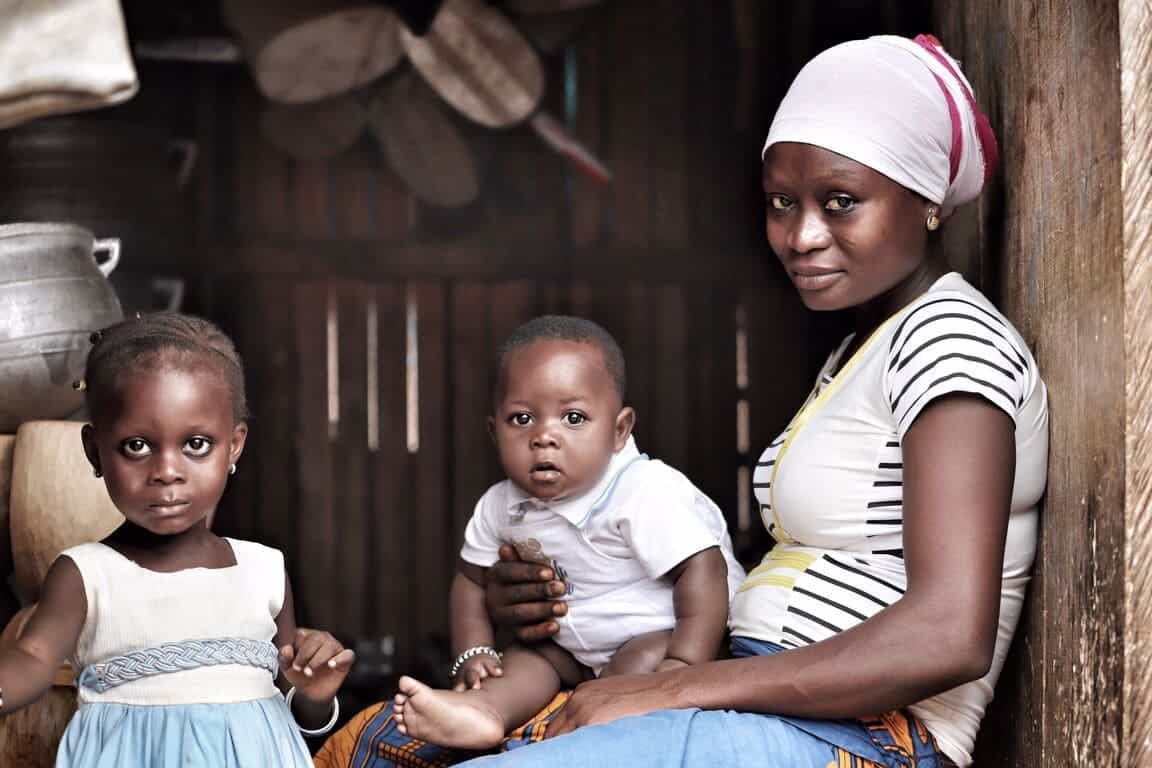
One of the hardest things toddlers face once a baby arrives is no longer being carried by su mom.
Some mothers have had difficult births and physically can’t pick up their older kids. Either way, the newborn is always in your arms because you must feed them and put them to sleep.
This can easily lead your older child to view their sibling as competition.
To avoid this, put the baby in the bassinet when you first introduce them.
During the initial introduction, it’s important that the child doesn’t feel like an outsider, seeing this new baby in their mom’s arms.
En su lugar, it’s leveled; they’re not carried by you, but neither is the baby.
5. Tell Them About Their Own Milestones
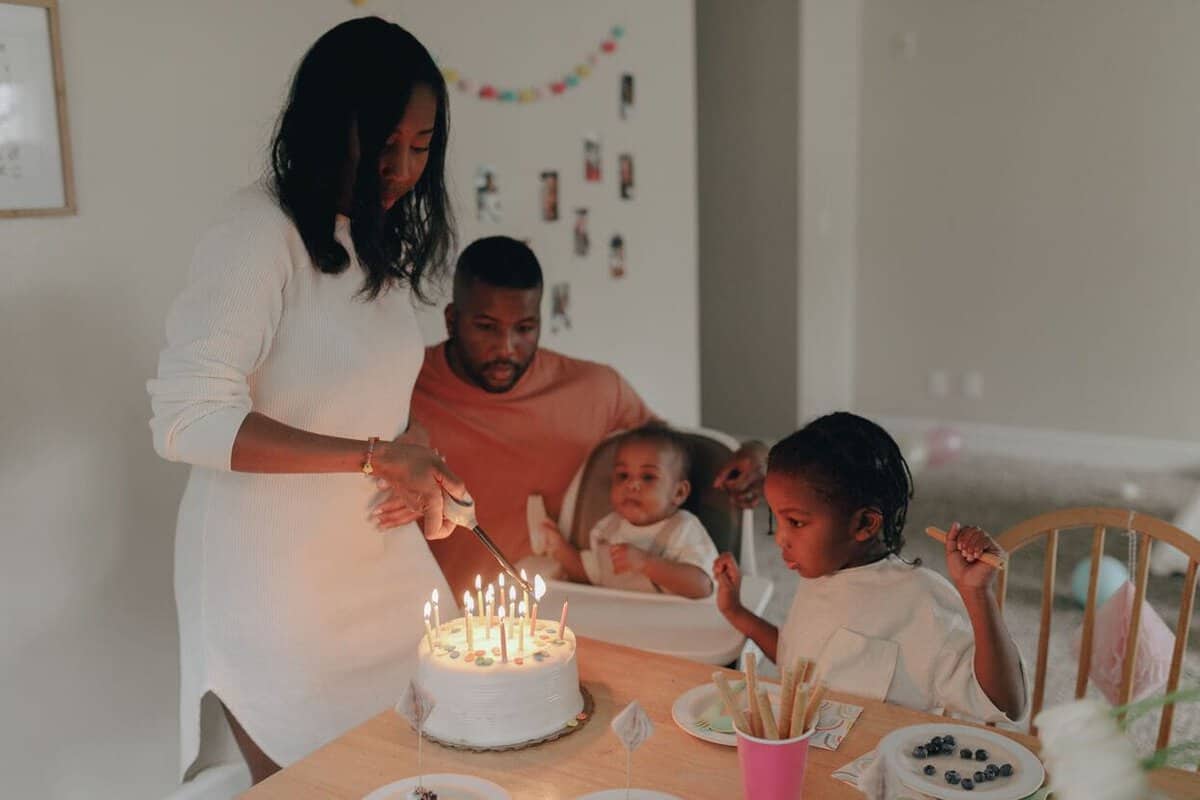
Babies grow so quickly, and every single step is worth celebrating!
However, older children have been known to get depressed during these times.
They feel like their entire family, distant family, and neighborhood are all gathered around every little thing the baby does, while no one pays them any mind.
They’re still too little to understand the whole thing.
So, it’s important to make them feel included.
As the baby starts grabbing toys, tell them about the time they reached that milestone. When the baby grows its first tooth, tell them a funny story about their own baby teeth.
Show them some photos of them as a newborn, etc.
Help them understand that they were also celebrated in the same manner.
6. Make Time for Just Them

This is the most important and the hardest thing to do: set aside some time to spend just with your older child.
It’s challenging because the baby needs to be breastfed every hour, and you’re sleep-deprived, and you honestly just want to speak to a grown-up for a change.
However, it’s really important in the long term.
Take a caminar with your toddler or take them to the playroom. Maybe take them to a store to treat them to ice cream or a new toy.
It’s crucial to make them understand that they matter to you just as much as they did before the baby.
And of course, it’s important to give them a sense of normalcy during such a time of change.
7. Be Prepared for Regressions

Even when you do everything right in preparation for the baby, your toddler will most likely have a hard time adjusting.
Children process these big transitions in strange ways, and it’s important to have patience when they act out.
It’s quite common for potty-trained toddlers to suddenly start having accidents.
This kind of regression is natural and unconscious. It’s crucial to understand that they’re not doing it on purpose.
They’re unconsciously testing if you still care for them the same way you care for the baby.
Don’t shame them. Just handle it with love, clean them up, and give them some affection.
Before long, they’ll move on from it.

A little Aquarius, devoted to writing and embroidery. Through my writing, I hope to empower readers to align with their true selves and navigate life’s mysteries with confidence.