
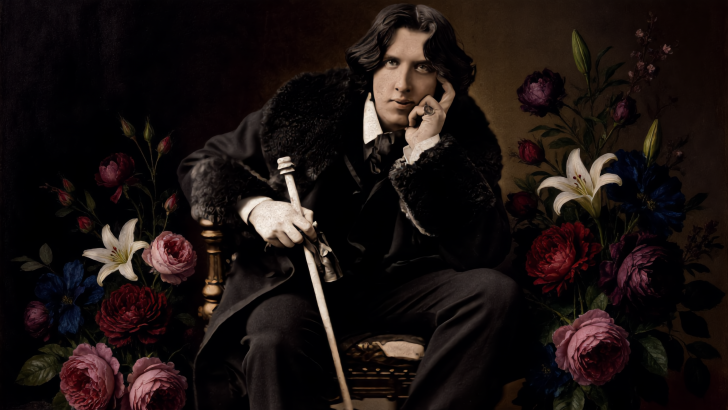
Few writers wielded wit as sharply as Oscar Wilde. A master of paradox, Wilde delighted in turning polite Victorian sensibilities upside down with a single sentence.
His epigrams were clever, biting, and often scandalous because they dared to question the sacred institutions of his day: marriage, morality, work, religion, and even love itself.
Wilde’s genius lay in making rebellion sound charming. With a smile and a perfectly balanced phrase, he exposed the hypocrisies of society while entertaining it at the same time.
The following quotes remain controversial not merely because of their boldness, but because they still feel uncomfortably true today.
1. God
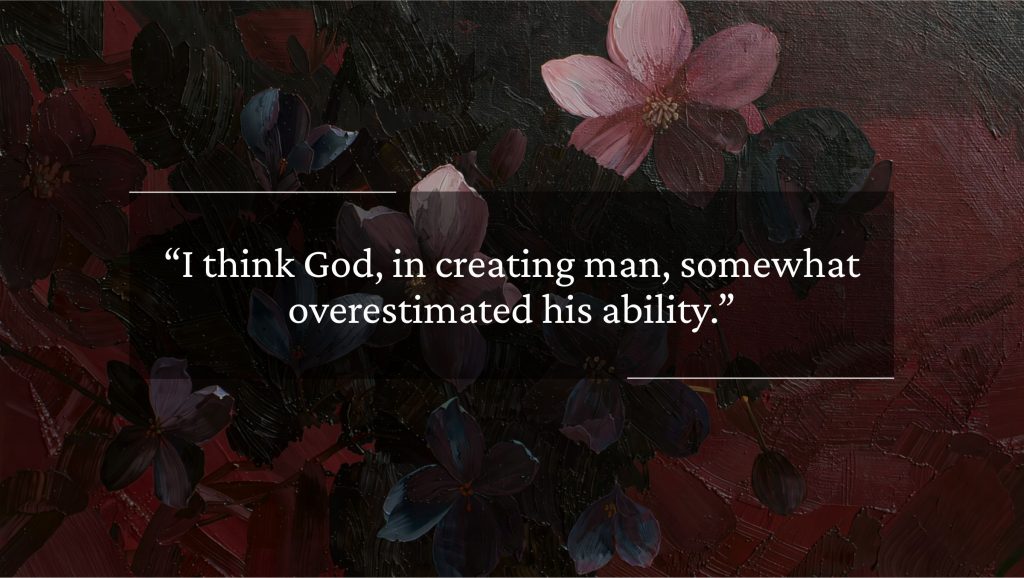
Wilde had a habit of poking fun at ideas most people treated with reverence. In Victorian England, religious certainty shaped much of public morality, and this line would have raised more than a few eyebrows.
But Wilde wasn’t merely being irreverent for the sake of it. His wit often carried a deeper skepticism about human nature.
He saw people as wonderfully flawed creatures, capable of brilliance, yet equally capable of foolishness.
By suggesting that even God might have misjudged humanity, Wilde reveals the gap between our lofty self-image and our often disappointing behavior.
2. Marriage and Disappointment
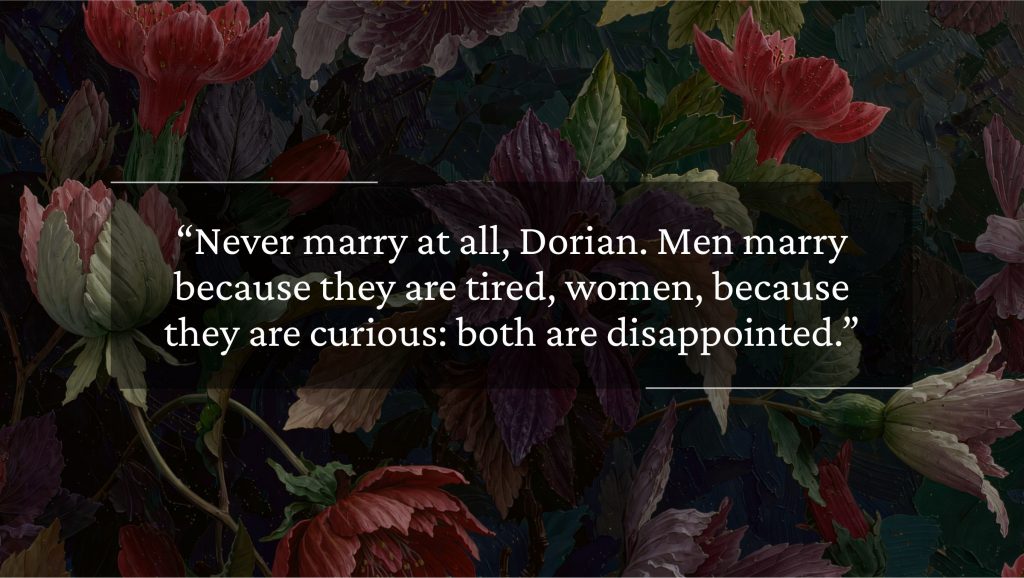
This line from The Picture of Dorian Gray captures Wilde at his most mischievous.
Although Victorian society treated marriage as the ultimate moral institution, Wilde casually reframes it as a recipe for inevitable disappointment.
Wilde saw marriage less as a romantic destiny and more as a social arrangement shaped by habit, curiosity, and expectation. His ability to distill complicated human motivations into a single witty sentence is precisely what made his commentary both scandalous and irresistible.
3. America
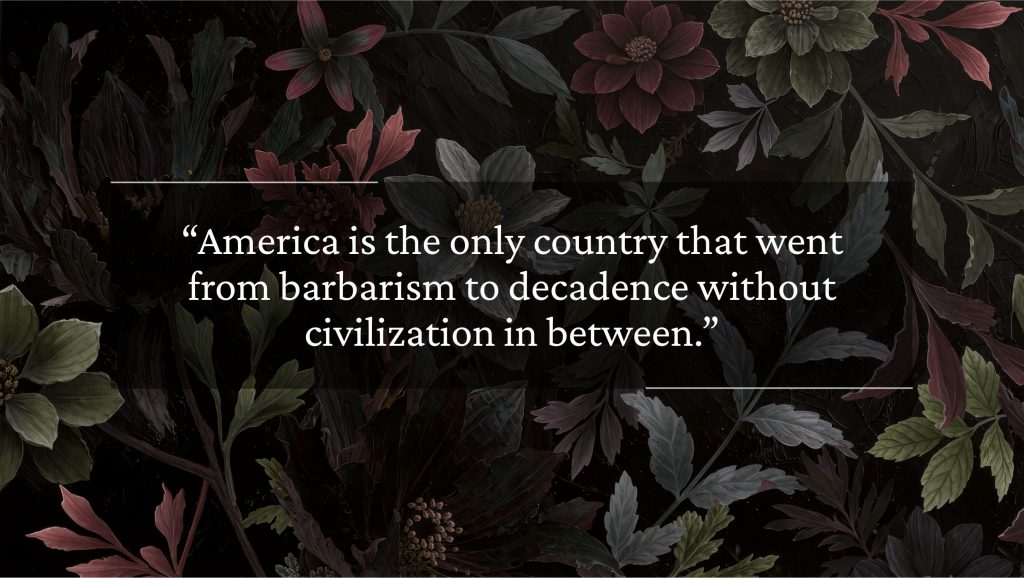
Wilde’s tongue was famously quick when it came to cultural commentary.
During his lecture tour of the United States in the 1880s, he encountered a young nation brimming with energy—and contradictions.
This quote is pure Wildean provocation. It exaggerates for effect, of course, but it also reflects his playful skepticism toward modern progress.
Wilde often mocked the idea that wealth and advancement automatically produced culture or refinement. With a single line, he manages to insult, amuse, and provoke debate all at once.
4. Sins
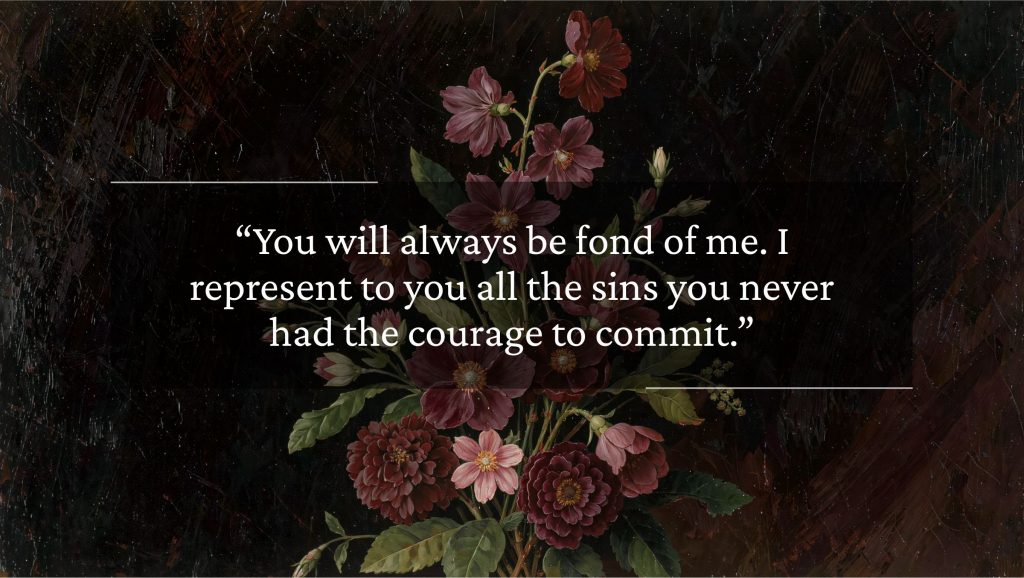
Few writers understood temptation and moral hypocrisy quite like Wilde. Living in a society obsessed with propriety, he recognized how much people secretly admired what they publicly condemned.
This quote reveals Wilde’s fascination with forbidden desires—the kind that respectable society pretends do not exist.
His characters often embody the freedom others secretly wish they had. And the line captures Wilde’s belief that people are drawn to those who live boldly, even when they claim to disapprove.
5. Hard Work
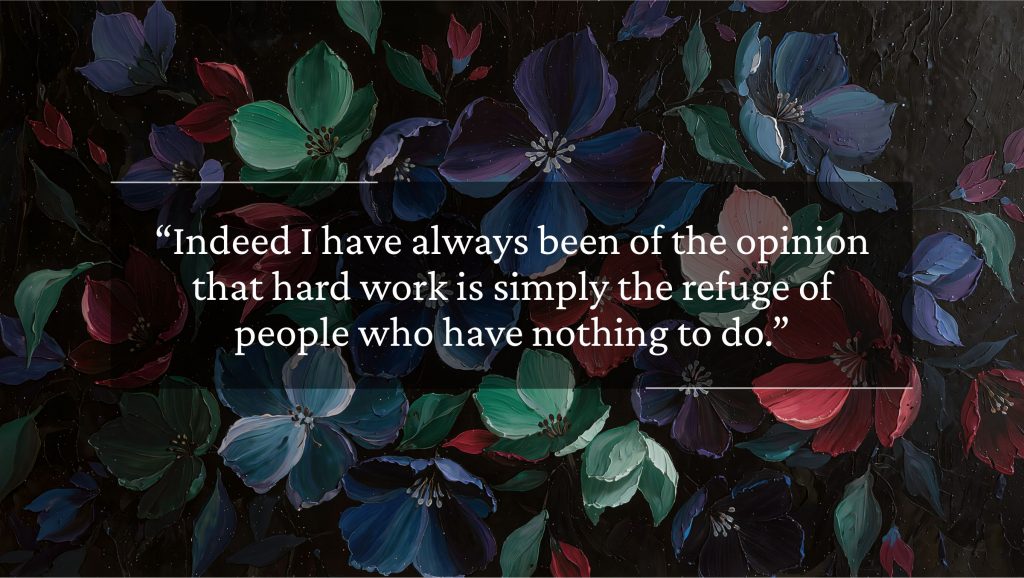
In a culture that glorified industry and discipline, Wilde had the audacity to mock the virtue of hard work itself.
To him, relentless busyness was often a substitute for imagination. Wilde believed life should be filled with art, beauty, and intellectual playfulness—not endless labor.
This perspective made him seem frivolous to critics, yet it also reflected his deeper philosophy that creativity and pleasure were just as important to human existence as productivity.
6. The Philosophy of a Cigarette
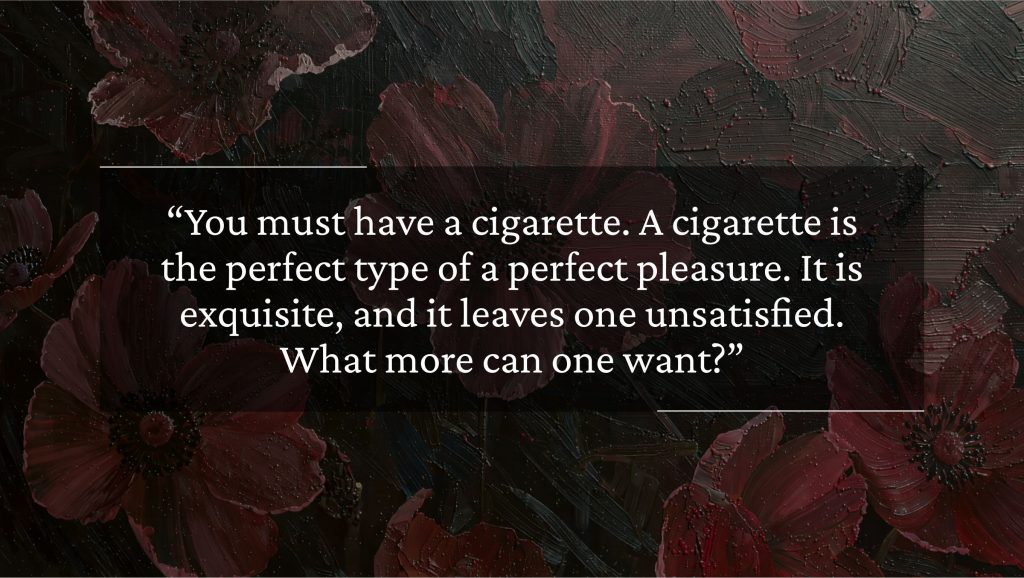
Wilde adored paradox, and few pleasures fascinated him more than those that were fleeting, and this quote perfectly captures his aesthetic philosophy: pleasure is most enjoyable when it is incomplete.
The line also reflects Wilde’s identity as a celebrated dandy—someone who valued style, charm, and indulgence.
To Wilde, even a small ritual like smoking could become a miniature philosophy of life.
7. Love and Self-Deception
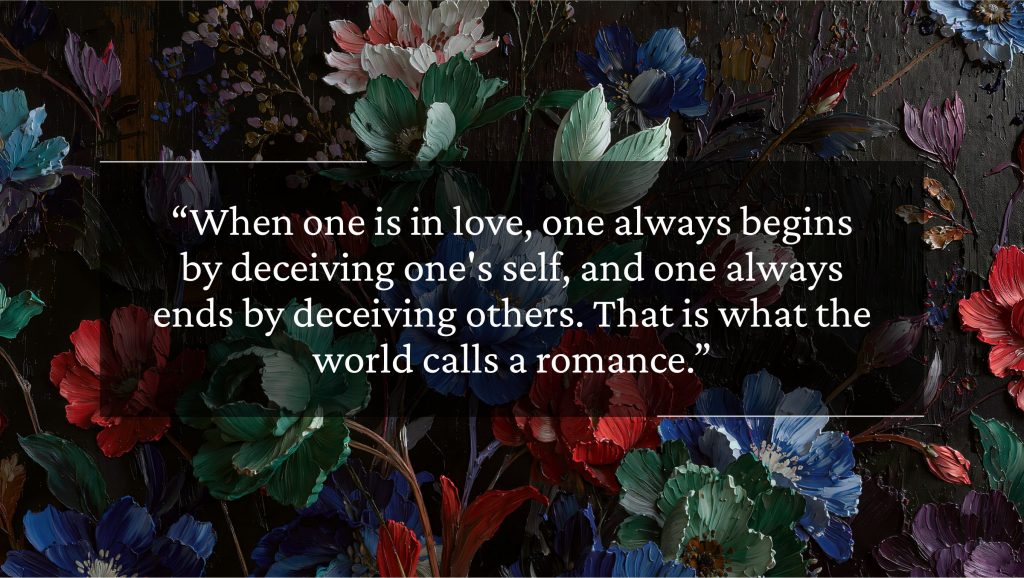
Wilde had little patience for sentimental illusions. Romantic love, in his view, was rarely as pure as society claimed.
This quote strips away the idealized version of romance and replaces it with psychological honesty.
People first convince themselves that love is perfect, and eventually convince others that their story is just as perfect.
Wilde’s brilliance lies in exposing this cycle with a line that feels both cynical and strangely insightful.
8. Dying for a Lie
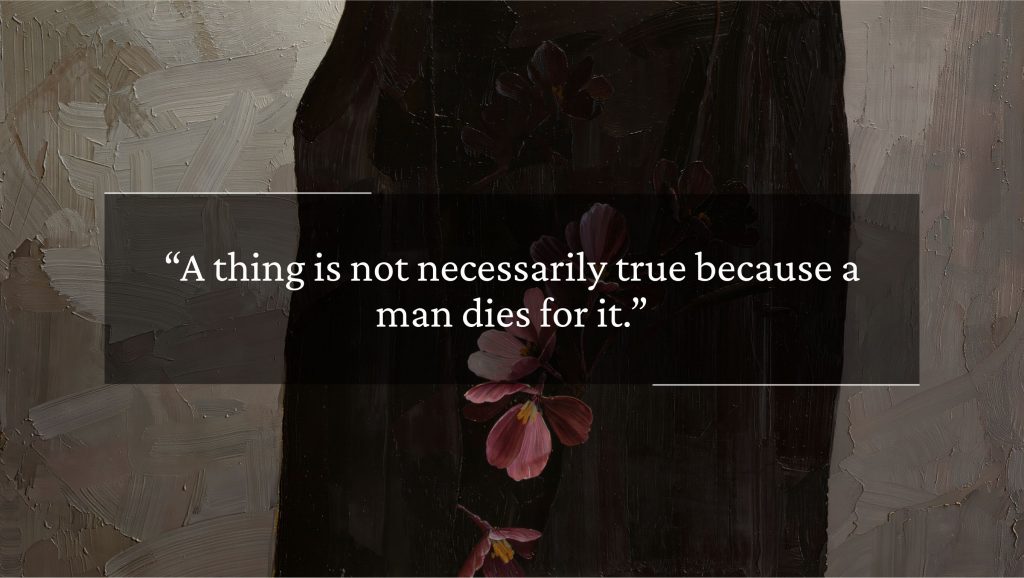
This quote is one of Wilde’s most intellectually provocative. Throughout history, martyrdom has often been used as proof of belief or righteousness. Wilde rejects that idea outright.
He reminds us that conviction does not equal truth. People can sacrifice themselves for causes that are misguided or false.
In an age—and perhaps every age—where passion often substitutes for evidence, Wilde’s warning feels remarkably modern.
9. The Two Triumphs of Marriage
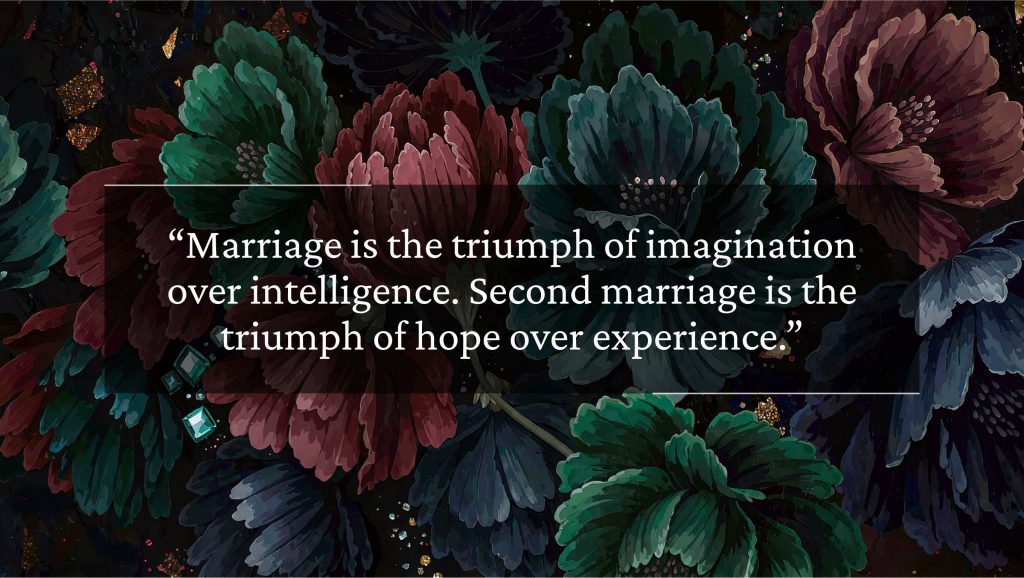
If Wilde seemed skeptical about marriage, this quote confirms it. With characteristic elegance, he describes first marriages as optimistic fantasies—and second marriages as acts of stubborn optimism.
Wilde loved turning social conventions into elegant jokes. But behind the humor is a recognition of human resilience. Even after disappointment, people still choose hope.
Wilde may have laughed at marriage, yet he clearly understood the emotional courage it takes to try again.
10. The Complicated Journey of Family
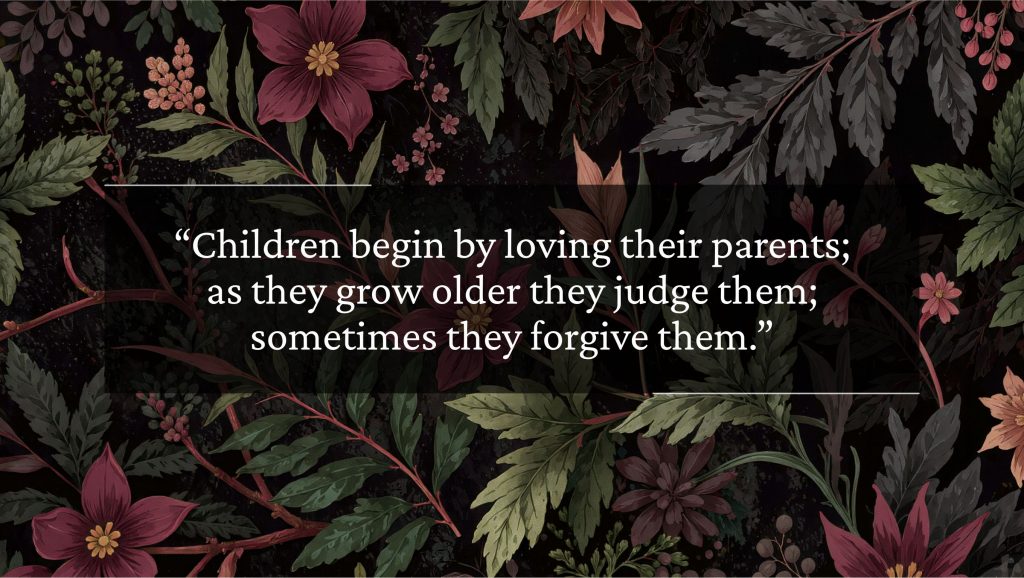
Not all of Wilde’s insights were playful jabs. This quote reveals a more reflective side of his wit.
In a single sentence, Wilde summarizes the emotional evolution of family relationships. Childhood admiration eventually gives way to adult judgment—and, if one is fortunate, forgiveness.
The observation is profound, showing that beneath Wilde’s sharp humor lay a deep understanding of human relationships.
