
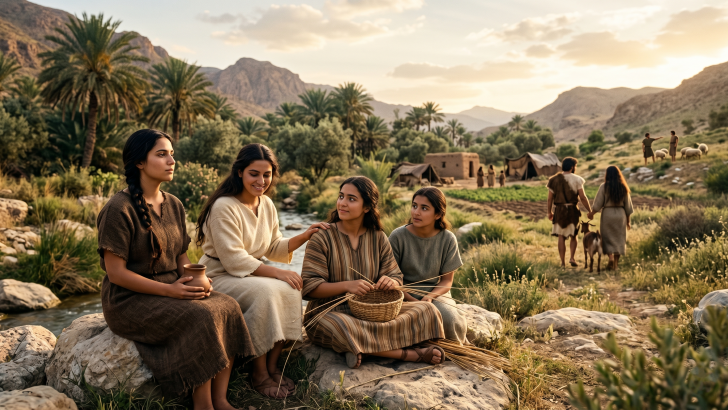
Stories about Adam and Eve and their children are among the oldest narratives passed down in religious tradition.
Most people know about Cain and Abel, but very few details are given about their sisters or the daughters of Adam and Eve.
This has led to many questions over time about where these women went in the story and why they are not mentioned as often.
In early religious writings and oral traditions that developed across the Middle East and later spread into Europe, the focus of storytelling was often very selective.
Some figures were highlighted while others were only briefly mentioned or left out of a detailed explanation.
This does not necessarily mean they were unimportant, but rather that the purpose of the stories was different from modern historical records.
In this article, we look at six common explanations or ideas people consider when thinking about the daughters of Adam and Eve and why they are not often named in detail.
1. They Married Their Brothers
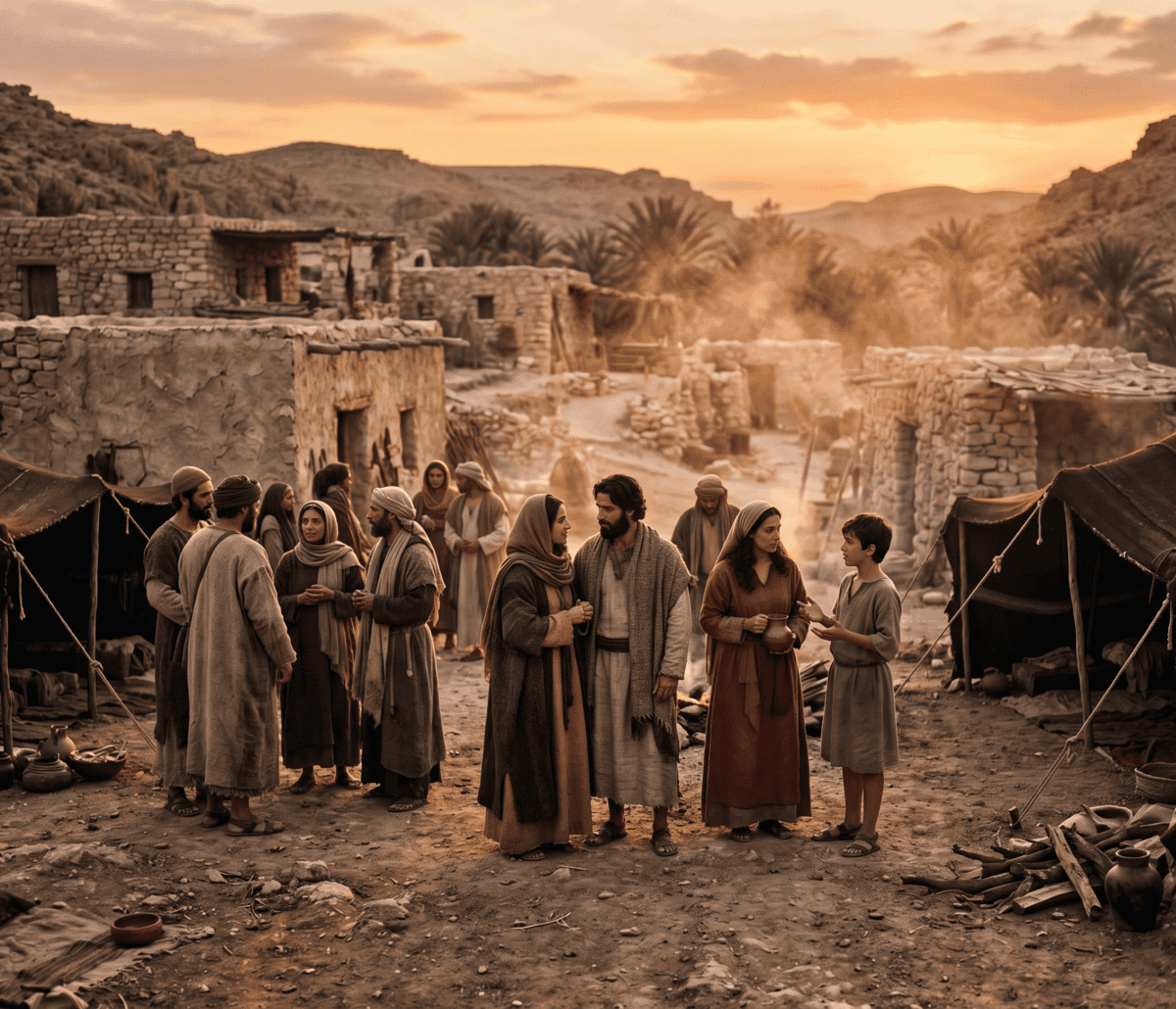
One traditional explanation found in later interpretations is that the daughters of Adam and Eve married their brothers.
Since early humanity is described as starting from a single family, some stories suggest that siblings would have married in order for human life to continue.
In this view, the daughters are not missing from the story but are part of it in a quiet way. They are not named often because their role is assumed within the family structure.
In traditions that developed in the Middle East, this idea was sometimes used to explain how early generations multiplied.
While this concept feels unusual or uncomfortable today, it reflects how ancient people tried to understand the beginning of humanity using the knowledge they had at the time.
It is more about explaining survival and continuation than describing personal stories of individuals in detail.
2. They Were Not Seen as Part of the Main Spiritual Message
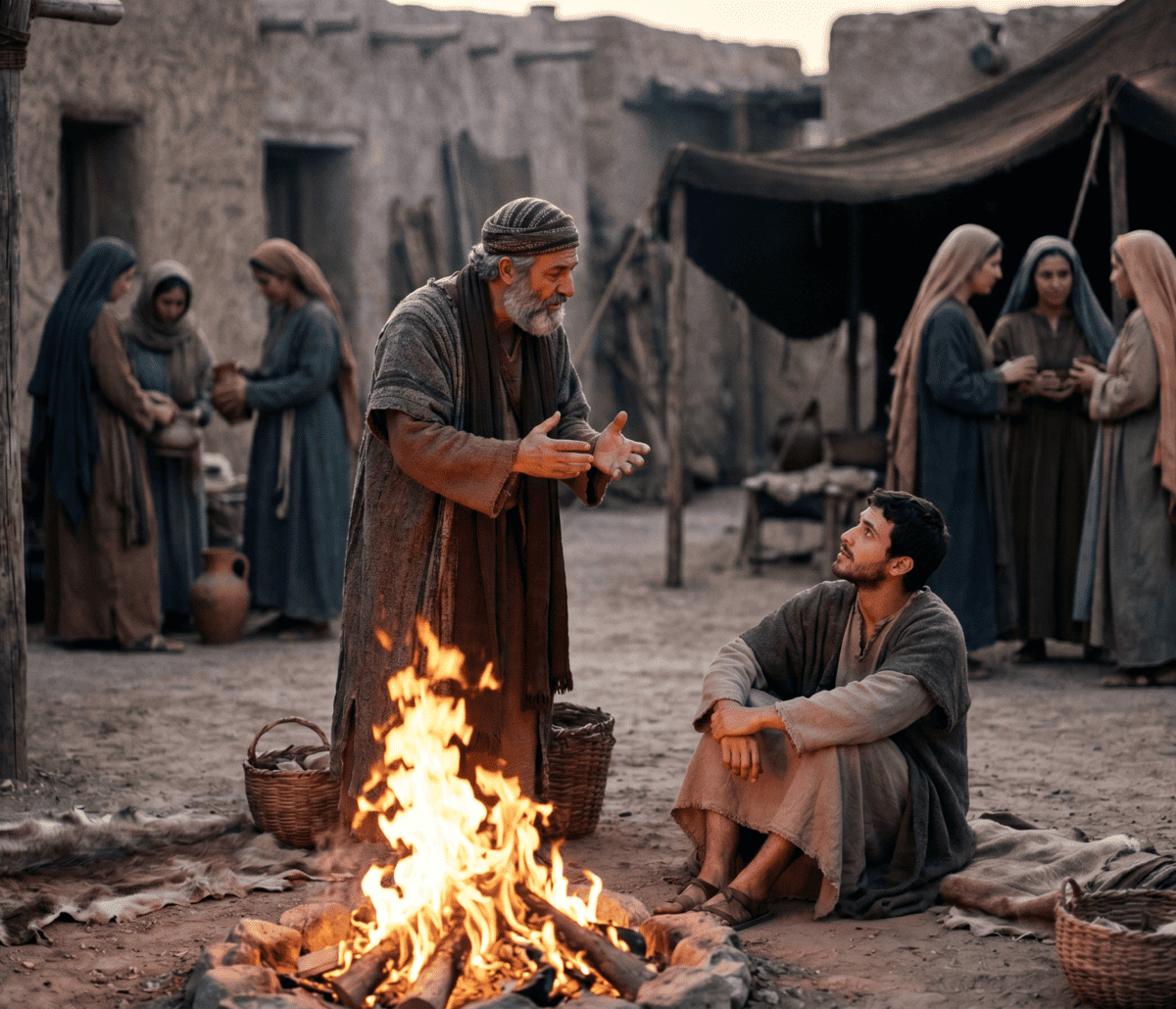
Another idea is that the daughters of Adam and Eve were not included in detail because they were not central to the main spiritual message of the story.
Many religious narratives were focused on moral lessons, human choices, and relationships with the divine. Many ancient texts were written this way, focusing on meaning instead of full detail.
In early traditions that spread across Europe and other regions, the attention was placed on key events like obedience, conflict, and consequence.
Cain and Abel were used to represent these themes clearly. The daughters, in this interpretation, were part of the background of human life rather than the main focus of teaching.
This does not mean they had no value in the story, but rather that the storytelling was designed to highlight specific lessons instead of giving a full family history.
3. The Family Line Was Tracked Through Men
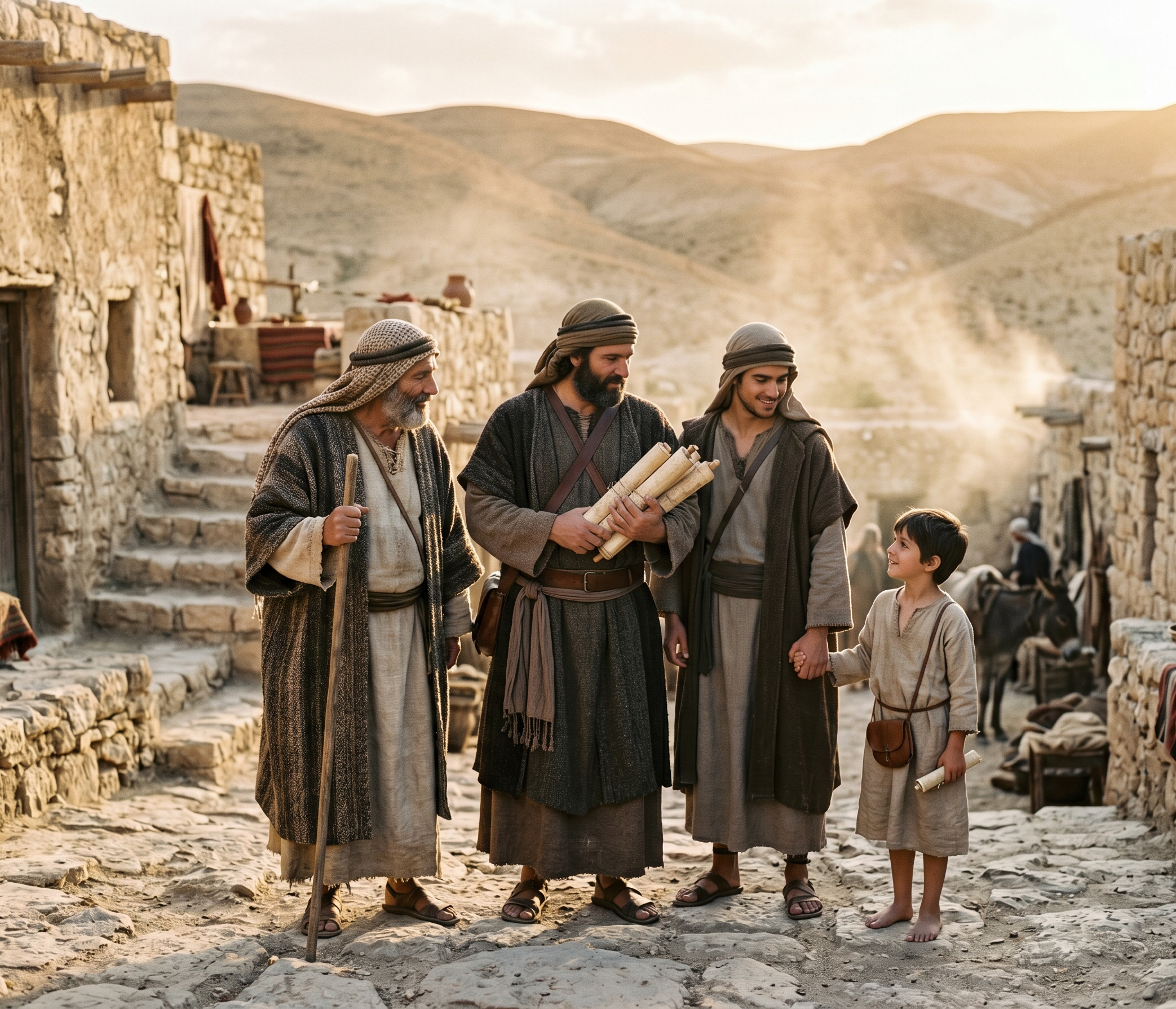
In many ancient societies, family lines were recorded through male descendants. This was common in both storytelling and historical records across the Middle East and later in parts of Europe.
Because of this system, sons were usually mentioned more often than daughters. They were seen as the ones who carried the family name and inheritance forward.
This does not mean women were not important in daily life, but the way stories were recorded often reflected a male-centered structure.
As a result, the daughters of Adam and Eve were less likely to be named individually in written accounts.
Instead, they may have been included in the background of family growth without personal details. This style of recording shaped how later generations read and understood these early stories.
4. Women Were Often Given Less Focus in Ancient Writing
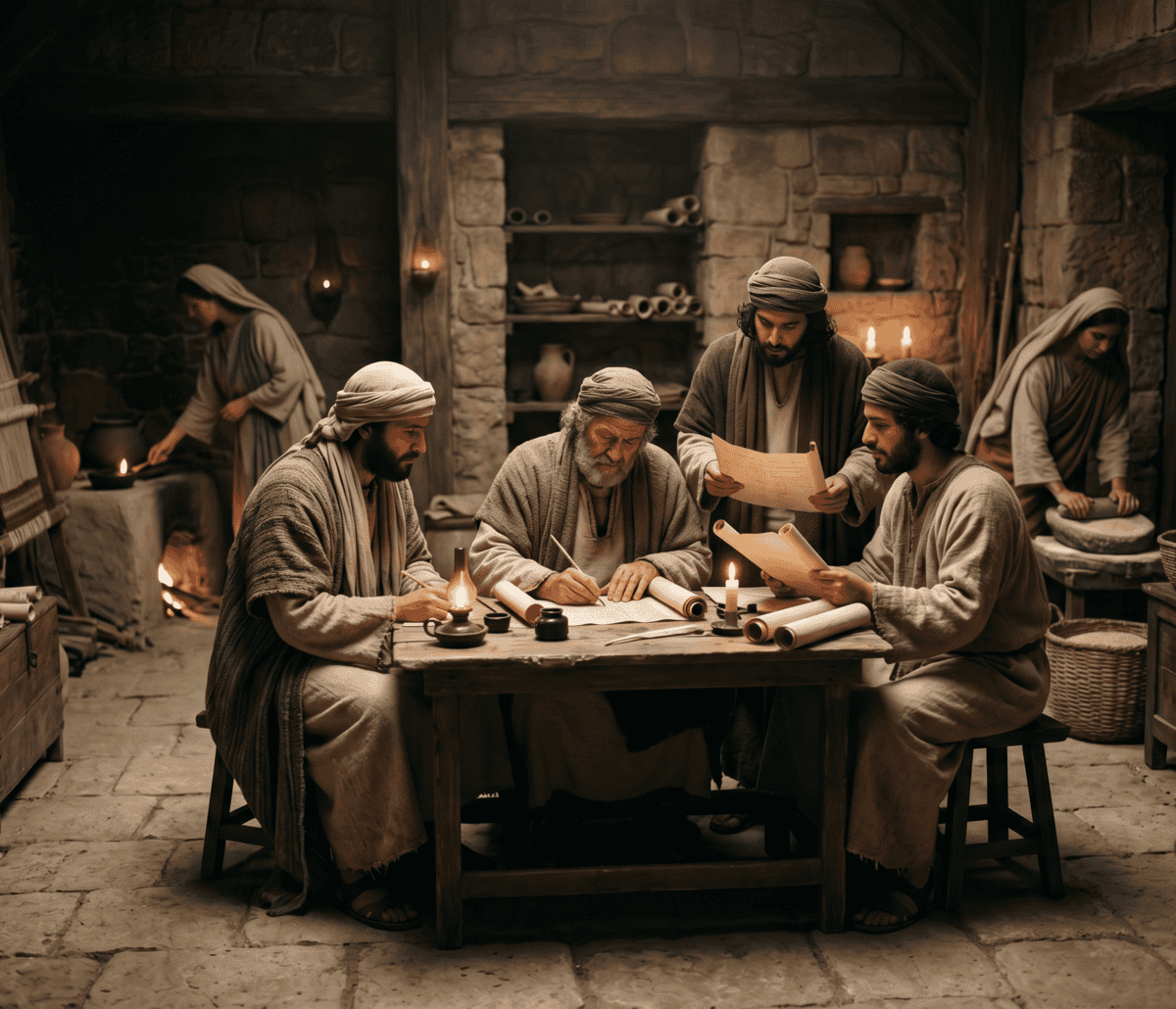
In many older texts and cultural traditions, women were not always given the same level of detail as men. In ancient societies, writing and storytelling often reflected the social structure of the time.
Men were more frequently placed at the center of public stories, while women were mentioned less often or described in relation to family roles.
Because of this, the daughters of Adam and Eve may have existed in the narrative, but were not described in detail.
Their absence in the text reflects how ancient writers chose what to include, rather than a measure of their actual importance in early human life or family structure.
5. The Focus Was on the Lineage Leading to Later Figures

Another important point is that many religious narratives eventually focus on a specific lineage leading to later key figures.
In traditions that developed across the Middle East, there is a strong emphasis on tracing a line of descendants that leads to important prophets and central spiritual figures.
This means many individuals were not described in depth, not because they were forgotten, but because they were not part of the narrative path being emphasized.
This selective focus helped shape the structure of the stories as they were passed down over generations.
6. The Story Focuses More on Meaning Than Full History
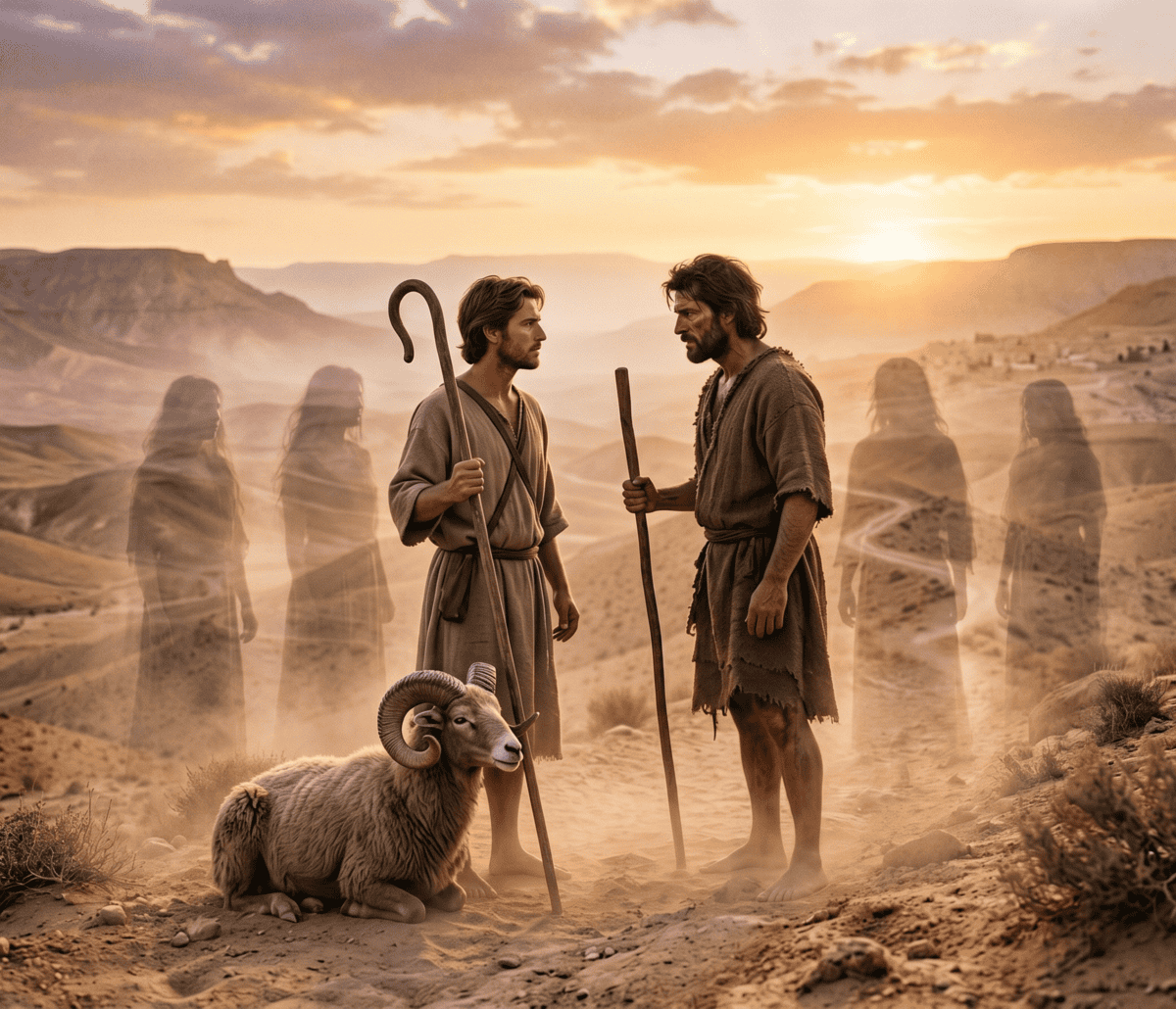
Finally, it is important to understand that these early stories were not written as complete historical records in the modern sense.
Instead, they were shaped to teach meaning, lessons, and reflections about human behavior and spirituality.
In old traditions, storytelling often prioritized message over detail. Because of this, some characters, including the daughters of Adam and Eve, are not described fully.
Their absence is part of a larger story that focuses on symbolic meaning rather than complete truth and details.
This leaves space for interpretation and discussion. The missing details encourage readers to think more deeply about what the story is trying to teach rather than only focusing on who is named within it.

Siempre sentí una fuerte conexión con lo Divino desde mi nacimiento. Como autora y mentora, mi misión es ayudar a los demás a encontrar el amor, la felicidad y la fuerza interior en los momentos más oscuros.