
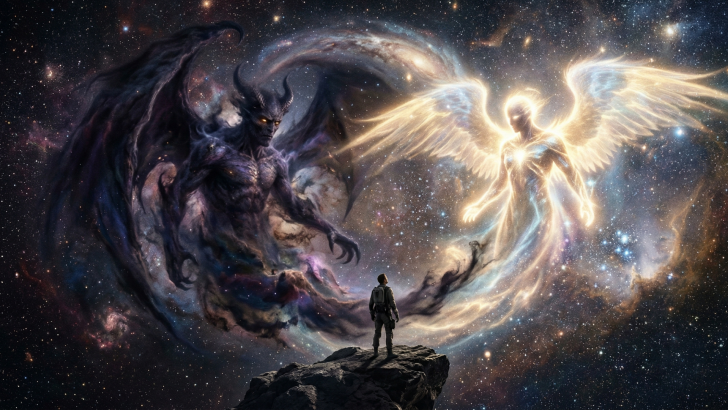
Demons are one of the most mysterious and feared beings in religious and cultural stories.
They appear in the Bible, the Quran, folklore, and modern pop culture. People have long wondered where demons come from and why they exist.
Are they fallen angels, evil spirits, or just symbols of human fears and bad behavior?
Different religions, cultures, and scholars offer various explanations. Some see demons as real supernatural beings, while others interpret them as psychological or moral concepts.
Understanding their origins can help explain why humans have feared, battled, and imagined them for thousands of years.
Here are four main conclusions about where demons might come from.
1. Demons as Fallen Angels
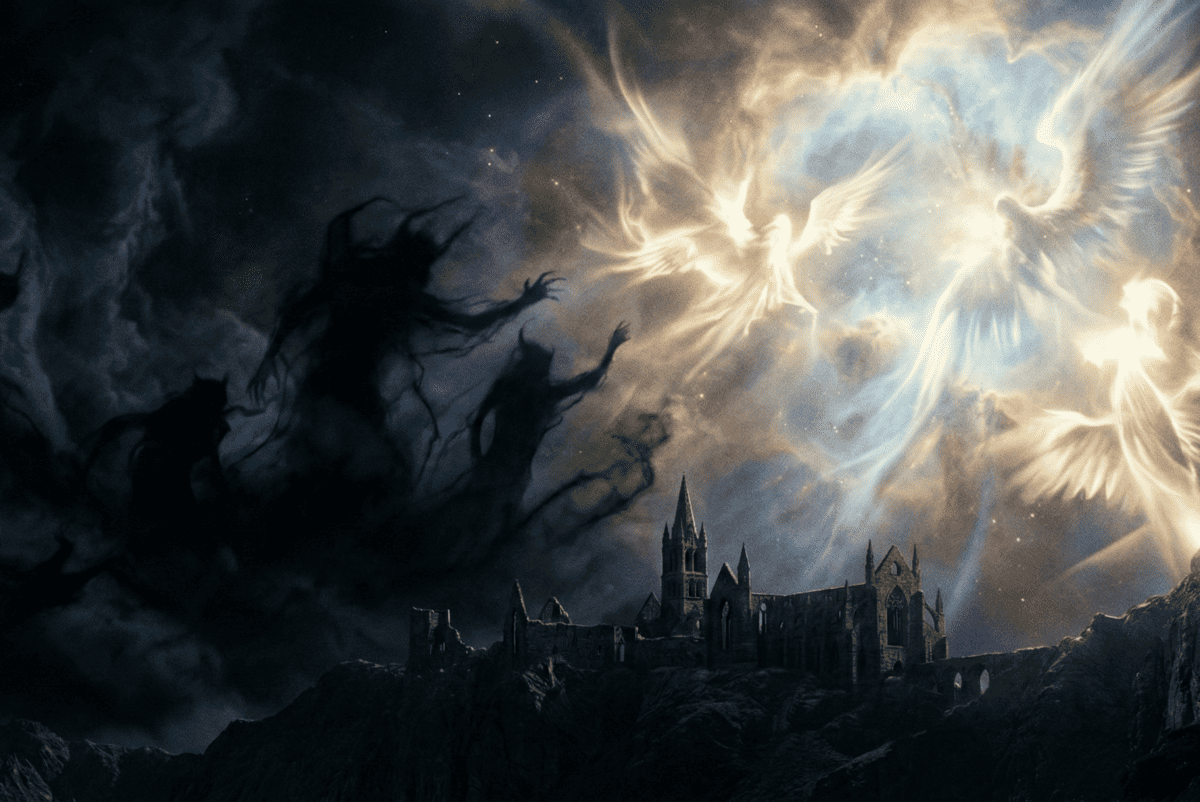
One of the most common explanations is that demons were once angels who rebelled against God.
In this view, they were cast out of heaven as punishment for disobedience, becoming malevolent spirits.
The Bible mentions this idea indirectly, particularly in the story of Satan and the angels who followed him.
These fallen angels are thought to have lost their divine status but retained intelligence and power, which they use to tempt, deceive, or harm humans.
Many religious traditions believe that demons act as opponents of God’s will, trying to lead people away from good behavior.
Seeing demons as fallen angels helps explain their supernatural abilities and their constant presence in human stories about temptation, sin, and spiritual conflict.
2. Demons as Spirits of the Dead
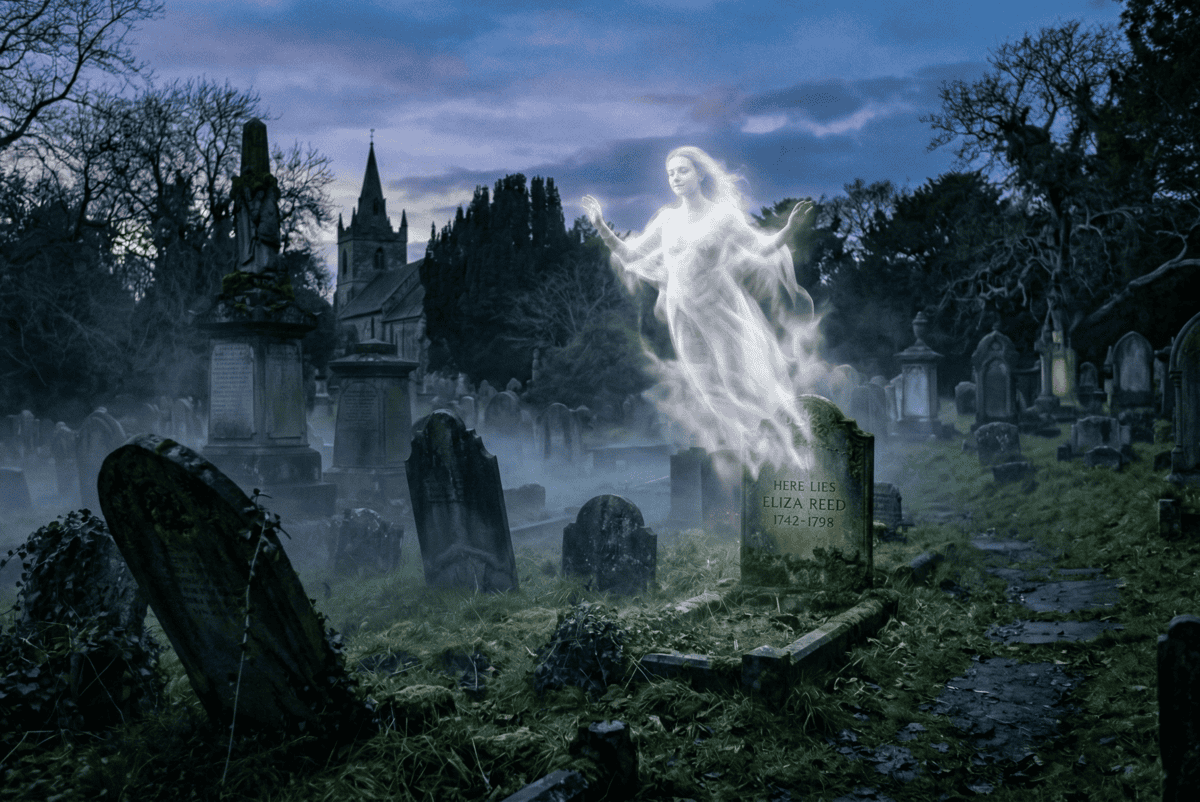
Another idea is that demons are spirits of humans who died in anger, fear, or sadness and did not find peace.
Some cultures believe that if a person dies violently or with strong unresolved emotions, their soul may become restless and harmful.
These spirits might linger to haunt, possess, or disturb the living. This explanation appears in folklore around the world, from ghost stories to exorcisms.
It suggests that demons are not inherently supernatural but are connected to human life, death, and emotional energy.
By understanding demons this way, people can see them as a warning about how unresolved anger or cruelty can continue to affect the living, showing a moral or psychological lesson behind the frightening stories.
3. Demons as Symbols of Human Fear and Desire
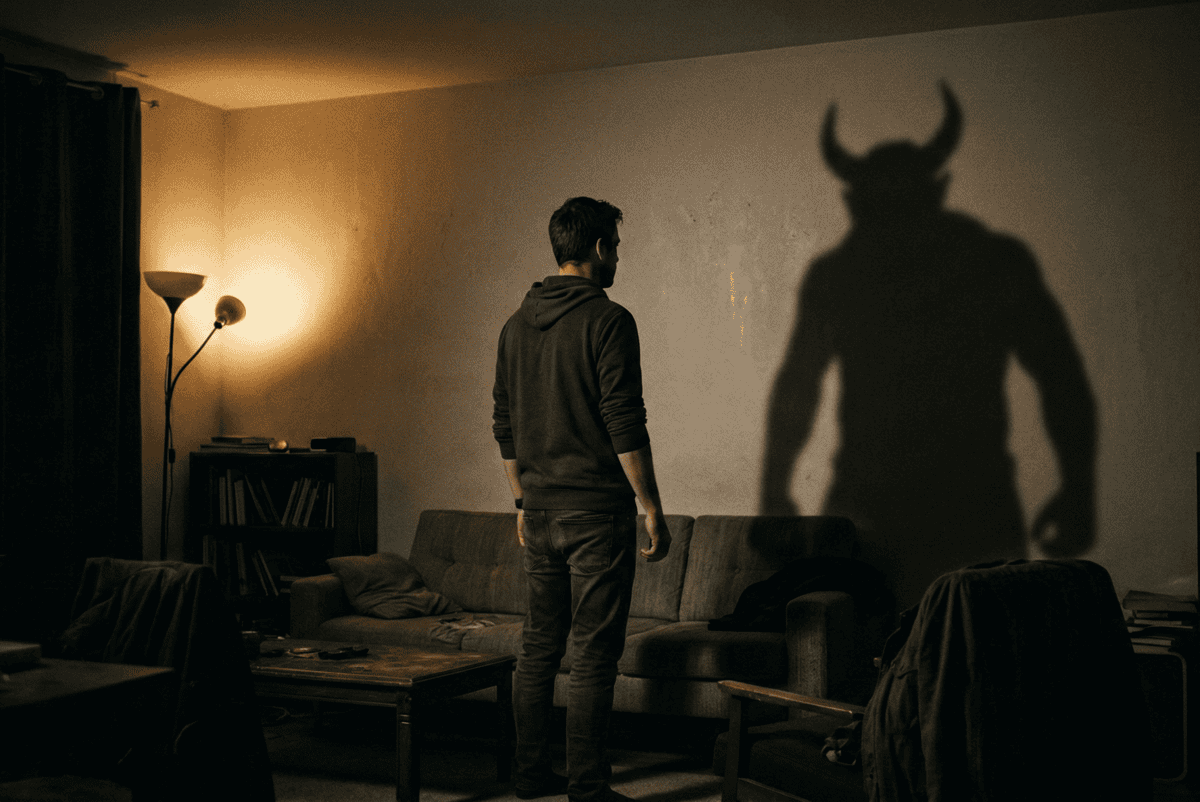
Some scholars argue that demons are symbolic creations, representing human fears, desires, and internal struggles.
In this view, demons are not literal beings but ideas used to explain evil, temptation, and suffering.
For example, anger, greed, and jealousy might be personified as demons in stories or religious teachings to teach people how to control themselves.
This approach makes demons a tool for moral education, allowing humans to understand their own weaknesses in a clear, dramatic way.
Cultures across the world have created similar “evil spirits” to explain misfortune, disease, or dangerous behavior.
By seeing demons as symbols rather than real beings, it becomes easier to understand why they appear in so many different religions, myths, and stories.
4. Demons as Part of Cosmic or Natural Order
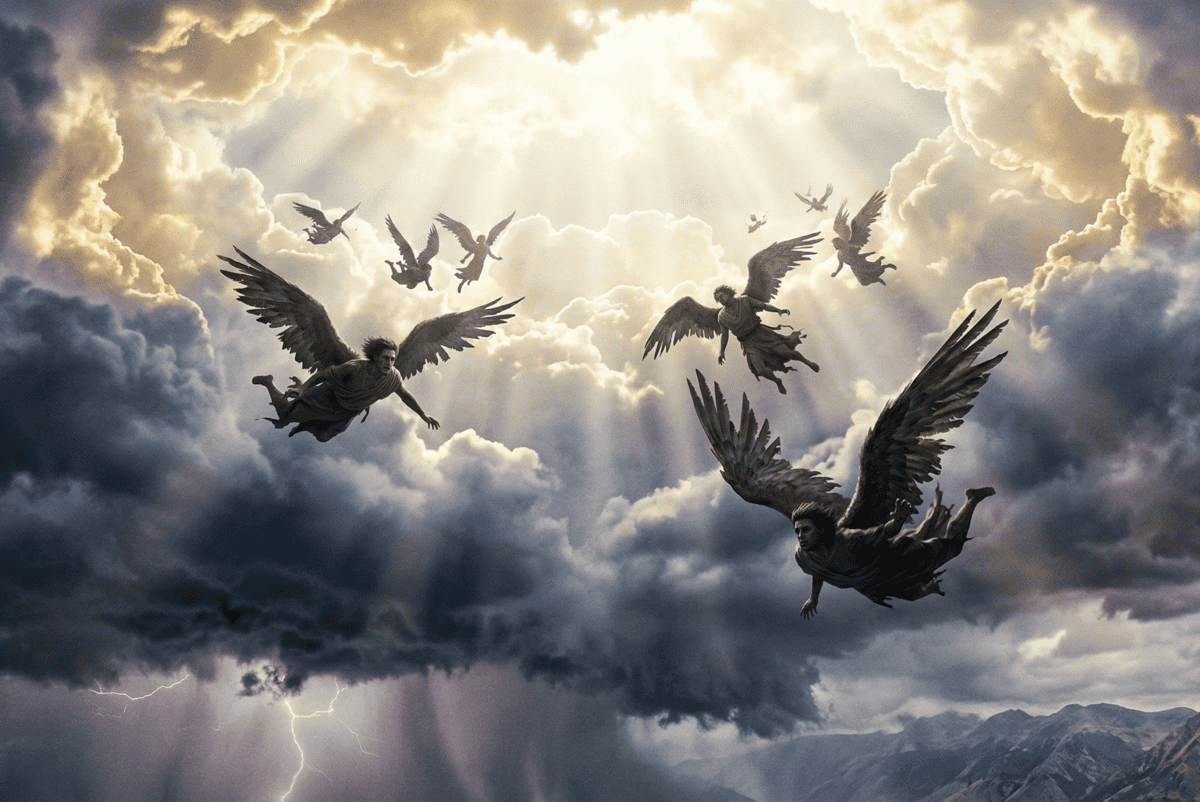
A final conclusion is that demons exist as part of the natural or cosmic balance.
Some traditions view the universe as having opposing forces: good and evil, light and dark.
In this framework, demons are necessary to challenge humans, test their morality, and maintain balance. Without the threat of evil or danger, the idea of virtue or courage might not exist.
This view appears in many religious systems where life is seen as a struggle between opposing powers, and demons play an essential role in shaping human experience.
Seeing demons this way makes them less like random evil forces and more like necessary participants in the moral and spiritual growth of humanity. It gives a larger purpose to their existence within the stories and beliefs of human cultures.

Siempre sentí una fuerte conexión con lo Divino desde mi nacimiento. Como autora y mentora, mi misión es ayudar a los demás a encontrar el amor, la felicidad y la fuerza interior en los momentos más oscuros.