

On the surface level, Jesus Christ and Dionysus are probably the last divine figures you would compare, as they seem diametrically opposed.
One’s the savior of His people and a redeemer of sin, and the other is a Greek god of wine and ecstasy.
However, when you look deeper into these deities, some shocking similarities present themselves, such as themes of birth, death, rebirth, and spiritual liberation.
Let’s see what Dionysus and Jesus Christ have in common!
1. Divine Conception

The conceptions of both Jesus Christ and Dionysus present divine mysteries.
Jesus was born of the Virgin Mary, with emphasis on intervención divina – no earthly father involved, just a miraculous conception by the Holy Spirit.
The birth of Dionysus also involved divine and mortal elements blending together; he was born from Zeus and the mortal woman Semele.
Zeus also snuck him out of the womb before Hera could destroy him.
At first, this doesn’t struck anyone as strange, since Greek mythology is filled with demi-gods and heroes born of divine beings and mortals – but none of them ever ended up on Olympus.
Like Jesus, Dionysus is unique because he’s the only Olympian god whose heritage isn’t fully divine.
Both are connected to the divine power sneaking into the mortal realm in ways that defy natural laws.
2. Humble Birthplace
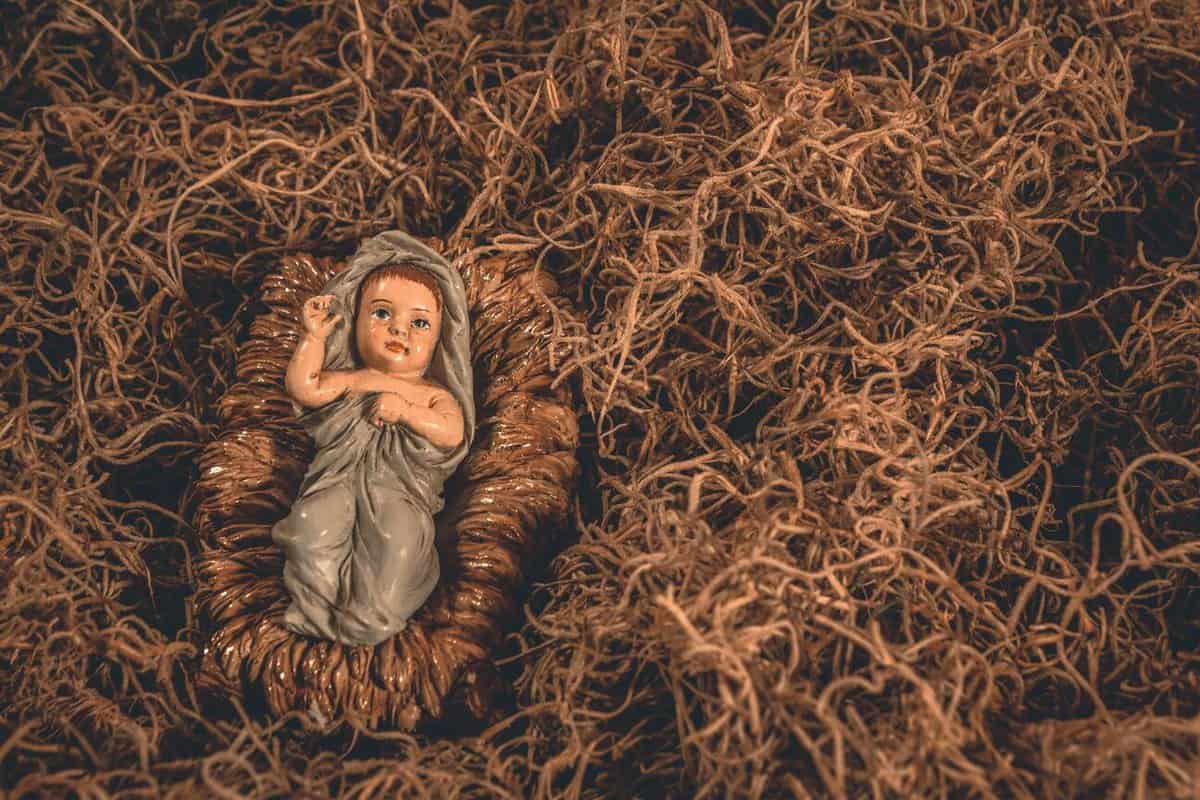
Christ’s birth took place in a humble manger in Bethlehem, which symbolizes humility and accessibility.
Despite His divine nature, He was born among animals, in a lowly environment, which sends a clear message that salvation is for everyone.
Dionysus’s birth was also kept secret and often associated with caves and secluded places – partly to hide him from Hera’s wrath.
The cave symbolizes a place of transformation and rebirth, away from the eyes of the world.
Both birth stories seem to suggest that true divinity often comes from humble and hidden origins.
3. Divine Mission and Teachings
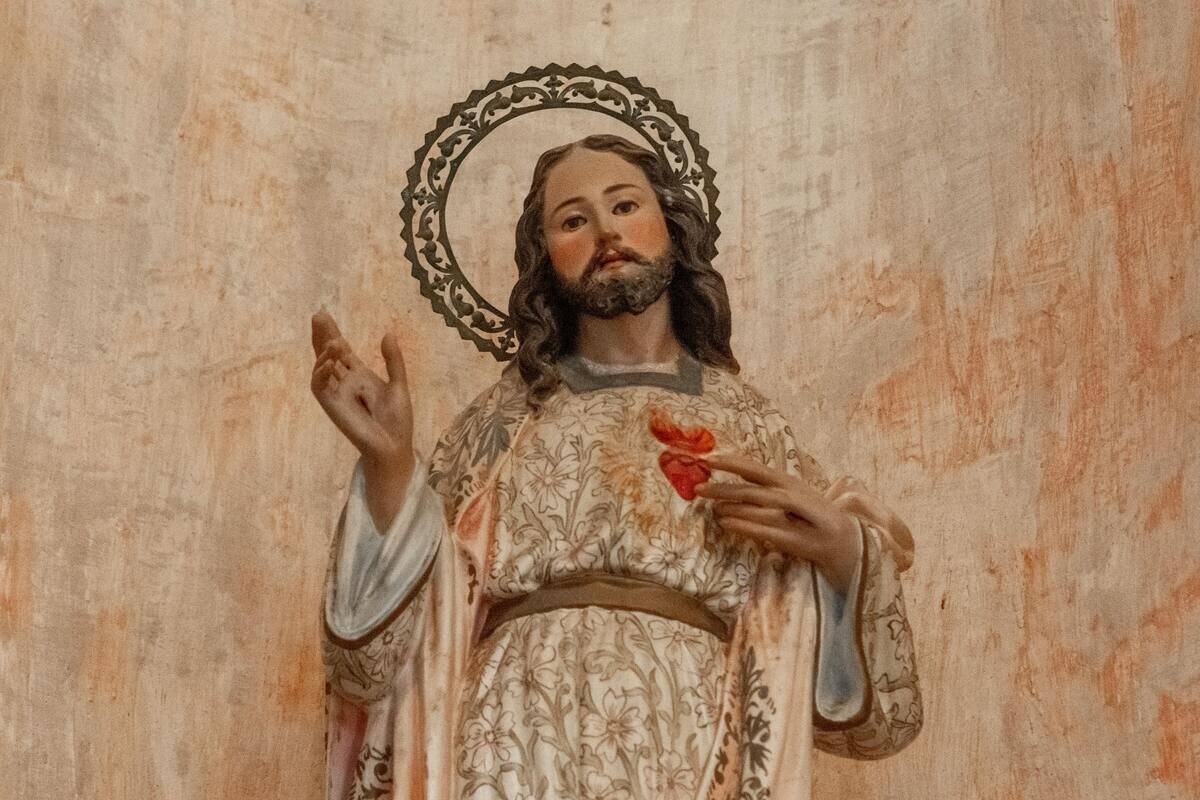
Christ’s mission was devoted to spreading love, salvation, and the message of the Kingdom of God. He called people to despertar espiritual and eternal life.
Dionysus, on the other hand, promoted joy and liberation from worldly constraints through ecstasy.
His path encouraged breaking free from societal norms and embracing the pleasures of life – through drinking, festivals, and trance-like states.
Both gods serve as catalysts for liberation: Jesus Christ from sin and death, and Dionysus from the mundane and the restrictions of society.
Both their messages challenge followers to look beyond ordinary life and seek higher states of being.
4. Miracles and Wonders

Miracles are at the core of both myths.
Jesus Christ performed healing miracles, raising the dead, and turning water into wine. Those are all signs of divine power manifesting in everyday life.
Dionysus was also associated with miracles, especially those involving nature – causing plants to grow abundantly and turning water into wine during celebrations.
These miraculous acts symbolize divine intervention in the natural world, emphasizing abundance and transformation.
Both these figures show that divine power isn’t distant but active in everyday life.
5. Death and Resurrection

The themes of death and resurrection are central to both narratives.
Christ was crucified, died, and was resurrected on the third day. His death was the end of one phase and the rebirth into a new, eternal life.
Dionysus’s myths also depict him dying and resurrecting, as a symbol of renovación y el cyclical nature of life.
His death also represents the ending of one cycle and the beginning of another, just like nature is constantly reborn.
Both stories teach us that death isn’t final, but part of a larger cycle of renewal.
They also return us to the idea that we’re an integral part of nature, and that our lives are cyclical, just like everything else.
6. Ecstasy and Rituals

Both Dionysus and Jesus Christ are deeply linked to ecstatic experiences.
Jesus’s followers celebrated Him through spiritual ecstasy, through communion, prayer, and mystical union with God.
Dionysus’s rituals, especially Bacchic festivals, involved ecstatic dances and communal frenzy. These were outward expressions of inner liberation.
These rituals were sacred acts meant to bring participants into a higher state of consciousness.
Both deities symbolize the idea that true spiritual experience involves transcending ordinary states of mind and embracing ecstatic behavior.
They show that divine connection can be found in moments of pure joy and collective surrender.
7. Symbols of Death, Rebirth, and Liberation

Both Christ and Dionysus are powerful symbols of death and rebirth.
Jesus’s crucifixion and resurrection symbolize spiritual death and renewal – sacrificing Himself to save humanity and then rising again.
Dionysus’s myths highlight death and rebirth as natural cycles, with stories emphasizing renewal, vitality, and the eternal cycle of nature.
Both figures teach that muerte is only a gateway to transformación – whether it’s tied to spiritual salvation or seasonal rebirth.
Both offer hope of new beginnings, no matter how dark the present might seem.

A little Aquarius, devoted to writing and embroidery. Through my writing, I hope to empower readers to align with their true selves and navigate life’s mysteries with confidence.