
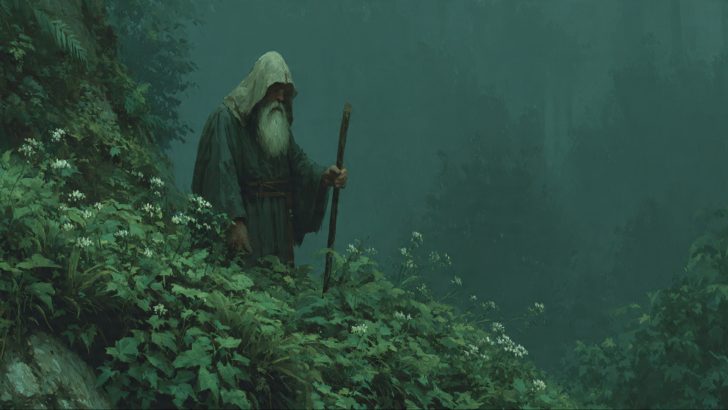
Druidry has been around for thousands of years. It’s a spiritual path rooted in the ancient Celtic world.
In our day, it’s experiencing a vibrant revival, as people seek to blend old wisdom with modern values.
It doesn’t impose any rigid rules or dogma, but emphasizes personal experience, community, and respect for nature.
Here are 10 interesting facts about modern Druidry!
1. Celtic Origins
Druidry comes from the ancient Celts, who roamed Europe in the early Middle Ages.
Druids were their religious leaders, teachers, poets, and advisors. They were the keepers of oral tradition, rituals, and laws.
No written records were left by the Druids themselves, so most of what we know about them comes from Roman and Christian sources, which can sometimes be biased.
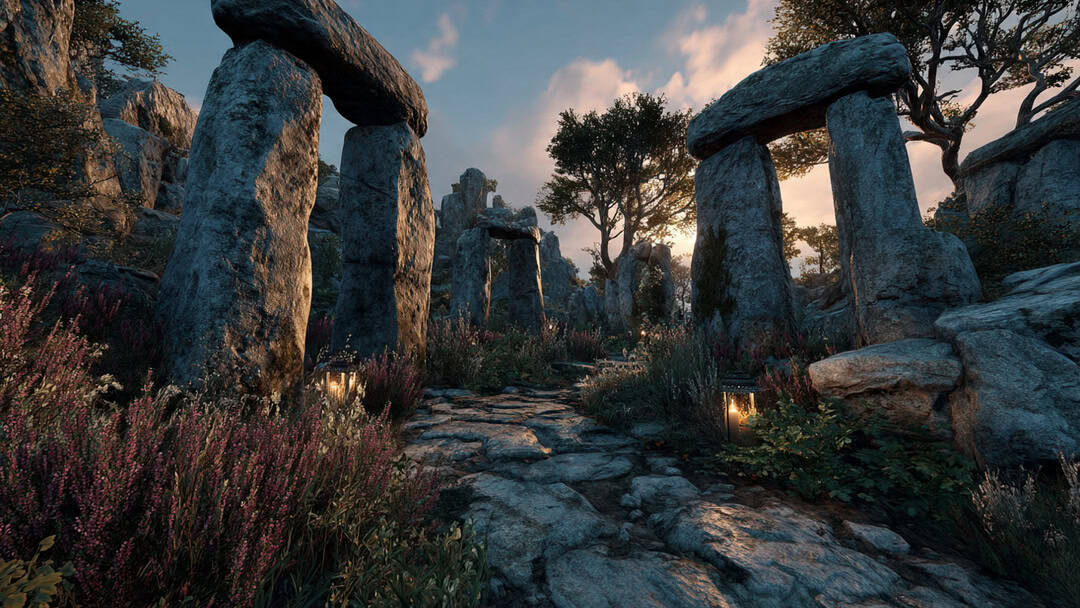
Archeology gives us some clues, in the form of stone circles and sacred groves.
This proves they practiced ceremonies to celebrate the seasons and celestial events, emphasizing their bond with the land and the universe.
2. Mythology and Beliefs That Still Resonate
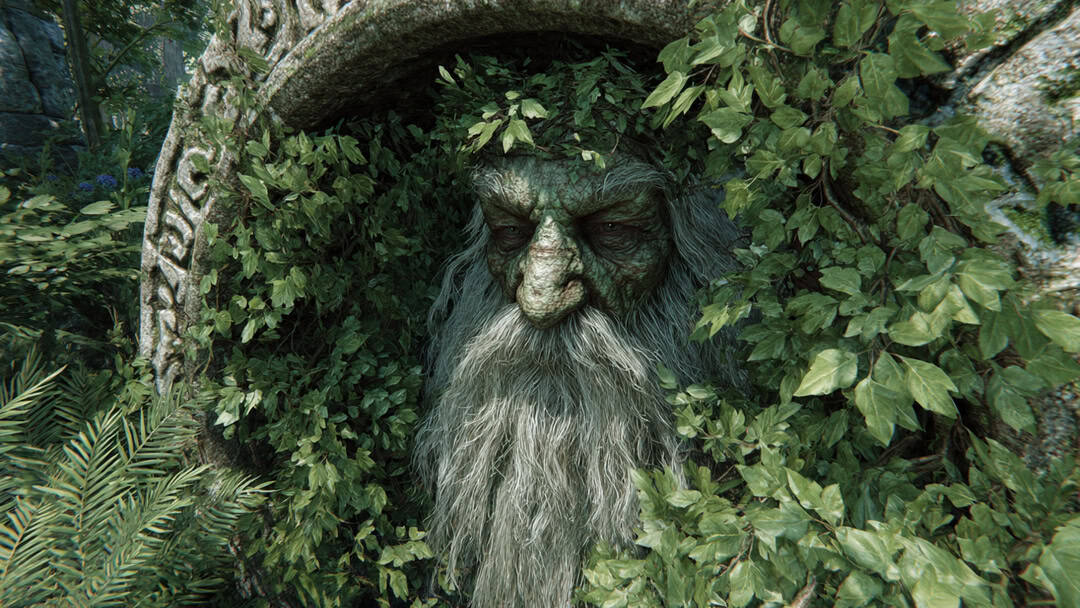
Celtic myths, gods, spirits, and legends still fuel modern Druidry. Nature deities, water spirits, and sacred trees played a huge role in their beliefs, and they still do today.
Celtic Druids believed in the spirit world intertwined with ours, where ancestors and spirits resided.
Reincarnation and the cyclical nature of life were the core ideas of their beliefs, emphasizing that even human life was part of something great and cosmic.
The stories they told included divine intervention, heroes, and harmony with nature, and they still influence contemporary practices.
Modern Druids see these myths as allegories for living in balance with the environment and understanding our place in the cosmos.
3. The Suppression of Ancient Druidry
Cuando el Romans conquered Celtic lands and Christianity spread, Druidry faced severe suppression.
Temples were destroyed, and Druids were persecuted and forced underground. Much of their knowledge was lost, and their traditions faded into folklore.
Still, some customs survived in local traditions and stories, quietly influencing later movements.
This treasure of ancient wisdom waited centuries to be rediscovered!
Its decline wasn’t the end. Instead, it set the foundations for a modern revival in a new era of spiritual curiosity and environmental awareness.
4. The 18th and 19th Century Revival
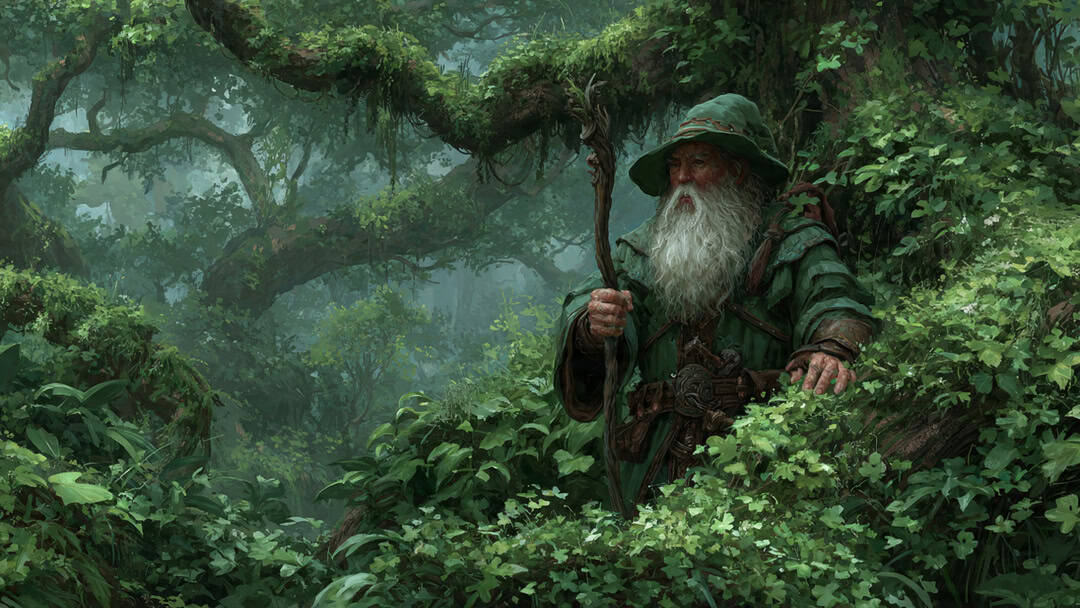
Fast forward to the Romantic era, when people were obsessed with ancient culture and art.
Artists and scholars romanticized Druidry, imagining Druids as wise sages, deeply connected to nature.
This sparked a renewed interest in Celtic myths and folklore.
In the 18th century, groups like the Ancient Order of Druids (1781) and later, OBOD (1964) started formalizing modern Druidry.
They blended historical inspiration with new rituals, making them accessible to everyone.
This revival was inspired by the idea of reclaiming a lost heritage and adapting it to fit modern life.
5. Modern Druidry Today
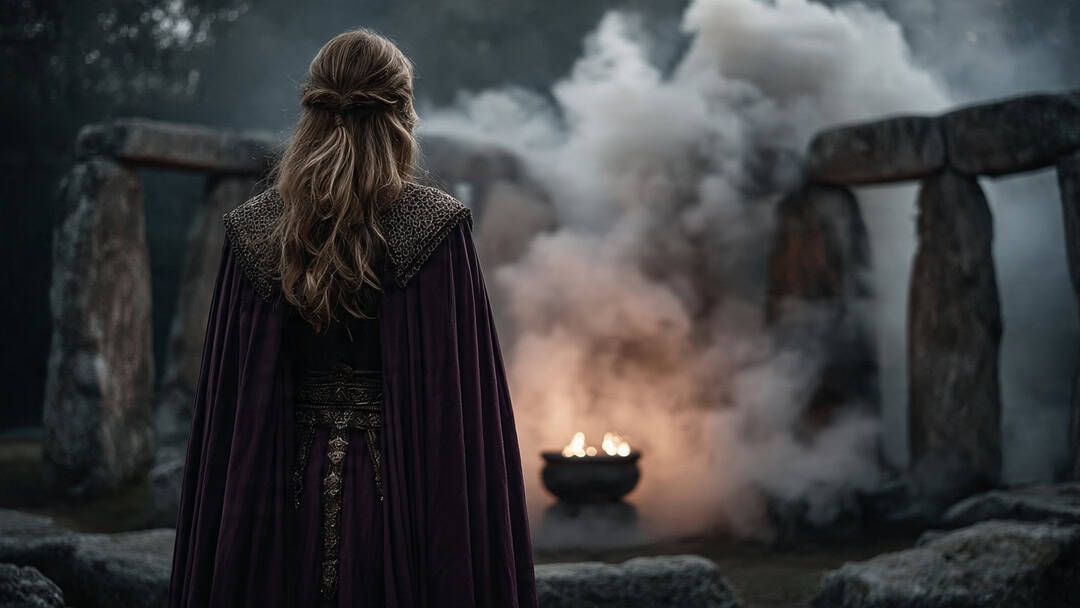
Nowadays, Druidry is very flexible and diverse. Most people don’t follow any groups or schools, and just do things their way.
The focus is on respecting naturaleza, celebrating the seasons, and working on crecimiento personal.
Many practitioners celebrate solstices and equinoxes through rituals and gatherings.
This path mainly includes meditation, long walks in nature, and reflection. At the same time, many modern Druids study plants and trees, and garden – all ways to connect with the land.
The movement is inclusive and welcoming to everyone.
6. The Big Names in the Modern Movement
The two aforementioned groups are the biggest names in modern Druidry.
OBOD, the Order of Bards, Ovates, and Druids, is one of the largest and most influential Druid groups. They offer courses and a community.
Besides OBOD and AOD, there’s also Ár nDraíocht Féin (A Druid Fellowship). It’s a pagan church based on Indo-European traditions, and based in the US.
They’re reconstructing ancient practices, while keeping their approach fresh and personal.
Through fun and community, these groups are preserving sacred knowledge that the majority of the world has forgotten about.
7. How to Start on This Path
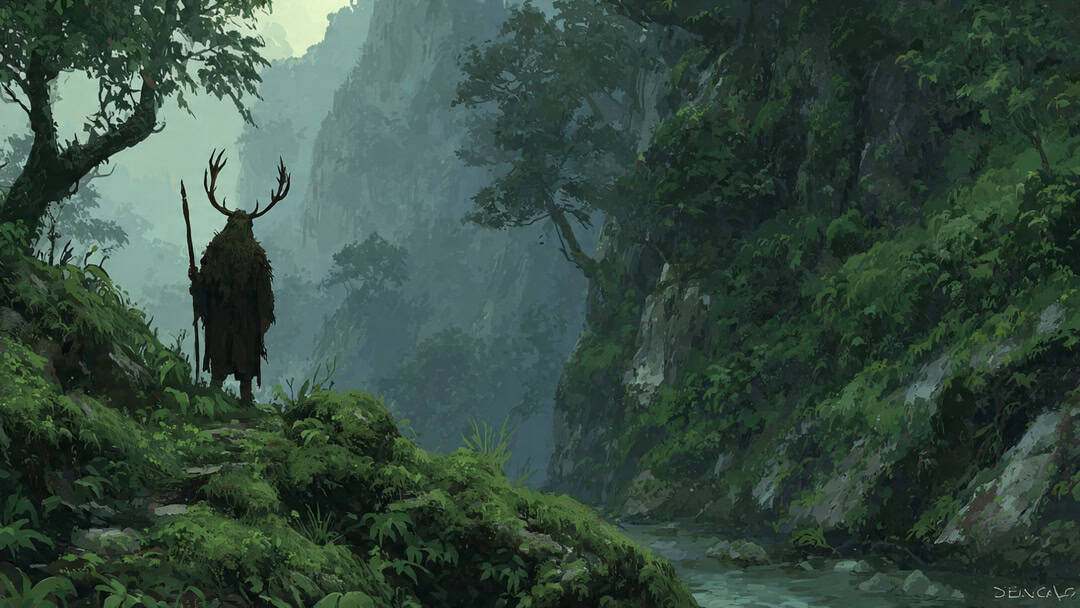
Would you like to become a Druid yourself?
Druidry is mainly a personal journey nowadays, but if you would prefer to learn and train officially, some of the aforementioned groups offer such programs.
With their help, you might become an ordained Druid/priest of their order.
However, for the people who would rather indulge in this path privately, there are plenty of sources online that can help you educate yourself on Druidry.
From there, you can pick and choose practices and rituals that resonate with you, and make your path completely personal.
8. Why It Matters in Today’s World
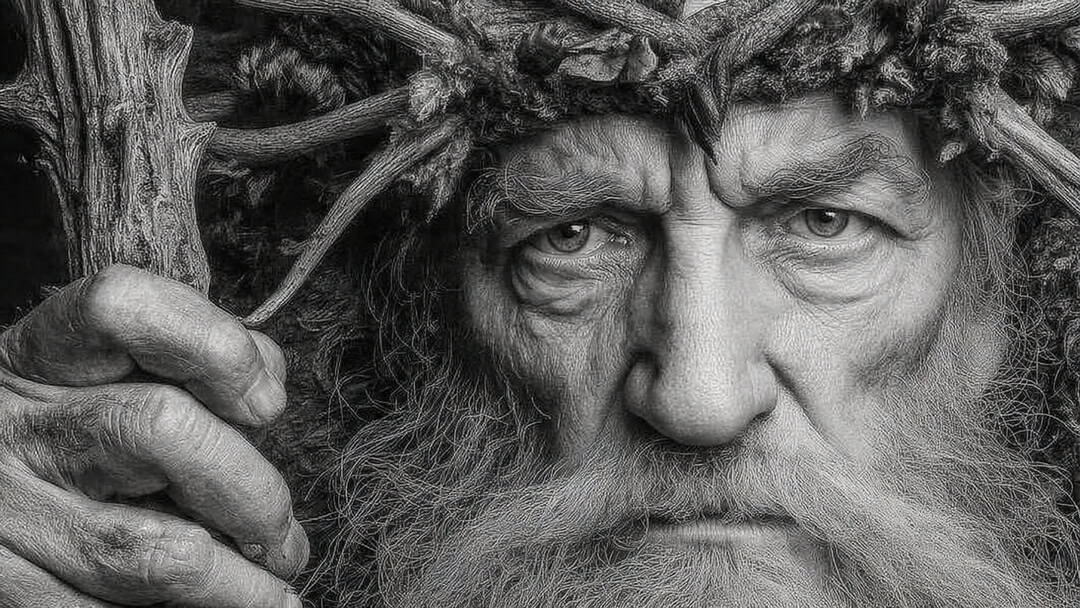
In the 21st century, movements like Druidry are deeply important.
With all the environmental issues around the world, many people are seeking spiritual paths aligned with ecological conservation.
The movement’s emphasis on sustainability and respecting nature makes it a perfect choice for eco-conscious people.
Its rituals celebrate the earth and its seasons, reminding us of our place in the natural world.
It also fosters a sense of belonging and purpose, allowing people to encontrar el sentido in something ancient.
Not to mention, art, music, y activism inspired by this movement are thriving, showing how ancient wisdom can inspire modern change.
9. Rituals and Festivals
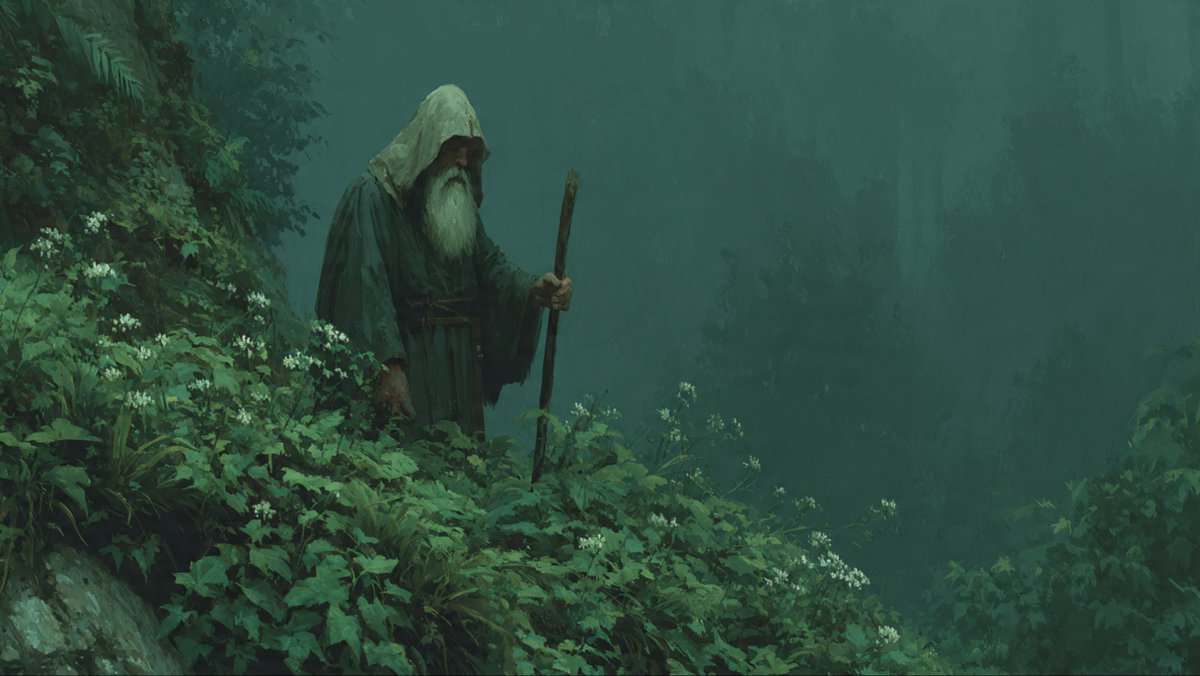
Seasonal festivals are at the core of modern Druidry.
Celebrations like Yule, Beltane, Lughnasadh, y Samhain connect practitioners to nature’s cycles.
These rituals are often simple and personalized; people light fires, tell stories, offer gratitude, and feast.
Many Druids also create their own rituals based on local traditions and their intuition.
Gathering with others during these times creates a sense of community and shared purpose.
Rituals don’t rely on dogma, but on the rhythms of nature and life’s sacred moments.
10. An Ever-Evolving Path
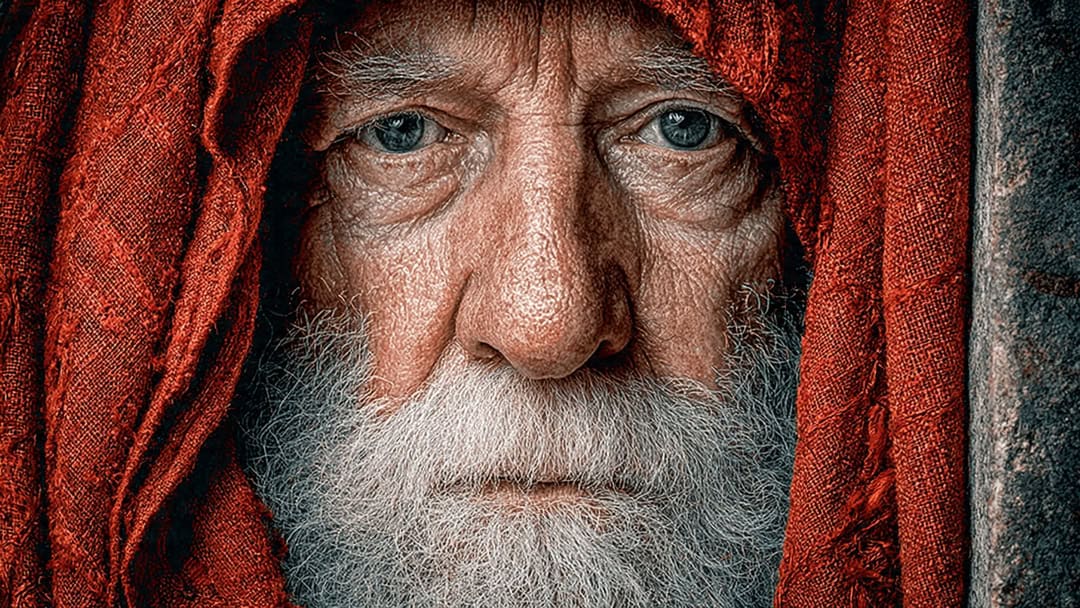
The future of Druidry looks bright. As more and more people seek espiritualidad eso es rooted in nature, it continues to grow globally.
It adapts to modern challenges like climate change and mental health, offering a spiritual refuge and a call to action.
Technology helps connect practitioners worldwide, allowing them to share rituals and experiences.
The core values of this path – respect, harmony, and reverence – are intemporal.
This new, inclusive, and personal approach means it can evolve with each new generation, as they make sure to keep the ancient wisdom alive.

A little Aquarius, devoted to writing and embroidery. Through my writing, I hope to empower readers to align with their true selves and navigate life’s mysteries with confidence.