
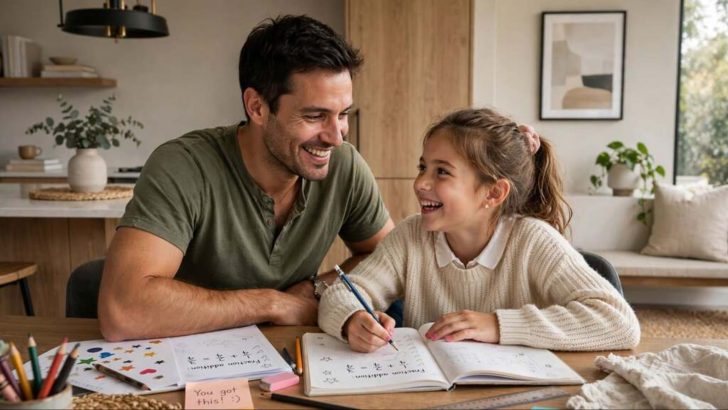
Blaming the family for your problems is such a cliché, but does that mean there’s no truth to it?
Psychology has spent years observing different family dynamics, and they tend to have very predictable consequences.
Of course, there’s a zona gris. People aren’t ruined just by having flawed parents, simply because we’re all flawed.
And also, having a perfect family on paper doesn’t guarantee instant success.
Still, certain family dynamics leave such a repetitive impact that it looks like a pattern. Let’s explore them.
1. A Father Who Doesn’t Have Boundaries: A Spoiled Daughter
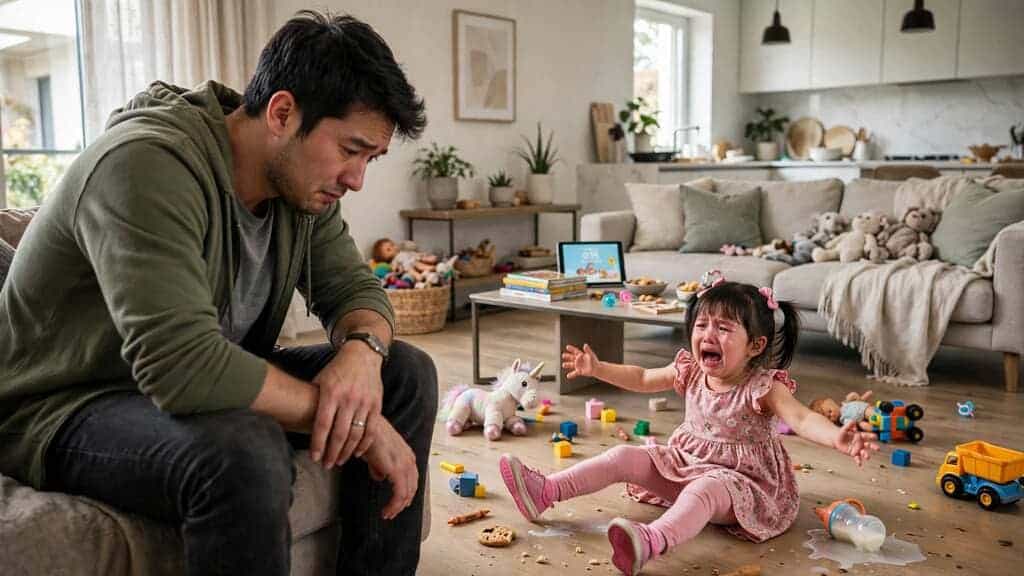
A dad who avoids conflict and gives in to every tantrum thinks he’s being gentle.
However, this dynamic teaches the child that boundaries don’t matter if you’re willing to push hard enough.
Kids raised this way struggle later in life because they can’t accept a no, and they can’t deal with delayed gratification.
Setting boundaries isn’t the same as being strict.
And I don’t want to dismiss it as an easy thing to do. You love your child more than anything else in the world, and dads are famously sensitive around their daughters.
Still, being able to say no and mean it is extremely important. For you, it means a peaceful life with a child who eventually learns that no means no.
And for them, it means growing up ready to face the real world.
2. A Mother Who Makes All the Calls: A Dependent Son

At this point, boy moms are a meme. Much like some dads are more sensitive around their daughters, some moms are overprotective of their sons.
This dynamic, however, doesn’t protect a child. It only prevents him from ever learning to stand on his own feet.
A mother who controls your friendships and education is a mother who will later try to control your relationships.
Such a mother-son dynamic creates a man who feels incapable of making important decisions without his mother’s approval.
Setting proper boundaries with his mom feels impossible, and he might look for a partner who will parent him in a similar way.
Naturally, this kind of relationship is built on genuine care. But even care can go too far.
Healthy love eventually includes dejarse llevar and allowing someone to become their own person.
3. Conditional Love: Insecurity
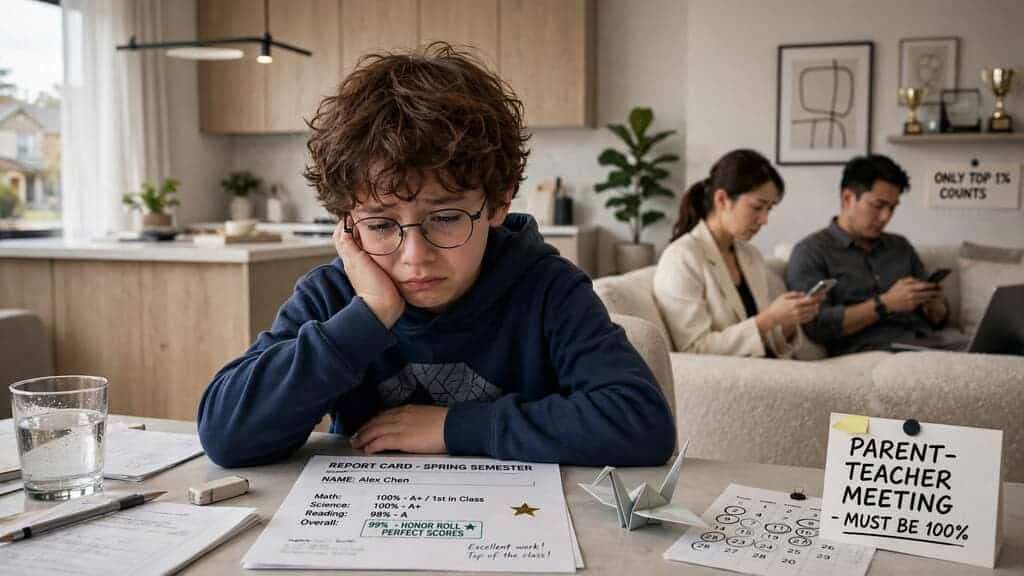
In some families, love feels like something children must earn rather than something that’s simply given.
Attention shows up when the child is successful, and it reflects well on the parent. When they make a mistake, the attention is gone, replaced by coldness.
Growing up in this dynamic teaches kids that their worth depends on how much they can please others.
As adults, they tend to doubt themselves, feeling as though they’re not good enough no matter how much they accomplish.
These are typically the children who go no-contact with their parents upon growing up.
The dynamic makes it challenging for them to internalize that their worth is inherent.
Insecurity planted this early is hard to unlearn, so it can take years of work.
4. An Absent Father: Children Blame Themselves

When a father is absent, whether physically or emotionally, children take it personally. They don’t have enough life experience to conclude that he might have issues of his own.
Instead, the dynamic makes them conclude that they must be the problem.
Children’s world isn’t as big as ours, and most of it is tied to home. So when one parent leaves home, half of their world crumbles.
Research consistently links fathers’ involvement to children’s self-esteem.
Thankfully, healing comes somewhat easier in this instance. Adult children heal through learning that the parent’s absence had nothing to do with them.
It might have been the circumstances or the father’s capacity.
5. Chaotic Marriage Dynamic: Children Suffer
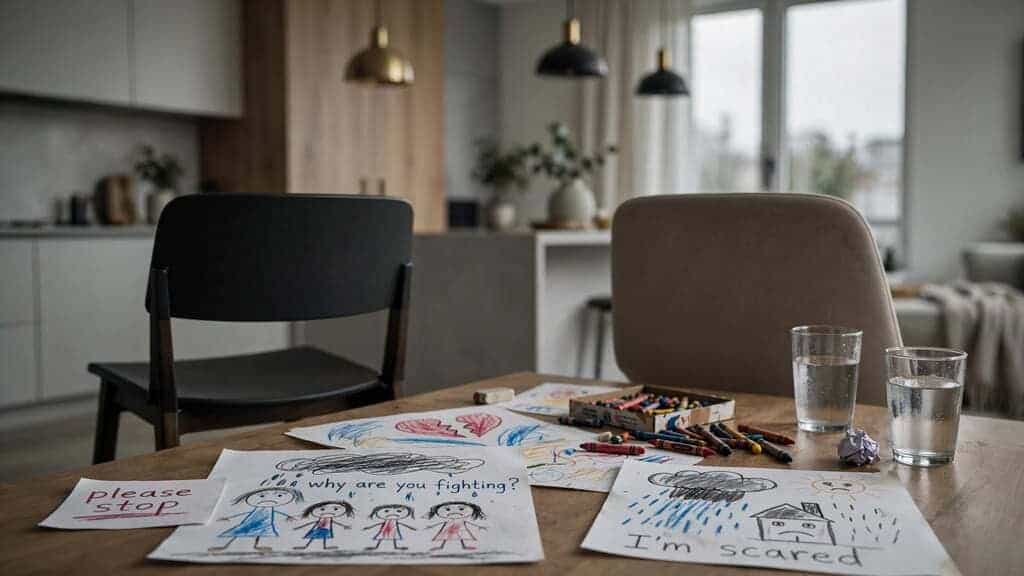
For a long time, people in chaotic marriages told themselves they were doing a good job because they didn’t divorce.
They happily ignored the damage their dynamic did to their children, who frequently had to witness chaos.
Children are really good at reading the room, so even if the tension is silent, they pick up on it.
They absorb that negativity and tension, meanwhile they lack the ability to even explain what they absorbed and why!
This is genuine emotional trauma that can impact how they behave in their own relationships down the line.
Now, this doesn’t mean that a marriage always needs to be free of conflict; such a thing doesn’t exist.
But the unpredictable dynamic, never knowing when the next explosive fight might start, really weighs on children.
6. A Present Father: A Daughter Who Demands Respect
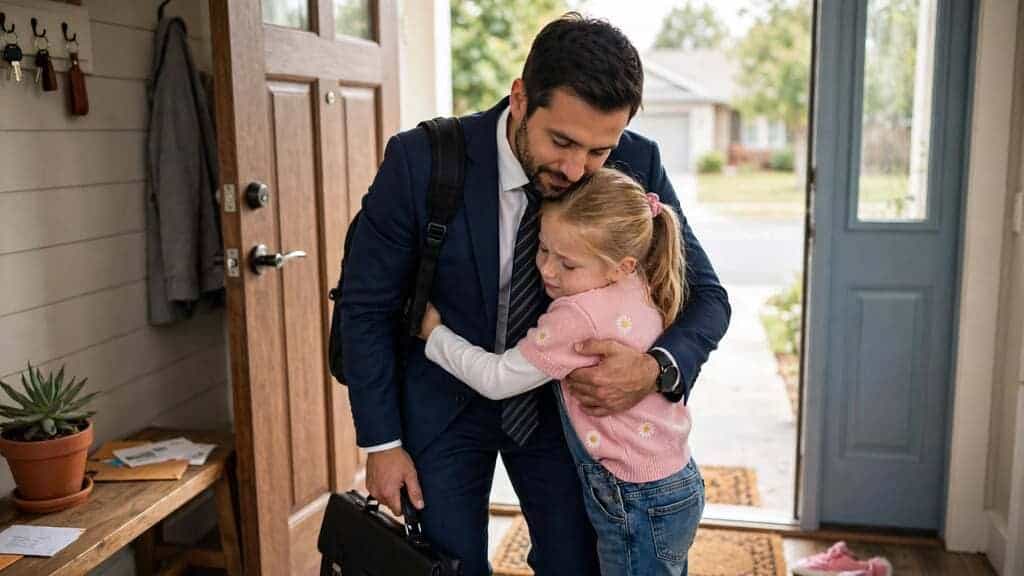
A father who takes his daughter seriously and treats her with consistent warmth teaches her what to expect from her relationship in the future, romantic or not.
She learns early on that her voice matters and that she deserves to be loved.
This dynamic creates the perfect environment for raising a confía en daughter.
Discipline and boundaries are a given when raising children, but so is consistent love that doesn’t have to be earned.
Daughters who grow up feeling truly seen by the father figure in their lives tend to carry that sense of worth into adulthood.
7. A Mother Who Honors Her Emotions: A Mature Son

A mother who can name her feelings and sit with discomfort models something very valuable for her son.
He learns, simply by watching her, that feelings aren’t meant to be hidden or suppressed.
Boys are so often taught to stay cool, to stop being “such a girl,” and it produces young men who feel embarrassed to have feelings that aren’t anger.
Sons raised by mothers who are secure in themselves grow up to be comfortable with vulnerabilidad. They also communicate better in relationships.
In a world that often tells men to push through, a mother who teaches her son to feel things fully is a small revolution of its own.
8. A Father Who Shows Up: Children Who Know They Deserve Love
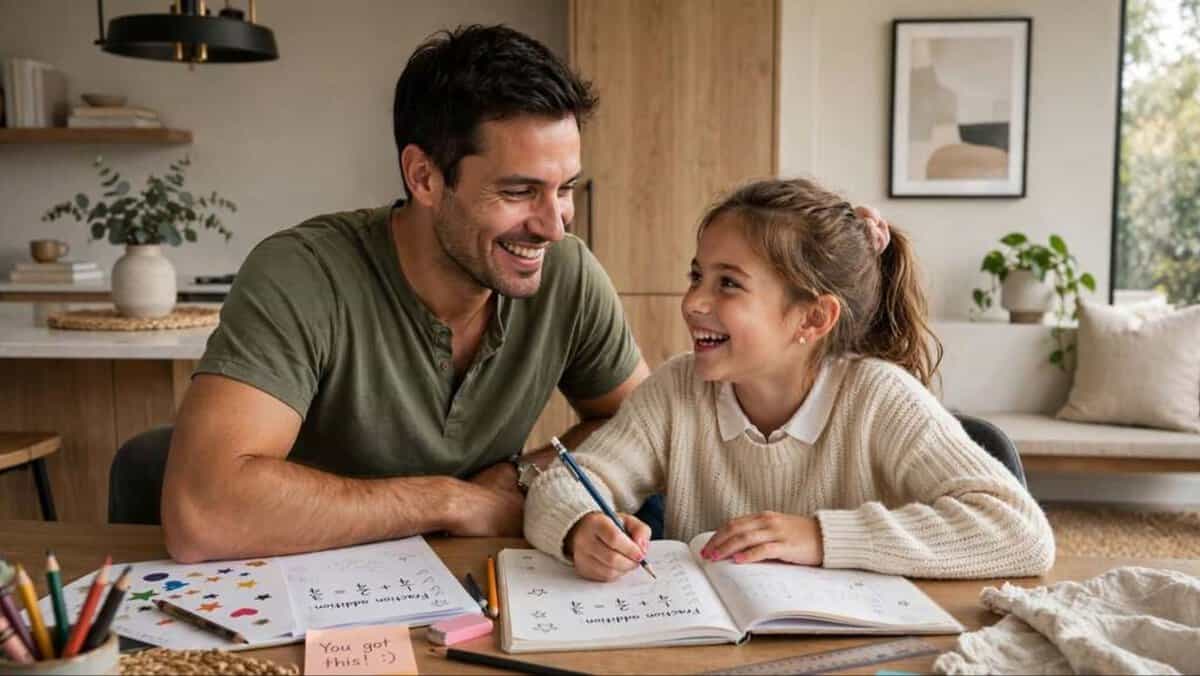
Showing up as a father goes far beyond school recitals and games. Taking an active part in homework, dinner, bathtime, y playtime is even more important.
This consistent presence builds a child’s sense of worth.
This is a wonderful dynamic, proving to children that their dad doesn’t need a special reason or achievement to want to spend time with them.
They learn something powerful: that they don’t need to perform to deserve affection.
They’re able to grow up into people who don’t need external validation to feel good about themselves, precisely because they got it from their father when it mattered.
9. Loving Parents: Children Who Feel Safe

Growing up in the hands of warm and responsive parents helps children develop secure attachment, and it shapes nearly every part of their lives.
They’re able to handle stress, deal with failure, trust others, and explore new things.
Loving parents, if they’re married, mean being emotionally available and repairing after conflict, instead of pretending it didn’t happen.
If they’re apart, that means being cordial and willing to compromise for the sake of the child.
Securely attached kids become adults who form healthier relationships. They’re not anxious and worried about whether everyone will love them.
Children don’t need perfection, just a steady dynamic.
10. A Healthy Marriage: Children Who Know What Peace Looks Like

A peaceful home, where conflict is handled respectfully and out children’s sight, is a sign of a healthy marriage.
This is a dynamic where two people love and respect each other enough to apologize when needed and do the work to be better entre sí.
Without even trying, they teach their children what a healthy relationship looks like.
Kids who grow up like this understand that conflict isn’t something to run from, and that it doesn’t ruin relationships by itself.
A peaceful home is simply an environment where there’s more love than tension.

A little Aquarius, devoted to writing and embroidery. Through my writing, I hope to empower readers to align with their true selves and navigate life’s mysteries with confidence.