
There’s something undeniably surreal about standing in a place you’ve only ever read about in the Bible. One minute you’re scrolling your phone, the next you’re in a location where history, faith, and centuries of storytelling all collide. Visiting sites connected to Jesus isn’t just a spiritual experience—it’s also a humbling reminder that these events didn’t happen in some distant fantasy world. They happened in real places… that now have gift shops and guided tours.
So if you’ve ever wondered what it would be like to literally walk where Jesus walked (with comfortable shoes, of course), here are some incredible biblical sites you can still visit today—equal parts sacred, historical, and occasionally crowded.
1. The Church of the Nativity (Bethlehem)
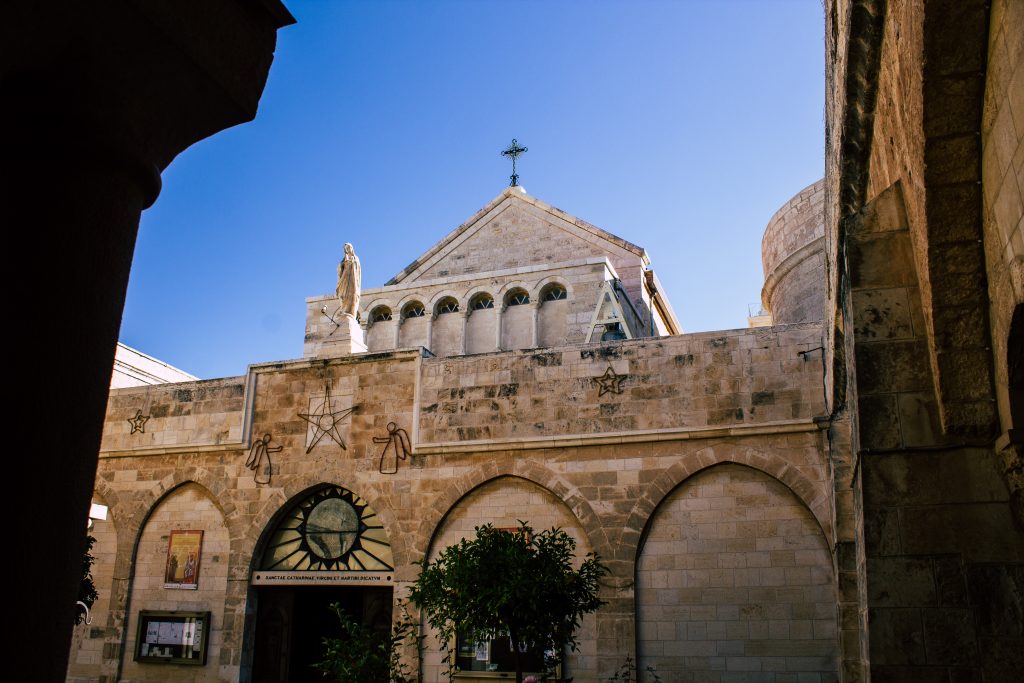
Located in Bethlehem, the Church of the Nativity is believed to mark the exact spot where Jesus was born. Yes, que spot. It’s one of the oldest continuously operating churches in the world, originally commissioned by Emperor Constantine in the 4th century—so it’s been drawing crowds way before tourism was trendy.
To enter, you’ll pass through the famously tiny “Door of Humility,” which forces everyone to bow as they walk in. Spiritual symbolism? Absolutely. Also a reminder to watch your head. Inside, you’ll find the Grotto of the Nativity, marked by a silver star that indicates the traditional birthplace of Jesus. It’s beautiful, moving, and yes, you may have to queue for a while—but for many, it’s worth every second.
2. The Sea of Galilee
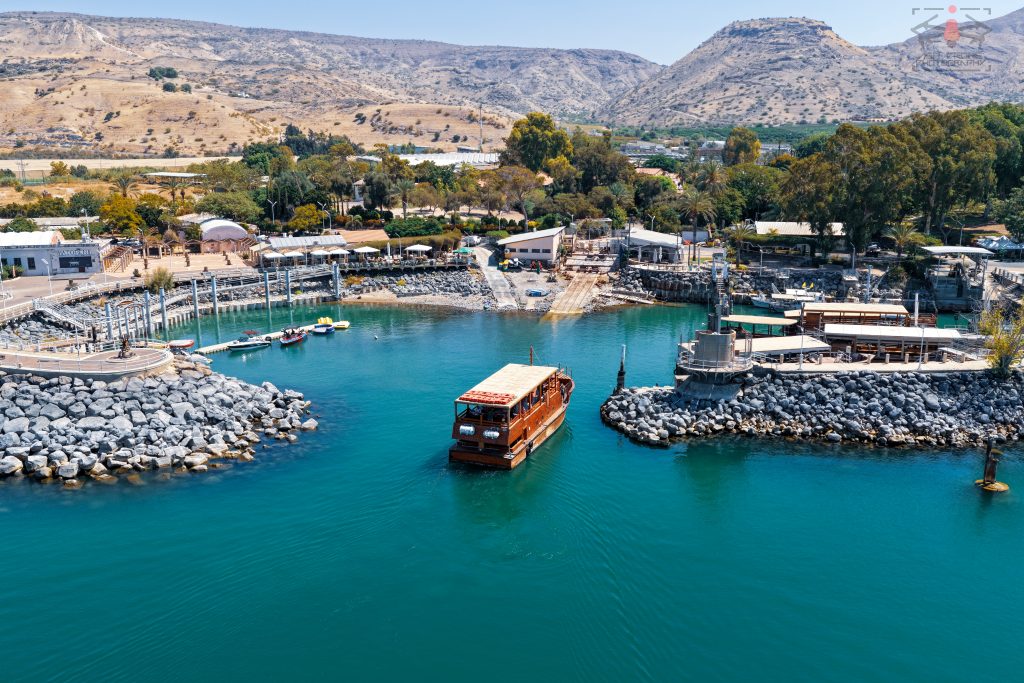
The Sea of Galilee (also known as Lake Kinneret) is where Jesus performed some of His most famous miracles—walking on water, calming storms, and casually redefining what’s possible.
Today, it’s peaceful, scenic, and surprisingly… normal-looking for a place with such legendary status. You can take a boat ride across the water, which feels both serene and slightly dramatic if you let your imagination run wild. “If a storm starts, I’m simply not spiritually prepared,” is a valid thought.
Surrounding towns like Capernaum are also rich in biblical history, making the whole area feel like a living timeline. It’s less about one single site and more about the atmosphere—you’re walking through stories you’ve heard your whole life.
3. The Garden of Gethsemane (Jerusalem)
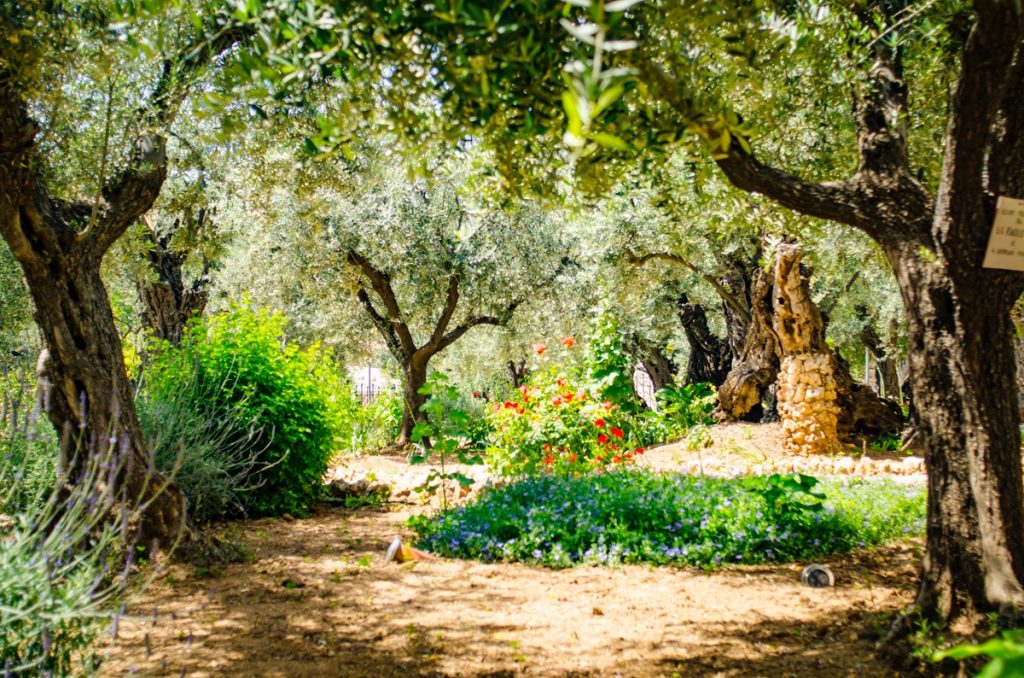
At the foot of the Mount of Olives in Jerusalem lies the Garden of Gethsemane, where Jesus prayed the night before His crucifixion. It’s one of the most emotionally powerful locations tied to His story.
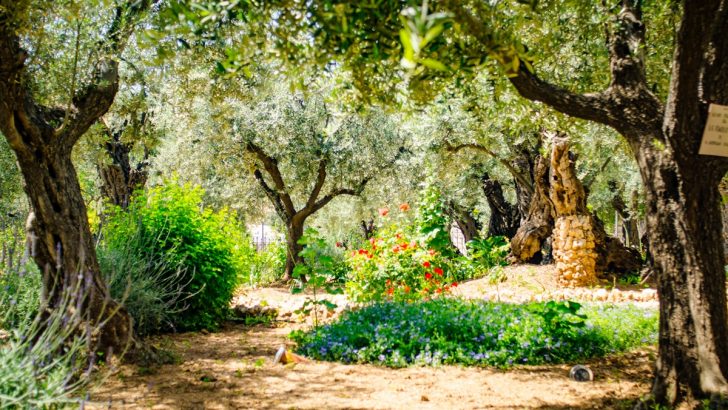
The garden still contains ancient olive trees—some of which are believed to be hundreds, if not thousands, of years old. Standing among them, there’s a quietness that feels almost intentional, like the space itself is encouraging reflection.
Nearby is the Church of All Nations, built over the rock where Jesus is said to have prayed. Whether you’re deeply religious or just historically curious, it’s hard not to feel something here. At the very least, you’ll probably lower your voice without even realizing it.
4. The Via Dolorosa (Jerusalem)
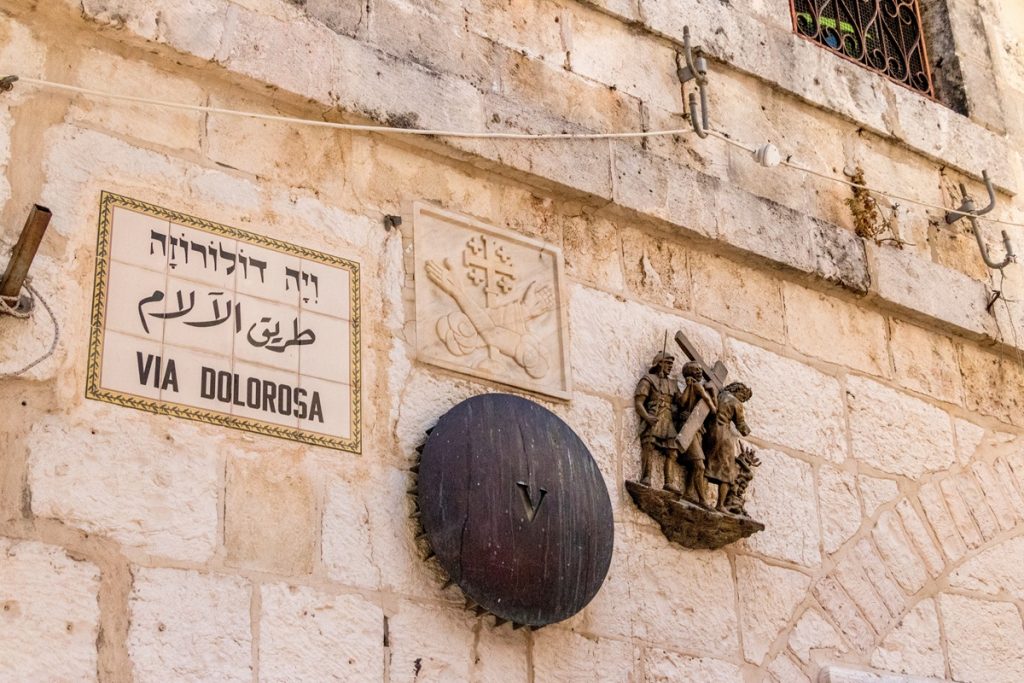
The Via Dolorosa is believed to be the route Jesus walked on His way to crucifixion. Today, it winds through the bustling Old City of Jerusalem, which means your deeply spiritual moment may include dodging souvenir दुकans and hearing someone bargain loudly in the background.
The path is marked by the Stations of the Cross, each representing a moment from the journey. Many pilgrims walk this route, sometimes carrying crosses, turning the experience into a powerful act of devotion.
It’s a unique blend of sacred and everyday life. One moment you’re reflecting on profound history, the next you’re stepping aside for someone selling magnets. Somehow, it all coexists—and that’s part of what makes it so real.
5. The Church of the Holy Sepulchre (Jerusalem)
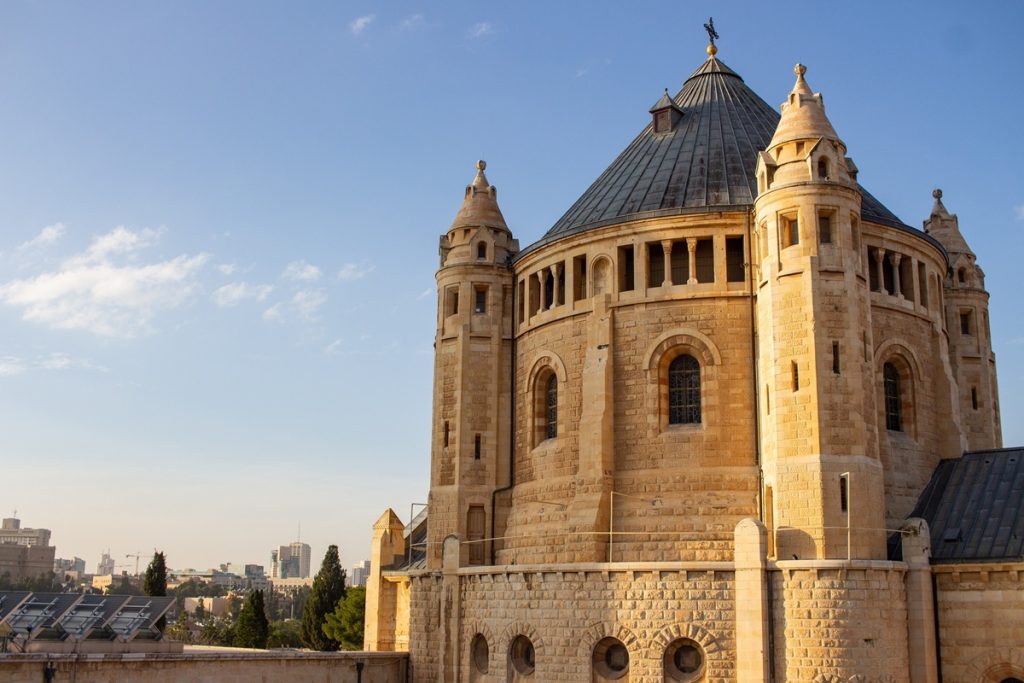
Also in Jerusalem, the Church of the Holy Sepulchre is considered one of the holiest places in Christianity. It’s traditionally believed to contain both the site of Jesus’ crucifixion (Golgotha) and His tomb.
If you’re expecting a quiet, minimalist chapel… think again. The church is a maze of chapels, candles, incense, and people from all over the world. It’s intense, a little chaotic, and deeply meaningful all at once.
At the center is the Aedicule, the structure enclosing the tomb. Visitors often wait in long lines for a brief moment inside. It’s quick, crowded, and yet incredibly significant for those who’ve dreamed of being there.
6. The Jordan River
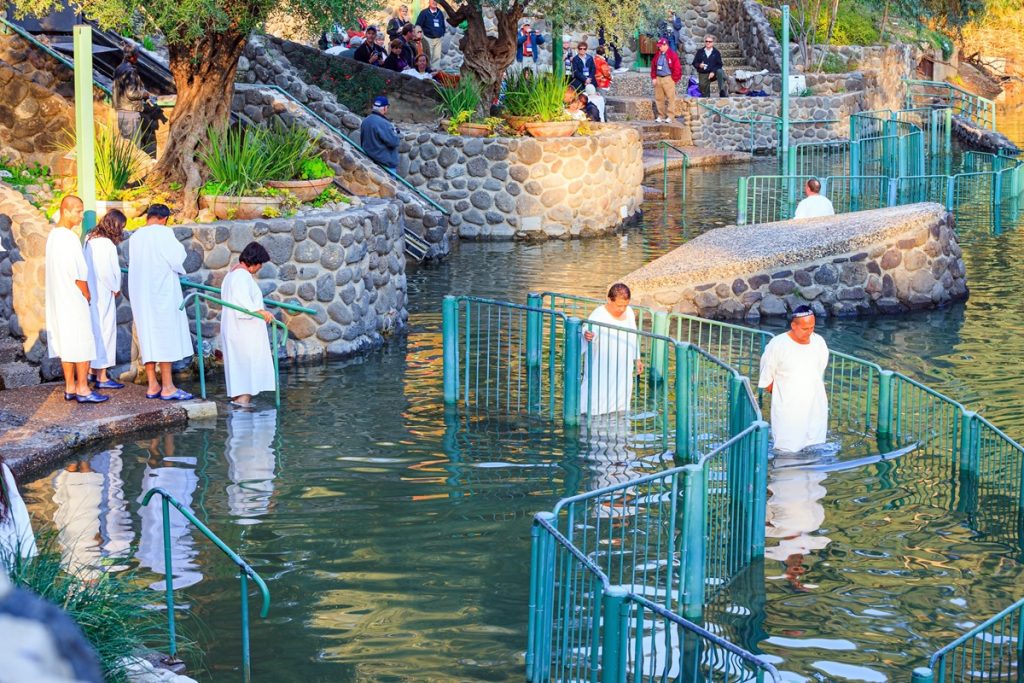
The Jordan River is where Jesus was baptized by John the Baptist, making it one of the most symbolically important sites in Christianity.
Today, there are designated baptism sites like Yardenit, where visitors can actually step into the water. You’ll often see people dressed in white robes, participating in baptisms or simply taking a moment to reflect.
It’s peaceful, slightly surreal, and yes—you might find yourself thinking, “This water has seen things.” Whether you choose to take part in a ritual or just observe, it’s a powerful reminder of the continuity between past and present.
7. Nazareth (The Childhood Home of Jesus)
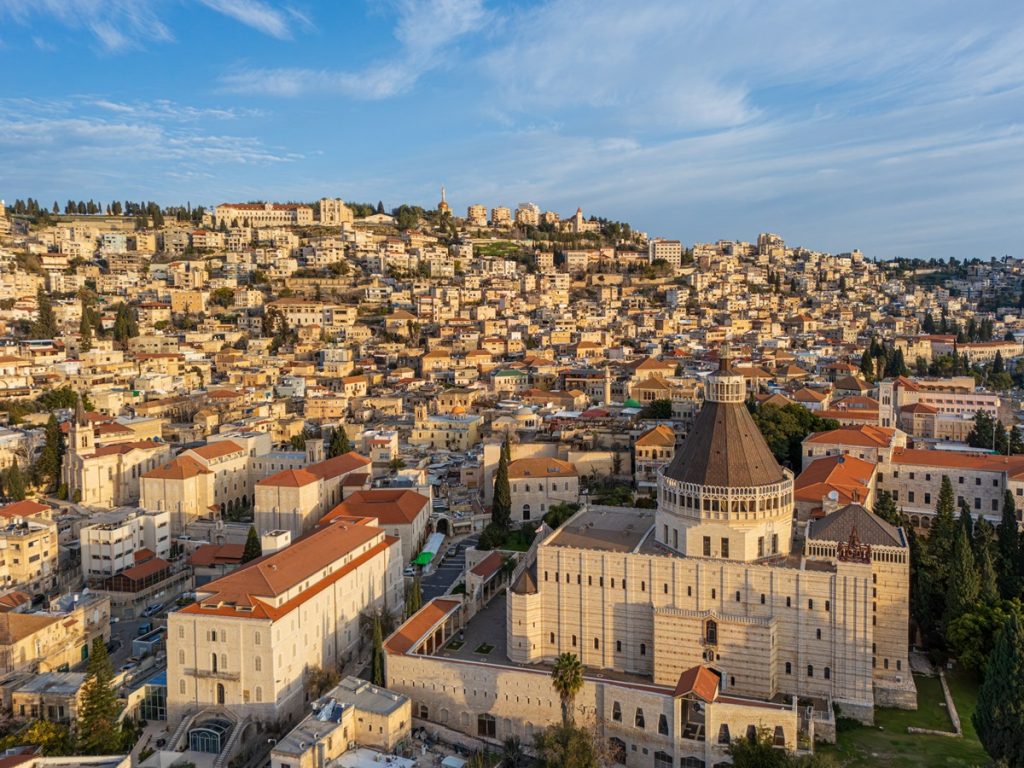
The town of Nazareth is where Jesus spent much of His childhood, making it a key stop for anyone wanting the “early life” chapter of the story.
The highlight here is the Basilica of the Annunciation, built over what is believed to be the site where the angel Gabriel announced to Mary that she would give birth to Jesus. It’s grand, modern in parts, and filled with artwork from around the world depicting Mary in different cultural styles—which is honestly beautiful and unexpectedly global.
Nazareth itself is lively, with markets, cafés, and everyday life happening all around. It’s a reminder that these sacred stories unfolded in real communities, not just dramatic backdrops.

Lover of good music, reading, astrology and making memories with friends and spreading positive vibes! 🎶✨I aim to inspire others to find meaning and purpose through a deeper understanding of the universe’s energies.