
The world is a tapestry of countless colorful traditions for each milestone in our lives.
History, mentality, and the environment shape these traditions, but the experiences they commemorate are all the same, so some common threads are a given.
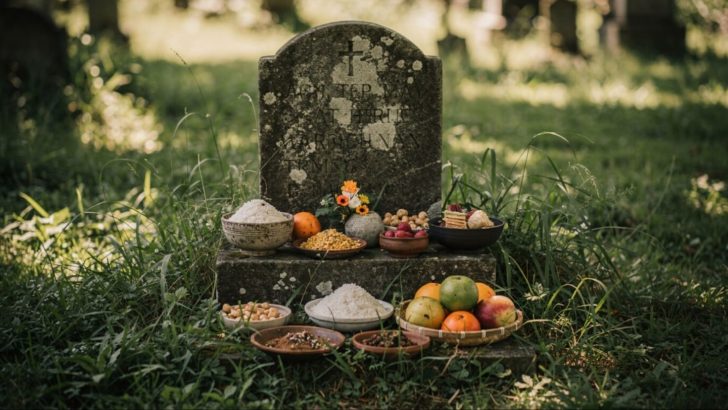
Feeding the deceased is one such thread.
This ritual of offering food and nourishment to the spirit is present everywhere.
Let’s explore why we do this, as well as how different cultures approach this ritual.
1. Bridge Between the Worlds

The funeral feast is the oldest ritual in human history. It’s a primal acknowledgment that the dead remain part of the family.
Gathering to share a meal after a funeral has two purposes.
It nourishes the mourners, giving them strength to grieve. But more importantly, it honors and feeds the spirit of the departed.
Food creates a temporary sanctuary where sorrow can be balanced with sustenance.
We eat to remember that life goes on. It’s a powerful rejection of death’s finality.
2. Food Offerings on the Grave
Beyond the communal feasts, there’s also a quieter, more intimate practice related to food.
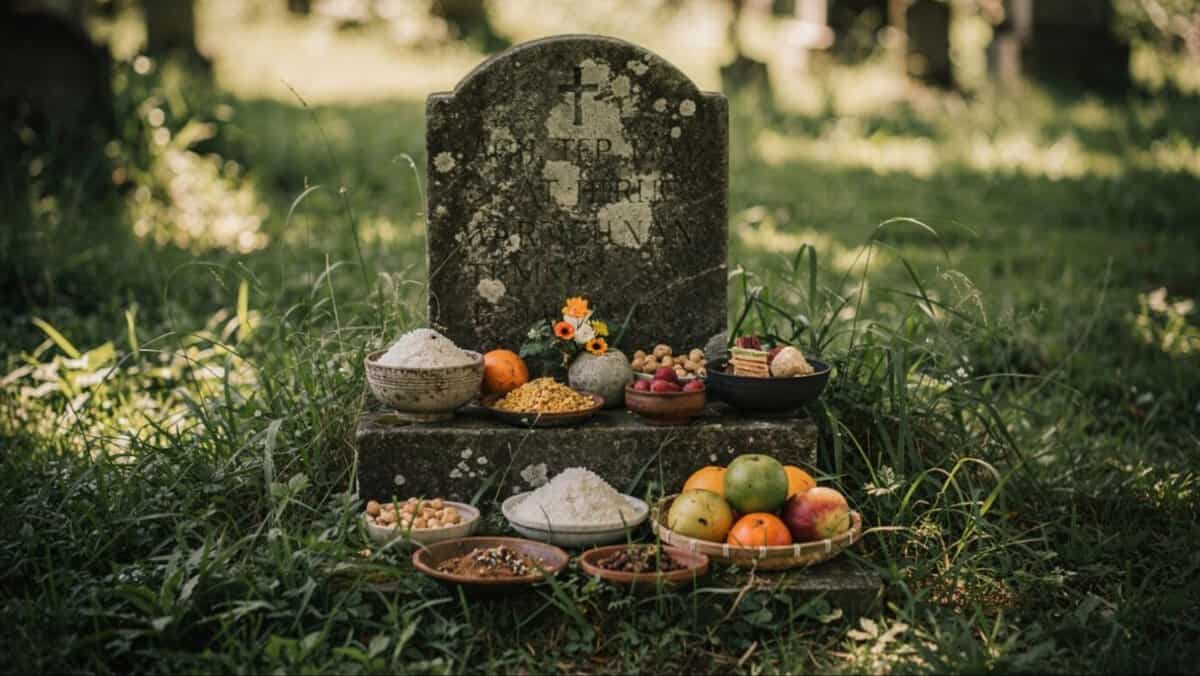
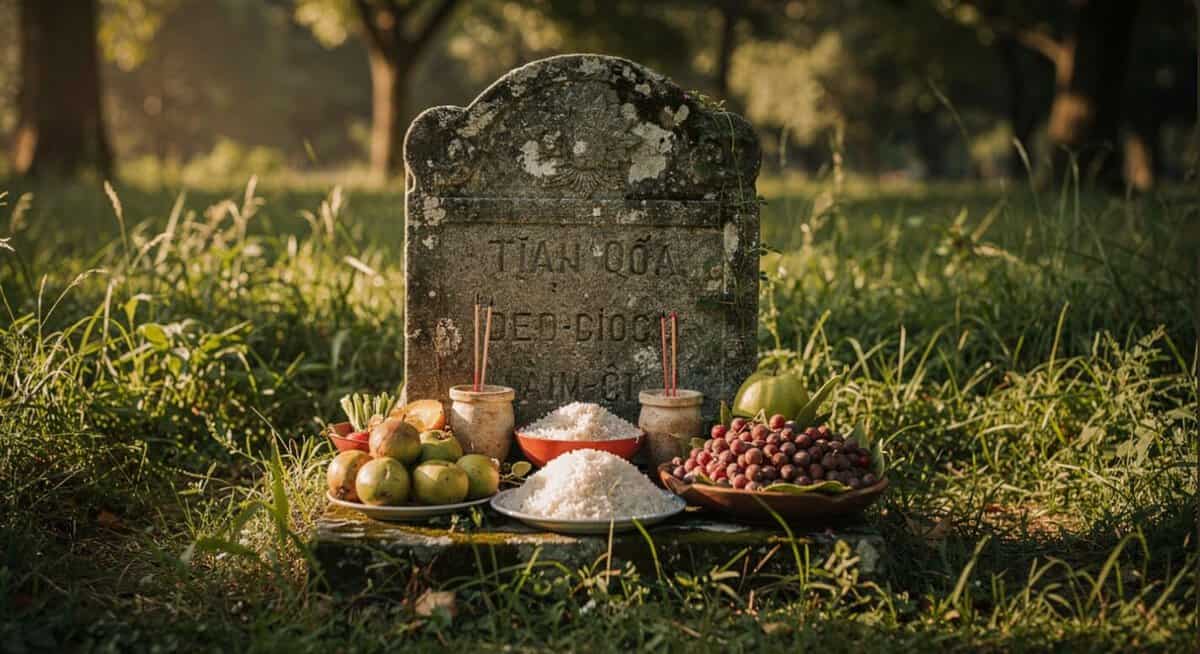
In numerous cultures, different dishes are brought directly to the resting places of the dead.
This clearly tells us that gravestones aren’t just marks; they’re altars. The living use these altars to maintain a relationship with the departed.
People leave fruit, wine, home-cooked meals, and even the deceased’s favorite foods on graves.
These intentional gestures defy the silence of death.
It’s an acknowledgment that the spirit of the person is still alive, and that we plan to see them again. That’s why we must honor them and take care of the relationship.
Mostly, these offerings can’t be eaten by the living. They’re left there, usually eaten by animals.
3. Oranges for Peace
In Chinese spiritual tradition, food offerings speak of respect and care.
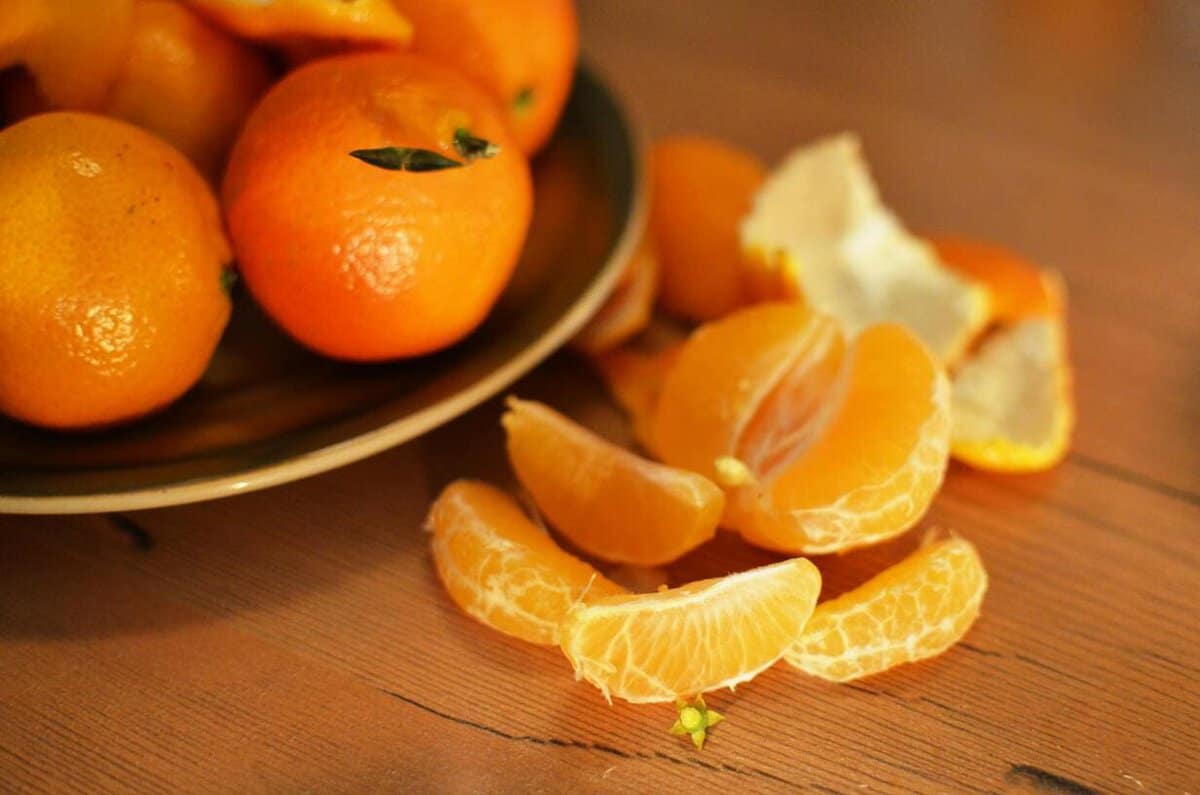
In Chinese cemeteries, during festivals like Qingming, various dishes, and especially oranges, are placed upon graves.
There’s very important symbolism to this fruit.
The shape and color of the orange represent the wholeness and the cyclical nature of life. So, again, it proclaims hope of resurrection/rebirth.
Oranges also invite buena fortuna for the departed and ensure that they’re able to navigate the afterlife peacefully.
The fruit carries complex emotions: hope, reverence, and a desire to protect your loved ones even in the beyond.
4. Pan de Muerto
The Day of the Dead in Mexico is one of the best-known traditions of honoring ancestors.
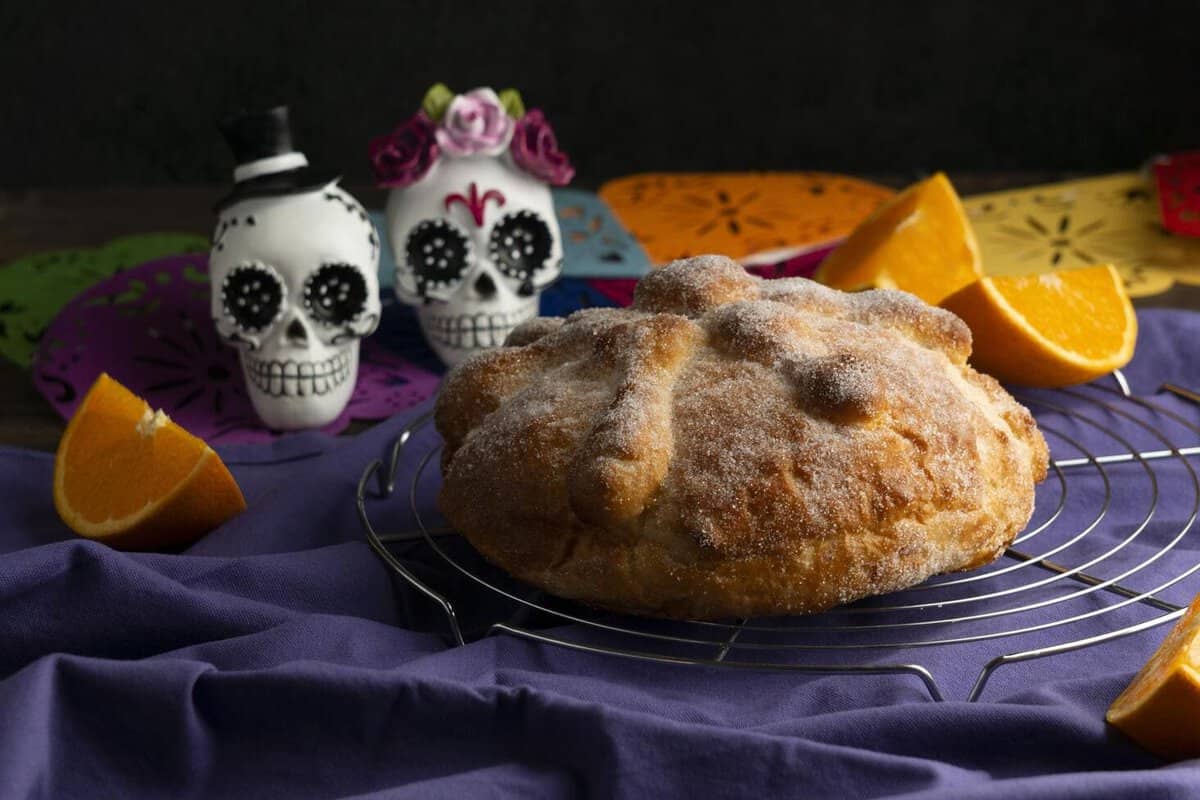
The special food, pan de muerto, is baked annually in early November. Its shape is also heavy with symbolism.
It’s a round loaf, topped with a cross and a small nub.
These shapes represent bones and teardrops, and sometimes, the heart of the departed.
Families place this bread on altars alongside photos and marigolds to welcome the spirits back for una reunión.
Pan de muerto is a prayer in the shape of food. It sustains the living and comforts the dead.
5. Wheat in Orthodox Christian Tradition
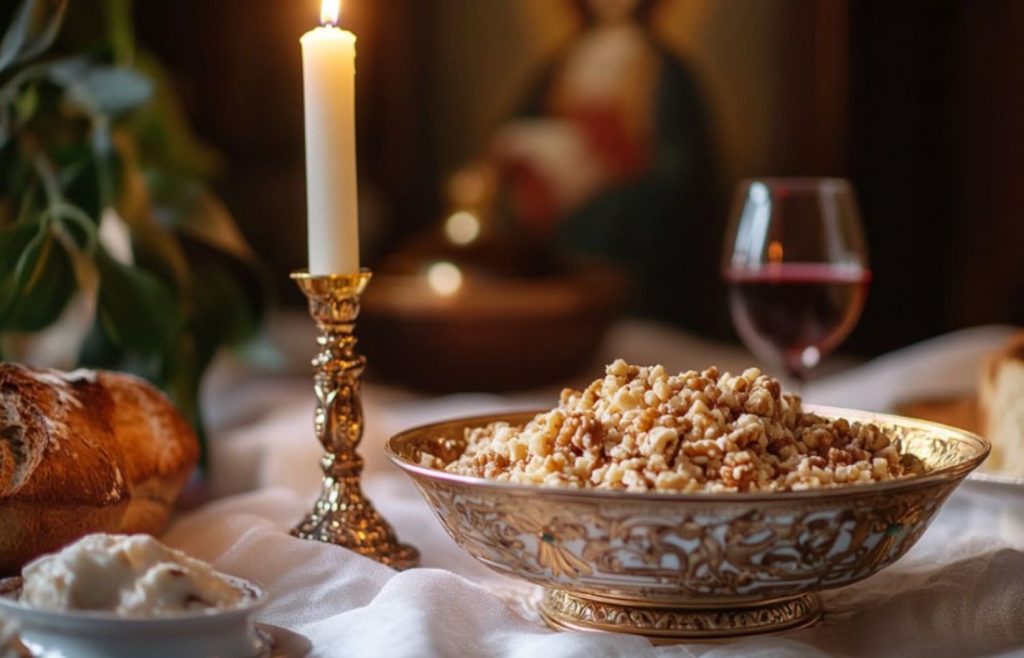
In Orthodox Christian traditions across Europe, the dead are honored with cooked barley or wheat.
The dish is sweetened with honey or sugar, and sometimes, walnuts and wine are added.
Like elsewhere, through this dish, the living express their belief that life is eternal. Through the food, they celebrate the promise of resurrection.
The symbolism of the wheat is central because it has to be buried in the dark before it can rise again into new life.
If it remains above ground, it will simply rot. People believe that this mirrors the human condition.
By giving this offering, the living proclaim that death is a beginning, not the end.
6. Funeral Meals of Sri Lanka
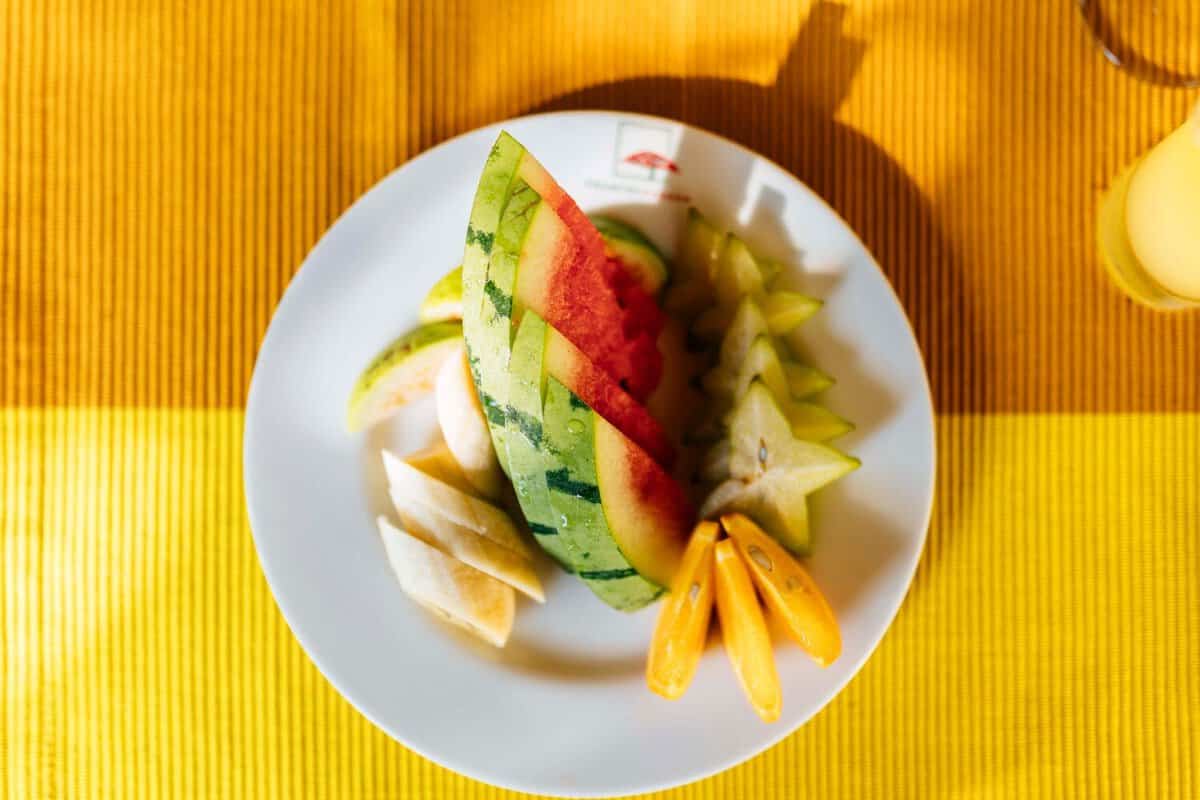
In Sri Lanka, funeral meals express simplicity and pureza espiritual.
The food prepared is never exotic or rare; it consists of the daily staples that the deceased ate in life.
So, you might see dahl, potato dishes, and leafy greens, but there is a notable absence of meat.
During periods of mourning, a vegetarian diet is a must. There’s a belief that meat is impure because getting it involves violence and death.
This might disturb the peaceful transition del alma.
By offering these clean foods, the family creates an atmosphere of peace and respect.
7. Food Symbolism in Malaysia
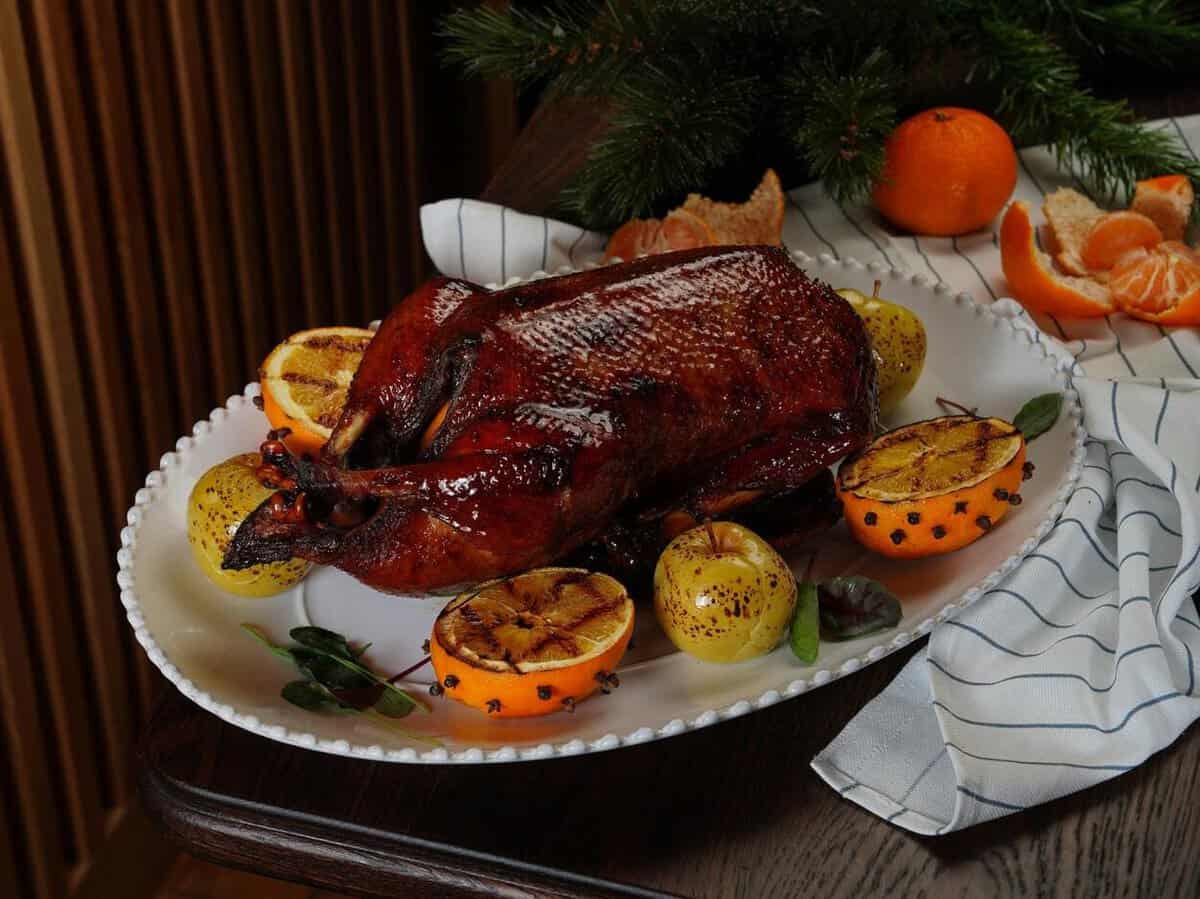
Funeral traditions in China and Malaysia are rich with symbolic meat that serves specific spiritual functions.
These offerings are meant to nourish and assist the spirit in the difficult journey.
A roasted pig represents eternity and good luck. A boiled chicken represents the spirit’s flight toward the beyond.
And a roast duck is seen as a protector. It’s meant to shield the spirit as it crosses the three rivers of the underworld.
Each dish is a talisman.
These food offerings reflect the afterlife that’s complex and requires a lot of energy to navigate.
8. A Taste of Memory
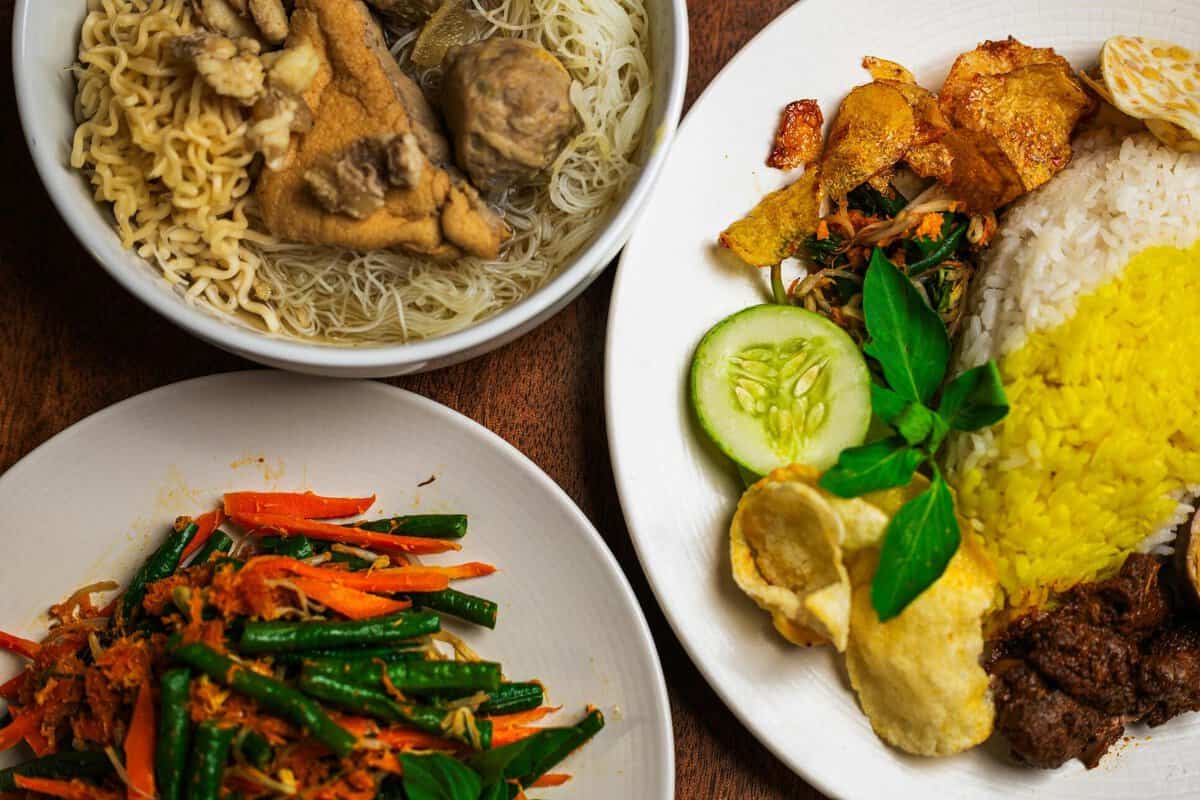
Beyond the cultural and spiritual doctrine, families often take it upon themselves to cook the deceased’s favorite food as a final act of consolation.
Preparing this dish is an act of empatía.
The familiar aroma fills the home, triggering beloved memories for everyone.
Offering a favorite dish is a way to soothe the spirit’s feelings of homesickness and confusion.
It seeks to comfort them in the afterlife while honoring their earthly life, too.
9. Respect and Honor
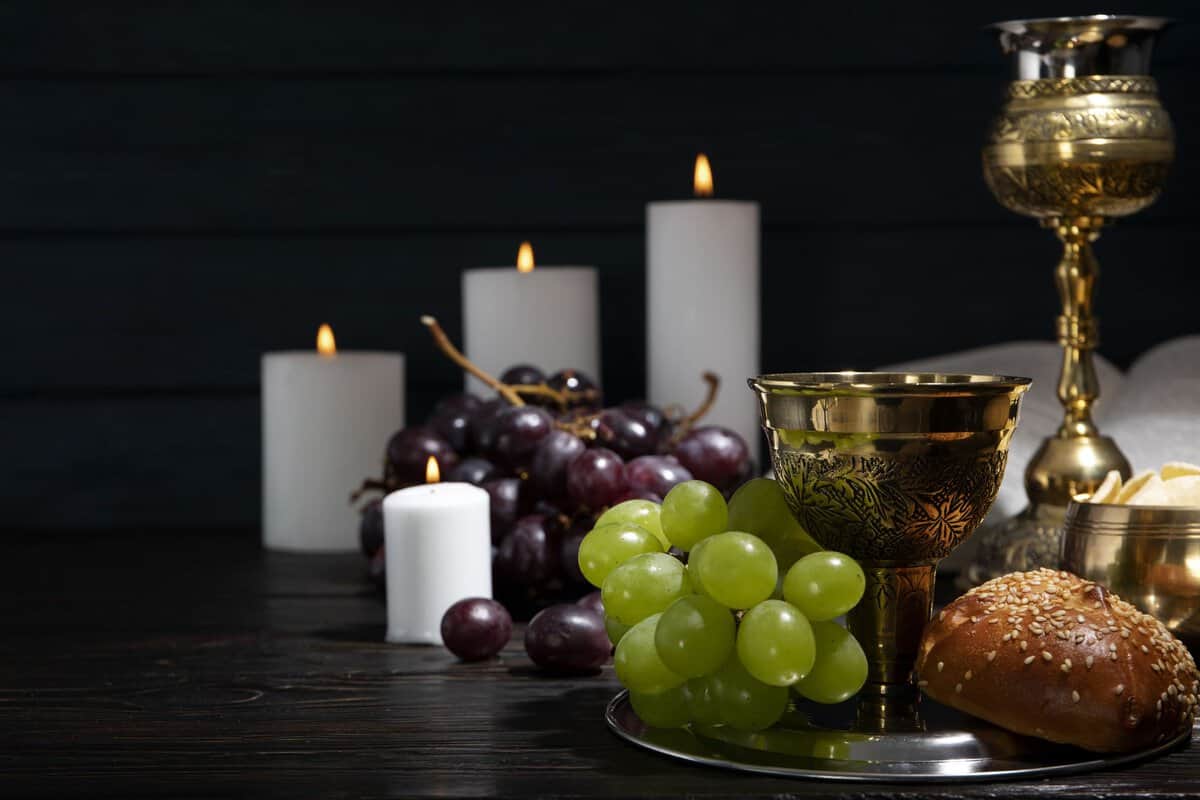
Leaving food for the dead is a profound expression of respect.
It acknowledges that the deceased’s life mattered and that their presence continues to move their loved ones.
When you leave an offering, you’re honoring the ongoing existence of your ancestors.
The act validates the life they lived and the impact they had on everyone who knew them.
We treat the dead with the same care and respect that we would extend to the living, which is an ancient instinct.
10. Food for the Soul’s Journey

At the core of this tradition is the belief that death isn’t final.
In some parts of the world, people believe in reincarnation, while in others, they believe in resurrection.
Either way, the dead are believed to exist, only in a realm that we can’t see or reach.
And because they still live, they need food and care.
By offering sustenance, we’re ensuring the spirit’s well-being and comfort.
We worry that they might be hungry, cold, lonely, or scared, and we seek to soothe them in the simplest way we can think of: nourishment.
The ritual also helps the living. It gives them purpose and eases the helplessness of grief.
11. Maintaining a Connection
Grief can often be destructive.
Losing someone important stops you in your tracks, completely changing your outlook on life. Not to mention, it also forces you to confront your own mortality.
Death is the oldest primal fear, and no matter how much we try to silence it, it’s there.
Offering food to the dead is a way to uphold the hope that there’s more to life than meets the eye, but it’s also a way to maintain a connection with a loved one.
The ritual reinforces familial bonds that are stronger than death.
At the same time, we’re teaching the next generation where they come from, strengthening cultural identity.
12. To Feed Is to Love
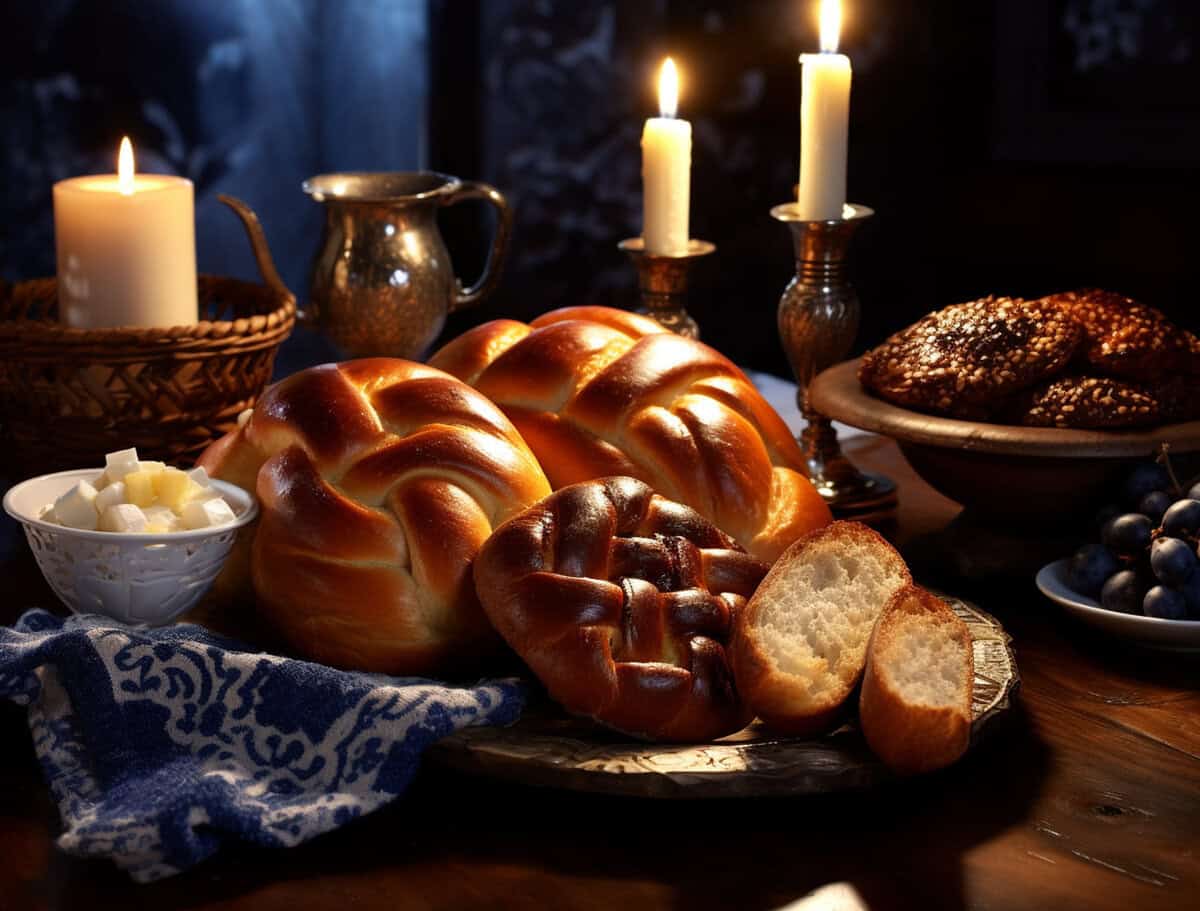
These diverse practices all reflect the simple truth: we love through nourishment.
Food is the central element in these traditions because it’s the basic, primal need.
It helps us connect, bond, and experience joy in life, and we want to give that to the deceased, too.
The love you feel for someone you’ve lost doesn’t go anywhere, even when they’re no longer with you. You still need a way to express it.
Leaving them offerings and making their favorite dishes is one way to express it.

A little Aquarius, devoted to writing and embroidery. Through my writing, I hope to empower readers to align with their true selves and navigate life’s mysteries with confidence.