
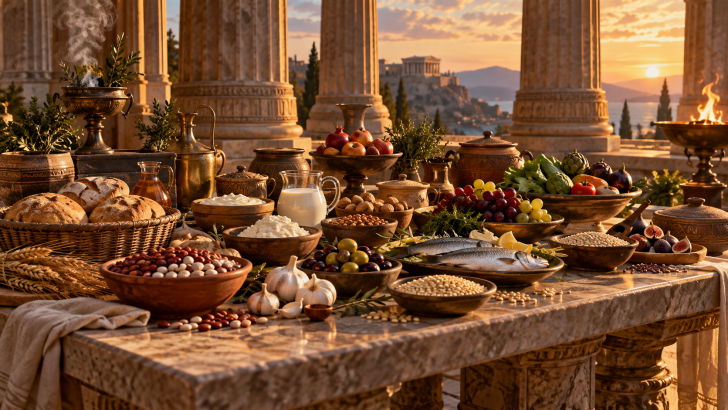
Ancient religions often had clear ideas about what people could eat, what they should avoid, and when certain foods became forbidden.
Sometimes the reason was purity. Other rules separated sacred animals from ordinary food.
Some foods were avoided only by priests, while others were forbidden to entire communities.
The rules could also change depending on the place, period, or religious group. So there was never one ancient list of forbidden foods.
Something considered sacred in one culture could easily appear on the dinner table somewhere else.
Here are eight foods that were forbidden or avoided in different ancient religious traditions.
1. Pork – Avoided in Ancient Judaism
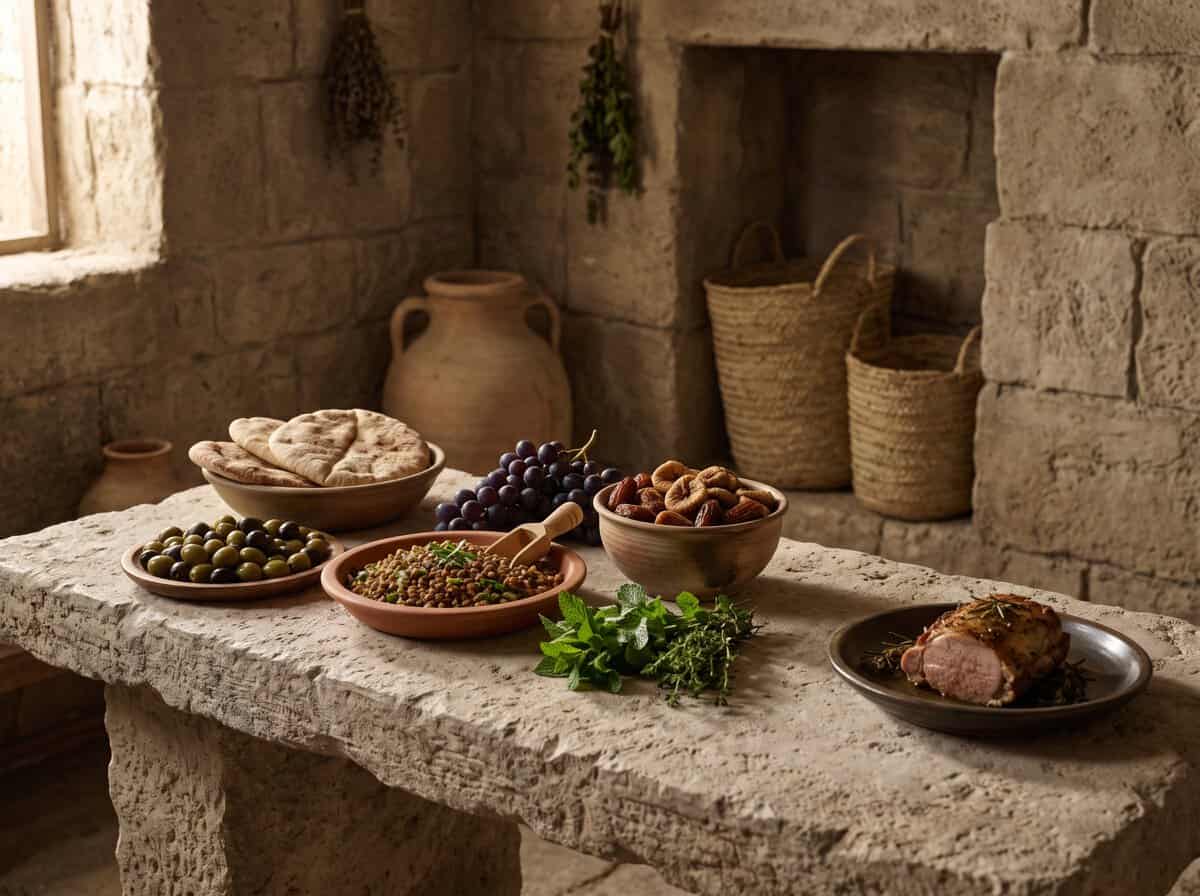
Pork is one of the best-known examples of a religious food restriction.
The Hebrew Bible describes pigs as unclean animals. They have split hooves, but they do not chew the cud.
Because they did not meet both requirements used for permitted land animals, their meat was forbidden.
This rule became an important part of Jewish dietary law. And it was not simply about disliking pork.
Food could become part of religious identity. Every meal created another opportunity to follow the rules of the community.
That made an ordinary animal surprisingly important. A pig was not just something people decided not to eat.
It represented a boundary between what was permitted and what was not.
2. Beans – Avoided by Some Pythagoreans

Beans sound like one of the least mysterious foods imaginable. For followers of Pythagoras, things have been more complicated.
Ancient writers report that Pythagoras or some of his followers avoided beans.
Exactly why is much less clear. Later writers offered all kinds of explanations.
Some connected beans with death or the souls of the dead.
Others suggested ideas involving the human body, digestion, or even politics.
We should be careful because many stories about Pythagoras were written long after his lifetime.
Still, the bean prohibition became one of the strangest traditions connected with his followers.
It also shows how difficult ancient religious rules can be to explain.
Sometimes we know that a rule existed. The original reason behind it is much harder to recover.
3. Beef – Protected in Some Ancient Indian Traditions

Cattle became deeply important in ancient Indian religious and social life. But attitudes toward eating them changed over time.
Early Vedic traditions included animal sacrifice, and ancient Indian practices were not identical to later Hindu customs.
Over the centuries, however, the cow became protected and connected with ideas of motherhood and sacred value.
Avoiding beef eventually became an important practice in many Hindu traditions.
Cattle also had enormous practical value. They provided milk. Oxen worked the land.
Dung could be used as fuel and for other purposes. So the cow could support a household in many ways.
Its sacred status developed through a long and complicated history.
That history is much richer than simply saying ancient Indians never ate cattle.
4. Certain Fish – Forbidden in Ancient Jewish Law

Fish also had rules. According to the Hebrew Bible, aquatic animals needed fins and scales to be permitted as food.
That meant many familiar sea creatures did not qualify. Shellfish, for example, were forbidden.
So were aquatic creatures that lacked the required features. Again, the rule created a clear division.
Some animals belonged on the table. Others did not.
For ancient communities living around the Mediterranean and Near East, this could affect everyday food choices.
The sea might contain countless edible creatures. Religious law narrowed the selection.
It is another example of how faith could enter ordinary life through something as simple as deciding what to eat for dinner.
5. Fish – Avoided by Some Ancient Egyptian Priests
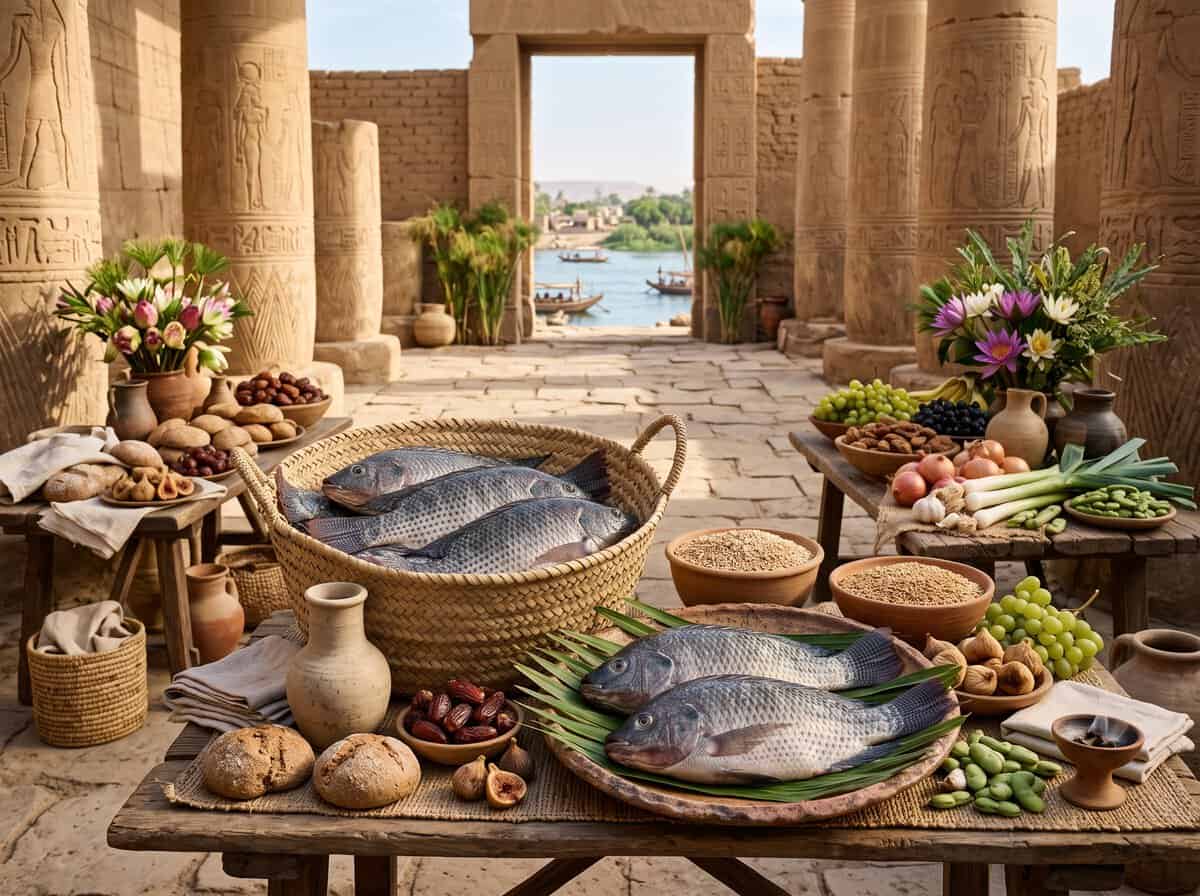
Ancient Egyptian attitudes toward fish were complicated. Egyptians certainly ate fish.
The Nile provided it in abundance, and archaeological evidence shows that fish formed part of ordinary diets.
But that does not mean everyone ate every kind of fish in every situation.
Some ancient sources describe restrictions involving priests and particular fish.
Certain species could also have religious meanings connected with specific places or deities.
That made fish both ordinary and potentially sacred. One person might eat a particular species.
Someone serving a certain temple might avoid it. A fish respected in one region could have a different meaning somewhere else.
Ancient Egyptian religion was not one simple set of rules followed in exactly the same way for thousands of years.
6. Meat – Avoided by Orphic Religious Groups
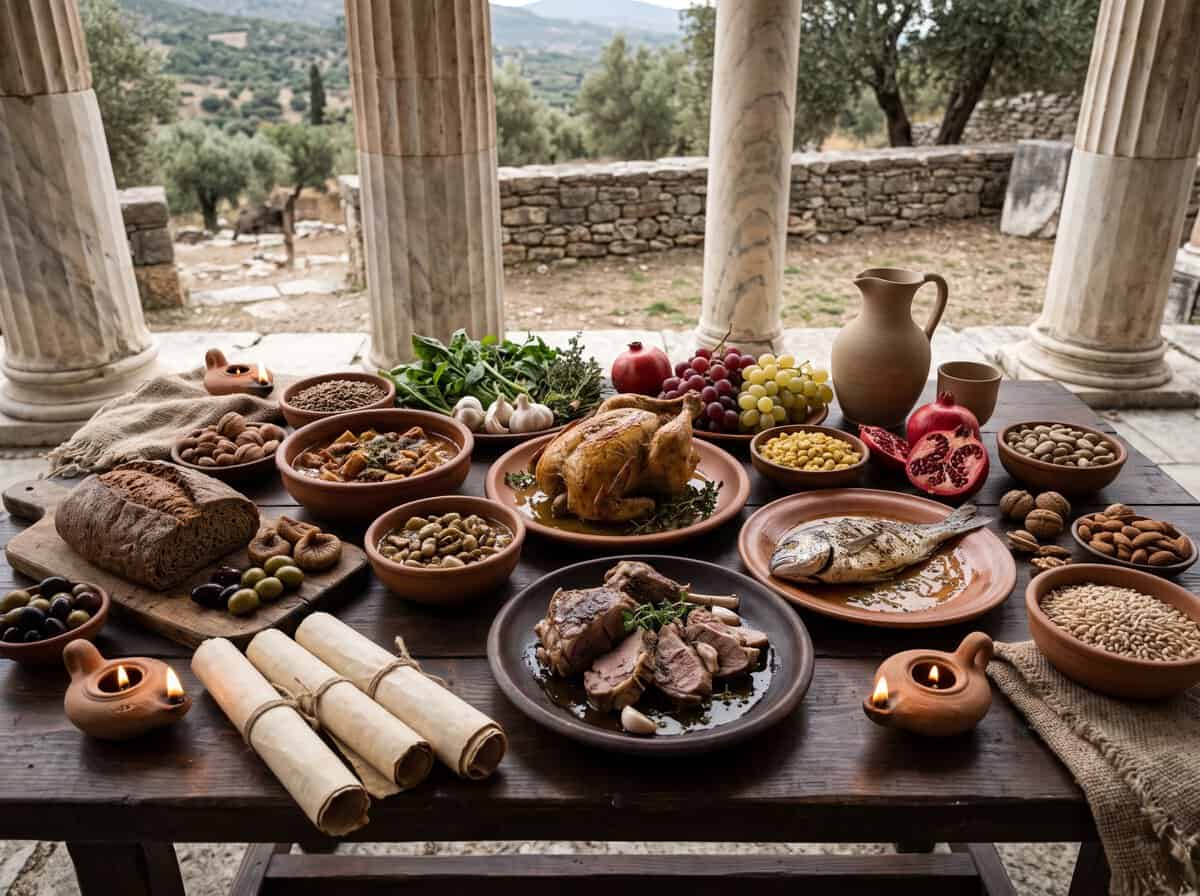
Not every ancient Greek religious tradition treated meat in the same way.
Mainstream Greek religion often included animal sacrifice followed by communal eating.
But some groups took a different path. Orphic traditions are associated with ideas about purification, the soul, death, and rebirth.
Ancient evidence suggests that some people connected with Orphic ways of life avoided meat or certain animal foods.
Similar restrictions were also associated with some Pythagoreans.
The reason could be connected with beliefs about the soul and the need for purity.
If souls could move through different forms of life, eating animals became a much more complicated question.
This created a striking contrast. One Greek worshipper might honor the gods through animal sacrifice.
Another might believe avoiding meat was part of living a purer life.
7. Garlic – Restricted for Some Ancient Priests

Garlic was widely used in the ancient world. People ate it for flavor, and it also gained a reputation for strength and medicinal value.
But strong-smelling foods could become a problem in certain religious settings.
Some ancient priestly traditions included periods of dietary restriction before rituals.
Garlic and other strongly scented foods could sometimes be avoided as part of purification.
This did not mean garlic was universally forbidden. Far from it.
Ordinary people could eat it, and the same culture might value it in completely different situations.
The restriction depended on context. That is an important detail when looking at ancient food rules.
A food did not always need to be considered evil or unclean forever.
Sometimes it was simply considered inappropriate when approaching a sacred space or performing a particular ceremony.
8. Certain Animals – Avoided Because They Were Sacred
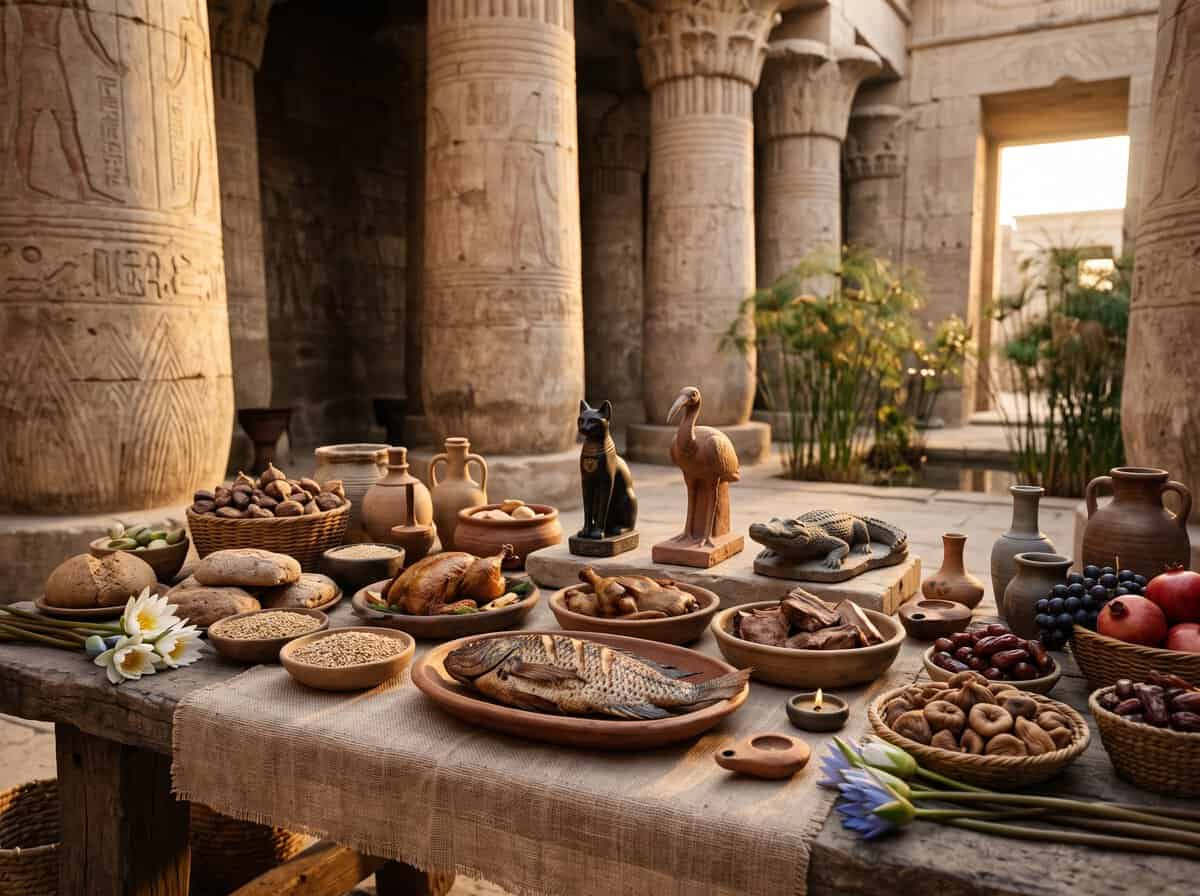
Sometimes an animal stayed off the menu because it belonged to a god.
Ancient religions often connected particular animals with particular deities.
In Egypt, for example, certain animals could become sacred within specific religious traditions.
Cats were strongly associated with Bastet. Ibises were connected with Thoth.
Crocodiles were linked with Sobek. Local traditions mattered. Historical periods mattered too.
The important point is that an animal could become more than potential food.
It could represent a deity, belong to a temple, or carry religious meaning.
And once an animal becomes sacred, eating it can become much more complicated.
Ancient food restrictions were often about exactly that. Food was never only about hunger.
Sometimes refusing to eat something was itself an act of religion.

Siempre sentí una fuerte conexión con lo Divino desde mi nacimiento. Como autora y mentora, mi misión es ayudar a los demás a encontrar el amor, la felicidad y la fuerza interior en los momentos más oscuros.