
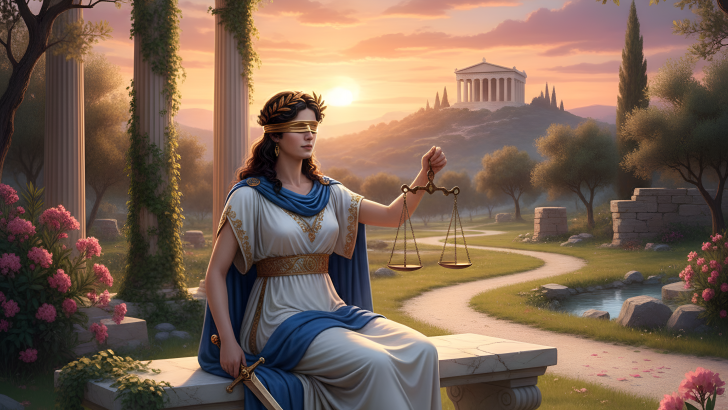
Throughout history, many goddesses have influenced human thought, culture, and morality. While some are widely remembered, others have been largely forgotten.
These forgotten goddesses still carry powerful lessons, especially about harmony, justice, and balance.
They remind modern humans how to act with fairness, seek peace, and uphold moral integrity.
Here are ten goddesses whose stories teach harmony and justice, explained in detail.
1. Eunomia – Greek Goddess of Law and Order
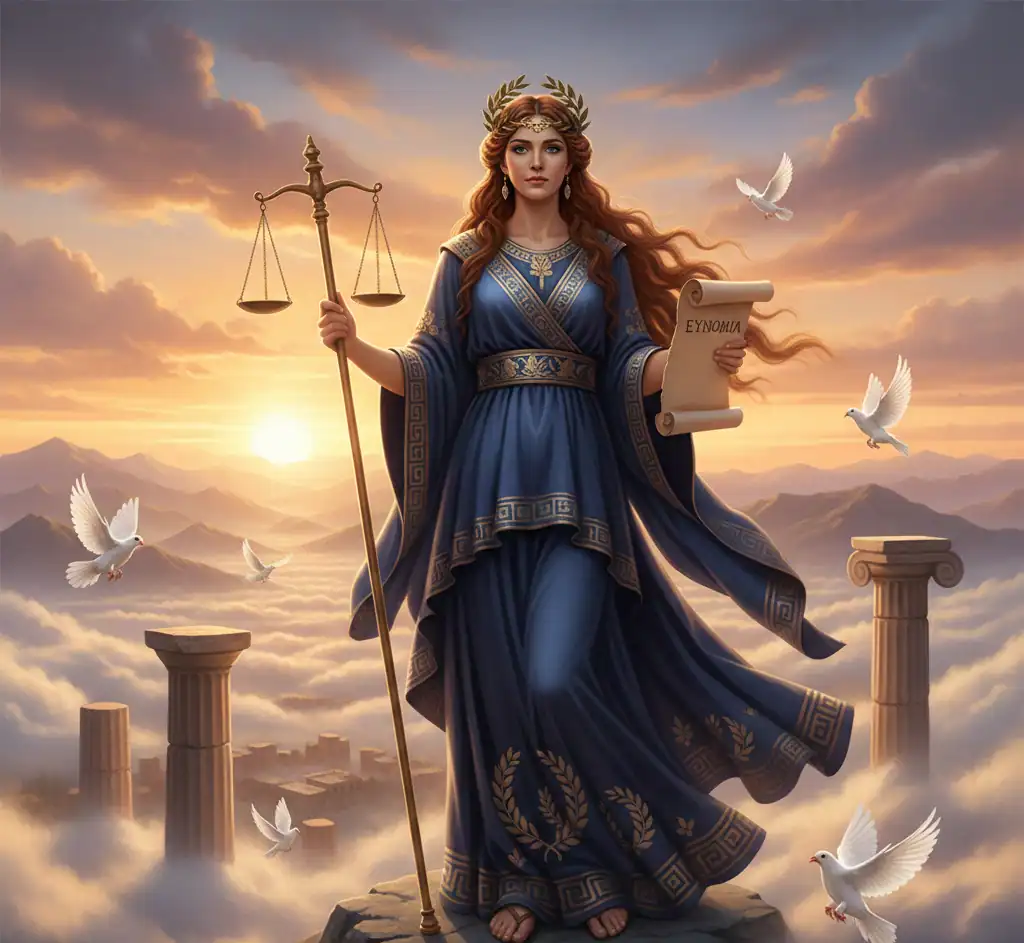
Eunomia is one of the lesser-known Greek goddesses of law, order, and good governance.
Her name means “good order,” and she represents balance and social harmony. Legends suggest she guided communities to follow fair laws and encouraged cooperation.
Modern women can learn from Eunomia that harmony starts with fairness and responsibility.
Upholding rules and treating others justly fosters stability in relationships, workplaces, and communities.
In practical life, this could mean mediating disputes fairly, being consistent in moral choices, and encouraging honesty and respect in group settings.
Her example reminds us that justice is not just about punishment, but about creating systems that allow everyone to thrive.
2. Maat – Egyptian Goddess of Truth and Balance

Maat is the Egyptian goddess of truth, balance, and cosmic order. She is often depicted with an ostrich feather, symbolizing truth and lightness.
According to legend, Maat guided the souls of the dead, weighing their hearts against her feather to determine righteousness.
Modern women can learn from Maat the importance of integrity and balance in daily life. Decisions based on honesty and fairness cultivate trust and prevent negative consequences.
Applying her principles may involve being truthful even when it is difficult, resolving conflicts impartially, and striving for personal and professional balance.
Maat teaches that harmony and justice are intertwined with personal ethics and moral courage.
3. Themis – Greek Goddess of Divine Law
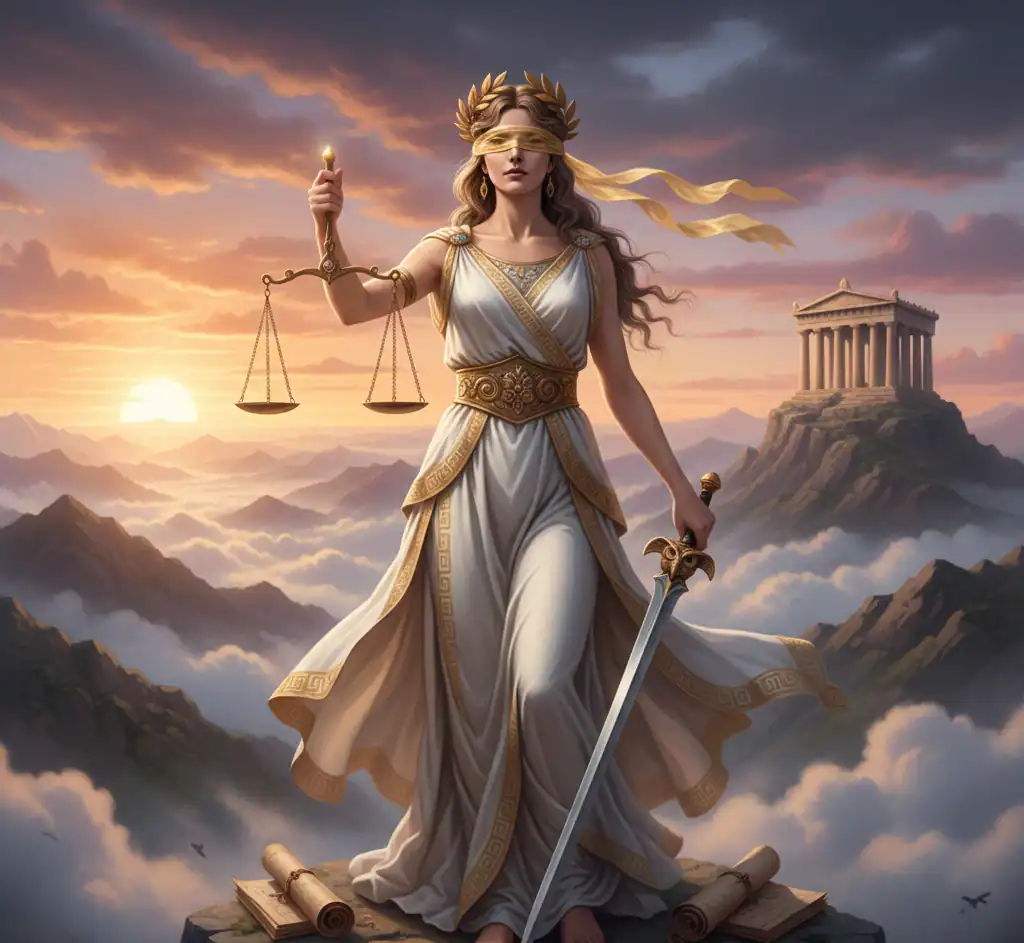
Themis is another Greek goddess associated with law, order, and justice. Often portrayed holding scales, she represents divine justice and impartiality.
Legends say she advised gods and humans alike, promoting fairness and ethical decision-making.
Modern women can learn from Themis the value of impartial judgment and listening carefully before acting.
Whether in personal relationships or work situations, weighing options and considering consequences leads to fair outcomes.
Applying Themis’ lessons encourages women to become wise leaders, mediators, and advocates for fairness.
Her story reminds us that justice requires patience, discernment, and courage.
4. Nemesis – Greek Goddess of Retribution

Nemesis is the goddess of balance and retribution. She punishes those who act with hubris or injustice, ensuring that no one escapes consequences for unethical behavior.
Legends emphasize her role in maintaining fairness and equilibrium in the world.
Modern women can learn from Nemesis the importance of accountability. When people take actions without considering harm, an imbalance occurs.
Applying Nemesis’ lessons may involve setting boundaries with those who act unjustly or ensuring fairness in professional and personal environments.
She teaches that justice is not only reactive but preventive, encouraging fairness in every action.
5. Dike – Greek Goddess of Moral Justice
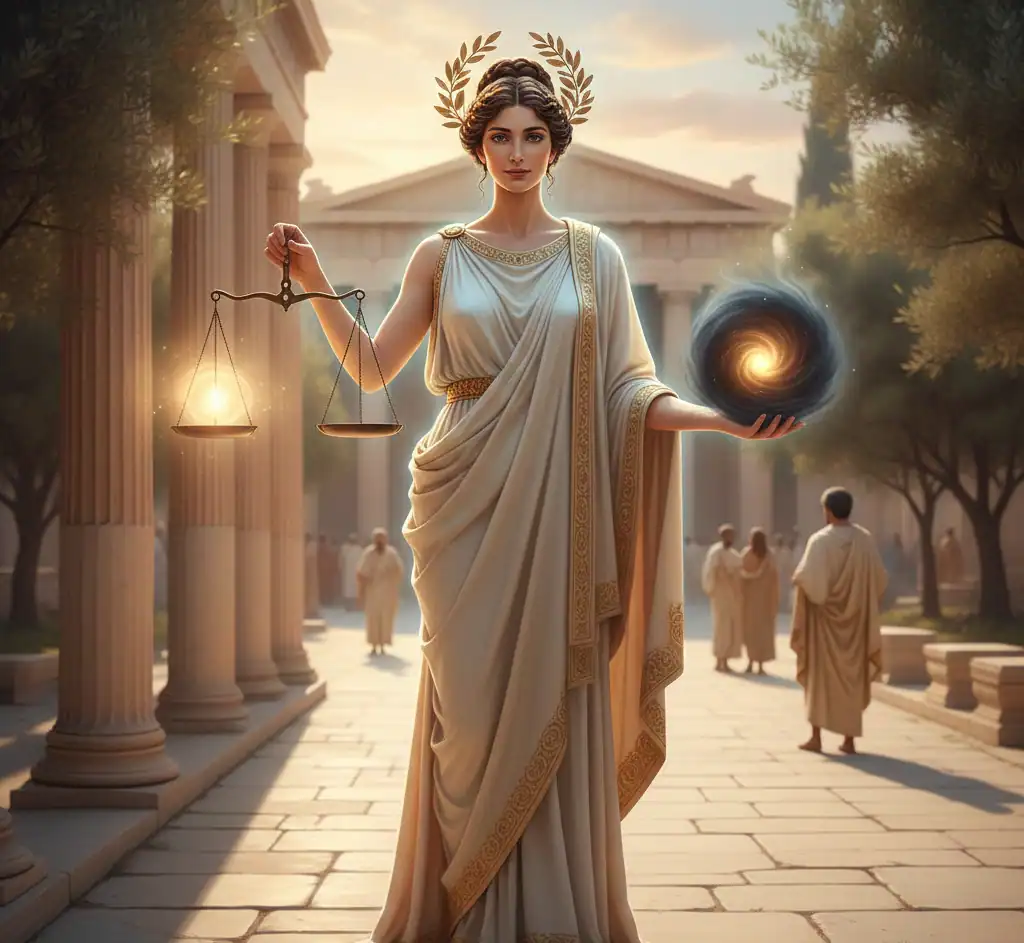
Dike represents moral justice and the enforcement of human laws aligned with divine principles.
Legends say she watches over human communities, ensuring that fairness and righteousness are upheld.
She is often depicted holding a scale, symbolizing balanced judgment.
Modern women can learn from Dike that morality and justice go hand in hand. Living ethically, treating others fairly, and standing up for what is right fosters harmony in all areas of life.
Dike’s influence reminds us that fairness is not passive. It requires action, vigilance, and moral courage.
Everyday applications include advocating for equality, being honest in business and personal dealings, and mentoring others in ethical behavior.
6. Eirene – Greek Goddess of Peace
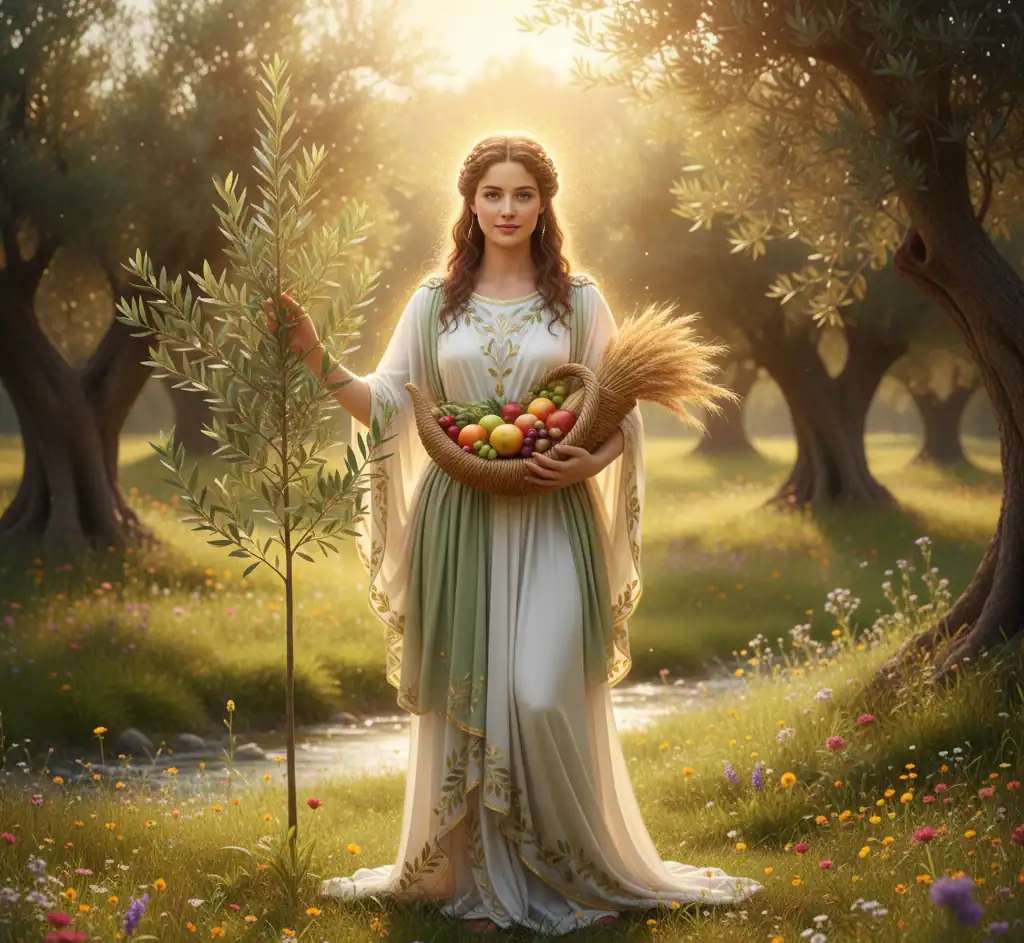
Eirene is the Greek goddess of peace and harmony. Legends describe her as bringing calm after conflict and promoting cooperation among humans.
She is often shown holding a cornucopia, symbolizing abundance and prosperity that comes from harmony.
Modern women can learn from Eirene the value of fostering peace in daily life.
Encouraging compromise, mediating disputes, and promoting understanding creates environments where growth and cooperation thrive.
Her example suggests that peace is an active pursuit, not passive avoidance of conflict. Applying Eirene’s lessons may involve promoting dialogue, reducing tension, and supporting community cohesion.
7. Justicia – Roman Goddess of Justice
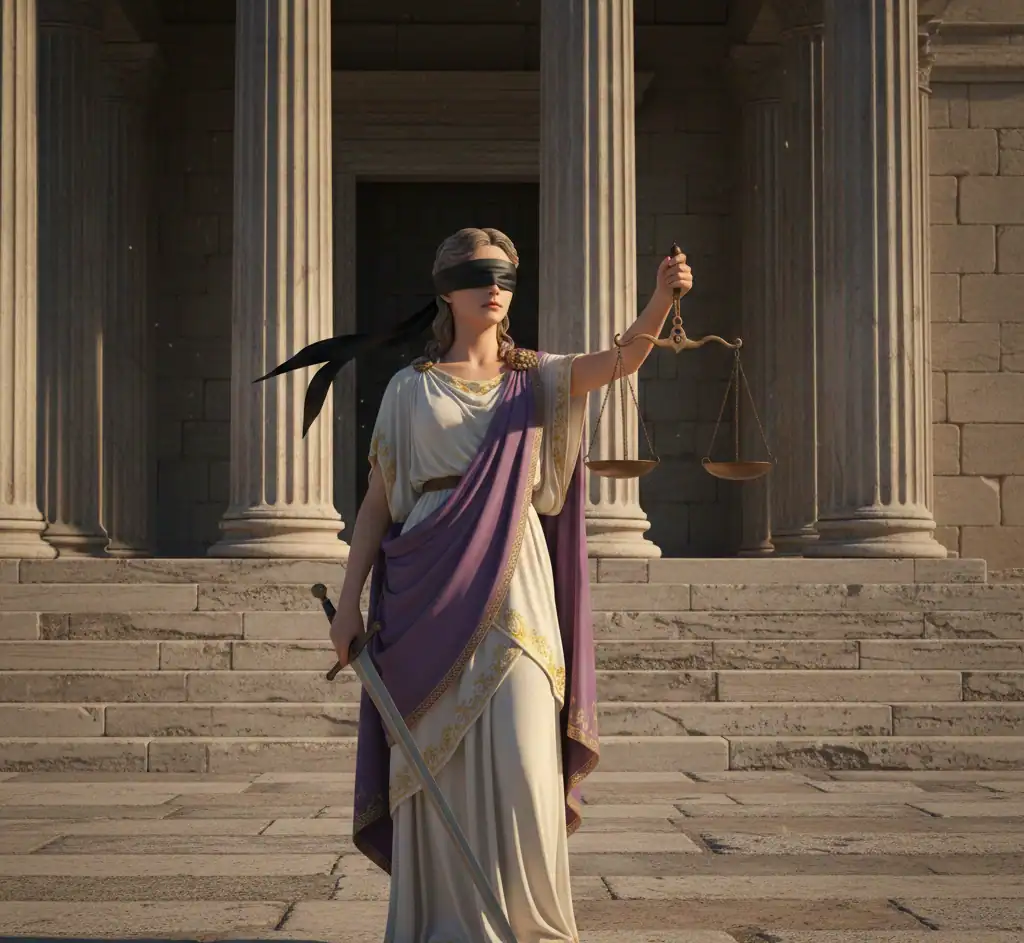
Justicia is the Roman counterpart to Themis, representing fairness, law, and moral balance.
Legends describe her as blindfolded to symbolize impartiality, holding scales to weigh actions objectively.
Modern women can learn from Justicia that fairness requires both neutrality and empathy. Decisions made without bias, yet with understanding, create trust and social stability.
Applying Justicia’s lessons involves evaluating situations calmly, standing against favoritism, and ensuring that rules are applied equally.
Her story reinforces the principle that justice and harmony are essential for healthy relationships and communities.
8. Tara – Hindu Goddess of Protection and Compassion

Tara, a Hindu goddess, is often associated with compassion, protection, and guidance. She intervenes to protect the innocent and restore balance, teaching that justice is intertwined with mercy.
Legends describe her helping humans navigate challenges while offering spiritual guidance.
Modern women can learn from Tara the importance of combining justice with compassion.
Upholding fairness while considering the human impact of decisions creates harmony and understanding.
Applying her lessons may involve mentoring others, protecting vulnerable individuals, or advocating for fairness in professional and social settings.
Tara demonstrates that justice without empathy is incomplete, and compassion strengthens moral authority.
9. Nemain – Celtic Goddess of War and Balance
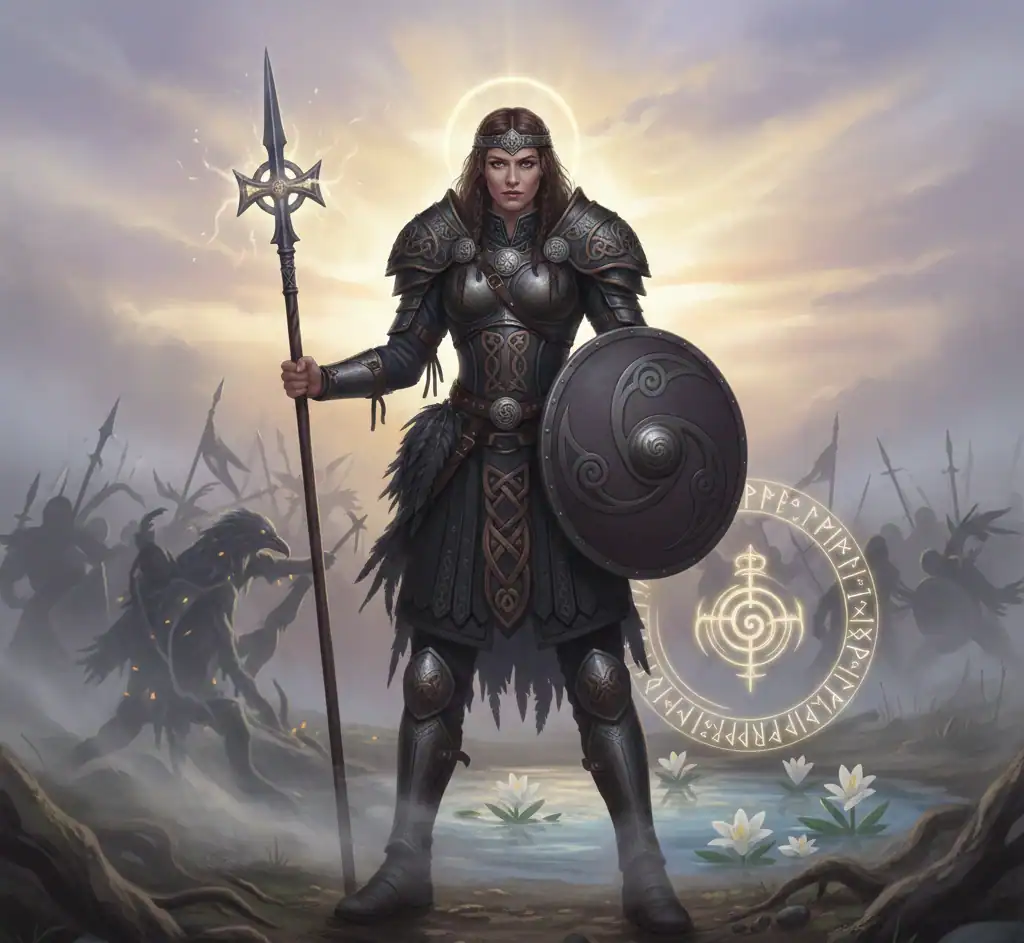
Nemain, a Celtic goddess, is often associated with chaos, battle, and balance.
Legends describe her as creating disorder to teach lessons or restore equilibrium, ensuring that power and actions do not go unchecked.
Modern women can learn from Nemain that sometimes disruption is necessary to restore fairness and harmony.
Challenges and conflicts, while uncomfortable, can highlight an imbalance or injustice that requires attention.
Applying her lessons involves addressing inequality, standing up against unfairness, and embracing necessary change even when it is difficult.
Nemain reminds us that balance is dynamic and often requires courage and action to maintain justice.
10. Forseti – Norse Goddess of Peace and Justice

Forseti, while more commonly recognized as a male god, is occasionally honored in traditions as a feminine aspect of harmony and justice in Norse lore.
She is associated with mediation, legal judgment, and restoring social order. Legends suggest she resolves disputes fairly, ensuring that both sides are heard and that peace is maintained.
Modern women can learn from Forseti the importance of mediation, listening, and fair resolution.
Applying her lessons may involve being a peacemaker in communities, workplaces, or families.
Emphasizing dialogue, fairness, and understanding ensures that justice is achieved while harmony is preserved.
Forseti’s guidance highlights that achieving balance often requires patience, careful listening, and moral courage.

Siempre sentí una fuerte conexión con lo Divino desde mi nacimiento. Como autora y mentora, mi misión es ayudar a los demás a encontrar el amor, la felicidad y la fuerza interior en los momentos más oscuros.