

Giulia Tofana is one of the most infamous women in history, known as a professional poisoner in 17th-century Italy.
She created a deadly poison called “Aqua Tofana,” which she sold to women who wanted to escape abusive or controlling husbands.
Her story combines mystery, danger, and clever criminal skill, showing how she used knowledge, secrecy, and social networks to achieve her goals.
Giulia’s life reflects a time when women had few rights and limited ways to protect themselves.
Aqua Tofana became notorious because it was almost undetectable, easy to administer, and deadly over time.
People were fascinated by her skill, and her actions spread fear among the wealthy and powerful.
Though her work was illegal and deadly, some historians argue that she exploited a society that trapped women in difficult marriages.
Giulia Tofana’s story is a reminder of how knowledge, skill, and desperation can combine in surprising and dangerous ways. Here are five things to know about her life, crimes, and legacy.
1. Creation of Aqua Tofana
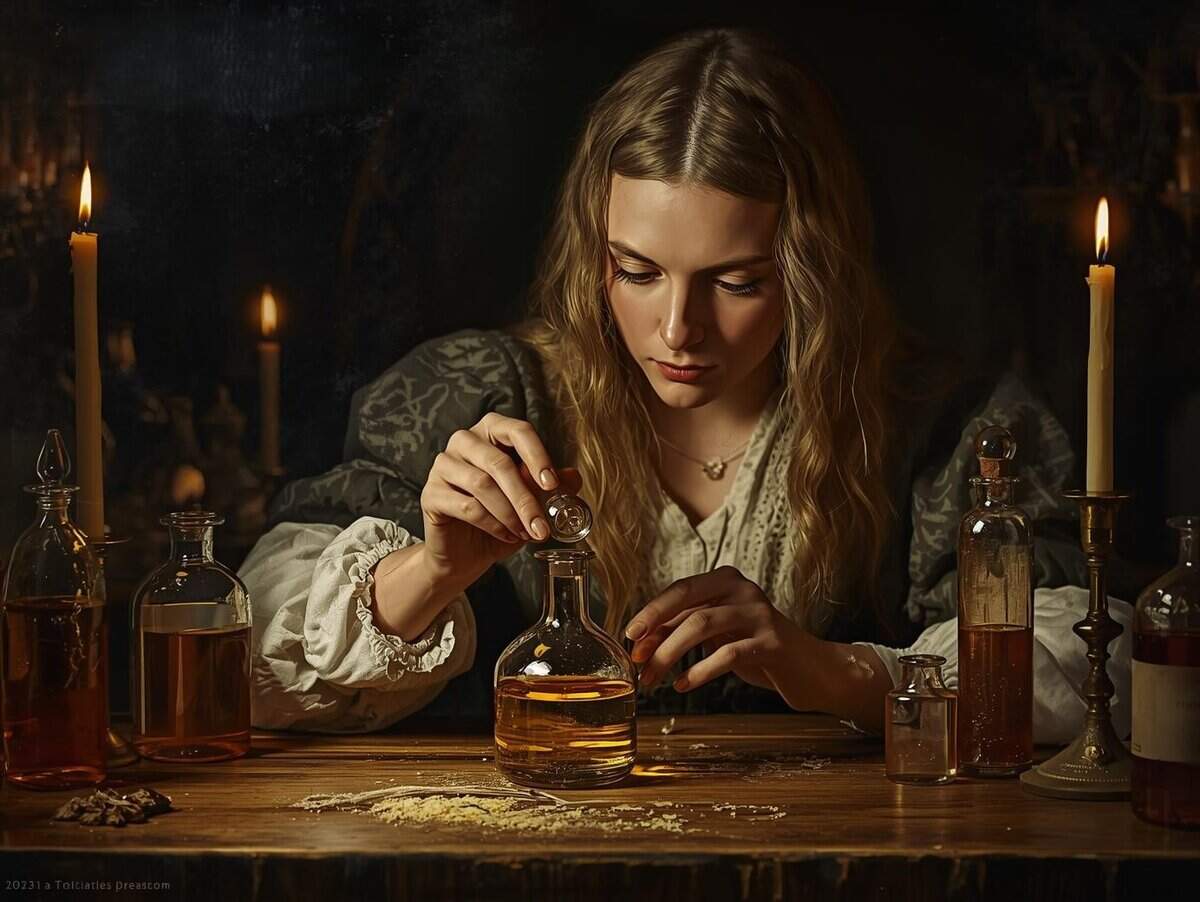
Giulia Tofana invented Aqua Tofana in the early 1600s, a liquid poison made from arsenic, lead, and other toxic ingredients.
It was clear, tasteless, and could be mixed with wine or water without detection.
Its effects were slow, often taking days or even weeks to cause death, which made it almost impossible to trace.
The poison became famous for being “safe” to use secretly, which terrified people at the time.
Giulia marketed it primarily to women who were trapped in abusive marriages, promising them a way to escape without public scandal.
The careful formula and subtle administration show her knowledge of chemistry and human behavior.
She reportedly taught trusted women how to use it safely, creating a network of users who depended on her skill.
Aqua Tofana became legendary because of its effectiveness, secrecy, and association with Giulia’s clever planning.
Even centuries later, historians study the poison to understand how it worked and why it became so feared.
2. Targeting Abusive Husbands
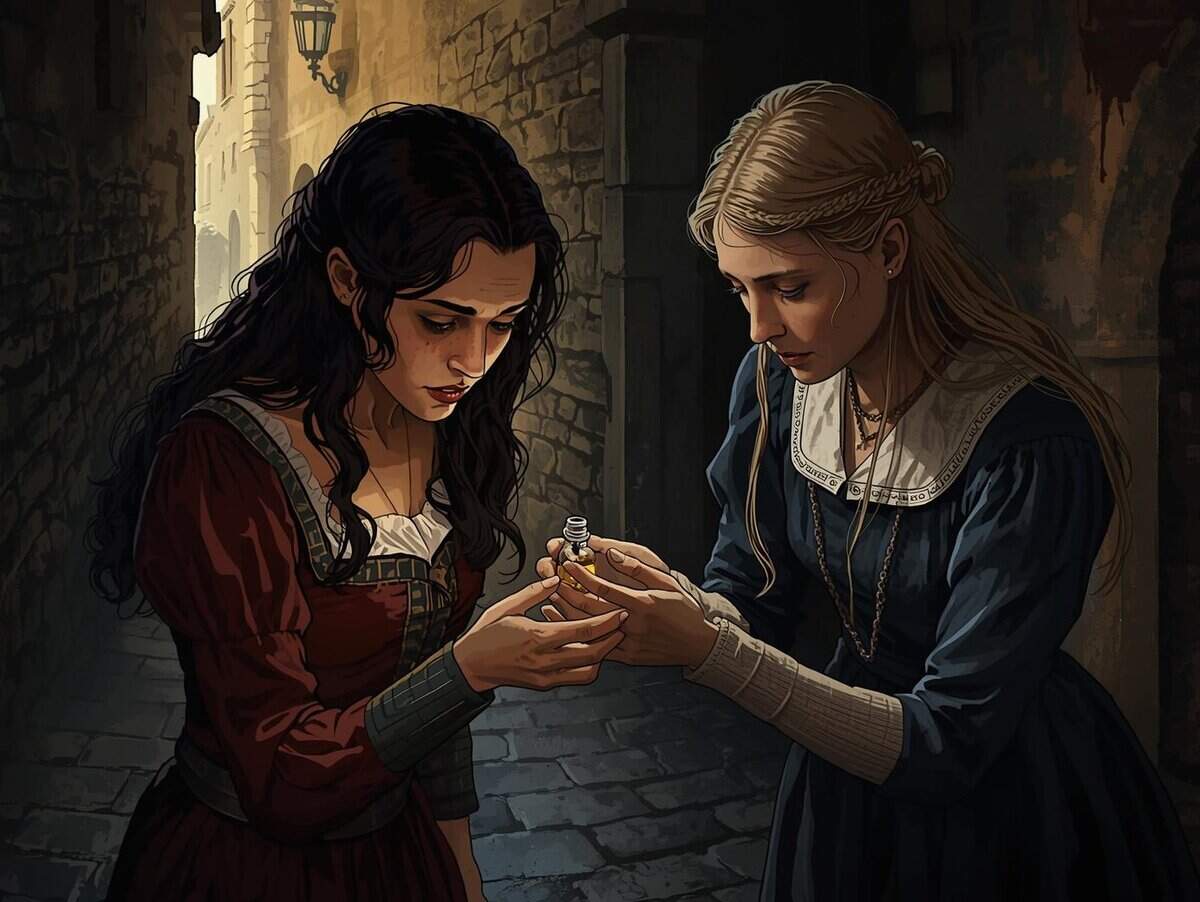
Giulia’s clients were often women trapped in marriages with violent or controlling men. At a time when divorce was illegal and women had little power, Aqua Tofana offered a hidden solution.
Women could administer the poison gradually, making their husbands weak and sick without immediate suspicion.
This allowed them to gain freedom or avoid abuse. Giulia understood social and domestic dynamics, using her knowledge to empower clients while protecting her own secrecy.
Many women relied on her because traditional options for escaping abuse were nonexistent. By focusing on this vulnerable group, Giulia earned both fame and fear.
She combined careful planning, patience, and knowledge of chemistry to provide a service that, while deadly, reflected the harsh reality for women of her time.
Her actions highlight the desperation and resourcefulness of those living under strict social rules.
3. Secret Network and Distribution
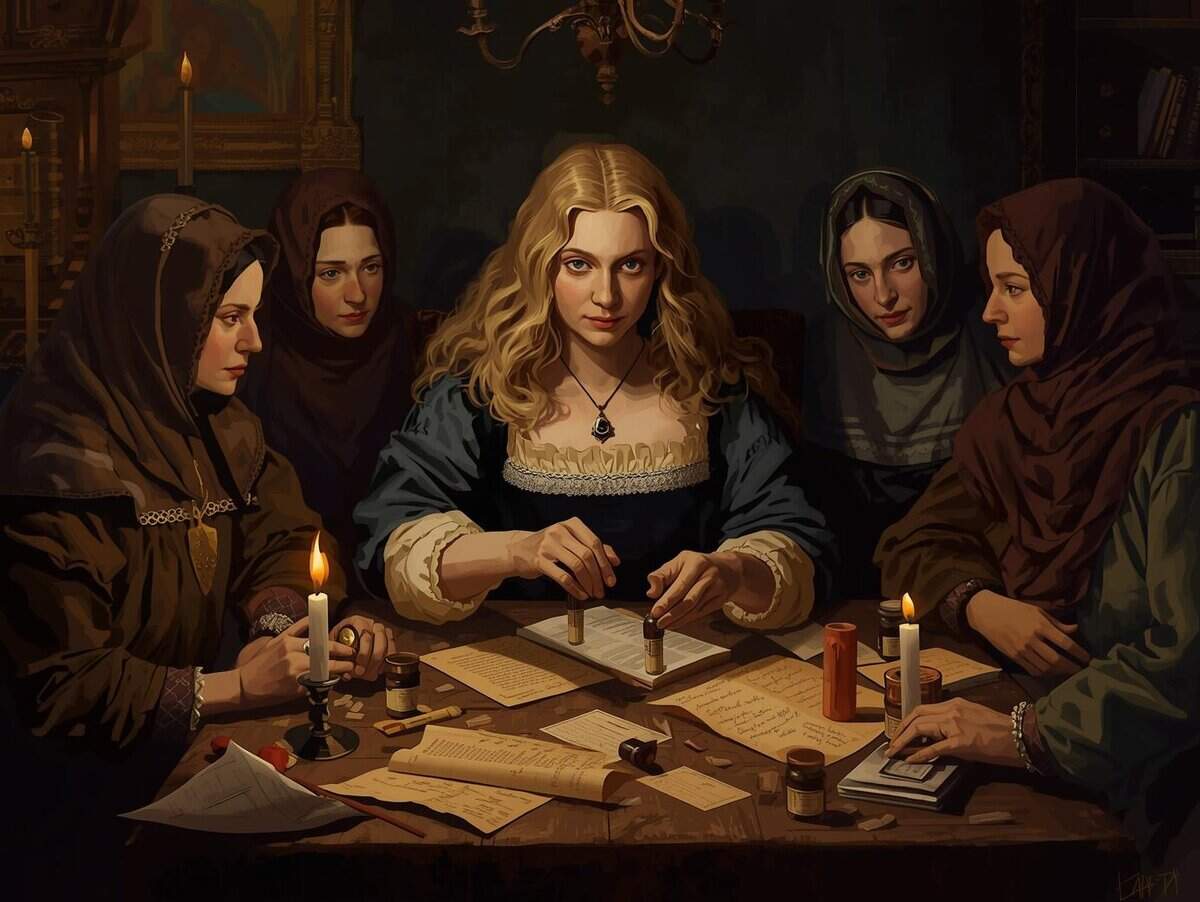
Giulia did not act alone; she built a secret network of women who helped distribute Aqua Tofana.
Trusted clients and apprentices spread the poison quietly, ensuring that it remained a hidden practice. Payment was often discreet, and instructions were given privately.
This network allowed the poison to reach a wide range of households across Italy, particularly in Rome and Naples.
Women passed down knowledge of its use carefully, showing that Giulia valued secrecy and trust.
This system of distribution made it difficult for authorities to track her activities or the source of poisonings.
The network demonstrates her intelligence, organizational skill, and ability to manipulate social connections to expand influence.
Even without modern communication, Giulia created a system that allowed her poison to spread while protecting herself.
4. Capture and Punishment
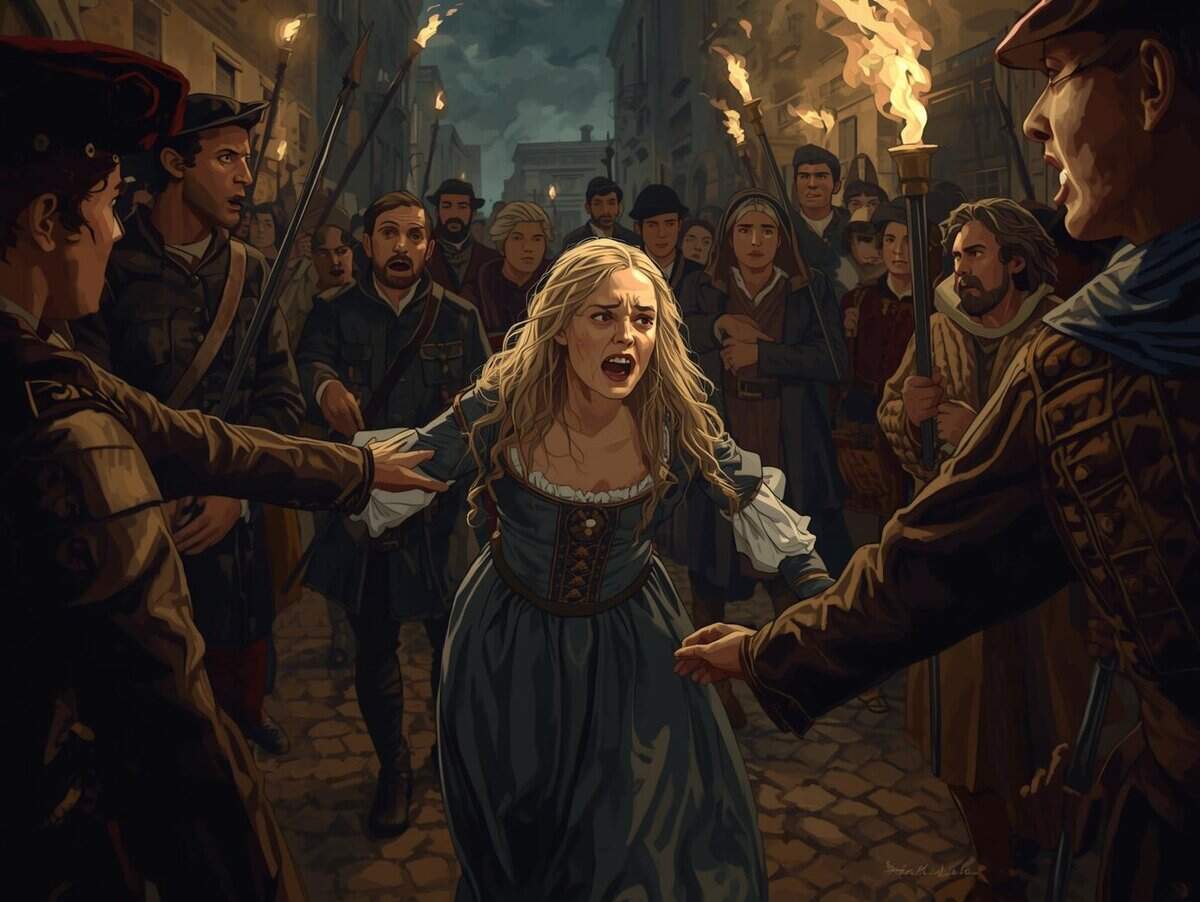
Eventually, Giulia Tofana’s actions drew attention from authorities. In the 1650s, she was reportedly arrested and executed for her crimes, though exact details vary between historical sources.
Many of her associates were also captured, and the secret of Aqua Tofana began to unravel. Her capture did not erase her legacy.
The poison continued to be used by others for years. Public fear of her and her poison lingered for decades, giving her almost mythical status.
Authorities struggled to control the use of Aqua Tofana because the formula was widely known among women, even after her death.
Giulia’s punishment highlights the limits of law in controlling underground networks and the powerful influence of individuals who exploit society’s weaknesses.
5. Legacy and Cultural Impact
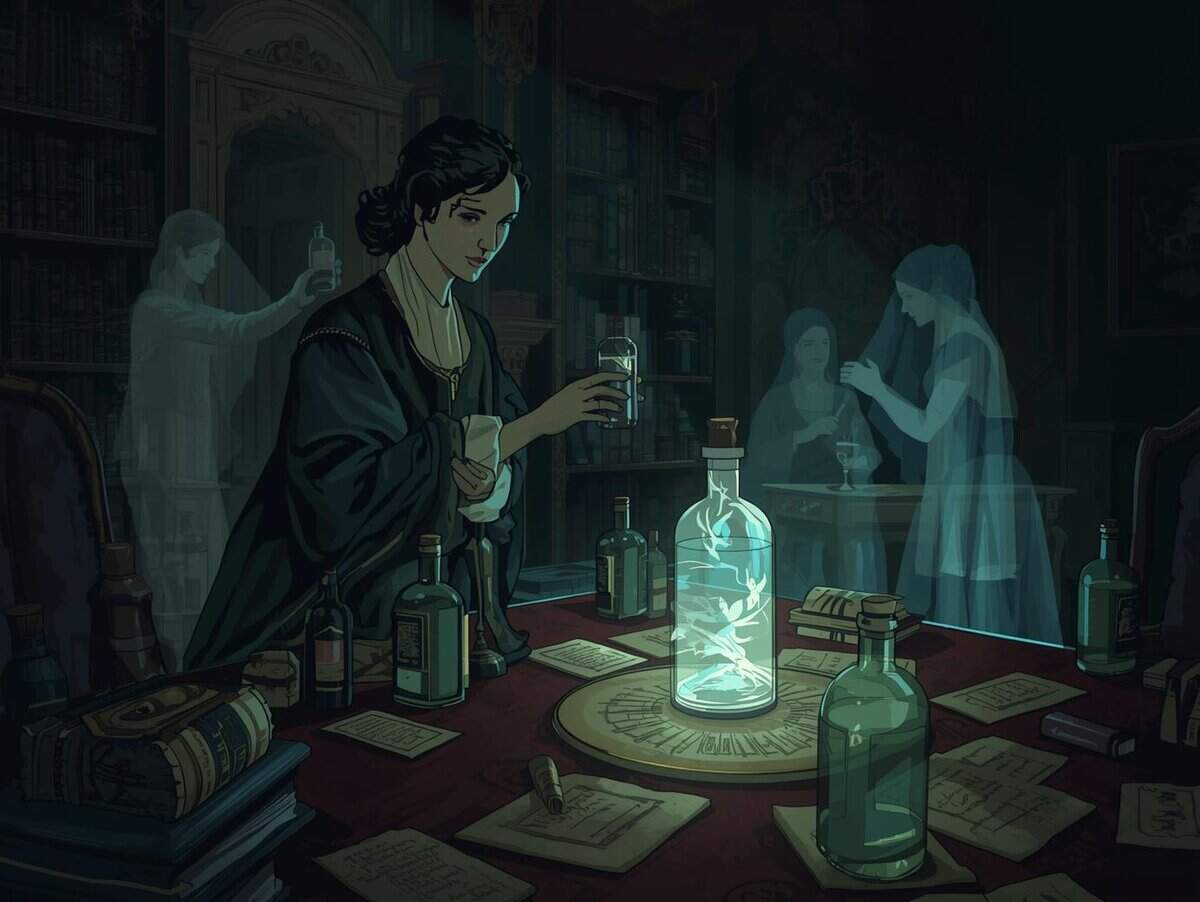
Giulia Tofana left a dark but fascinating legacy. She is remembered in books, plays, and historical accounts as a symbol of female cunning, desperation, and survival.
Aqua Tofana has become legendary, representing both fear and clever ingenuity.
Historians study her life to understand the social conditions of women in 17th-century Italy and the extreme measures some took to escape oppression.
While her actions were deadly and illegal, they reveal the creativity and determination of women in a society that offered few choices.
Giulia’s story continues to inspire curiosity about the combination of knowledge, risk, and power.
She remains a striking example of how skill and intelligence can be used for both protection and danger, leaving a mark on history that still fascinates today.

Siempre sentí una fuerte conexión con lo Divino desde mi nacimiento. Como autora y mentora, mi misión es ayudar a los demás a encontrar el amor, la felicidad y la fuerza interior en los momentos más oscuros.