
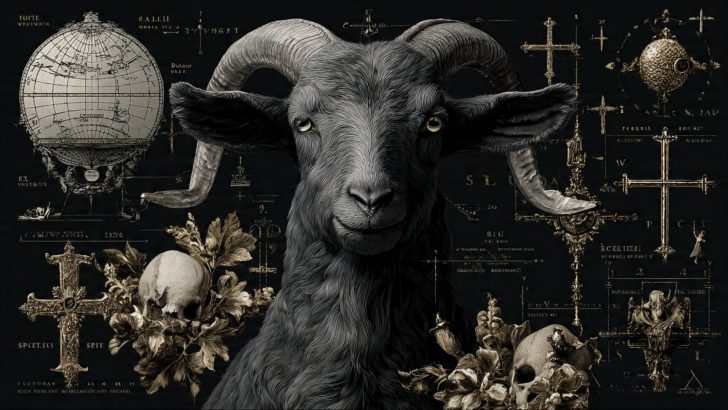
Goats are so often linked to evil and the devil, and the answer as to why might not be very obvious.
It’s a fascinating journey through history, mythy simbolismo that reveals how perceptions have shifted through the centuries.
Let’s explore how and why the image of the goat has changed so drastically, and what’s really behind its connection to the enemy and the chaos.
1. Ancient Pagan Symbolism
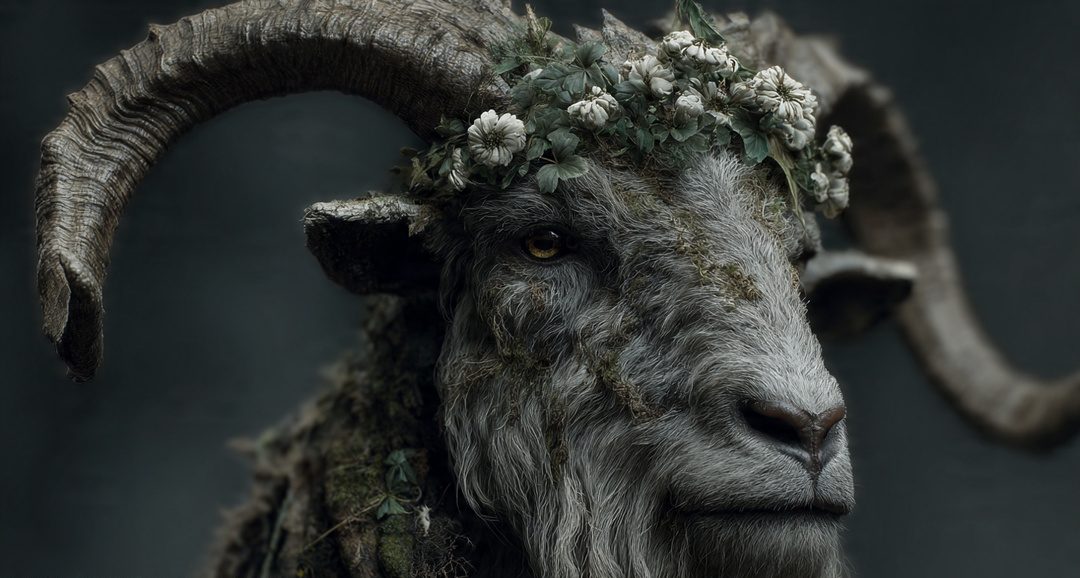
Long before Christianity, goats played a big role in pagan societies. They were seen as messengers of nature’s untamed forces – symbols of fertility, vitality, and the primal cycles of life.
In Greek mythology, Pan embodies the raw energy of nature, primal desire, y el wilderness.
These animals represented the vitality of the earth, standing at the crossroads of chaos and order.
To ancient peoples, they weren’t just livestock; they were sacred creatures connected to the divine.
Their horns and agility became symbols of the wild, free spirit that refused to be tamed.
2. Chaos and Freedom
Goats are naturally wild animals, even when domesticated. They’re independiente and agile.
In ancient traditions, that wilderness made them symbols of chaos and primal power. They represented the forces of nature that could both give life and wreak havoc.
Pagan societies viewed them as dangerous but vital.
Their unpredictable nature made them perfect symbols of the primal forces that lurk just beneath the surface of civilization.
This connection to chaos is part of why their image has persisted as a symbol of wilderness and the untamed.
3. Demonizing the Goat
When Christianity spread across Europe, many pagan symbols and gods were demonized or pushed underground.
The goat was no exception. Its wild nature and connection to wilderness and desire made it easy to associate with evil in Christian eyes.
The Bible also references these animals in contexts related to sin, separation from God, and divine judgment.
En scapegoat ritual, where it symbolically carries away sins, is a prime example.
Over time, its image shifted from a sacred symbol to one of sin and evil.
The church’s effort to suppress paganism often involved turning revered animals into symbols of the devil, sealing their dark reputation in cultural memory.
4. Baphomet
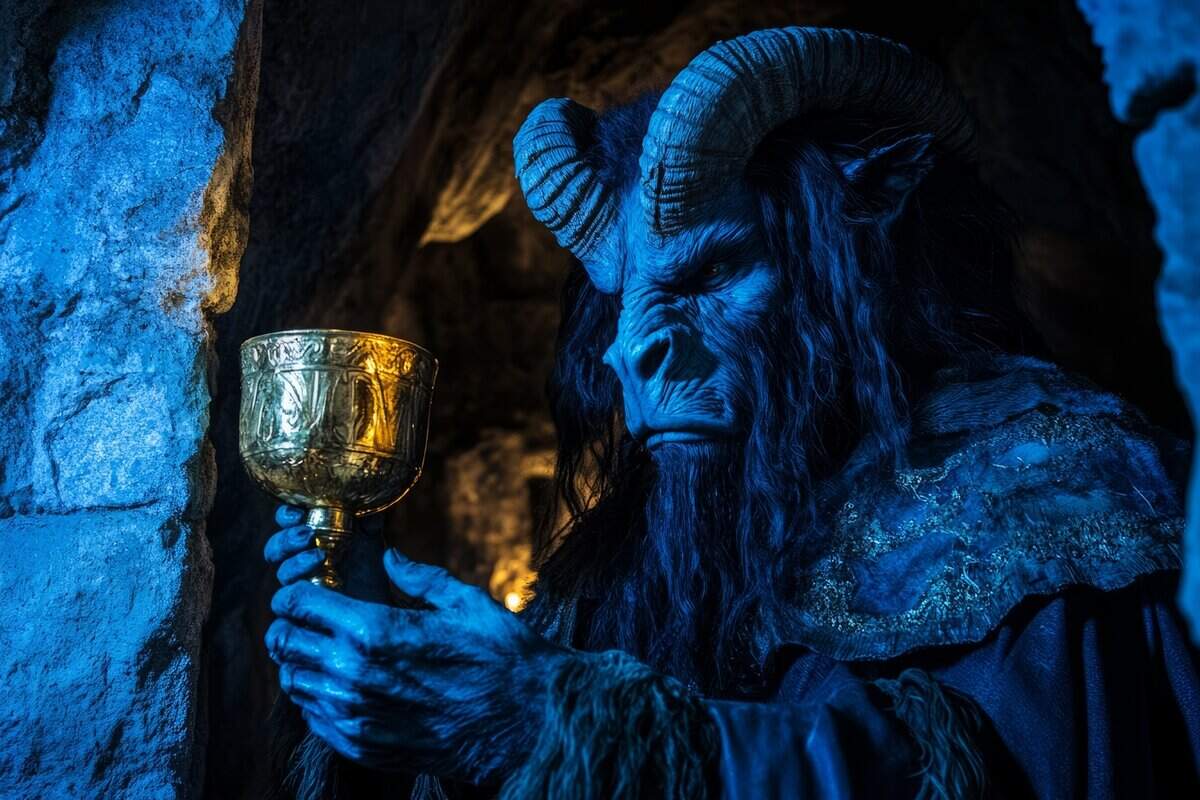
Fast forward to the 19th century, and the image of the goat takes on a new, even more sinister form: Baphomet.
This therianthropic figure, created by occultists, combines light and dark, good and evil, male and female.
It’s a symbol of rebellion and the mystical unknown.
In popular culture, Baphomet has become the face of devil worship, representing chaos and primal urges.
Baphomet’s rise in occult circles reflects a fascination with the wild, animalistic aspects of human nature.
5. Witches, Demons, and the Black Goat
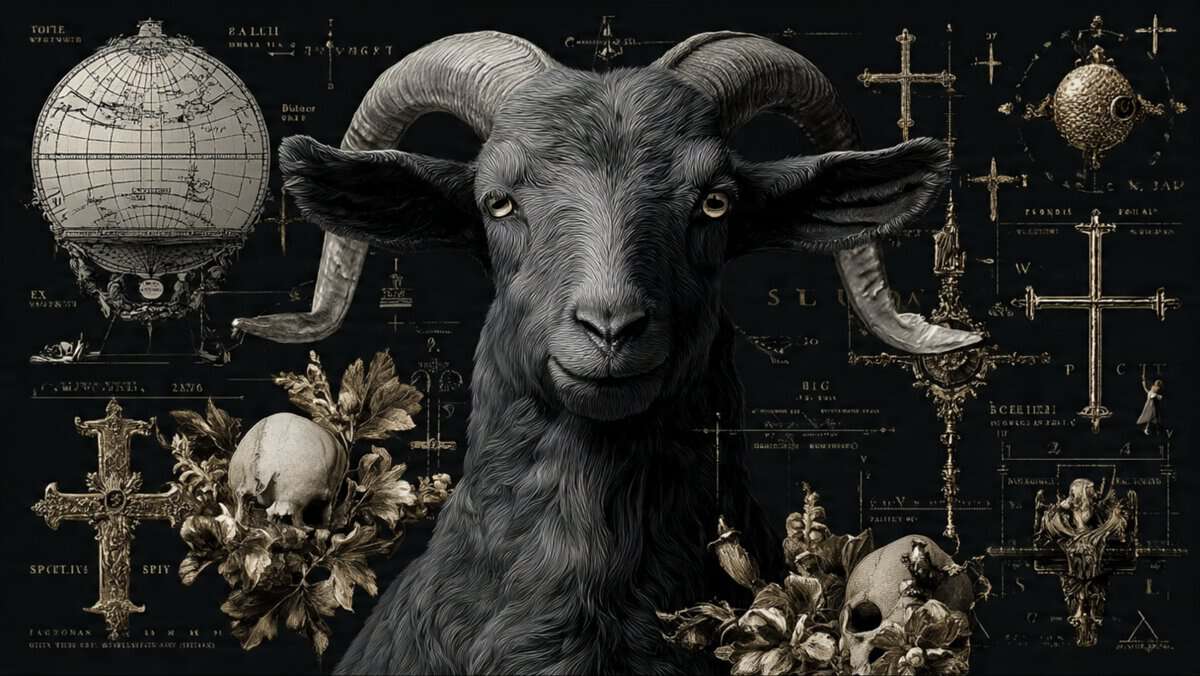
During the dark days of European witch hunts, the image of the “Sabbatic Goat” became a powerful symbol of devil worship.
Witches and heretics were accused of secretly venerating this demon during their midnight rituals.
This imagery was used to stoke fear and justify brutal persecutions.
This animal, usually pictured as black, with its horns and wild appearance, became a vessel for demonic possession and evil magic.
These stories reinforced the idea that goats were not just wild animals but vessels for the devil’s influence.
This mythos seeped into popular culture, cementing the animal’s reputation as a creature linked to dark magic and evil.
6. Modern Occult and Pop Culture
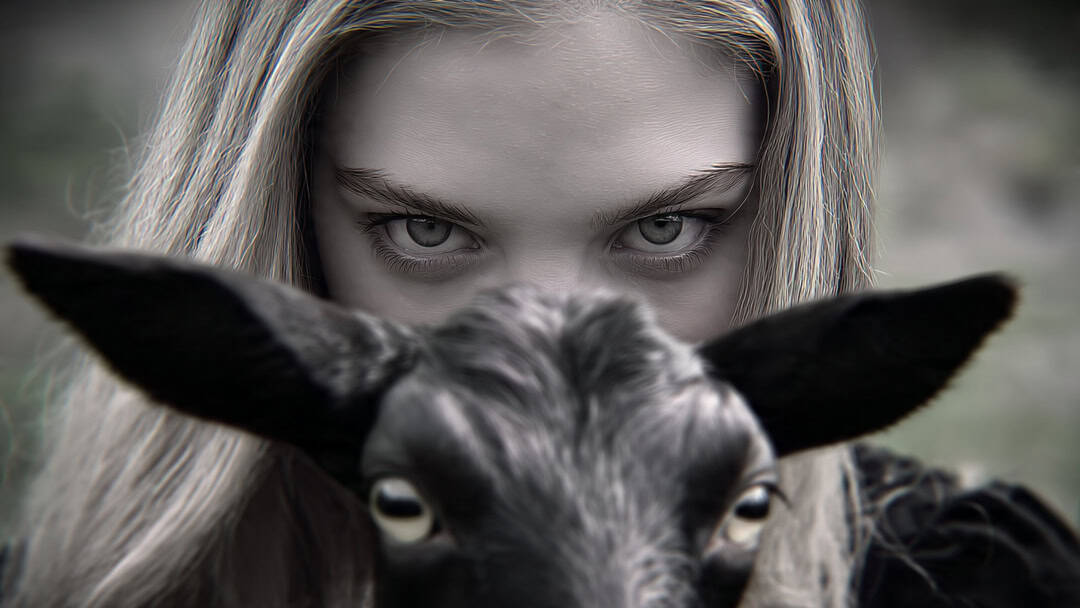
Today, this animal still looms large in occult symbolism and pop culture. You can hardly find an occult horror movie that doesn’t use goat imagery to tell its story.
They’re also a staple in heavy metal album covers and overall in occult art.
They embody the primal, animalistic side of human nature that we spend a lifetime trying to suppress.
It’s a powerful icon of the outsider, and the defiance against authority and convention.
Its horns evoke ancient energies that continue to fascinate and terrify.
7. From Sacred to Sinister
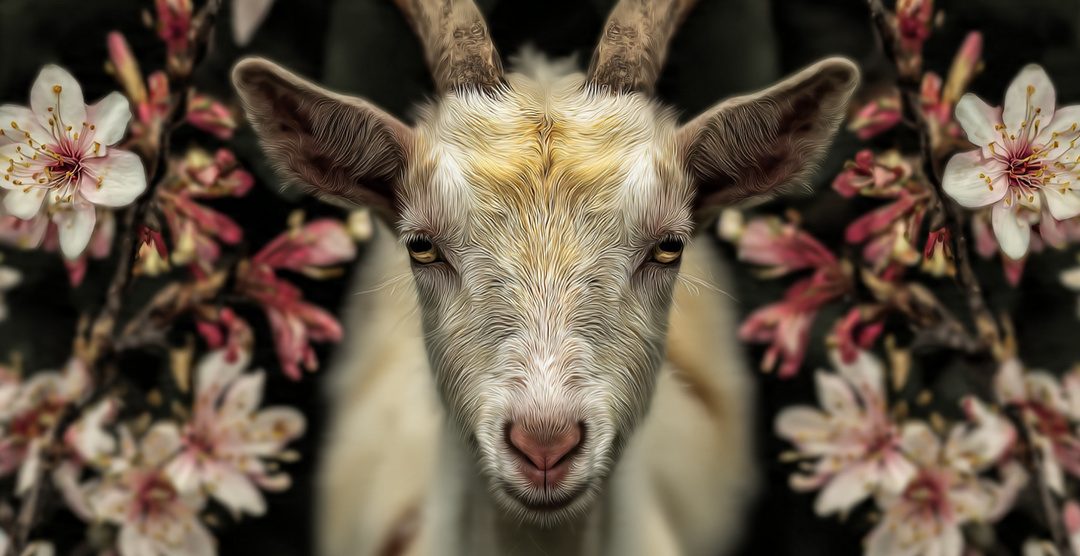
The story of the goat’s symbolism is ultimately a tale of cultural reversal. They once symbolized fertility and the divine connection to nature.
Over centuries, religious and cultural shifts transformed that image into one of chaos and evil.
This inversion reflects our ongoing struggle to control and tame the primal forces of nature and ourselves.
In demonizing this sacred animal, societies sought to suppress the wilderness that threatened their order.
Today, it remains a powerful symbol – both feared and revered – reminding us of the ancient energies that still pulse beneath the veneer of modern life.

A little Aquarius, devoted to writing and embroidery. Through my writing, I hope to empower readers to align with their true selves and navigate life’s mysteries with confidence.