

When the holiday season arrives, red ribbons seem to appear everywhere. They are tied around wreaths hung on gifts wrapped around candles, and even placed on door handles.
People use them so often that it is easy to think of them as nothing more than decoration. But red ribbons carry a long history filled with symbolism and meaning.
Many families once believed that tying a red ribbon on something invited luck, protection, and warmth into the home.
Some believed it kept negative energy away. Others saw it as a sign of love and togetherness.
Today, most people enjoy red ribbons for their beauty, but the tradition has far deeper roots.
Ancient Traditions That Started It All
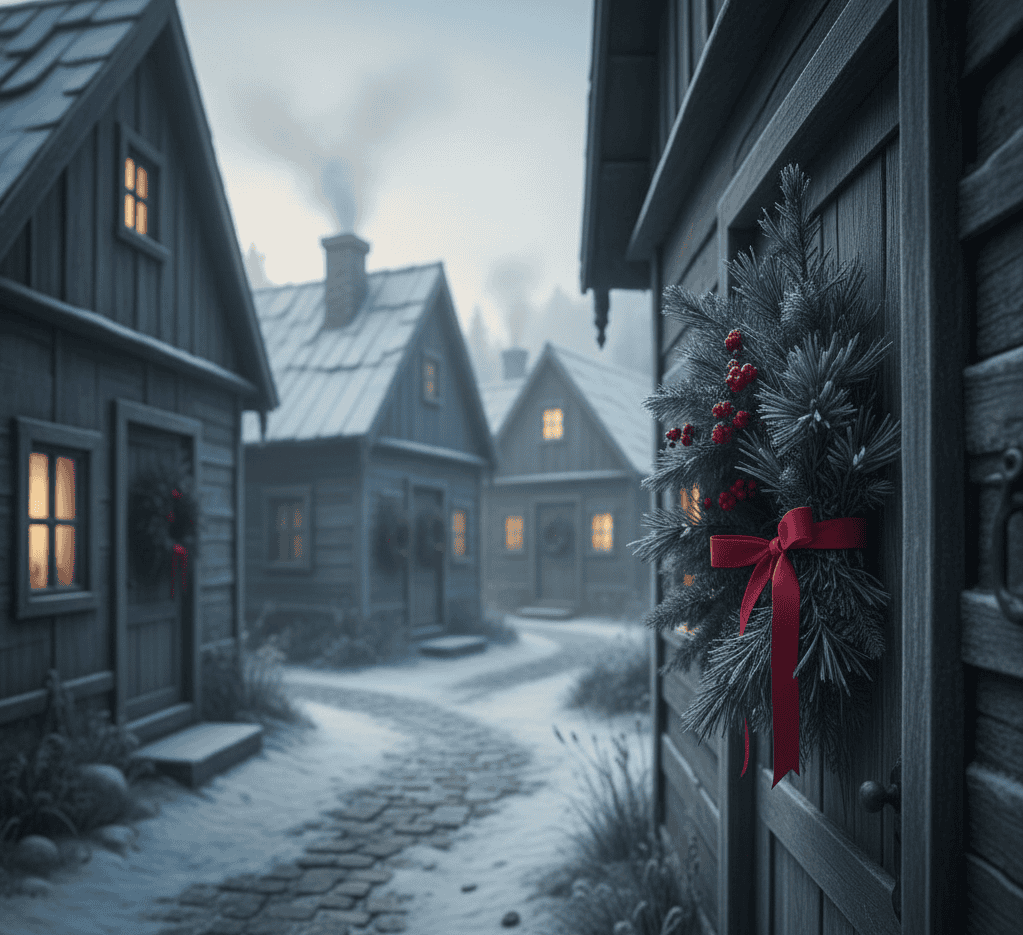
Long before holiday celebrations looked like they do today, people used red ribbons for spiritual reasons.
In many ancient communities, red was seen as a protective color. It reminded people of the warmth of fire.
Fire kept families alive during harsh winters, so the color connected naturally with the idea of safety.
When people tied red fabric on doors or windows, they believed it helped guard their homes from misfortune.
In parts of Europe, people wrapped red cloth around evergreen branches because evergreens symbolized life that endured the cold.
The combination of green and red became a powerful sign of survival during dark seasons. Families often tied small red ribbons to trees outside their homes.
They hoped the color would attract good spirits and guide blessings toward their household.
In Eastern cultures, red has long been associated with joy and good luck. During winter festivals, people hung red strings or ribbons to invite happiness and chase away any negative forces.
These traditions influenced later holiday customs as cultures blended and shared ideas through travel and trade.
There were also beliefs that red ribbons protected children and animals. Some families tied small red strings around a baby’s wrist or a pet’s collar.
This was not done out of fear but out of love. The color was thought to guard the most vulnerable members of the family.
Over time, people began decorating homes with red ribbons during winter celebrations, not only for protection but also to represent their love.
Red ribbons carried hope, strength, and warmth during a season that felt cold and uncertain.
Why Red Became a Symbol of Joy and Connection

When you see a red ribbon on a wreath or gift today, you might think of celebration. That is not an accident.
Red stood out more than any other color. It caught the eye and lifted spirits. A single red ribbon could make a room feel alive.
Red also became a symbol of love. It reminded people of the warmth they felt around friends and family.
During winter gatherings, people exchanged small gifts decorated with red ribbons to show affection and appreciation.
The practice grew into a holiday tradition that continues today. Even now, wrapping a present with a red ribbon feels like a simple way to make it special.
Another part of the meaning comes from the feeling of togetherness. When families decorated their homes with red ribbons, they often did it as a group.
Children tied bows on branches. Parents wrapped them around banisters. Grandparents added ribbons to the fireplace area.
These shared tasks created memories and made the home feel full of life. The color red came to symbolize community and unity.
Red ribbons also became linked with celebration because of their bright and bold appearance. People felt excited when they saw them.
Even if someone had very little money or very few decorations, a single red ribbon could transform a space and make it feel festive.
That emotional power helped the tradition spread. Over time, red ribbons became one of the most common symbols of the holiday season.
How People Use Red Ribbons Today and Why It Still Matters

Today, many people decorate with red ribbons simply because they look beautiful. Red ribbons still bring warmth into the home.
They still brighten dark winter days. They still create a feeling of celebration that people look forward to every year.
People also use red ribbons to express hope. For example, many write their wishes for the coming year on small pieces of paper and tie them with red ribbons to trees or branches.
The act is symbolic. It helps them focus on what they want and reminds them to stay hopeful as the new year approaches.
In some communities, red ribbons are used to honor memories. A ribbon might be tied to a tree in memory of someone who is no longer here.
Red ribbons also play a role in charity work during the holidays. People use them to decorate donation boxes or to tag items that will be given to those in need.
The color makes the gesture feel warm and thoughtful. It adds a human touch to giving.
Even though many people may not know the ancient history behind the tradition, the emotional impact remains very real.
Red ribbons bring people together. They remind us of warmth, hope, and kindness. They help us create small, joyful moments.
The Lasting Magic of a Simple Ribbon
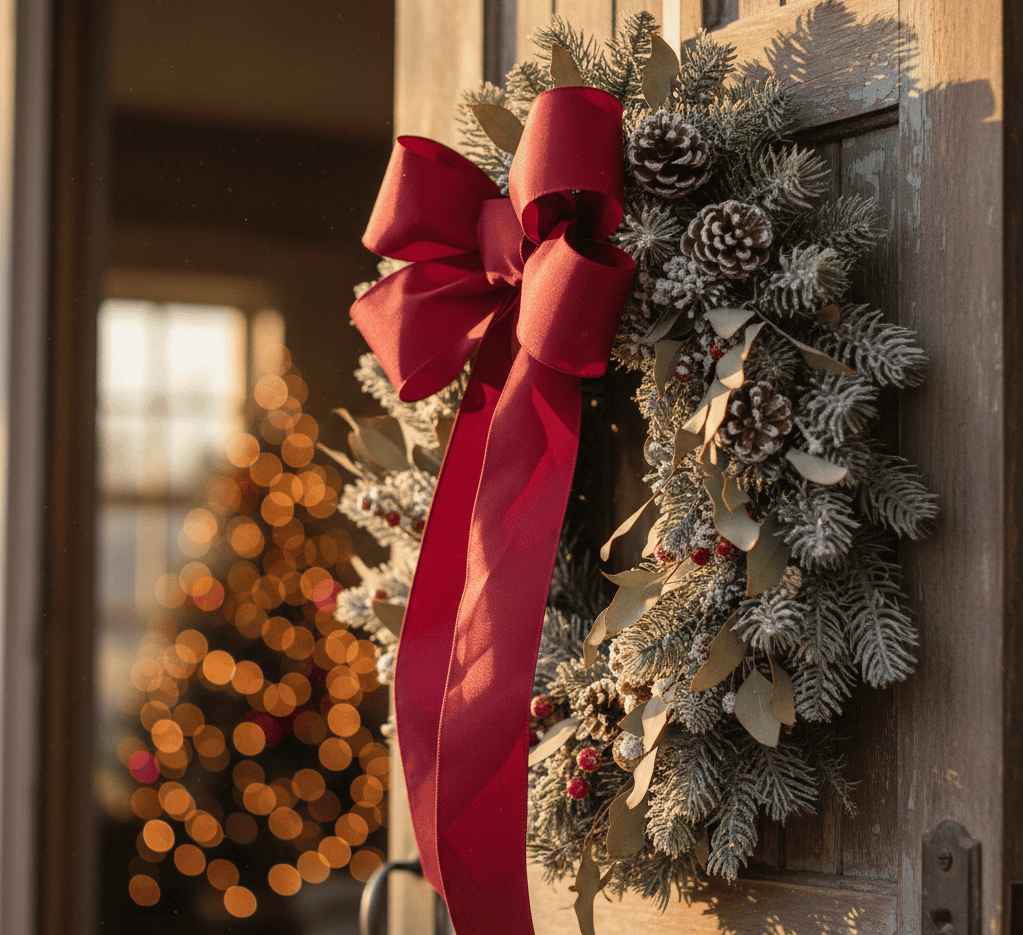
The beauty of the red ribbon tradition is that it shows how powerful simple things can be. A ribbon is just a strip of fabric, yet it carries centuries of meaning.
It reminds people of protection from old legends. It reflects the joy that families have shared during holidays. It symbolizes love that continues across generations.
These quiet traditions endure because they speak to something universal. People everywhere understand the desire for light during dark days.
They understand the wish for protection, comfort, and joy. Red ribbons capture those feelings in a small but powerful way.
As the holidays come each year, you might look at a red ribbon differently. You might see it as more than a decoration.
You might see it as a reminder that the season is about connection, both with your loved ones and with the traditions that shaped the past.
In a world that often feels rushed, the simple act of tying a ribbon can be grounding. It invites you to slow down and appreciate the warmth around you.

Siempre sentí una fuerte conexión con lo Divino desde mi nacimiento. Como autora y mentora, mi misión es ayudar a los demás a encontrar el amor, la felicidad y la fuerza interior en los momentos más oscuros.